


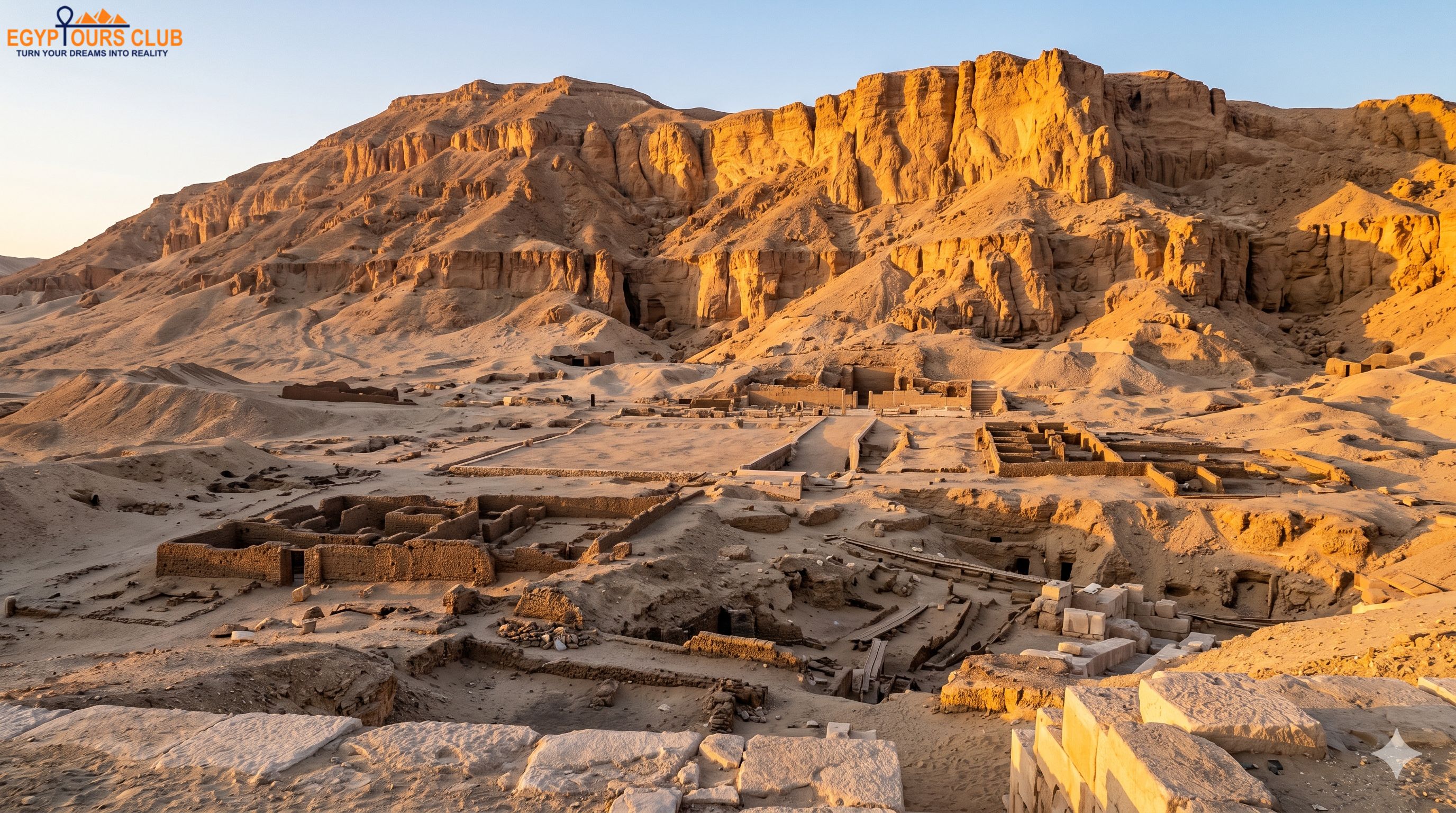
Middle Kingdom Royal Tomb
The tomb belongs to one of Egypt’s most important Middle Kingdom rulers and expands the story of Abydos beyond the New Kingdom.
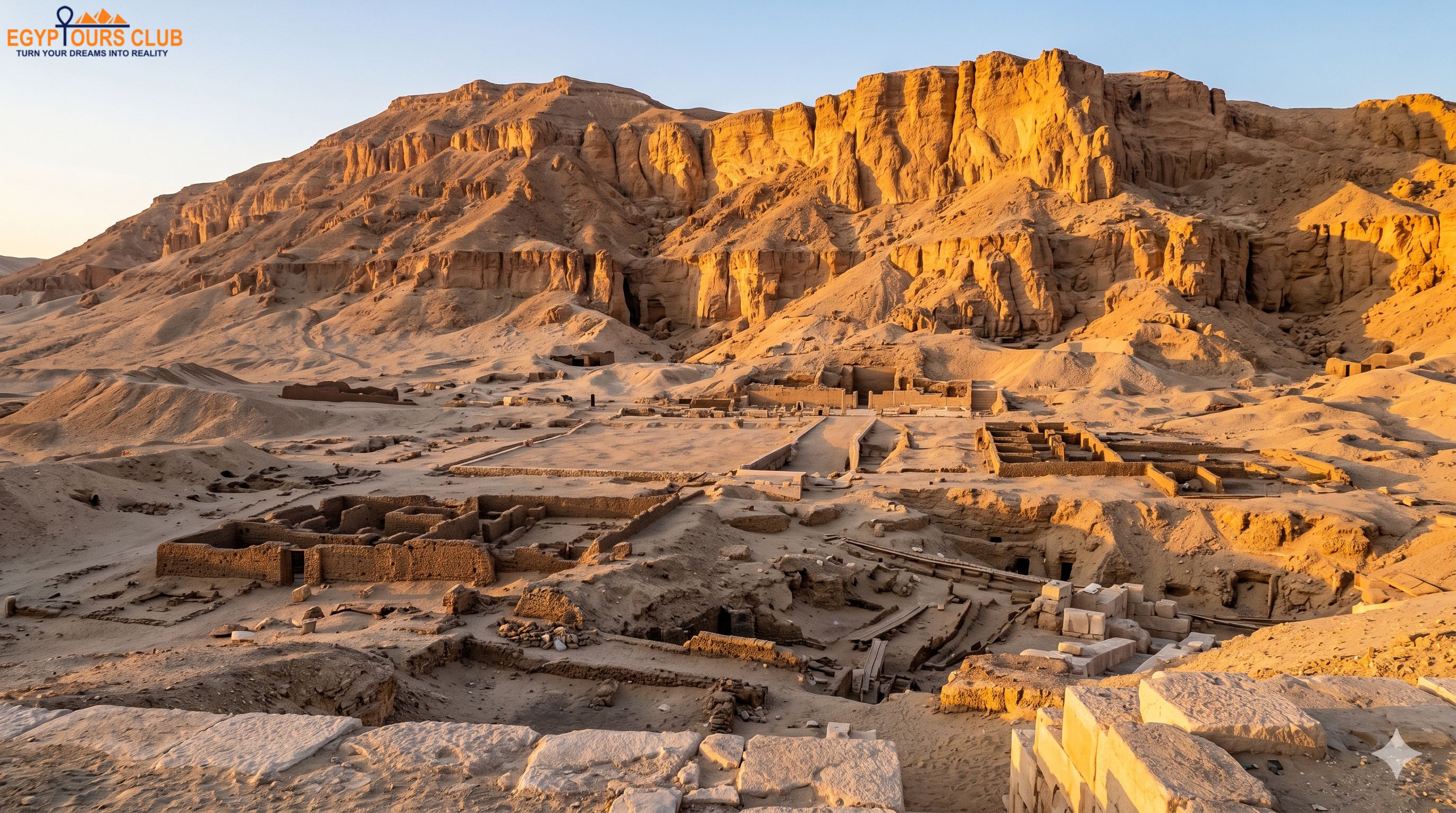
A powerful Middle Kingdom royal tomb landscape where desert cliffs, Anubis Mountain and hidden burial architecture reshape the story of Abydos.
The Senusret III Tomb at Abydos, also written Senwosret III Tomb Abydos, is one of the most important royal funerary monuments of the Egyptian Middle Kingdom. Located in the South Abydos royal necropolis near the sacred Mountain-of-Anubis, it gives travelers a rare view into hidden royal burial design long before the Valley of the Kings became famous.
The Senusret III Tomb at Abydos is a major subterranean royal tomb in the South Abydos necropolis, connected with Pharaoh Senusret III of the Twelfth Dynasty and the sacred Mountain-of-Anubis landscape. It is one of the most important Middle Kingdom royal monuments for understanding hidden tomb architecture, royal burial strategy and the sacred geography of Abydos.
Most travelers know Abydos because of the Temple of Seti I, the Abydos King List and the Osireion. The Senusret III tomb area adds a different layer: the Middle Kingdom royal necropolis of South Abydos, where desert landscape and funerary engineering worked together.
The tomb area is associated with one of Egypt’s strongest Middle Kingdom kings, Senusret III. Its setting near the naturally pyramidal Mountain-of-Anubis gives the site a powerful sacred geography, making it more than an isolated burial place.
For visitors interested in Senusret III tomb Abydos, Senwosret III tomb Abydos, Middle Kingdom royal tomb Abydos, hidden royal tomb Egypt and Abydos archaeology tour, this is one of the deepest specialist stops in Upper Egypt.
South Abydos Royal NecropolisThe site’s visual power comes from landscape: desert cliffs, a sacred mountain form, ancient mudbrick remains and the sense of a royal tomb hidden inside a designed funerary zone.
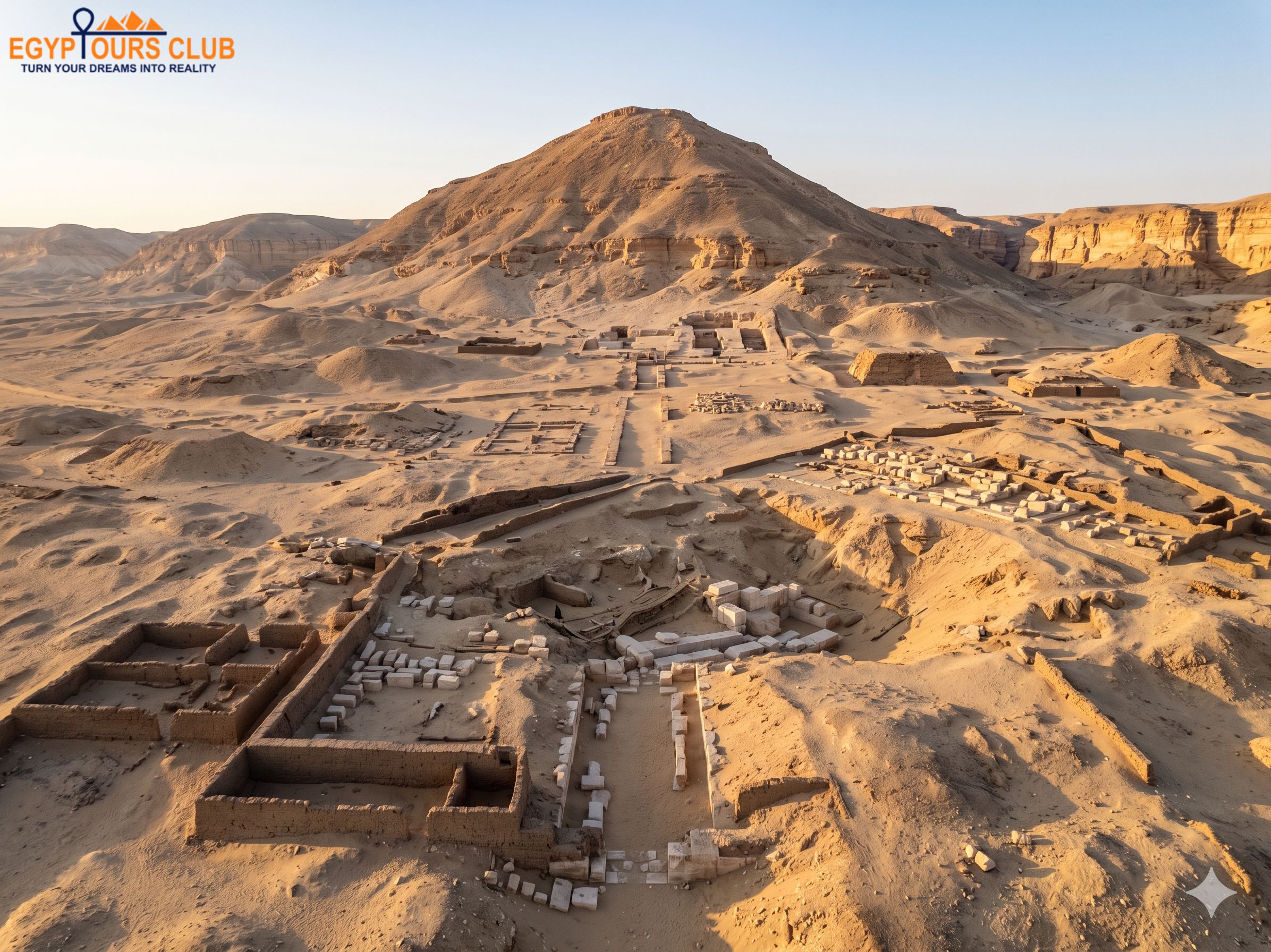
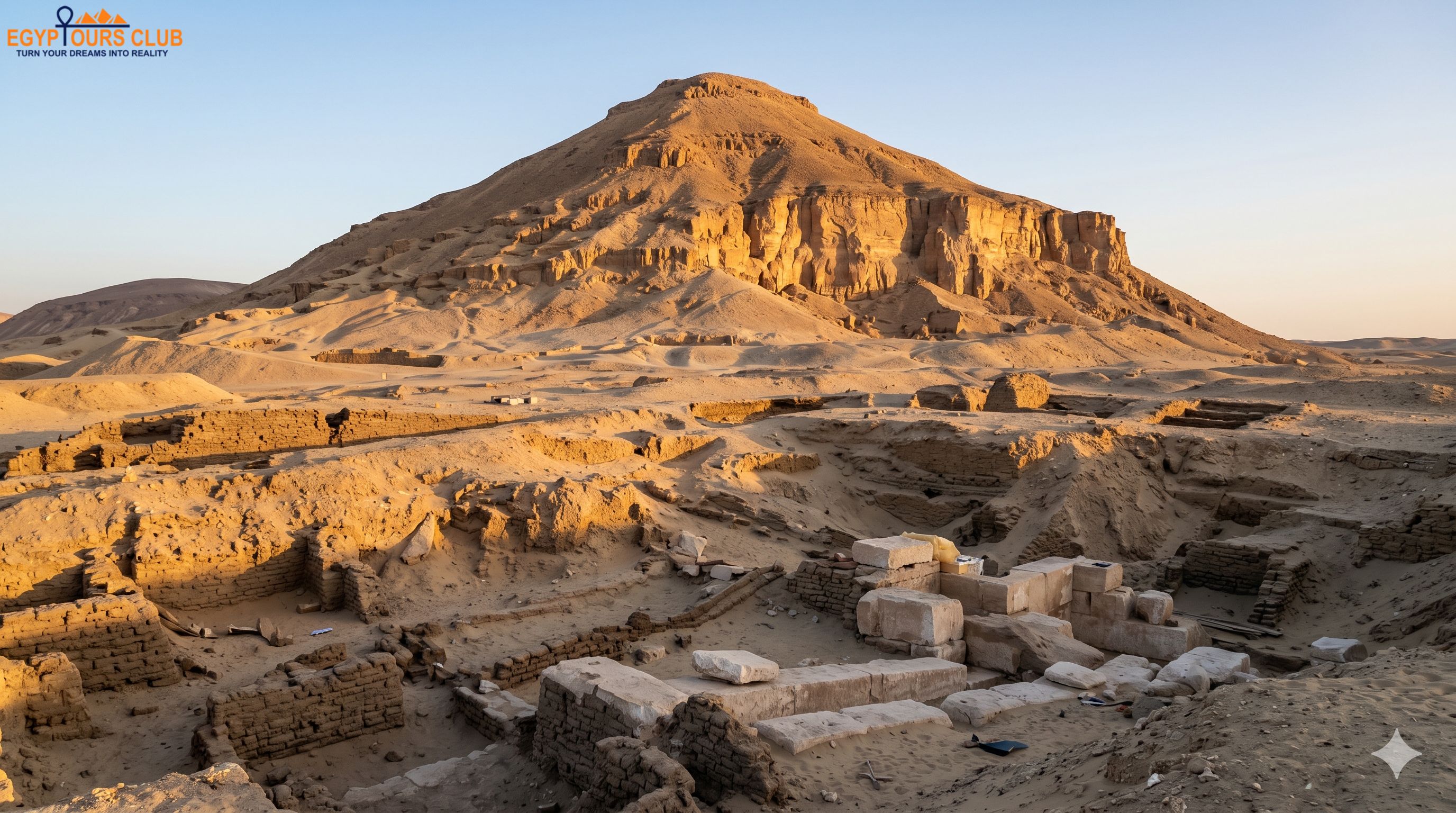
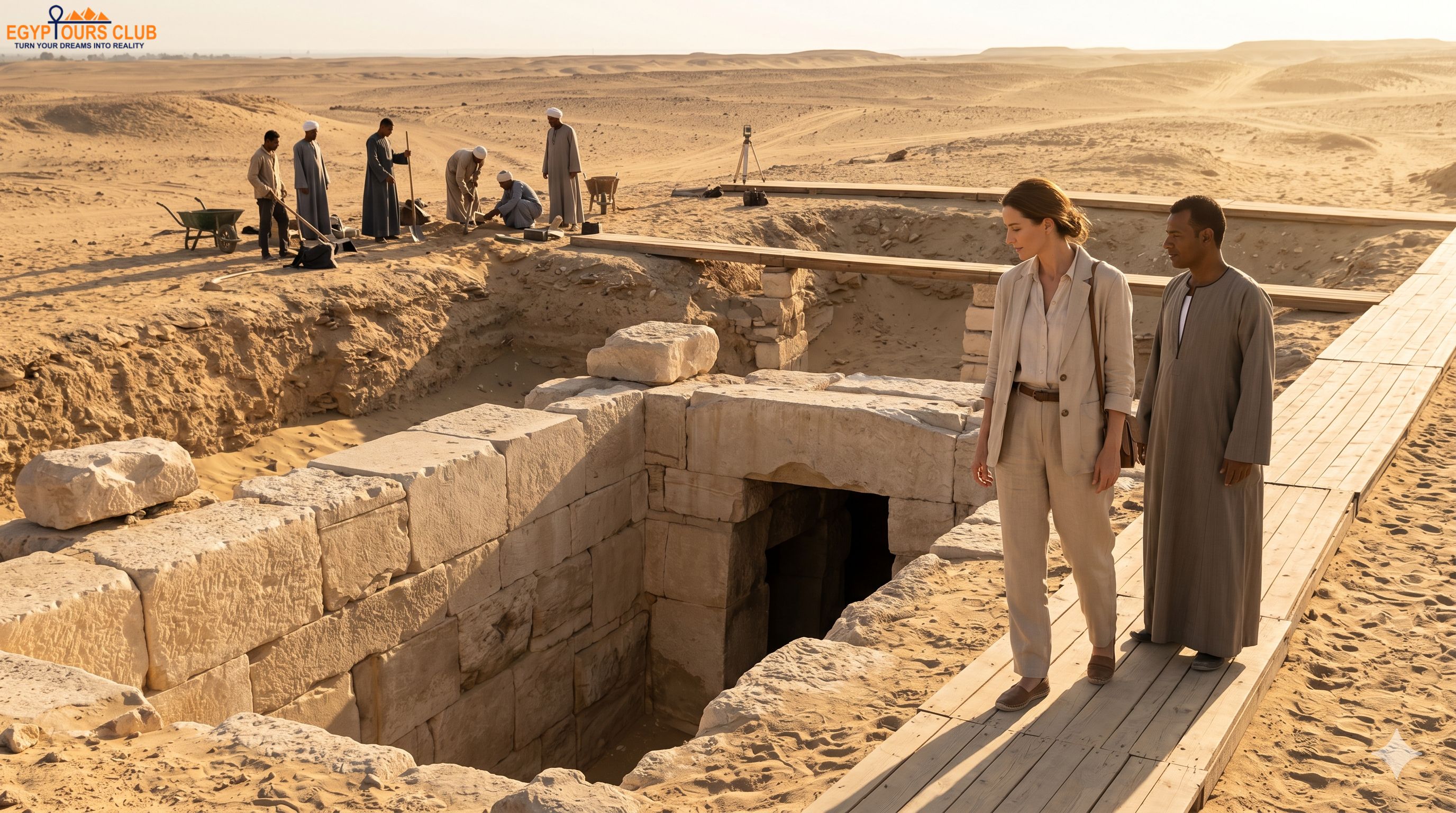
The tomb belongs to a larger funerary program connected with Senusret III, one of the most powerful rulers of Egypt’s Twelfth Dynasty.
This site matters because it shows how royal burial design evolved in the Middle Kingdom and how sacred landscape could become part of royal architecture.
The tomb belongs to one of Egypt’s most important Middle Kingdom rulers and expands the story of Abydos beyond the New Kingdom.
The mountain gives the tomb area a unique sacred identity, turning the desert itself into part of the monument.
The tomb sits inside a broader necropolis setting, making it ideal for deeper archaeological itineraries.
The site rewards explanation because its strongest meaning comes from landscape, planning and hidden tomb design.
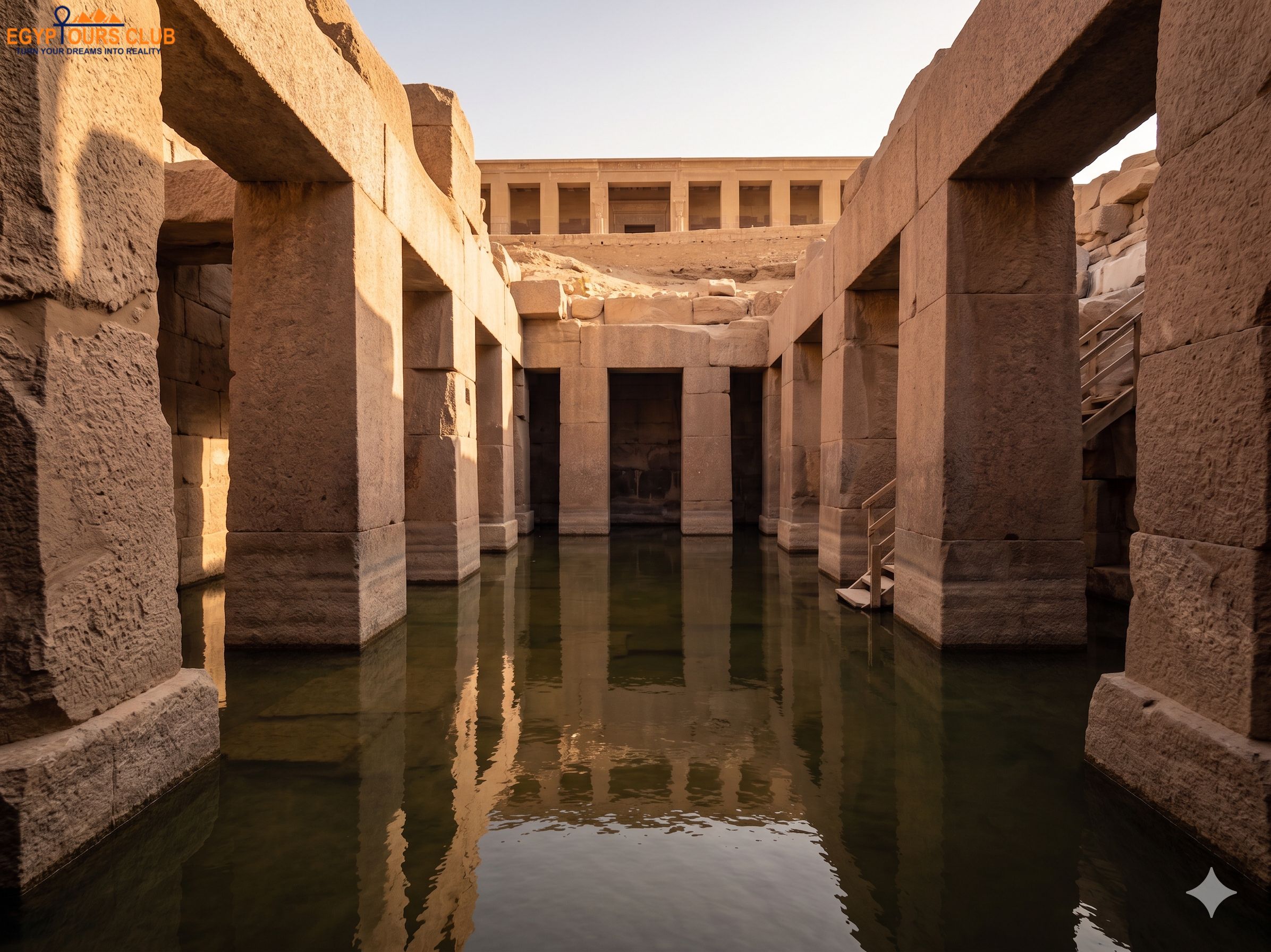
Nearby Abydos monuments such as the Osireion and Seti I Temple help place the tomb in a wider sacred landscape.
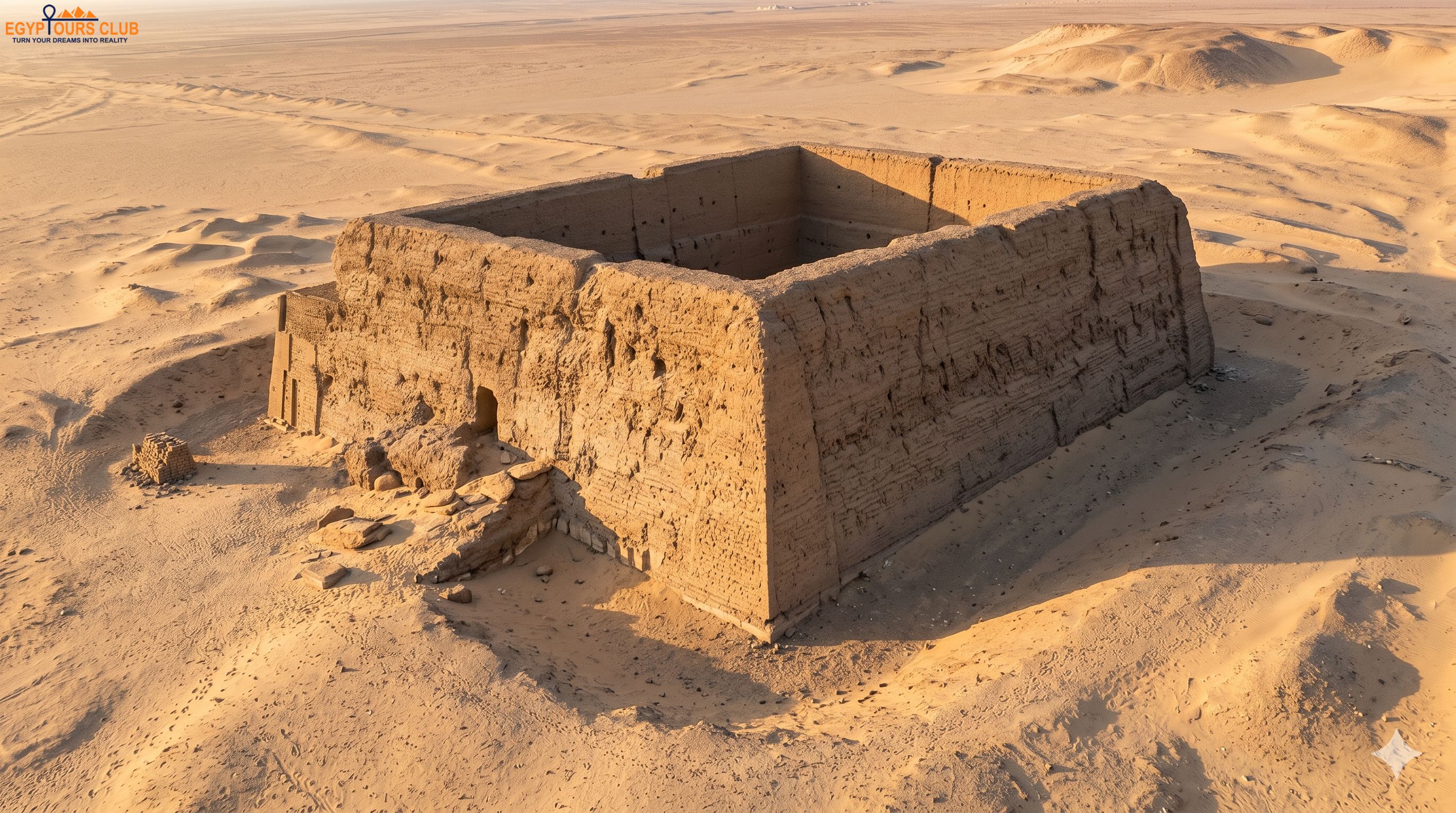
Shunet El-Zebib and Umm El-Qa’ab help connect the Senusret III tomb area with the long royal history of Abydos.
Abydos is a multi-layered sacred landscape. The Senusret III tomb area adds the Middle Kingdom royal necropolis layer between early dynastic royal tombs and later Osiris-focused temple monuments.
| Site | Main Identity | Why Pair It with Senusret III Tomb? |
|---|---|---|
| Senusret III Tomb | Middle Kingdom subterranean royal tomb in South Abydos | Adds hidden royal burial architecture and Anubis Mountain landscape symbolism. |
| Abydos Temple of Seti I | New Kingdom temple and Abydos King List | Connects the tomb area with later royal memory and refined temple art. |
| Osireion in Abydos | Osiris-linked symbolic monument with water and stone | Adds the sacred rebirth and Osiris layer of Abydos. |
| Umm El-Qa’ab | Early royal cemetery and first kings’ tombs | Shows Abydos’s earliest royal burial identity before the Middle Kingdom tomb complex. |
| Shunet El-Zebib | Early dynastic mudbrick royal enclosure | Completes the royal architecture story of Abydos across multiple periods. |
The Senusret III tomb area is best visited as part of a private Abydos archaeology route. It is a specialist site, and its value depends on understanding the landscape, the king, the mountain and the larger South Abydos mortuary complex.
The strongest route connects Senusret III’s South Abydos landscape with Abydos Temple, the Osireion, Umm El-Qa’ab and Shunet El-Zebib.
A focused Abydos route linking the Middle Kingdom royal necropolis with the later Temple of Seti I.
Request this route →Best for serious travelers who want to understand landscape symbolism and hidden tomb architecture.
Build specialist itinerary →Pair Senusret III’s tomb area with the Osireion and early royal monuments for a deeper Abydos day.
Explore Osireion →Exact access, timing and route order should be confirmed locally, especially for specialist South Abydos archaeological stops.
Use these pages to connect Senusret III’s tomb area with the strongest Abydos and Upper Egypt route structure.
| Route | Best For | Suggested Flow | Useful Link |
|---|---|---|---|
| Classic Abydos Extension | First-time Abydos travelers with extra time | Temple of Seti I → Osireion → Senusret III tomb area if access allows | Abydos Temple guide |
| South Abydos Archaeology Route | Serious history lovers | Senusret III tomb area → Anubis Mountain landscape → Abydos main monuments | Private specialist route |
| Abydos Royal Necropolis Route | Royal tomb and early kingship travelers | Umm El-Qa’ab → Shunet El-Zebib → Senusret III tomb → Seti I Temple | Umm El-Qa’ab guide |
| Dendera and Abydos Full Day | Upper Egypt temple travelers | Luxor → Dendera → Abydos Temple → specialist Abydos stop depending on timing | Dendera and Abydos tour |
It is a major Middle Kingdom royal tomb in South Abydos, associated with Pharaoh Senusret III and the Mountain-of-Anubis landscape.
Yes. Both spellings refer to the same Twelfth Dynasty king.
It is important because it shows a major Middle Kingdom royal burial strategy, hidden tomb design and the sacred landscape planning of South Abydos.
It is located in South Abydos in Sohag Governorate, Upper Egypt, near the desert peak known as the Mountain-of-Anubis.
It can be planned as part of a private Abydos archaeology route, with access and exact logistics checked locally before the visit.
It is a naturally pyramidal desert peak in South Abydos that formed the symbolic focus of Senusret III’s mortuary landscape.
Strong pairings include Abydos Temple of Seti I, the Osireion, Umm El-Qa’ab, Shunet El-Zebib and Dendera Temple Complex.
Yes, especially for travelers interested in royal tombs, Middle Kingdom history, Abydos archaeology and specialist private itineraries.
Visit South Abydos with a private guide and connect Senusret III’s hidden royal tomb, Anubis Mountain, Seti I Temple, the Osireion, Umm El-Qa’ab and Shunet El-Zebib into one deep Abydos archaeology route.