

Shunet El-Zebib in Abydos, Egypt: History, Facts, and Why It Matters | Egypt Tours Club
Shunet El-Zebib in Abydos, Egypt: History, Facts, and Why It Matters . banner

Shunet El-Zebib in Abydos, Egypt: History, Facts, and Why It Matters

Shunet El-Zebib in Abydos, Egypt: The Complete Guide to One of the Oldest Royal Monuments in the World

✨ Overview

When most travelers think of ancient Egypt, their minds go straight to the pyramids, Karnak, Luxor Temple, or the Valley of the Kings. Yet beyond the most famous landmarks lies a category of sites that can completely change the way we understand early Egyptian kingship and sacred architecture. One of the most remarkable among them is Shunet El-Zebib in Abydos.

Located in the historic landscape of Abydos, Egypt, Shunet El-Zebib is a massive mudbrick royal enclosure associated with King Khasekhemwy, the last ruler of Egypt’s Second Dynasty. It is widely recognized as one of the oldest surviving royal monuments in Egypt and one of the earliest large-scale mudbrick constructions still standing anywhere in the world. Sources from the Abydos archaeological project, World Monuments Fund, and ARCE all describe it as a funerary cult enclosure built for Khasekhemwy around the late Second Dynasty, roughly c. 2700–2750 BCE.

For anyone searching what is Shunet El-Zebib, exploring the history of Shunet El-Zebib, or wondering why is Shunet El-Zebib important, this site offers a powerful answer. It is not merely an old wall in the desert. It is a crucial monument in the story of Egyptian kingship, ritual architecture, and the evolution of sacred spaces that eventually led to the great mortuary complexes of later dynasties.


🏛️ What Is Shunet El-Zebib?

At its core, Shunet El-Zebib is a huge rectangular mudbrick enclosure in Abydos that served as a royal funerary cult enclosure for King Khasekhemwy. Archaeological sources explain that it was not a military fort, even though earlier observers sometimes interpreted it that way because of its heavy walls. Instead, the evidence points to a ceremonial and cultic purpose tied to royal death, remembrance, and ritual activity.

The monument is also known by alternative names such as Shuneh and Middle Fort, but these names can be misleading because they emphasize appearance rather than function. In modern scholarship, the site is primarily understood as one of the most advanced and monumental examples of an early Egyptian royal enclosure.

If someone asks, what is Shunet El-Zebib, the best short answer is:

Shunet El-Zebib is a massive early dynastic royal enclosure in Abydos, Egypt, built for King Khasekhemwy as a funerary cult monument and regarded as one of the oldest preserved royal structures in the world.


📜 History of Shunet El-Zebib

The history of Shunet El-Zebib begins in the late Second Dynasty of ancient Egypt, when King Khasekhemwy commissioned the monument in Abydos. The site dates to around 2700 BCE, with some sources giving an approximate range around 2750 BCE, placing it among the earliest surviving monumental royal constructions in Egyptian history.

Khasekhemwy is particularly important in early Egyptian history because he ruled at the end of the Second Dynasty and is associated with a period of consolidation before the rise of the Old Kingdom. His association with Shunet El-Zebib Abydos gives the monument a very high historical value, since it preserves physical evidence of how kingship, memorial ritual, and sacred enclosure design were already highly developed before the age of the great pyramids.

⏳ Historical timeline

PeriodWhat Happened
Late Second DynastyShunet El-Zebib was built for King Khasekhemwy in Abydos.
Early UseIt functioned as a funerary cult enclosure tied to royal ritual and remembrance.
Later PerceptionIts thick walls led some earlier observers to interpret it as a fort.
Modern ArchaeologyResearch and conservation clarified its ritual importance and royal function.

What makes the history of Shunet El-Zebib so valuable is that it fills a gap in understanding the architectural and ritual bridge between the earliest dynastic rulers and later, more elaborate mortuary complexes. In this sense, Shunet El-Zebib is not just old; it is foundational.


👑 Khasekhemwy and the Meaning of the Monument

A major part of the site’s authority comes from its direct connection to Khasekhemwy. Archaeological sources identify the enclosure as his royal funerary monument, and this matters because Khasekhemwy was one of the key rulers at a turning point in early Egyptian history.

The structure is often described as a Khasekhemwy enclosure because it embodied royal ideology. It was part of the broader ritual landscape of Abydos, a place that later became deeply associated with kingship, burial, pilgrimage, and the cult of Osiris. UNESCO’s description of Abydos emphasizes how central the area became in Egyptian religious and commemorative life.

That means Shunet El-Zebib Egypt should not be viewed in isolation. It belongs to a sacred geography where kings were remembered, ritual identity was performed, and monumental enclosure architecture carried political and spiritual meaning.


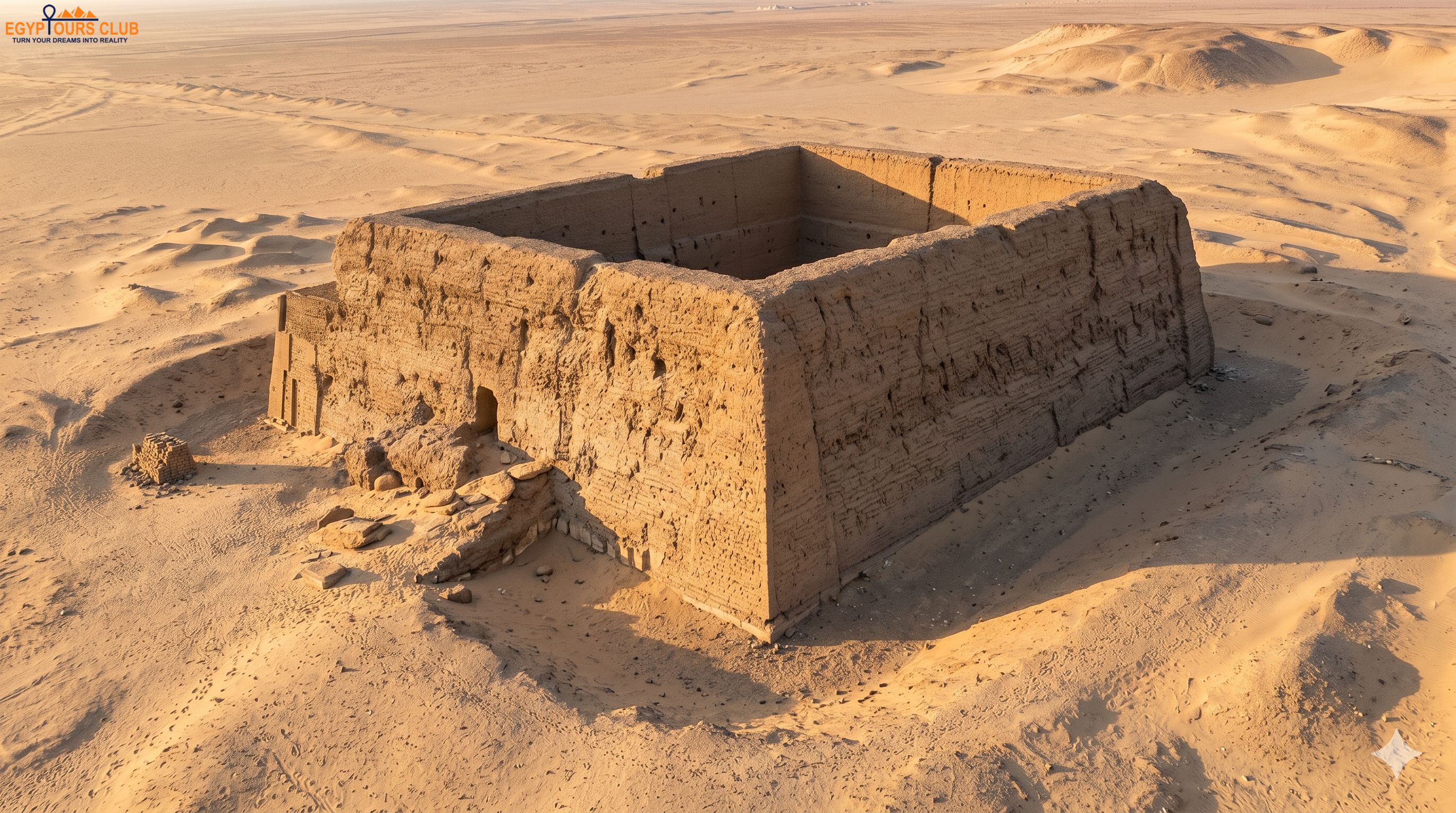
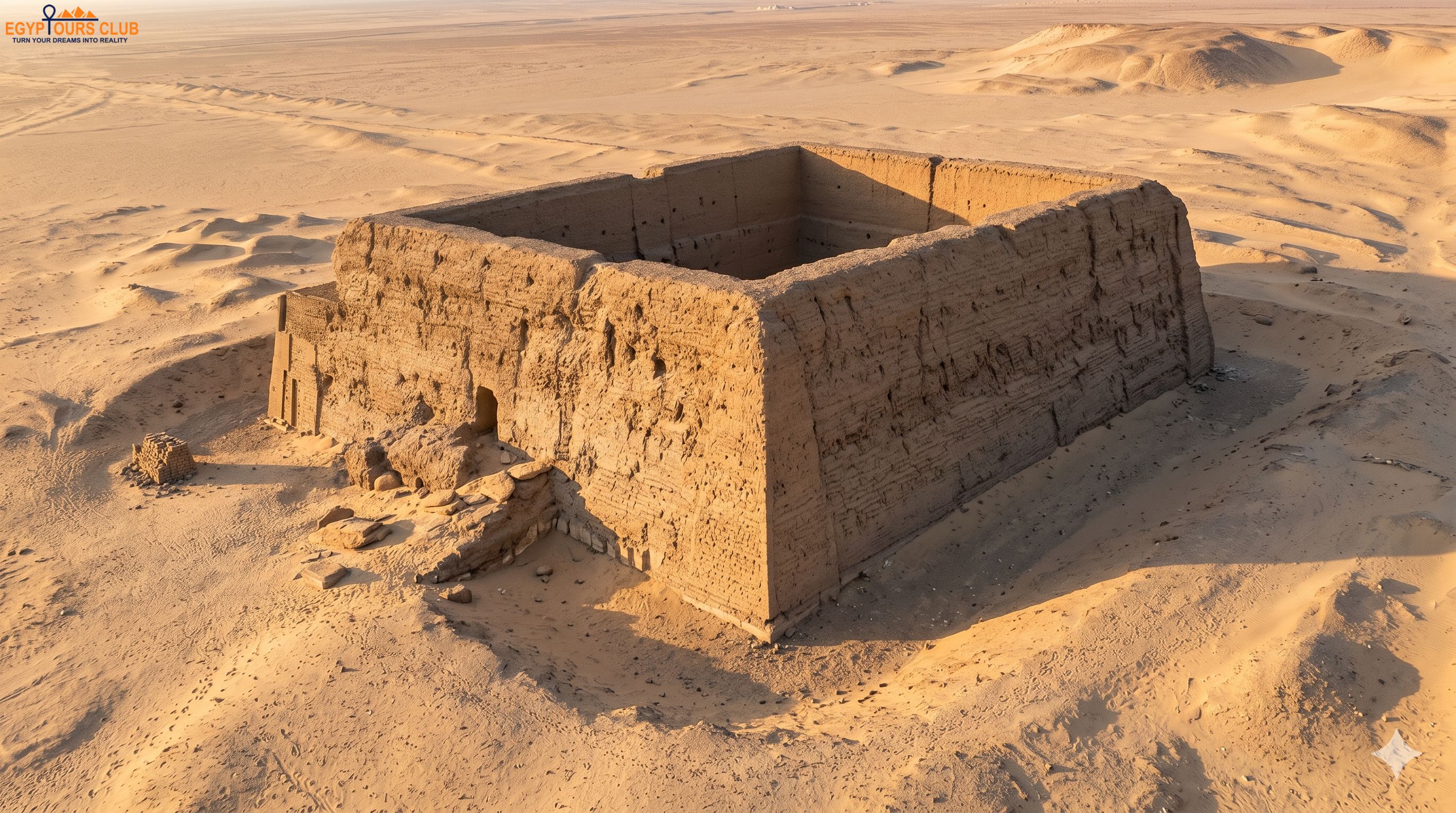
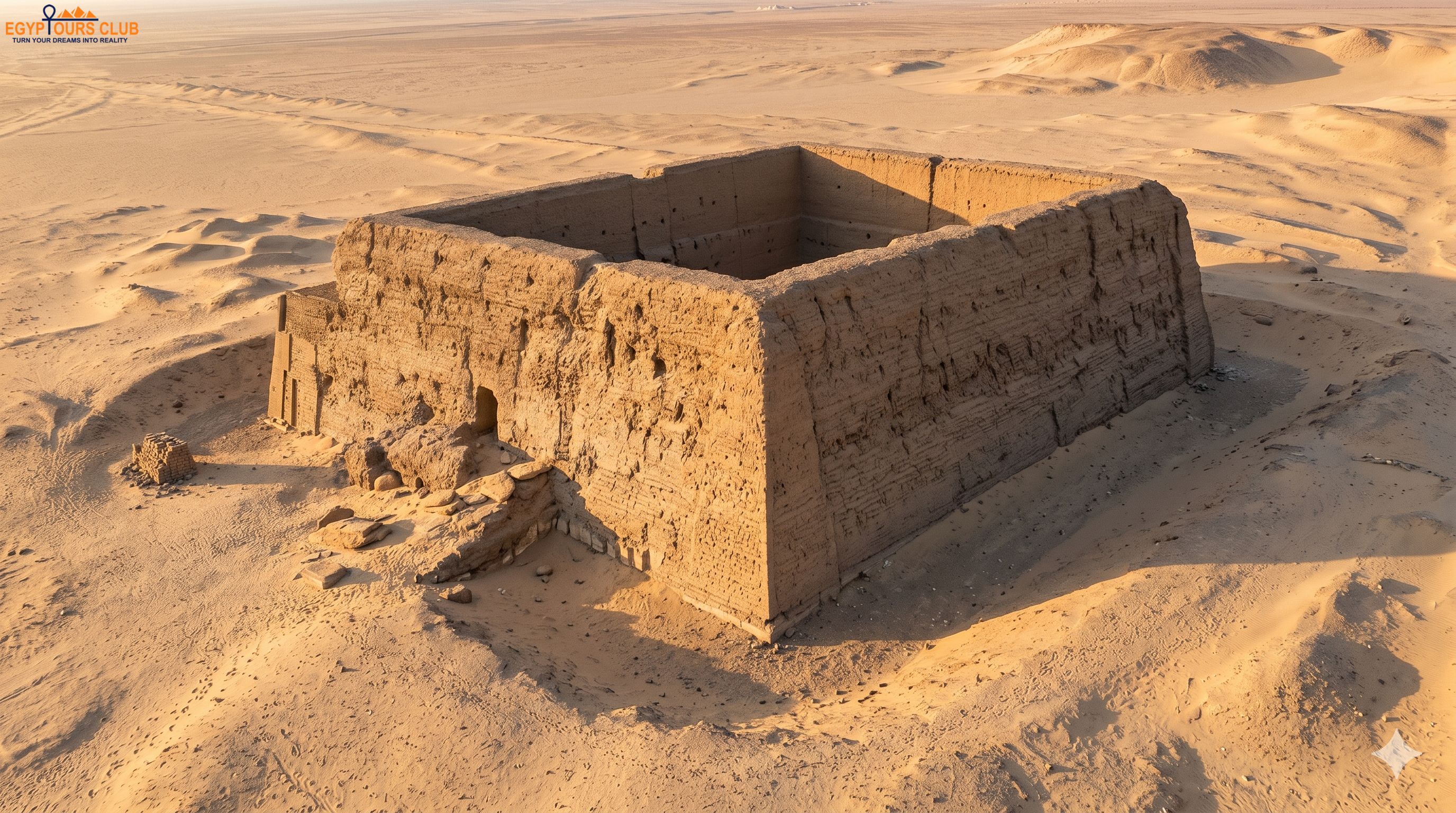
Shunet El-Zebib in Abydos, Egypt, showing its massive ancient mudbrick royal enclosure walls


🧱 Architecture of Shunet El-Zebib

One of the most impressive aspects of Shunet El-Zebib is its architecture. The monument consists of two large rectangular mudbrick walls, one inside the other, forming a monumental enclosed space. Sources describe the outer wall as approximately 137 by 77 meters, around 5 meters thick, and up to 12 meters high, while the inner wall is smaller but still enormous.

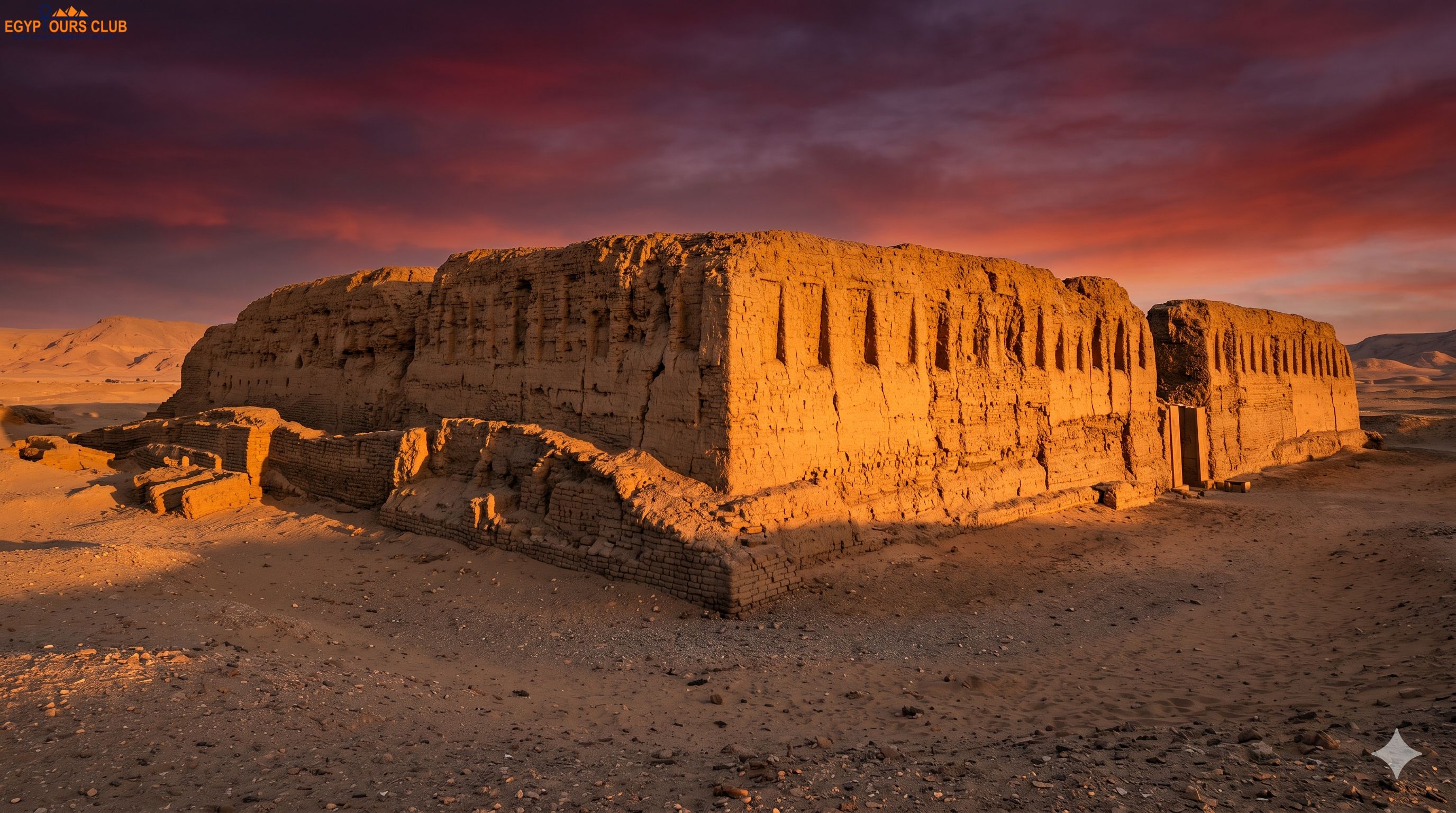
The façade of the outer wall was decorated with a niched pattern that imitated the appearance of a royal palace façade. This is one of the reasons the monument is so important to the study of early Egyptian royal symbolism. Even in mudbrick form, the enclosure projected status, order, and ceremonial power.

🔍 Architectural highlights

  • Massive rectangular mudbrick enclosure
  • Double-wall design
  • Monumental scale for such an early period
  • Palace-façade style exterior treatment
  • Strong visual dominance within the Abydos desert landscape
  • Evidence of ritual rather than defensive purpose

📊 Shunet El-Zebib architectural facts

FeatureDescription
TypeRoyal funerary cult enclosure
MaterialMudbrick
LocationAbydos, Sohag, Upper Egypt
BuilderKing Khasekhemwy
DateLate Second Dynasty, around 2700–2750 BCE
SignificanceOne of the oldest preserved royal monuments in the world

This is why people searching ancient mudbrick enclosure Egypt, royal funerary enclosure Abydos, or oldest preserved royal monument Egypt often end up circling back to Shunet El-Zebib. It is one of the clearest surviving monuments for understanding how monumental architecture functioned in Egypt before stone pyramid complexes became dominant.


❓ Why Is Shunet El-Zebib Important?

A common search is: why is Shunet El-Zebib important?

The answer lies in four major points:

1) It is extremely early

Shunet El-Zebib dates to the late Second Dynasty, making it dramatically older than many of Egypt’s better-known standing temple sites.

2) It preserves royal architecture from a formative era

This is not just any mudbrick ruin. It is a large-scale royal monument that helps scholars understand the development of funerary architecture before the classical pyramid age.

3) It is tied to Khasekhemwy

Its association with Khasekhemwy gives it major historical weight and strengthens its place within early dynastic studies.

4) It helps explain Abydos

Abydos is one of the most important sacred landscapes in ancient Egypt, and Shunet El-Zebib Abydos is part of what makes that landscape so significant.

So if you are writing for readers interested in archaeology, history, or serious cultural travel, why is Shunet El-Zebib important becomes one of the strongest sections in the entire page.


🏺 Shunet El-Zebib and the Royal Ritual Landscape of Abydos

To fully understand Shunet El-Zebib Egypt, it helps to place it inside the broader religious and royal setting of Abydos.

Abydos was one of the most important sacred cities in ancient Egypt. Over time, it became a center of pilgrimage and religious memory, especially in relation to Osiris. UNESCO’s summary of Abydos highlights the city’s exceptional cultural and spiritual role in ancient Egyptian civilization.

Within this context, Shunet El-Zebib was not an isolated construction. It formed part of a landscape of tombs, enclosures, ritual structures, and royal monuments. That is why the site matters not only as a standalone ruin, but as a window into how early kings were honored and remembered in an active sacred environment.

For content strategy, this section is powerful because it connects:

  • Shunet El-Zebib
  • Abydos archaeology site
  • royal funerary enclosure Abydos
  • ancient site in Abydos Egypt

That cluster helps the page rank not only for the exact monument name, but also for surrounding historical and place-based queries.


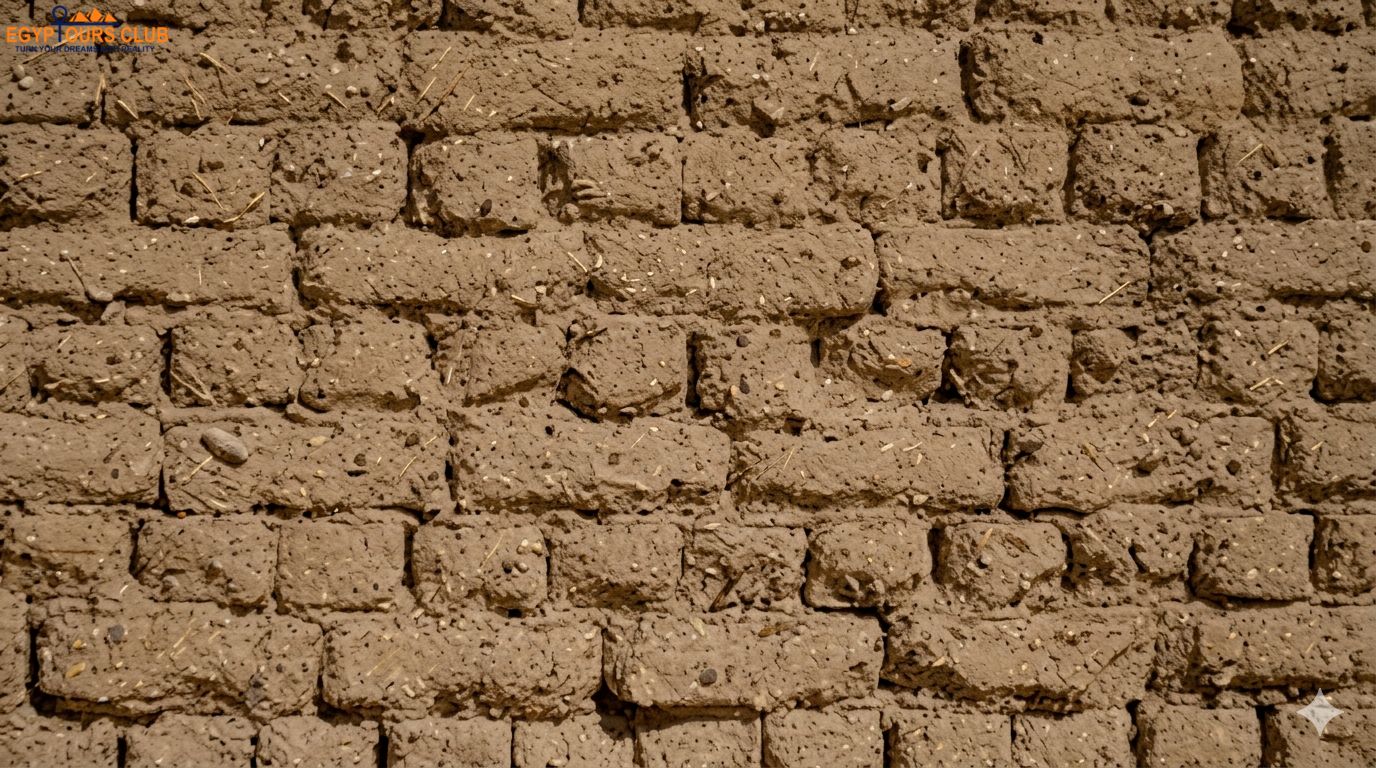
The mudbrick walls and architectural details of Shunet El-Zebib in the sacred landscape of Abydos


🧠 Shunet El-Zebib Facts Every Visitor Should Know

Readers often search for Shunet El-Zebib facts because they want quick, memorable details that explain why the site deserves attention.

Key Shunet El-Zebib facts

  • It was built for King Khasekhemwy, the last ruler of Egypt’s Second Dynasty. 
  • It dates to around 2700–2750 BCE, making it about 5,000 years old. 
  • It is made of mudbrick, not limestone like later monumental complexes. 
  • It is widely regarded as one of the oldest preserved royal monuments in the world
  • It was once misidentified by some as a fort because of its thick outer walls, but archaeological evidence supports a cultic and funerary function. 
  • It stands in Abydos, one of the most historically important sacred zones in Egypt. 

Quick fact table

FactValue
NameShunet El-Zebib
Alternative NamesShuneh, Middle Fort
LocationAbydos, Sohag, Upper Egypt
BuilderKhasekhemwy
DynastySecond Dynasty
MaterialMudbrick
Main FunctionRoyal funerary cult enclosure
ImportanceOne of the oldest preserved royal monuments

This is why Shunet El-Zebib explained content works best when it balances clarity, history, and architectural significance rather than treating the monument as just another obscure ruin.


🚶 How to Visit Shunet El-Zebib in Abydos

From a travel-content point of view, many readers will not only want history but also practical information.

Egypt’s official ticketing portal lists Shunet El Zebib among the accessible monuments in Sohag and provides published working hours. The official site currently shows summer and winter opening from 7:00 am with last entry at 4:00 pm, while Ramadan hours are listed with last entry at 3:00 pm.

✅ Practical visitor table

Visitor InformationDetails
SiteShunet El-Zebib
RegionAbydos, Sohag
Monument TypeEarly dynastic royal enclosure
Official Access ListingAvailable via Egypt’s monument ticketing portal
General Hours7:00 am opening; last entry typically 4:00 pm
Ramadan HoursLast entry typically 3:00 pm
Best Combined VisitOther Abydos archaeological sites

Travel tips

  • Visit early in the day for better light and less heat
  • Combine it with the wider Abydos archaeological zone
  • Bring water and sun protection
  • Treat it as a heritage site for visual study, not just a quick photo stop
  • Use a guide or strong interpretive text if you want deeper historical context

For SEO, this section helps support:

  • how to visit Shunet El-Zebib
  • Shunet El-Zebib opening hours
  • things to do in Abydos Egypt
  • Abydos archaeology site

📸 What Makes Shunet El-Zebib Visually Special?

Although it is not a painted temple or a columned sanctuary like Dendera, Shunet El-Zebib has a completely different visual power.

Its beauty comes from:

  • Monumental scale
  • Desert setting
  • Deep historical age
  • Raw mudbrick texture
  • Stark geometry
  • Strong sense of silence and antiquity

That makes it especially valuable for:

  • archaeology-focused travelers
  • cultural heritage photography
  • educational travel content
  • pages built around early dynastic Egypt

This also means your article should not undersell the site visually. The monument may look simpler than later temples, but its atmosphere is extraordinary because it feels ancient in the most direct possible way.


Shunet El-Zebib vs Other Ancient Sites in Abydos


🆚 Shunet El-Zebib vs Other Ancient Sites in Abydos

When people search for things to do in Abydos Egypt, they often focus on the most famous temple remains. But Shunet El-Zebib adds something unique that many other sites cannot provide.

Why it stands out

  • It represents very early royal architecture
  • It helps explain how later mortuary traditions evolved
  • It offers a rare example of monumental mudbrick survival
  • It connects directly to Khasekhemwy and the Second Dynasty
  • It expands the visitor’s understanding of Abydos beyond later temple culture

In other words, Shunet El-Zebib Abydos is not just “another attraction.” It is one of the key monuments for anyone who wants to understand the earliest built expressions of royal ceremonial power in Egypt.


❓ FAQs About Shunet El-Zebib

What is Shunet El-Zebib?

Shunet El-Zebib is a large mudbrick royal funerary enclosure in Abydos, Egypt, built for King Khasekhemwy in the late Second Dynasty.

Why is Shunet El-Zebib important?

It is one of the oldest preserved royal monuments in the world and an essential monument for understanding early Egyptian kingship and funerary architecture.

Who built Shunet El-Zebib?

It was built by King Khasekhemwy, the last ruler of the Second Dynasty.

Where is Shunet El-Zebib located?

It is located in Abydos, in Sohag Governorate, Upper Egypt.

Is Shunet El-Zebib a fort?

Although it was once thought to be a fort because of its heavy walls, archaeological interpretation identifies it as a royal funerary cult enclosure, not a military structure.

How old is Shunet El-Zebib?

It dates to around 2700–2750 BCE, making it roughly 5,000 years old.

Can visitors access Shunet El-Zebib?

Yes. Egypt’s official monument portal lists the site and provides visitor hours.

What are the opening hours of Shunet El-Zebib?

The official portal lists general opening from 7:00 am, with last entry typically around 4:00 pm, and Ramadan timing listed separately.

What is the monument made of?

It is built primarily from mudbrick, which is one reason it is so important architecturally and archaeologically.

Is Shunet El-Zebib worth visiting?

Yes, especially for travelers interested in archaeology, early dynastic Egypt, Abydos, and the origins of royal funerary architecture.


🏁 Final Thoughts

Shunet El-Zebib is one of those monuments that may not always appear on the average tourist’s first list, yet it holds extraordinary value for anyone who wants to understand ancient Egypt at a deeper level.

This is a site where the age of the monument, the power of its scale, the connection to Khasekhemwy, and the sacred setting of Abydos all come together in one unforgettable place. For travelers, researchers, writers, and history enthusiasts, Shunet El-Zebib Egypt offers something rare: a direct encounter with one of the earliest surviving royal monumental spaces ever built.

If the pyramids tell the story of Egypt’s monumental maturity, then Shunet El-Zebib helps tell the story of how that tradition began.