


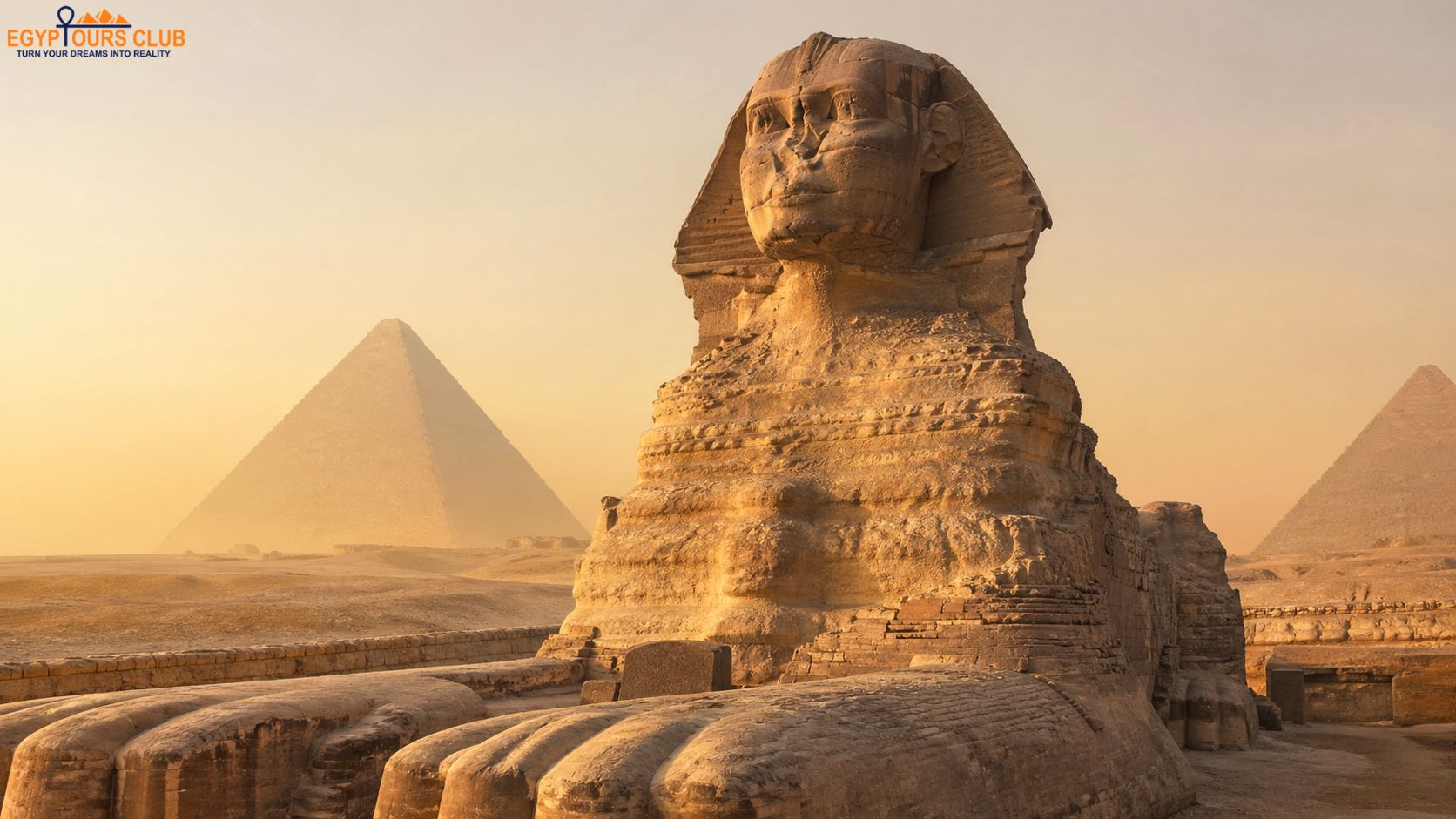
The Giza Plateau
The Pyramids and Sphinx offer dramatic scale. Keep exposed walking, queues and optional pyramid interiors age-appropriate.

Explore the Pyramids, the Grand Egyptian Museum, Luxor and the Nile without exhausting your children. Compare realistic family routes and learn how to plan hotels, cruise cabins, private transfers and beach downtime.
Is Egypt good for a family vacation? Yes, when the itinerary has one main sightseeing focus at a time, private or clearly arranged transfers, accommodation suited to the family’s ages, and enough rest. For a first visit, combine Cairo and Giza with a Nile cruise or short Luxor/Aswan stay. Add a Red Sea break if the schedule allows.
Egypt connects stories children have heard with places they can actually see. Huge pyramids, carved temples, decorated tombs and Nile boats create variety, but the trip is better when children have time to absorb each place.
The Pyramids and Sphinx offer dramatic scale. Keep exposed walking, queues and optional pyramid interiors age-appropriate.
Choose a focused set of galleries and allow a break, rather than trying to cover the entire museum in one visit.
A cruise adds sailing between visits and can reduce repeated hotel changes, subject to its actual itinerary.
Start with Giza and the Grand Egyptian Museum. Families can then choose Upper Egypt with a Nile cruise, or travel to Luxor and Aswan by other confirmed arrangements. Finish with Hurghada or Sharm El Sheikh only when there are enough nights to enjoy the beach rather than spend the time transferring.
Good first base with the Pyramids, Sphinx, museum and optional Old Cairo or Saqqara. For smaller children, split the museum and Pyramids across two days if energy or temperature demands it.
Choose Karnak and one West Bank cluster in Luxor, then slower scenery and boat-based visits in Aswan. An Abu Simbel excursion requires an especially early start or an alternative overnight plan.

| Travel party | Helpful itinerary approach | Things to verify |
|---|---|---|
| Ages 3–6 | Fewer hotel changes; one major site per touring block; hotel rest and pool time | Child restraints, meals, stroller accessibility, bedding and stairs |
| Ages 7–11 | Blend pyramids, museum storytelling, boat trips and selected temples | Walking load, sun protection, tickets and early transfers |
| Teenagers | History with photography, Nile scenery, beach, markets or guided activities | Age restrictions, equipment, swimming competence and provider requirements |
| Multigenerational | Smooth transfers, fewer dawn starts and rest after long archaeological visits | Step-free access, room connections, comfort of transport, tomb passageways |
These age bands are planning suggestions, not formal tour eligibility rules. The right pace depends on the people traveling, their interests, weather and individual stamina.
These four active package pages show different ways to balance Egypt’s history with travel time and downtime. They are examples, not a guarantee of identical hotels, cabin categories, excursions or prices on every date.
A compact route for families who want Giza, Aswan and Luxor without adding a beach stay.
See itinerary and inclusionsA broader itinerary for families comfortable with an extra destination and active sightseeing days.
See itinerary and inclusionsCultural sightseeing and a Nile cruise followed by beach recovery.
See itinerary and inclusionsA longer holiday with more recovery time on the Red Sea.
See itinerary and inclusionsSee the complete current collection of family-friendly Egypt tour packages.
Ask for named hotels, exact room category, number and sizes of beds, child supplements, connecting rooms and any overnight train or cruise cabin occupancy limits.
Confirm domestic flight routing, private or shared services, luggage allowances, airport assistance, pickup times, car seats where required, guide language and which entrance tickets are included.
Verify breakfast and full-board terms, drinks, allergy considerations, lunch breaks, restroom planning and the real amount of time spent walking outdoors.
Get the exact vessel and cabin category in writing, plus sailing direction, embarkation day, tour format, child policy and any optional activities.
Outdoor archaeological sites can be extremely hot. Plan water, sun protection, rest breaks and age-appropriate physical activities. Snorkeling, balloons and desert excursions require separate provider checks.
Check the quoted payment schedule and cancellation terms for that booking, especially cruises, flights, holidays and special events. Do not assume every excursion or ticket is included.
Choose a smaller number of meaningful visits with time for shade and meals.
Excursions and early departures can make sailing days busy.
Protect the first day after a long international journey.
Request written bedding and connecting-room details.
Confirm suitable transport and restraint arrangements before departure.
Count the full journey between cities, not only hotel nights.
Check historical background with the official UNESCO listings, then confirm practical access and tour inclusions with the relevant site or operator.
Seven days can work for Cairo and a compact Nile cruise. Nine to eleven days allows more breathing room, especially if you add Alexandria or Hurghada. Longer trips are useful when younger children or grandparents need more rest.
Yes, when the schedule is built around their stamina. Shorter site visits, fewer hotels, early starts during hot weather and regular rest are more valuable than fitting in every monument.
It can be an excellent way to visit Upper Egypt with less repeated packing. Confirm the vessel, sailing date, cabin occupancy and bedding, meal basis, sightseeing arrangements and whether the guide is private or shared.
Yes, they can be combined for many families. Leave time for transfers, meals and breaks, and choose a focused museum route rather than trying to see every gallery.
ETC offers private family tour planning, but services vary by booking. Check whether sightseeing, drivers, airport transfers and cruise excursions are private or shared in your written proposal.
Teenagers often enjoy combining temples and pyramids with Nile travel, photography, markets, desert scenery or Red Sea water activities. Check provider age rules and activity conditions first.
Not necessarily. Some interiors involve narrow passageways, stairs, uneven surfaces, heat and limited room to turn back. Discuss access and comfort before buying optional interior tickets.
Yes. A Red Sea stay can balance intensive sightseeing with pool or beach time. Pick the resort based on routing, available nights, interests and the family’s swimming needs.
Ask for exact room names, bed configuration, connecting-room confirmation when necessary, the maximum number of guests per cabin and any child supplements. Do not assume a triple room has three full-size beds.
Request a written itinerary covering accommodation, children’s ages and prices, flight and transfer arrangements, car seats if needed, attraction tickets, guide format, meals, cruise cabin, optional activities, payment deadlines and cancellation conditions.
Share your travel dates, adults and children’s ages, hotel preferences, guide language and whether you want a Nile cruise or beach extension. We can help compare a published package with a tailor-made itinerary.
Last editorial review: 17 November 2026. Actual cruise departures, children’s room policies, itineraries and inclusions must be checked again for your travel date.