Nubian culture · markets · food · crafts · local life · responsible interaction
Living culture · respectful encounters · local economies
Are There Opportunities to Interact with Local Communities During an Egypt Tour?
Yes—but the best local interactions are specific, respectful and clearly arranged. Strong examples include visiting a Nubian community in Aswan, exploring local markets with context from a guide, dining at locally run restaurants, meeting artisans and adding a cultural stay in places such as Siwa. Home visits, cooking classes, farm activities or festival access should only be treated as included when they are explicitly confirmed in the itinerary.
Quick Answer
Can you meet local people during an Egypt tour?
Yes. Cultural interaction can happen naturally in markets, local restaurants, villages, artisan areas and community-based visits. The most clearly published Egypt Tours Club example is the Nubian Village experience in Aswan, which includes a Nile boat ride, village walk, local market and a traditional Nubian house in the published itinerary.
What matters is avoiding vague promises. A tour should not claim “authentic local interaction” and then leave the traveler guessing. If a home visit, meal, workshop, music experience, cooking activity or festival participation matters to you, ask for it to be named and confirmed in writing.
Where Cultural Interaction Happens
Six practical ways to experience living Egypt beyond the monuments
Not every experience appears in every itinerary. These are best understood as options to confirm, not automatic inclusions.
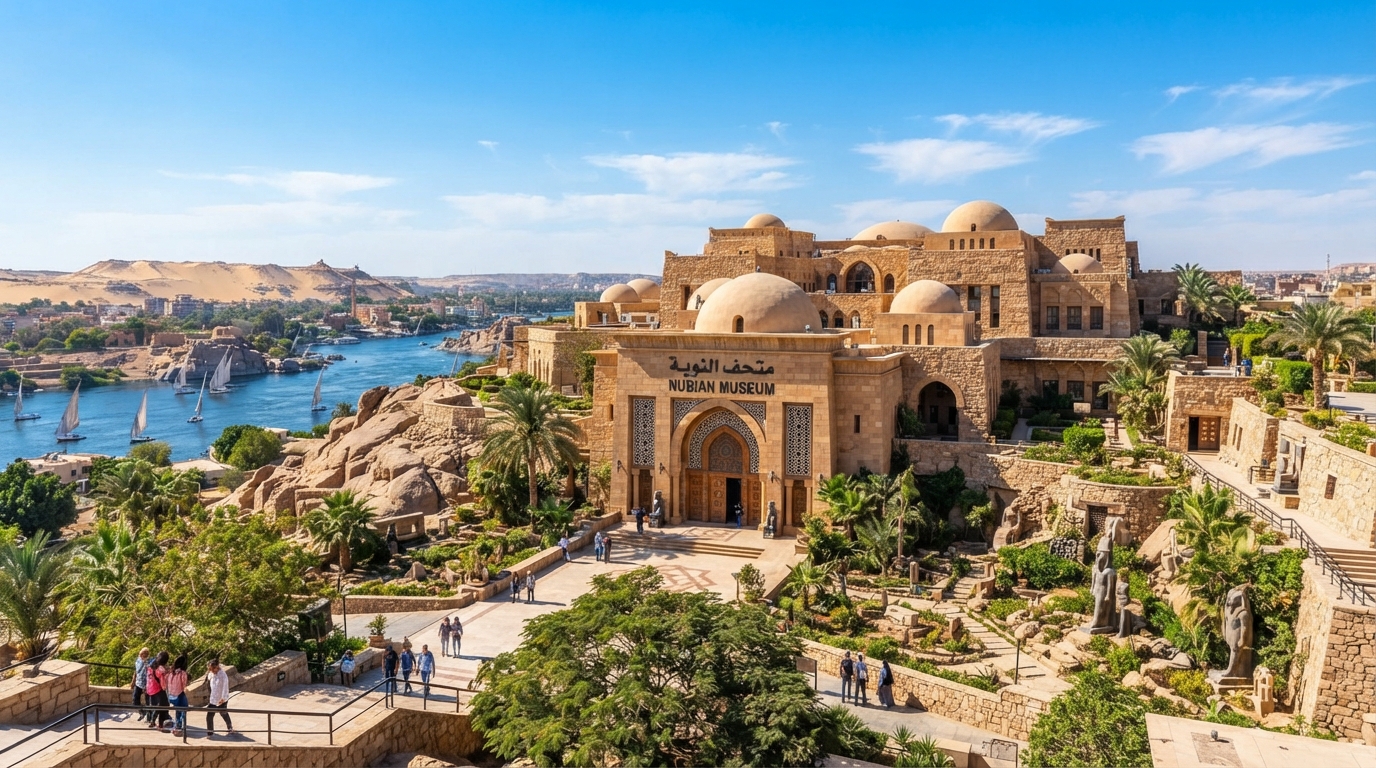
Nubian Village Visits
In Aswan, a well-planned Nubian Village visit can combine a Nile boat ride, colorful architecture, a local market and a traditional home context. It is one of the clearest ways to connect archaeology-rich travel with a living cultural community.
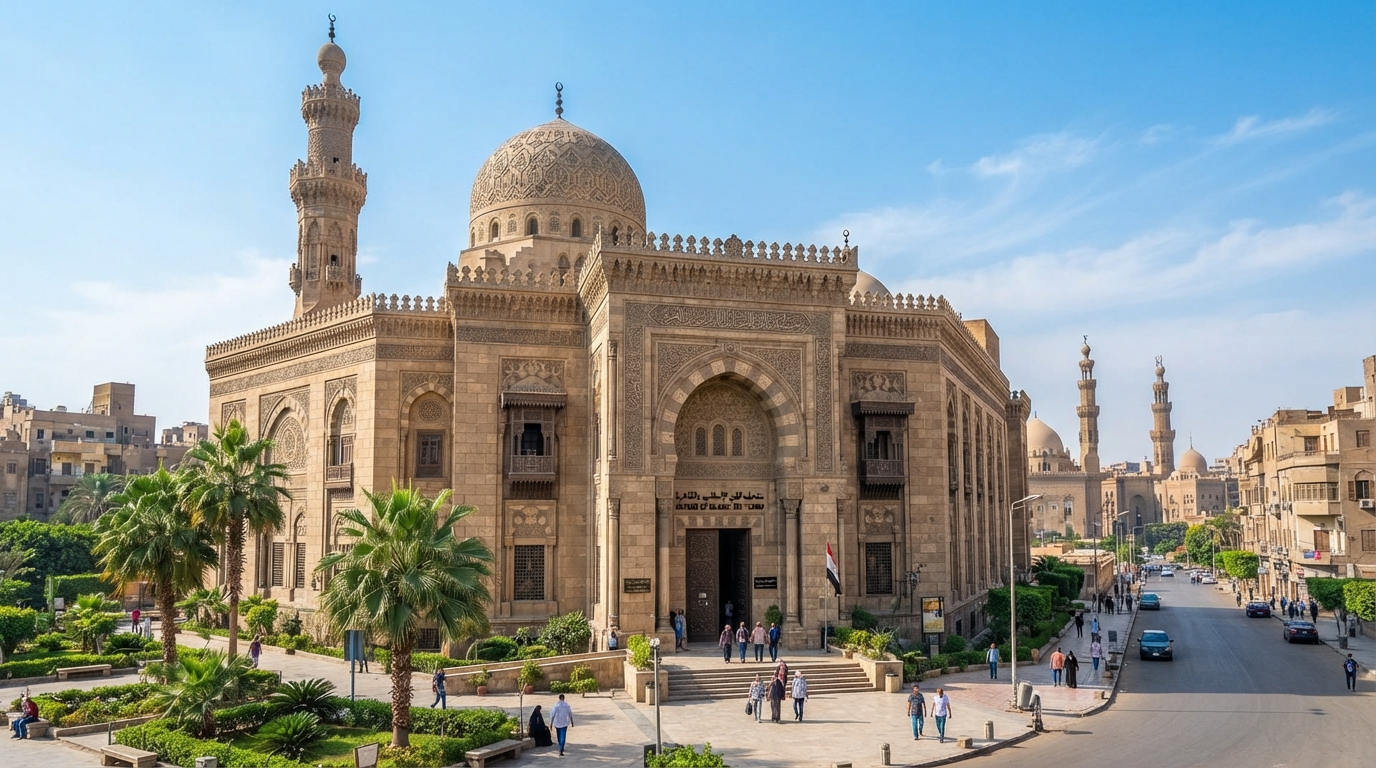
Traditional Markets
Places such as Khan El Khalili and local markets in Aswan or Luxor offer everyday interaction with shopkeepers and artisans. Go beyond souvenir buying: ask about materials, craft techniques and local use.
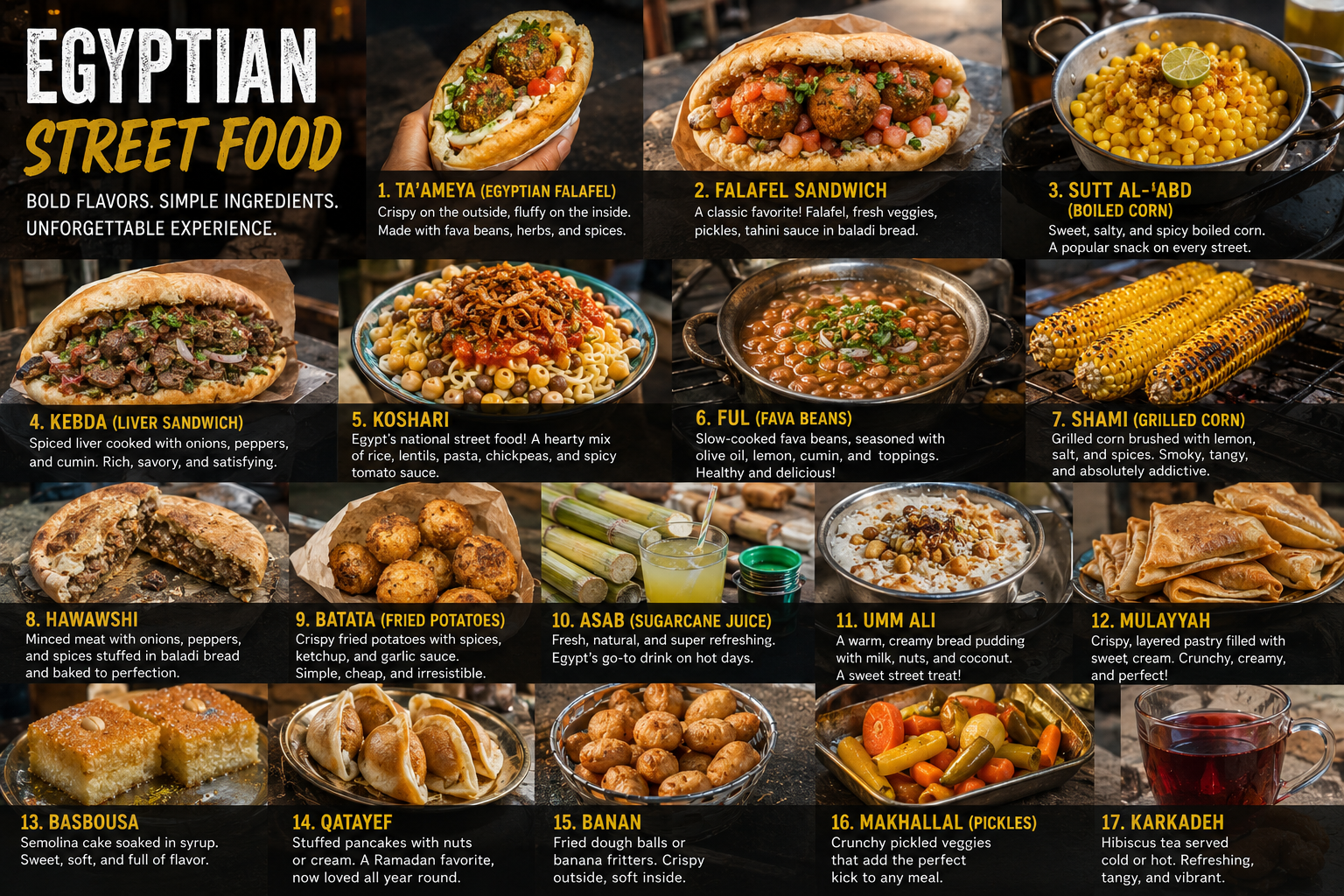
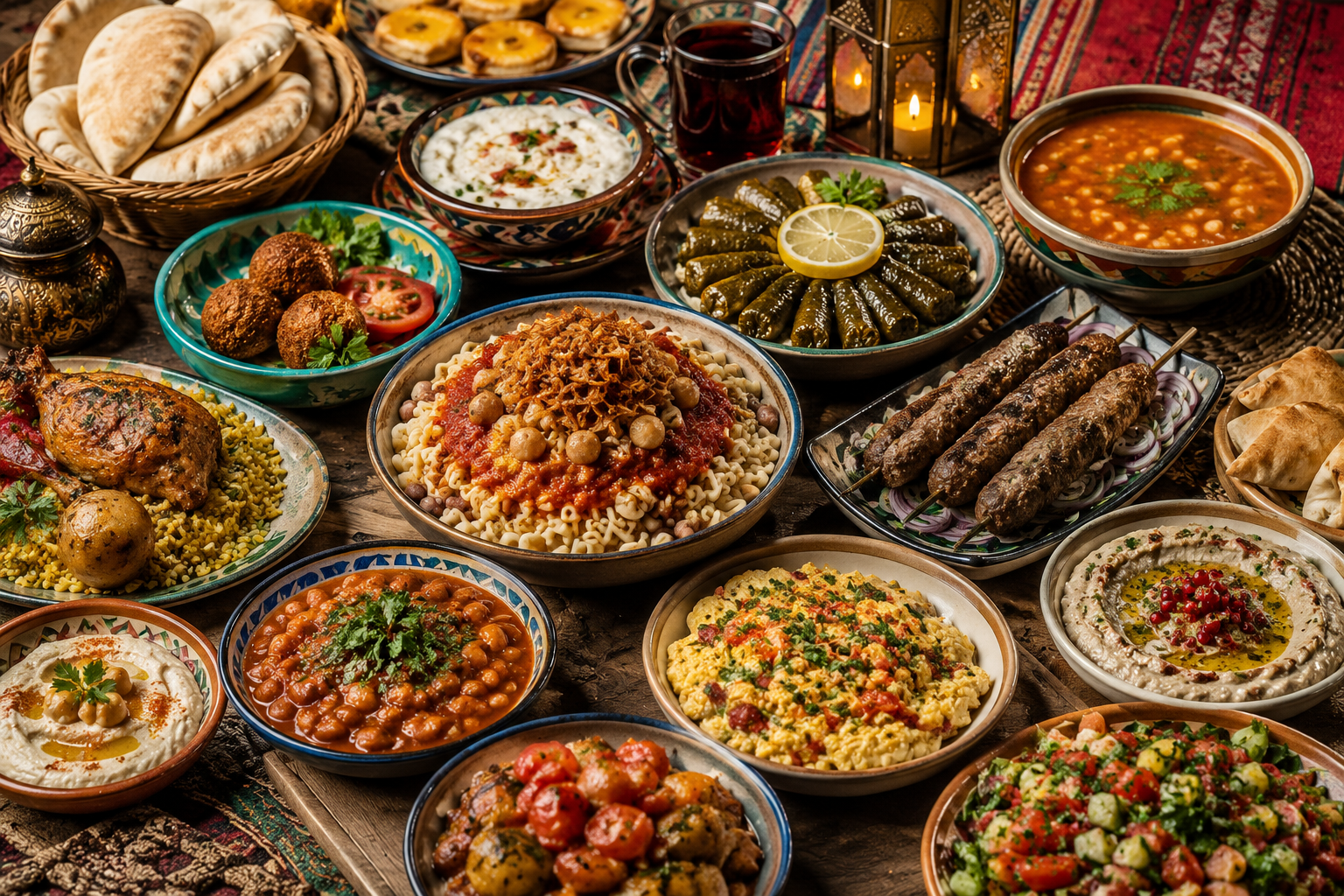
Local Food Experiences
Locally run restaurants, cafés and food-focused stops can provide cultural context through dishes, ingredients and dining customs. A home meal or cooking class is more intimate, but should only be promised when specifically arranged.
Artisans & Workshops
Craft demonstrations can be meaningful when the maker explains the process and there is no pressure to purchase. Look for pottery, weaving, textile work, woodwork, jewelry or other region-specific traditions rather than generic “shopping stops.”
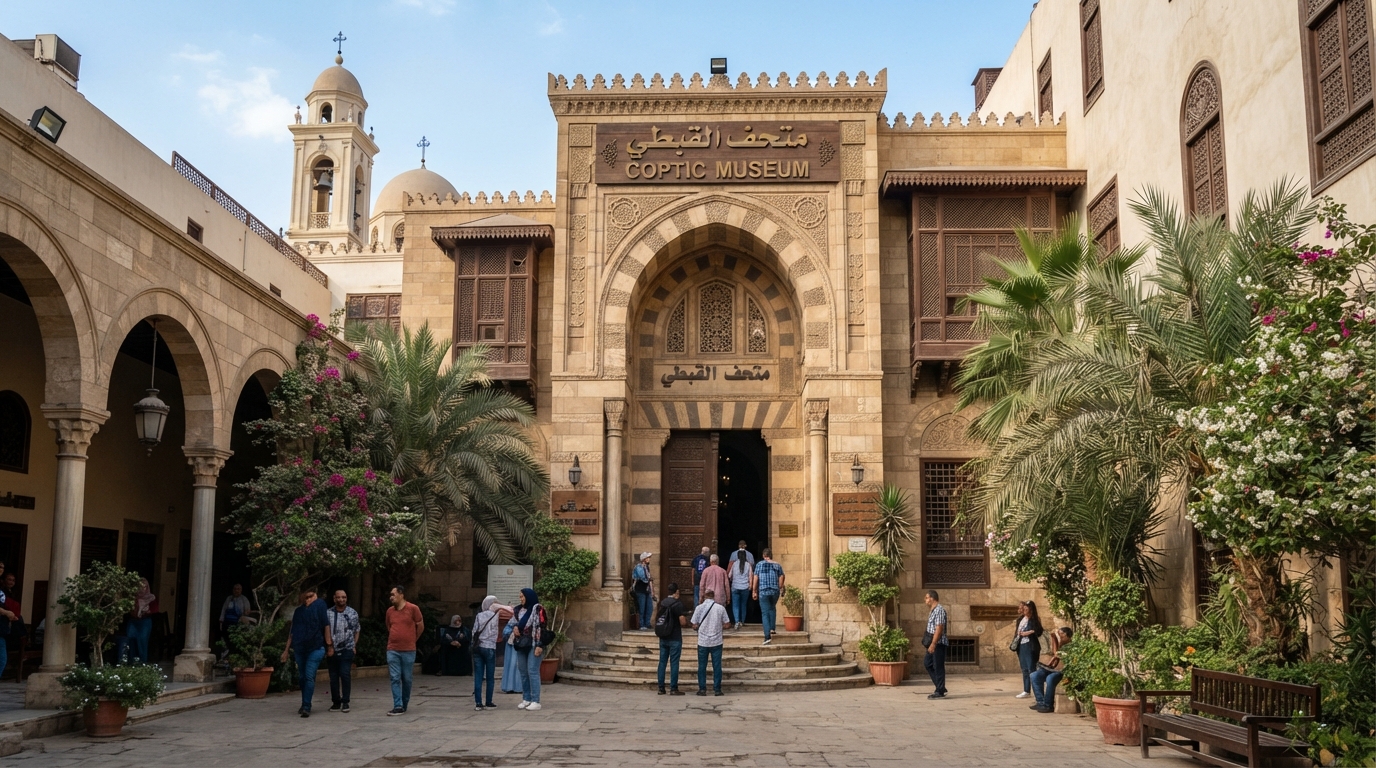
Religious & Historic Neighborhoods
Coptic Cairo, Islamic Cairo and historic neighborhoods are living places as well as heritage sites. A good guide explains etiquette and community context without treating worship spaces as entertainment.

Siwa & Oasis Culture
Siwa offers a slower cultural layer: markets, food, dates, olive products, handmade crafts, mud-brick architecture and local traditions shaped by the Western Desert. It works best as a dedicated extension, not a rushed add-on.
Best Verified Example
Nubian Village in Aswan: living culture, not an open-air museum
Combine the village visit with context
Egypt Tours Club's current Nubian Village material highlights Gharb Soheil, colorful architecture, local food and crafts, Nile scenery and traditional home context. The same page also explicitly advises travelers to ask before photographing people because this is a real residential community.
Compare Cultural Experiences
Which local interaction suits which traveler?
| Experience | Best For | Interaction Level | What to Confirm | Useful Link |
|---|---|---|---|---|
| Nubian Village | Families, couples, first-time Aswan visitors | High when a home/market visit is arranged | Boat, market, house visit, food, guide, photography expectations | Nubian Village Tour |
| Khan El Khalili / local market | Travelers who enjoy crafts and urban life | Natural and informal | Guide time, artisan focus, shopping pressure | Islamic Cairo Tour |
| Local restaurant / food stop | Food-focused travelers | Moderate | Meal inclusion, dietary needs, restaurant style | Tailor-Made |
| Artisan workshop | Design, craft and photography interests | Moderate to high | Real demonstration, no purchase obligation, time allowed | Customize |
| Religious neighborhood | History and faith-context travelers | Contextual rather than staged | Dress, prayer times, photography, respectful behavior | Old Cairo Guide |
| Siwa cultural extension | Slow travelers and repeat visitors | High over several days | Transport, accommodation, local guide, market/craft stops | Siwa Guide |
Responsible Cultural Interaction
The goal is exchange—not access to people's private lives
Markets, villages, homes and religious spaces are not sets built for travelers. Ask before photographing individuals, do not photograph inside homes without permission, follow your guide's advice on dress and etiquette, and avoid turning children or residents into photo opportunities. Buying directly from a maker or locally run business can be positive, but a respectful visit should never depend on forced shopping. For destination context, compare the Nubian Village guide, Islamic & Coptic Cairo guide and the official Siwan culture overview.
Photography
- Ask before photographing people.
- Respect a “no” immediately.
- Do not assume payment creates consent.
- Be extra careful with children and private homes.
Shopping
- Ask about the maker and material.
- Prefer direct local purchases when practical.
- Do not feel obliged to buy.
- Avoid experiences built mainly around sales pressure.
Religious Spaces
- Dress appropriately.
- Follow local guidance about shoes and access.
- Do not interrupt worship.
- Check whether photography is appropriate.
Before Booking
Ask these questions if local interaction matters to your trip
Is it actually included?
Ask for the exact cultural experience to appear in the written itinerary rather than relying on a broad promise of “local immersion.”
Who hosts the experience?
Clarify whether it is a village guide, family, artisan, restaurant, local association or commercial venue.
Is food included?
If there is a meal, tea, cooking activity or home visit, confirm what is included and advise dietary requirements in advance.
Is photography allowed?
Ask about people, homes, workshops and religious spaces separately. Permission can vary within the same experience.
Private or group?
Small private visits usually allow more conversation and flexibility than large-group stops.
Is shopping optional?
A cultural visit should still work even if you choose not to buy anything.
Trusted Sources & Planning Links
Use specific published experiences instead of vague cultural promises
Frequently Asked Questions
Local community experiences in Egypt FAQ
Can I interact with local communities during an Egypt tour?
Yes. Strong options include Nubian Village visits in Aswan, markets, locally run restaurants, artisan areas, historic neighborhoods and cultural extensions such as Siwa. The exact experience should be confirmed in your itinerary.
Is a Nubian Village visit a good cultural experience?
Yes, when approached respectfully. Egypt Tours Club's current Nubian Village material highlights living culture, colorful architecture, food, crafts, local markets, traditional house context and Nile scenery. Visitors should ask before photographing people.
Are home visits included in Egypt tour packages?
Not automatically. A traditional-home visit may appear in a specific Nubian Village itinerary, but home visits elsewhere should only be treated as included when explicitly confirmed in writing.
Can I take a cooking class with local Egyptians?
It may be possible to arrange food-focused or cooking experiences on a tailor-made itinerary, but they should not be assumed to be part of every package. Ask for the activity, host, duration and meal inclusion to be confirmed.
Can I photograph people in Nubian villages or markets?
Ask first. A public street or market does not remove a person's right to refuse. Be especially careful around children, homes, private courtyards and religious spaces.
Does buying crafts support local communities?
Buying directly from a local artisan or locally run shop can support the local economy, especially when you understand who made the item and where it was produced. You should never feel pressured to purchase.
Can I visit local communities during Ramadan?
Yes, but schedules, restaurant hours and social rhythms change during Ramadan. Do not assume that an iftar meal with a family or community is included unless it has been specifically arranged and confirmed.
What is the best way to add authentic cultural experiences to my Egypt trip?
Use a tailor-made itinerary and name the experiences you actually want: Nubian culture, local food, artisans, markets, religious history, Siwa or slower neighborhood exploration. Specific requests produce better results than asking only for an “authentic” tour.
Build Culture Into the Route
The best local experiences should feel natural, not staged
Tell us whether you want Nubian culture, markets, local food, artisans, religious neighborhoods, Siwa or another community-focused experience. We can place it into the itinerary with realistic timing and confirm what is actually included.