

Photography rules in Egypt temples and tombs are not the same everywhere. Outdoor temple courts are usually easier for personal photos, while tombs, museums, sanctuaries and enclosed chambers may restrict photography, flash, tripods or professional camera equipment to protect ancient artwork and visitor experience.
Why Photography Rules in Egypt Temples and Tombs Matter
Egypt is one of the world’s strongest travel photography destinations: pyramids, desert light, Nile reflections, temple columns, painted tombs, carved reliefs and dramatic archaeological landscapes. But the same places that make Egypt so photogenic are also fragile heritage sites.
Tomb paintings, temple reliefs, ancient pigments and enclosed chambers can be affected by flash, crowding, humidity and careless movement. That is why Egypt photography rules exist: they protect the site while still allowing travelers to enjoy and document their visit where photography is permitted.
For smooth planning, combine major photo sites with private guided routes such as Cairo Day Tours, Luxor Day Tours, Aswan Day Tours or multi-day Egypt Tour Packages.
Quick Answer
Photography is often allowed outdoors at Egyptian temples and archaeological sites, but indoor photography may be restricted. Flash is usually prohibited, professional equipment may need permits, and some tombs do not allow photography at all.
General Egypt Photography Rules for Archaeological Sites
Rules can vary by monument, museum, ticket type and current conservation policy. Always follow posted signs and site staff instructions. Still, most travelers can understand the basic pattern before they arrive.
| Photography situation | Common rule | Traveler advice |
|---|---|---|
| Outdoor temple areas | Usually allowed for personal photography. | Take photos respectfully, avoid blocking pathways and keep groups moving. |
| Inside enclosed chambers | Often restricted or no-flash only. | Check signs before shooting and ask your guide when unsure. |
| Inside tombs | Often restricted, permit-based or prohibited. | Never assume tomb photography is allowed; confirm before entering. |
| Professional cameras | May require permit depending on site, gear and usage. | Confirm in advance if using DSLR, tripod, stabilizer or filming gear. |
| Drones | Highly restricted and unsuitable for casual travelers. | Do not bring or use drones without official permissions. |
| Commercial shoots | Usually require special permissions. | Arrange permits before travel, not at the gate. |
Photography Inside Egypt Temples
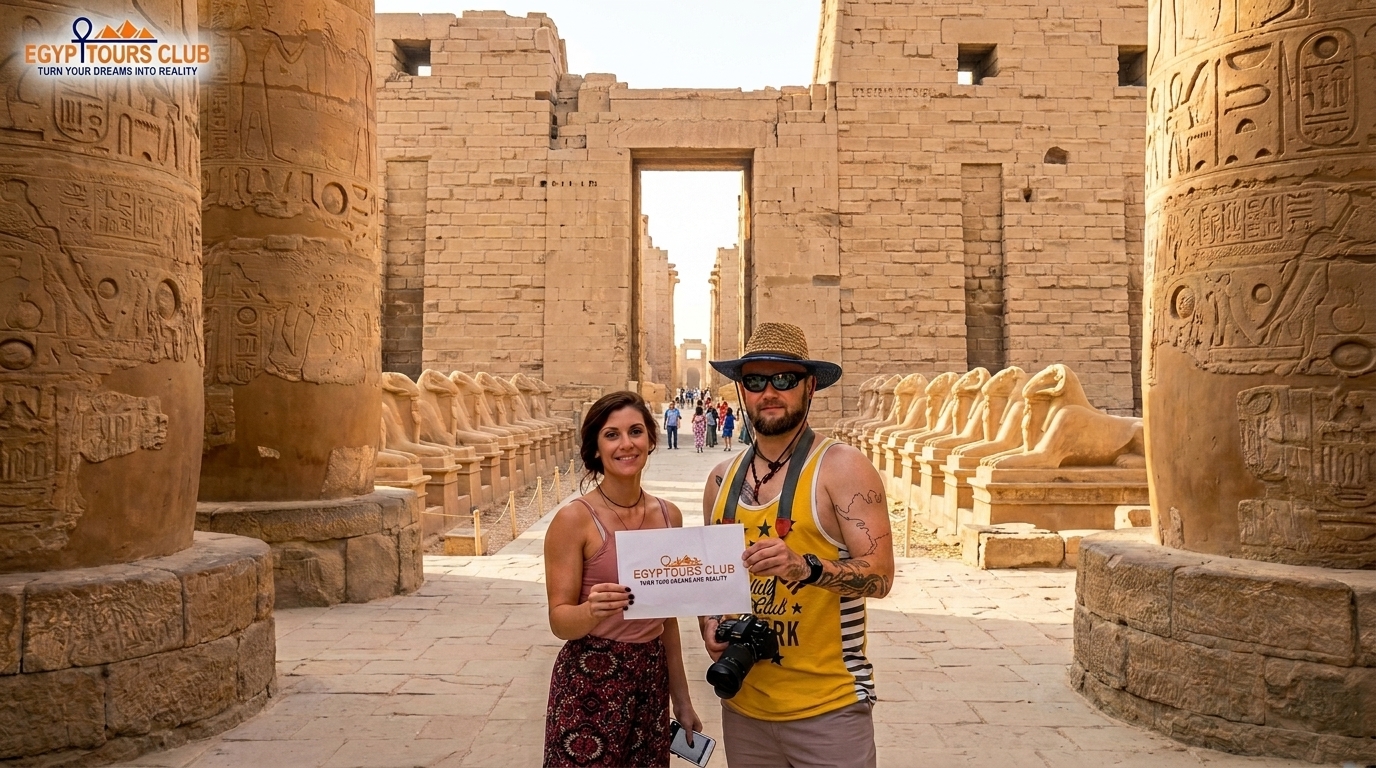
Temple photography in Egypt is usually more flexible than tomb photography, especially in open courtyards, pylons, column halls and exterior spaces. Temples such as Karnak, Luxor Temple, Philae and Dendera offer excellent visual material for travelers.
However, inner rooms, sanctuaries, dark chambers and sensitive decorated spaces can have stricter rules. The safest approach is to keep flash off, avoid tripods unless permitted, and ask your guide before photographing restricted areas.
| Temple | Photography expectation | Best advice |
|---|---|---|
| Karnak Temple | Many exterior and open areas are photography-friendly. | Use wide shots for the Hypostyle Hall, obelisks and sacred lake. |
| Luxor Temple | Excellent for evening and exterior photography. | Private Luxor Day Tours help time Karnak and Luxor Temple better. |
| Philae Temple | Strong for island, Nile and temple façade shots. | Pair it with Aswan Day Tours for smoother boat and timing logistics. |
| Abu Simbel | Exterior photography is a highlight; interior rules may be stricter. | Photograph the façade respectfully and follow interior instructions carefully. |
| Dendera Temple | Rich ceilings, crypts and Hathor reliefs require care. | Use low-light settings and avoid flash in enclosed spaces. |
For temple-focused planning, explore Karnak Temple Tours, Philae Temple Tours, and Dendera Temple Tours.
Photography Inside Egyptian Tombs
Tomb photography in Egypt is normally more sensitive than temple photography. Tombs are enclosed, visitor flow is tighter, and wall paintings can be fragile. Rules may change from one tomb to another, even inside the same archaeological area.
The Valley of the Kings and Valley of the Queens are key examples. Some tombs may allow limited personal photography, some may require special permissions, and some may prohibit photography completely.
| Tomb area | Common photography issue | Traveler advice |
|---|---|---|
| Valley of the Kings | Rules can vary by tomb and ticket type. | Ask before shooting and never use flash. |
| Tomb of Tutankhamun | Special rules may apply because of popularity and sensitivity. | Confirm current rules at the site before entering. |
| Valley of the Queens | Some tombs have very strict preservation controls. | Respect no-photo signs and keep visits calm and short. |
| Small decorated tombs | Limited space and delicate painted scenes. | Move carefully, do not touch walls, and avoid delaying other visitors. |
Important Rule
Inside Egyptian tombs, never assume photography is allowed. Turn your flash off before entering and ask your guide or site staff before taking any photo.
Smartphones, Cameras, Tripods, Drones and Professional Equipment
For most travelers, a smartphone is the easiest way to take photos in Egypt. It is light, less intrusive and usually accepted in more places than a large camera setup. But phone users still need to respect flash restrictions and no-photo areas.
Professional camera equipment is treated differently. DSLR cameras, mirrorless cameras, tripods, stabilizers, microphones, external lights and filming tools may require permits, especially in museums, tombs and formal archaeological areas.
Smartphones
Best for casual travel photos, but flash and restricted-area rules still apply.
DSLR & Mirrorless Cameras
Often fine outdoors, but may need permission in sensitive sites.
Video Recording
Short personal clips may be accepted in some places, but filming rules vary widely.
Tripods & Stabilizers
Often restricted because they block movement and suggest professional use.
External Lighting
Usually unsuitable inside heritage spaces and may be refused by site staff.
Drones
Not suitable for casual use and require official permissions before travel.
No Flash Photography in Egypt: Why It Is Usually Prohibited
No flash photography in Egypt temples and tombs is one of the most common rules travelers encounter. The reason is preservation. Ancient pigments, painted walls and delicate surfaces can be affected by repeated exposure to intense light.
Flash also disturbs other visitors and ruins the atmosphere in narrow tomb corridors. Better photos usually come from patience, low-light settings and good timing, not from flash.
| No-flash alternative | Why it helps |
|---|---|
| Use night mode or low-light mode | Modern smartphones can capture indoor scenes without harsh flash. |
| Raise ISO carefully | Useful for cameras, though too much ISO can add noise. |
| Stabilize your hands | Helps reduce blur in low light without using a tripod. |
| Use natural light angles | Doorways and openings often create dramatic light without breaking rules. |
| Focus on exterior shots | Outdoor temple and pyramid photos often produce the strongest results. |
Photography Permits in Egypt: When You May Need One
Photography permits in Egypt can apply when the equipment, location or purpose goes beyond normal personal travel photography. If photography is a major part of your trip, confirm rules before arrival rather than discovering restrictions at the gate.
| Situation | Permit possibility | What to do |
|---|---|---|
| Casual smartphone photos | Usually no special permit in allowed areas. | Follow posted rules and keep flash off. |
| Professional photo shoot | Permit likely required. | Arrange before travel through official channels. |
| Tripod or stabilizer use | May require permission or be prohibited. | Ask before bringing equipment into the site. |
| Commercial video filming | Permit usually required. | Plan in advance and clarify intended use. |
| Tomb photography | May be restricted, permit-based or prohibited. | Confirm at ticket office or with your guide. |
Photography Etiquette During Egypt Tours
Good Egypt travel photography is not only about camera settings. It is also about respect. Temples, tombs and museums can be crowded, sacred or fragile, so small choices improve the experience for everyone.
Do Not Block Paths
Take photos quickly in narrow corridors and keep visitor flow moving.
Ask Before People Photos
Always ask permission before photographing local people, guards or private situations.
Respect Sacred Spaces
Some areas are culturally sensitive even if photography is technically possible.
Keep It Quiet
Avoid loud posing sessions inside tombs, temples and museums.
Follow No-Photo Signs
Do not argue with staff when photography is restricted.
Use Your Guide
A guide can help with current rules, best angles and better timing.
Best Egypt Sites for Travel Photography
If photography is important to your Egypt trip, build your itinerary around places with strong exterior views, beautiful light and visual variety. A private route also helps avoid rushed stops and poor timing.
Pyramids of Giza and the Sphinx
Best for iconic wide shots, desert atmosphere, sunrise or golden afternoon light.
Read Giza Pyramids Guide →Karnak and Luxor Temples
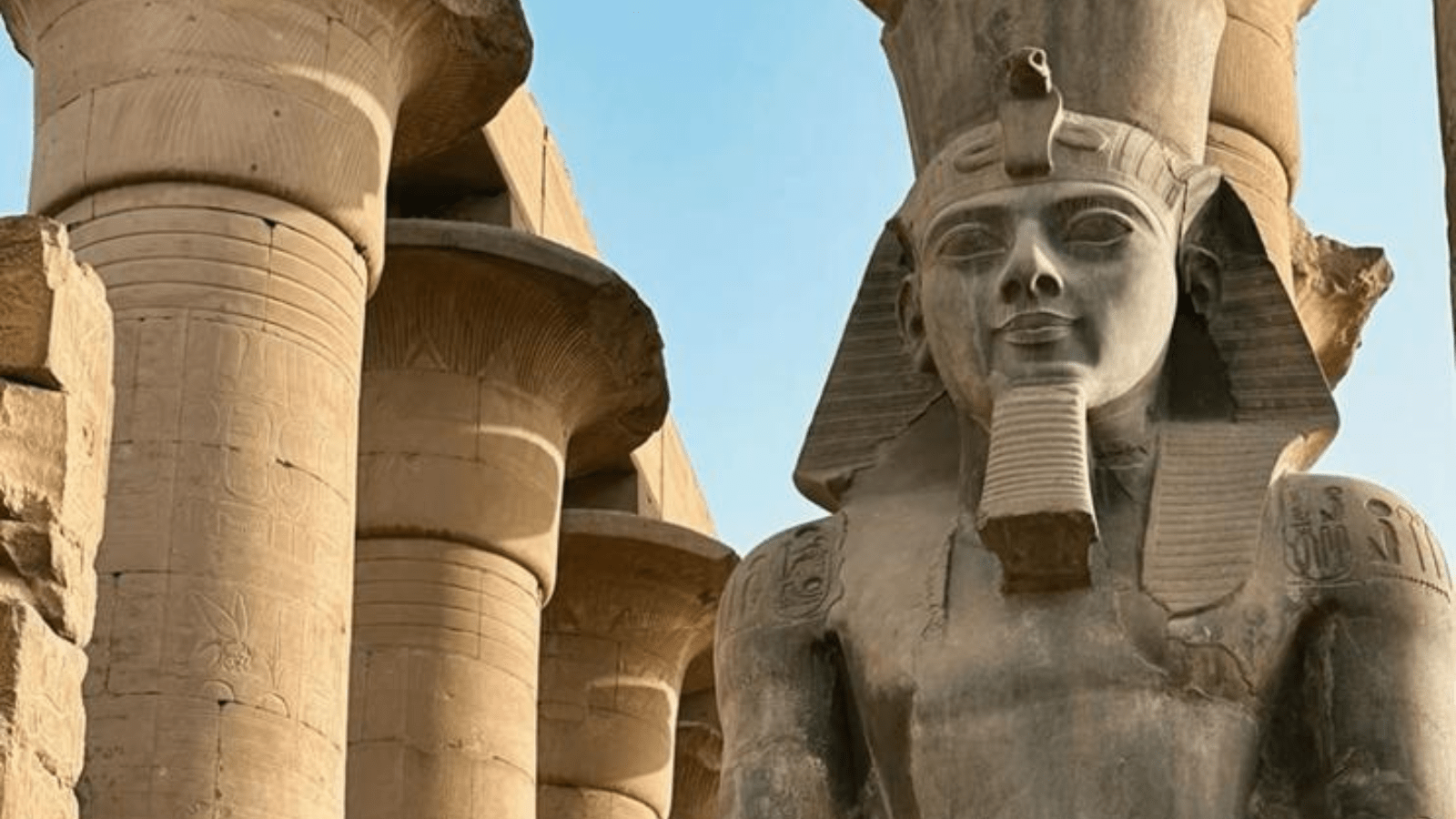
Best for columns, statues, obelisks, night lighting and grand temple scale.
Explore Luxor Day Tours →Philae Temple and Aswan
Best for Nile island scenery, temple reflections and soft river light.
Explore Aswan Day Tours →Abu Simbel
Best for monumental façades, dramatic scale and unforgettable exterior compositions.
View Aswan and Abu Simbel Options →Islamic Cairo and Khan El Khalili
Best for street atmosphere, architecture, markets and cultural details.
Explore Cairo Day Tours →Red Sea Beaches and Desert Routes
Best for snorkeling, safari, islands, marine colors and desert sunset photography.
Explore Hurghada Day Tours →Egypt Travel Photography Tips Without Breaking Rules
You can still capture excellent Egypt travel photos without breaking site rules. The key is to plan your timing, understand where photography is easier and use a guide when the rules are unclear.
| Tip | How it improves your photos |
|---|---|
| Visit early morning | Better light, fewer crowds and cooler temperatures. |
| Use exterior architecture | Courtyards, columns, pylons and façades make strong compositions. |
| Turn flash off before entering | Prevents accidental violations inside sensitive spaces. |
| Capture details, not only monuments | Reliefs, shadows, doorways and textures tell the story beautifully. |
| Choose private guided tours | Private guides help with timing, route order, angles and site-specific rules. |
| Balance camera and experience | Some moments are better remembered by looking, not shooting. |
Best Photo-Friendly Egypt Tour Routes
For photography-focused travelers, the strongest itineraries combine open-air sites, good light, realistic timing and clear rules. These routes help travelers choose the right internal page instead of landing on a generic category.
Nile Cruise Route
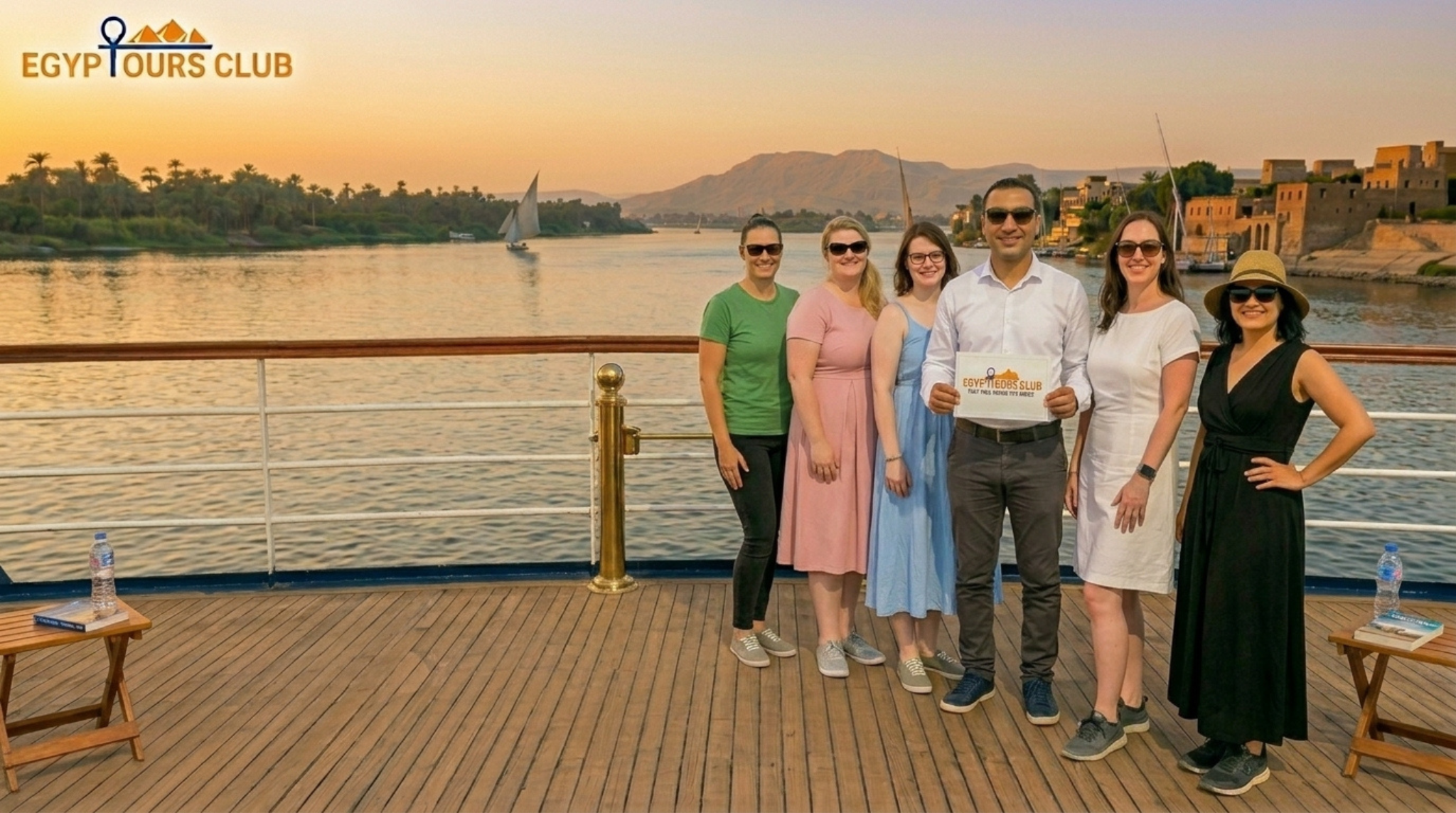
Choose Nile Cruise Packages for Luxor, Aswan, Edfu, Kom Ombo and river photography.
Marsa Alam Route
Choose Marsa Alam Day Tours for quieter Red Sea nature and snorkeling photography.
Plan Your Egypt Trip With Confidence
Use these internal guides to build a photography-friendly Egypt itinerary with the right day tours, Nile routes and attraction pages.