

11 Best Deir el-Medina Tours packges | Things to Do & Guide | Egypt Tours Club
Deir el-Medina . banner

Deir el-Medina

Egypt Tours Club

Luxor West Bank · Workers’ Village · Artisan Tombs · New Kingdom daily life

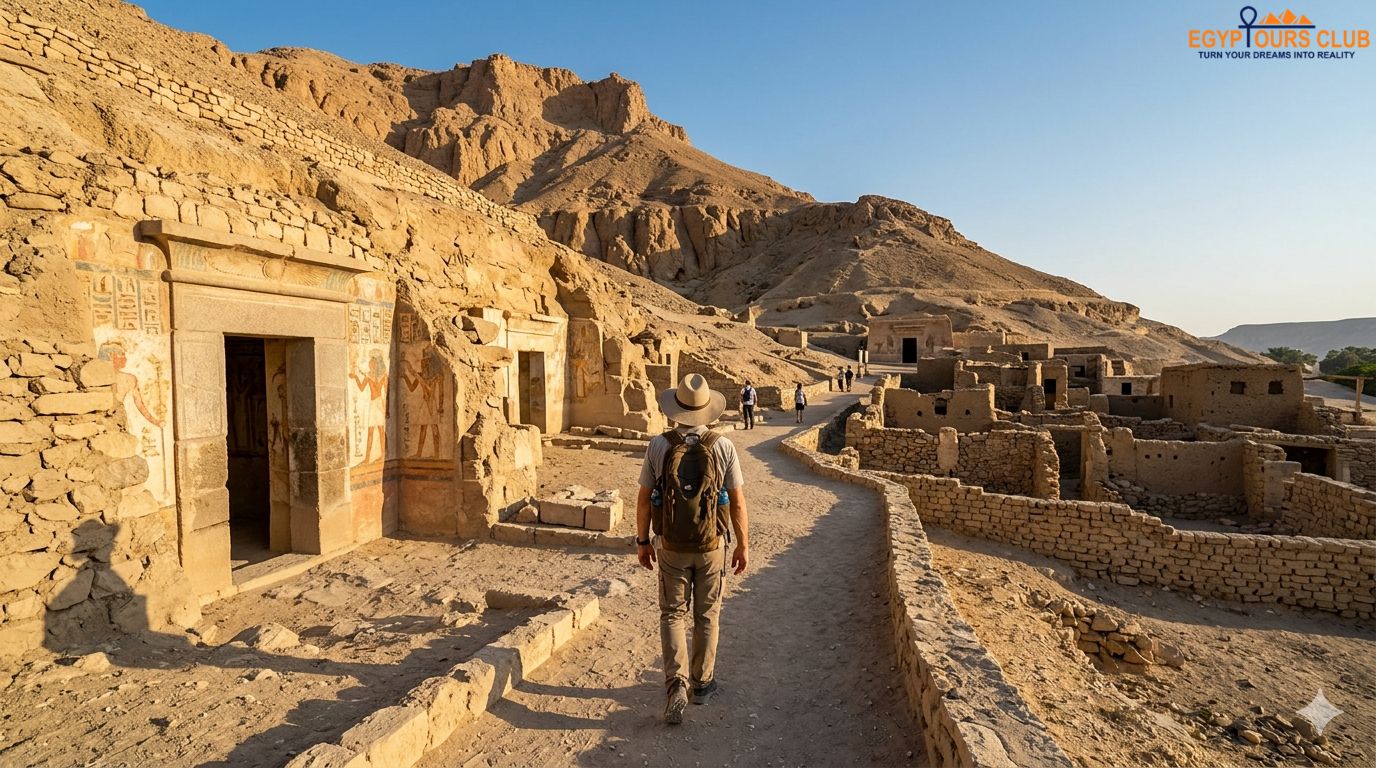
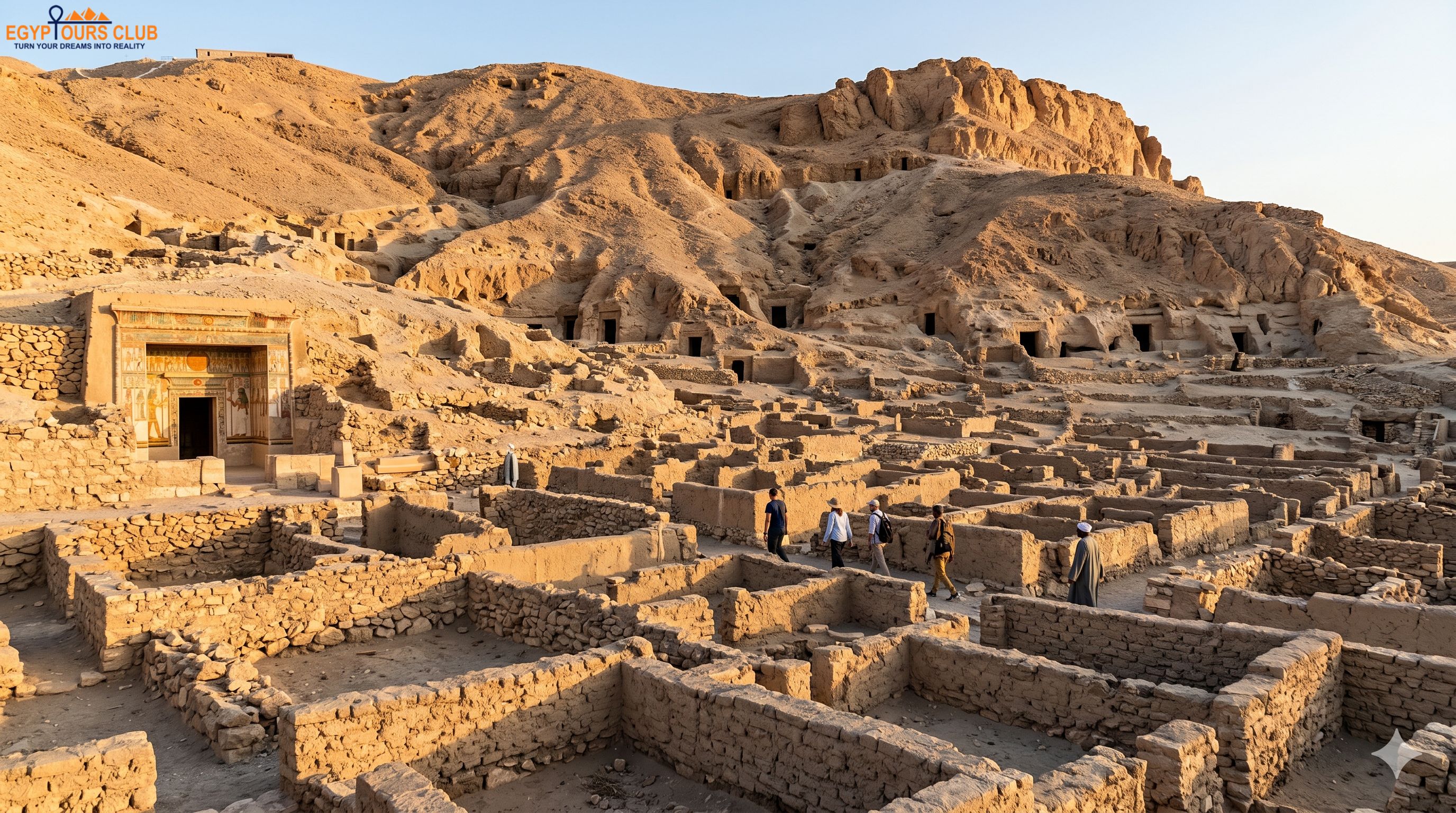
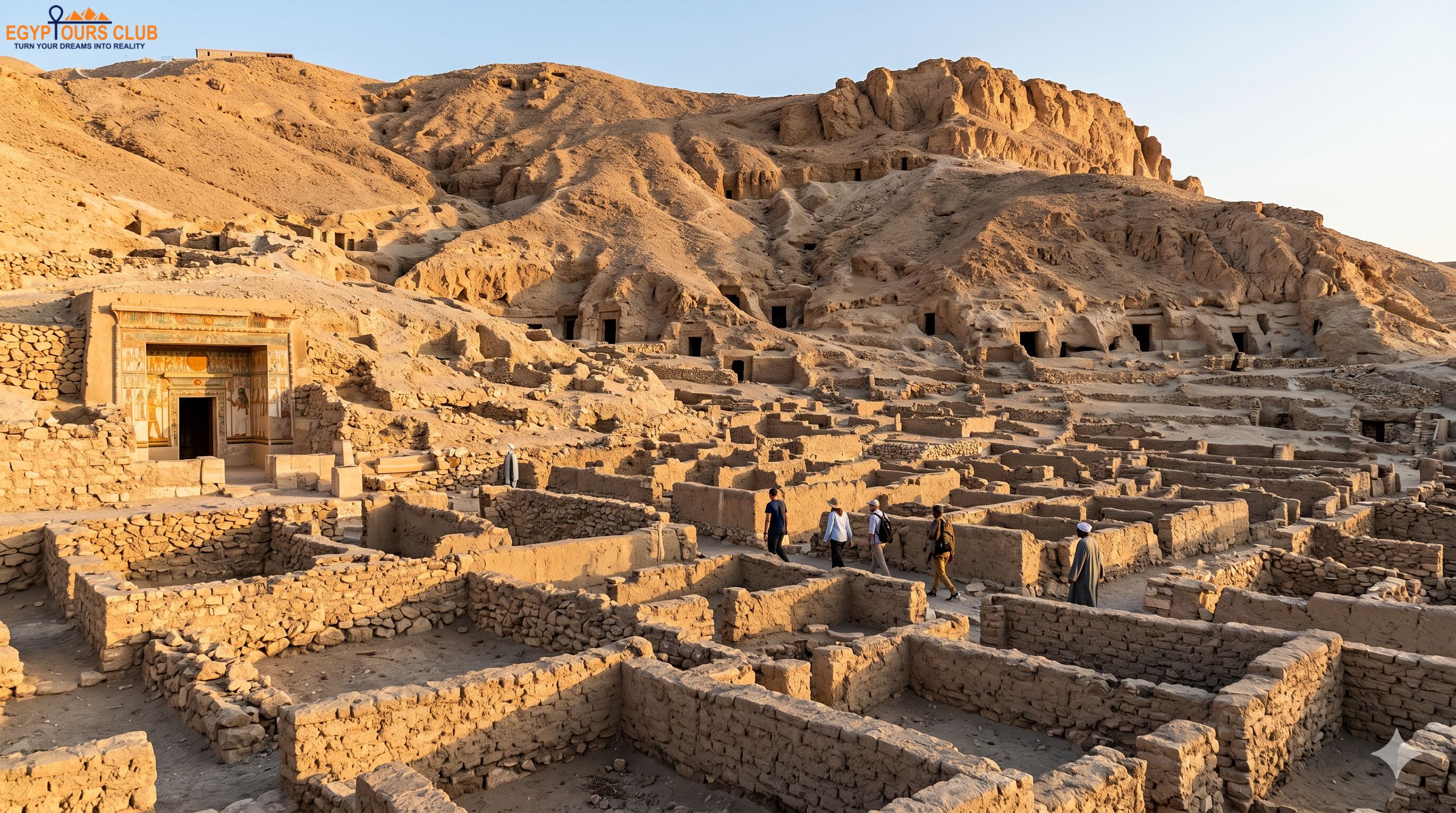
Step into the planned New Kingdom community where the craftsmen, painters, sculptors, scribes and families behind the Valley of the Kings and Valley of the Queens lived. Explore the workers’ village, vividly painted private tombs, ostraca, household religion, labor records, the famous Ramesses III strike and the later Ptolemaic temple.

Deir el-Medina Luxor: Village of the Royal Tomb Builders

Explore Alexandria’s modern center of knowledge through its sea-facing architecture, vast reading hall, museums, exhibitions, manuscripts and science spaces. Then connect the visit logically with the Graeco-Roman Museum, Kom El Shoqafa, Qaitbay Citadel and the Corniche.

Quick Travel Answer

Is Deir el-Medina worth visiting?

Yes. Deir el-Medina is one of the most rewarding Luxor West Bank sites for travelers who want to understand ancient Egyptians as real people rather than only as kings, priests and gods.

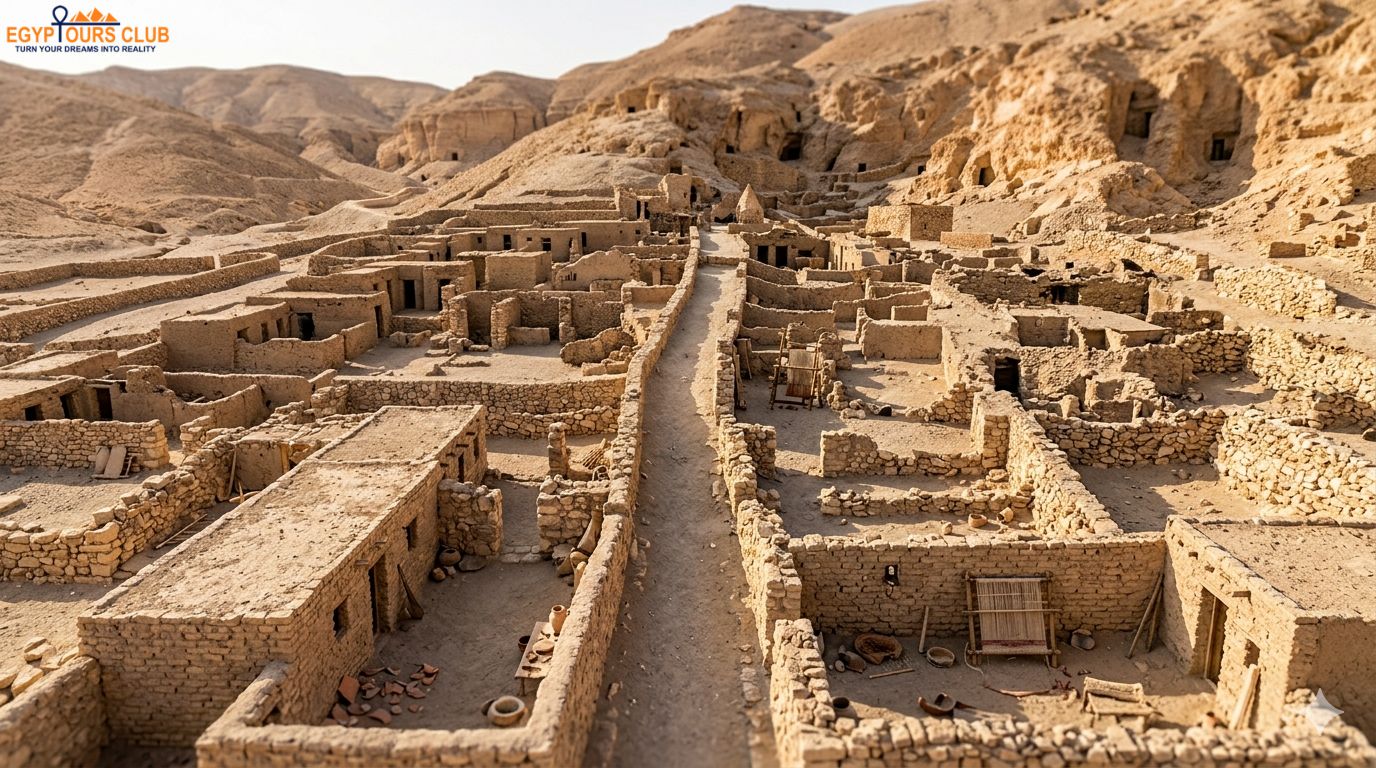
The village preserves evidence of skilled craftsmen, family life, houses, private tombs, wages, work schedules, legal disputes, personal letters, religious beliefs and community organization. Its decorated worker tombs are also among Luxor’s most vivid private tombs.
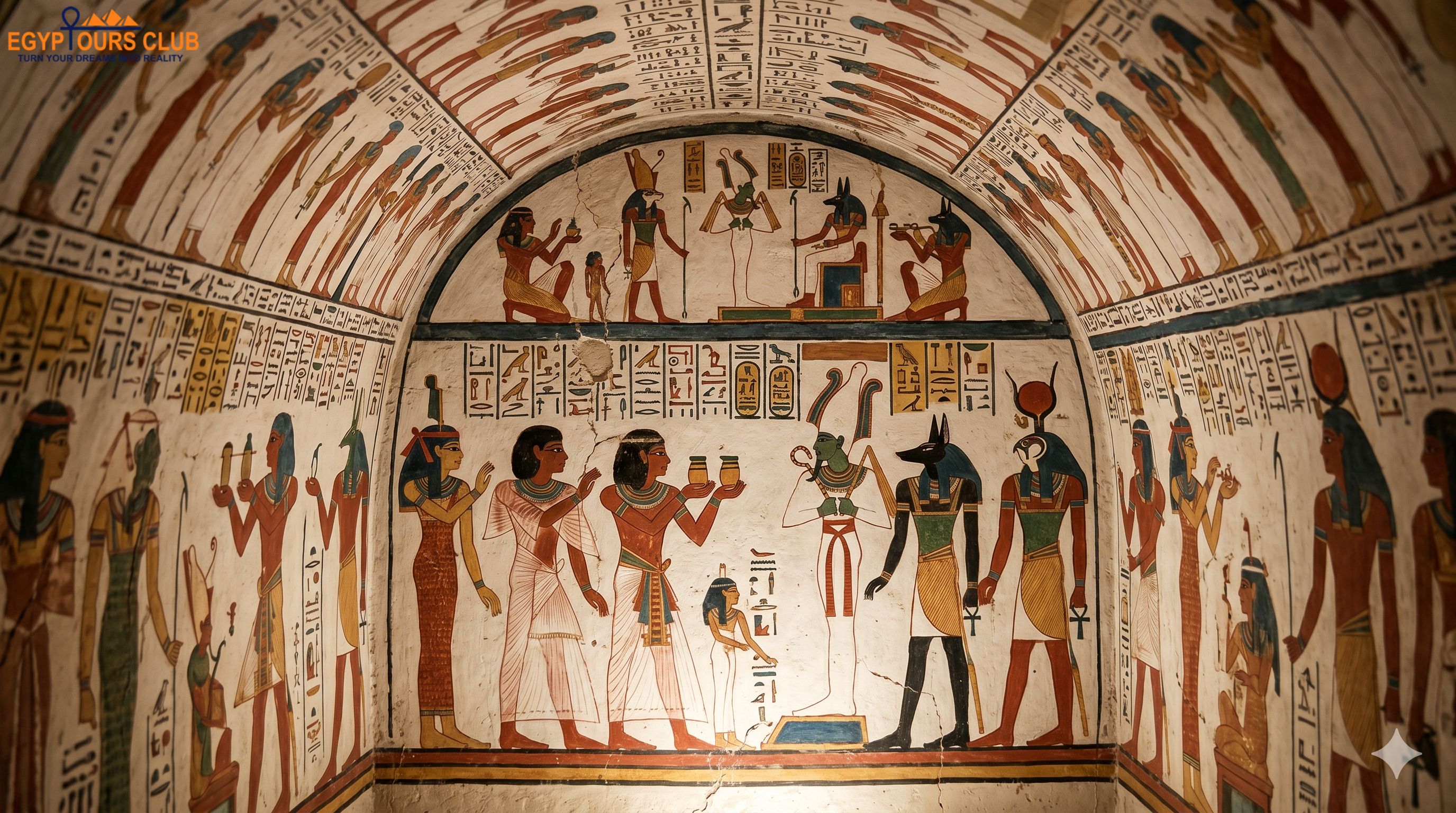
The Human Side of Ancient Thebes

Best things to see at Deir el-Medina

Move from the workers’ houses to the painted private tombs, written records, labor history, household religion and later Ptolemaic temple to understand the community behind Luxor’s royal necropolis.

The Village Behind the Royal Tombs at Deir el-Medina Luxor Workers’ Village

The Village Behind the Royal Tombs

Planned settlementDaily life

Walk through the remains of compact houses and narrow streets that once held a specialized community of stonecutters, painters, sculptors, scribes, foremen, craftsmen, servants and their families.

Sennedjem, Inherkhau and Pashedu at Deir el-Medina Luxor Artisan Tombs

Sennedjem, Inherkhau and Pashedu

Private tomb artBright pigments

The workers created richly decorated tombs for themselves. Sennedjem is especially famous for preserved afterlife and agricultural scenes, while Inherkhau and Pashedu show the status and artistic skill of the community.

Ostraca, Scribes and Everyday Records at Deir el-Medina Luxor Written Lives

Ostraca, Scribes and Everyday Records

Letters and notesWork records

Thousands of ostraca and other documents preserve attendance lists, deliveries, legal cases, letters, school exercises, drawings and personal messages, making Deir el-Medina one of Egypt’s richest documentary sites.

The Ramesses III Workers’ Strike at Deir el-Medina Luxor Labor History

The Ramesses III Workers’ Strike

Delayed rationsOrganized protest

During the reign of Ramesses III, workers protested delayed food rations and stopped work. The episode is widely described as one of the earliest documented organized labor strikes in history.

Household Religion and Meretseger at Deir el-Medina Luxor Belief and Family

Household Religion and Meretseger

Domestic worshipTheban mountain

Family religion included protective deities, ancestors and local cults. Meretseger, the goddess associated with the Theban mountain, held special importance for people who lived and worked beneath the necropolis cliffs.

The Ptolemaic Temple at Deir el-Medina at Deir el-Medina Luxor Later History

The Ptolemaic Temple at Deir el-Medina

Later religious layerNecropolis goddesses

A later Ptolemaic temple shows that the area retained religious importance long after the specialized New Kingdom workers’ settlement declined, adding another historical layer to the site.

Internal Link Map

From Deir el-Medina to the exact Luxor page you need

Use focused attraction pages for archaeology research, Luxor day-tour pages when you are ready to book and package pages when the West Bank belongs inside a wider Egypt journey.

Choose by Time and Interest

The best Deir el-Medina and Luxor West Bank routes

The village works best when it is connected to the royal tombs, artisan art or Ramesside temple landscape rather than treated as an isolated ruin.

1.5–2.5 hours

Focused Deir el-Medina Visit

  • Workers’ village ruins
  • One or two open private tombs
  • Ptolemaic temple
  • Written-record context
Open the Dedicated Guide
Best historical pairing

Valley of the Queens → Deir el-Medina

  • Royal family tombs
  • Painted royal chambers
  • Workers’ village
  • Artisan private tombs
Open Valley of the Queens
Royal tomb builders

Valley of the Kings + Deir el-Medina

  • See the finished royal tombs
  • Meet the workers’ community
  • Compare royal and private art
  • Understand tomb construction
Open Valley of the Kings
Ramesses III context

Deir el-Medina + Medinet Habu Route

  • Workers’ strike context
  • Ramesside administration
  • Private tombs
  • Mortuary-temple world
View the West Bank Tour
Full day

Luxor City of the Dead

  • Valley of the Kings
  • Valley of the Queens
  • Deir Al-Madinah
  • Valley of the Nobles
View City of the Dead Tour
Flexible

Build a Private West Bank Route

  • Choose tomb-art depth
  • Set walking and heat limits
  • Add temples selectively
  • Confirm current tomb access
Create a Tailor-Made Route

Planning note: the uploaded guide recommends around 1.5–2.5 hours for a complete visit. Tomb access can rotate for conservation, and photography or ticket arrangements may change, so confirm current local conditions before travel.

Continue Across Ancient Thebes

What to visit before or after Deir el-Medina

These nearby sites turn the village into a complete social-history route across royal tombs, queens, temples, monumental architecture and the people behind them.

Royal tombs

Valley of the Kings

See the monumental tombs the Deir el-Medina workforce was created to cut, prepare, paint and inscribe.

Open Valley of the Kings
Royal family

Valley of the Queens

The strongest pairing for comparing royal tomb decoration with the private tombs of the artists themselves.

Open Valley of the Queens
Ramesside temple

Medinet Habu Context

Connect Ramesses III’s monumental world with the period of the famous workers’ ration strike.

View the Medinet Habu Route
Royal power

Hatshepsut Temple

Contrast the workers’ compact village with monumental royal architecture at Deir el-Bahari.

Open Hatshepsut Temple
West Bank gateway

Colossi of Memnon

Add a short stop at the surviving monumental statues of Amenhotep III while crossing the West Bank.

Open Colossi of Memnon
Planning hub

Luxor West Bank

Compare royal tombs, temples, ticket notes and realistic West Bank route combinations.

Open the West Bank Guide

From the Workers’ Village to a Complete Egypt Journey

Travel routes that naturally include Deir el-Medina

Use these booking pages when the workers’ village belongs inside a deeper Luxor day or a wider Egypt itinerary.

Deep West Bank

Luxor City of the Dead Tour

Connect kings, queens, nobles and Deir Al-Madinah in a private necropolis-focused day.

Open City of the Dead Tour
West Bank temples

Queens, Ramesseum & Medinet Habu

Build a strong Ramesside route around queens’ tombs, mortuary temples and West Bank history.

Open West Bank Tour
Luxor hub

All Luxor Day Tours

Compare the current private Luxor routes, pickup styles and available day lengths.

Compare Luxor Day Tours
Multi-day

Egypt Tour Packages

Extend Luxor into Cairo, Aswan, Nile cruise and complete Egypt journeys.

Compare Egypt Packages
Custom

Tailor-Made Luxor

Adjust tomb depth, village time, temple priorities, guide language and hotel or cruise pickup.

Build a Tailor-Made Trip
Research

Luxor Travel Guide

Connect the West Bank with Karnak, Luxor Temple, Nile cruises and the city’s wider travel plan.

Open Luxor Travel Guide
Deir el-Medina workers village and Theban necropolis landscape

Official and Authoritative Sources

Check the UNESCO context and current Luxor route information

Egypt Tours Club’s internal pages help you compare Deir el-Medina, Luxor West Bank routes and bookable tours. Use UNESCO’s official Ancient Thebes listing for the wider World Heritage context of the Theban necropolis.

Tomb rotations, ticket systems, opening hours, photography restrictions and accessible areas can change. Verify current site arrangements close to your visit.

Company and Operator

Who is behind Egypt Tours Club?

Keep the traveler-facing brand and the licensed operating company clearly distinguished.

Egypt Tours Club

Egypt Tours Club is the traveler-facing travel brand operated by Vagus Travel Co. It provides destination information, private tours, day trips, multi-day packages and tailor-made trip planning.

  • Traveler-facing Egypt travel brand
  • Private Luxor day tours and cultural planning
  • Multi-city Egypt packages and tailor-made itineraries

Useful Travel Answers

Deir el-Medina Luxor questions before you go

Direct answers about the workers’ village, artisan tombs, Sennedjem, ostraca, the famous strike, UNESCO context, visit length and the strongest Luxor West Bank combinations.

Where is Deir el-Medina?

Deir el-Medina is located on the Luxor West Bank within the Theban Necropolis.

What was Deir el-Medina?

It was the planned village of the skilled workers who built and decorated royal tombs during the New Kingdom.

Who lived at Deir el-Medina?

Craftsmen, painters, sculptors, scribes, foremen, other workers and their families lived in the settlement.

Did the workers build the Valley of the Kings tombs?

Yes. The community was responsible for constructing and decorating many royal tombs in the Valley of the Kings and Valley of the Queens.

Why is Deir el-Medina so important?

It preserves extraordinary written evidence about everyday ancient Egyptian life, including work, wages, family, religion, law and personal disputes.

What are ostraca?

Ostraca are broken pieces of pottery or limestone used as inexpensive writing surfaces. Thousands from Deir el-Medina preserve letters, notes, records, exercises and drawings.

Did the workers go on strike?

Yes. During the reign of Ramesses III, workers protested delayed ration payments in one of the earliest documented organized labor strikes in history.

What were the workers paid?

They were generally compensated through rations such as grain and other food supplies rather than modern currency.

Are there tombs at Deir el-Medina?

Yes. Several workers created richly decorated private tombs for themselves and their families.

Which tomb is most famous?

The Tomb of Sennedjem is one of the best known, especially for its beautifully preserved afterlife and agricultural scenes.

Who was Meretseger?

Meretseger was a goddess associated with the Theban mountain and held special importance for the workers of the royal necropolis.

Is Deir el-Medina part of UNESCO’s Ancient Thebes site?

Deir el-Medina lies within the wider archaeological landscape of Ancient Thebes with its Necropolis, the UNESCO World Heritage property covering the principal monuments of Luxor and the West Bank.

How long should I spend at Deir el-Medina?

Around 1.5 to 2.5 hours is suitable for most visitors who want to see the village, open tombs, temple and receive proper explanation.

What is the best site to combine with Deir el-Medina?

The Valley of the Queens is the strongest historical pairing, followed by Medinet Habu and the Valley of the Kings.

What should I bring?

Comfortable shoes, water, a hat, sunglasses, sunscreen and lightweight clothing are useful because the site has uneven surfaces, tomb stairs and strong West Bank heat.

Private Luxor West Bank Planning

Build the right Deir el-Medina and Luxor route

Share your travel date, hotel or Nile cruise, available hours, group size and interests. Egypt Tours Club can balance Deir el-Medina with the Valley of the Kings, Valley of the Queens, Medinet Habu, Hatshepsut Temple, Colossi of Memnon and a deeper City of the Dead route.