Cairo and Giza
Spend time at the Giza Plateau, explore the Grand Egyptian Museum and discover the separate historic quarters of Cairo.

Explore ancient monuments, sail the Nile, taste local food and see the Red Sea and Western Desert. These ten experiences are worth planning around, with realistic timing and the right destination for each.
For a first trip, prioritize the Pyramids of Giza, the Grand Egyptian Museum, Luxor’s temples and royal tombs, and a Nile experience around Aswan. Add a multi-night Nile cruise if you want the classic Upper Egypt route. Choose the Red Sea for snorkeling and rest, or the White Desert for a more adventurous extension. Food and Historic Cairo deserve real time too.
Most travelers need 8–10 days to enjoy Cairo, Luxor and Aswan at a sensible pace. Adding a proper Red Sea stay or a Western Desert overnight often requires a longer holiday.
Do not build a route from an attraction list alone. Egypt’s main travel experiences sit in different regions, and distances matter. Start with Cairo and Giza, connect Luxor and Aswan by domestic transport or a cruise, then decide whether your extra days belong to the sea or the desert.
Spend time at the Giza Plateau, explore the Grand Egyptian Museum and discover the separate historic quarters of Cairo.
Pair the East and West Banks of Luxor with Aswan’s island scenery, felucca sailing and an optional multi-night Nile cruise.
Use Sharm El Sheikh or Hurghada for sea activities and a slower finish. Treat the Western Desert as a separate extension.
This updated list keeps the original article’s combination of heritage, nature, the Nile and local culture. Each recommendation explains where it belongs, how long to allow and what to confirm before booking.

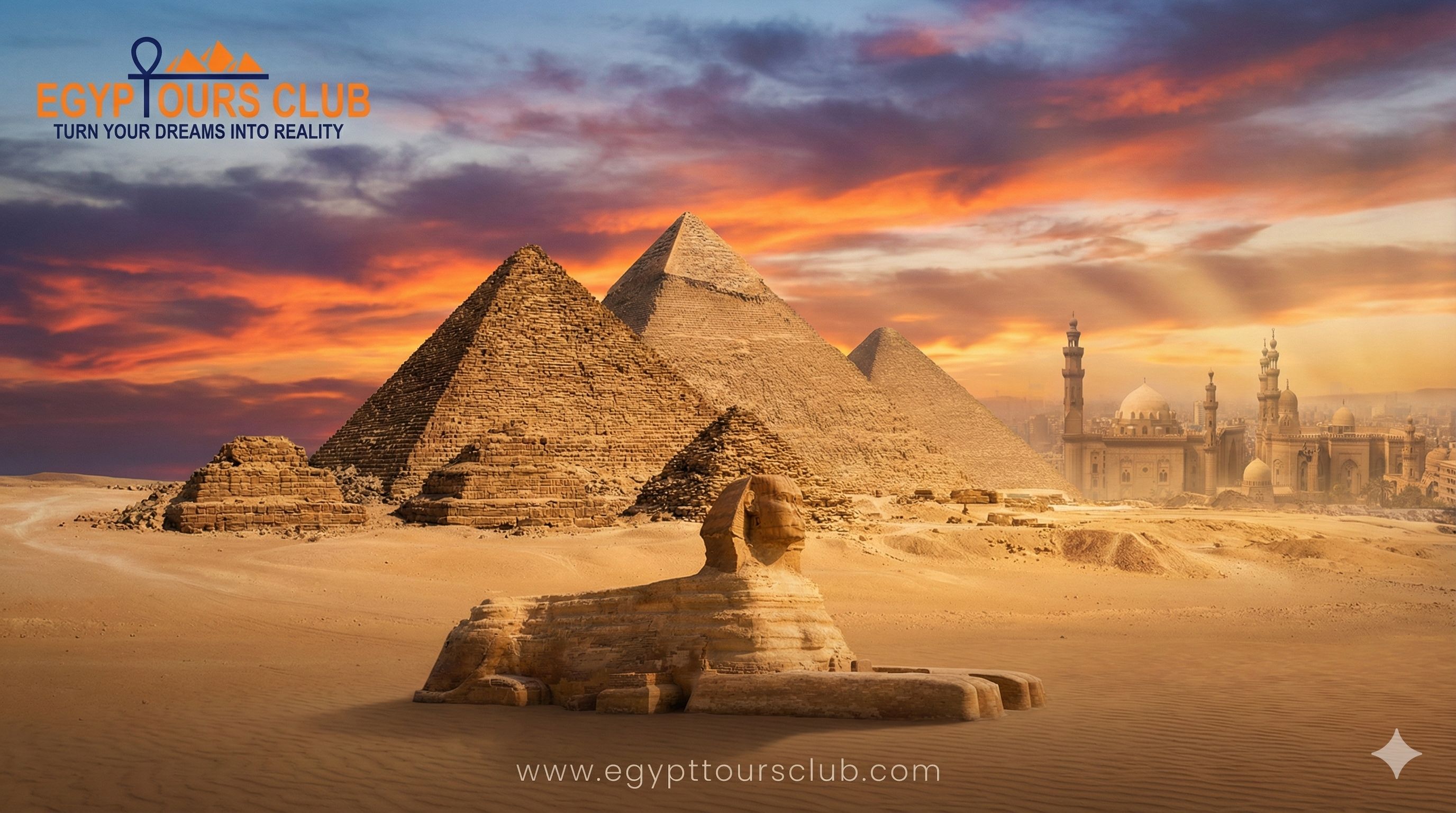
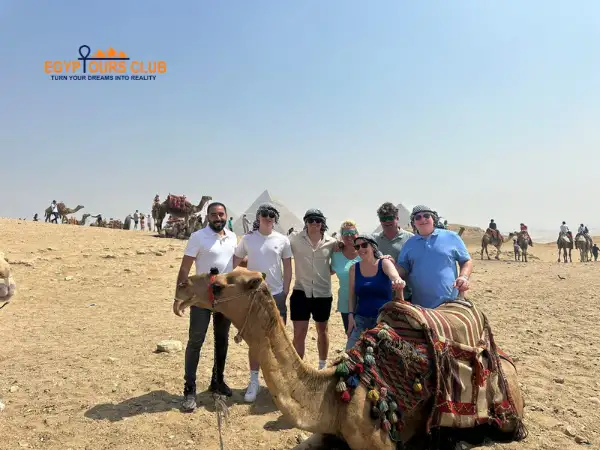
Begin with Khufu’s Great Pyramid, the neighboring pyramids of Khafre and Menkaure, panoramic desert viewpoints and the Great Sphinx. The plateau is a large royal necropolis, not a single monument, so allow time to move between areas and understand the Fourth Dynasty landscape. Pyramid interior access may require a separate ticket and involves steep, narrow passages.
Practical tip: Pair Giza with the Grand Egyptian Museum for a full archaeology day; avoid adding distant Cairo districts unless you have adequate time.
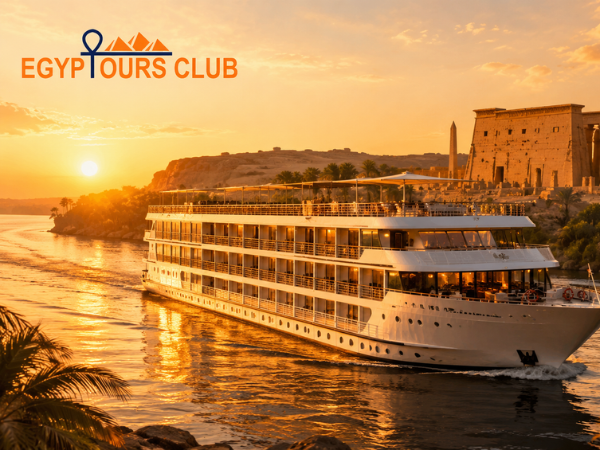
A multi-night Nile cruise combines the riverside landscape with guided visits to temples such as Edfu and Kom Ombo, plus the major attractions at the embarkation and disembarkation cities. A common format is three nights from Aswan to Luxor or four nights from Luxor to Aswan. Sailing days, ship, cabin, meals and included sightseeing must be checked against the actual departure.
Practical tip: A Nile cruise is not the same as a one-hour felucca sail. Choose the cruise direction before committing to domestic flights or hotels.
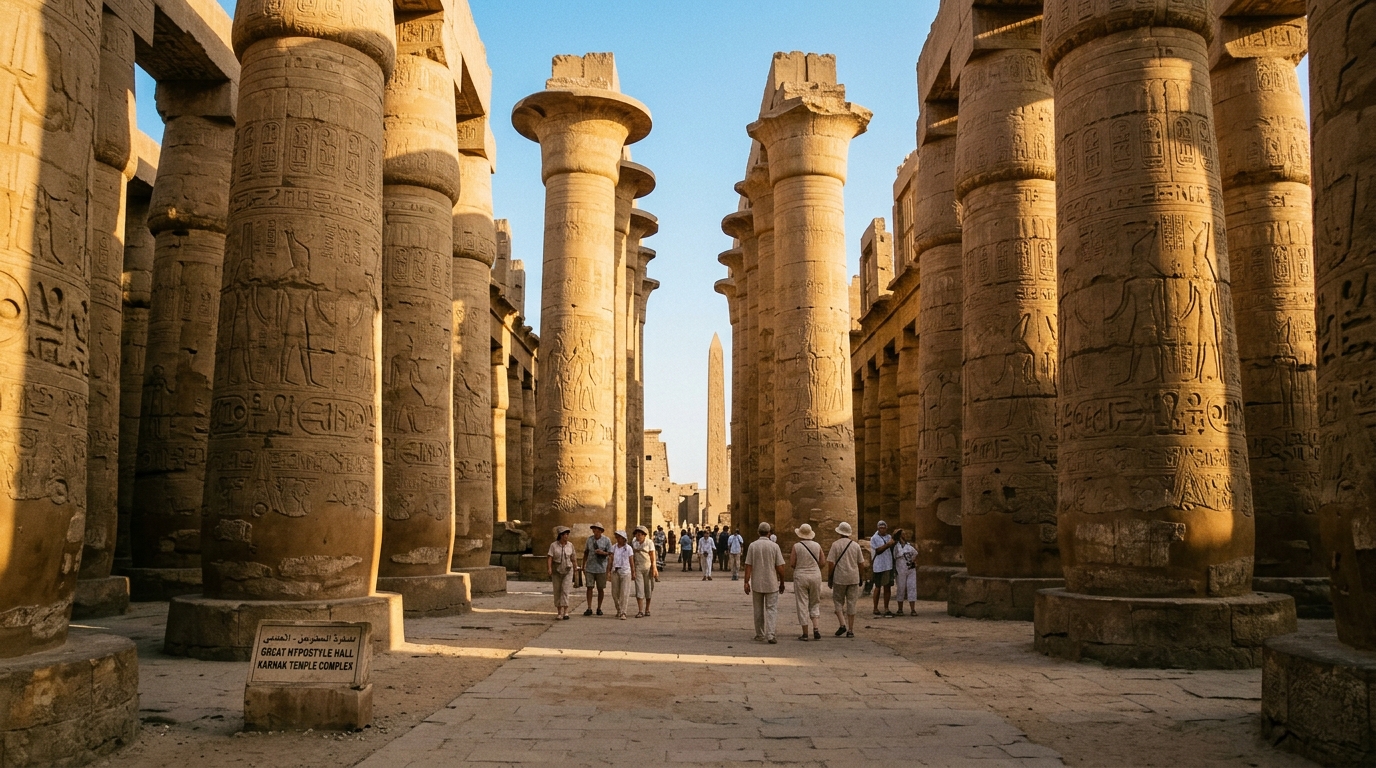
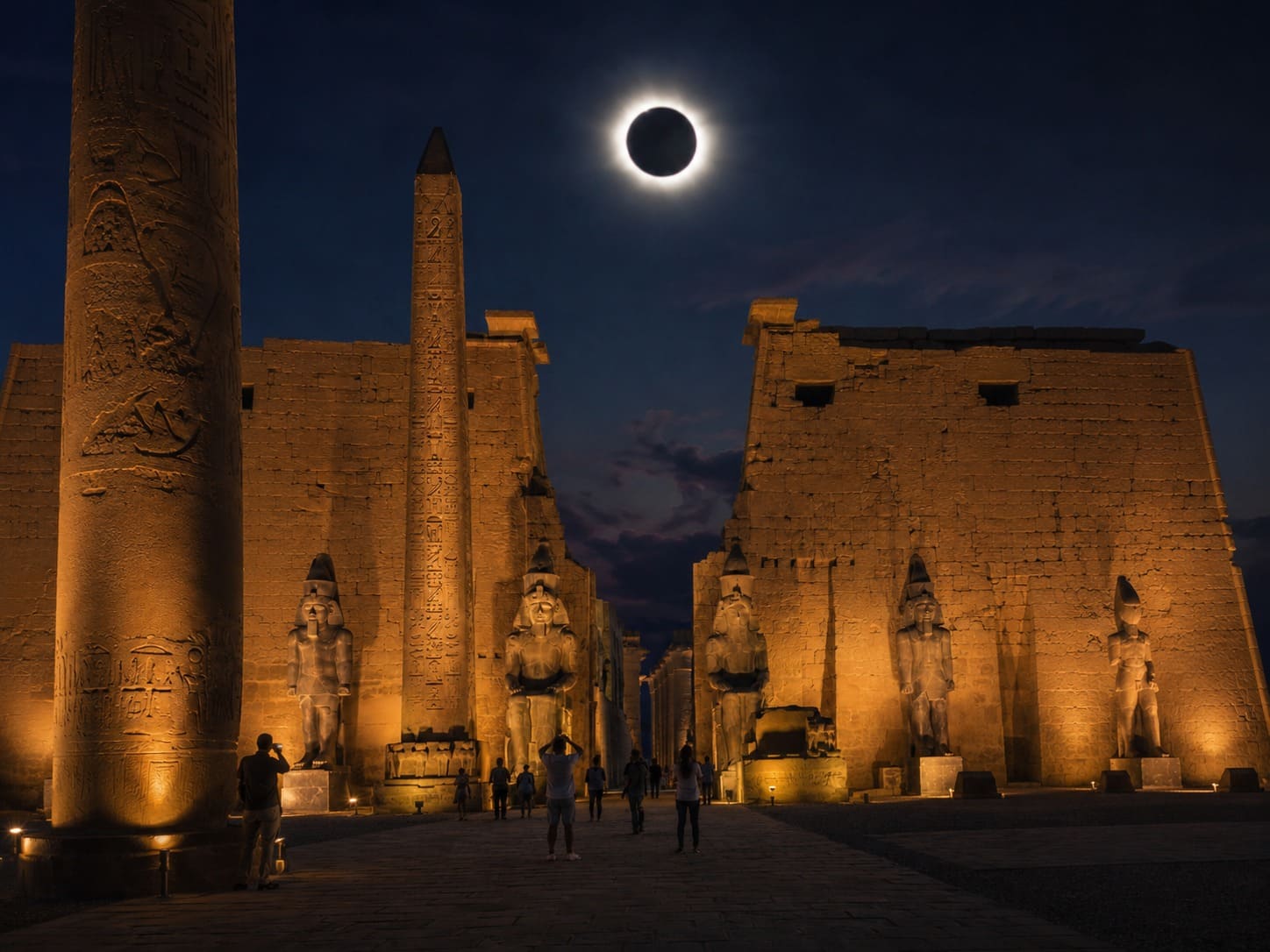
Walk through Karnak’s monumental courts, carved columns and sacred precincts, then visit Luxor Temple to see the ritual landscape of ancient Thebes. The two complexes belong to related but distinct settings. At Karnak, the Great Hypostyle Hall is a standout; at Luxor Temple, look for the long history of building, reuse and later additions.
Practical tip: Use morning or late-afternoon hours for more comfortable outdoor walking and check the current site access before finalizing the day.
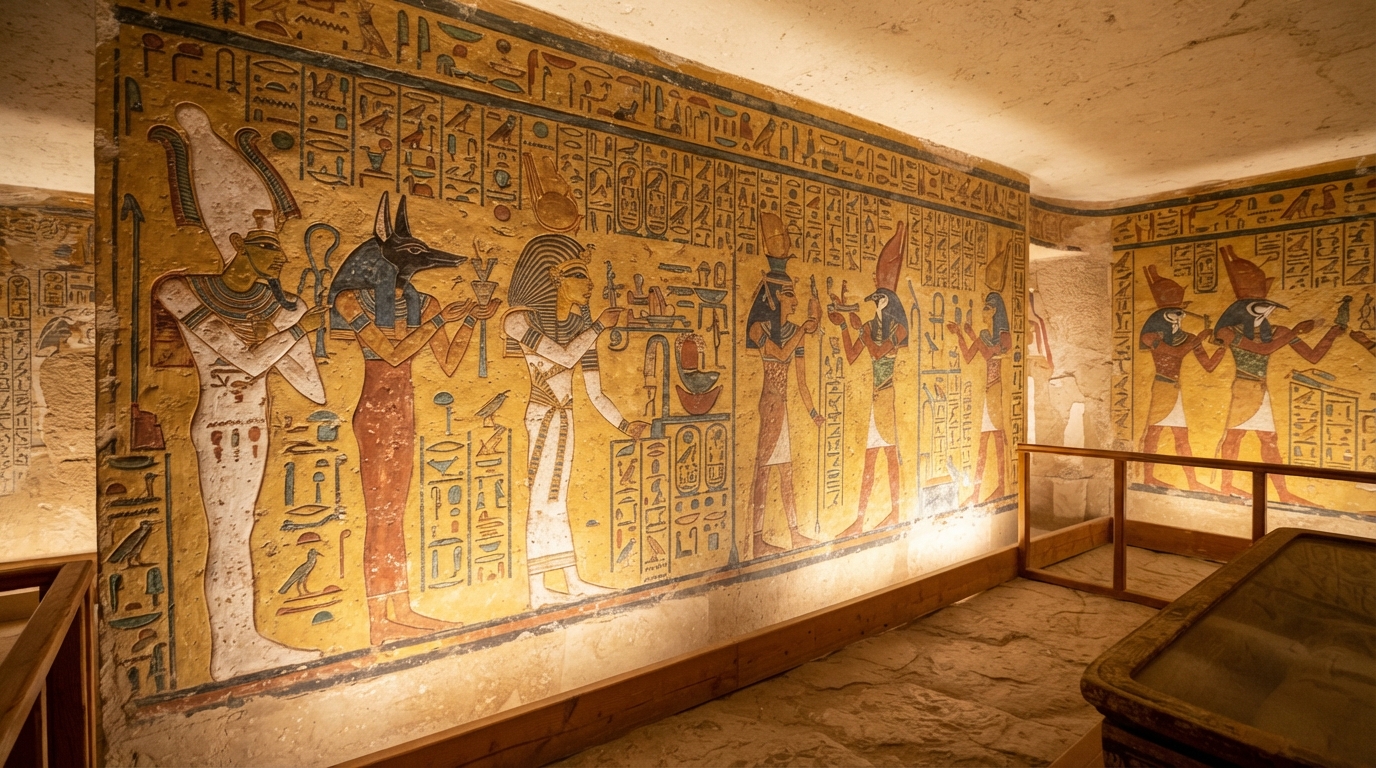
The Valley of the Kings offers a different kind of ancient Egyptian experience: decorated burial chambers carved into the desert cliffs of western Thebes. Tombs rotate in availability, and some famous royal burials require tickets beyond standard entry. The tomb interiors, burial texts and painted scenes reward a slower visit rather than a race through every available chamber.
Practical tip: Combine the valley logically with Hatshepsut Temple and selected West Bank stops, leaving time for heat and walking breaks.

Egypt’s Red Sea coast adds reefs, boat trips, beaches and a slower rhythm after days of temple visits. Sharm El Sheikh works well for Ras Mohammed, resort bays and South Sinai experiences; Hurghada is a practical option when continuing from Luxor. Choose the exact destination around transport and the sort of reef, beach or family activity you want.
Practical tip: Boat itineraries and snorkeling access depend on wind, sea conditions and operator rules. Confirm marine fees, equipment and inclusions rather than assuming everything is covered.
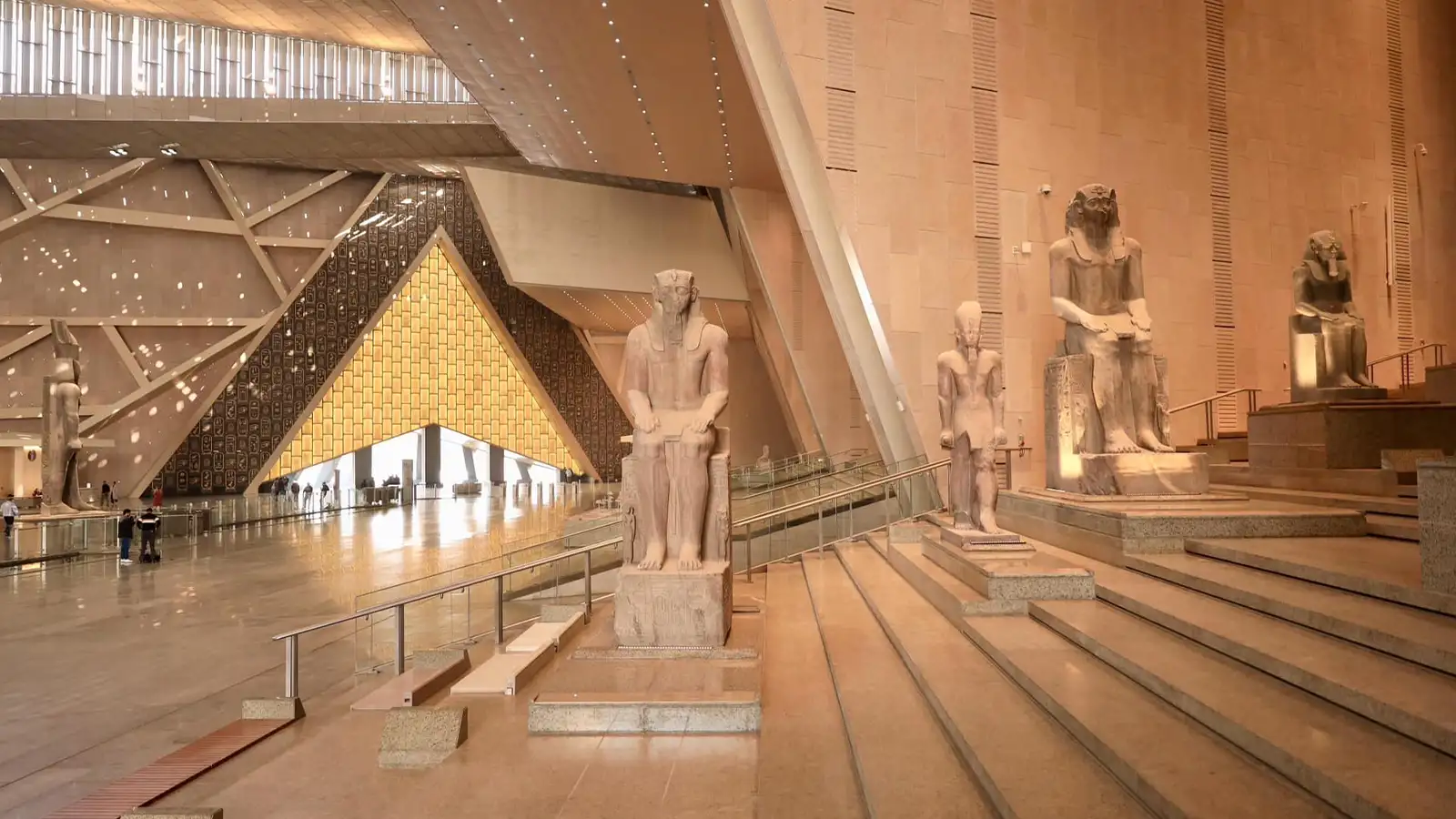
The Grand Egyptian Museum gives travelers a powerful indoor counterpart to the ancient monuments, with large-scale sculpture, royal collections and galleries that place objects in historical context. It belongs in a Giza-focused itinerary because the museum is near the plateau. The Egyptian Museum at Tahrir is a separate institution, so do not confuse its location or collections with the GEM.
Practical tip: Reserve a museum time slot when required and allow enough hours for exhibits, galleries and breaks. Recheck current ticketing and access shortly before your visit.
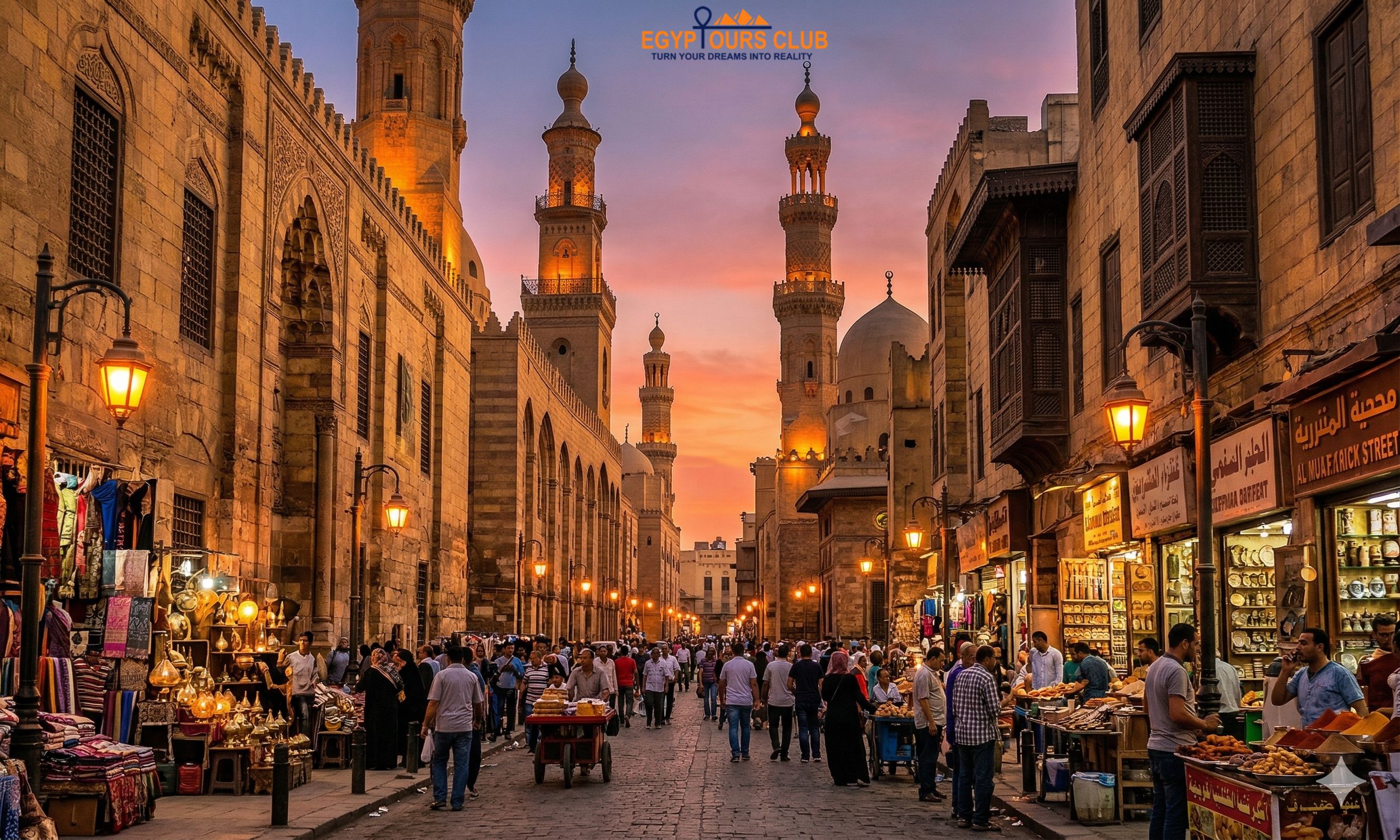
Spend time with medieval Cairo rather than reducing it to a quick market stop. Walk a chosen section of Al-Muizz Street to appreciate its mosques, façades, gates and historic buildings, then continue toward Khan El Khalili’s lanes, cafés and crafts. This area is separate from the Coptic Cairo and Al-Fustat cluster, so use transport when connecting the two.
Practical tip: Visit ticketed monuments while they are open, then leave the bazaar and cafés for later. Respect prayer times and local directions at active religious sites.

A felucca is a traditional sail-powered boat, best enjoyed around Aswan’s river islands, granite outcrops and western hills. The pace is deliberately slower than a motorboat excursion. Go near sunset when conditions suit, watch the river change color and leave room for the simple pleasure of being on the water.
Practical tip: Wind direction and strength determine the final sailing route. If you need a timed island landing or guaranteed transfer, ask about a motorboat instead.
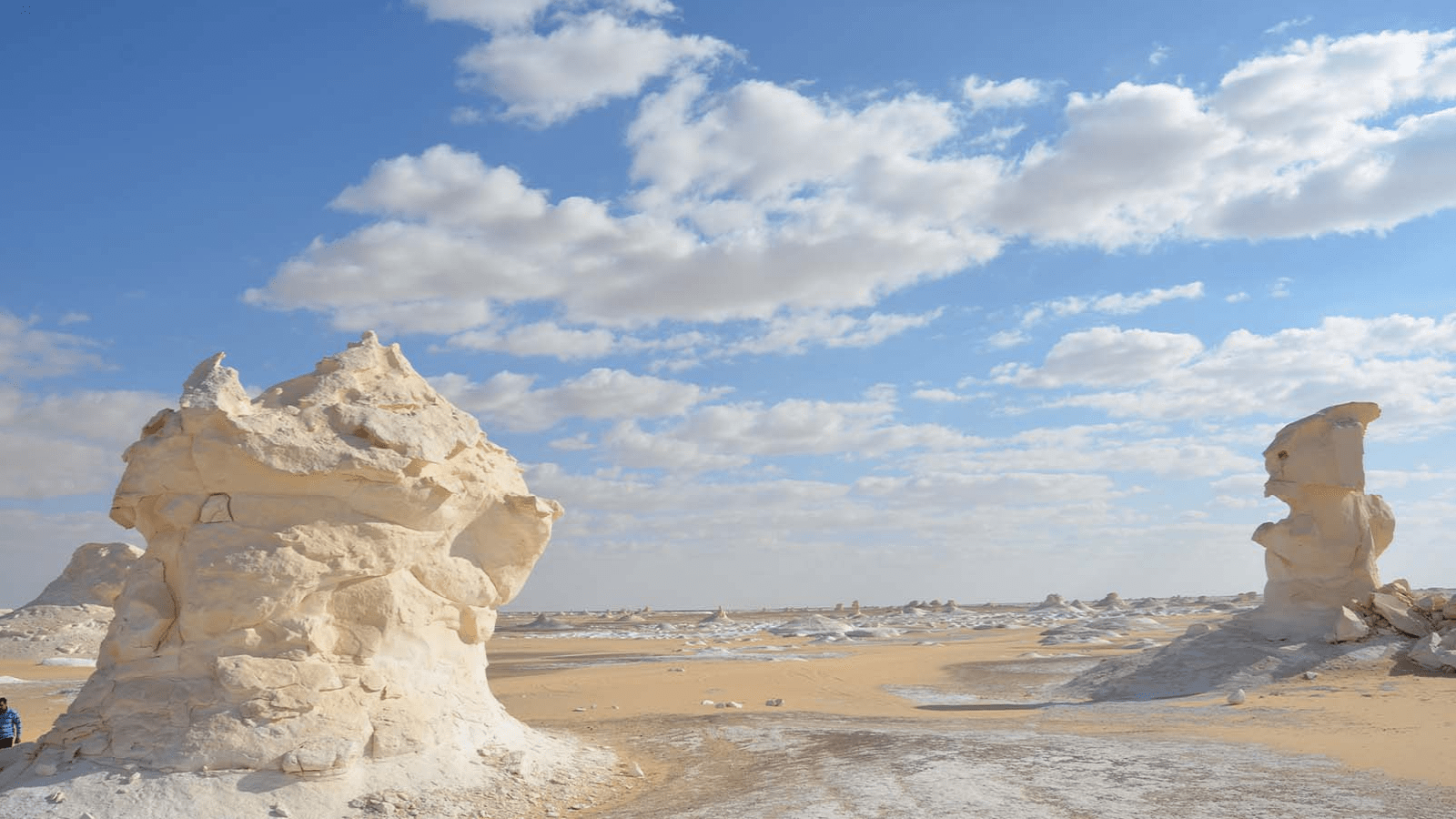
The White Desert near Farafra is known for white chalk formations shaped by erosion, open desert landscapes and memorable sunset light. It is a remote protected area, not an easy stop on a normal Cairo city day. A guided route through Bahariya and the permitted desert zones is generally the sensible approach for a first-time visitor.
Practical tip: Confirm permits, route access, appropriate 4x4 vehicles, camping permission and weather. Do not climb fragile formations or leave waste in protected areas.
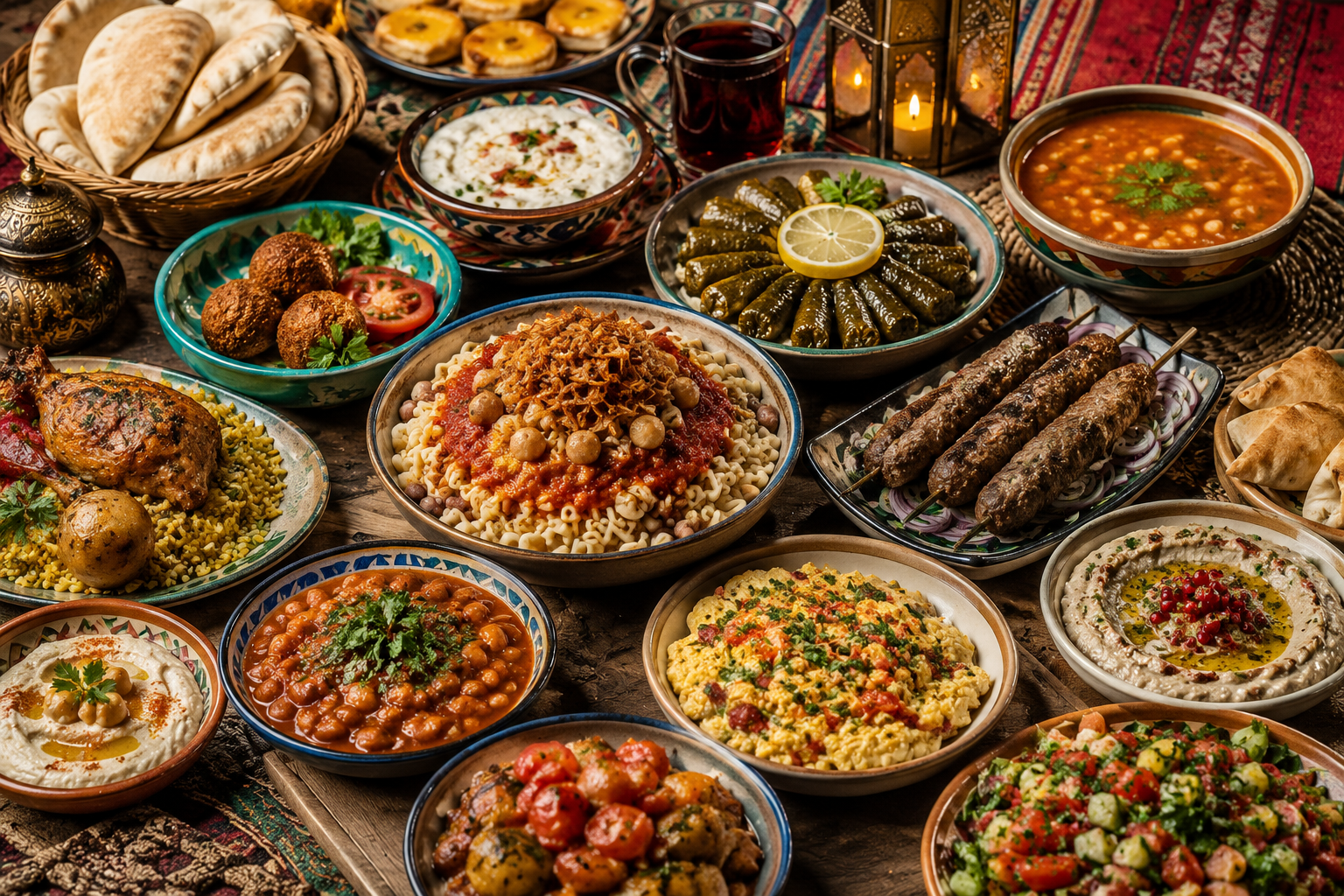
Egyptian food is an easy way to connect a travel itinerary with everyday local life. Start with koshari, a filling mix of pasta, rice, lentils and tomato sauce; try ful medames or herb-rich ta’ameya for breakfast; and add mahshi, grilled dishes or Om Ali when you want something different. A good meal is part of the experience, not just a break between monuments.
Practical tip: Choose busy, clean restaurants, ask about spice and allergens, and build a flexible meal stop into long sightseeing days.
These routes are planning frameworks. The exact city order must match arrival flights, Nile cruise embarkation, hotel availability and your preferred pace. They are not fixed-day departure promises.
The time column is an approximate planning allowance, not a published opening hour or guaranteed tour duration. Local transfers, ticket rules, weather and individual pace can add time.
| Photo | Experience | Base | Allow | Best for | Plan next |
|---|---|---|---|---|---|
| Giza Pyramids | Giza, Greater Cairo | 3–4 hours | History, architecture and photography | Open guide |
| Nile cruise | Luxor and Aswan | 3–4 nights | Scenery, temples and relaxed transfers | Open guide |
| Karnak and Luxor | Luxor East Bank | Half a day | Temples and New Kingdom history | Open guide |
| Valley of the Kings | Luxor West Bank | Half a day | Royal tombs and ancient beliefs | Open guide |
| Red Sea coast | Red Sea coast | 2–4 nights | Snorkeling, diving and downtime | Open guide |
| Grand Egyptian Museum | Giza, Greater Cairo | 3–4 hours | Artifacts, royal history and context | Open guide |
| Historic Cairo | Historic Cairo | 2–4 hours | Architecture, markets and local life | Open guide |
| Aswan felucca | Aswan | Around 1 hour | Nile scenery and slow travel | Open guide |
| White Desert | Farafra / Bahariya | 2 days / 1 night | Geology, desert scenery and stargazing | Open guide |
| Egyptian food | Across Egypt | 1–2 hours | Cuisine and everyday culture | Open guide |
These are not substitutions you must squeeze into a fixed ten-item checklist. Add them if they match your interests and available travel days.
Give the rock-cut temples of Ramses II and Nefertari a dedicated excursion from Aswan. Avoid combining the long road journey with too many other stops.
Reach the island sanctuary by boat and leave time for the setting, inscriptions and temple courts. It pairs naturally with an Aswan city day.
Saqqara, Alexandria and other destinations deserve consideration when you have longer than a classic one-week route.
The right schedule matters as much as the right attraction. Protect travel days and verify what is actually included before paying.
Cairo and Giza form one northern cluster. Luxor and Aswan form the main Upper Egypt route. Sea and desert extensions require extra transfers, not just extra sightseeing time.
A cruise vessel, sailing direction and embarkation day determine the itinerary. Check cabin category, meals, tours and tickets in writing before booking domestic flights.
Start exposed monuments early in hot months, carry water and sun protection, and allow breaks for children, seniors and travelers with mobility needs.
Pyramid interiors, certain royal tombs and special experiences can require separate entry. Check current availability and official ticket categories before travel.
Dress appropriately in active religious places, ask permission before photographing people and explain dietary restrictions or allergies clearly at restaurants.
Marine conditions can change snorkeling routes. Wind affects feluccas. Protected desert areas require authorized local planning, permits and safe vehicle access.
A seven-day trip cannot comfortably cover Cairo, a full Nile cruise, a Red Sea stay and a White Desert overnight without major compromises.
A sunset sail in Aswan is a beautiful short experience, but it does not replace a multi-night journey between Luxor and Aswan.
Weather and permits matter for snorkeling boats and desert routes. Treat current access and safety conditions as part of the booking decision.
Use the Egyptian and UNESCO pages for archaeological background and ticket information. Refer back to the specific attraction or tour page for details of your actual booking.
Begin with the Giza Pyramids and Great Sphinx, the Grand Egyptian Museum, Karnak and Luxor Temple, the Valley of the Kings, and a Nile experience in Aswan. Add a Nile cruise, Historic Cairo, the Red Sea or desert adventures according to your available days.
About eight to ten days can cover Cairo, Giza, Luxor and Aswan at a sensible pace, often with a Nile cruise. Ten to fifteen days or longer is more comfortable when you also want the Red Sea or the Western Desert.
No. A Nile cruise is a multi-night vessel journey between Luxor and Aswan with a scheduled route and sightseeing. A felucca is a traditional sailboat for a shorter local Nile experience, especially around Aswan.
They are separate museums. The Grand Egyptian Museum near Giza is a natural pairing with the Pyramids, while the Egyptian Museum in Tahrir is in central Cairo. Choose according to the collections, location and time that matter to you.
October to April is generally more comfortable for long outdoor monument days. Summer travel remains possible, but Luxor, Aswan and desert routes need much more heat planning and earlier starts.
Choose Sharm El Sheikh when South Sinai, Ras Mohammed and its resort areas suit your itinerary. Hurghada can fit more naturally after Luxor by road. Compare the actual hotel, snorkeling and transport arrangements.
A two-day, one-night guided journey via Bahariya is generally more practical than a rushed Cairo day trip. The protected area requires route and permit planning with an experienced local team.
Yes. Red Sea snorkeling, Aswan felucca sailing, White Desert scenery, food, markets, historic neighborhoods and local cultural experiences add variety beyond archaeological sites.
Yes. They are close enough for a logical full-day pairing, but allow adequate time for both. A short half-day slot is not enough for a thorough plateau and museum visit.
Not every activity requires a guide, but an Egyptologist adds historical context at major sites. Local guides and authorized operators are especially valuable for remote desert logistics and some specialist activities.
Abu Simbel is a major highlight that can be added from Aswan. It is not in this particular ten-item list, which also makes room for food, nature and everyday culture. Treat Abu Simbel as a dedicated extension if it is a personal priority.
Tell Egypt Tours Club your travel dates, group size, hotel preferences and must-see experiences. We can help you compare a Cairo-focused itinerary, a Nile cruise, a Red Sea extension or a longer route with desert experiences. Final details depend on availability and confirmed services.