The bazaar stays social
Lamps, shops, tea and conversation give the Khan El Khalili area much of its appeal after dark.

See a different side of Cairo after sunset. Walk the illuminated lanes of Historic Cairo, explore Khan El Khalili, enjoy the Nile's city lights and plan a night that does not waste hours in traffic.
The best way to experience Cairo after dark is to choose one compact evening route. For street life, go to Al-Muizz Street and Khan El Khalili around sunset, then stop at a traditional cafe. For Nile views, choose a riverfront walk, an arranged boat ride or a dinner cruise. The phrase city that never sleeps describes Cairo's late-night energy, not all-night monument access.
In Cairo, evening does not simply mark the end of the day. Families go out for food, friends meet at cafes, shops switch on their lights and boats move along the Nile. In warmer months, many people prefer to be outside after the strongest daytime heat has faded. The energy is real, but it changes by neighborhood, season and day of the week.
Historic Cairo is part of that story. The Fatimids founded the city of Cairo in 969 CE, although earlier settlements including Fustat existed nearby. The city's Mamluk and later urban heritage remains visible around Al-Muizz Street and the markets. UNESCO recognizes Historic Cairo for its remarkable architectural and urban history. Read UNESCO's Historic Cairo description.
Lamps, shops, tea and conversation give the Khan El Khalili area much of its appeal after dark.
Hotels, bridges and river traffic create a different view of central Cairo at night.
Architectural details are easiest in daylight, while illuminated facades and evening movement create another atmosphere.
Build your evening around an experience, not a checklist. These seven options suit different interests, from street photography and traditional food to quieter Nile views.
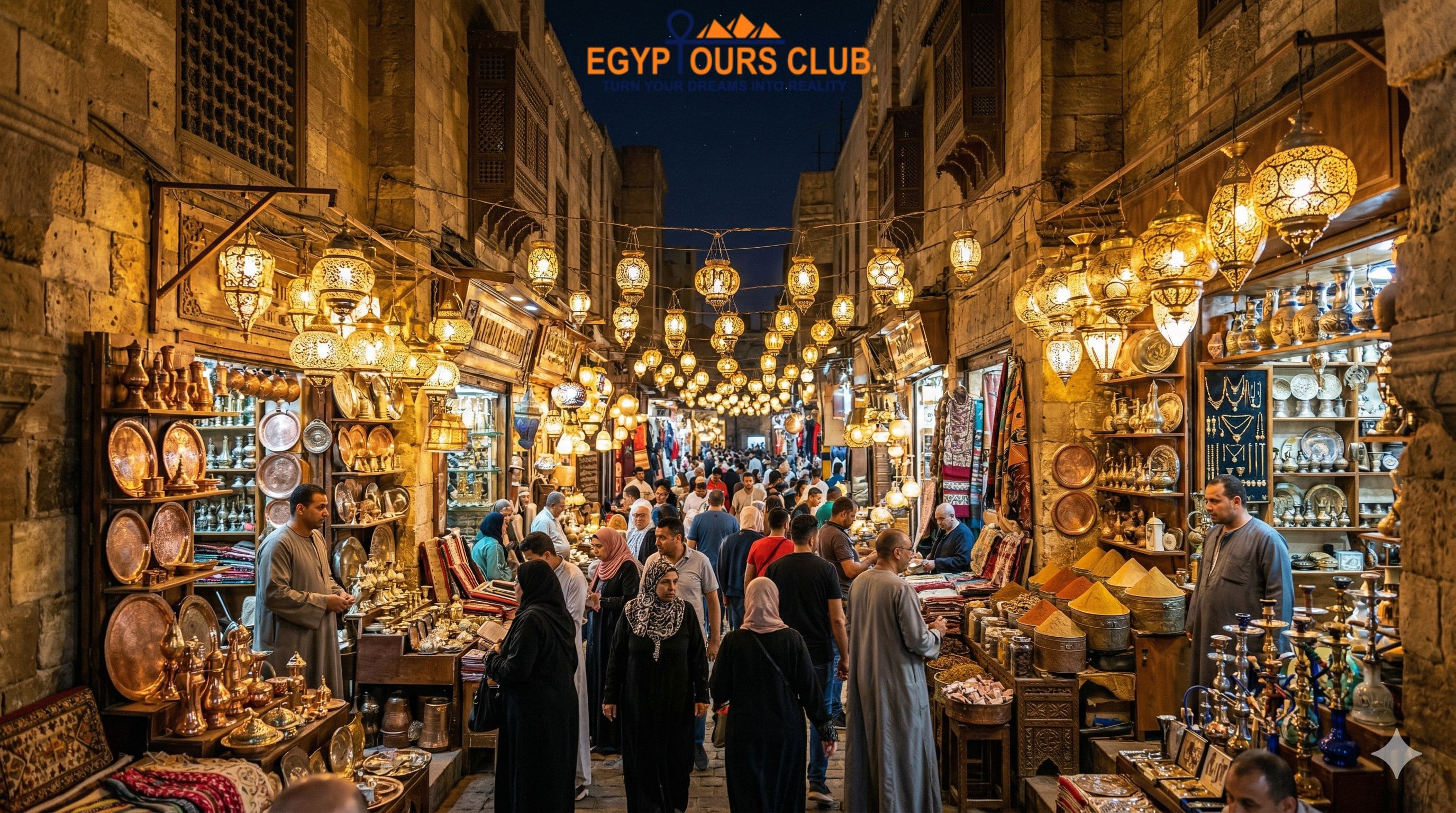
Khan El Khalili is Cairo's classic after-dark market experience. Walk the lantern-lined lanes, browse metalwork and textiles and pause for tea or Egyptian coffee. Many businesses trade in the evening, but not every shop follows the same hours.
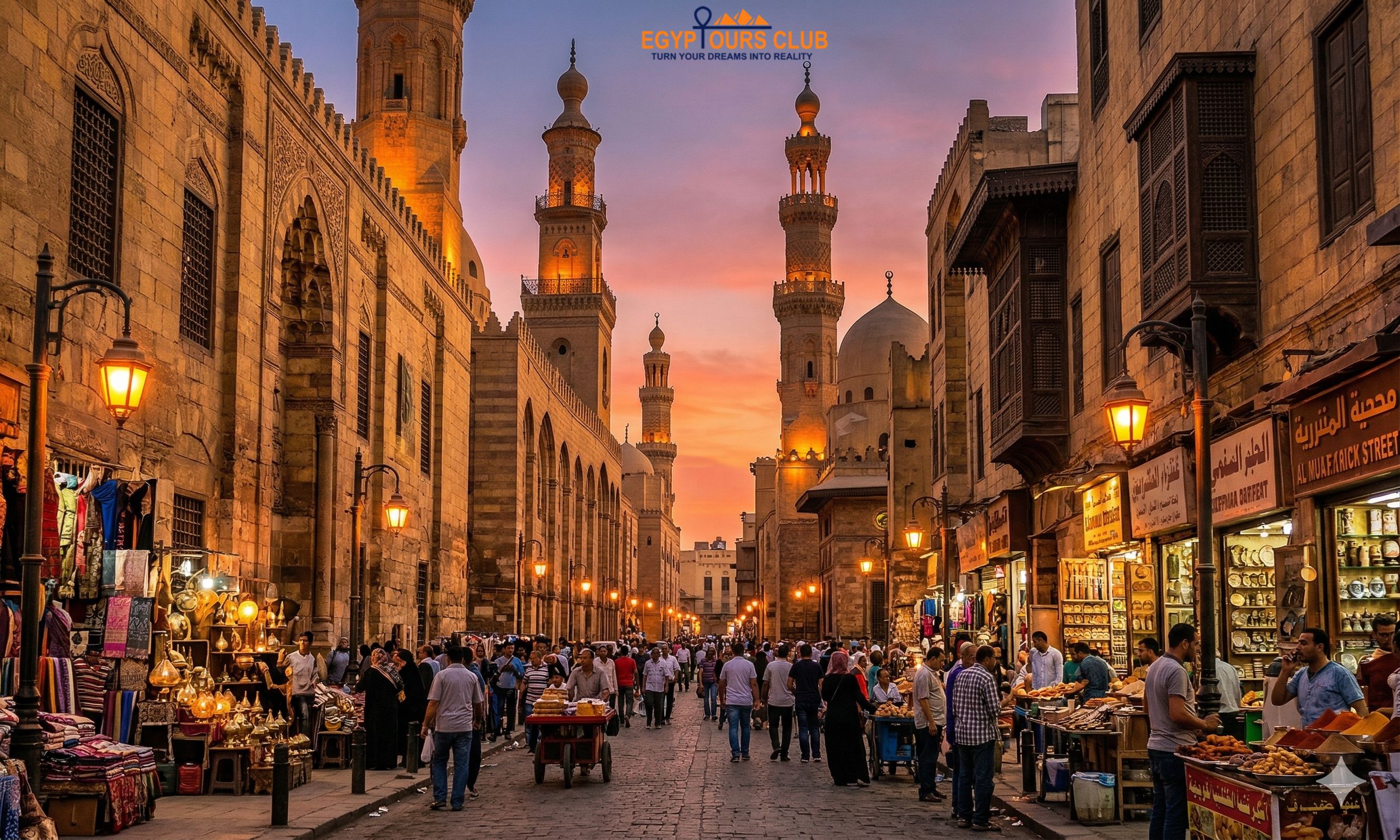
Start with a selected section of Al-Muizz while you can still see carving, inscriptions and building details. Then enjoy the lit street atmosphere as evening arrives. Nearby mosque interiors and monuments have their own hours, so do not assume late-night admission.

The Nile gives Cairo its broadest evening skyline. Take a short walk in a suitable riverside area or enjoy the view from a restaurant or hotel terrace. Where you start matters: choose a riverfront section close to your hotel instead of crossing the city for a quick photograph.

For a planned evening, a Nile dinner cruise combines city views, a meal and onboard entertainment. Check the actual boat, meeting time, duration, seating, drinks and live program before you pay. Private hotel transfers do not necessarily mean exclusive use of the boat.

A felucca is a smaller, traditional sailboat that offers a slower river experience than a large dinner vessel. It is often better in daylight or near sunset than late at night. Confirm the boarding location, agreed duration, safety arrangements and weather conditions; it is not a substitute for a confirmed nighttime cruise.

Some Nile dinner programs feature Egyptian music, belly dancing and Tanoura performances. The exact lineup can change. If a specific show is the reason you are booking, ask the operator to confirm the date, venue and format instead of relying on a generic description.
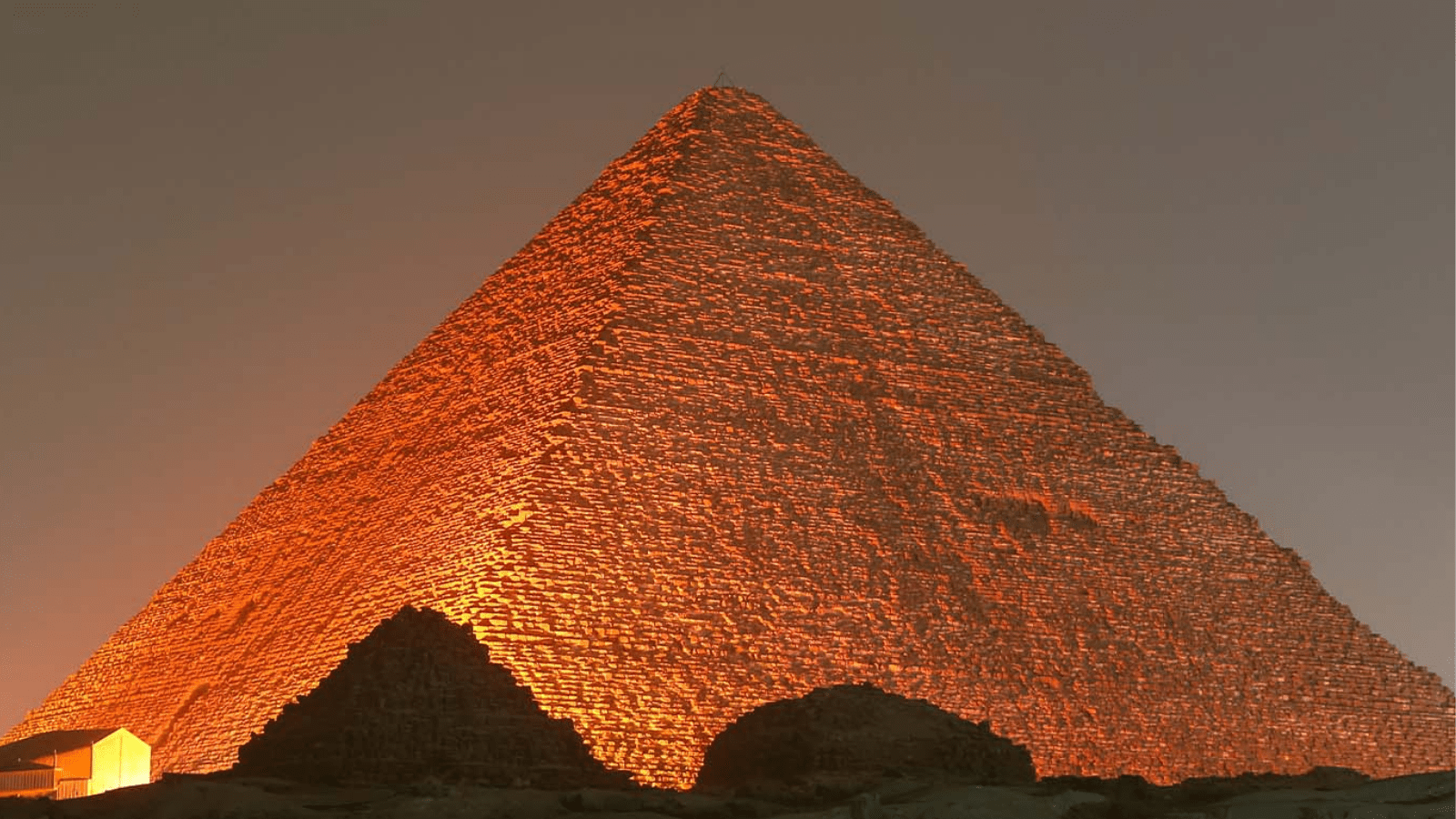
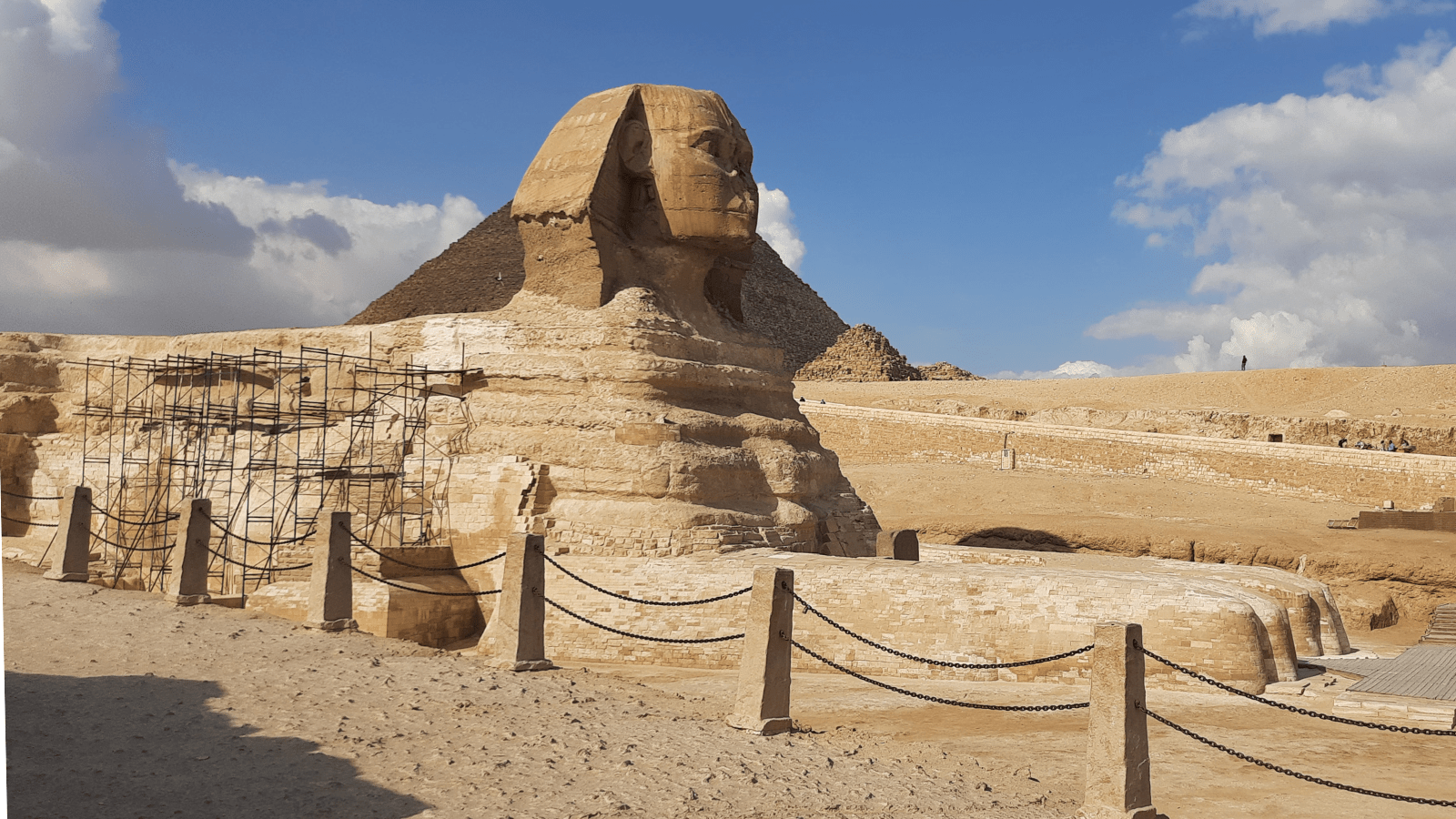
A scheduled sound and light program at the Giza Pyramids can be a good alternative if you are staying near Giza. It is separate from the standard daytime archaeological visit, and show schedules, language options and availability must be confirmed for the travel date.
Do not try to follow all four routes on the same night. Choose the one that matches your hotel, your energy and what you want to remember.
Compare the experience itself, not just the duration. A short cultural walk and a two-hour dinner boat produce very different evenings.
| Photo | Experience | Best for | Planning note | Read more |
|---|---|---|---|---|
| Khan El Khalili | Markets, cafes, photography | Evening activity varies by vendor and day. | Bazaar guide |
| Al-Muizz at dusk | Architecture, historic city walking | Monument interiors may close before the street quiets. | Al-Muizz guide |
| Nile riverfront | Views and a low-key evening | Choose a central area near your hotel. | Cairo planning |
| Dinner cruise | Couples, families, entertainment | Confirm pier, boat, meal, drinks and departure. | Dinner cruise details |
| Giza evening show | Pyramids theme and night photography | Separate location and time-specific admission. | Show guide |
Cairo nightlife is not only clubs and shows. Much of the city's energy happens around a dinner table, a street-food counter or a cafe where people linger over tea.
Koshari layers rice, pasta, lentils and chickpeas with tomato sauce and crisp onions. Grills, baladi bread and mezze are other easy introductions. Eat at a busy, clean place with a menu and clear prices.
After shopping, sit down for mint tea, Egyptian coffee or a dessert. The surrounding street life is part of the experience. Keep the stop relaxed, especially if you have already been sightseeing all day.
Egyptian sweets are an easy finish to an evening walk. Share a portion if you are sampling several dishes. In winter, ask what warming drinks the cafe serves that night.
Late-night Cairo is exciting when you plan transfers, operating hours and walking conditions properly. These are practical choices, not guarantees.
Popular cafes and market streets may be active in the evening, but individual shops, religious monuments, museums and shows follow separate schedules. Confirm priority stops near your travel date.
Historic Cairo, Nile riverfront districts and Giza are separated by traffic. A small number of meaningful stops beats a rushed tour across three areas.
Use your hotel car, an arranged private transfer or a trusted ride-hailing service. Agree on the return plan before a late show or cruise ends.
Busy lanes require standard city awareness. Keep valuables close, cross roads carefully and avoid isolated side streets, especially on an unfamiliar route.
Wear comfortable footwear on uneven historic paving. In religious districts dress respectfully. Winter evenings can be cool, even after a warm afternoon.
Private transport is not the same as an exclusive Nile boat. Ask which meals, drinks, tickets, performances, guide services and transfers are included in the quoted price.
The sources below support the city's historic context and link to current Egypt Tours Club pages for specific evening experiences. Always verify operating details again for your date.
It is a nickname, not a claim that every attraction is open all night. The city has lively evening streets, Nile boats, restaurants and historic cafes, while museums, monuments and individual shops keep their own schedules.
For a first evening, choose Al-Muizz Street and Khan El Khalili for historic atmosphere, or a Nile riverfront stroll and a dinner cruise for skyline views. A pyramid light show is a separate Giza option that needs advance schedule confirmation.
Many market shops and cafes trade into the evening, but hours vary by shop, weekday, season and holiday. Plan for the atmosphere rather than expecting every stall to stay open at a fixed hour.
The standard Giza Plateau archaeological visit is not an open-ended nighttime visit. A scheduled light and sound performance may be available, with separate tickets and date- and language-specific show times.
Hotel transportation can be private while dinner and entertainment usually take place aboard a shared cruise vessel. Ask for the exact vessel, sailing time, meal, beverage policy and any private-boat alternative before booking.
A felucca is a quieter open-air sail, often nicest near sunset, but relies on safe weather and boat availability. A dinner cruise is a larger, structured evening with dining and entertainment. They are not identical experiences.
Sometimes, but only with a short market walk, confirmed cruise boarding time and enough traffic allowance. For an unrushed night, choose one main zone or split the activities over two evenings.
Busy tourist districts can be explored with normal city precautions, but conditions differ by street and time. Use trusted transport, protect valuables, avoid isolated areas and follow current local advice, particularly when traveling independently.
Comfortable shoes and respectful clothing are useful for crowded historic streets. Bring a light layer in cooler months, and dress more smartly for some Nile dinner vessels or restaurants.
Allow about two to four hours for a focused market, Nile or dining experience, plus travel time. Cross-city combinations may need considerably more time because of traffic and fixed boarding times.
Tell Egypt Tours Club where you are staying, your date, group size and whether you prefer historic streets, local food, the Nile or a specific ticketed show. We can propose a private transfer-supported route without packing unrelated districts into one night.
Editorial note: This article focuses on Cairo after dark and does not replace the full city guide. Opening hours, show programs, road conditions and availability can change. Images are hosted by Egypt Tours Club and are matched to the subjects shown, including daylight imagery where the text discusses sunset or a pre-evening activity.