The Giza Plateau
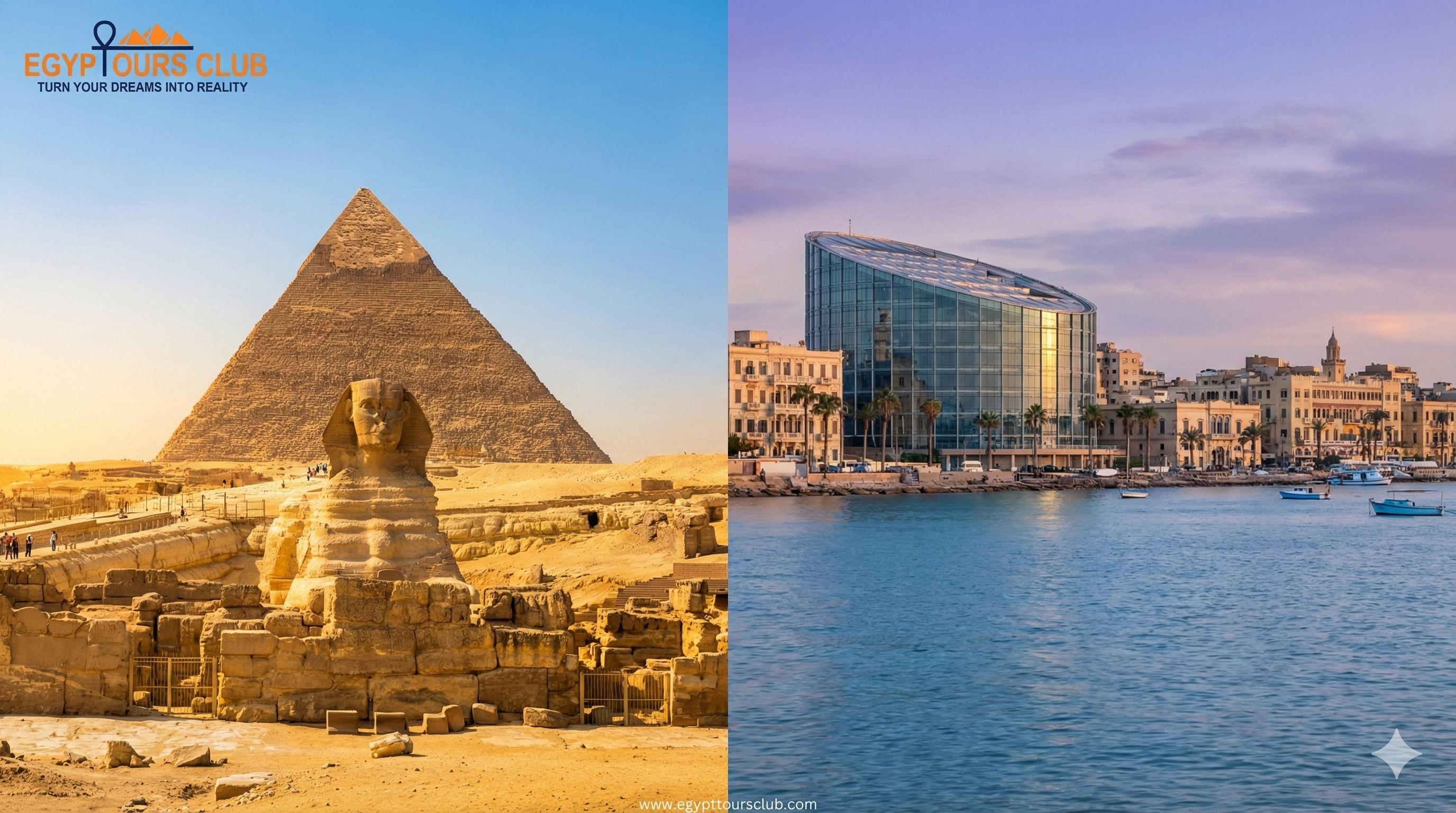
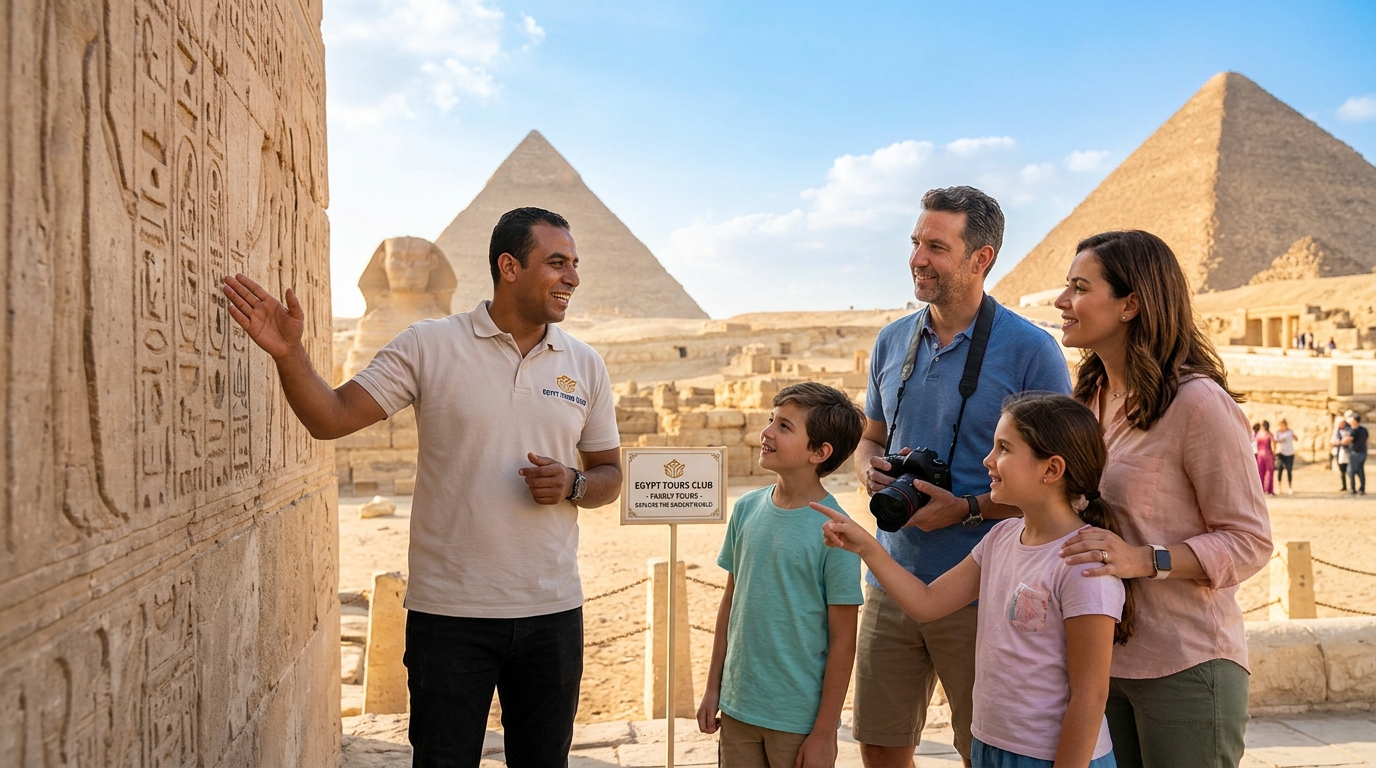
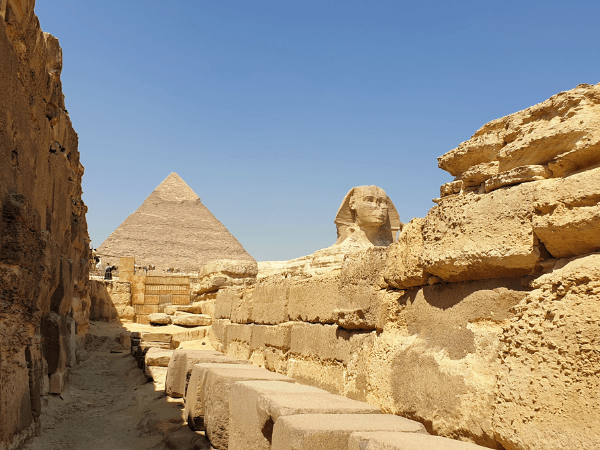
The pyramids of Khufu, Khafre and Menkaure, panoramic viewpoints, the Sphinx and Khafre's Valley Temple form one sightseeing area.
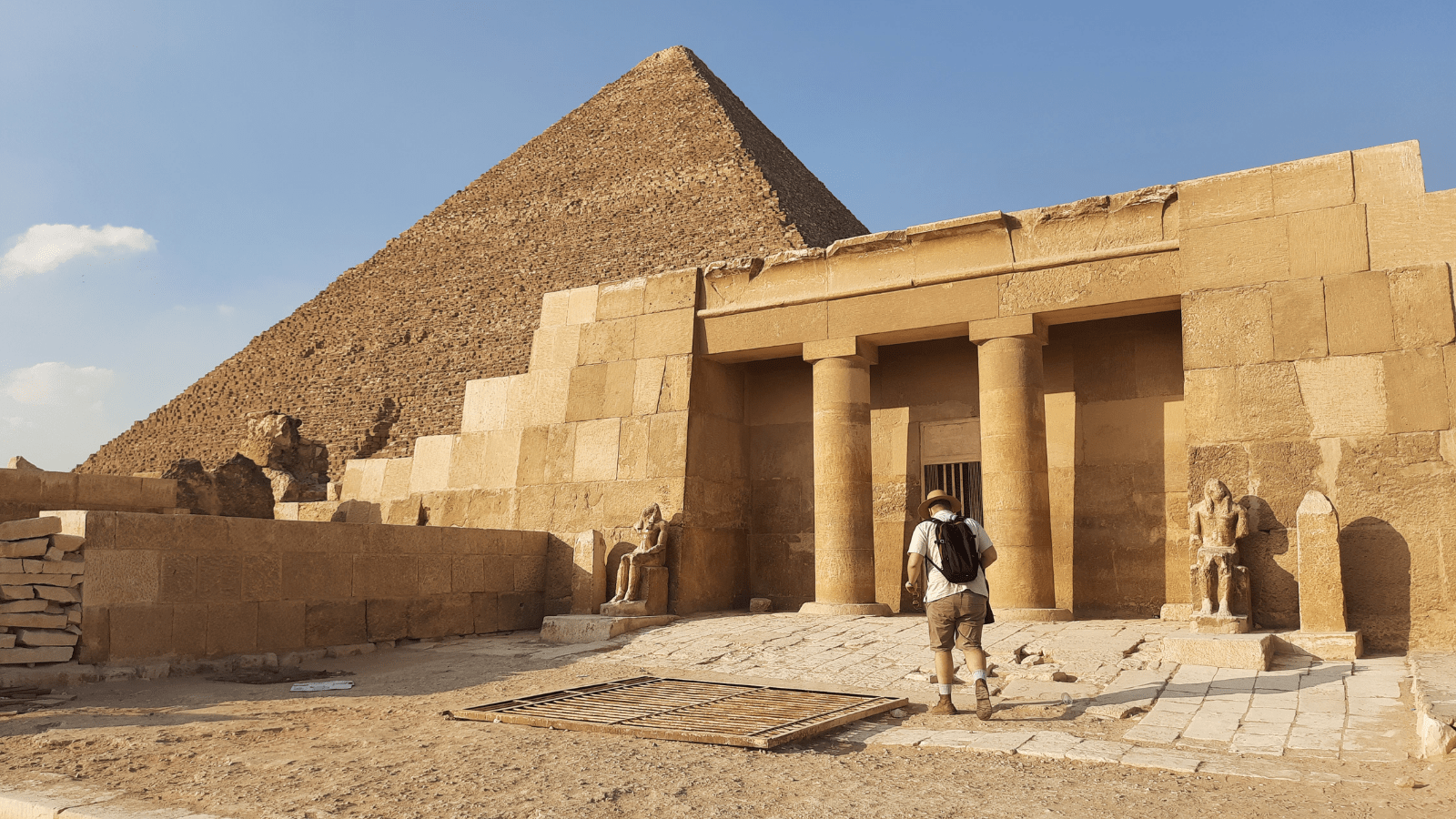
Start with the pyramids and the Sphinx. Add the Grand Egyptian Museum for a full day, then give Saqqara and Dahshur their own time. Here is how to choose the places that fit your trip.
The best places to visit in Giza are the three main pyramids, the Great Sphinx and the Grand Egyptian Museum. Allow about three to four hours on the Giza Plateau, or a full day to combine it with the museum. With another day, explore the Step Pyramid at Saqqara and the Bent and Red pyramids at Dahshur. Memphis is a useful optional stop on a southern route. The plateau, GEM and the southern archaeological sites are separate visits, with their own journeys and admission arrangements.
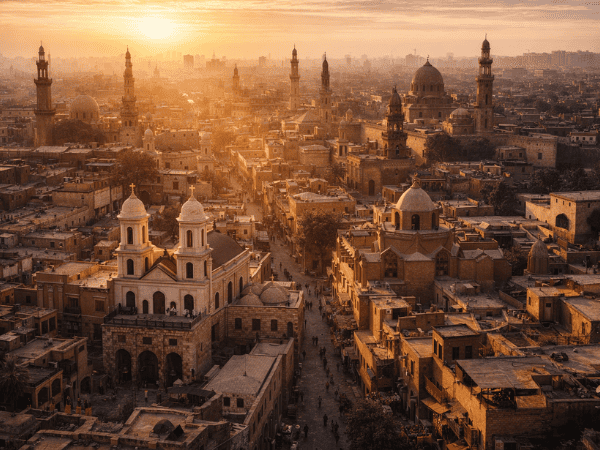
Giza is part of the wider Cairo urban area, west of the Nile. The pyramid plateau, the Grand Egyptian Museum and the archaeological sites farther south need different amounts of time. Grouping them properly makes a bigger difference than adding more names to your itinerary.
The pyramids of Khufu, Khafre and Menkaure, panoramic viewpoints, the Sphinx and Khafre's Valley Temple form one sightseeing area.
Near the pyramids, the museum adds galleries and major collections to your day. Give it its own entry booking and a proper block of time.
Explore earlier pyramid building and decorated tombs on a separate drive south. Memphis can be added if your chosen visits leave enough time.
For a first visit, make the plateau and museum your priorities. The southern sites suit travelers who want more time with ancient Egyptian architecture, tombs and sculpture.
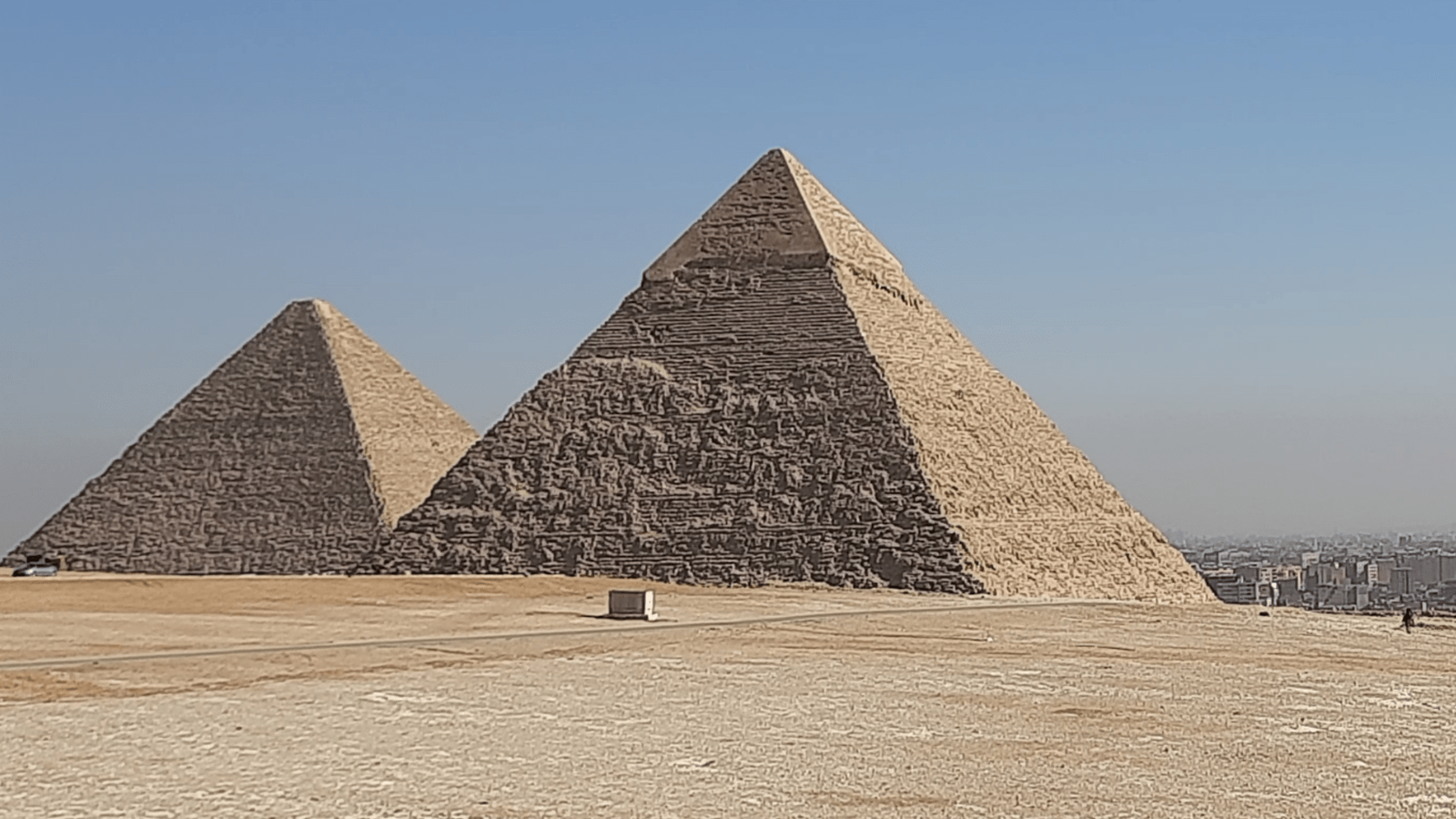
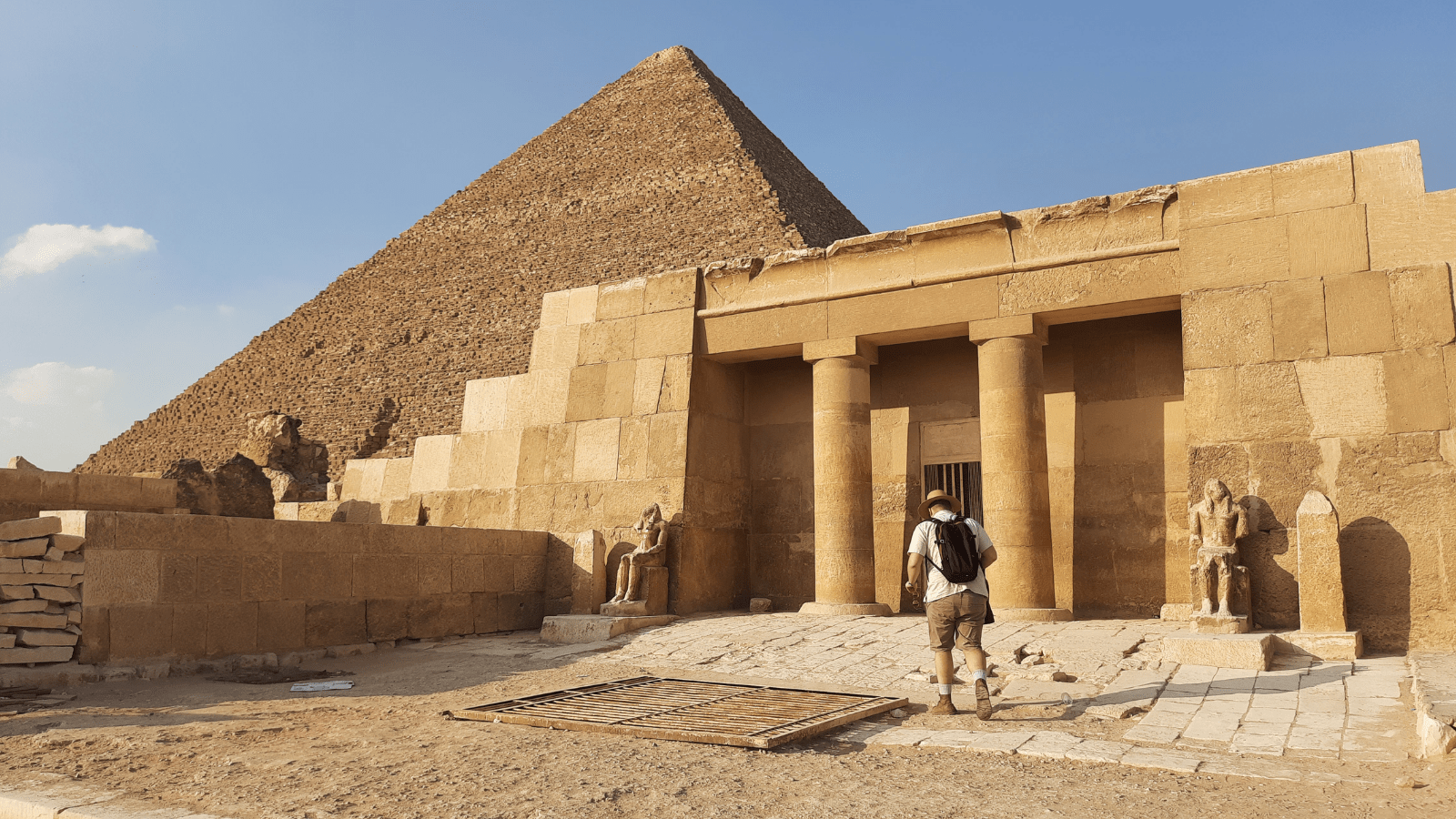
The three main Giza pyramids were built for Khufu, Khafre and Menkaure. Khufu's Great Pyramid is the oldest and largest of the three. Walking near its base makes the scale clear; a broader viewpoint helps you understand how the monuments sit across the plateau.
Give yourself time for both close views and the panorama. The plateau also contains smaller pyramids, tombs and temple remains, so a good visit explains the wider royal funerary complexes.
Going inside is a separate choice. The Great Pyramid interior needs an additional ticket as well as area admission. Its passages involve confined spaces and an uphill route. Choose it for the structure and the experience, and check current access before adding it to a tight schedule.

The Great Sphinx combines a lion's body with a royal head. Archaeological evidence associates it with Khafre. Its setting matters: the Sphinx Temple stands beside Khafre's Valley Temple, with the pyramid complex beyond.
Include the Sphinx in the same visit as the pyramids, rather than counting it as another half-day excursion. Ask your guide to explain how the temples and causeway relate to the king's burial complex.
Keep access expectations clear. A standard sightseeing visit does not promise entry between the Sphinx's paws or into restricted areas. Any special access needs a separate, explicit arrangement.
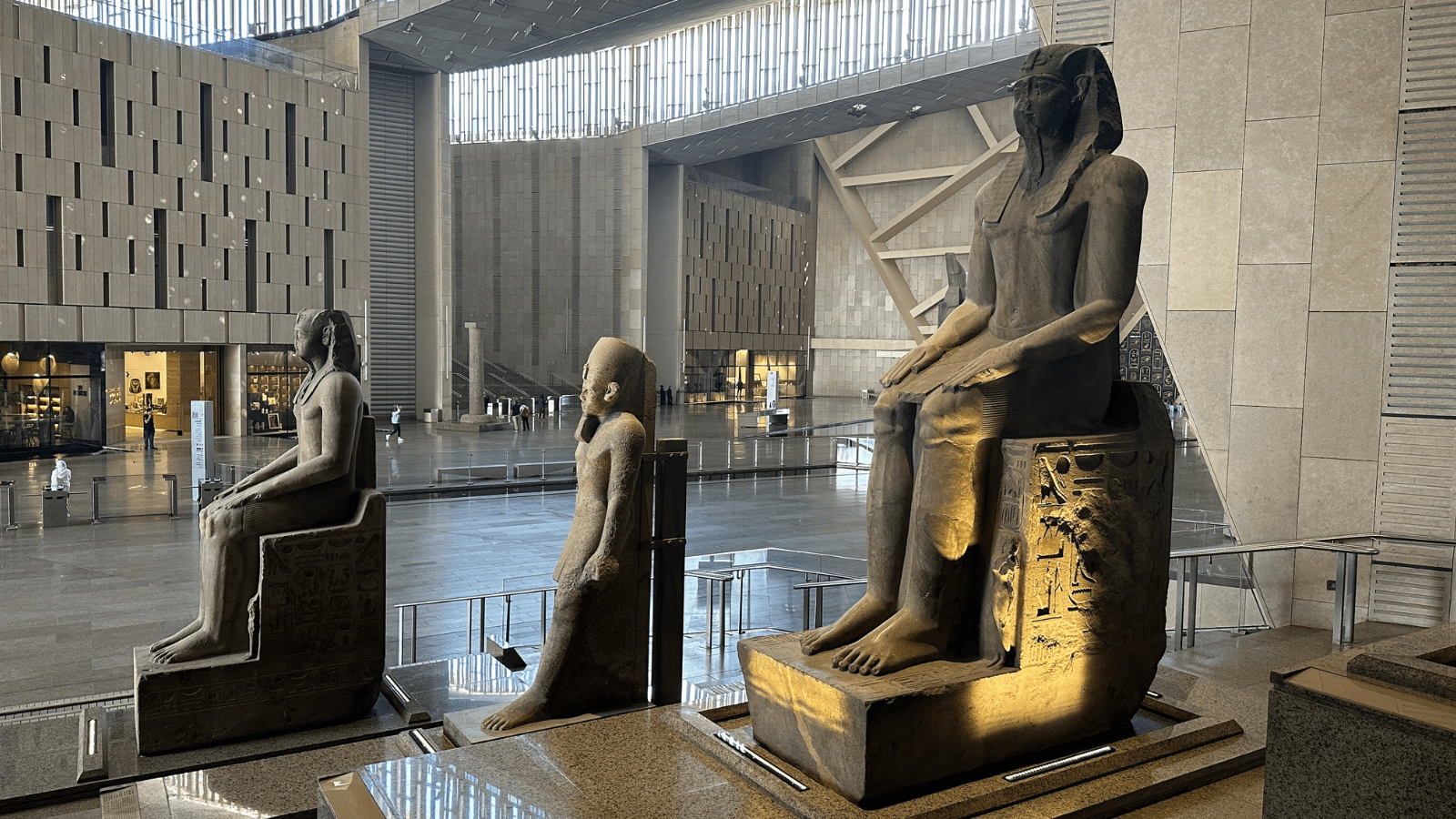
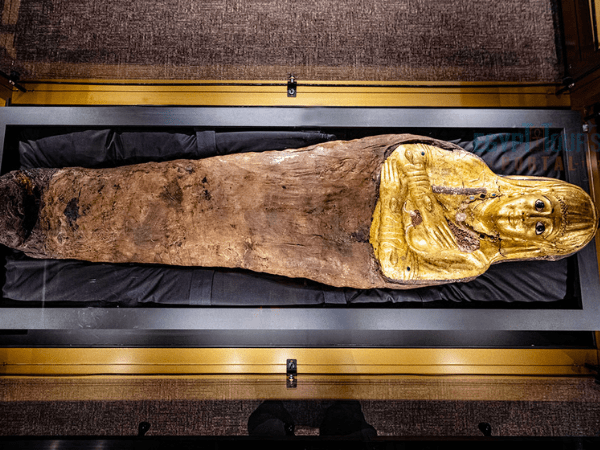
The Grand Egyptian Museum, usually called GEM, is a natural partner to a Giza visit. The monuments show the scale of ancient building; the museum gives you time with the objects and people behind that history.
The official ticketing website currently lists the Tutankhamun Galleries, Main Galleries, Grand Hall, Grand Stairs and Khufu's Boats Museum as part of the visit. Check the admission details and available entry times for your date.
For a focused first visit, allow roughly three to four hours. If you enjoy reading labels or want detailed gallery coverage, give the museum more time. The Egyptian Museum in Tahrir Square and the National Museum of Egyptian Civilization in Fustat are different museums, so check which one your tour includes.
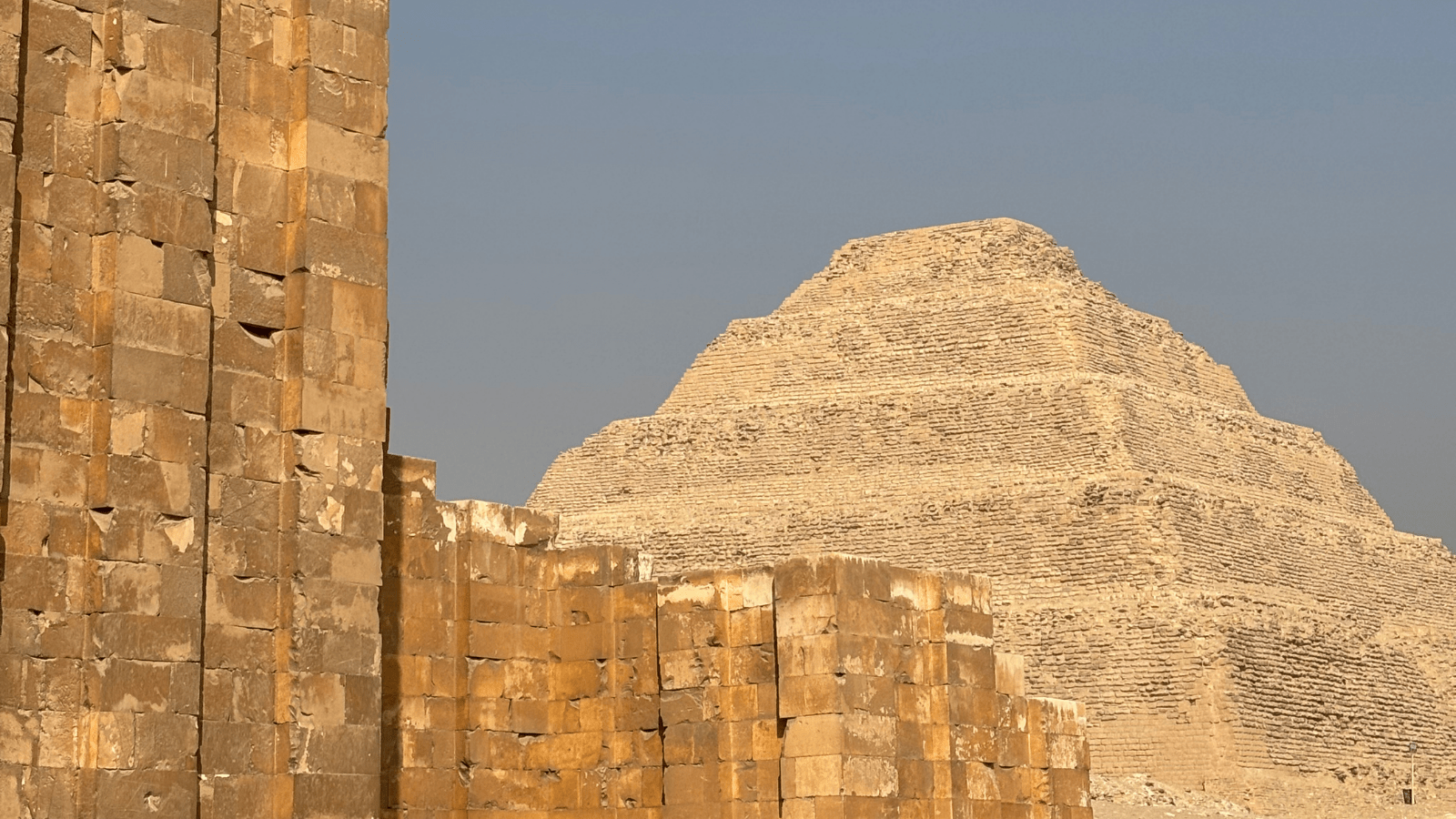
Saqqara belongs to the ancient cemetery of Memphis. Its best-known landmark, Djoser's Step Pyramid, dates to the Third Dynasty and predates the Giza pyramids. Its stepped form makes it a useful place to begin understanding the development of pyramid building.
There is much more here than the pyramid. Decorated elite tombs show scenes of ancient life, while the Serapeum contains underground burial galleries associated with the sacred Apis bulls.
Choose your priorities before arrival. About two to three hours suits a focused visit, but additional tombs and interiors need more time. Ticket categories differ, so ask which named monuments are covered rather than relying on the phrase "Saqqara included."
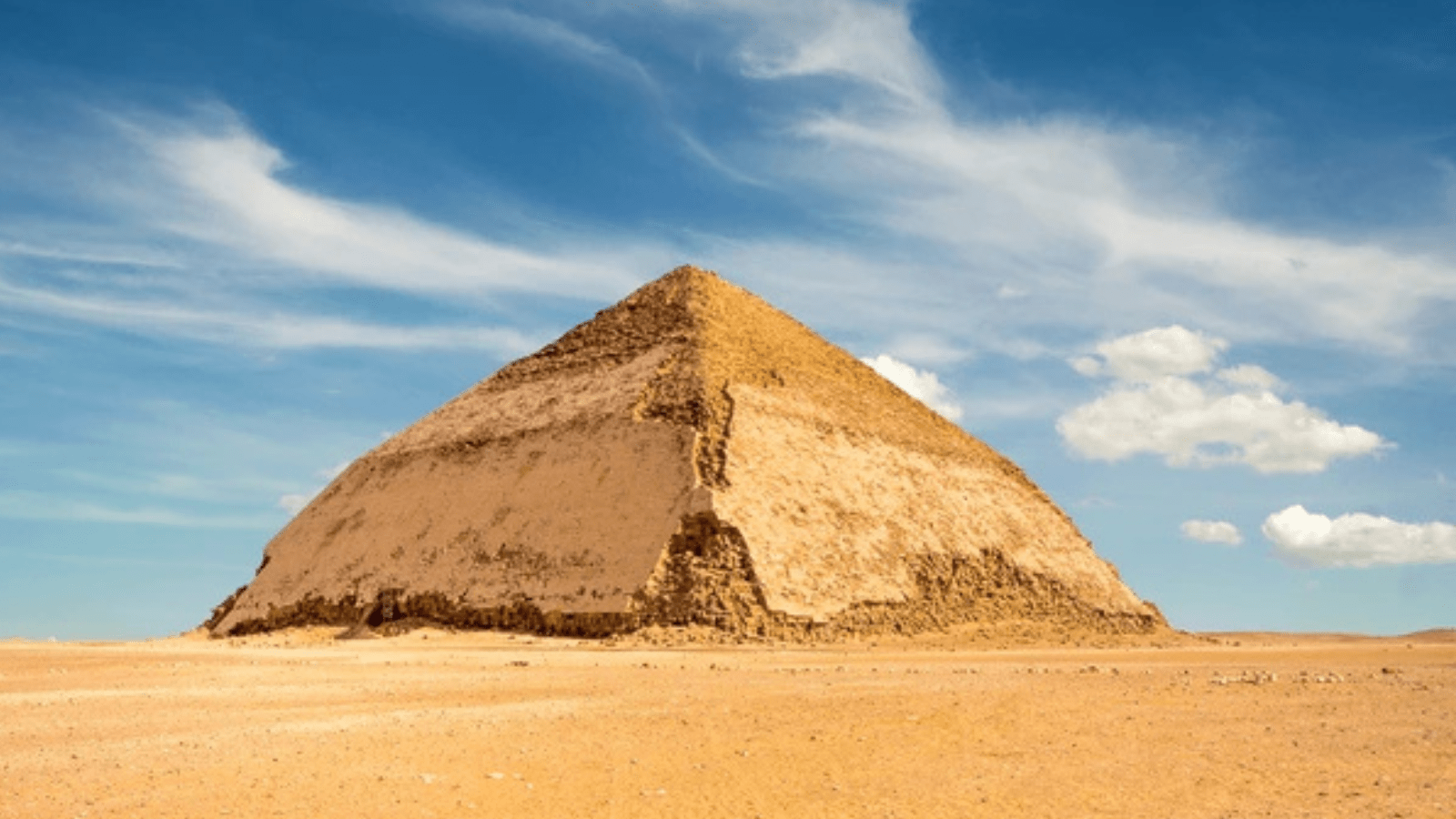
Dahshur adds another stage to the pyramid story. Sneferu's Bent Pyramid has a visible change of angle in its profile, while the Red Pyramid gives you a different form to compare. Both belong to a separate pyramid field south of Saqqara.
Combine Dahshur with Saqqara when ancient architecture is a priority. A route can visit the sites in either order according to your hotel and the day's arrangements, but the historical sequence runs from Djoser at Saqqara to Sneferu at Dahshur, then the major pyramids at Giza.
Allow roughly one and a half to two hours for a focused visit. An interior can add time and physical effort. Confirm which pyramid is open and decide whether the passage and stairs suit you before entering.
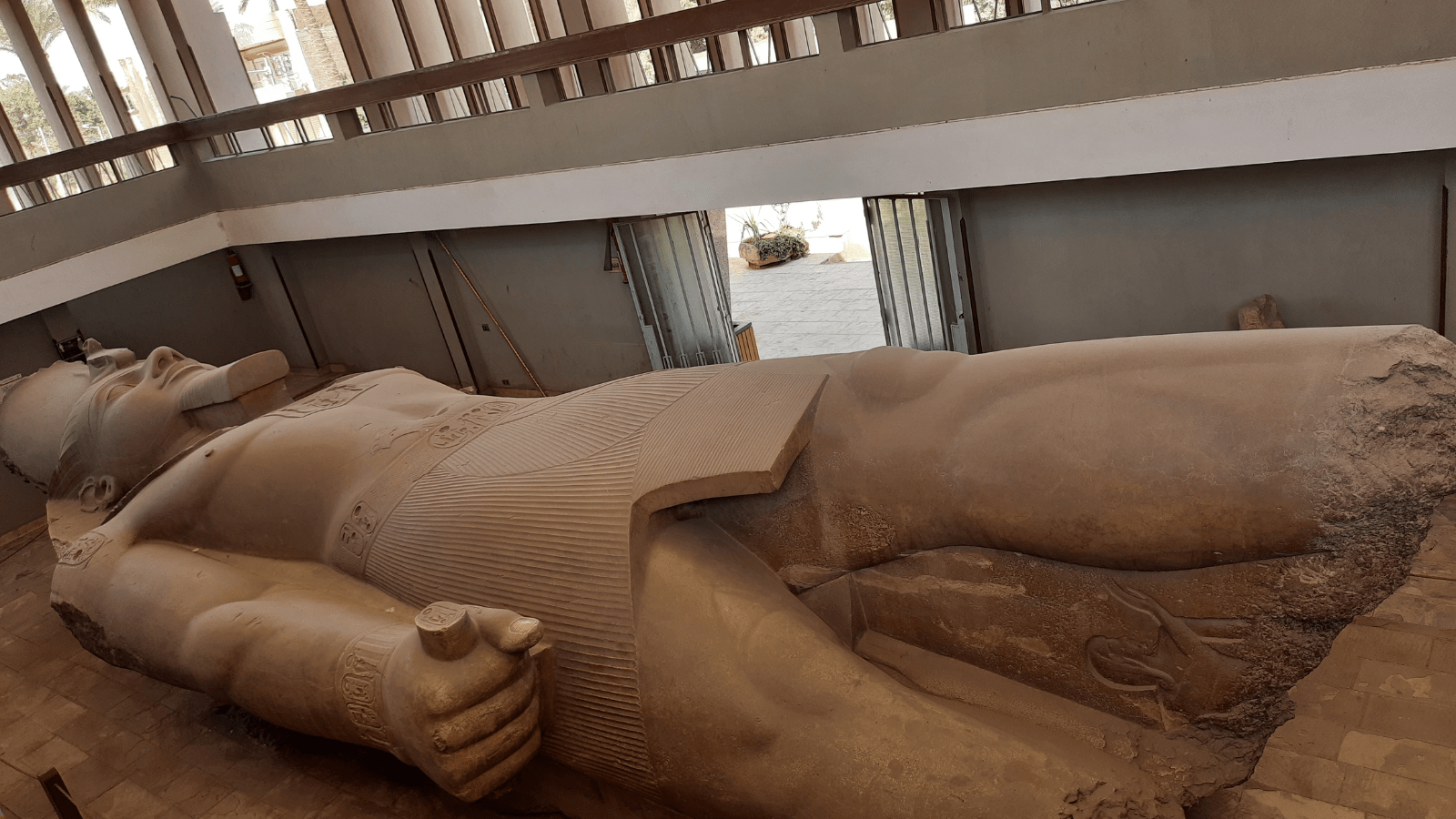
The remains of ancient Memphis are around modern Mit Rahina. Its open-air museum area is known for the colossal statue of Ramesses II and the sphinx. The visit helps connect the surrounding royal cemeteries with the city they once served.
Memphis is a useful addition to a southern excursion, especially if sculpture interests you. It is a smaller visit than Saqqara or GEM, so allow around forty-five minutes to an hour on site, plus the drive.
If you want several Saqqara tombs or a pyramid interior at Dahshur, keep Memphis optional. Choose enough time at your main sites before adding another stop.
These are planning estimates for time on site, not official visit lengths. Add hotel transfers, queues, lunch and any extra interiors. The Sphinx allowance is already part of the plateau visit.
On a small screen, swipe across the table to compare all columns.
| Place | Suggested time | Best for | What to plan |
|---|---|---|---|
| Giza Plateau | 3 to 4 hours | Pyramids, Sphinx and wide views | Area entry, transport arrangements and any pyramid interior |
| Grand Egyptian Museum | 3 to 4 hours, or longer | Collections and historical context | A separate ticket and a suitable entry time |
| Saqqara | 2 to 3 hours, or longer | The Step Pyramid and decorated tombs | Which tombs, interiors or galleries you want to enter |
| Dahshur | 1.5 to 2 hours | Bent and Red pyramid architecture | Vehicle transfers and any interior visit |
| Memphis | 45 to 60 minutes | Ramesses II sculpture and the ancient capital | An optional stop near Saqqara if the day's pace allows |
Focus on the Giza Plateau. Include the main pyramids, a panoramic stop and the Sphinx area. Decide in advance whether a pyramid interior matters more to you than extra photography time.
Visit the plateau earlier in the day, allow for lunch and the transfer, then use a booked museum entry. About eight to nine hours is a useful overall planning allowance, with the exact day depending on your hotel and pace.
Use the first day for Giza and GEM. On the second, choose Saqqara and Dahshur. Add Memphis only if it leaves enough time for the tombs and interiors you care about.
Start with your priority pyramids and viewpoints. Keep the Sphinx within this same site visit.
Allow for lunch, the museum transfer and security. Avoid an entry slot that depends on everything running perfectly.
Spend several hours at GEM. Agree on your main interests before starting a guided museum visit.
Leave the remaining time flexible. Hotel location and traffic determine the return journey.
Before choosing a tour, compare the named visits and inclusions. Two trips with similar titles may cover different tickets, interiors, meals and guiding arrangements.
General plateau admission does not include the Great Pyramid interior or every separately ticketed monument. Confirm the exact interior, its ticket and the time allocated. Ordinary Sphinx viewing also does not mean special enclosure access.
GEM has its own admission and entry conditions. Use the official booking website to check the ticket, date and entry time. Special experiences can carry separate conditions; a museum visit and an evening event are not automatically interchangeable.
Ask which Saqqara tombs and interiors are included, and whether the Serapeum is part of your visit. At Dahshur, check the day's interior access. Keep a named priority list so the route can be adjusted if an area is unavailable.
Check your pickup address, the vehicle arrangements, guide language, meal inclusions and whether shopping stops are planned. Ask for the complete price for your chosen route, including any optional activities you actually want.
A good day leaves time for the monuments, the journeys and the people traveling with you.
Choose an early available start for the exposed plateau, especially in hot weather. Bring sun protection, water and comfortable shoes. Keep breaks in the plan.
Use a vehicle between the plateau, museum and southern sites. Agree where you will meet your driver after each visit. A short distance on a map does not give you a reliable journey time.
Allow time for the drive, security and admission checks before your GEM entry. Do not fill the morning with optional stops that put your museum booking under pressure.
Pyramid interiors can involve steep passages, steps and low ceilings. Explain walking or access needs when booking, and ask about the exact route, vehicle access and available facilities.
You can enjoy the pyramids and viewpoints without a camel ride. If you choose a ride, agree on the duration, route and total price first, and consider the animal's condition before taking part.
Follow signs and staff instructions at monuments and in galleries. At GEM, personal photography is subject to gallery restrictions and flash is prohibited. Ask before bringing equipment beyond a phone or standard camera.
Giza, GEM, Saqqara and Dahshur need substantial time. Choose the plateau and museum together, then give the southern sites another day.
GEM, the Egyptian Museum in Tahrir and the National Museum of Egyptian Civilization are separate visits. Read the exact museum name in the itinerary.
Check named tickets, tombs and passages before you book. A general site visit does not promise entry to every monument inside it.
Giza, Saqqara and Dahshur are part of the wider UNESCO World Heritage property covering Memphis and its necropolis. The official museum, monument and heritage pages below provide historical context and current visitor information.
Start with the pyramids of Khufu, Khafre and Menkaure, the Great Sphinx and the Grand Egyptian Museum. With another day, add Saqqara and Dahshur. Memphis is an optional addition to a southern route when time allows.
Allow about three to four hours on the plateau for the pyramids, viewpoints and Sphinx. This is a planning estimate, excluding hotel transfers. A pyramid interior, queues or a slower walking pace can require more time.
Yes. Plan a full day with the plateau earlier, a lunch and transfer break, and a suitable GEM entry time. Around eight to nine hours is a useful estimate, depending on your hotel, traffic and interests. Give the museum a separate day if you want detailed gallery coverage.
No. The Grand Egyptian Museum is near the Giza pyramids. The Egyptian Museum is in Tahrir Square, while the National Museum of Egyptian Civilization is in Fustat. Check the exact museum named in your tour.
An interior visit is possible when access is available, but it requires its own ticket in addition to plateau admission. The route involves passages, steps and confined spaces. Check current access and decide whether the interior fits your comfort and schedule.
No. The Sphinx belongs to the Giza Plateau and fits within the same sightseeing visit. Standard viewing does not promise entry between its paws or into restricted areas; any special access must be arranged separately.
No. Saqqara is a separate archaeological area south of the plateau, within Giza governorate. It includes the Step Pyramid of Djoser and many tombs. You need a separate journey and the appropriate site tickets.
Choose Giza first if the famous pyramids and Sphinx are your main priorities. Saqqara suits travelers interested in earlier pyramid building and decorated tombs. Visiting both works best when you leave enough time for each site.
Dahshur is a useful addition if you want to compare the Bent and Red pyramids with Saqqara and Giza. Pair it with a southern excursion and check interior access if you want to enter a pyramid. Allow time for the drives as well as the monuments.
That combination is too rushed for a balanced visit, especially with museum galleries, tombs or pyramid interiors. Use one day for the Giza Plateau and GEM, then another for Saqqara and Dahshur. Add Memphis only if the second day has enough time.
Choose fewer stops and allow regular breaks. Discuss walking distances, steps, vehicle access and facilities before booking. Pyramid interiors can be demanding, so choose them only when the specific route suits everyone in your party.
You can plan an independent visit with the appropriate tickets and transport. A knowledgeable guide helps explain the pyramids, temples and museum collections and organize the route. Check the guide language, pickup location and included tickets before booking a tour.
Tell Egypt Tours Club your hotel, available days, preferred guide language and the sites that matter most. Choose a focused pyramid visit, a full day with GEM, or a longer route that gives Saqqara and Dahshur enough time.
Visitor information checked on 21 November 2026. Suggested visit lengths are planning estimates. Confirm your selected sites, tickets and entry arrangements before travel.