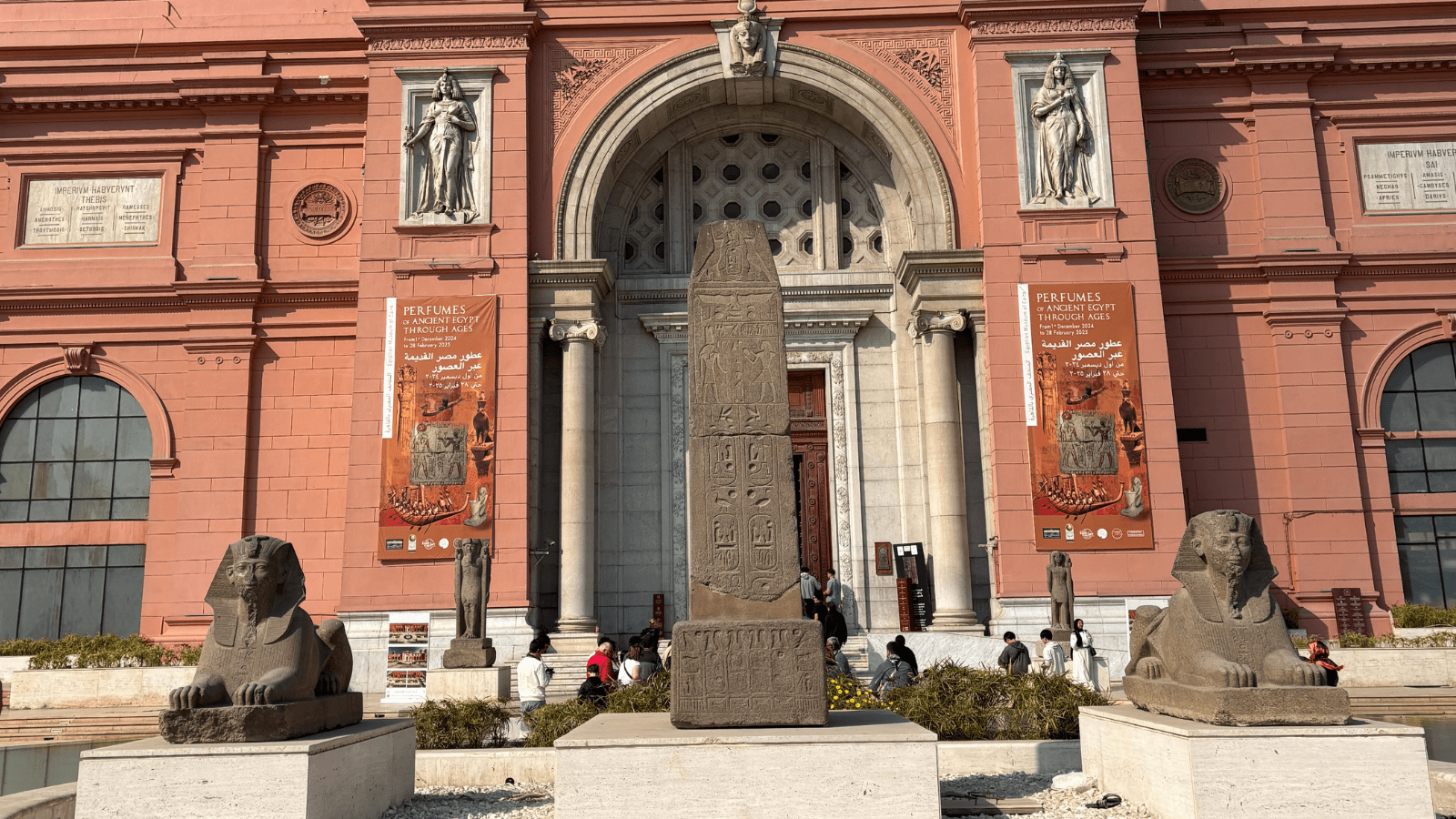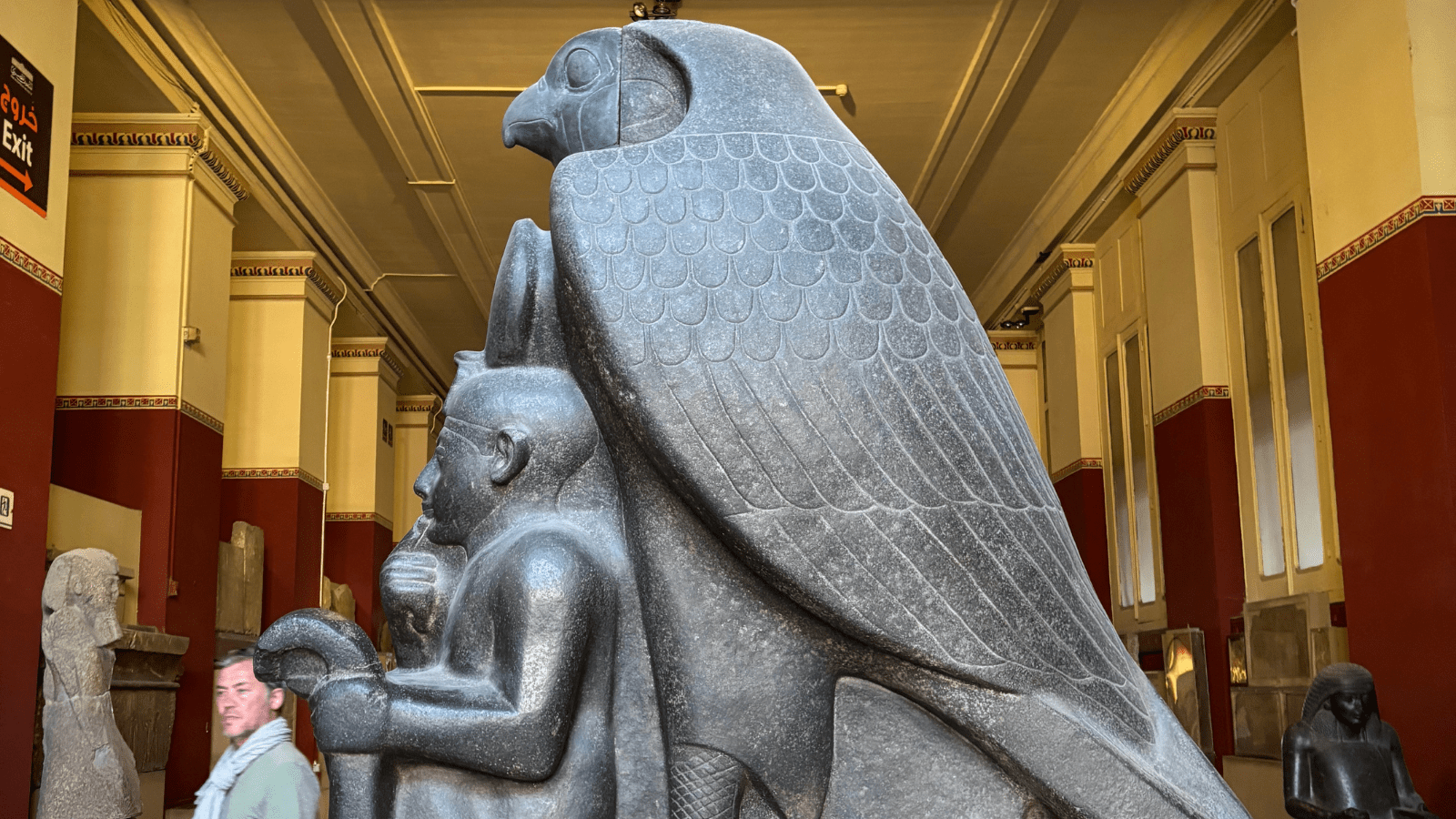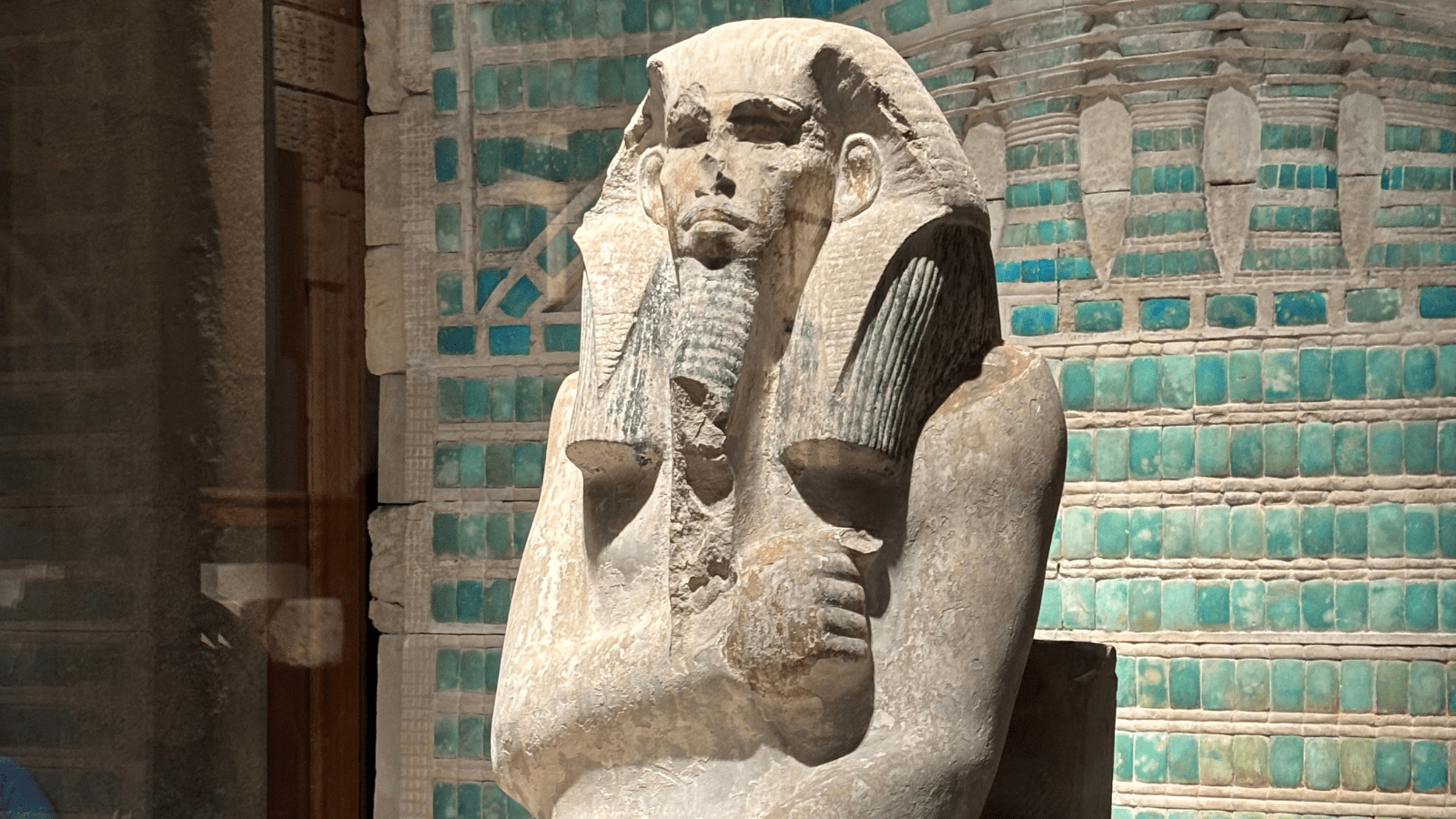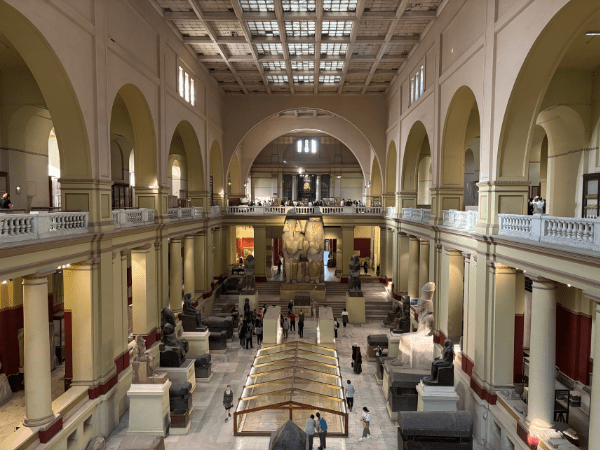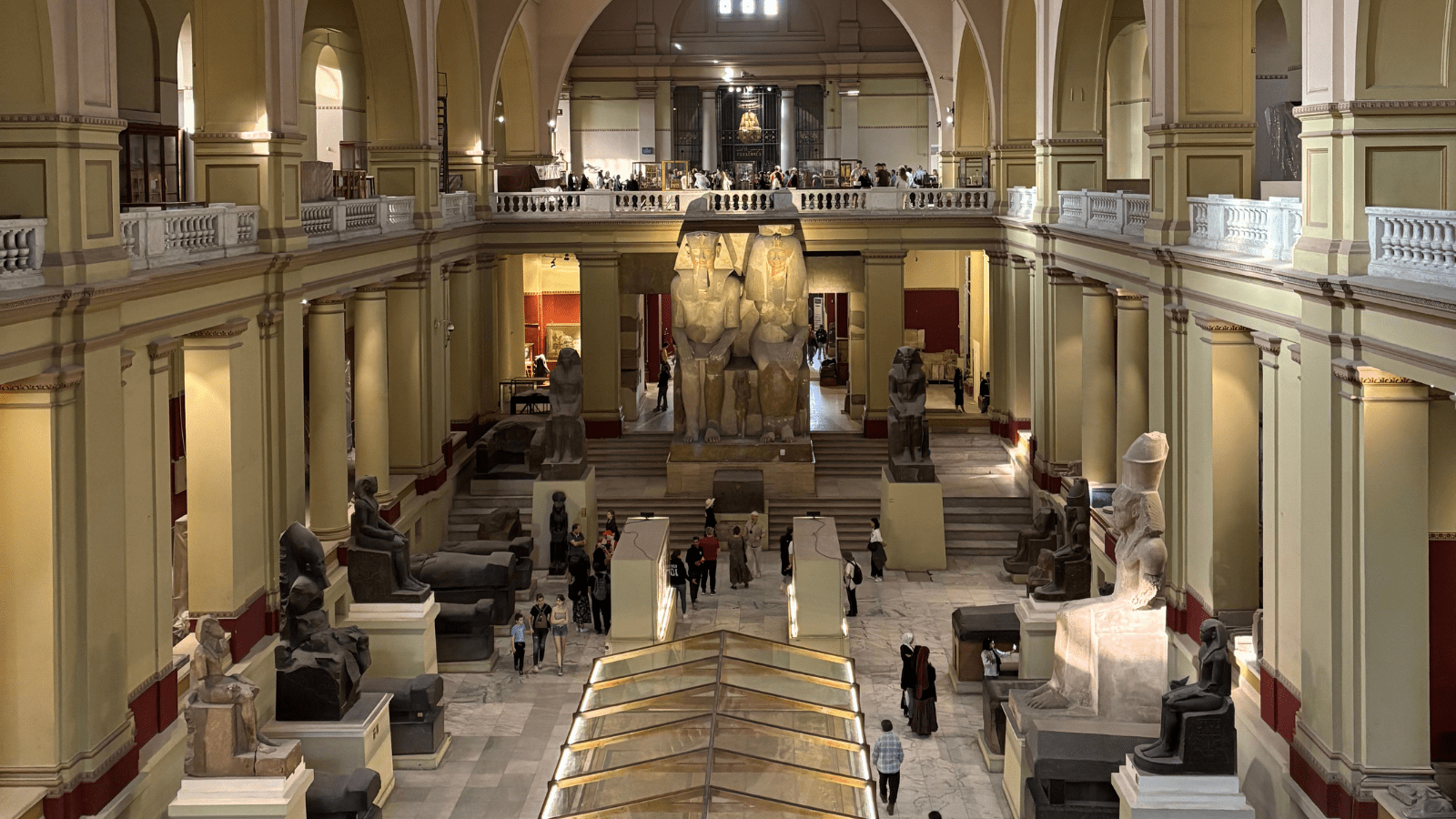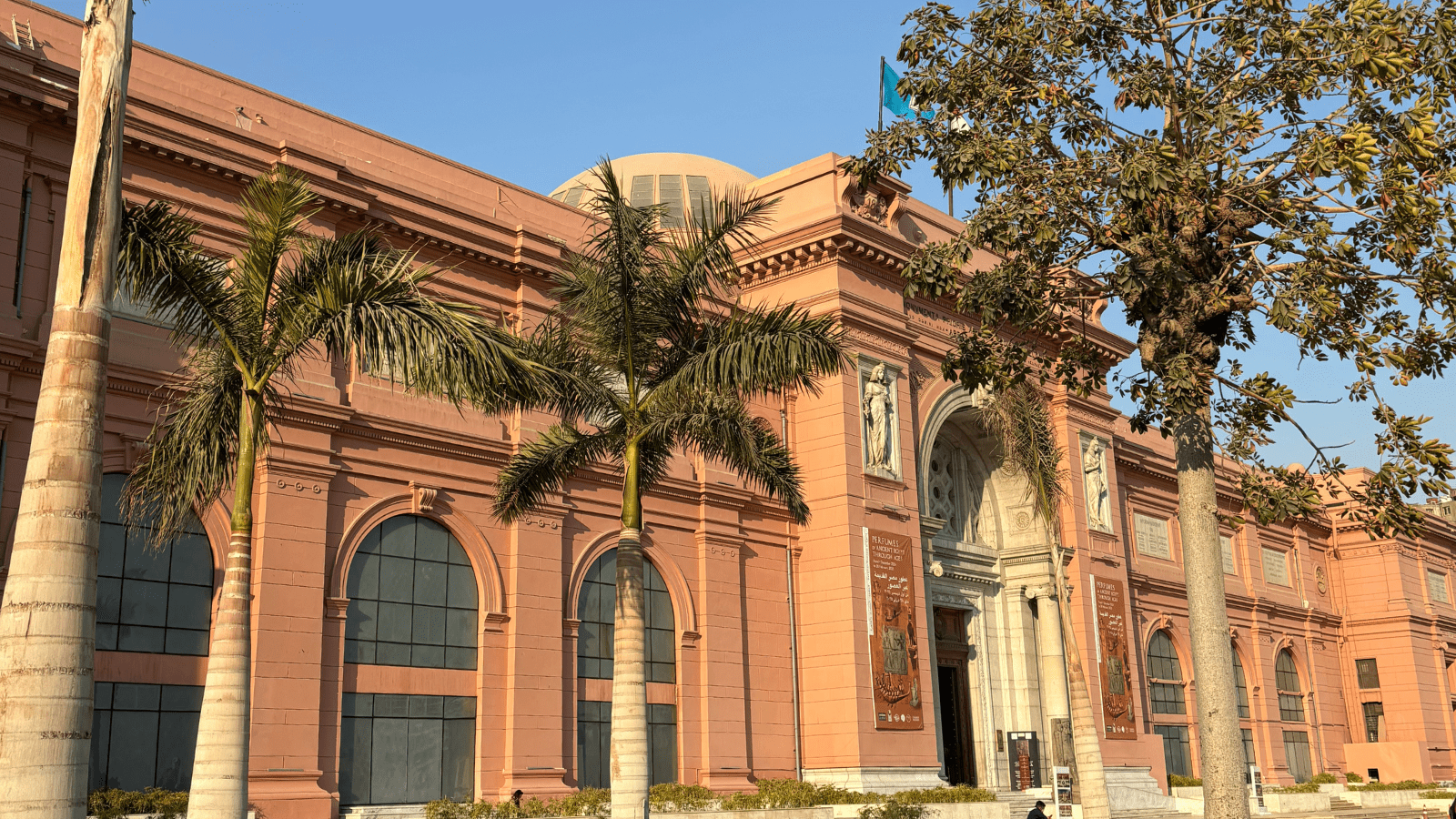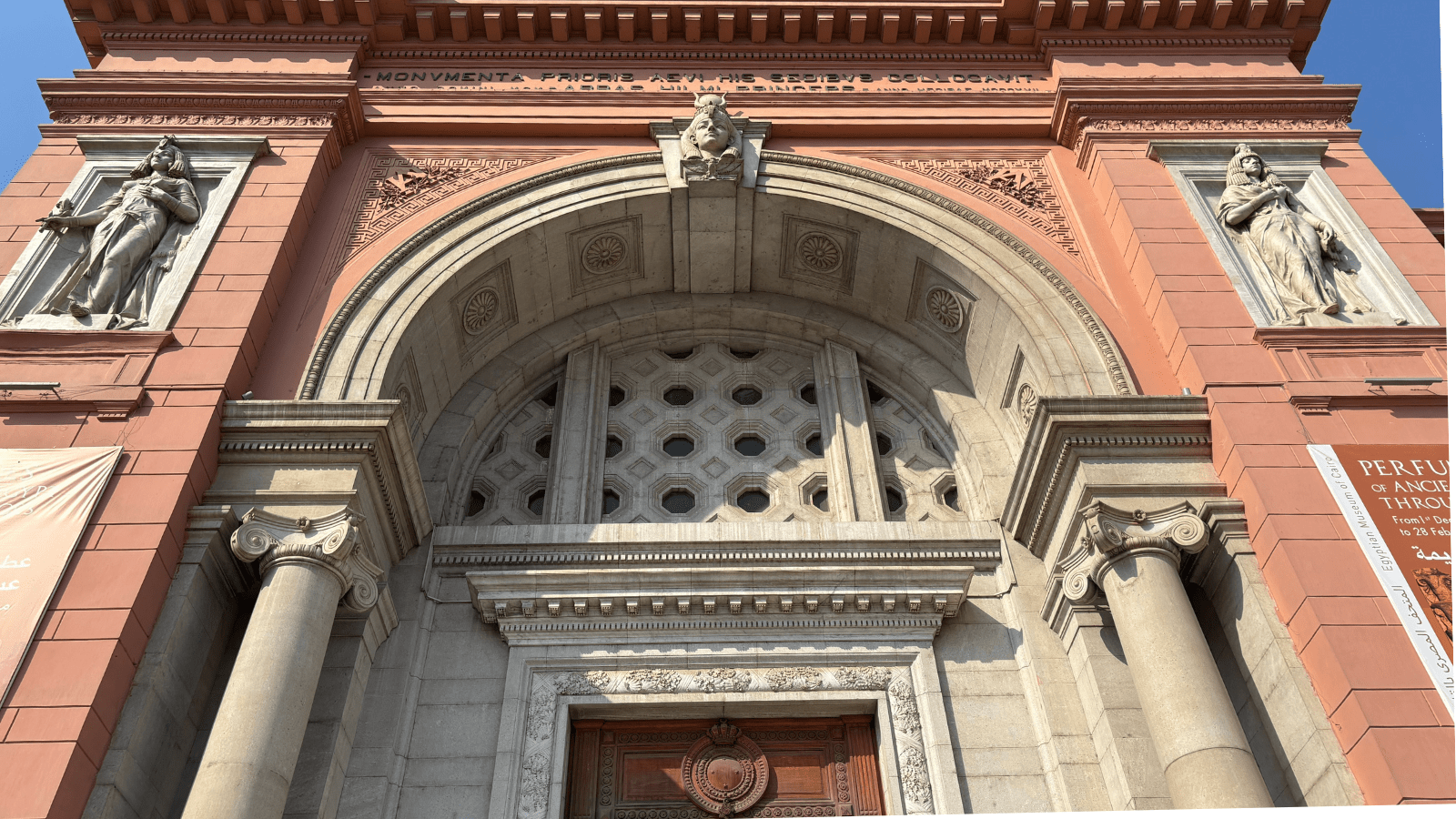


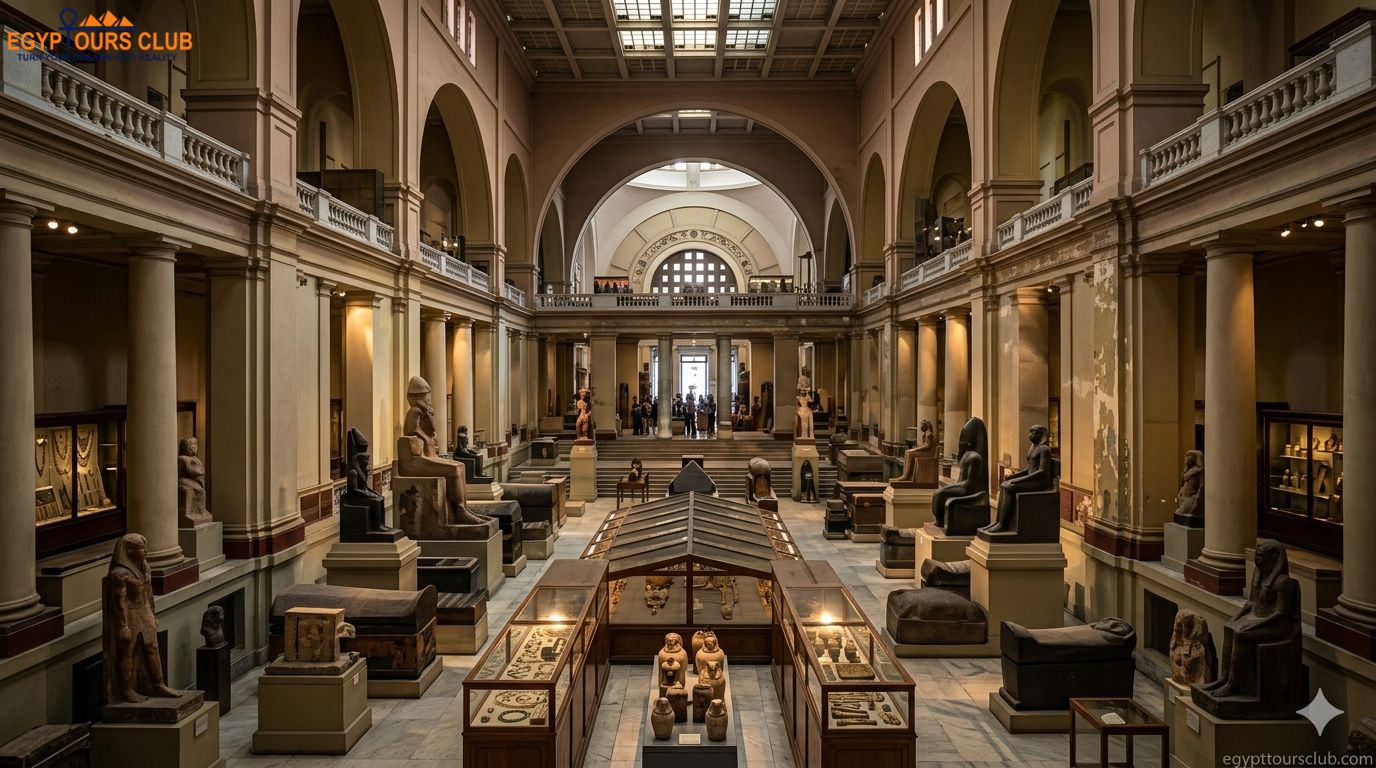
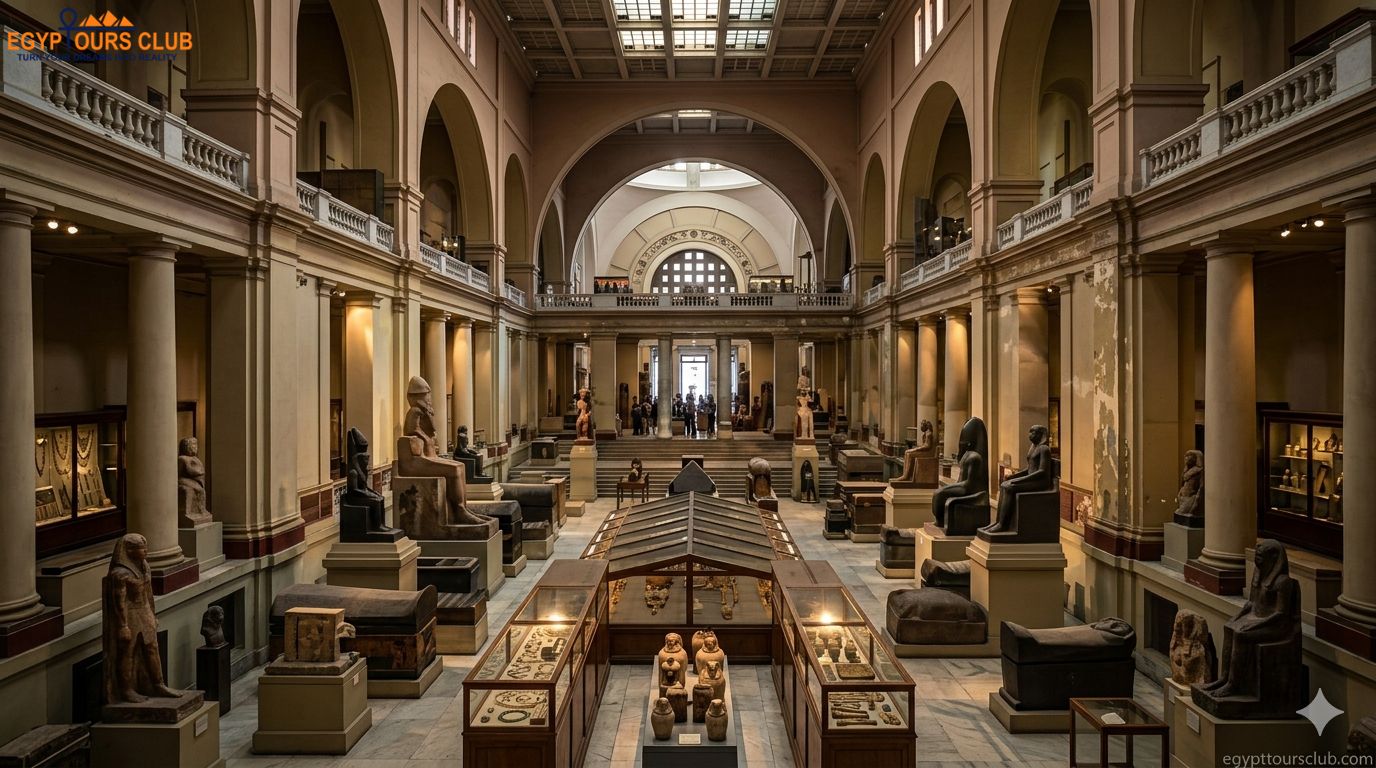
The Egyptian Museum Cairo is not the kind of place where the best visit is simply “see as much as possible.” The building carries the feeling of old Cairo archaeology: high rooms, packed galleries, old labels, royal names, stone faces, painted coffins and objects that were made for temples, tombs, homes and palaces. That atmosphere is part of its value, but it also means visitors need a route.
A good Cairo museum private guide starts by giving the museum a timeline. Instead of jumping from one famous object to another, the visit should explain how Egyptian art changed from early royal statues to later coffins, why kings were shown in ideal forms, how burial beliefs shaped the objects around the dead, and how small items such as jewelry, writing pieces and household objects can say as much about ancient life as a large statue.
The most useful route is usually not the longest one. For a first visit, the guide should select the strongest pieces and connect them through themes: power, protection, craftsmanship, ritual, daily life and the afterlife. This is why many travelers enjoy the museum more before or after a Pyramids visit. The museum gives you details; the Pyramids give you scale. When both are planned well, Cairo becomes easier to understand.
Do not treat the Tahrir Museum as a replacement for the Grand Egyptian Museum. The Tahrir Museum gives the classic downtown experience, while GEM near Giza is a modern museum visit with its own pace and layout. If your time is short, choose based on your route: Tahrir works naturally with downtown Cairo, the Citadel, Old Cairo and Khan El Khalili; GEM works naturally with Giza and the Pyramids.
The biggest mistake is entering without a plan and leaving tired after seeing too many objects too quickly. The better experience is slower: pause at the faces, compare statue styles, notice coffin colors, ask why symbols repeat, and let the guide turn the galleries into a story. That is when an Egyptian Museum tour becomes more than a ticketed stop; it becomes the background that helps the rest of Egypt make sense.