

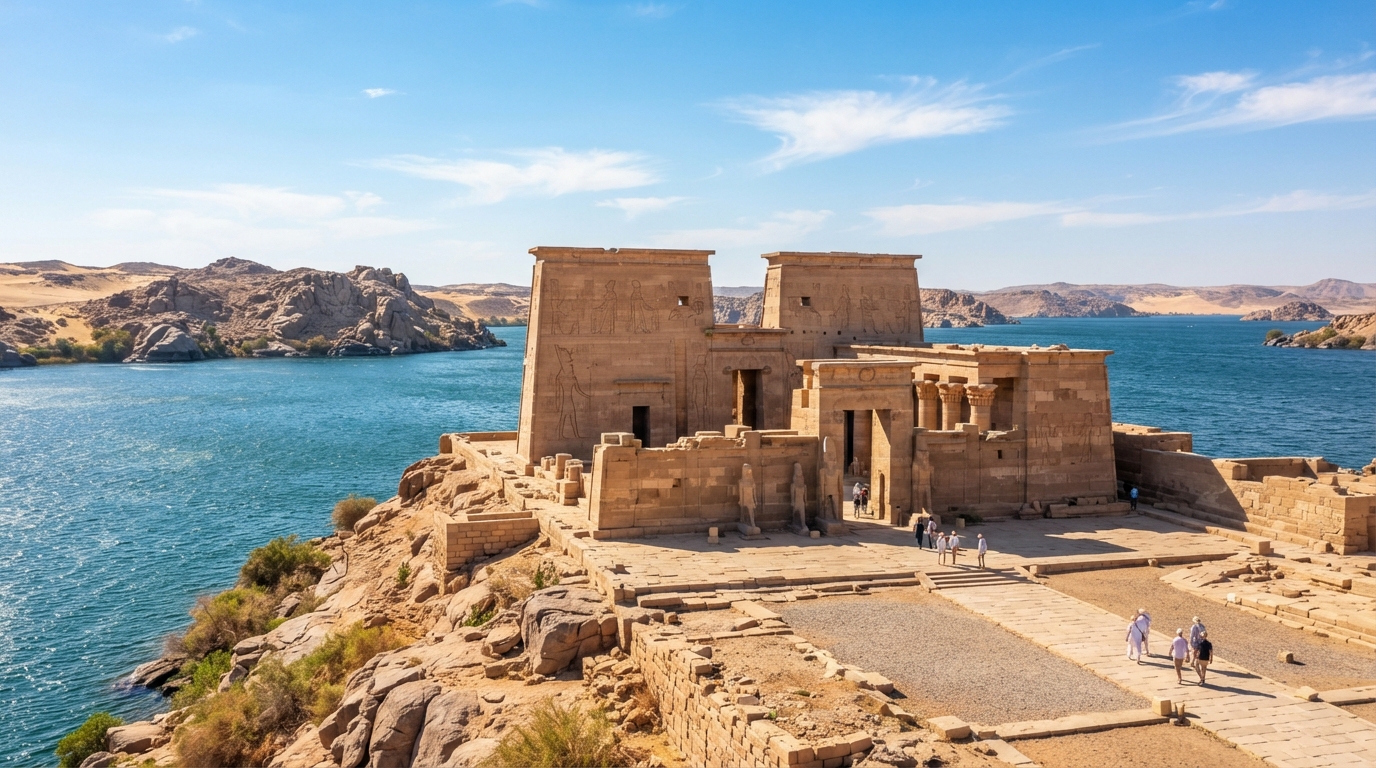
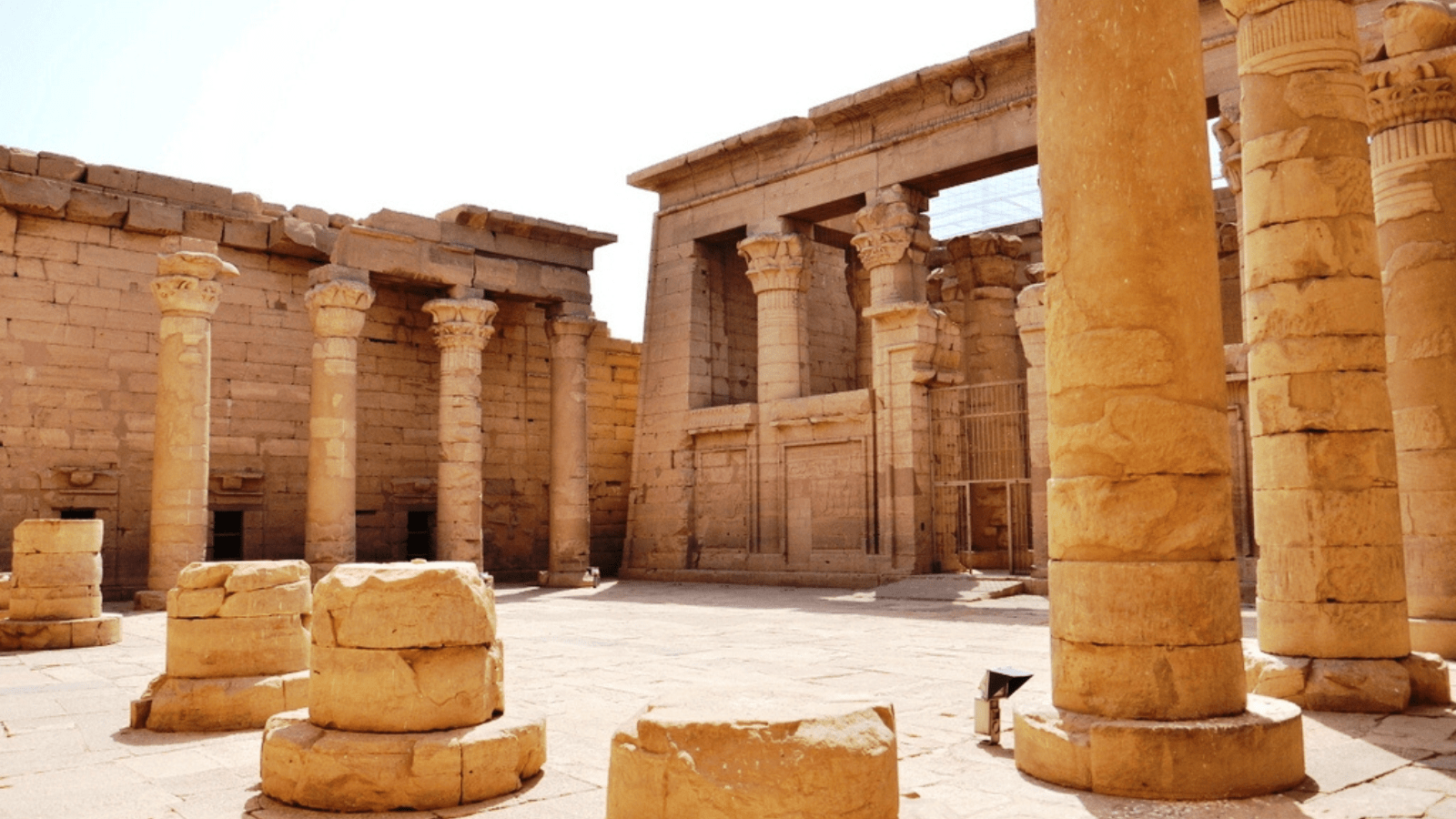
Temple of Kalabsha Aswan | History, Highlights & Visitor Guide | Egypt Tours Club
Temple of Kalabsha . banner

Temple of Kalabsha

Egypt Tours Club

Temple of Kalabsha planning by a licensed local Egypt travel team

New Kalabsha Island · Mandulis · Lake Nasser

Temple of Kalabsha Visitor Guide: History, Architecture and Lake Nasser Routes

Explore the largest free-standing temple in Lower Nubia, from its Roman-Egyptian reliefs and sanctuary to Beit el-Wali, the Qertassi Kiosk and its remarkable relocation beside Lake Nasser. This practical Temple of Kalabsha guide connects the history with boat access and the strongest Aswan itineraries.

Quick Travel Answer

Is the Temple of Kalabsha worth visiting?

Yes. The Temple of Kalabsha is the largest free-standing temple in Lower Nubia and one of Aswan’s most rewarding uncrowded heritage sites. Its monumental Roman-period architecture, reliefs of Emperor Augustus and dedication to the Nubian god Mandulis make it distinct from Egypt’s better-known temples.

Allow about 1.5–2.5 hours including the boat crossing. Visit in the morning for cooler conditions and clearer light, explore the complete New Kalabsha island group, and confirm current boat and ticket arrangements before departure.

Compare Private Aswan Day Tours
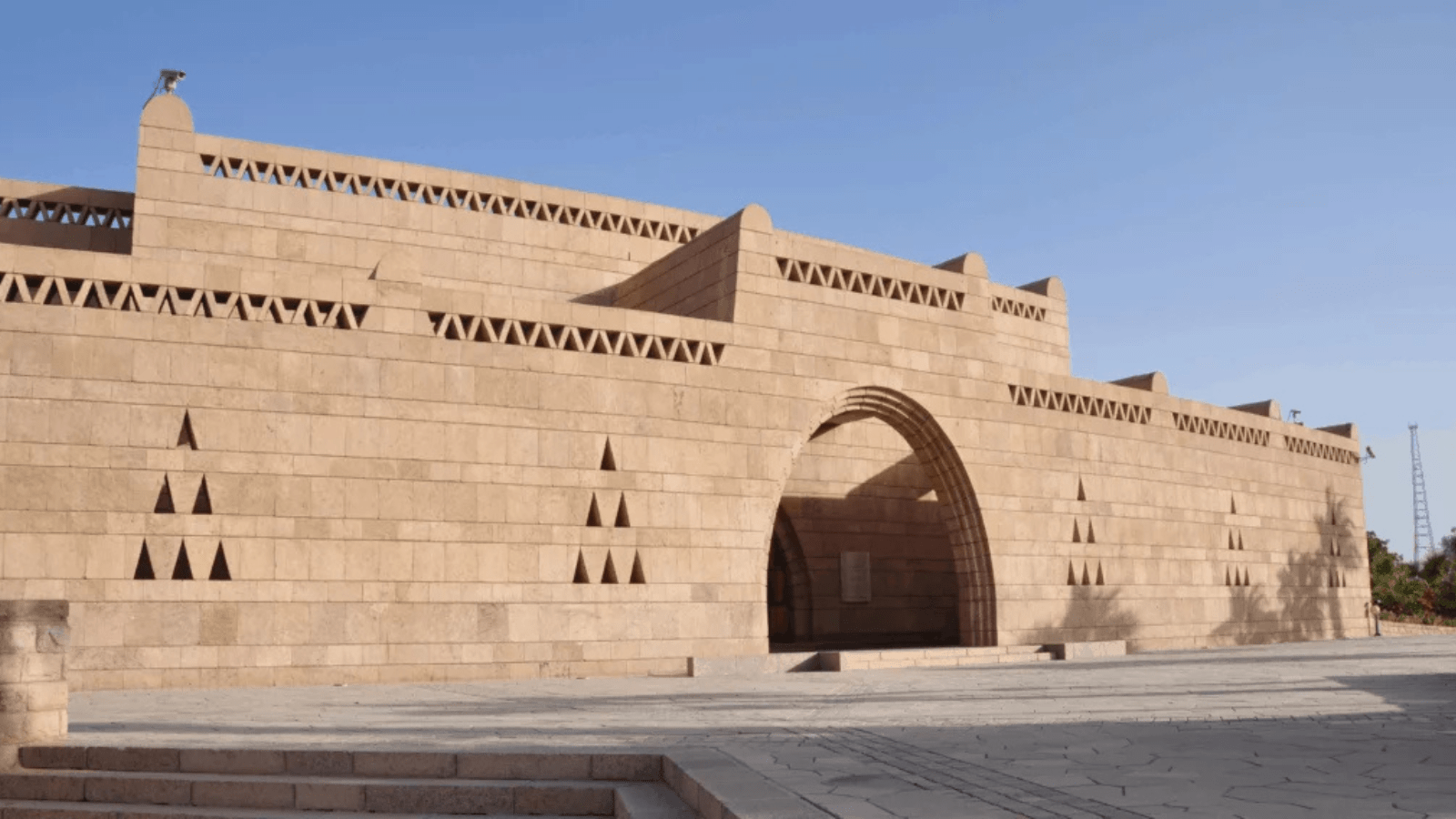
Read New Kalabsha Clearly

The essential monuments, reliefs and conservation story at Kalabsha

Each stop links Temple of Kalabsha history with a relevant Egypt Tours Club Aswan guide or authoritative heritage source, helping visitors understand both the island complex and its Lake Nasser setting.

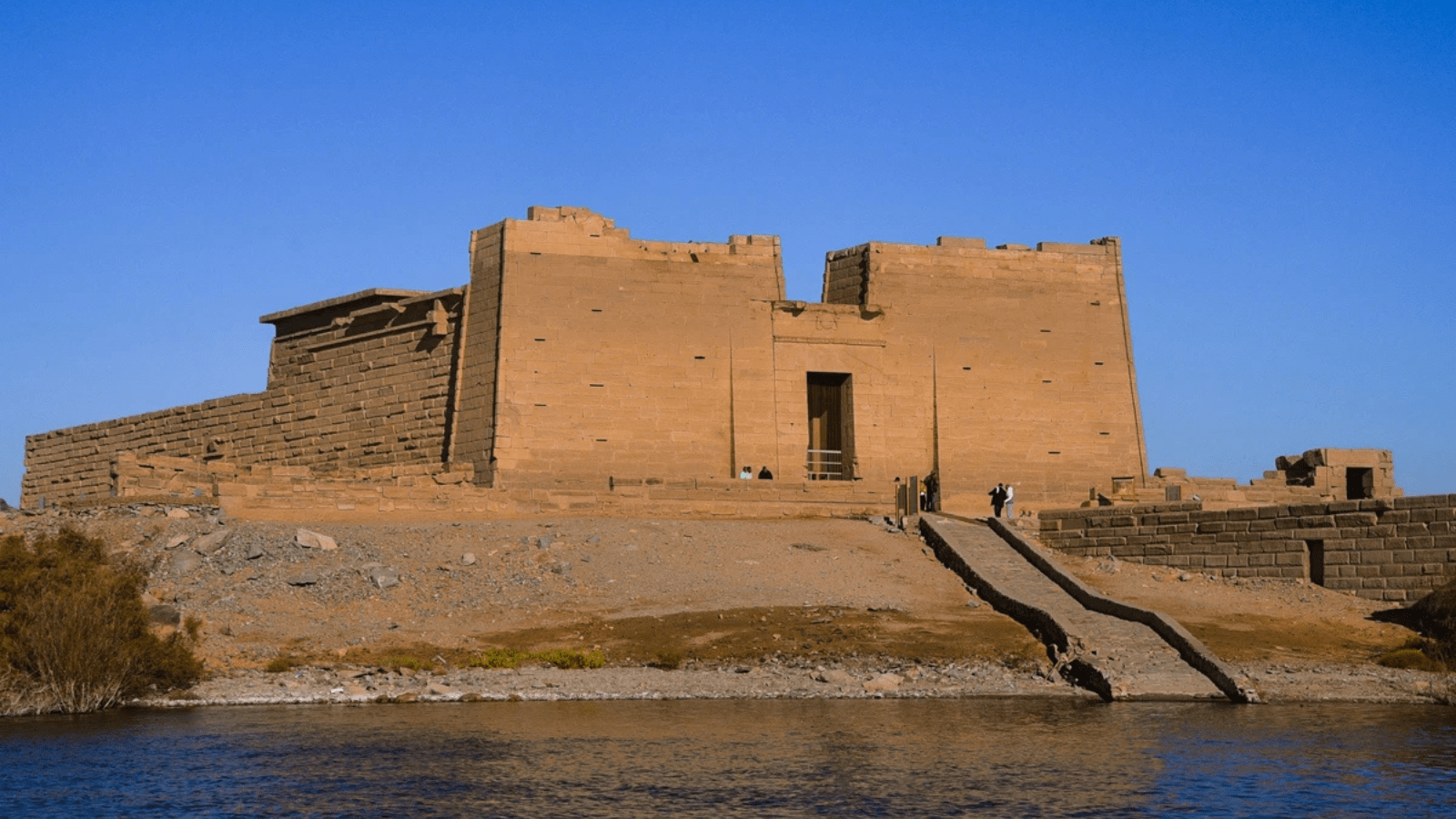
Monumental pylon and open court of the Temple of Kalabsha near Aswan Monumental Entrance

Great Pylon and Open Court

Emperor AugustusLower Nubia

Enter through the imposing pylon into the open court, where the temple’s scale becomes clear. The gateway, colonnades and the historic inscription of the Nubian king Silko introduce a monument built across Egyptian, Nubian and Roman cultural worlds.

Columns and Roman-Egyptian reliefs inside the Temple of Kalabsha Roman-Egyptian Worship

Hypostyle Hall and Augustus Reliefs

Twelve columnsMandulis

The twelve-column hypostyle hall leads deeper into the sacred building. Reliefs show Roman emperors, including Augustus, performing traditional Egyptian rituals before Mandulis and other deities—a vivid statement of political legitimacy through local religion.

Sanctuary chambers and carved reliefs in the Temple of Kalabsha Inner Sacred Spaces

Sanctuary and Dedwen Chapel

Mandulis cultRock-cut chapel

Continue through the offering rooms to the sanctuary that formed the temple’s ritual core. Nearby, the relocated chapel of Dedwen preserves another layer of Lower Nubian worship and rewards visitors who explore beyond the main axis.

Rock-cut Temple of Beit el-Wali at the New Kalabsha monument site Ramesses II

Temple of Beit el-Wali

Polychrome reliefsRock-cut temple

This compact rock-cut temple of Ramesses II contains exceptionally vivid military, tribute and ritual scenes. Its surviving colour and intimate scale create a valuable contrast with the monumental Great Temple of Kalabsha.

Kiosk of Qertassi with Hathor-headed columns beside Lake Nasser Lakeside Architecture

Kiosk of Qertassi

Hathor-headed columnsGreco-Roman

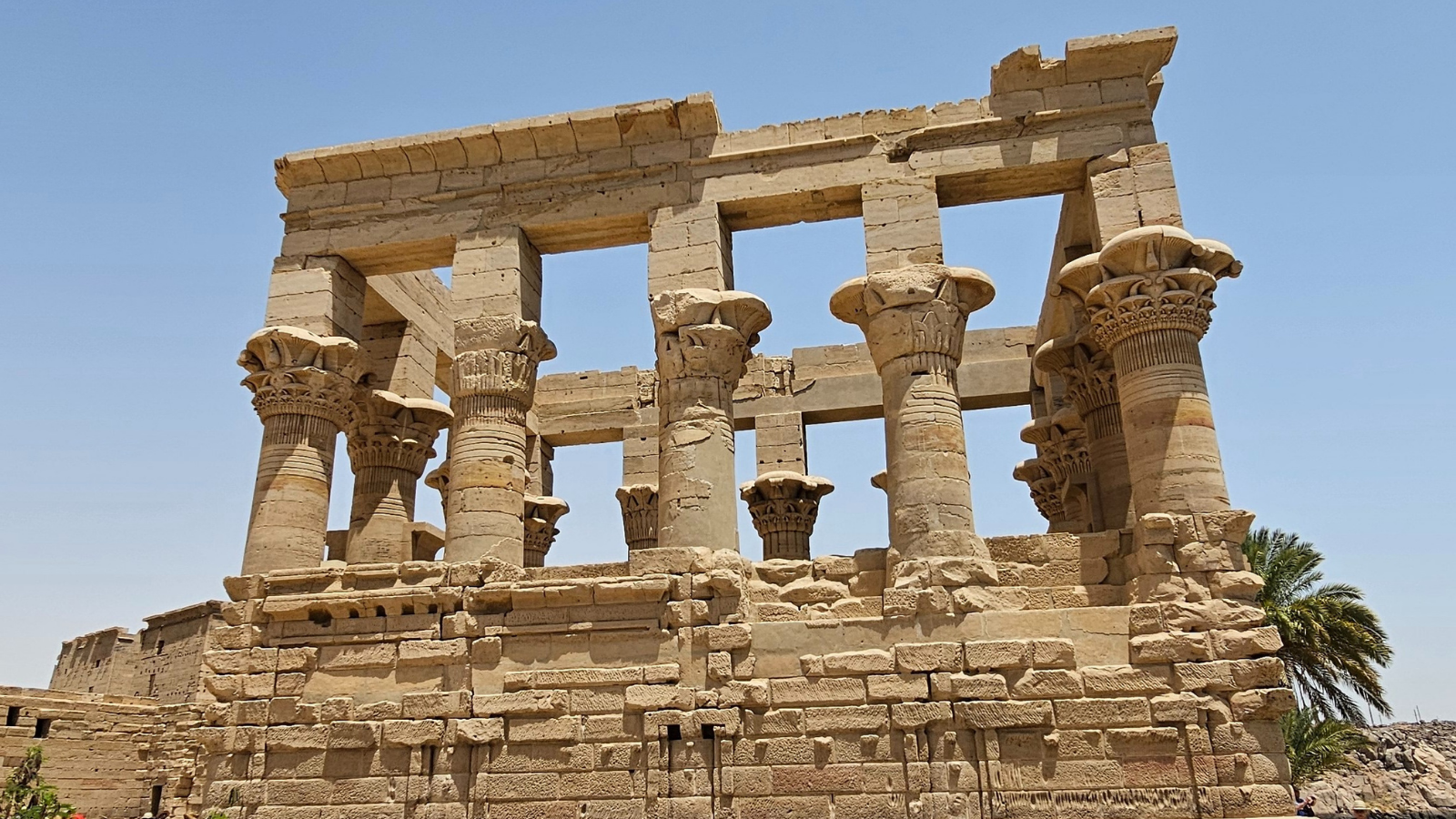
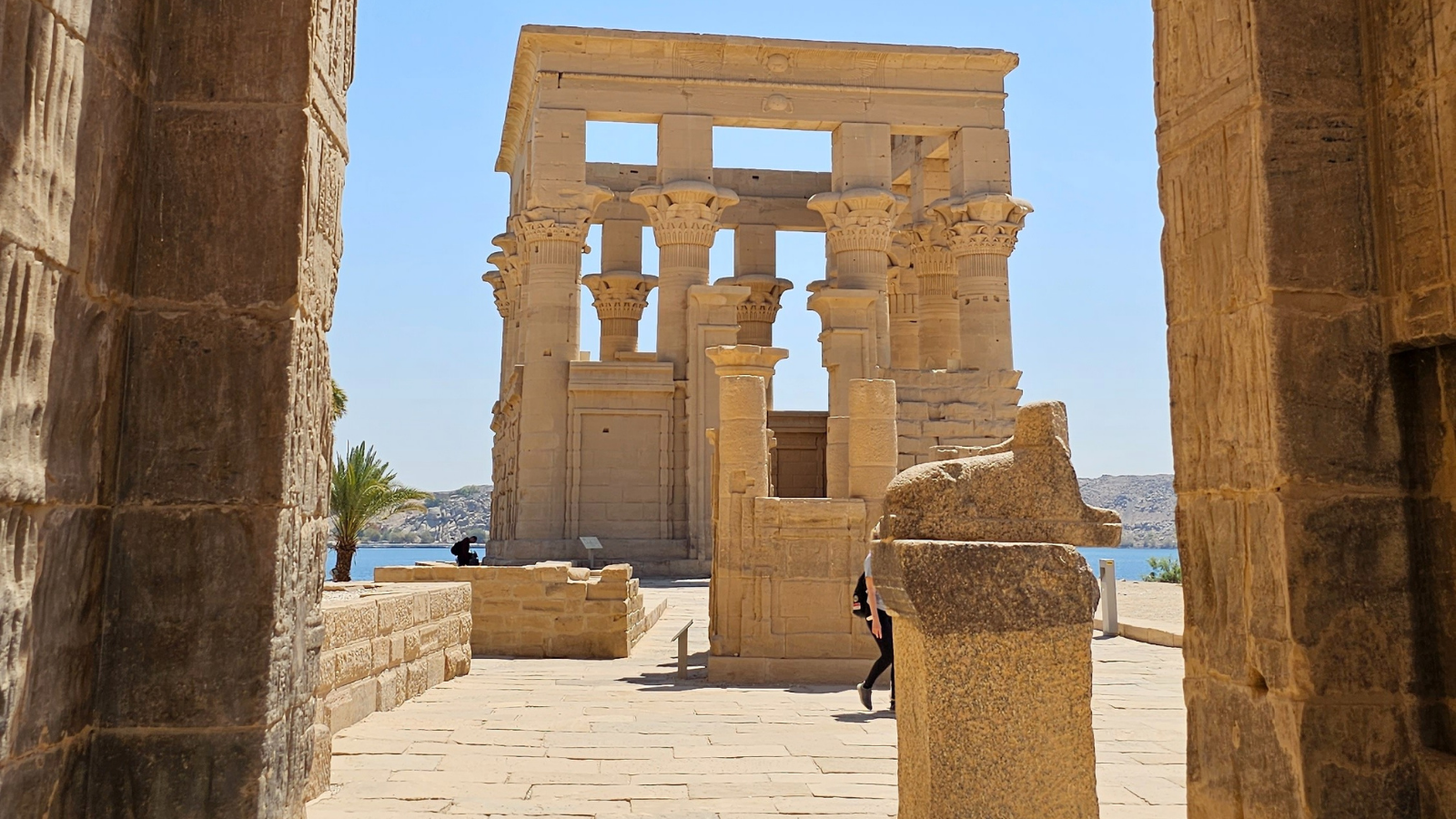
The elegant Kiosk of Qertassi stands close to the water with Hathor-headed columns and papyrus capitals. Its open form, compact proportions and Lake Nasser views make it one of the island’s strongest architectural and photographic stops.

Temple of Kalabsha on its relocated island site beside Lake Nasser Modern Conservation

UNESCO Relocation to New Kalabsha

1962–1963World Heritage

The temple was dismantled and reassembled on higher ground in 1962–1963 during the international campaign to protect Nubian monuments from the rising waters created by the Aswan High Dam. Its relocation is central to the story of modern heritage conservation.

Choose by Available Time

The strongest Temple of Kalabsha routes for an Aswan visit

Keep the geography and transfers clear. Kalabsha works as a focused island visit, a Nubian heritage day with Philae and the museum, or a Lake Nasser route anchored by the Aswan High Dam.

1.5–2.5 hours

Focused New Kalabsha visit

  • Arrange the boat and agree on the return.
  • Explore the pylon, hypostyle hall and sanctuary.
  • Continue to Beit el-Wali and the Qertassi Kiosk.
  • Leave enough time for the crossing back.
Use the Aswan travel guide
Around 6 hours

Kalabsha, Philae and the Nubian Museum

  • Begin at Kalabsha in the cooler morning.
  • Continue to Philae’s relocated island sanctuary.
  • Add the Nubian Museum for deeper context.
  • Confirm private transfers, boats and return timing.
View the Aswan heritage tour
Full Aswan day

High Dam, Kalabsha and Lake Nasser context

  • Visit the Aswan High Dam early.
  • Take the short boat crossing to New Kalabsha.
  • Explore the complete island monument group.
  • Return to Aswan for a Nile-side evening.
Compare complete Aswan day tours

Planning note: Boat availability, admission procedures, opening hours and access arrangements can change. Check the official ticket portal and confirm what a tour includes before relying on fixed timings or a combined price.

Temple of Kalabsha and rescued Nubian monuments beside Lake Nasser near Aswan

Trusted Heritage and Ticket References

Continue with official information about the Temple of Kalabsha

Egypt Tours Club links help visitors choose and organize an Aswan route. Official Egyptian and international sources provide additional temple history, ticket guidance, Nubian monument context and World Heritage documentation.

External pages open in a new tab. Verify current boat access, opening hours, admission procedures and ticket prices close to the visit because operational details can change.

Helpful Travel Answers

Temple of Kalabsha questions before you go

Direct answers help visitors compare history, boat access, visit duration, tickets, island monuments and the best time to visit.

Is the Temple of Kalabsha worth visiting?

Yes. It is the largest free-standing temple in Lower Nubia and combines Roman-Egyptian reliefs, Nubian religious history, a quiet island setting and one of the world’s great monument-rescue stories.

Where is the Temple of Kalabsha located?

The temple stands on New Kalabsha island beside Lake Nasser near the Aswan High Dam. It was moved from ancient Talmis in Lower Nubia before the original site was submerged.

Do I need a boat to reach the Temple of Kalabsha?

Yes. Visitors normally use a short motorboat crossing from the High Dam area. Agree on the price, waiting time and return journey before leaving the landing.

How long should I allow for the Temple of Kalabsha?

Allow about 1.5–2.5 hours including the boat crossing. This provides time for the Great Temple, Beit el-Wali, the Kiosk of Qertassi and the smaller relocated monuments.

Who built the Temple of Kalabsha and which god was worshipped there?

The present temple was built mainly under the Roman emperor Augustus, over an earlier sacred site associated with Amenhotep II. It was dedicated principally to the Nubian solar god Mandulis, with Isis and Osiris also represented.

What else can I see at New Kalabsha?

The island group includes the rock-cut Temple of Beit el-Wali, the Kiosk of Qertassi, the chapel of Dedwen and other rescued architectural fragments in addition to the main Temple of Kalabsha.

Are the Temple of Kalabsha ticket and boat included together?

Do not assume one combined price. Admission and boat transport may be arranged or charged separately, while private tours vary in what they include. Check the official portal and confirm all inclusions before departure.

What is the best time to visit the Temple of Kalabsha?

Morning is usually best for cooler temperatures, softer light and quieter conditions. Confirm current opening hours and boat availability before setting out.

Private Aswan Planning

Choose the right Kalabsha Temple and Aswan heritage route before you book

Share your Aswan hotel or Nile cruise, date, available time, group size and preferred guide language. Egypt Tours Club can recommend a clear route through the High Dam, Temple of Kalabsha, Philae Temple and the Nubian Museum.