


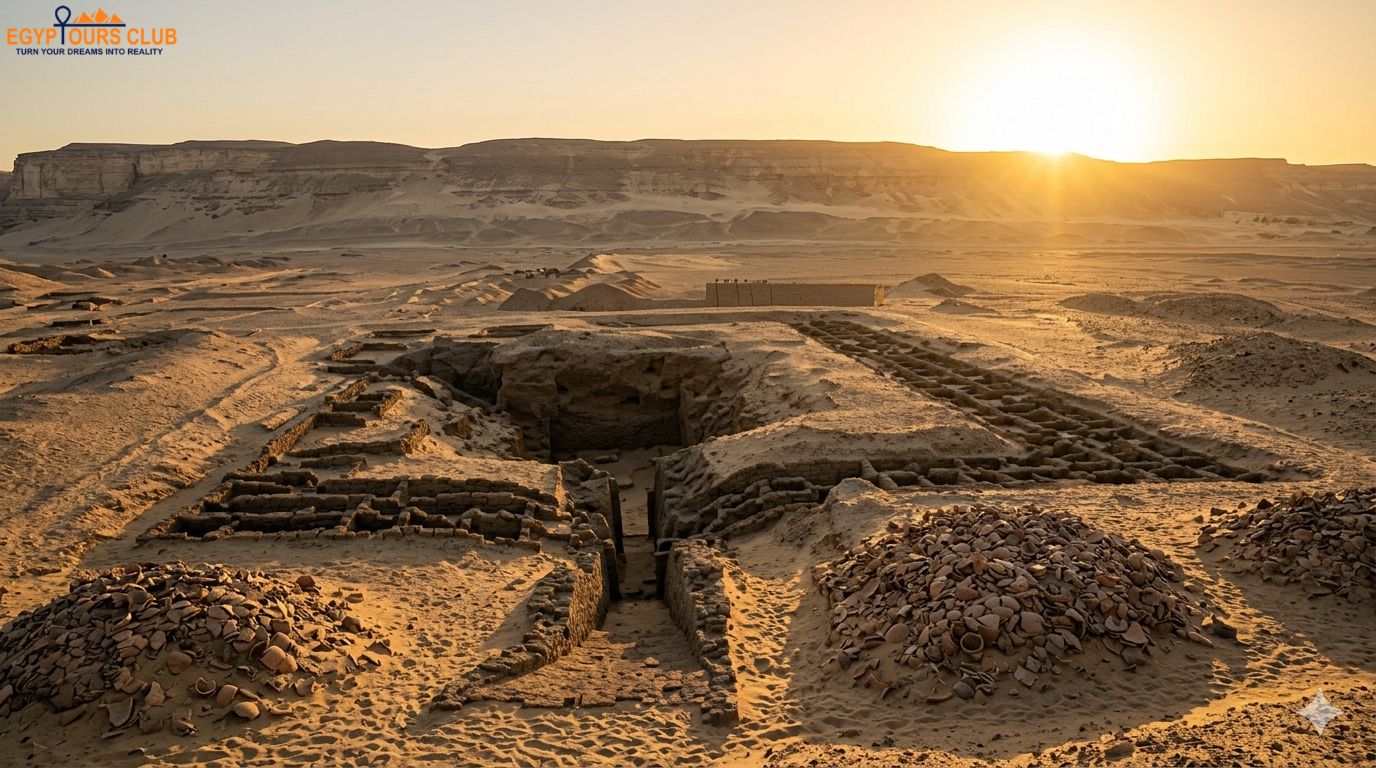
Abydos Royal Cemetery
The site is one of the key places for understanding the burial world of Egypt’s earliest kings.
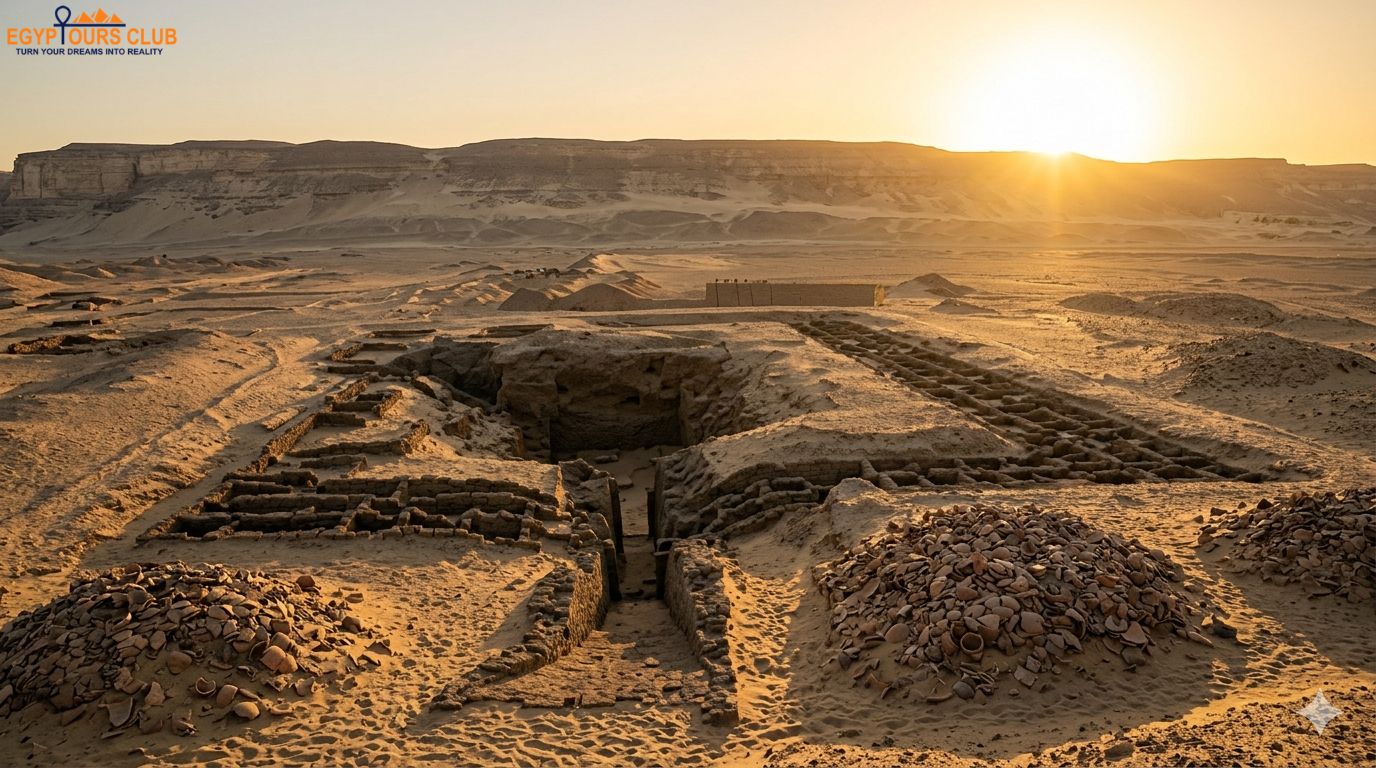
Explore Egypt’s earliest royal tombs, First Dynasty kings and the sacred desert landscape where Abydos became a center of royal memory.
Umm El-Qa'ab in Abydos is one of the most important archaeological landscapes in Upper Egypt. Known as the Abydos royal cemetery, it preserves the tombs of some of Egypt’s earliest rulers and works beautifully with Seti I Temple, the Osireion, Shunet El-Zebib and a full Dendera and Abydos day trip from Luxor.
Start here: choose the right route based on whether you want the early royal cemetery focus, a classic Abydos day, Dendera and Abydos from Luxor, or a deeper Upper Egypt archaeology journey.
| Tour / Route | Duration | Main Stops | Best For | Commercial Intent | Action |
|---|---|---|---|---|---|
| Dendera and Abydos Temples Tour from Luxor | Full Day | Dendera Temple, Abydos Temple of Seti I, Abydos King List and optional Umm El-Qa'ab if timing allows | First-time Upper Egypt temple travelers | Dendera and Abydos tour | View |
| Umm El-Qa'ab and Abydos Archaeology Route | Flexible | Umm El-Qa'ab, Shunet El-Zebib, Seti I Temple and Osireion | Early Egypt and archaeology travelers | Umm El-Qa'ab tour | View |
| Classic Abydos Route | Flexible | Temple of Seti I, Abydos King List, Osireion and selected archaeological add-ons | First-time Abydos visitors | Abydos guided tour | View |
| Egypt Tour Packages with Abydos Add-On | Multi-Day | Cairo, Luxor, Dendera, Abydos, Nile Cruise and Aswan | Travelers comparing complete Egypt travel plans | Egypt tour packages | View |
| Egypt Classic Tour Packages with Luxor | Flexible | Cairo, Luxor, Aswan, Nile Cruise and optional Abydos archaeology route | First-time visitors who want deeper history | Egypt classic tour packages | View |
| Tailored Upper Egypt Archaeology Journey | Flexible | Luxor, Dendera, Abydos, Sohag, Nile route and Aswan extensions | Repeat visitors and specialist-interest travelers | Tailored Egypt travel | View |
Umm El-Qa'ab is the early royal cemetery of Abydos in Upper Egypt, known for tombs associated with some of Egypt’s earliest rulers. It is one of the most important places for understanding the origins of Egyptian kingship, First Dynasty royal burial traditions and the later sacred meaning of Abydos within the Osiris landscape.
Use Egypt Tours Club travel experts to connect Umm El-Qa'ab with Seti I Temple, the Osireion, Shunet El-Zebib, Dendera and wider Egypt travel packages.
Umm El-Qa'ab works best when it is placed inside a wider Abydos archaeology route that explains early kingship, royal burial and sacred geography.
Best for travelers who want Umm El-Qa'ab, Shunet El-Zebib, Seti I Temple and the earliest royal landscape of Egypt.
Request tailored route →Best for first-time Upper Egypt temple travelers who want Hathor, Osiris, Abydos and Dendera context in one full-day route.
View strongest route →Best for guests who want Abydos inside a wider Cairo, Luxor, Nile Cruise, Aswan and Abu Simbel itinerary.
Compare Egypt packages →Umm El-Qa'ab is not a polished temple with columns and reliefs. Its importance is deeper. It is a desert royal cemetery where archaeology reveals the emergence of kingship, burial identity and sacred memory in the earliest chapters of ancient Egypt.
The site is central for travelers searching for Umm El-Qa'ab Abydos, Abydos royal cemetery, first kings of Egypt tombs, early pharaoh tombs Abydos and predynastic royal tombs Egypt. It answers a fundamental question: where did Egypt’s royal tradition begin to become monumental?
Later, Abydos became deeply connected with Osiris, and Umm El-Qa'ab gained additional sacred weight. That combination of early royal history and later religious meaning makes the site one of the strongest stops for serious Abydos visitors.
Abydos Royal Cemetery · Umm El-Qa'abThe site’s power comes from its desert landscape, exposed tomb remains and the sense of standing inside one of Egypt’s earliest royal cemeteries.
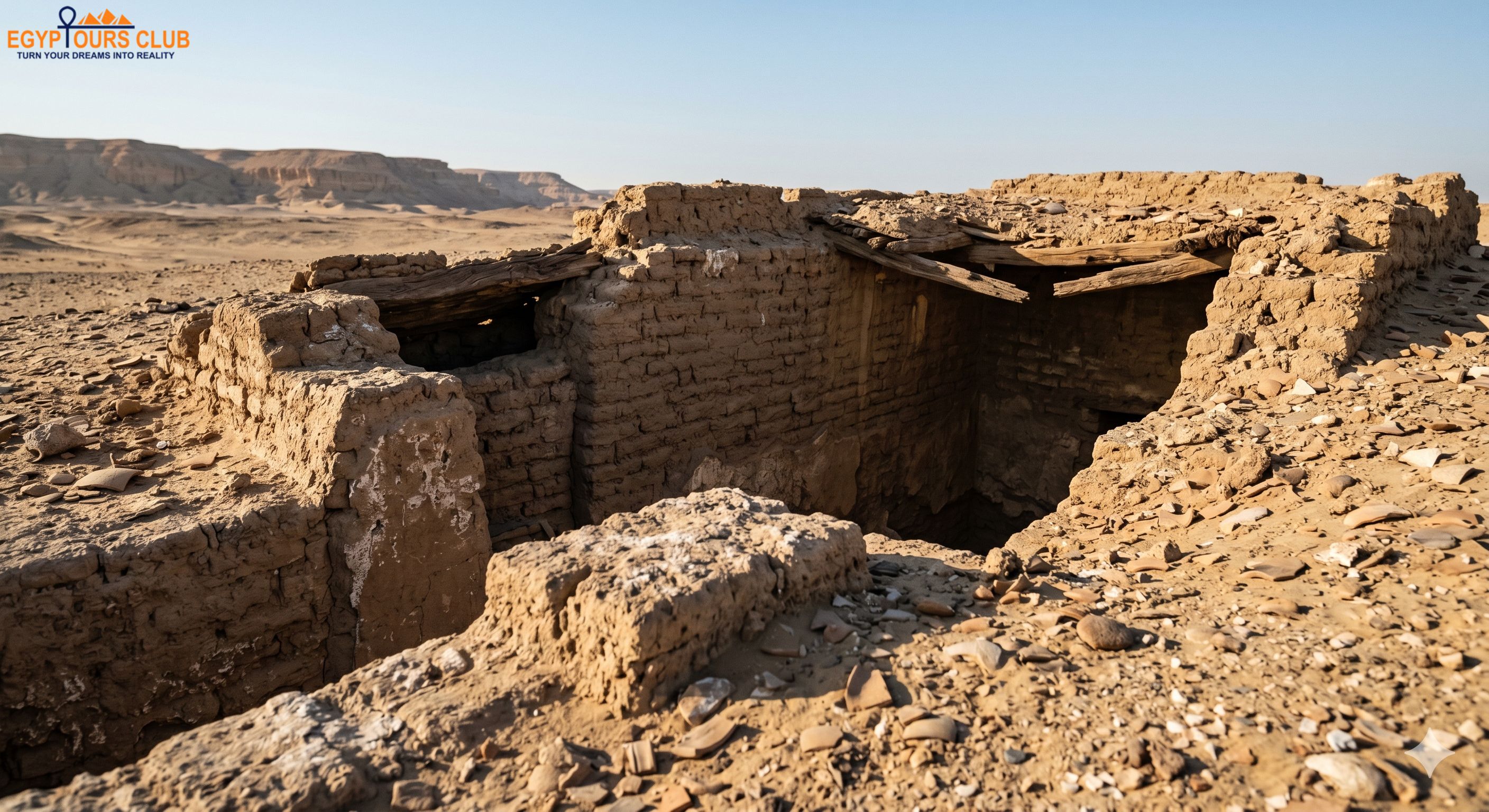
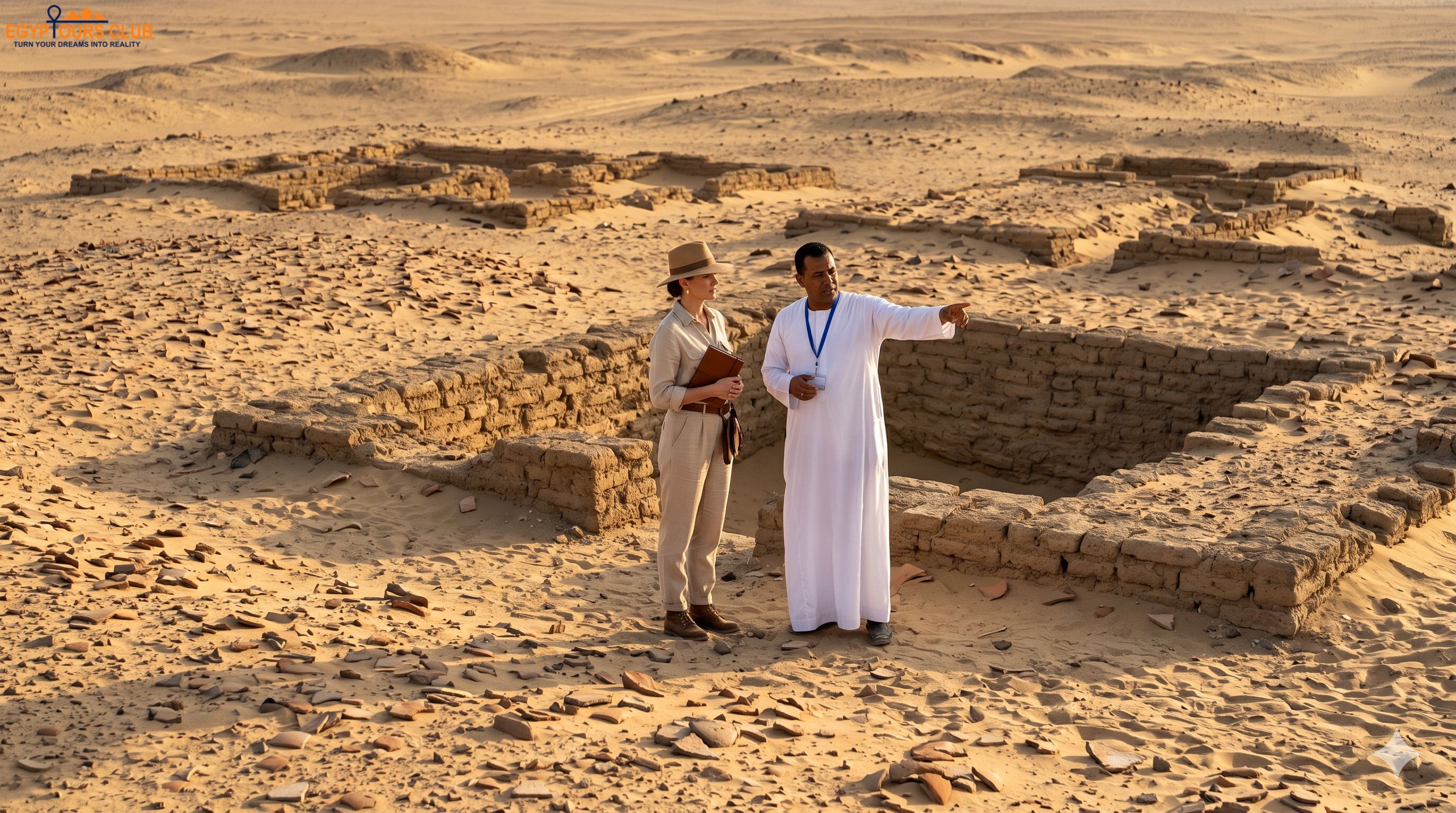
Umm El-Qa'ab matters because it links early kingship, royal burial, sacred geography and the later Osiris tradition in one archaeological landscape.
The site is one of the key places for understanding the burial world of Egypt’s earliest kings.
Umm El-Qa'ab preserves the memory of rulers from the earliest dynasties, when pharaonic identity was being formed.
The site rewards travelers who want context, interpretation and a deeper journey beyond standard temple sightseeing.
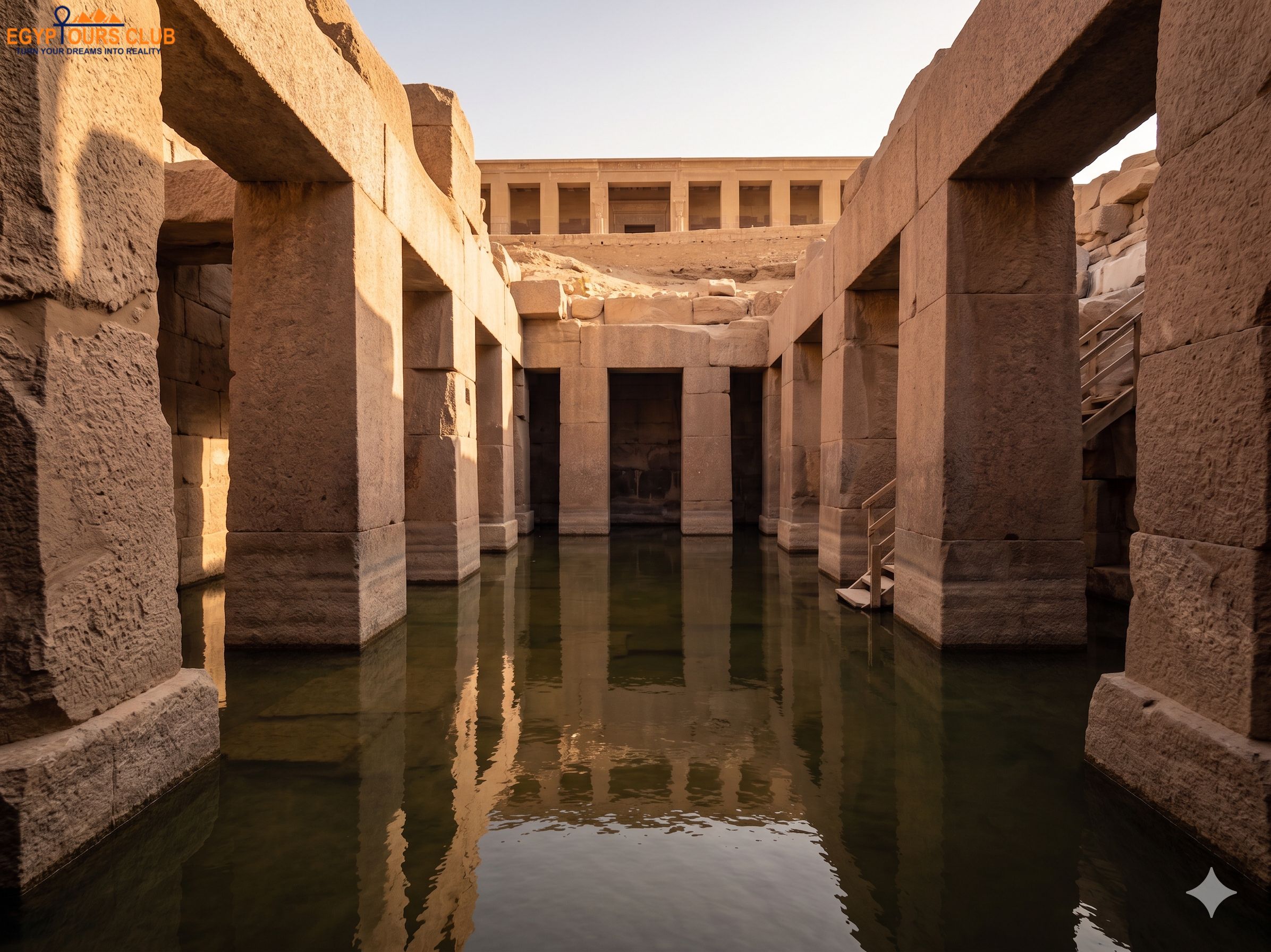
Over time, Abydos became strongly tied to Osiris, adding religious meaning to the ancient royal cemetery.
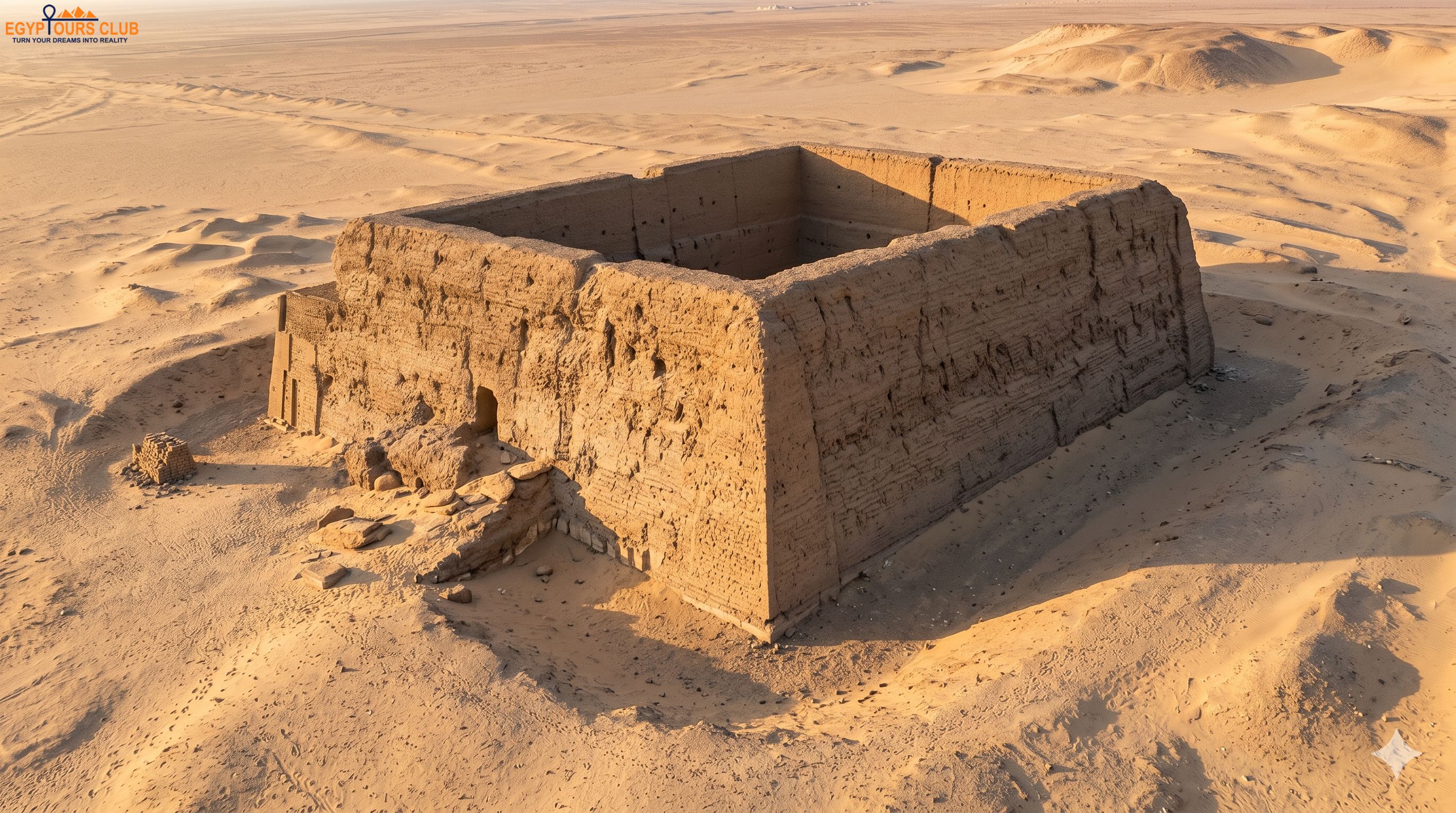
Nearby sites such as Shunet El-Zebib help explain how early kingship expressed itself through monumental architecture.
This is a site for travelers who want the origins of Egyptian civilization, not only its famous later monuments.
Umm El-Qa'ab began as an early royal cemetery, but Abydos’s later religious importance gave the landscape a deeper sacred identity.
Umm El-Qa'ab is best visited with a guide as part of a wider Abydos route. Its meaning depends on context, not only visual preservation.
The strongest experience connects the cemetery with Abydos Temple, the Osireion, Shunet El-Zebib and the wider sacred geography of Upper Egypt.
A focused route linking the earliest royal cemetery with the later temple of Seti I and the Abydos King List.
ViewBest for travelers who want Umm El-Qa'ab, Shunet El-Zebib and the earliest royal landscape of Egypt.
ViewPair the cemetery with the Osireion to understand how royal burial and Osiris symbolism shaped Abydos.
ViewExact routing should be confirmed locally, especially for specialist Abydos archaeological stops and access-sensitive areas.
Use these pages to connect Umm El-Qa'ab with the strongest Abydos, Dendera, Luxor and Upper Egypt route structure.
| Route | Best For | Suggested Flow | Useful Link |
|---|---|---|---|
| Classic Abydos Visit | First-time Abydos travelers | Temple of Seti I → Abydos King List → Osireion → Umm El-Qa'ab if access allows | Abydos Temple guide |
| Early Kings Route | Serious archaeology travelers | Umm El-Qa'ab → Shunet El-Zebib → Seti I Temple → Osireion | Specialist route |
| Dendera and Abydos Full Day | Upper Egypt temple travelers | Luxor → Dendera → Abydos Temple → Umm El-Qa'ab depending on timing | Dendera and Abydos tour |
| Custom Sacred Landscape Journey | Slow travel and guided interpretation | Luxor → Dendera → Abydos → Sohag → Aswan | Tailor made Egypt tours |
Umm El-Qa'ab is an ancient royal cemetery in Abydos, Egypt, known for tombs associated with some of the earliest kings of Egypt.
It helps explain the origins of Egyptian kingship, early royal burial customs and the sacred landscape that later made Abydos one of Egypt’s most important religious centers.
It is located in Abydos, in Sohag Governorate, Upper Egypt.
Yes. It can be included in a guided Abydos route with the Temple of Seti I, the Osireion and other nearby archaeological sites.
Yes, especially for travelers interested in archaeology, early dynastic Egypt and the origins of royal Egypt.
You can see the desert cemetery landscape, archaeological remains of early royal tombs and the setting that shaped Abydos’s sacred importance.
Yes. The site later became part of the sacred Abydos landscape associated with Osiris and pilgrimage traditions.
The best way is usually with a guide as part of a wider Abydos archaeological route.
Visit Egypt’s early royal cemetery with an expert guide and connect Umm El-Qa'ab with Seti I Temple, the Osireion, Shunet El-Zebib, Dendera and the deeper sacred landscape of Upper Egypt.