Exploring Ancient Egypt from Cairo to Aswan
Follow ancient Egypt as one connected journey, from the pyramid age at Giza and Saqqara to New Kingdom Thebes, the Nile temples of Edfu and Kom Ombo, then Philae, Nubia and Abu Simbel in the far south.
What is the best way to explore ancient Egypt from Cairo to Aswan?
Short answer: build the trip as a historical sequence, not as a race between famous monuments. Begin in Cairo and Giza with the Old Kingdom pyramid landscape and the Grand Egyptian Museum. Continue to Luxor for Ancient Thebes, Karnak, royal temples and the Valley of the Kings. Then follow the Nile south through Edfu and Kom Ombo before finishing in Aswan.
Add Abu Simbel as a dedicated excursion. Eight to ten days is the strongest balance for many first-time travelers because it protects the major historical chapters without turning every day into a transfer race.
Read Egypt from north to south as one changing civilization
The value of this route is not simply that it includes famous monuments. Each stop explains a different period, religious system, political center or architectural idea. That gives the traveler a coherent story instead of seven disconnected photo stops.
Pyramid Age Cairo & Giza — kings, pyramids and the Old Kingdom
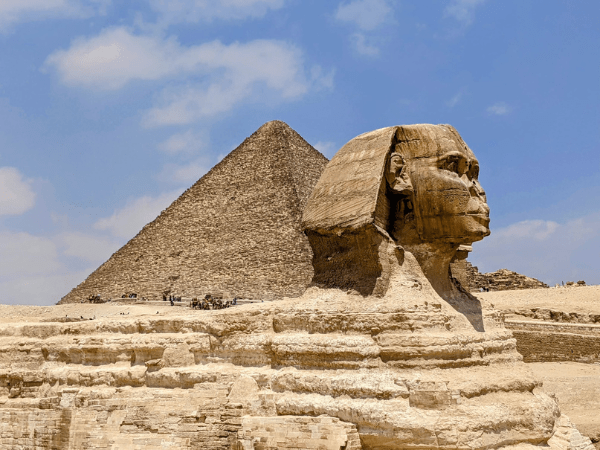
Begin with royal pyramid architecture, the Great Sphinx and the Giza necropolis. Add Saqqara when you want to see how monumental pyramid building developed before the Fourth Dynasty.
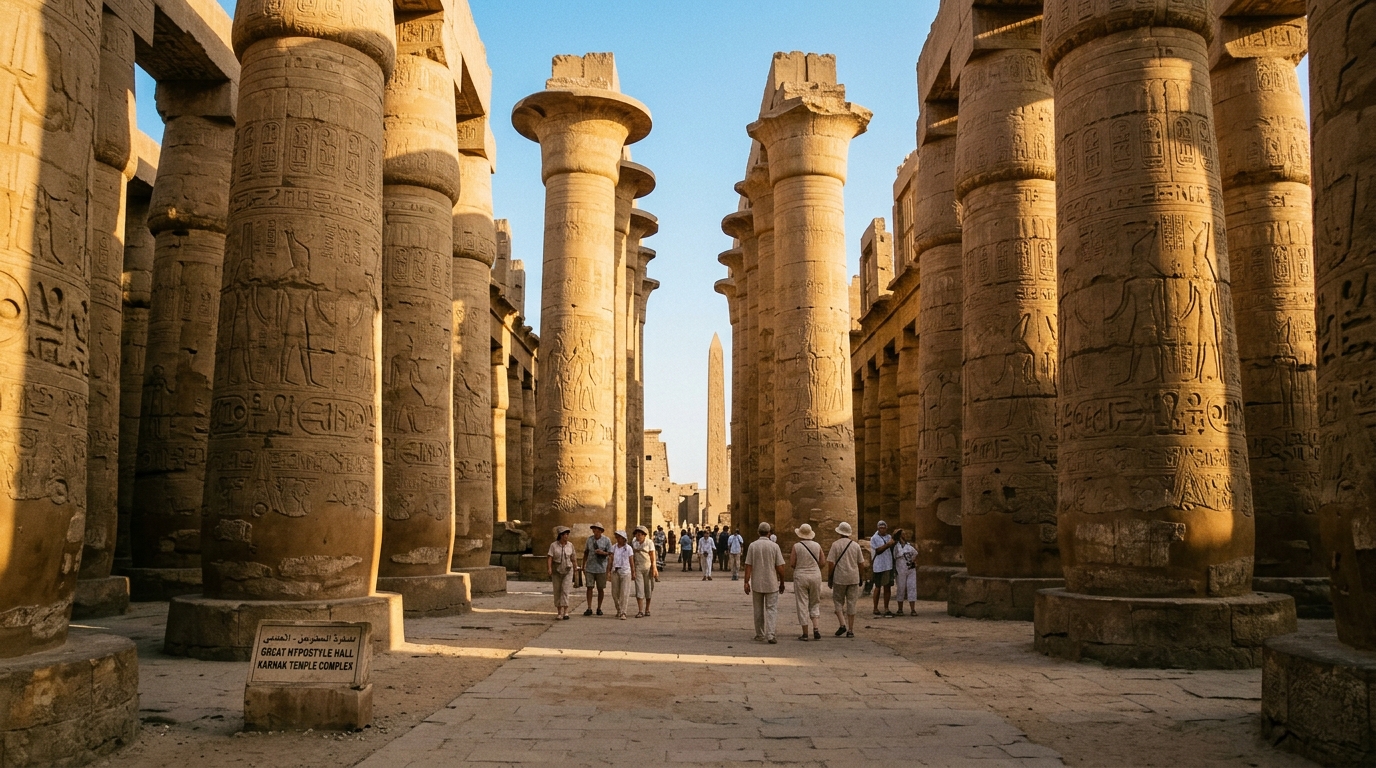 Ancient Thebes
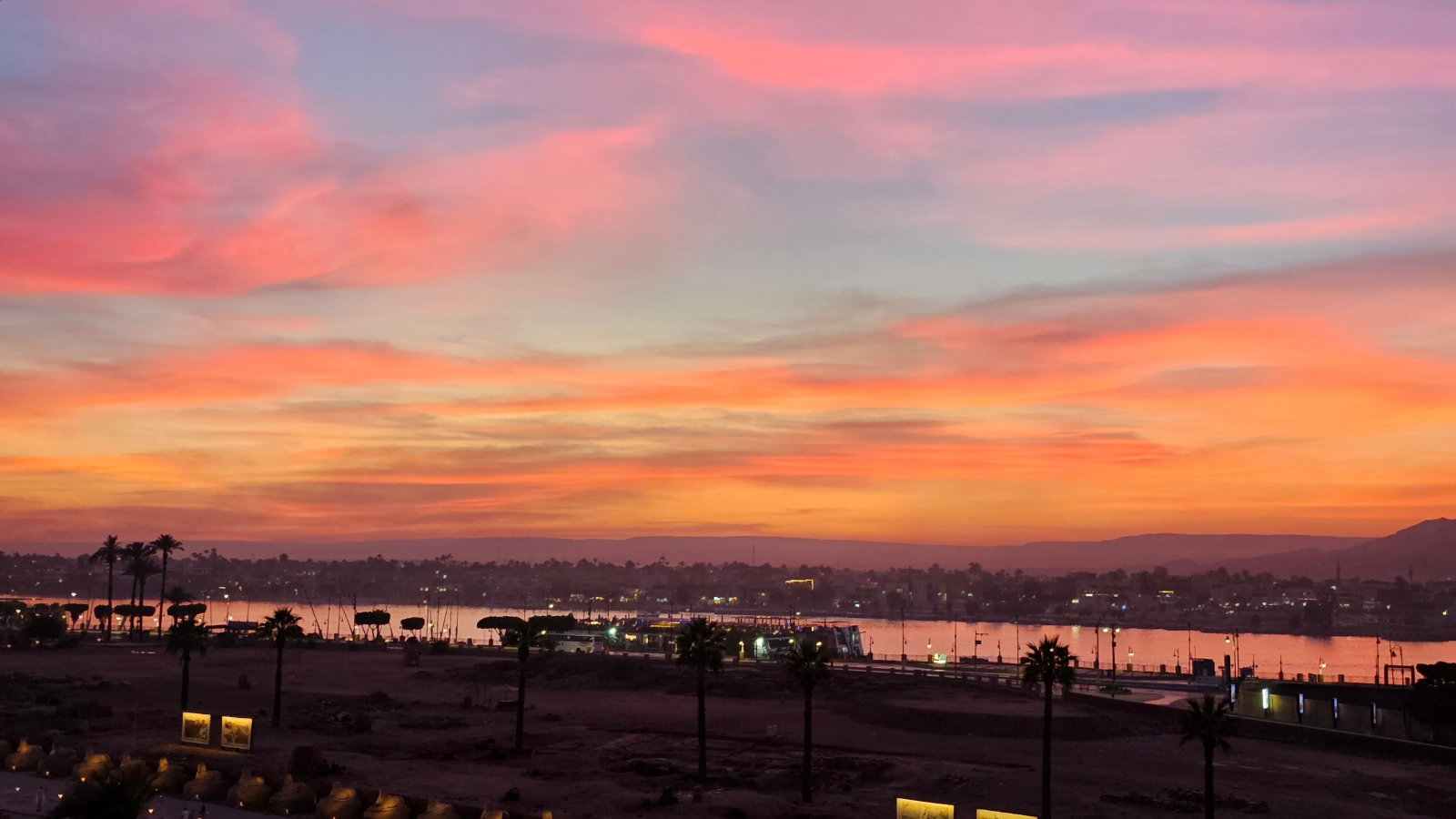
Luxor — temples, royal power and the afterlife
Luxor moves the story into New Kingdom Thebes. Karnak and Luxor Temple explain ceremonial kingship, while the West Bank reveals how pharaohs imagined death, regeneration and royal memory.
 Southern Egypt
Aswan — Isis, Nubia and the southern Nile
Aswan changes the atmosphere again. Philae, island landscapes, Nubian history and the approach to Abu Simbel create a southern chapter that is different from both Cairo and Luxor.
Start with the pyramid age, then use GEM to deepen the story
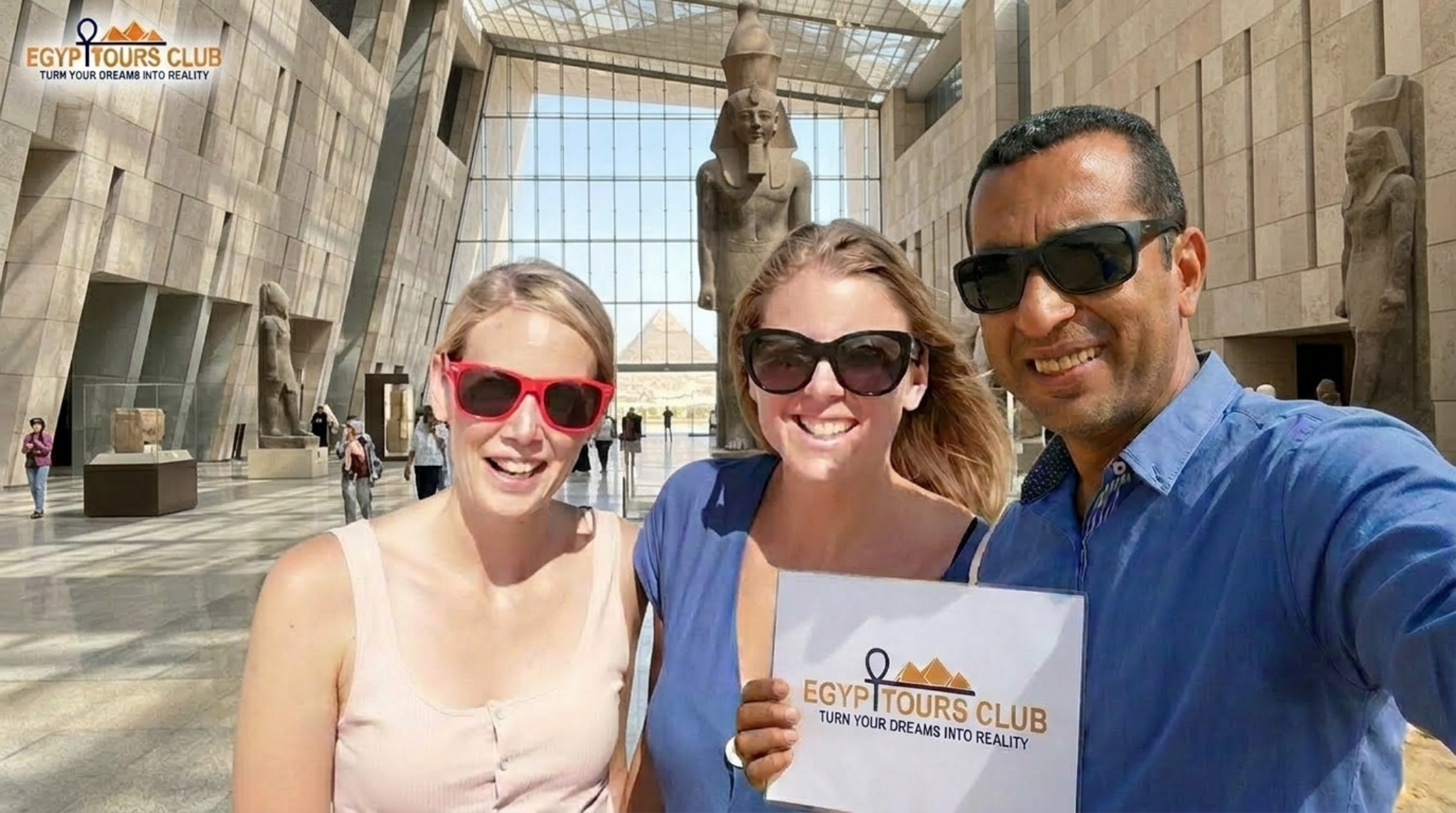
Cairo works best when archaeology is grouped logically. Giza and the Grand Egyptian Museum make a strong full day. Saqqara and Dahshur deserve separate space when pyramid evolution matters to the traveler.
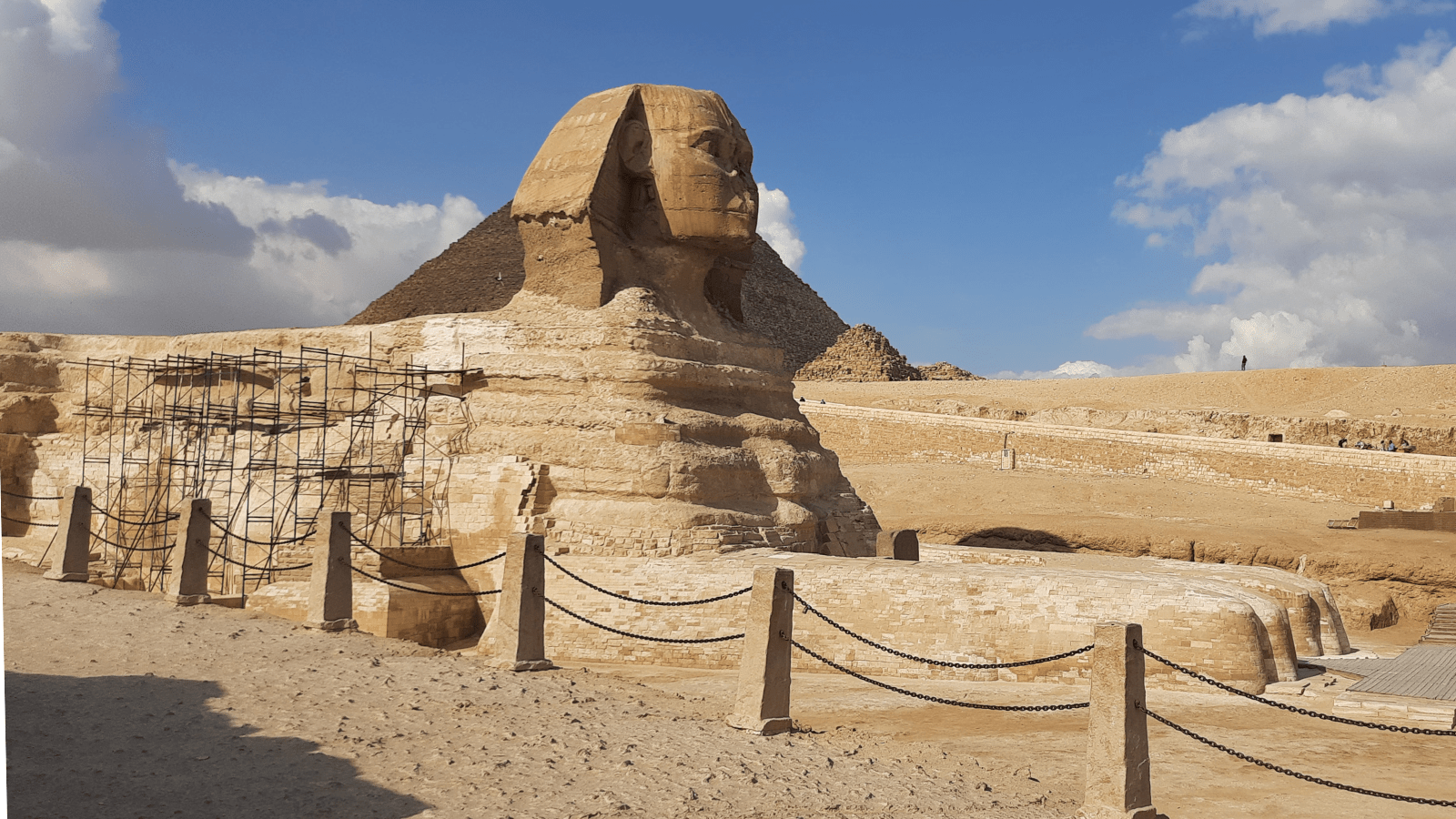
Royal Landscape Giza — more than one pyramid
Read the plateau as a connected royal necropolis: Khufu, Khafre, Menkaure, the Great Sphinx, temples, tombs and the panoramic desert viewpoint.
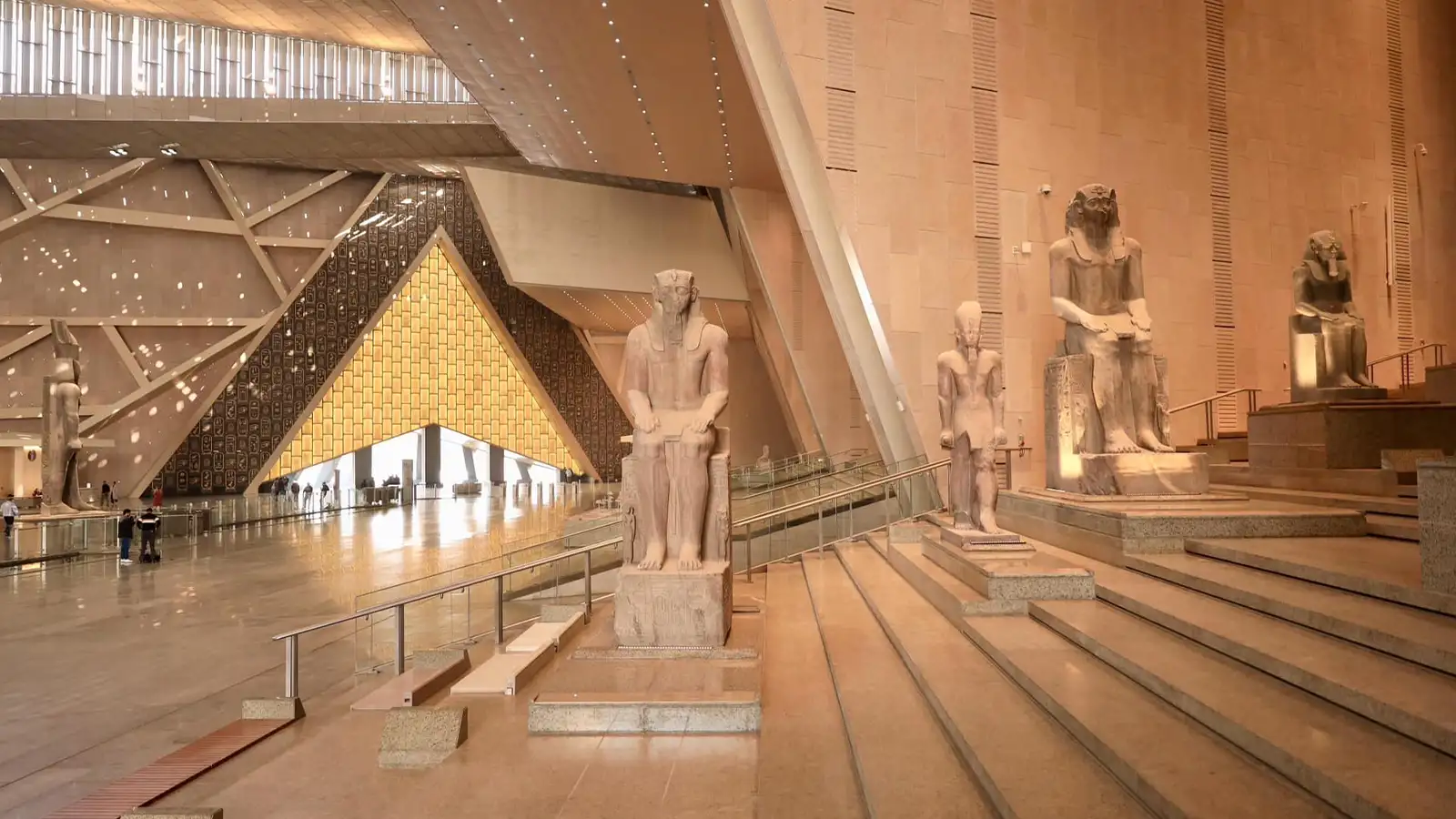 Museum Context
Grand Egyptian Museum — objects behind the monuments
GEM adds archaeological context to the landscapes outside. For a first visit, it is the strongest major museum pairing with Giza because both belong to the same geographic chapter.
 Pyramid Evolution
Saqqara — understand what came before Giza
The Step Pyramid of Djoser and surrounding necropolis help explain the architectural experimentation that preceded the monumental Fourth Dynasty complexes at Giza.
Separate East Bank sacred architecture from West Bank royal funerary archaeology
Luxor is too important to compress into one generic “temples and tombs” day. Treat its two banks as different historical experiences.
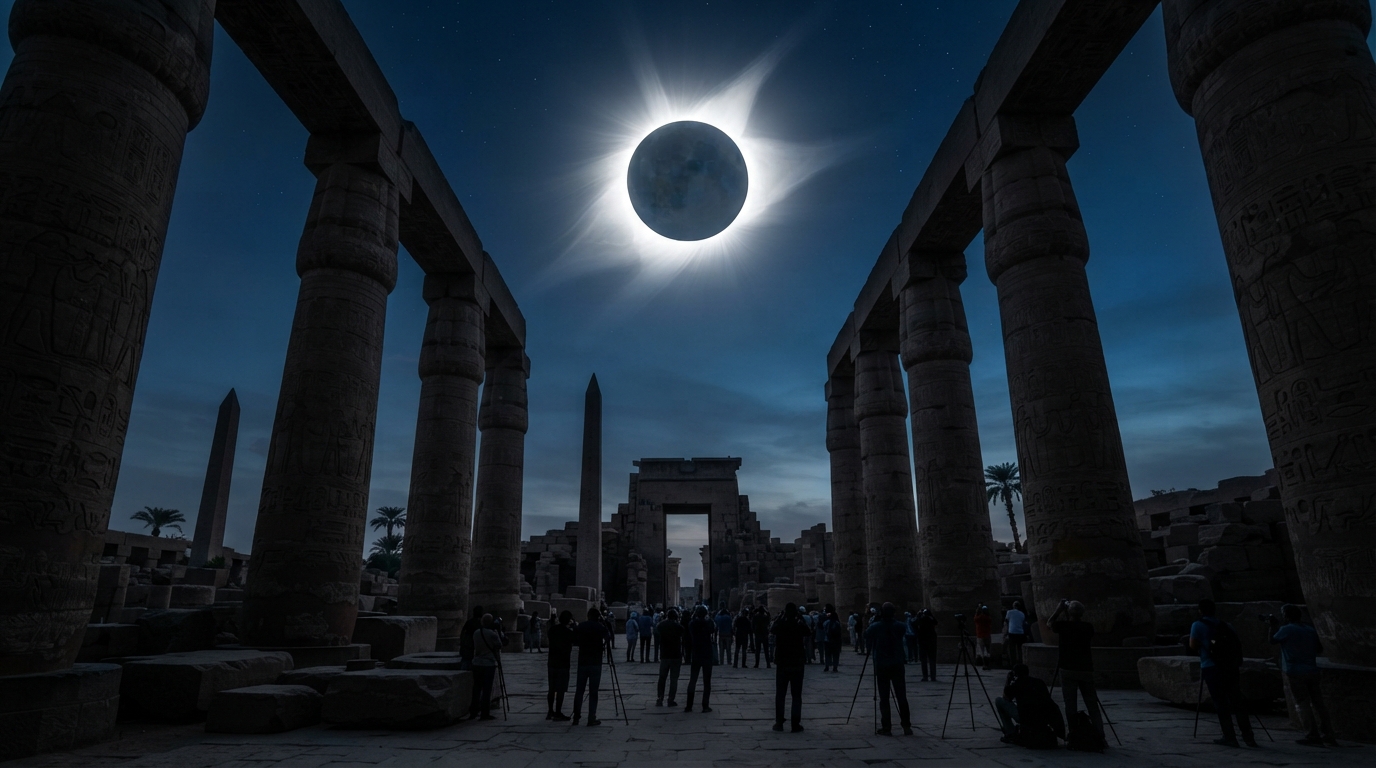
East Bank Karnak — Amun, kingship and monumental scale
The Great Hypostyle Hall, pylons, obelisks and ceremonial spaces make Karnak one of the strongest places to understand temple building and royal ideology.
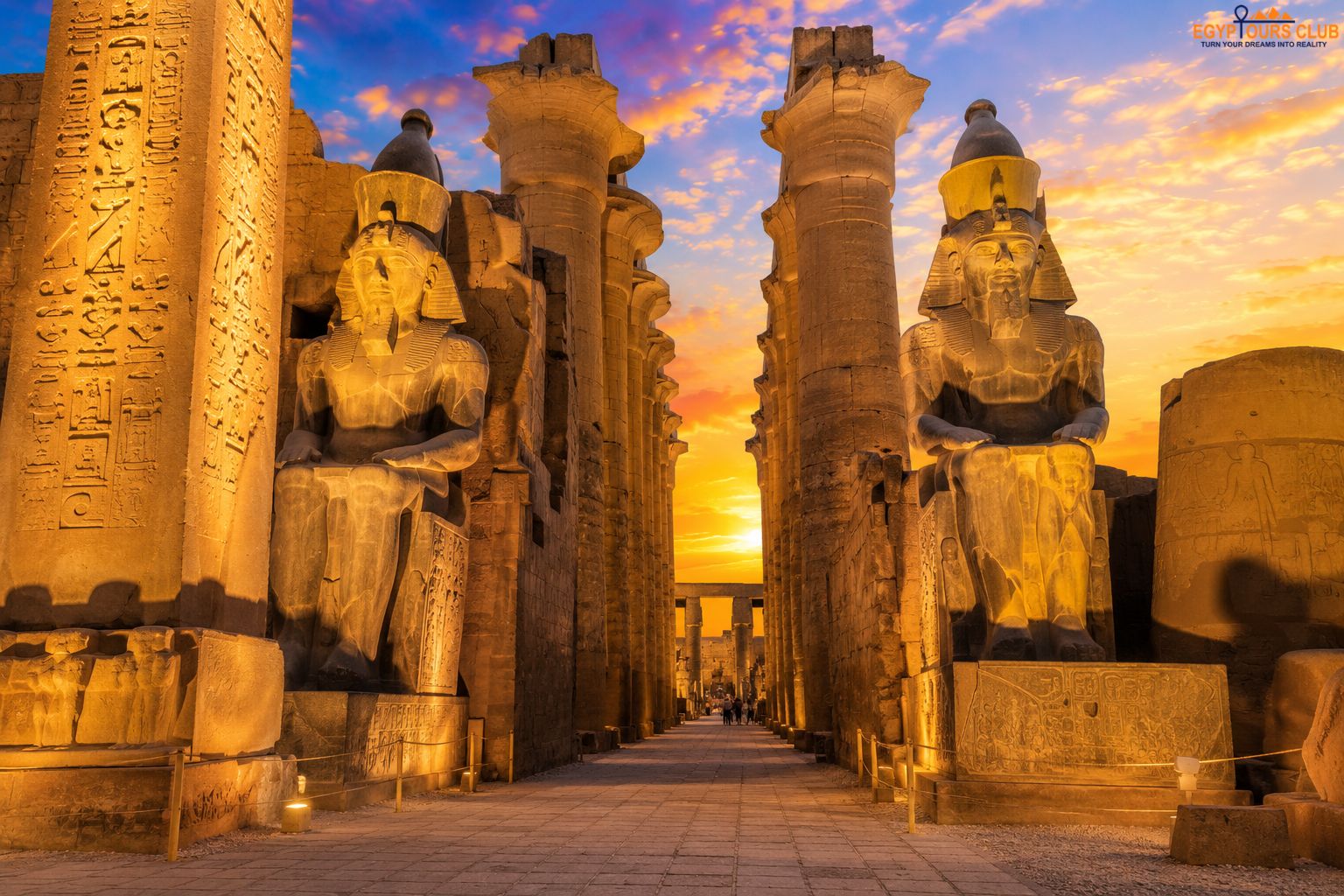 Ceremonial City
Luxor Temple — ritual inside the living city
Luxor Temple gives a more compact counterpoint to Karnak and helps travelers understand the ceremonial relationship between temples and the urban landscape of ancient Thebes.
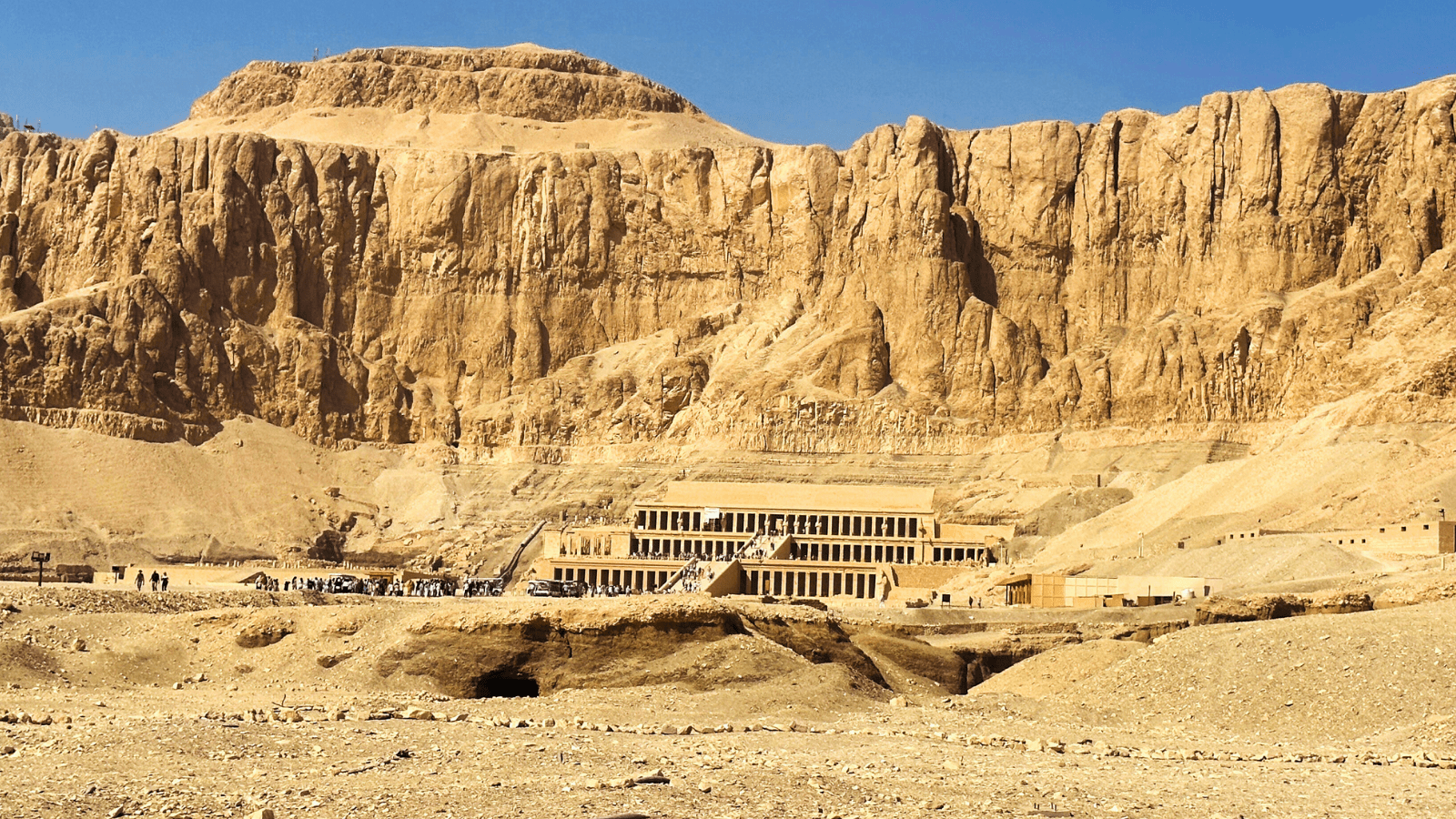
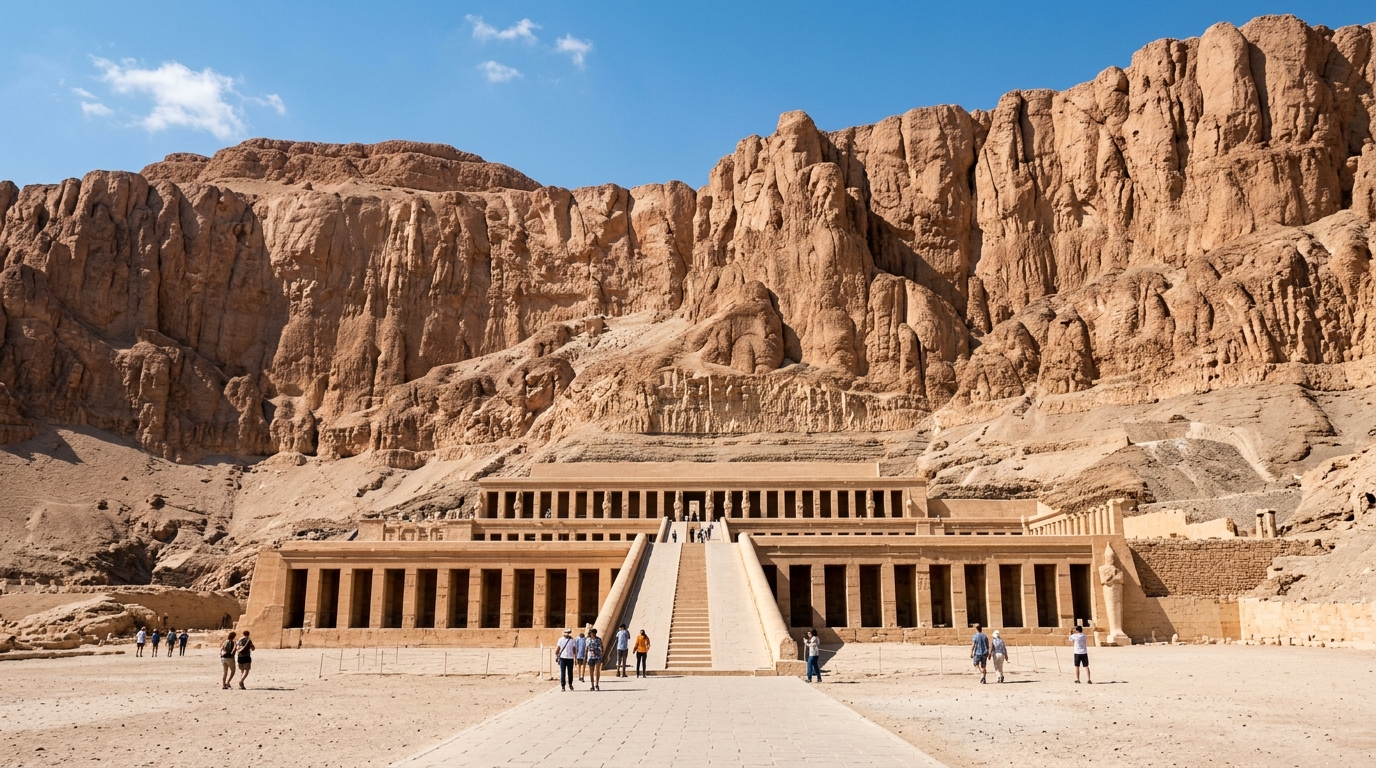
West Bank Royal necropolis — death, memory and rebirth
The Valley of the Kings and Hatshepsut Temple reveal another side of Thebes: tomb architecture, afterlife texts, royal memory and monumental design against the western cliffs.
Use Edfu and Kom Ombo as historical bridges, not cruise filler
Traveling between Luxor and Aswan gives you two major later temples. Their value is not simply that a cruise stops there. They show how Egyptian temple religion continued and changed during the Ptolemaic period.
Edfu — the great Temple of Horus
Edfu preserves one of Egypt's most complete temple sequences, from its monumental pylon through courts and halls to the sanctuary. It is one of the clearest places to study temple architecture as an ordered ritual route.
Kom Ombo — two cults in one temple
Kom Ombo is unusual for its doubled arrangement serving Sobek and Haroeris. Its riverside setting and Crocodile Museum make it a strong stop when interpreted as a distinct religious site, not a quick photo break.
Finish with Philae, the Nile landscape and Abu Simbel
Aswan should slow the rhythm of the journey. The historical core is still strong, but islands, boats, granite, Nubian culture and Lake Nasser create a different southern identity.
Isis & Philae Philae — temple, island and rescue story
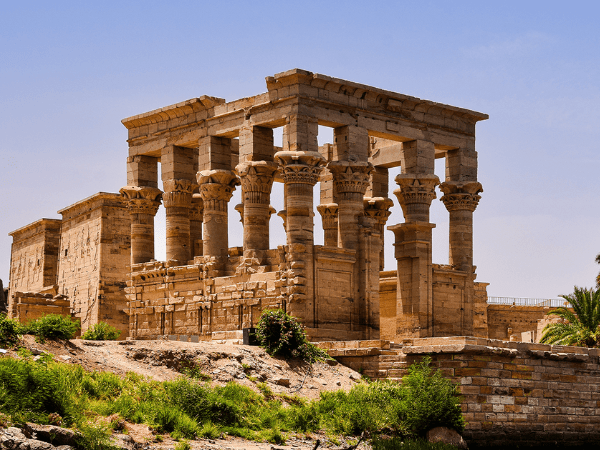
Reached by boat, Philae combines late Egyptian religion, Isis worship, dramatic Nile scenery and one of the major modern monument-rescue stories of southern Egypt.
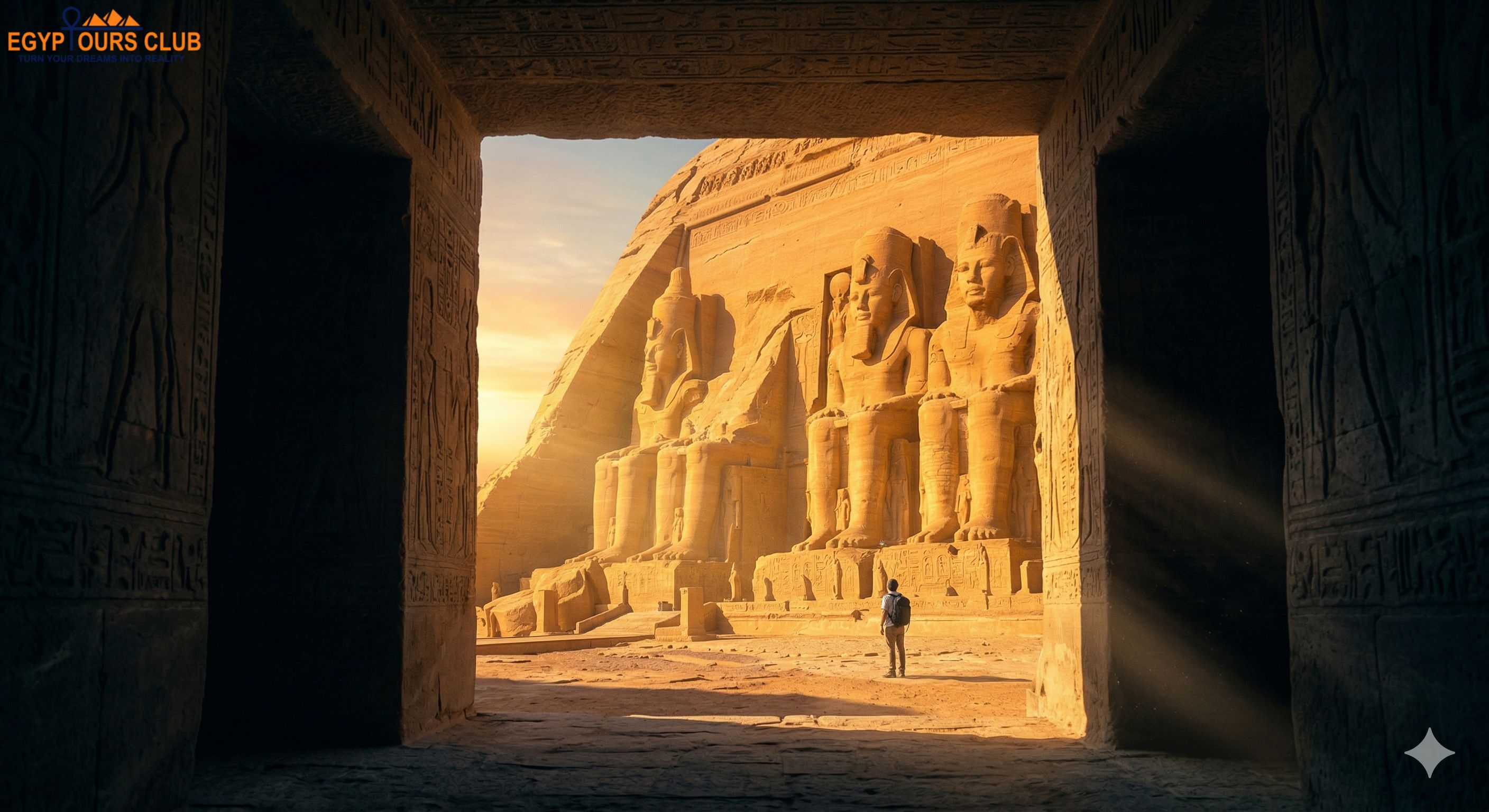 Southern Masterpiece
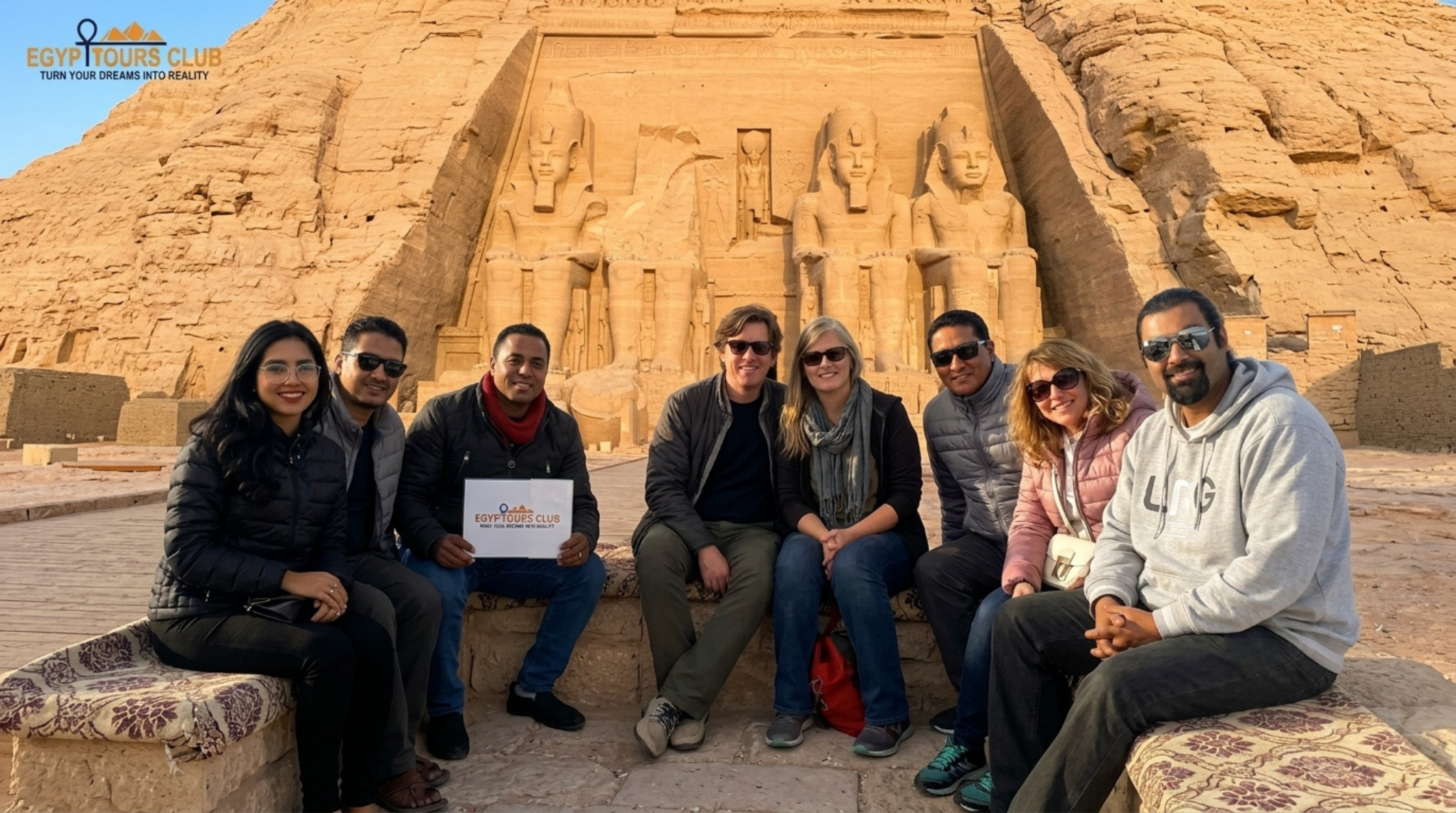
Abu Simbel — Ramses II and Nefertari
Abu Simbel deserves its own excursion. The temples are far south of Aswan, so road or flight logistics should be protected rather than squeezed into a full city-sightseeing day.
Nubian Context Do not reduce Aswan to one temple
Use time in Aswan for the Nile, Nubian heritage, local landscapes and a slower pace. The southern story is richer when the trip includes culture as well as monumental archaeology.
Follow ancient Egypt through the exact ETC pages you need
Move from historical interpretation to verified attraction guides, city pages, day tours and complete Egypt routes without guessing URLs.
Cairo & Giza — pyramid age
Luxor — Ancient Thebes
Aswan & Nile corridor
Complete trip planning
A balanced 8-day route from Cairo to Aswan
Use this as a planning framework. Domestic flights, Nile cruise departures, monument access and hotel nights should be finalized around the actual travel date.
Cairo arrival
- Airport meet and transfer
- Hotel check-in
- Keep the day light after international travel
Giza + GEM
- Giza Pyramids and Great Sphinx
- Panoramic plateau view
- Grand Egyptian Museum
Saqqara + onward travel
- Step Pyramid complex
- Optional Dahshur or Memphis
- Continue to Luxor according to confirmed transport
Luxor East Bank
- Karnak Temple
- Luxor Temple
- Evening time in Luxor
Luxor West Bank
- Valley of the Kings
- Hatshepsut Temple
- Optional selected additional tombs
Edfu + Kom Ombo
- Continue south by cruise or private vehicle
- Temple of Horus at Edfu
- Kom Ombo and Crocodile Museum
Aswan + Philae
- Boat transfer to Philae
- Nile scenery or felucca time
- Nubian context when schedule allows
Abu Simbel
- Dedicated early-start excursion
- Great Temple of Ramses II
- Temple of Queen Nefertari
Slow the route down
- Extra Aswan night
- Deeper Nubian experience
- Red Sea, Alexandria or additional Cairo time
Protect the route before adding more sightseeing
What to confirm first
Best planning sequence
Trip length first. City nights second. Transport third. Sightseeing fourth.
Verify Egypt's major heritage landscapes independently
Use official and heritage sources for archaeological context. Use live operating sources for ticket categories, access and opening conditions close to travel.
Planning ancient Egypt from Cairo to Aswan
How many days do I need for Cairo, Luxor and Aswan?
Eight to ten days is a strong target for a first cultural journey. Six or seven days can work at a faster pace. Eleven to fourteen days gives more time for Saqqara, a slower Nile cruise, Nubian culture or another destination.
Should I travel from Cairo to Luxor first, or Cairo to Aswan first?
Both directions can work. The correct sequence depends on domestic flights and Nile cruise sailing dates. Build the route around confirmed transport rather than assuming one direction is always better.
Can I visit Giza Pyramids and GEM in the same day?
Yes. For many first-time travelers, Giza and the Grand Egyptian Museum form one of the strongest full-day combinations in Greater Cairo. Avoid adding Saqqara and several distant Historic Cairo sites to the same day unless the schedule genuinely supports it.
Do I need a Nile cruise between Luxor and Aswan?
No. A private overland route gives more control over timing. A Nile cruise makes the river journey part of the experience and commonly includes Edfu and Kom Ombo. The right choice depends on travel style and available days.
Is Abu Simbel a day trip from Aswan?
Yes. Road day trips are common, and flight-based options may be possible on some dates. Because Abu Simbel is far south of Aswan, it should be treated as a dedicated excursion.
What are the essential ancient Egyptian sites on this route?
For a first trip, prioritize the Giza Pyramids, Grand Egyptian Museum, Karnak, Luxor Temple, Valley of the Kings, Hatshepsut Temple, Philae and Abu Simbel. Edfu and Kom Ombo add important context when traveling along the Nile.
What is the biggest planning mistake?
Trying to fit every famous site into the fewest possible days. Distances, heat, opening hours and transfer time make overloaded Egypt itineraries tiring and unreliable. Fewer sites with better pacing usually produces the stronger journey.
Turn Cairo, Luxor and Aswan into one coherent Egypt itinerary
Choose the pace, hotel level, domestic flights, guide language, Nile cruise direction and archaeological priorities that fit your dates. Add Alexandria, the Red Sea or desert extensions only after the core route works properly.
Editorial note: stable historical guidance is separated from changeable operating details. Reconfirm live site access, tickets, flights, cruise schedules and special tomb openings close to travel.