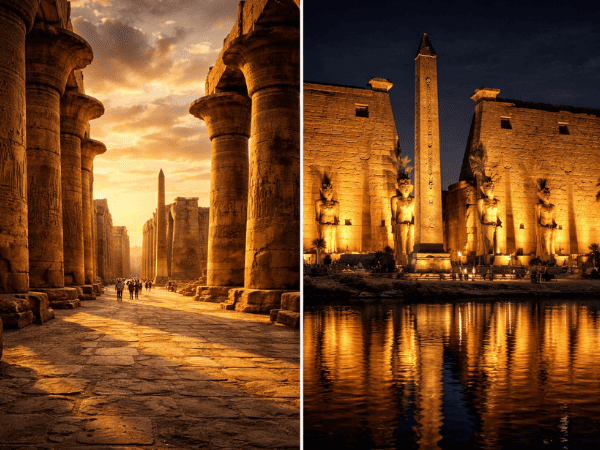


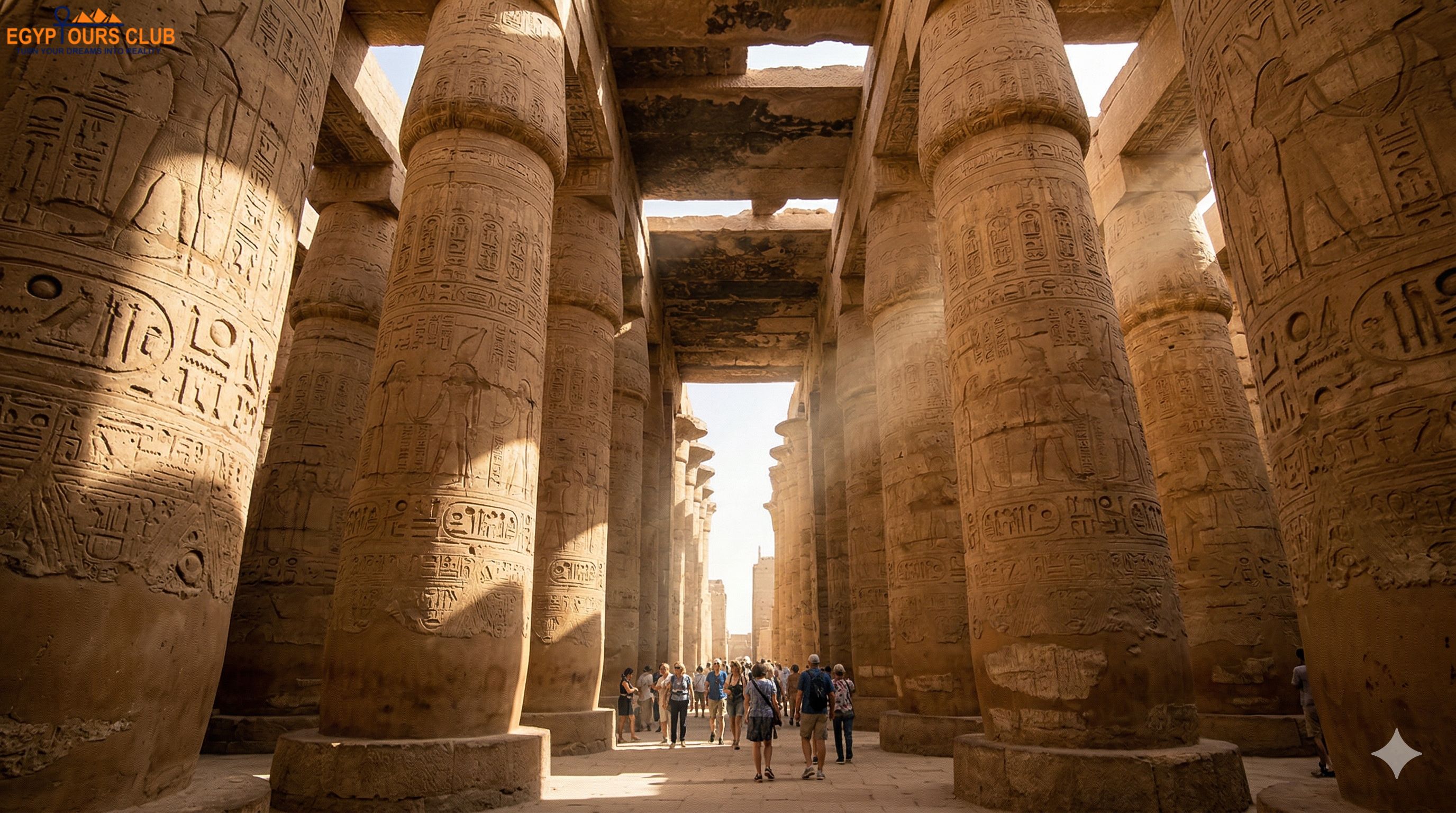
Karnak Temple | History, Highlights, Tickets & Visitor Guide
Karnak Temples . banner

Karnak Temples

Egypt Tours Club

Operated by Vagus Travel Co. · Established 1996 · Tourism License No. 988 · Category A

Great Hypostyle Hall · Amun-Ra · Luxor East Bank · Ancient Thebes

Explore the Great Hypostyle Hall, Obelisks & Sacred Precincts of Karnak

Plan Karnak as a vast sacred complex rather than a quick photo stop. Understand the Great Hypostyle Hall, processional routes, obelisks, Sacred Lake and the Amun precinct, then connect the visit to Luxor Temple, West Bank monuments, Nile cruises and complete Egypt itineraries.

Quick Travel Answer

What should you see at Karnak Temple?

For a first visit, prioritize the Great Hypostyle Hall, the main Amun-Ra precinct, processional approaches, major pylons, royal obelisks and the Sacred Lake. The site developed over many centuries, so its scale and chronology make more sense when viewed as a sacred city rather than one temple building.

Allow around two to three hours for Karnak itself. The clearest East Bank combination is Luxor Temple, while the Valley of the Kings and Hatshepsut Temple belong to a separate West Bank route.

View the East Bank Half-Day Tour
Read Karnak as a Sacred City

The essential spaces, symbols and visitor priorities inside Karnak Temple

These six highlights give first-time visitors a practical way to understand the complex while opening the right Luxor guide, tour or official source for the next decision.

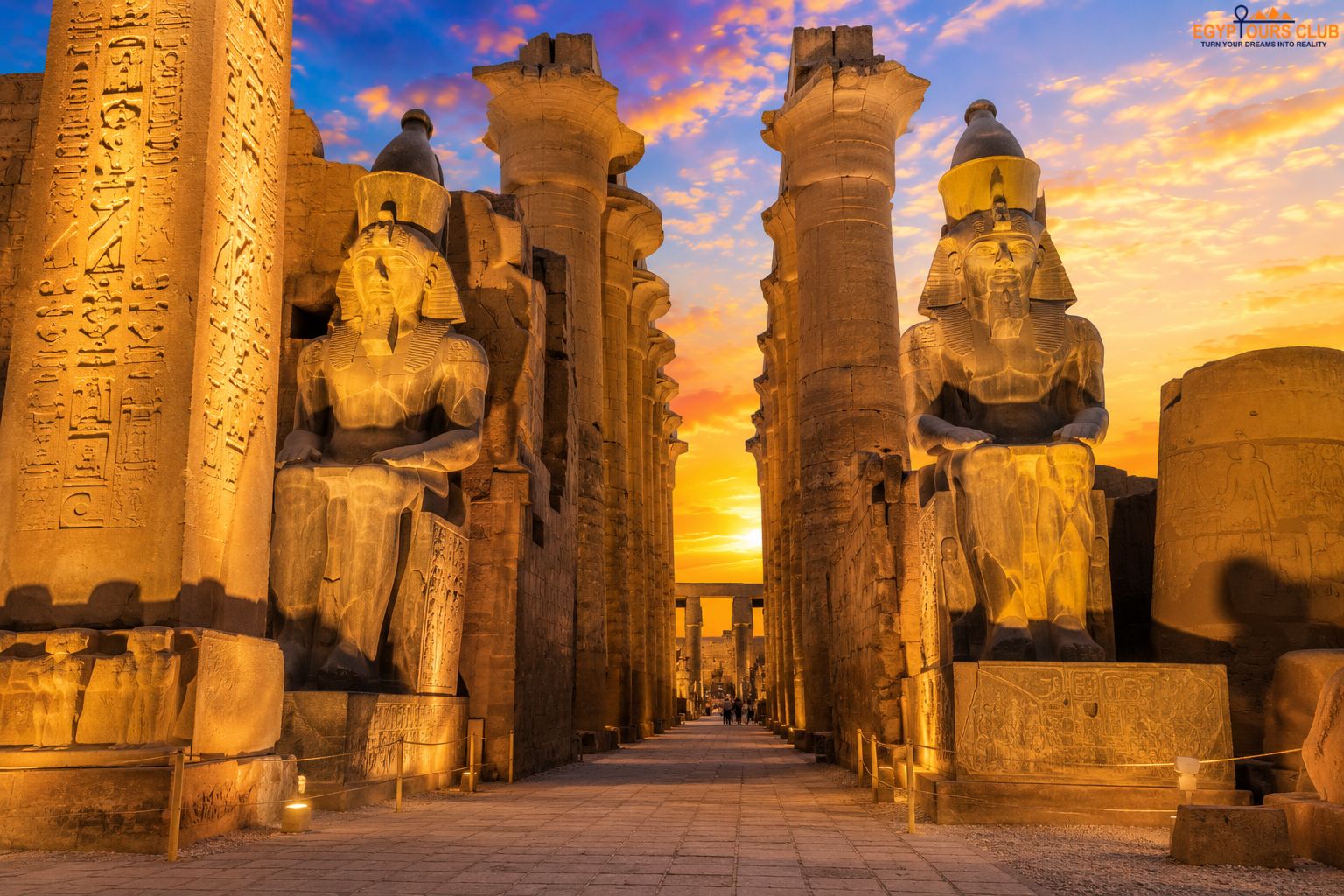
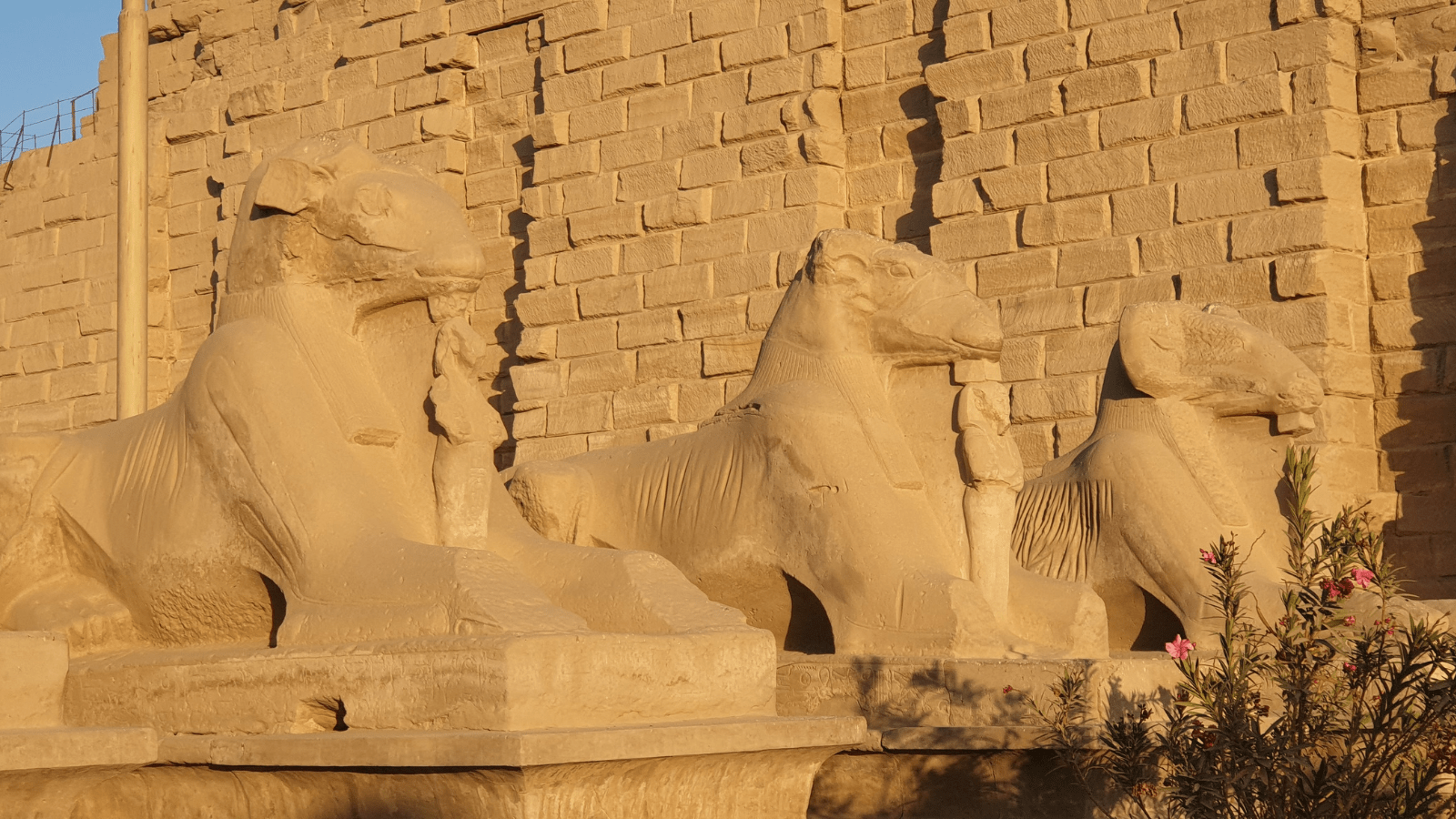
Great Hypostyle Hall columns inside Karnak Temple in LuxorMain Highlight

Great Hypostyle Hall

134 columnsSety I & Ramesses II

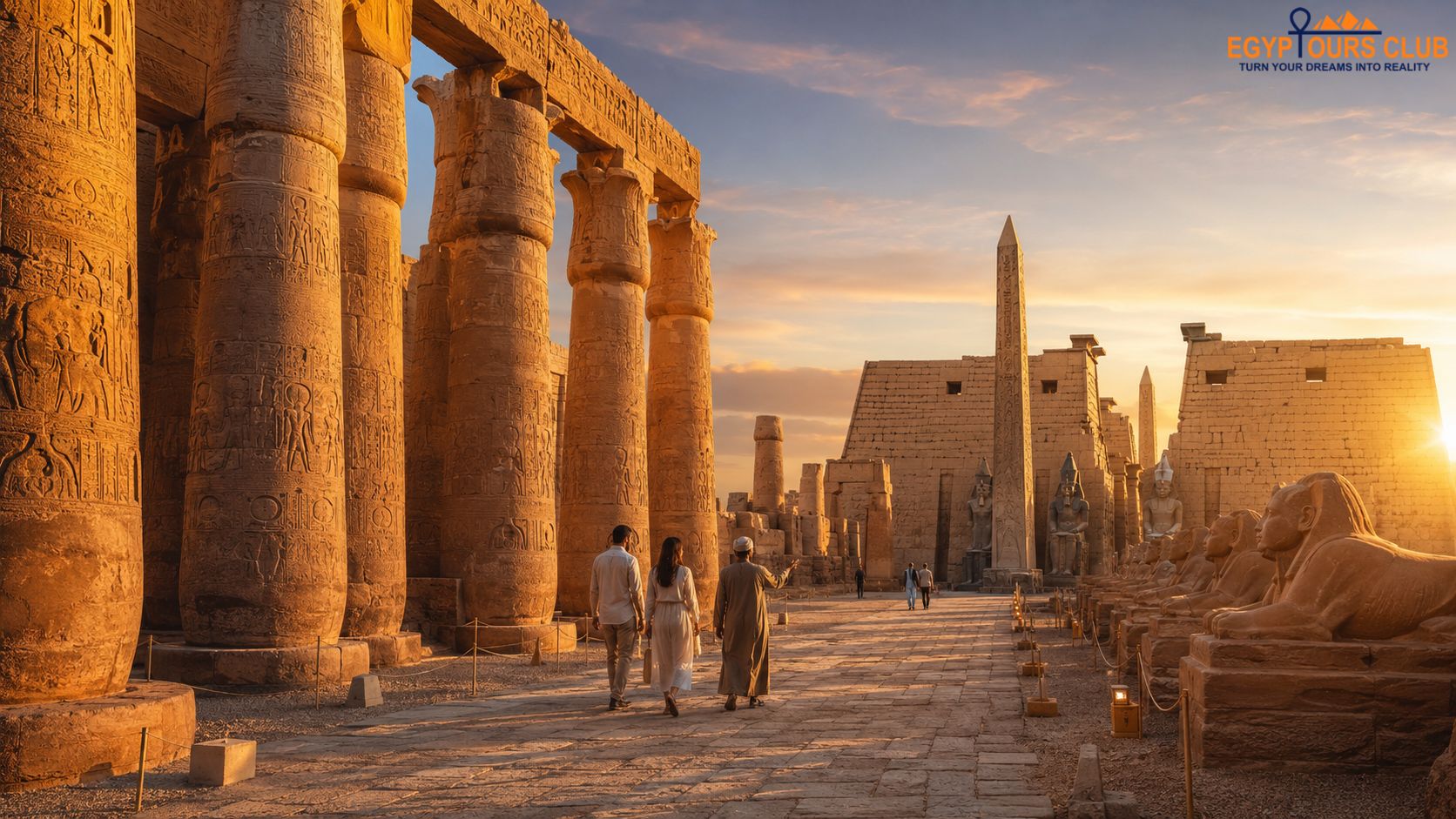
The hall is Karnak’s signature experience. Step back to understand the forest of columns, then move closer to read the capitals, royal scenes, inscriptions and surviving traces of color. Give this space enough time to feel its scale rather than using it as a passageway.

Obelisk rising above the Karnak Temple complex in LuxorRoyal Building

Obelisks and Layers of Royal Construction

HatshepsutRoyal patronage

Royal obelisks, gateways and additions reveal how generations of rulers used Karnak to express devotion, legitimacy and power. Hatshepsut’s surviving obelisk creates an especially useful link between the East Bank cult of Amun and her West Bank monument at Deir el-Bahari.

Sacred areas, chapels and lake within the Karnak Temple complexTemple Life

Sacred Lake, Chapels & Ritual Spaces

PurificationBeyond the main hall

The Sacred Lake and smaller ritual spaces show that Karnak was more than monumental architecture. They help visitors understand priestly purification, divine cult, processions and the daily functioning of a major temple institution.

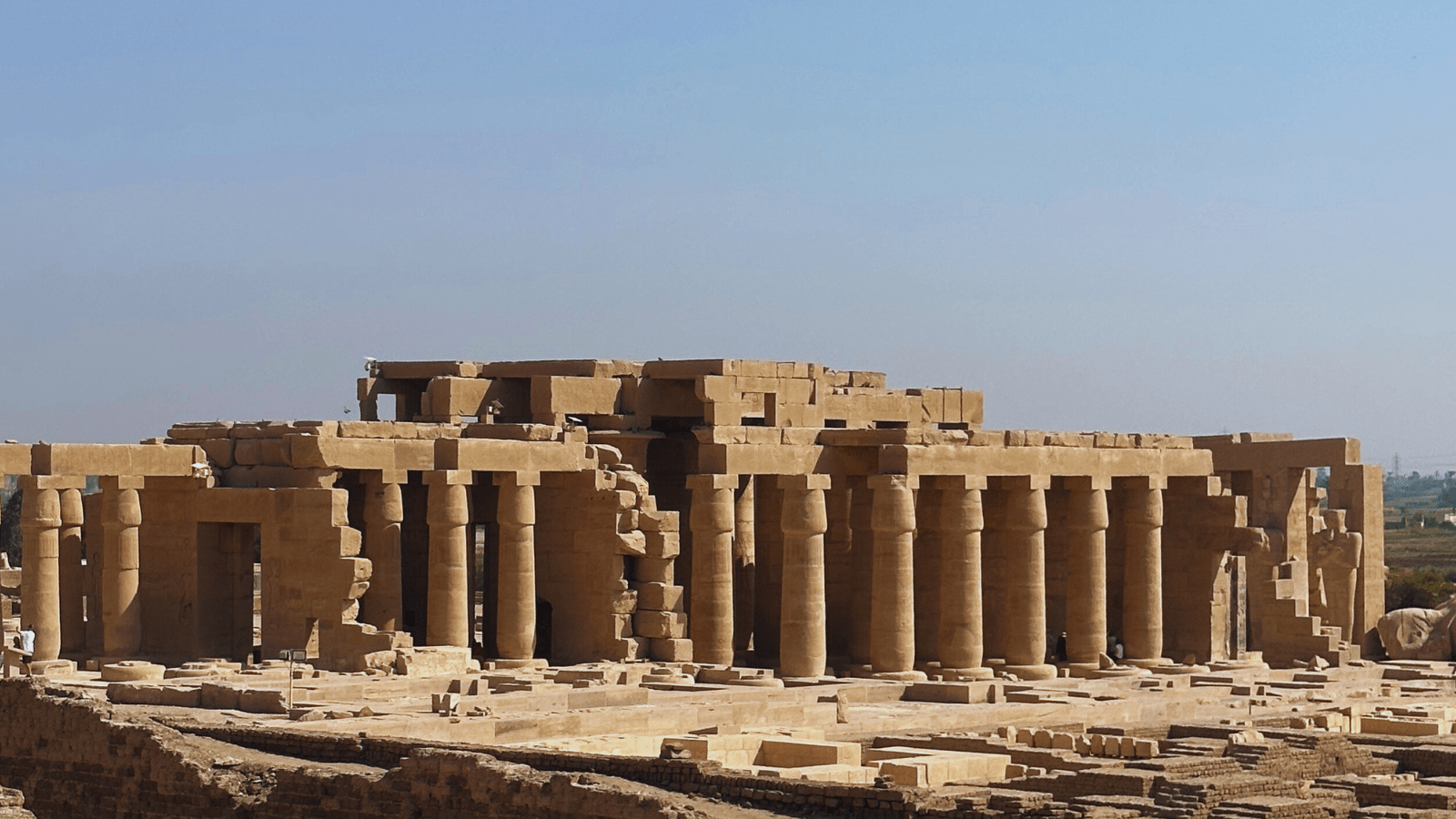
Open courts and temple structures in the Amun precinct at KarnakDeeper Context

Amun Precinct, Khonsu & the Wider Karnak Complex

Amun-RaMultiple precincts

Karnak contains several temple zones, not only the most photographed central axis. Use the standard visitor route first, then check current access and ticket conditions before assuming that every precinct, open-air museum area or special monument is included.

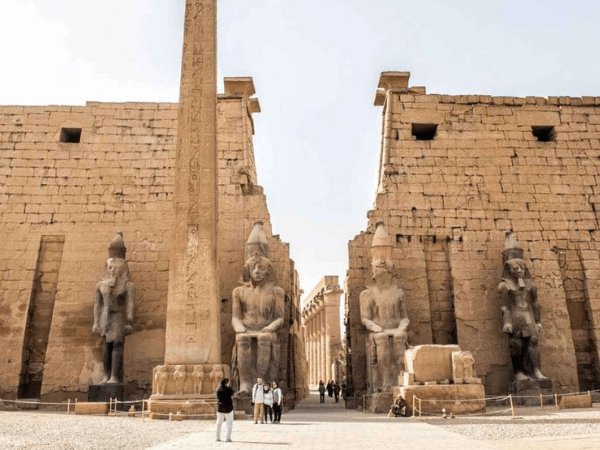
Luxor Temple illuminated as the natural East Bank continuation after KarnakBest Pairing

Karnak + Luxor Temple

About 4 hoursEast Bank classic

Karnak provides scale, sacred power and centuries of construction; Luxor Temple adds ceremony, city-centre atmosphere and a strong later-day setting. Together they form the clearest first-time East Bank route.

History & Sacred Purpose

Karnak Temple history: how the sacred complex grew across ancient Egypt

Karnak was not created by one pharaoh or in one building campaign. The sanctuary developed over many centuries as Thebes and the cult of Amun rose in importance, with successive rulers adding temples, pylons, courts, obelisks, chapels and ritual spaces.

From Middle Kingdom roots to New Kingdom expansion

Evidence for Amun at Karnak reaches back to the Middle Kingdom, and the complex received exceptional royal attention as Thebes became a political and religious centre. During the New Kingdom, rulers repeatedly enlarged and transformed the sanctuary, making Karnak one of the clearest places to read changing royal priorities in stone.

Hatshepsut & Thutmose III

Hatshepsut left major monuments at Karnak, including her celebrated obelisk, while Thutmose III added important structures such as the Akh-menu. Their building programs help visitors connect the temple with the wider Eighteenth Dynasty landscape on both banks of Luxor.

Seti I, Ramesses II & the Great Hypostyle Hall

The Great Hypostyle Hall is one of Karnak's defining monuments. Its major construction and decoration are especially associated with Seti I and Ramesses II, whose work turned the hall into a monumental statement of kingship, ritual and devotion to Amun.

Later additions and a living sacred landscape

Karnak continued to receive additions and alterations after the New Kingdom, including later Egyptian, Ptolemaic and Roman-period work. The result is a layered sacred landscape rather than a monument belonging to a single reign.

Religion & Ritual

Why was Karnak Temple built?

Karnak was a major religious centre of ancient Thebes, focused especially on the cult of Amun-Ra. The wider complex also included sacred areas associated with Mut and Khonsu, linking Karnak with the Theban divine family and the ritual life of the city.

Amun-Ra and the Theban Triad

The precinct of Amun-Ra dominates the standard visitor route, while the wider Karnak landscape includes the Precinct of Mut and the Temple of Khonsu. Together these spaces help explain the religious importance of Amun, Mut and Khonsu in ancient Thebes.

The Opet Festival

Karnak and Luxor Temple were connected through a ceremonial processional landscape used during the Opet Festival. Sacred images associated with Amun, Mut and Khonsu moved between the sanctuaries, linking temple ritual, royal authority and the city of Thebes.

Visitor Planning

How to plan a Karnak Temple visit

Karnak is a large temple complex rather than a single building. A useful visit follows the main processional axis first, then slows down for the Great Hypostyle Hall, obelisks, courts, chapels and the Sacred Lake according to your available time and walking pace.

Understanding the Karnak Temple Complex

The complex developed over many centuries within ancient Thebes. The main visitor experience centers on the precinct of Amun-Ra, but Karnak contains multiple sacred areas, gateways, courts and monuments created or altered by different rulers. Reading it as layers of construction makes the site easier to understand.

Temple of Amun-Ra

The Amun-Ra precinct forms the central focus of a first visit. Its monumental axis, pylons, courts, obelisks and halls reflect Karnak's role in the cult of Amun and its importance to rulers including Hatshepsut, Thutmose III, Seti I and Ramesses II.

Great Hypostyle Hall

Do not treat the Great Hypostyle Hall as a corridor. Pause first for the overall forest of columns, then look more closely at capitals, reliefs, inscriptions and surviving color. Its scale and layered decoration reward a slower section of the visit.

Sacred Lake & Key Monuments

The Sacred Lake adds context about purification and temple ritual, while obelisks, courts, chapels and processional routes help explain how the complex functioned beyond its most famous hall. Access to particular areas can change, so verify current conditions when a specific feature is essential.

Suggested Route

A practical walking sequence for a first visit

1 · Orient

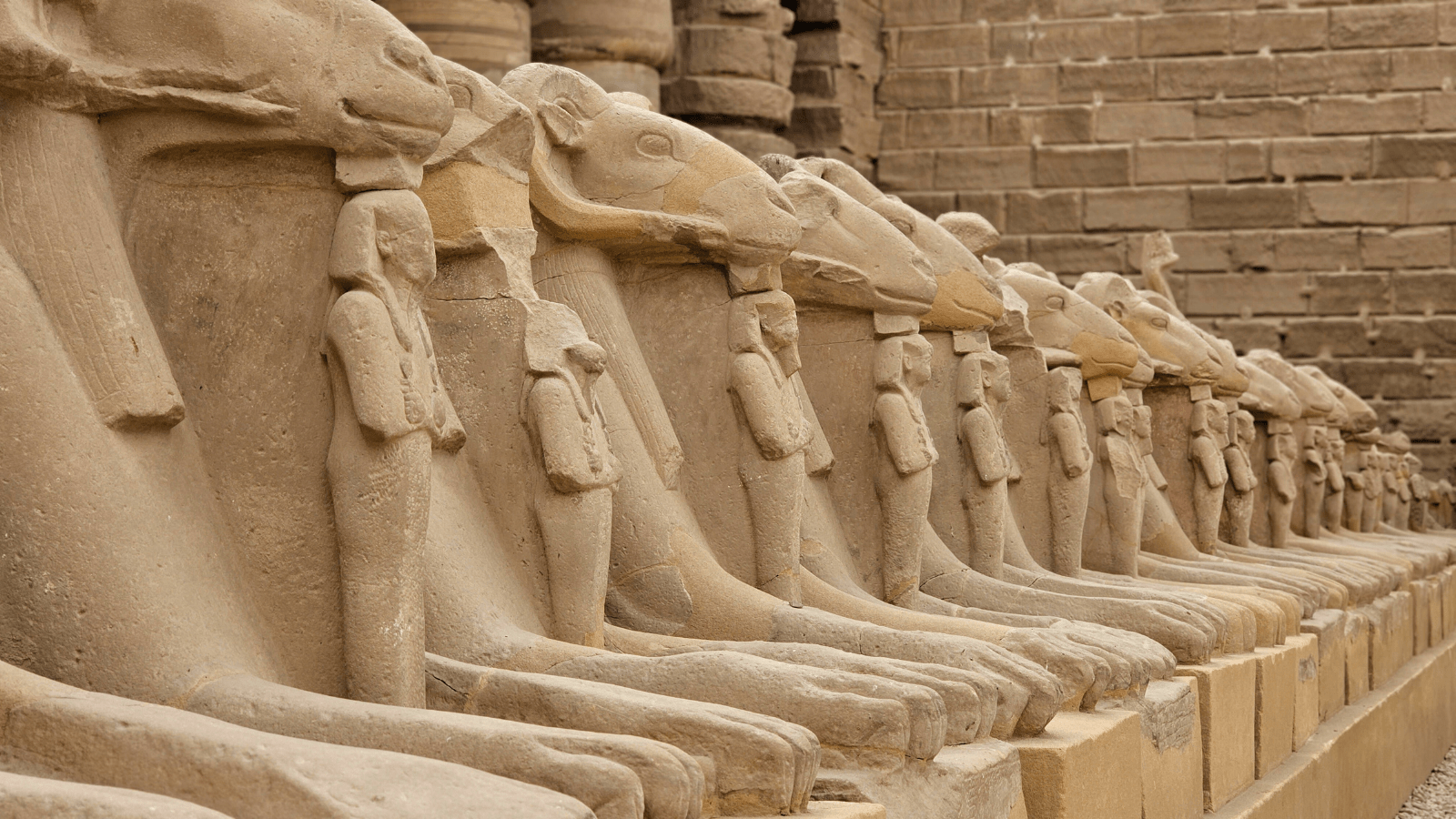
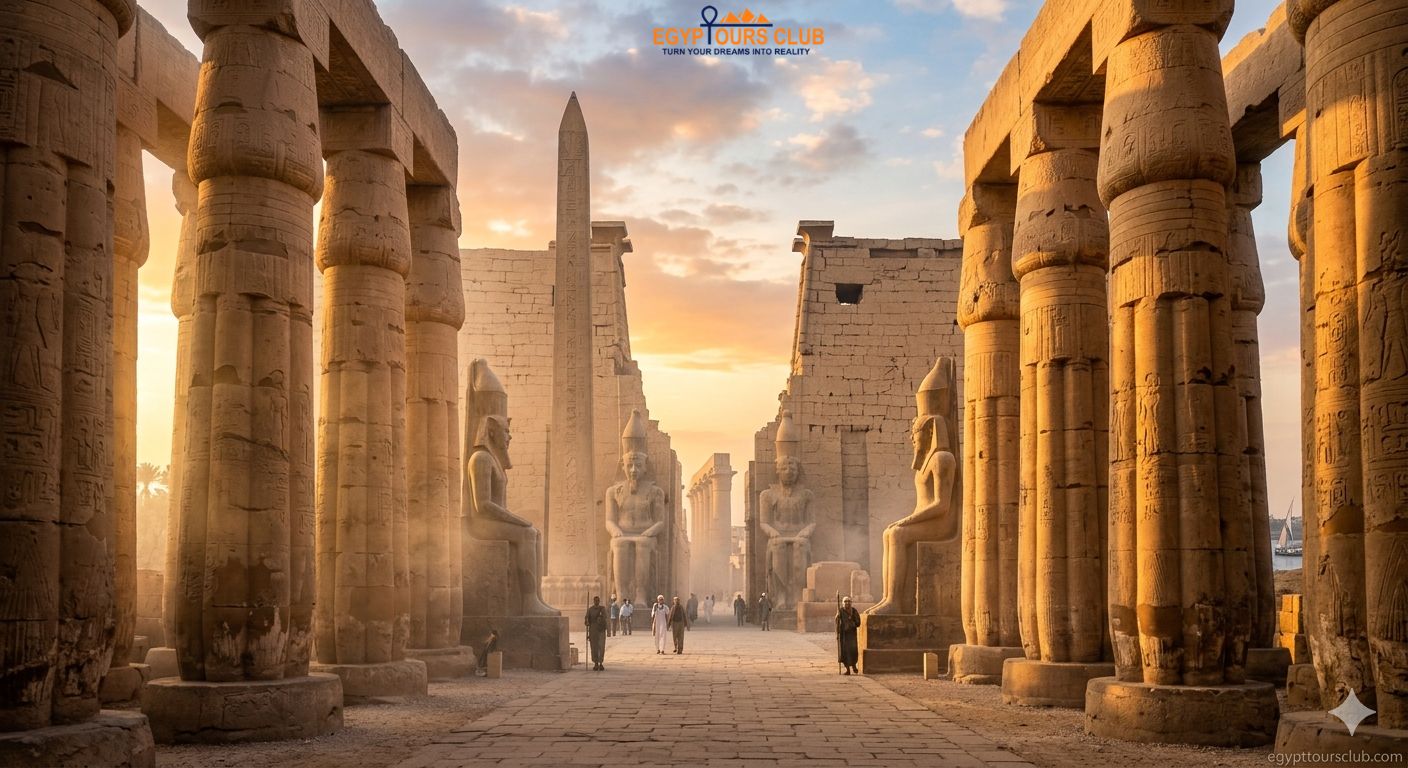
Entrance, sphinx approach & first pylon

  • Use the approach to understand Karnak's ceremonial scale.
  • Pause in the first major court rather than rushing directly inside.
2 · Priority

Great Hypostyle Hall

  • See the hall from a distance before moving among the columns.
  • Allow time for reliefs, capitals, inscriptions and changing light.
3 · Deepen

Obelisks, inner courts & Sacred Lake

  • Continue toward the inner sanctuary zones and royal additions.
  • Add the Sacred Lake and secondary spaces if time and energy allow.

How long to spend at Karnak

A focused first visit can work in roughly 1.5–2 hours when you prioritize the main axis and Great Hypostyle Hall. Allow around 2.5–3 hours or more for a deeper visit with slower photography, inscriptions and secondary areas. Heat, mobility and guide interpretation can change the pace.

Best time to visit

Choose the cooler part of the day when possible, especially in hotter months. Earlier visits often suit travelers who want more walking before the strongest heat, while later light can be attractive for photography. Crowd levels and operating conditions vary, so avoid treating any hour as guaranteed quiet.

Tickets & visitor planning

Ticket prices, opening hours, special-area access and Sound & Light schedules can change. Check current official information before the visit and confirm exactly what a guided tour includes rather than relying on old screenshots or archived prices.

Check official Karnak information

Karnak Temple vs Luxor Temple

Karnak is the larger, layered religious complex associated especially with Amun-Ra; Luxor Temple is a separate monument farther south on the East Bank. The Avenue of Sphinxes creates an important processional relationship between them, but each deserves its own attraction guide.

Read the Luxor Temple guide

Photography tips

Use wide views to show the scale of pylons and columns, then move closer for reliefs and surviving color. Side light can reveal carved detail well. Keep people and pathways in mind, and check current photography rules for equipment or restricted areas rather than assuming permanent access.

Visiting with children

Keep the route selective: the sphinx approach, monumental columns and obelisks are easier anchors than trying to explain every building phase. Build in water, shade and short pauses, and shorten the secondary areas if attention or heat becomes a problem.

Accessibility & walking notes

Karnak involves substantial outdoor walking over archaeological surfaces that can be uneven. Travelers with limited mobility should prioritize the main route, allow extra time and check current on-site accessibility arrangements before travel because facilities and access paths may change.

Local expert advice

For most first-time visitors, pair Karnak with Luxor Temple as an East Bank route and keep the West Bank as a separate sightseeing block when the schedule allows. Comfortable footwear, water, sun protection and a realistic pace usually improve the visit more than adding extra stops.

Nearby Ancient Thebes

Combine Karnak with nearby attractions

Use Karnak as the East Bank anchor, then expand only as your available time and pace allow.

Choose by Time & Starting Point

The strongest Karnak Temple routes for Luxor visitors and long-distance day trips

A focused temple visit, an East Bank half day and a flight-assisted Cairo day trip are very different experiences. Keep transport and site time realistic.

2–3 hours

Focused Karnak Temple visit

  • Main processional approach and pylons.
  • Great Hypostyle Hall as the priority.
  • Obelisks, chapels and Sacred Lake.
  • Guide-led chronology instead of trying to see every corner.
Use this Karnak visitor guide
About 4 hours

Karnak + Luxor Temple East Bank

  • Karnak first for the larger complex.
  • Continue to Luxor Temple.
  • Private hotel or cruise pickup.
  • Use late-afternoon light when the schedule allows.
View the East Bank tour
Day + evening

Daytime Karnak + Sound & Light

  • See architecture and inscriptions in daylight first.
  • Treat the show as a separate evening experience.
  • Confirm current narration language and start time.
  • Coordinate dinner and hotel/cruise return.
View Karnak Sound & Light
Full Luxor day

West Bank + Karnak

  • Valley of the Kings early.
  • Hatshepsut Temple and Colossi of Memnon.
  • Cross to Karnak on the East Bank.
  • Add Luxor Temple only when time and energy remain.
Compare full Luxor routes
From Cairo

Luxor day tour by plane

  • Early Cairo airport transfer and domestic flight.
  • West Bank royal monuments.
  • Karnak as the main East Bank stop.
  • Return flight timing controls the day.
View Cairo to Luxor by plane
From Red Sea

Hurghada or Marsa Alam to Luxor

  • Long overland sightseeing day.
  • Karnak + West Bank highlights.
  • Hotel zone strongly affects transfer time.
  • Confirm pickup, road conditions and return timing.
View Hurghada to Luxor

Planning note: Opening hours, ticket prices, special precinct access, Sound & Light schedules, road conditions and domestic flights can change. Confirm current information close to the visit rather than hard-coding time-sensitive details.

Karnak Temple columns and sacred complex in the Ancient Thebes World Heritage landscape

Official & Authoritative References

Check current heritage, ticket and East Bank information

Egypt Tours Club internal pages help travelers choose a route and book travel services. Use official Egyptian and UNESCO resources for current archaeological context, entry arrangements and heritage information.

External pages open in a new tab. Ticket categories, prices, opening arrangements, precinct access, photography rules and Sound & Light schedules can change, so verify current information near the travel date.

Company & Operator

Who is behind Egypt Tours Club?

Keep the traveler-facing brand and the licensed operating company clear and separate.

Egypt Tours Club

Egypt Tours Club is the traveler-facing Egypt travel brand operated by Vagus Travel Co. It connects destination guides, attraction pages, private day tours, Nile cruises, multi-day packages and tailor-made trip planning.

  • Traveler-facing Egypt travel brand
  • Private Luxor day tours and wider Egypt itineraries
  • Local planning support for hotels, cruises, routes and transfers

AEO Travel Answers

Karnak Temple questions before you go

Direct answers for planning time, route, photography, family visits and nearby Ancient Thebes attractions.

What is Karnak Temple?

Karnak Temple is a vast ancient Egyptian religious complex in Luxor, centered on the precinct of Amun-Ra and expanded by many rulers over centuries.

Is Karnak one temple or a temple complex?

Karnak is a temple complex rather than one building. Its largest sacred zone is the Precinct of Amun-Ra, while the wider site also includes other precincts, temples, chapels, courts, pylons and ritual spaces developed across many periods.

What is the difference between Karnak Temple and Luxor Temple?

Karnak is the larger, multi-precinct religious complex associated especially with Amun-Ra, while Luxor Temple is a separate sanctuary farther south on the East Bank. The two were historically linked by the processional route now known as the Avenue of the Sphinxes.

Where is Karnak Temple located?

Karnak is on the East Bank of Luxor, within the archaeological landscape of ancient Thebes.

Is Karnak Temple the same as Luxor Temple?

No. Karnak and Luxor Temple are separate monuments on the East Bank, historically connected by a processional route now associated with the Avenue of Sphinxes.

How long do you need at Karnak Temple?

Allow about 1.5–2 hours for a focused first visit and around 2.5–3 hours or more for a deeper visit with slower photography and secondary areas.

What are the main things to see at Karnak Temple?

Priorities include the monumental approach and pylons, Great Hypostyle Hall, obelisks, courts, inner temple areas and the Sacred Lake.

What is the Great Hypostyle Hall?

It is Karnak’s monumental columned hall, famous for its dense forest of huge columns, reliefs, inscriptions and surviving traces of color.

Who built Karnak Temple?

Karnak was not built by one ruler. Many pharaohs and later rulers added, altered or restored parts of the complex over a very long period.

How old is Karnak Temple?

Karnak developed across many centuries of ancient Egyptian history, with major surviving phases especially associated with the Middle and New Kingdoms and later periods.

What was Karnak Temple used for?

Karnak was a major religious center, especially for the cult of Amun-Ra, with ritual, festival, priestly and royal functions.

What is the Temple of Amun-Ra?

The Amun-Ra precinct is the central and largest sacred area of Karnak and contains many of the monuments seen on a standard visit.

Is the Sacred Lake inside Karnak?

Yes. The Sacred Lake is within the Karnak complex and is associated with ritual purification and temple life.

What is the Avenue of Sphinxes?

The Avenue of Sphinxes is the ceremonial processional connection between Karnak and Luxor Temple, reflecting the relationship between the two East Bank sanctuaries.

Can you walk from Karnak Temple to Luxor Temple?

The two sites are linked by the Avenue of Sphinxes, but whether walking the full connection suits your visit depends on current access, weather, mobility and your available time.

What is the best time of day to visit Karnak?

Cooler parts of the day are usually more comfortable for walking. Earlier hours can reduce heat exposure, while later light can suit photography; crowd conditions vary.

Is Karnak Temple worth visiting?

Karnak is one of Luxor’s core archaeological sites because it combines monumental architecture, royal building phases, religious history and the Great Hypostyle Hall in one complex.

Do you need a guide at Karnak Temple?

A guide is not mandatory for every visitor, but qualified interpretation can make the complex easier to understand because its buildings and inscriptions span many periods and rulers.

Is Karnak suitable for children?

Yes, with a selective route, regular breaks and realistic pacing. The monumental columns, obelisks and sphinxes can be easier focal points for younger visitors.

How much walking is involved at Karnak?

Expect substantial outdoor walking across a large archaeological site, with some uneven surfaces. The exact distance depends on how deeply you explore.

Is Karnak Temple accessible for travelers with limited mobility?

Accessibility can vary by route and current site arrangements. Prioritize the main axis, allow extra time and verify current accessibility services before visiting.

Can you take photos at Karnak Temple?

Photography is commonly part of the visitor experience, but rules for equipment or specific areas can change. Check current on-site guidance.

What should you wear to Karnak Temple?

Choose light, comfortable clothing suited to the weather, supportive walking shoes, and sun protection. Carry water according to current site rules.

Can Karnak and Luxor Temple be visited on the same day?

Yes. They are a logical East Bank pairing, and many visitors see both in the same sightseeing block while adjusting the pace for heat and walking.

Can Karnak be combined with the Valley of the Kings?

Yes, but that creates a broader East Bank and West Bank day. A separate half- or full-day West Bank block is often more comfortable when time allows.

Is Karnak on the East Bank or West Bank?

Karnak is on Luxor’s East Bank. The Valley of the Kings and Hatshepsut Temple are on the West Bank.

What other attractions are near Karnak Temple?

Luxor Temple is the main East Bank pairing. The wider Luxor itinerary can also include the Valley of the Kings, Hatshepsut Temple and other West Bank sites.

Private Luxor & Egypt Planning

Build Karnak into the right East Bank route and the right wider Egypt itinerary

Share your Luxor hotel or Nile cruise, available time, group size, walking comfort and onward travel plans. Egypt Tours Club can help match Karnak with the right day tour, cruise connection or multi-day Egypt route.

Related Tours

Luxor East Bank Half-Day Tour | Karnak Temple & Luxor Temple
Half Day Tour
4 Hours
Luxor East Bank Half-Day Tour | Karnak Temple & Luxor Temple

Explore Luxor’s East Bank on a private 4-hour half-day tour visiting the vast Karnak Temple Complex and the historic Luxor Temple with a qualified Egyptologist guide and private air-conditioned transfers.

Karnak Sound and Light Show Tour in Luxor | Evening Temple Experience
Half Day Tour
4 Hours
Karnak Sound and Light Show Tour in Luxor | Evening Temple Experience

Experience Karnak Temple after dark on a private 4-hour evening tour featuring the captivating Sound and Light Show, dramatic illumination, historical narration and private air-conditioned hotel transfers.

Luxor Hot Air Balloon Ride at Sunrise | Best Aerial Views of Ancient Egypt
Half Day Tour
1 hour
Luxor Hot Air Balloon Ride at Sunrise | Best Aerial Views of Ancient Egypt

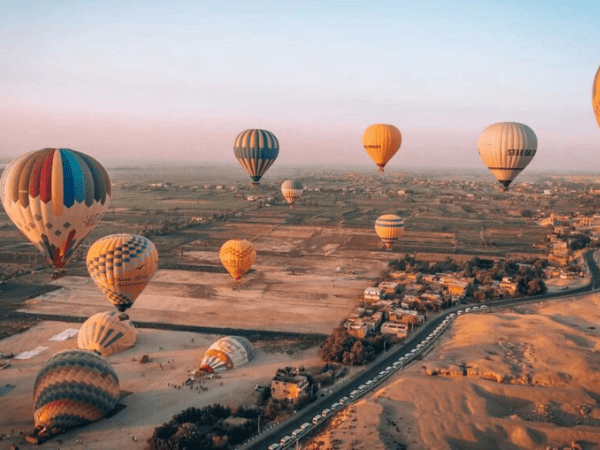
Experience Luxor from the sky on a sunrise hot air balloon tour featuring a 45-minute flight above the Nile, Valley of the Kings, Hatshepsut Temple and the ancient West Bank landscape, with hotel pickup and return.

4 Days Cairo and Luxor Tour Package Pyramids, Old Cairo & Luxor Temples by Flight
Egypt Classic Tour Packages
4 days / 3 nights
4 Days Cairo and Luxor Tour Package Pyramids, Old Cairo & Luxor Temples by Flight

Discover Cairo and Luxor in 4 days with a private Egypt tour combining the Giza Pyramids, Old Cairo, NMEC and a full Luxor day tour by domestic flight. Visit Karnak Temple, the Valley of the Kings, Hatshepsut Temple and the Colossi of Memnon with expert guiding, private transfers and 5-star Cairo hotel accommodation.

8 Day Egypt Family Tour Package | Cairo, Luxor & Hurghada Family-Friendly Vacation
Egypt Family Travel Packages
8 days / 7 nights
8 Day Egypt Family Tour Package | Cairo, Luxor & Hurghada Family-Friendly Vacation

Enjoy a private 8-day Egypt family vacation combining the Giza Pyramids and Grand Egyptian Museum with Luxor’s ancient temples, relaxing Red Sea days in Hurghada and the historic treasures of Old Cairo.

11-Day Egypt Tour: Giza Pyramids, Nile Temples & Red Sea Relaxation
Luxury Egypt Tour Packages
11 days / 10 nights
11-Day Egypt Tour: Giza Pyramids, Nile Temples & Red Sea Relaxation

Experience an 11-day luxury Egypt tour combining the Giza Pyramids and GEM with a five-star Nile cruise from Aswan to Luxor and four relaxing nights in Hurghada.