

Belbeis Virgin Mary Tree | Holy Family Trail Guide | Egypt Tours Club
Belbeis Virgin Mary Tree | Holy Family Trail Guide . banner

Belbeis Virgin Mary Tree | Holy Family Trail Guide

Egypt Tours Club

Explore Belbeis with a licensed local Egyptian travel team

Sharqia · Belbeis · Holy Family Route

Belbeis Virgin Mary Tree Tradition: Holy Family Guide

Explore the Coptic and local tradition that the Holy Family rested beneath a tree at Belbeis in the eastern Nile Delta. Plan this specialist heritage stop with St George Church, nearby Tel Basta and other Holy Family sites, while distinguishing living religious memory from archaeological proof and confirming local access before departure.

Quick Travel Answer

Is the Belbeis Virgin Mary Tree an original first-century tree?

No source reviewed for this guide proves that a living tree in Belbeis dates to the first century. Coptic and local sources preserve a tradition that the Holy Family rested beneath a tree here; visit for that living religious memory, not as a scientifically dated archaeological object.

Belbeis is most rewarding for travelers following the Holy Family route or studying Coptic heritage. It is not a conventional ticketed monument, so confirm the exact meeting point, current physical setting, church access and any local guide before leaving Cairo.

Browse Cairo Day Tours

Follow the tradition with context

Six essential Belbeis heritage highlights

Use each highlight to understand the Belbeis tradition, connect it with the wider Holy Family route and combine the city carefully with church heritage, Tel Basta, Mostorod, Matariya or Cairo.

Upper church interior at St George Church in Belbeis Sacred memory

Belbeis in Holy Family tradition

Rest beneath a treeLiving tradition

Coptic and local accounts identify Belbeis, historically known as Philippos, as a stop after Mostorod and preserve the tradition that the Holy Family rested beneath a tree. These accounts express religious memory; they do not by themselves date a surviving tree or archaeological layer.

Nineteenth-century view of Belbeis painted by Edward Lear Local church

St George Church in Belbeis

Active worshipAccess varies

Photographs document a St George Church in Belbeis and its upper church. Treat it as an active place of worship: confirm current entry, services, photography and any connection made locally with the Holy Family tradition before your visit.

Archaeological ruins at Bubastis, ancient Tel Basta near Zagazig Historical landscape

Belbeis across the centuries

Eastern Delta cityLayered history

Belbeis has a history far broader than the pilgrimage tradition. A nineteenth-century view by Edward Lear records the city’s landscape, while Coptic sources note its former ecclesiastical importance. Use the image as historical context, not as evidence for the tree narrative.

Statue of Ramesses II at Tell Basta in Sharqia Governorate Eastern Delta route

Pair Belbeis with Tel Basta

Near ZagazigSeparate site

Tel Basta, ancient Bubastis, is a distinct archaeological destination near Zagazig. It can add Pharaonic and Delta history to a Belbeis day, but confirm current access and transport rather than treating both places as one attraction.

Virgin Mary Tree heritage setting in Matariya, Cairo Evidence and belief

Archaeology versus tradition

Different evidenceClear language

The archaeological remains at Tel Basta and the sacred tradition at Belbeis should be described differently. Material remains can be studied as archaeology; stories of the rest beneath the tree and the reported miracle belong to the area’s Coptic and local religious tradition.

Coptic icon depicting the Flight of the Holy Family into Egypt Related Marian site

Compare Cairo’s Mary’s Tree

Separate locationShared route theme

Mary’s Tree in Matariya is a different Cairo attraction with its own tradition and visitor setting. Comparing it with Belbeis helps travelers understand how multiple Egyptian communities preserve memories of the Holy Family journey without confusing the two places.

Choose by available time

Three realistic Belbeis visit plans

Keep the day flexible because the Belbeis tradition is not managed as one standard ticketed attraction. Every plan depends on the confirmed meeting point, church arrangements, road conditions and the current access of any paired site.

2–3 hours

Focused Belbeis heritage visit

  • Meet your guide at a confirmed central point in Belbeis.
  • Hear the Holy Family tradition with its religious context made explicit.
  • Visit St George Church only when current access has been arranged.
  • Leave time for quiet reflection and respectful photography permissions.
Review Cairo Day Tours
Full day

Belbeis and Tel Basta

  • Travel from Cairo with both destinations pinned before departure.
  • Visit the confirmed Belbeis heritage point and church context first.
  • Continue toward Zagazig for the separate Tel Basta archaeological stop.
  • Keep the return flexible around traffic and current site access.
Request a private Delta route
Private day

Belbeis with Mostorod or Matariya

  • Choose one Cairo-area Holy Family site rather than rushing several distant stops.
  • Confirm church services, closures and photography rules independently.
  • Use accurate language for tradition, living heritage and physical evidence.
  • Finish with Coptic Cairo only when the day’s timing remains realistic.
Explore Mostorod Church

Planning note: The Belbeis Virgin Mary Tree tradition is not one centrally managed archaeological attraction with a reliable published timetable or standard ticket. Before travel, confirm the exact heritage point, current tree status, church access and service schedule, photography rules, donations, local guide and transport. The map coordinates provide approximate Belbeis city context, not a verified tree point; do not describe a living tree as a first-century original without verifiable evidence.

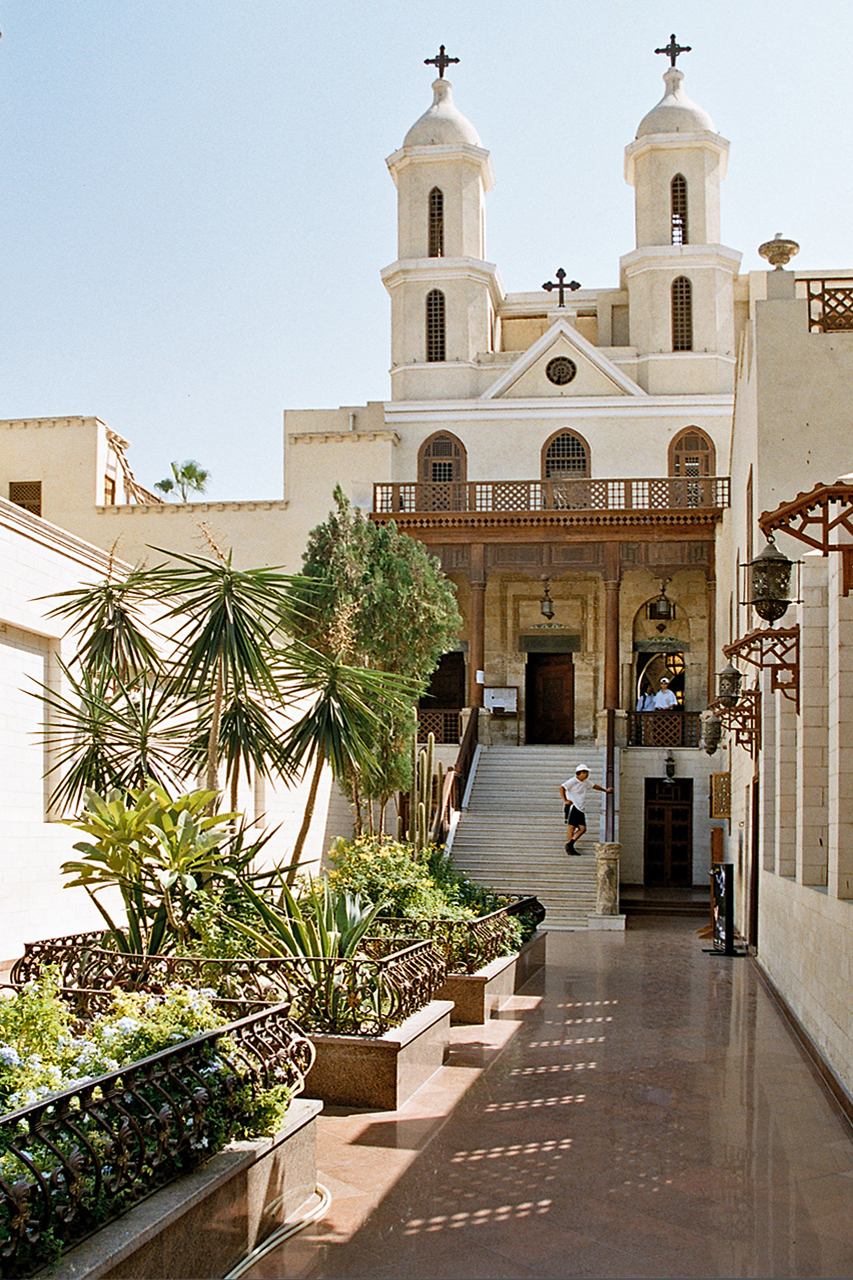
The Hanging Church in Coptic Cairo, Egypt

Trusted Holy Family, Heritage and Image Sources

Verify the route, Belbeis tradition and UNESCO context

Egypt’s official route publication maps Belbeis within the Holy Family journey. Blessed Egypt records the local tradition, UNESCO documents the living festivals related to the journey, and Wikimedia Commons provides licensed photographs of Belbeis and connected heritage places.

Image credits: St George Church in Belbeis by Roland Unger (CC BY-SA 3.0); Belbeis by Edward Lear (public domain); Bubastis and Tell Basta images by Einsamer Schütze and Roland Unger (CC BY-SA 3.0); Matariya Virgin’s Tree by Roland Unger (CC BY-SA 3.0); Flight into Egypt icon by Ahmed Nagi (CC BY-SA 4.0); Hanging Church image by Przemyslaw Idzkiewicz and MrPanyGoff (CC BY-SA 2.5). Confirm all local access before travel.

Useful answers before you go

Belbeis Virgin Mary Tree frequently asked questions

Direct answers about the tradition, location, official route context, Tel Basta pairing, access, respectful conduct and practical preparation for visiting Belbeis in Sharqia.

Is the Belbeis Virgin Mary Tree an original first-century tree?

No reliable source reviewed here proves that a present-day Belbeis tree is the original tree from the first century. The significance lies in Coptic and local tradition. Ask a local church or qualified guide what physical site can currently be visited and how it is interpreted.

What does Coptic tradition say happened at Belbeis?

Tradition says the Holy Family rested beneath a tree at Belbeis. Local accounts also preserve a miracle story involving a child restored to life. These are religious narratives and should be presented as tradition, not independently verified historical events.

Is Belbeis on Egypt’s official Holy Family route?

Belbeis appears on the route map in Egypt’s official Experience Egypt publication. Route summaries can select or group stops differently, so use the current official map and local church coordination when building an itinerary.

Where is Belbeis?

Belbeis is in Sharqia Governorate in the eastern Nile Delta, about 55 km northeast of Cairo and roughly 20 km south of Zagazig. Travel time varies with the exact start, traffic, road controls and the meeting point.

Can Belbeis be combined with Tel Basta?

Yes. Tel Basta near Zagazig can add a separate archaeological stop to an eastern Delta day. Confirm its current opening arrangements, transport and realistic timing; do not describe Tel Basta and the Belbeis tradition as one site.

Does the Belbeis tradition site have fixed hours or a ticket?

No reliable central published schedule or standard ticket was found for the tradition as a whole. Church entry, local access, services, donations and photography may follow separate arrangements, so reconfirm them close to the visit.

How should visitors behave at the site?

Dress modestly, speak quietly, follow clergy or custodian guidance and ask before photographing worshippers, icons or services. Travelers of every background should treat the place as living sacred heritage rather than a staged photo stop.

What should you bring for a Belbeis visit?

Bring identification, Egyptian-pound cash, drinking water, sun protection, a charged phone and the confirmed pin and driver contact. Carry any church access details and allow extra time for road traffic and local coordination.

Private Holy Family Planning

Build a careful Belbeis heritage route

Share your dates, Cairo or Giza pickup, group size, mobility needs and preferred Holy Family sites. Egypt Tours Club can help confirm the Belbeis meeting point, transport, church arrangements and a realistic pairing with Tel Basta, Mostorod, Matariya or Coptic Cairo.