

Best for
Islamic architecture, carved wood, historic interiors, decorative arts, intimate courtyards and old-Cairo atmosphere.
Islamic Cairo · Historic house museum visitor guide
Walk through two connected Ottoman-period houses beside Ibn Tulun Mosque, with mashrabiya screens, painted rooms, historic furniture and collections assembled by Gayer-Anderson Pasha.
Quick travel answer
The Gayer-Anderson Museum is worth visiting for one of Cairo's most atmospheric historic-house experiences. The building is not a neutral container for objects: courtyards, reception halls, mashrabiya screens, painted ceilings and a roof terrace are central parts of the collection.
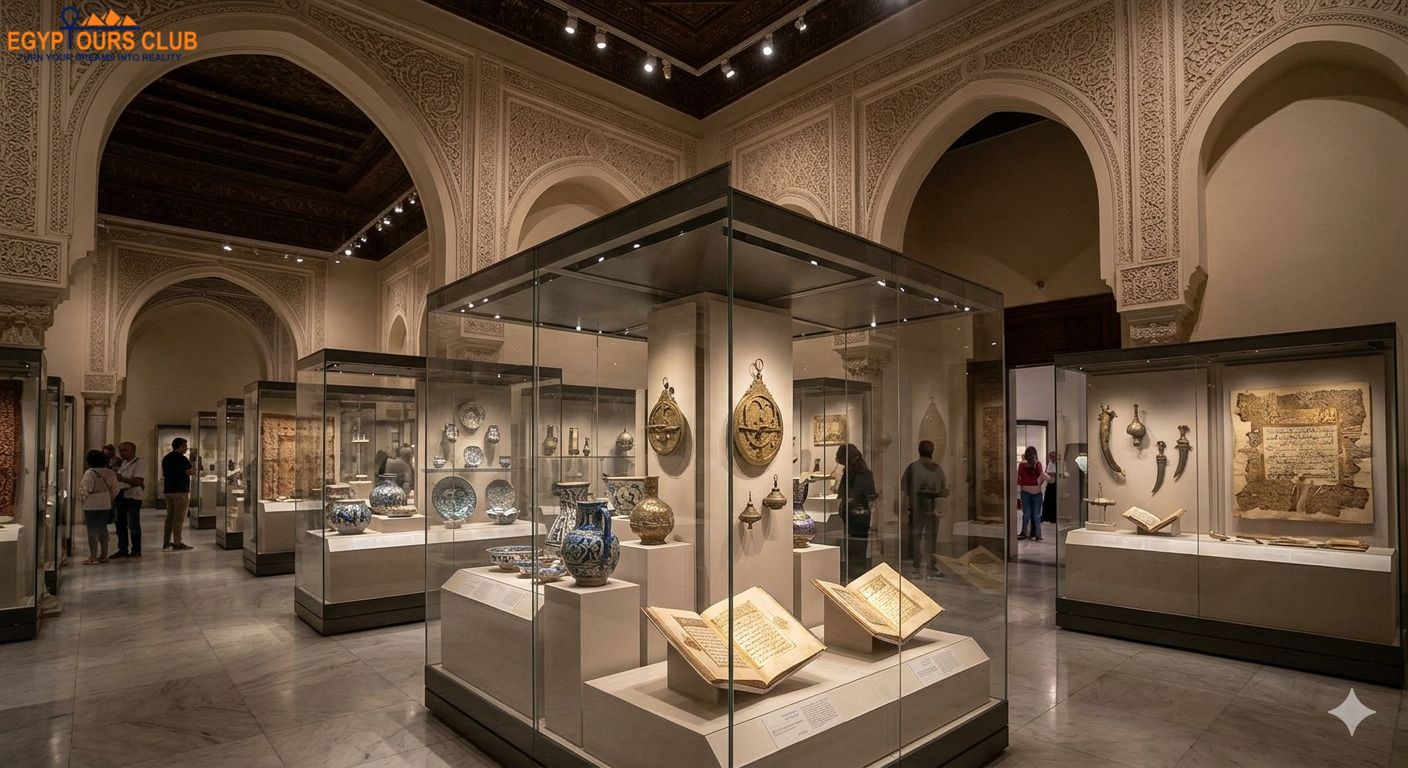
It suits travelers interested in Islamic domestic architecture, decorative arts, photography and quieter heritage sites. The rooms combine Egyptian, Islamic, Persian, Syrian, Chinese and European objects collected by Major Robert Grenville Gayer-Anderson.
Allow 1.5 to 2 hours, then walk directly into the adjoining Islamic Cairo route, beginning with Ibn Tulun Mosque.
At a glance
Known as Bayt al-Kritliyya, or the House of the Cretan Woman, the museum joins two houses into a layered route through domestic architecture, collected objects and twentieth-century museum history.
Islamic architecture, carved wood, historic interiors, decorative arts, intimate courtyards and old-Cairo atmosphere.
Use 90 minutes for the essential rooms or 2 hours when studying displays, viewpoints and architectural details.
The courtyard, ceremonial reception hall, mashrabiya screens, Persian and Damascus rooms, bridge and roof views.
Visit Ibn Tulun Mosque immediately before or after, then continue toward Sultan Hassan, Al-Rifa'i and the Citadel.
Use a taxi, ride-hailing car or guided transfer; the entrance sits within dense historic streets south of central Cairo.
A guide explains how privacy, airflow, hospitality and family life shaped the plan, screens and room hierarchy.
Two houses · One museum
The older house was built in 947 AH/1545 AD by the scholar Abd al-Qadir al-Haddad and later belonged to Amina bint Salem. The second was built in 1041 AH/1631 AD for Hajj Muhammad ibn Salem ibn Jilmam al-Jazar. It later became associated with a Cretan woman, giving the complex its name Bayt al-Kritliyya.
In 1935, Gayer-Anderson received permission from the Committee for the Conservation of Arab Art Monuments to live in the houses and furnish them with his collection. He left Egypt in 1942, when the connected houses and contents passed to the Egyptian authorities and became a museum.
The route preserves features designed for climate and privacy: an internal courtyard, separate reception and family zones, wooden mashrabiya screens, lofty halls, storage spaces and a bridge joining the upper floors.
Abd al-Qadir al-Haddad builds the residence later associated with Amina bint Salem.
Hajj Muhammad ibn Salem ibn Jilmam al-Jazar builds the house later known as Bayt al-Kritliyya.
He receives permission to occupy, restore and furnish the two historic houses with his growing collection.
After Gayer-Anderson leaves Egypt, the state takes possession and opens the connected homes as a public museum.
Visitors experience architecture and objects together beside the ninth-century Mosque of Ahmad Ibn Tulun.
What to notice
Room names and display access can change, but these architectural features and collections explain what makes this specific Cairo attraction exceptional.

Begin with the inward-facing courtyard. Its controlled openings, water element and shaded circulation show how a Cairo residence balanced privacy, light and ventilation.
Check the official museum history
Look for raised iwans, marble paving, high ceilings and a central lantern. The formal reception rooms turn hospitality into architecture.
Use the room-by-room route
Study the turned-wood latticework closely. Screens managed sunlight and air while allowing household members to observe spaces without losing privacy.
Compare more Islamic Cairo details
Gayer-Anderson arranged objects by cultural association. Treat these rooms as a twentieth-century collector's interpretation, not unchanged period interiors.
Read the official tourism overview
The Egyptian objects include a replica associated with the famous Gayer-Anderson Cat. The original bronze cat is held by the British Museum in London.
Search the British Museum collection
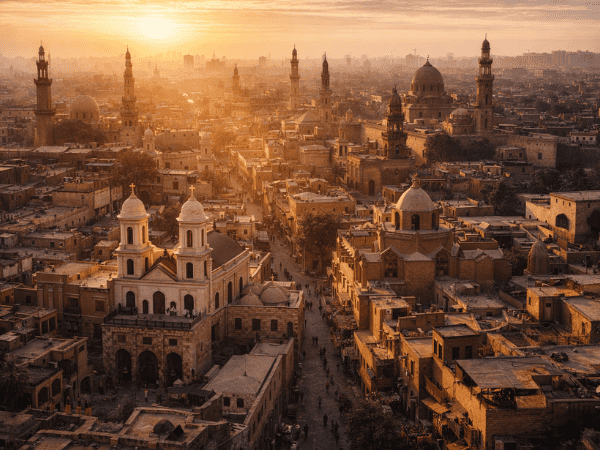
The upper bridge reveals how the houses were joined. Where access is open, roof-level viewpoints place the museum beside Ibn Tulun Mosque and the wider historic skyline.
Continue to the Citadel skylineCurrent visitor information
These details were checked against the official Egyptian Ministry listing on 3 August 2026. Prices, Ramadan schedules, room access and photography fees can change, so confirm again shortly before travel.
| Visitor detail | Current information and practical advice |
|---|---|
| Location | Beside the southeastern wall of the Mosque of Ahmad Ibn Tulun in Sayyida Zeinab, Cairo. |
| Opening hours | Daily, 9:00 AM–5:00 PM. The official ticket window closes at 4:00 PM. |
| Ramadan hours | The official listing states 9:00 AM–3:00 PM, with the last ticket at 2:00 PM. Reconfirm for your exact date. |
| Foreign admission | Adult EGP 100; eligible student EGP 50. Bring valid student identification for the reduced rate. |
| Egyptian admission | Adult EGP 10; student EGP 5. Official free-entry categories and conditions are listed on the Ministry page. |
| Recommended duration | Plan 1.5–2 hours for architecture, main rooms and displays; allow longer if the museum is busy or you read labels closely. |
| Photography | Private photography is permitted after paying the applicable photography fee. Flash is prohibited. Video and commercial work require the relevant ticket or prior authorization. |
| Bags | Large bags, luggage and parcels over 40 × 40 cm are not allowed in the galleries; use the cloakroom where directed. |
| Mobility | This is a multi-level historic house with stairs, narrow circulation and thresholds. Confirm the current accessible route before visiting if step-free access is essential. |
| Children | Children must remain with an adult. The narrow stairs, balconies, fragile interiors and low barriers require close supervision. |
| Best combined with | Ibn Tulun Mosque first, then Sultan Hassan and Al-Rifa'i mosques, the Citadel or a wider Islamic Cairo walk. |
Best visit order
Follow the architecture from inward-facing domestic spaces to ceremonial rooms and upper viewpoints, then use Ibn Tulun Mosque to widen the historical story.
Identify the two-house plan, shaded circulation, water element and small openings before concentrating on individual objects.
Compare the qa'a, raised seating zones, marble floor patterns, high ceiling and central lantern as one hospitality system.
Notice mashrabiya screens, doors, passage turns and separate family spaces. These functional details explain the house better than isolated decoration.
Use the Persian, Damascus, Chinese, Queen Anne and Pharaonic rooms to understand Gayer-Anderson as a twentieth-century collector.
Cross the bridge and use available roof views to see how the houses relate physically to the neighboring Ibn Tulun Mosque.
Visit Ibn Tulun Mosque, then choose Sultan Hassan, Al-Rifa'i or the Citadel. Use the Islamic and Coptic Cairo guide for a wider route.


Continue your Cairo heritage route
The museum sits in a dense historic area. Choose two or three nearby stops rather than forcing every Old Cairo and Islamic Cairo attraction into one rushed day.
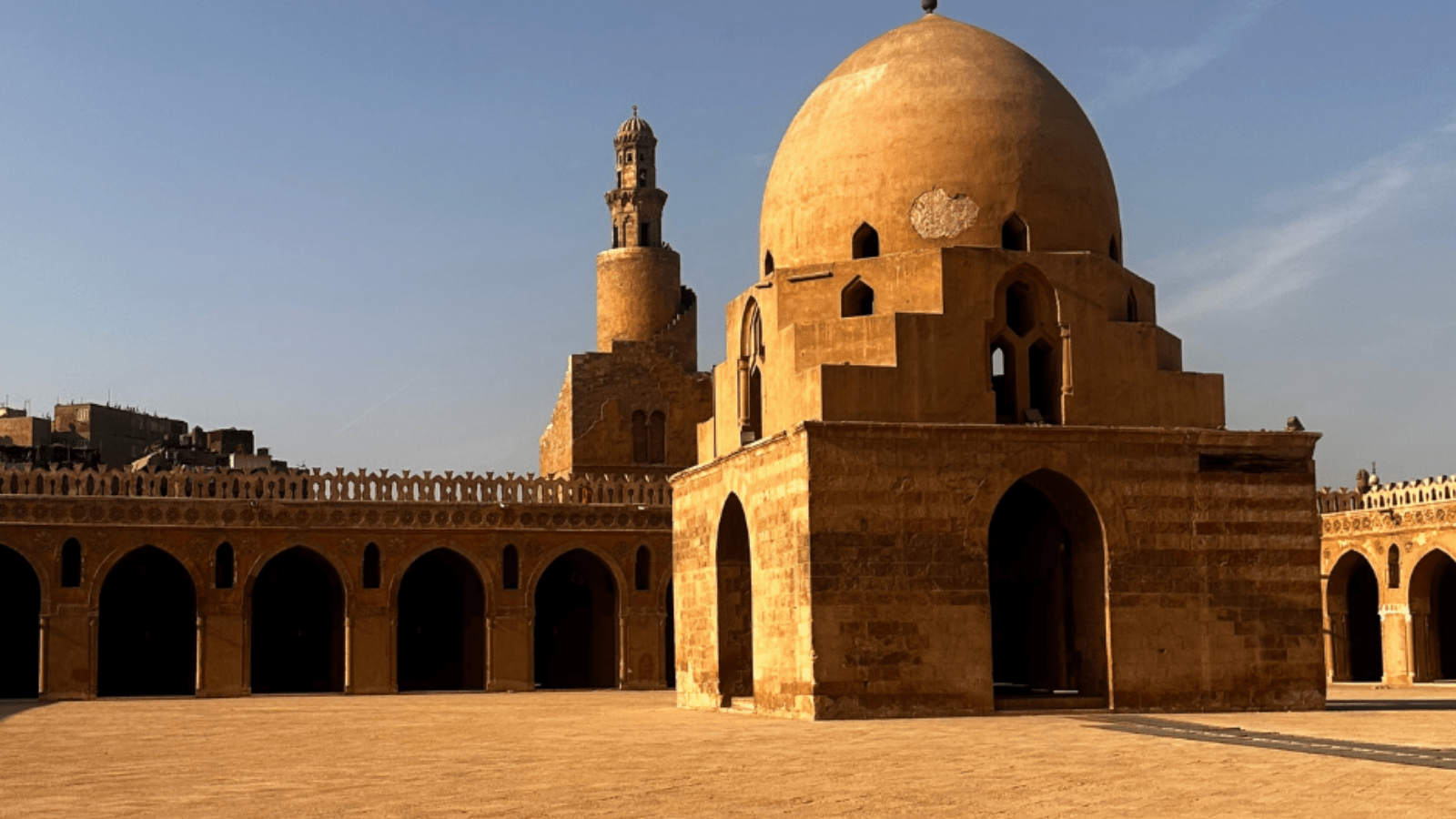
Walk directly into one of Cairo's oldest surviving mosques and compare its vast open courtyard with the museum's inward domestic scale.
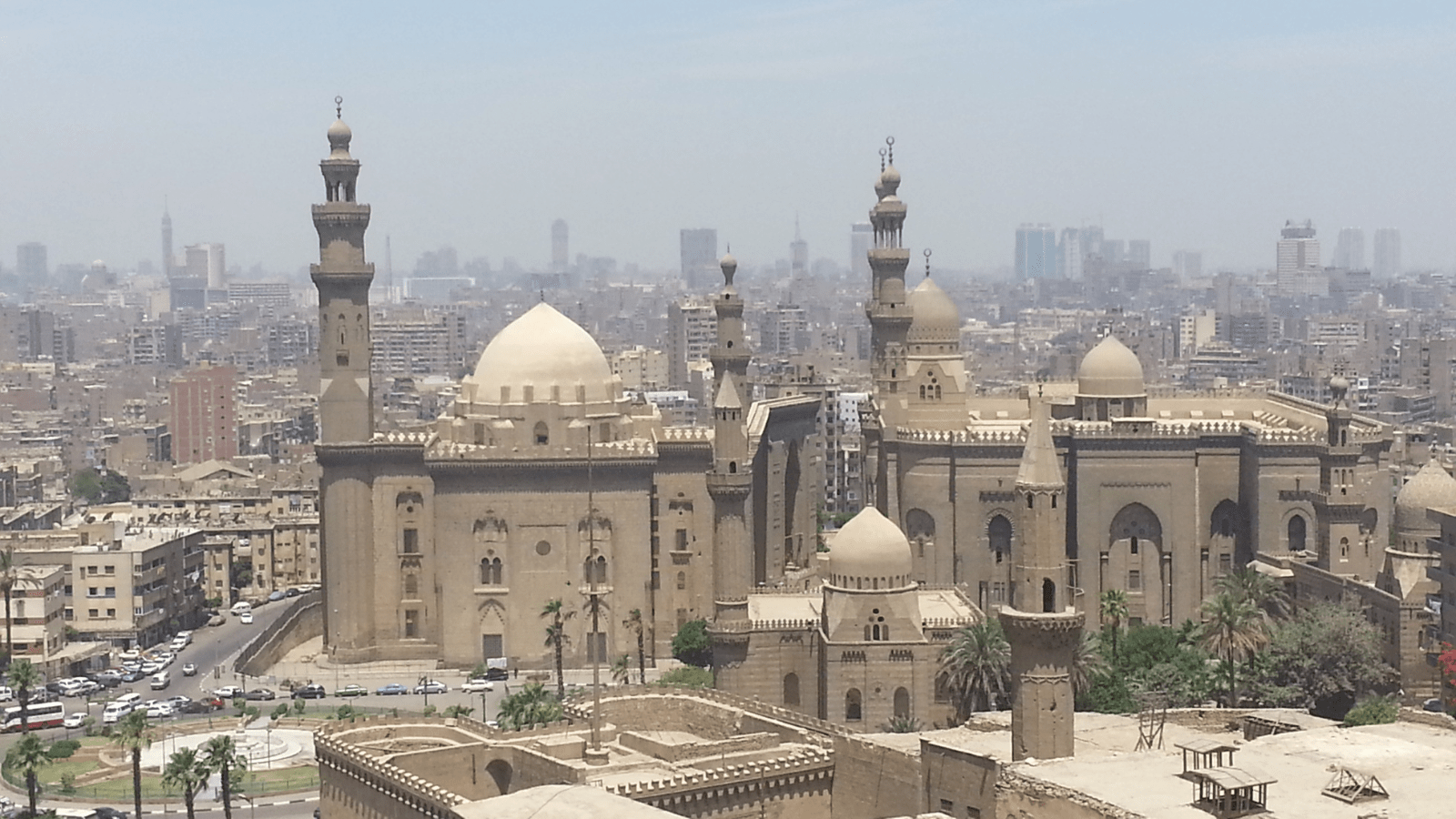
Continue northeast to a monumental fourteenth-century mosque-madrasa whose scale sharply contrasts with the two houses.
Add the Citadel for Ottoman mosque architecture, skyline views and a broader Cairo heritage itinerary.
Use a guided walk to compare façades, sabils, madrasas, carved doors and mashrabiya details across medieval Cairo.
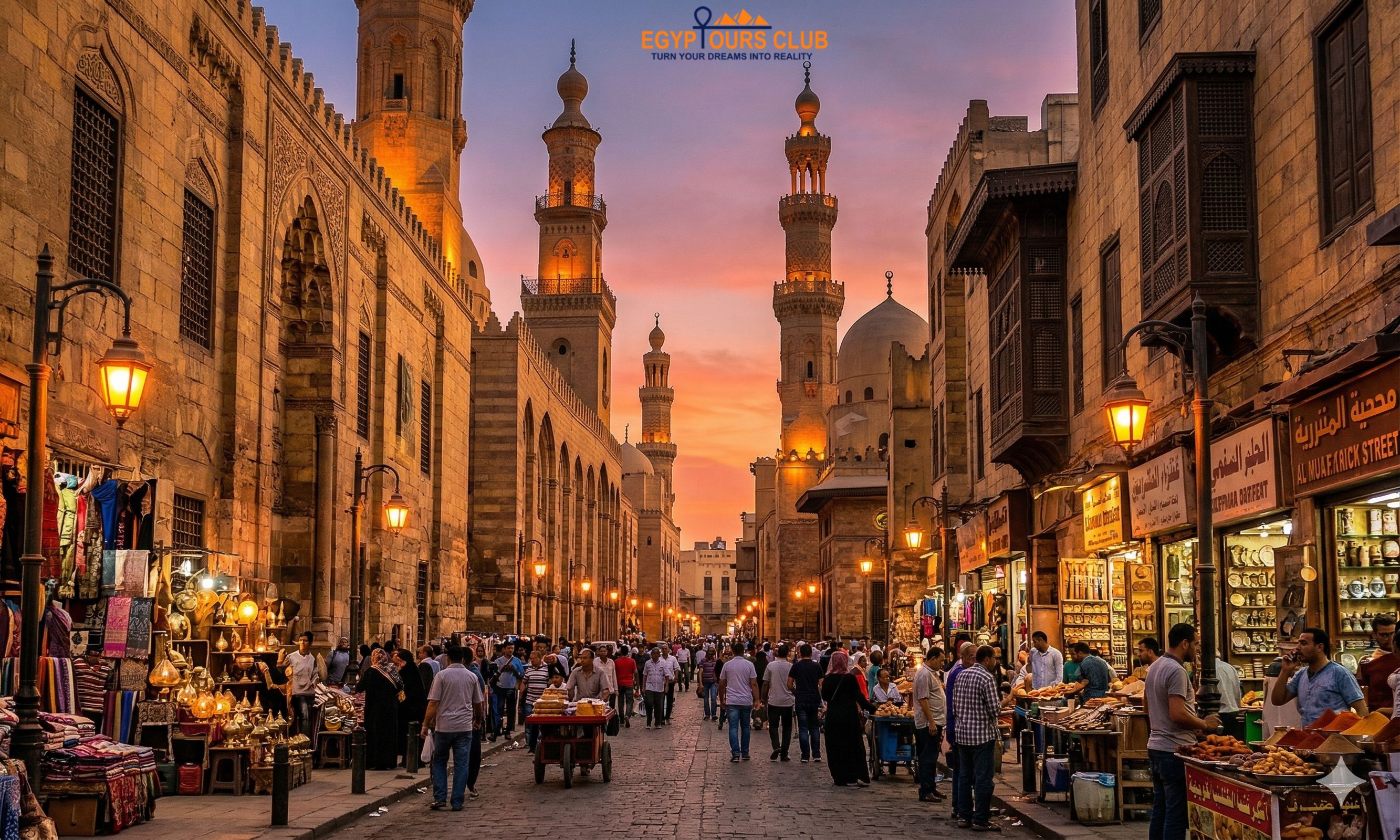
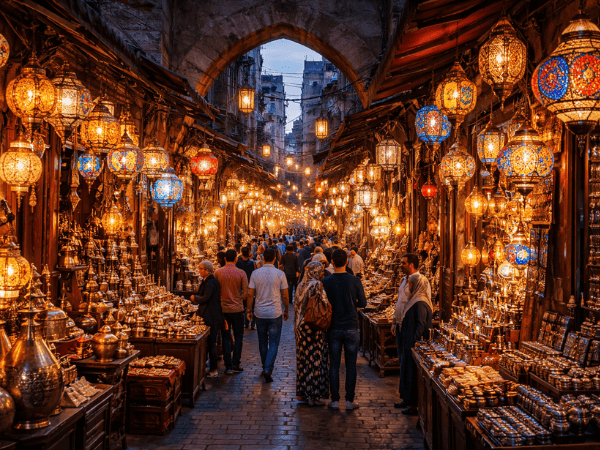
Finish later in the day among bazaar lanes, lamps, cafés and historic-market atmosphere.
Connect the house museum with churches, mosques, historic streets and the Citadel using private transport and a guide.
Trusted visitor references
Egypt Tours Club pages help organize the route. Official sources should be used for last-minute ticket, opening-hour, photography and room-access changes.
Official Ministry history, tickets, hours, Ramadan schedule, photography rules and visitor policies.
Open the official museum page ↗Official Egyptian Tourism Authority overview of the historic house and its furniture, carpets and collected objects.
Read the official tourism overview ↗A Ministry-linked Matterport visit useful for previewing the house layout, stairs, rooms and circulation.
Open the virtual museum tour ↗Frequently asked questions
Direct answers for planning this specific historic-house museum beside Ibn Tulun Mosque.
It is beside the southeastern wall of the Mosque of Ahmad Ibn Tulun in the Sayyida Zeinab district of Cairo. A taxi, ride-hailing car or guided transfer is usually simplest.
The official listing shows daily opening from 9:00 AM to 5:00 PM, with the last ticket at 4:00 PM. Ramadan hours are listed as 9:00 AM–3:00 PM with the last ticket at 2:00 PM; reconfirm for your date.
As checked on 3 August 2026, foreign admission is EGP 100 for adults and EGP 50 for eligible students. Egyptian admission is EGP 10 for adults and EGP 5 for students.
Plan about 1.5 to 2 hours. Architecture and interior-design enthusiasts may want closer to 2.5 hours when all main rooms and upper levels are open.
Prioritize the courtyard, qa'a reception hall, mashrabiya screens, family quarters, Persian and Damascus rooms, bridge between the houses and available roof views.
The official policy permits private photography after payment of the applicable fee and prohibits flash. Video requires the appropriate ticket, while commercial filming or photography needs prior permission.
The museum occupies multi-level historic houses with stairs, narrow passages and thresholds. Confirm the current accessible route before visiting if step-free access is essential.
One of the two houses later belonged to a woman from Crete, giving it the name Bayt al-Kritliyya. The joined complex is now better known as the Gayer-Anderson Museum.
Yes. The house is widely recognized as a filming location in the 1977 James Bond film The Spy Who Loved Me. Treat the film connection as a bonus; the architecture remains the main reason to visit.
Start with the adjoining Ibn Tulun Mosque. With more time, add Sultan Hassan and Al-Rifa'i mosques, the Citadel, Al Muizz Street or Khan El Khalili.
Egypt Tours Club · Islamic Cairo planning
Share your Cairo hotel area, travel date, number of visitors, guide language and walking comfort. Our local team can pair the museum with Ibn Tulun Mosque, Sultan Hassan, the Citadel, Al Muizz Street or Khan El Khalili.