

Red Monastery of Saint Bishay | Sohag Coptic Guide | Egypt Tours Club
Red Monastery of Saint Bishay . banner

Red Monastery of Saint Bishay

Egypt Tours Club

Sohag Coptic heritage planning by a licensed local Egypt travel team

Red Monastery · Saint Bishay · Sohag Coptic Art

Red Monastery Saint Bishay Visitor Guide: Frescoes, Architecture & Sohag Coptic Heritage

Discover Deir Al-Ahmar near Sohag through its Late Antique painted triconch sanctuary, red-brick architecture, Saint Bishay tradition and the strongest Upper Egypt routes linking the Red Monastery with the White Monastery, Abydos and Luxor.

Quick Travel Answer

Why visit the Red Monastery of Saint Bishay in Sohag?

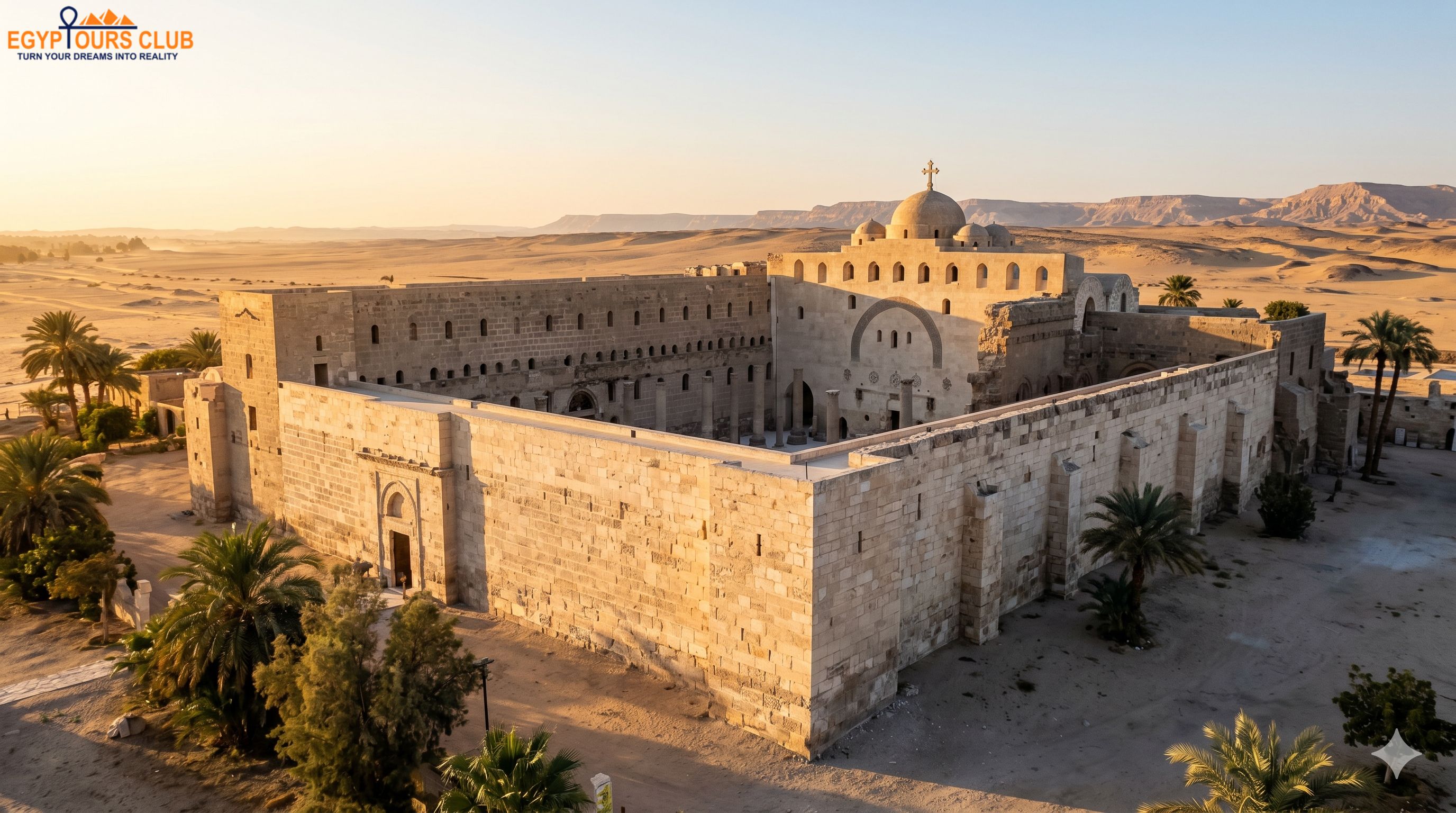
The Red Monastery, also called Deir Al-Ahmar, is one of Upper Egypt’s most important Coptic heritage sites. Its defining feature is the richly painted Late Antique triconch sanctuary, where classical architectural forms, layered wall paintings and early Christian iconography survive on an exceptional scale.

For the clearest visit, allow around two hours and pair the monastery with the nearby White Monastery. Travelers based in Luxor can extend the journey through Abydos for a full Upper Egypt heritage route that connects Pharaonic sacred art with early Christian monastic architecture.

Explore Sohag Monastery Routes
Coptic Art & Architecture

The essential highlights of the Red Monastery

Use these six stops to read Deir Al-Ahmar as a complete Late Antique monastic landscape: painted sanctuary, Saint Bishay tradition, architecture, defensive history and the wider Sohag heritage route.

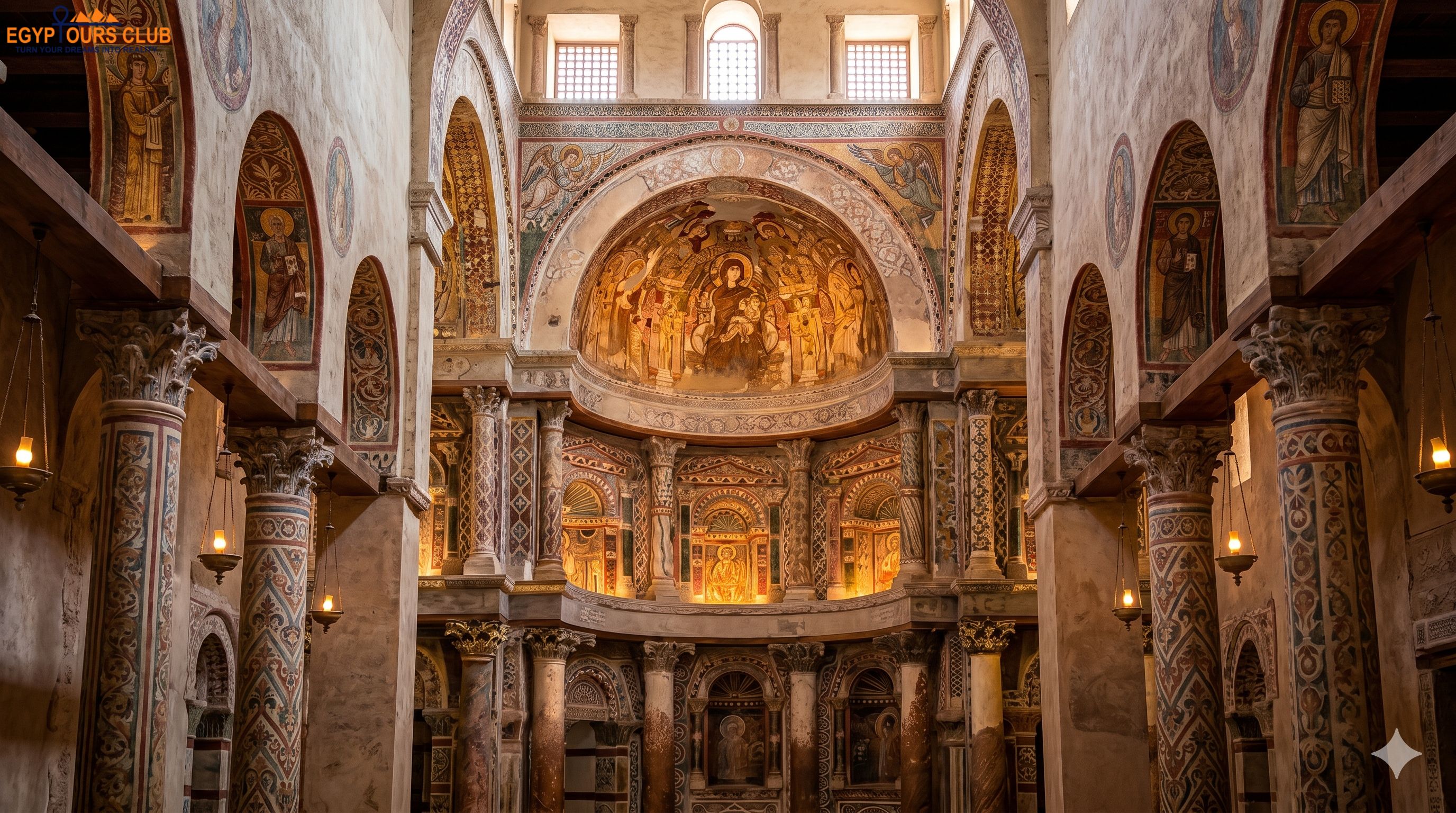
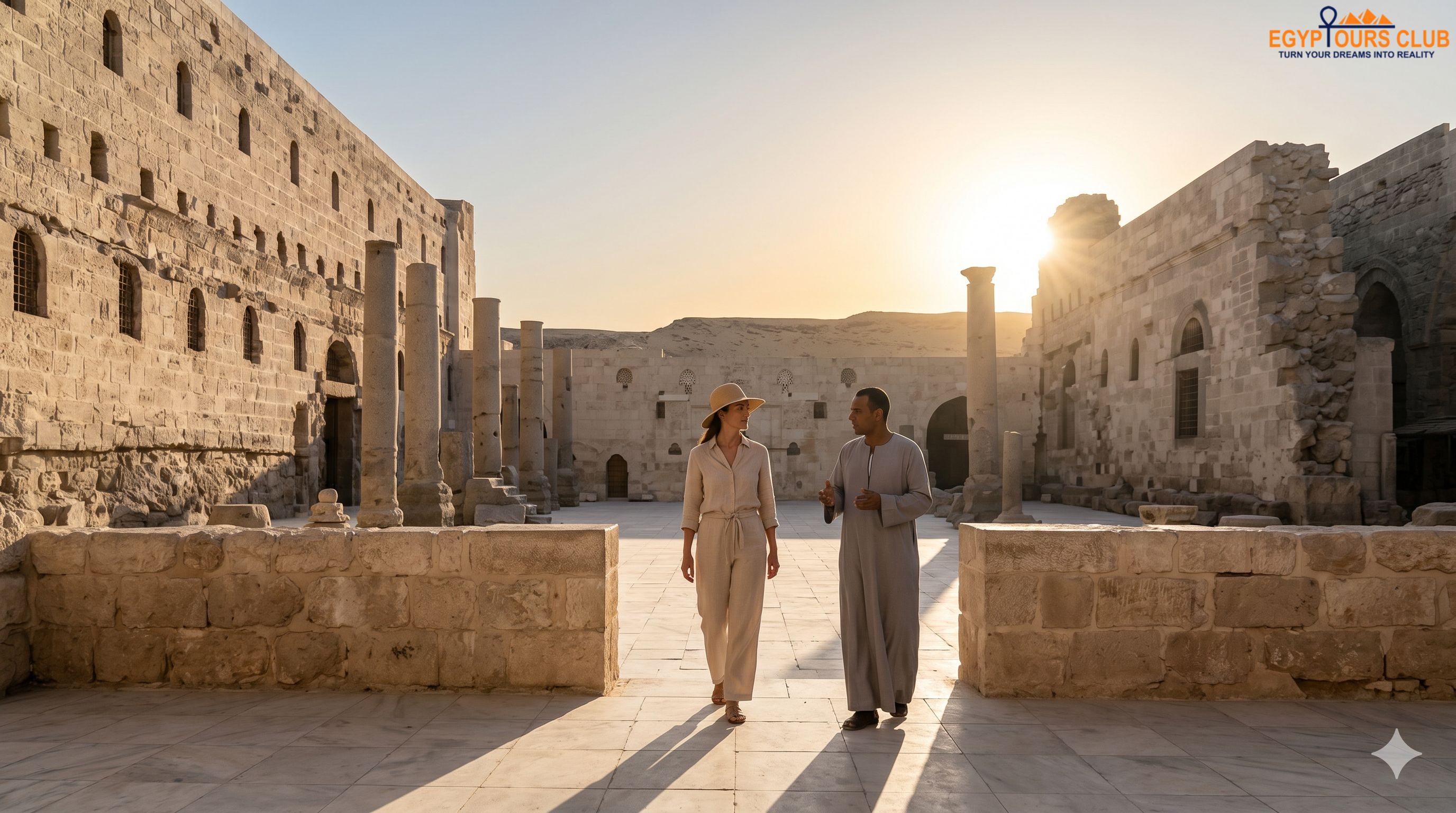
Painted triconch sanctuary and Coptic frescoes inside the Red Monastery of Saint Bishay in SohagCoptic Art Masterpiece

Painted Triconch Sanctuary

Late Antique artRestored frescoes

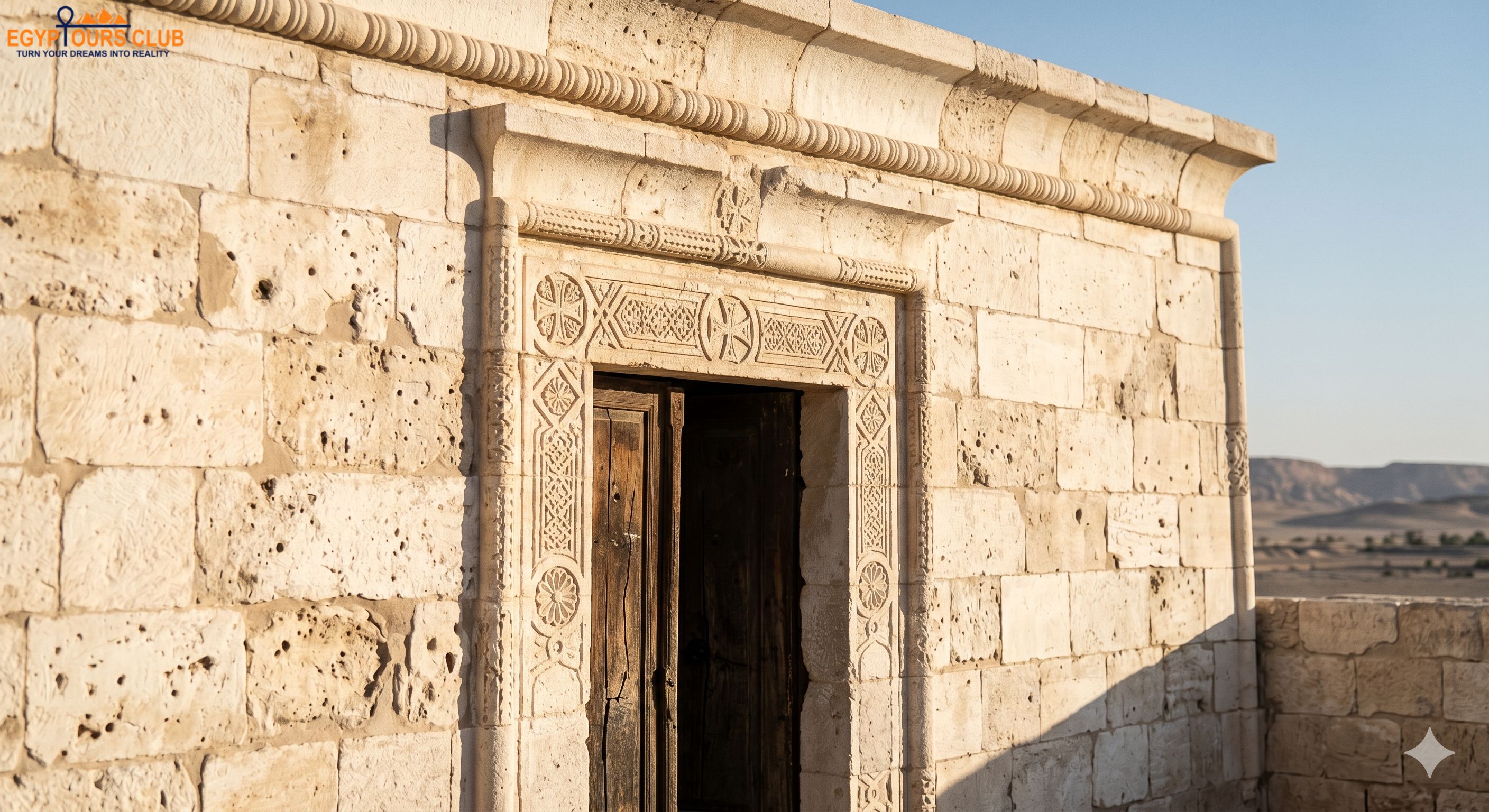
The monastery’s visual centerpiece is the three-lobed sanctuary with tiered classical columns, carved capitals and surviving polychrome decoration from the Late Antique and early medieval periods.

Guided Coptic heritage visit in the Sohag monastery landscape of Upper EgyptMonastic History

Saint Bishay & the Shenoute Federation

5th-century monasticismSohag heritage

Saint Bishay is remembered in Coptic tradition as an Upper Egyptian ascetic associated with Saint Shenoute’s wider monastic federation, which connected the Red Monastery, White Monastery and nearby communities.

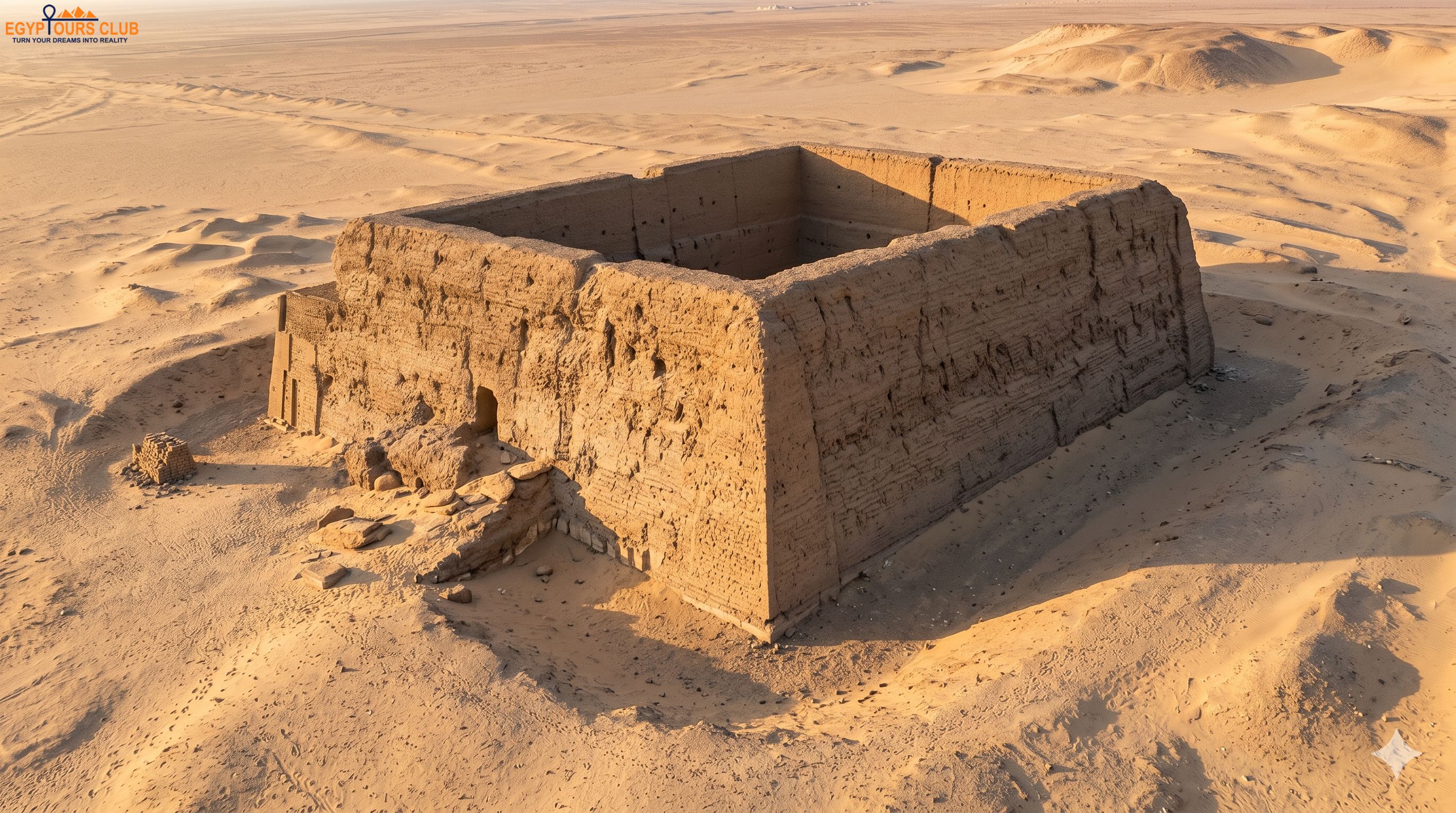
Aerial view of a fortified Coptic monastery complex in the Sohag desert landscapeFortified Monastic Life

Historic Defensive Keep — Al-Qasr

Medieval defenseMonastic survival

The fortified keep reflects the practical security needs of desert monastic communities. Such towers provided protected space, storage, water and a chapel during periods of insecurity.

White Monastery of Saint Shenouda near Sohag in Upper EgyptEssential Companion Site

White Monastery — Deir Al-Abyad

Saint Shenouda4 km away

Visit the White Monastery after Deir Al-Ahmar to compare vivid painted interiors with monumental pale limestone architecture and understand the two monasteries as one Sohag Coptic heritage story.

Abydos desert archaeological landscape in Sohag Governorate, Upper EgyptUpper Egypt Heritage Route

Abydos, Sohag Museum & Monastery Route

Sacred Upper EgyptFull-day planning

For a deeper journey, connect Sohag’s monasteries with the Temple of Seti I at Abydos and the Sohag National Museum, creating a route across Pharaonic, Late Antique and Coptic heritage.

Choose by Available Time

The strongest Red Monastery and Sohag heritage routes

Keep the day geographically realistic: a focused twin-monastery visit, an Abydos–Sohag full day from Luxor, or a slower multi-day Upper Egypt route.

3–5 hours

Red & White Monasteries of Sohag

  • Start at the Red Monastery and spend time in the painted sanctuary.
  • Study the red-brick exterior and monastic keep.
  • Drive the short distance to the White Monastery.
  • Finish with Saint Shenouda history and the architectural contrast.
Plan the Sohag monastery route
Long full day

Abydos, Red & White Monasteries from Luxor

  • Depart Luxor early and drive north toward Abydos.
  • Visit Seti I Temple and the Abydos sacred landscape.
  • Continue to the Red Monastery for its painted triconch.
  • Finish at the White Monastery before returning south.
Build the Abydos & Sohag route
2+ days

Sohag, Dendera, Abydos & Luxor Heritage Journey

  • Use Luxor as the main Upper Egypt travel base.
  • Add Dendera and Abydos for sacred temple art.
  • Spend a focused half day at Sohag’s twin monasteries.
  • Allow time for Sohag National Museum or slower photography.
Request a tailor-made Upper Egypt route

Planning note: The Red Monastery is an active Coptic Orthodox religious site. Opening arrangements, liturgical access and photography rules can change, so confirm local conditions before departure and follow on-site instructions.

Restored painted sanctuary of the Red Monastery of Saint Bishay in Sohag

Trusted Art & Conservation References

Continue with authoritative research on the Red Monastery

Egypt Tours Club links help organize the visitor route. Conservation and museum sources provide deeper context for the monastery’s Late Antique wall paintings, architecture and Coptic heritage.

External sources open in a new tab. Religious access, conservation areas and photography permissions may change; follow current monastery instructions during your visit.

Helpful Travel Answers

Red Monastery Saint Bishay questions before you go

Direct answers for travelers researching Deir Al-Ahmar, its frescoes, Sohag location and the strongest route from Luxor.

What makes the Red Monastery unique in Coptic art history?

Its Late Antique triconch sanctuary preserves an exceptional concentration of painted architectural decoration, Christian iconography and classical columns, making the church one of the most important surviving painted Coptic interiors in Egypt.

Where is the Red Monastery located?

The monastery stands on the western desert edge of Sohag Governorate in Upper Egypt, about 12 kilometers northwest of Sohag city and only a few kilometers from the White Monastery.

Why is it called the Red Monastery?

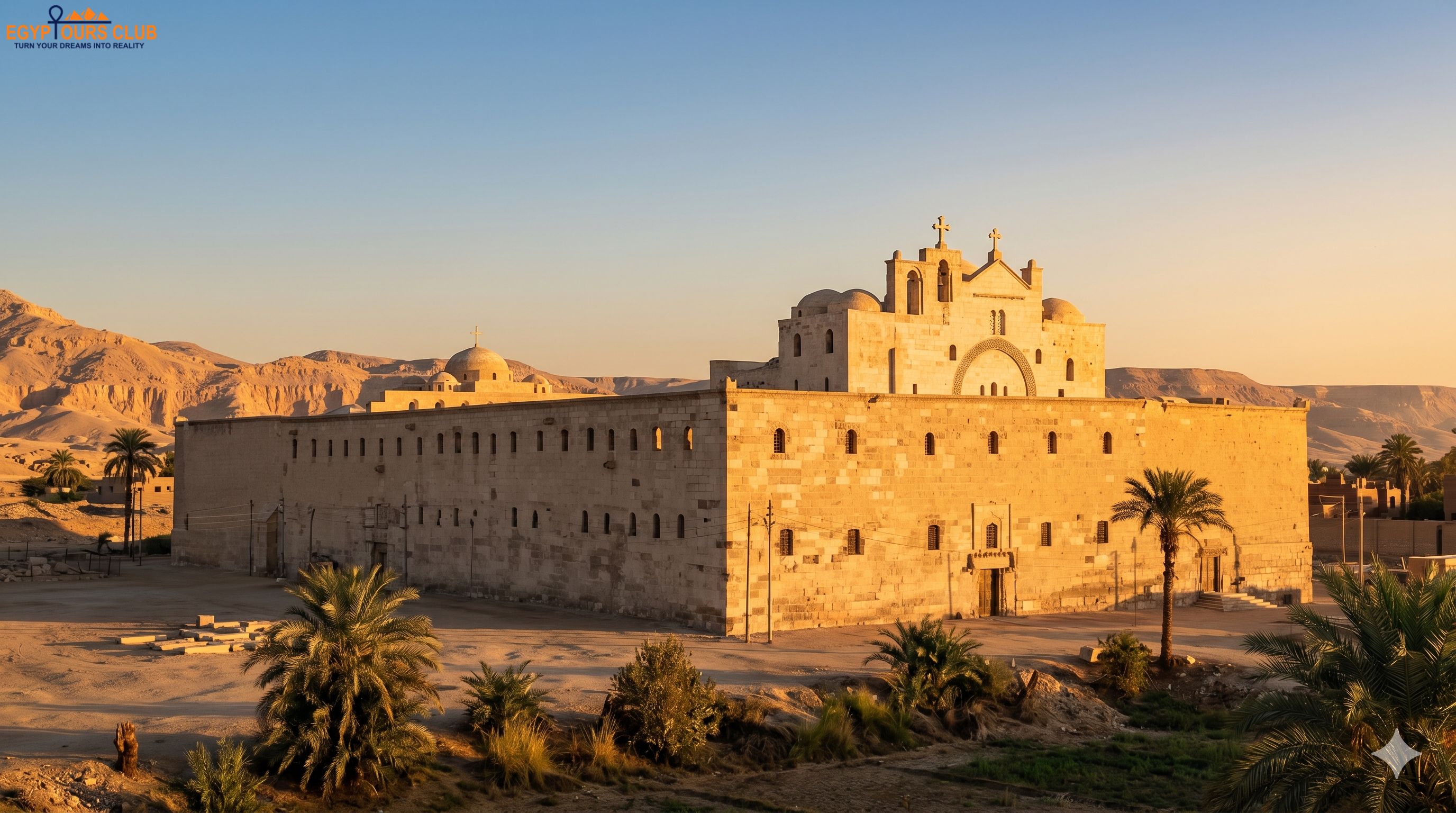
The popular name Deir Al-Ahmar refers to the red fired brick used in the monastery’s monumental exterior walls, creating a strong contrast with the pale limestone of the nearby White Monastery.

Who was Saint Bishay?

The monastery is dedicated to Saint Bishay, an Upper Egyptian ascetic remembered in Coptic tradition and associated with the wider monastic world of Saint Shenoute in the Sohag region.

How long should I spend at the Red Monastery?

Allow roughly 1.5 to 2.5 hours for a focused visit, including time for the basilica, painted sanctuary, architectural details, defensive keep and active monastery grounds.

Can I visit the Red and White Monasteries together?

Yes. The two monasteries are close together and form the strongest single Sohag Coptic heritage route, contrasting the Red Monastery’s painted sanctuary with the White Monastery’s monumental limestone architecture.

Can the Red Monastery be visited as a day trip from Luxor?

Yes, but it is a long road day. A private vehicle and early departure are recommended, especially if you also want to visit Abydos and the White Monastery before returning to Luxor.

What should I know about photography and dress?

The monastery is an active Coptic Orthodox religious site. Wear modest clothing, avoid flash around historic painted surfaces, and follow current instructions from monastery staff regarding interior photography and worship areas.

Private Sohag Heritage Planning

Build the right Red Monastery route before you travel

Share your starting city, date, available time and whether your priority is Coptic art, Christian heritage, Abydos, Dendera or a wider Luxor itinerary. Egypt Tours Club can build a realistic Upper Egypt route.