Licensed guides · Egyptology · archaeology · culture · languages · interpretation
Qualifications · history · culture · archaeology · storytelling
How Knowledgeable Are Egypt Tour Guides About History and Culture?
A strong Egypt guide should do much more than recite dates. A qualified guide connects chronology, archaeology, religion, art, architecture and modern cultural context while adapting the explanation to the traveler. In Egypt, tour guiding is a licensed profession, and the Ministry of Tourism & Antiquities provides licensing, examinations, training and language-addition procedures for professional guides.
Quick Answer
How knowledgeable should an Egypt tour guide be?
A professional guide should be able to place a site inside the wider story of Egypt rather than treating each monument as an isolated attraction. At Giza, that means Old Kingdom kingship, pyramid construction and funerary landscapes. In Luxor, it means New Kingdom religion, royal tombs, temple ritual and changing dynasties. In Old Cairo, it means distinguishing Roman, Coptic, Jewish and Islamic layers.
The strongest guides also know where certainty ends. They should be able to separate archaeological evidence, accepted historical interpretation, religious tradition and popular legend instead of presenting every story as an established fact.
Licensing & Professional Qualification
Tour guiding in Egypt is a regulated profession
A useful distinction is between professional licensing and academic specialization. They overlap, but they are not identical.
Official License
The Egyptian Ministry of Tourism & Antiquities has a formal licensing system for tour guides. Its published services include issuing and renewing professional guide licenses, guide examinations, training courses and adding foreign languages to an existing license.
Training & Examination
The Ministry has also published information about training applicants in historical, archaeological, professional, legal and security subjects, and about examinations required under Egypt's tour-guide law for some applicants.
Language Approval
Foreign-language ability is not just a marketing label. The Ministry has published procedures for guides to add foreign languages to their professional licenses through formal testing.
What a Strong Egypt Guide Should Know
Six knowledge areas that change the quality of a tour
Historical Chronology
How Predynastic, Early Dynastic, Old Kingdom, Middle Kingdom, New Kingdom, Late Period, Greco-Roman, Coptic, Islamic and modern periods connect rather than existing as isolated chapters.
Archaeology & Context
Why a site exists where it does, how archaeologists interpret structures and objects, what has been excavated, reconstructed or debated, and what remains uncertain.
Religion & Mythology
Temple theology, funerary beliefs, gods, ritual, kingship and how Egyptian religion changed across regions and periods rather than being one fixed system.
Art, Architecture & Text
How to read temple axes, tomb scenes, iconography, hieroglyphic elements, architectural phases and artistic conventions without overwhelming the traveler with unnecessary detail.
Living Egyptian Culture
Modern etiquette, religious sensitivity, local customs, food culture and everyday social context—while avoiding stereotypes or presenting one person's experience as universal.
Interpretation & Storytelling
The ability to convert technical knowledge into a clear story, answer follow-up questions, adjust depth for families or specialists and distinguish fact from legend.
Knowledge in Practice
A great guide connects the monument to the person standing in front of it

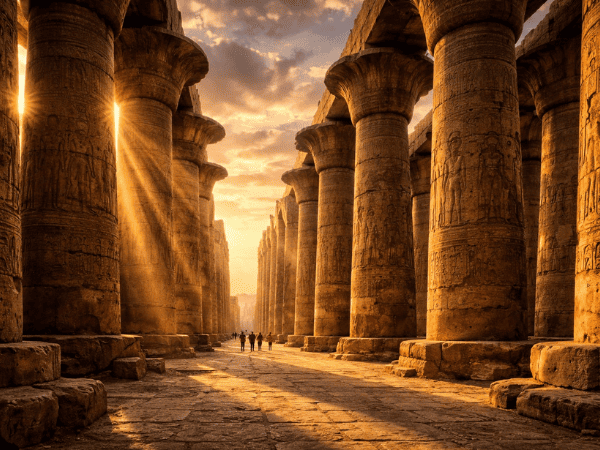
Reading the walls, not just naming them
A strong guide explains what the reliefs, inscriptions and architectural sequence mean and how they fit the temple's historical phase.
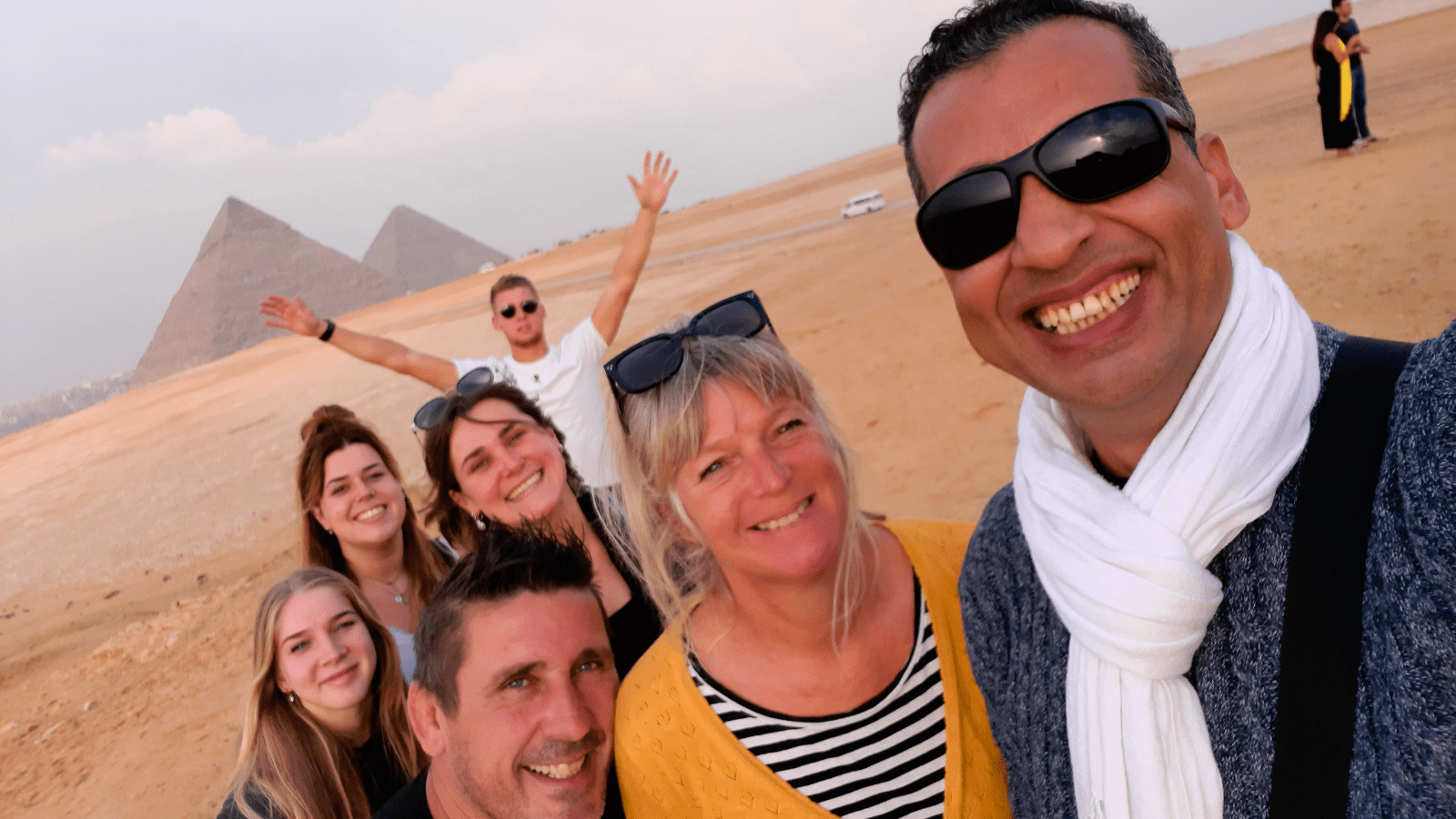
Knowledge should adapt to the traveler
Families, first-time visitors and archaeology enthusiasts need different depth, pacing and explanations even at the same site.
What Knowledge Matters Where?
The best guide knowledge changes with the site
| Site / Area | What a Good Guide Should Explain | Useful Specialist Depth | ETC Example |
|---|---|---|---|
| Giza Pyramids | Old Kingdom chronology, royal complexes, construction evidence, Sphinx context | Pyramid development, funerary landscape, archaeology | Giza Half-Day Tour |
| Saqqara & Memphis | Early state formation, Step Pyramid, tomb development, Memphis as capital | Old Kingdom architecture and burial texts | Saqqara–Memphis–Giza |
| Luxor | New Kingdom kingship, temple ritual, royal tombs, East/West Bank relationship | Tomb iconography, temple phases, funerary religion | Luxor Guided Tour |
| Coptic Cairo | Roman Babylon, Christian heritage, church traditions, Jewish context | Late Antique Egypt, Coptic art and religious history | Coptic Cairo Tour |
| Islamic Cairo | Dynasties, mosque architecture, urban development, living religious context | Fatimid, Ayyubid, Mamluk and Ottoman architecture | Islamic Cairo Walking Tour |
| Museums | Object provenance, chronology, material, function and why an artifact matters | Collection history, iconography, conservation and archaeological context | Egyptian Museum Tour |
Knowledge vs Storytelling
A guide should make history memorable without turning legend into fact
Egypt has powerful religious traditions, local stories and popular legends. These can enrich a tour when they are labeled correctly. A professional guide should be comfortable saying, “the archaeological evidence suggests…,” “one interpretation is…,” or “according to local or religious tradition…” rather than presenting every dramatic story as historically proven.
Before You Book
Seven questions that reveal more than the phrase “expert guide”
1 · Is the guide licensed?
Ask whether the sightseeing is led by a licensed local guide for the confirmed itinerary.
2 · What is the guide language?
Confirm the exact language before payment, especially for Italian, Spanish, German, French or less common languages.
3 · Private or shared?
A private guide can adjust depth and pacing more easily than a guide working with a larger shared group.
4 · What is the guide's background?
If archaeology, Coptic history, Islamic architecture or a specific period matters to you, ask about relevant specialization.
5 · One guide or local guides?
Multi-city itineraries may use one accompanying guide or different local guides by destination. Confirm the setup.
6 · How much guided time?
Check whether the guide is with you for full sightseeing days, only at sites, or only during selected visits.
7 · Can the depth be customized?
Families, photographers and archaeology-focused travelers often need very different styles of explanation.
Ask for the written inclusion
The final itinerary should state the guide language and whether guiding is private, shared or site-specific.
Do not judge by title alone
“Egyptologist” can describe expertise, but the real booking question is the confirmed licensed guide, language, background and service setup.
Trusted Sources & Planning Links
Use licensing information and the confirmed tour setup together
Frequently Asked Questions
Egypt tour guide knowledge FAQ
Are Egypt tour guides knowledgeable about ancient Egyptian history?
Qualified guides are expected to explain chronology, major dynasties, monuments, religion, art and archaeological context. The depth varies by guide, so travelers with specialist interests should ask about background and specialization before booking.
Are tour guides in Egypt licensed?
Tour guiding is a regulated profession in Egypt. The Ministry of Tourism & Antiquities publishes services for issuing and renewing licenses, examinations, training and adding foreign languages to professional guide licenses.
Is every Egypt tour guide an archaeologist?
No. A licensed guide may have strong Egyptology, archaeology, history or tourism-guidance training, but a professional guide is not automatically an excavating archaeologist or academic researcher.
Can I request a guide who speaks Italian or Spanish?
Yes, subject to availability. Guide language should be confirmed in writing before payment, especially for less common languages and peak travel dates.
Can a private guide adapt the level of detail?
Usually yes. Private guiding makes it easier to adjust explanation depth, pace and emphasis around archaeology, art, religion, photography, children or first-time visitors.
Will one guide stay with me throughout Egypt?
Not always. Some itineraries use one accompanying guide, while others use local guides in Cairo, Luxor, Aswan or other destinations. Your written itinerary should clarify the guide setup.
How can I tell if a guide is giving facts or legends?
A strong guide should identify whether a statement is supported by archaeological evidence, a historical interpretation, a religious tradition or a popular legend. Those categories should not be presented as identical.
What should I confirm before booking an Egyptologist guide?
Confirm license status, language, private or shared service, specialist interests, guide coverage by city, daily guided hours and whether the guide is included on every sightseeing day.
Match the Guide to the Journey
The best guide is not simply the person who knows the most facts
Tell us your language, destinations, travel style and whether your priority is archaeology, family-friendly explanation, religious history, architecture or a broad first-time overview. The guide setup can then be matched to the route and your preferred depth.

.png)