

From Hollywood Blockbusters to the Real Archaeology of Ancient Egypt
A cinematic travel guide to the world’s most recognizable filming landscapes—and the authentic temples, tombs, pyramids and Nile scenery that make Egypt the ultimate real-world movie set.
Set-jetting—the travel movement in which film, television and pop culture inspire real-world journeys—has reshaped modern tourism. Viewers no longer simply watch a story unfold. They travel to recreate the framing, atmosphere and emotional pull of a favorite scene.
From Monument Valley and New York City to Scottish glens and Italian cliff towns, cinema turns physical landscapes into legendary worlds. Yet one destination offers something uniquely powerful: Egypt, where the scenery is not a studio illusion but a living archaeological landscape.
The Evolution of Set-Jetting and Film Travel
Set-jetting is more than a passing trend. It represents a change in how travelers select destinations. A single wide-angle shot in a blockbuster or streaming series can place a previously unfamiliar landscape on millions of wish lists.
The Psychology of Cinematic Travel
Famous Set-Jetting Destinations Around the World
Hollywood and American Film Locations
- Monument Valley, Utah and Arizona: Associated with classic John Ford Westerns, Forrest Gump and the visual language of the American West.
- New York City: The Plaza Hotel, Central Park, the Metropolitan Museum of Art and Katz’s Delicatessen remain among cinema’s most recognizable urban settings.
- The Pacific Northwest: Washington and Oregon supplied the misty forests and coastal mood of Twilight and Twin Peaks.
- Los Angeles: Griffith Observatory, downtown streets and Southern California architecture connect travelers with decades of Hollywood history.
Europe ’s Cinematic Landscapes
Scotland
Glenfinnan Viaduct, Glencoe, Glen Etive and Doune Castle connect visitors with Harry Potter, Skyfall, Outlander and classic comedy.
Spain
Seville’s Plaza de España and Royal Alcázar, plus San Juan de Gaztelugatxe, became worlds in Star Wars and Game of Thrones.
Italy
Taormina, Lake Como, Villa del Balbianello and Matera feature in The White Lotus, Casino Royale, Star Wars and No Time to Die.
Ancient Egypt on Screen: Real Archaeology Beyond Hollywood
Egypt represents the peak of archaeological set-jetting. Directors have spent more than a century trying to capture its monumental scale, desert color and mysterious atmosphere. Studio soundstages may imitate Egypt, but they cannot replace the genuine archaeology along the Nile.
Films Connected with Egyptian Archaeology
- Death on the Nile: Its cinematic world is closely associated with Giza, Luxor, Karnak and Abu Simbel.
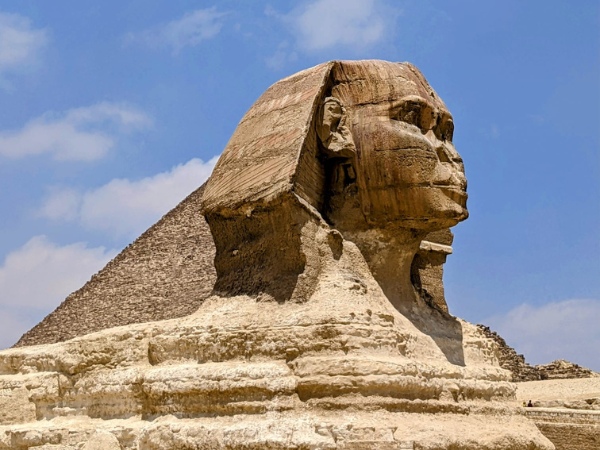
- Transformers: Revenge of the Fallen: The production received rare permission to film around the Great Pyramids and Great Sphinx .
- The Spy Who Loved Me: Karnak’s Great Hypostyle Hall became a memorable James Bond setting.
- The Indiana Jones legacy: The franchise helped generations imagine archaeological exploration, hidden tombs and adventures across historic landscapes.
The Giza Plateau: Cinema’s Greatest Ancient Backdrop
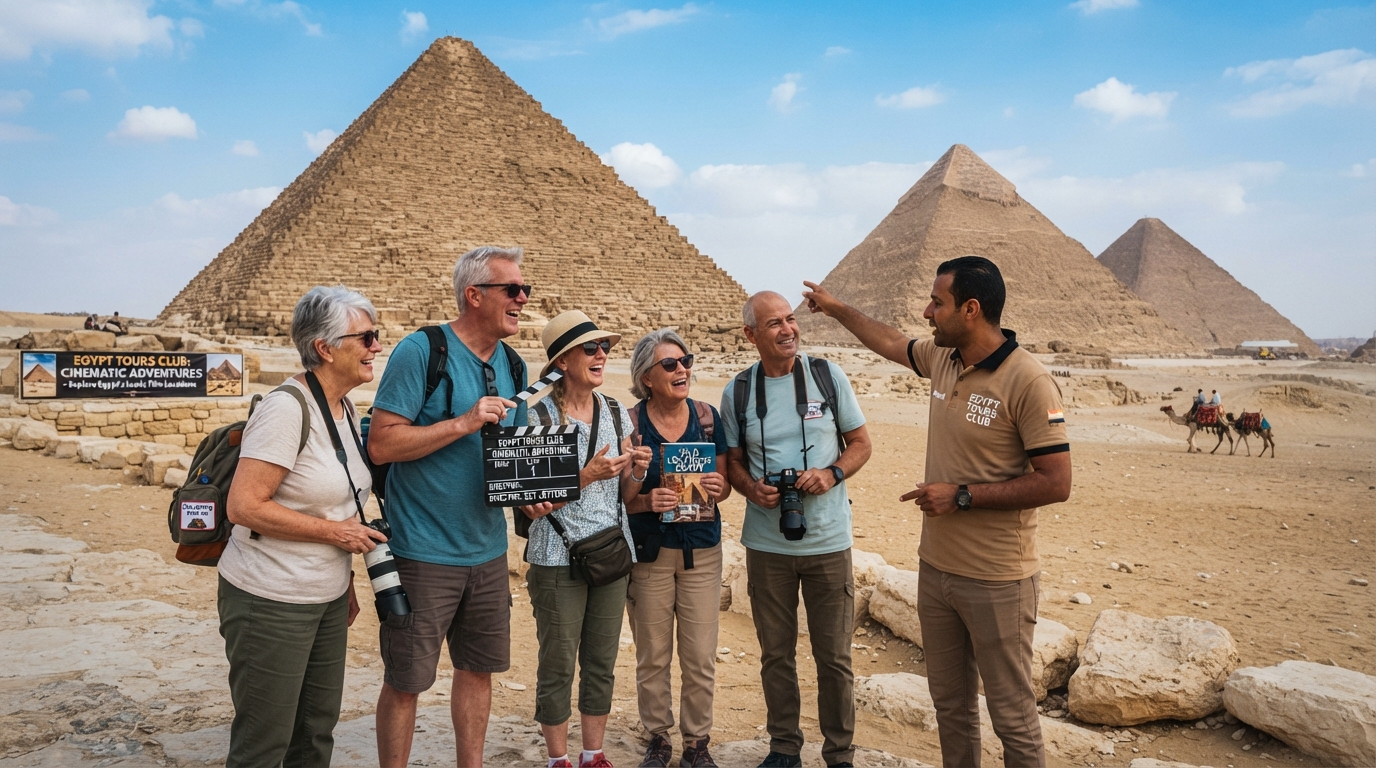
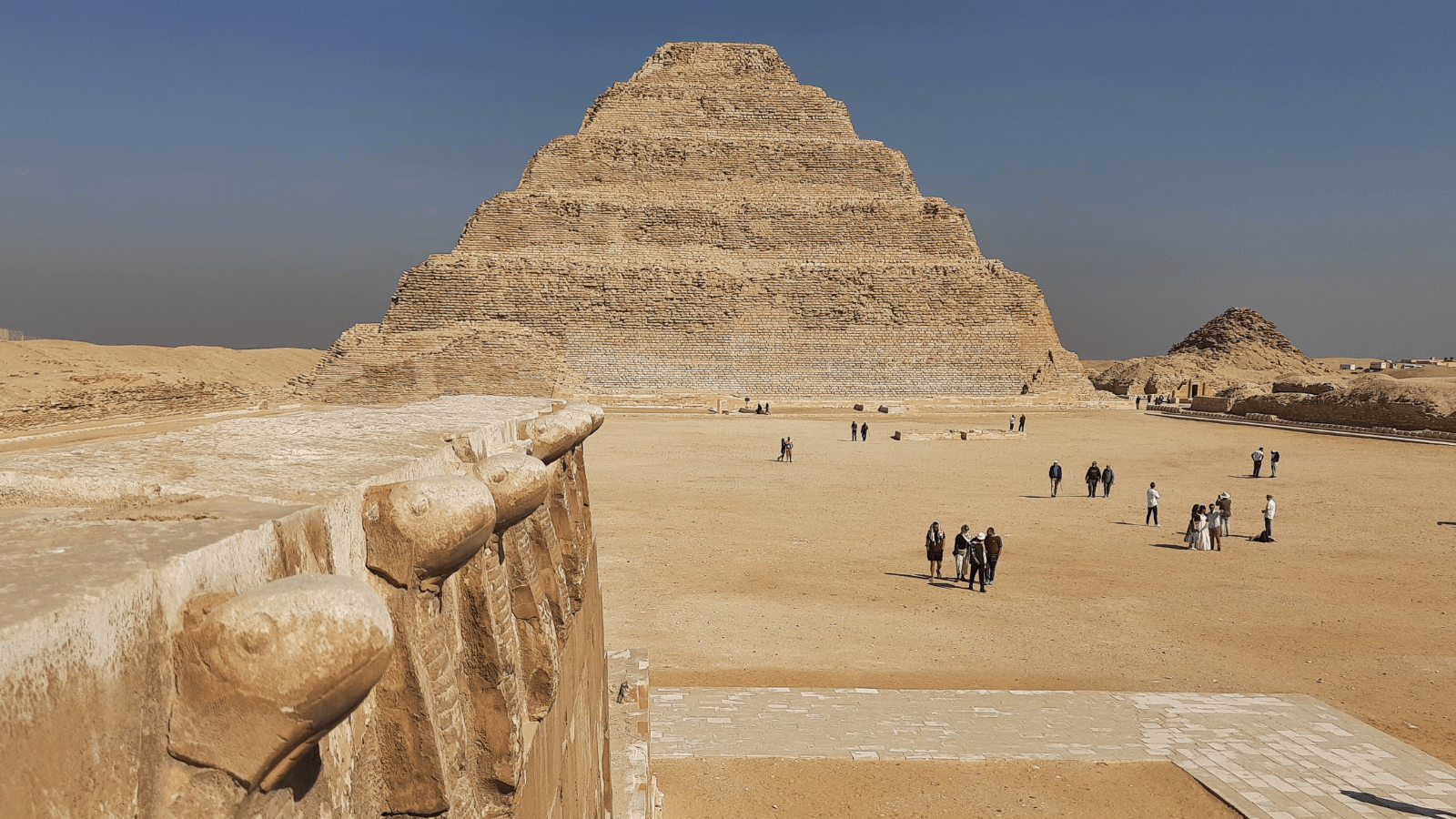
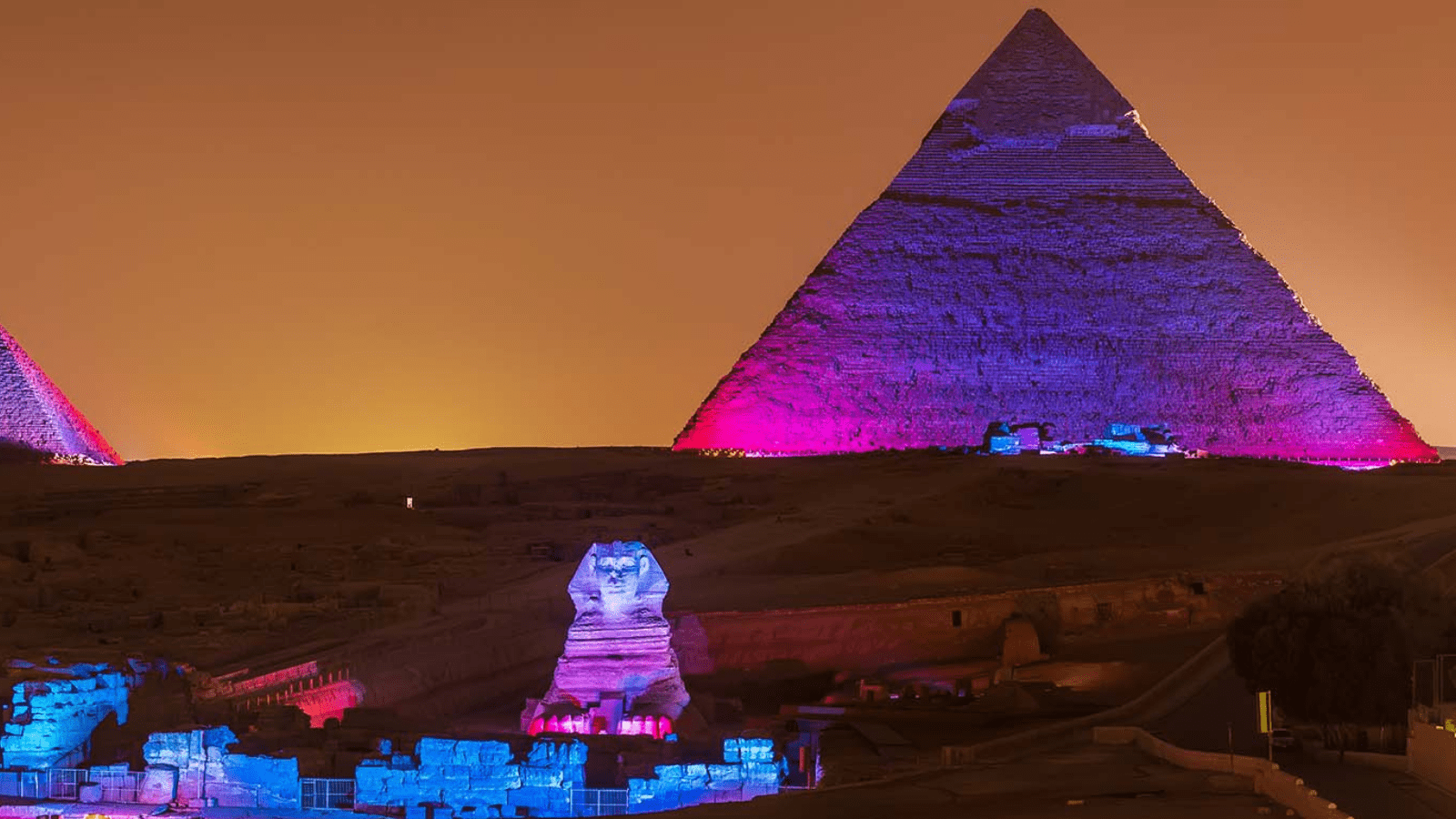
The Giza Plateau contains three of the most recognizable ancient structures on Earth. Their scale makes the site instantly cinematic, while their history gives every photograph and film frame a depth no purpose-built set can equal.
- Great Pyramid of Khufu: The last surviving wonder of the ancient world.
- Great Sphinx : A monumental guardian carved from the plateau’s limestone bedrock.
- Valley Temple of Khafre: A remarkable complex of massive stone architecture associated with royal funerary rites.
Pair Giza with the Grand Egyptian Museum to connect the exterior landscape with royal artifacts, monumental sculpture and the complete archaeological story.
Luxor: Epic Scale on the Nile
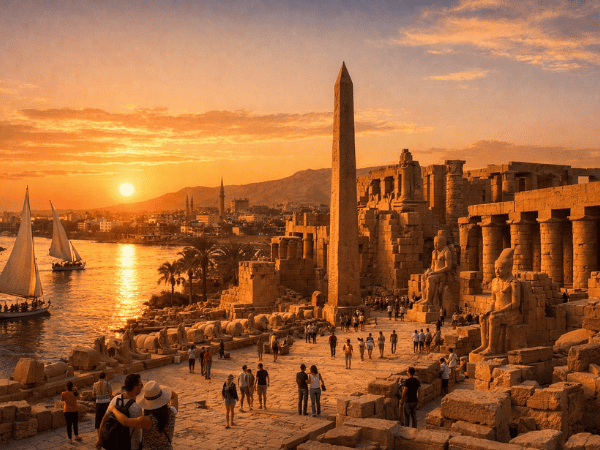
Luxor , ancient Thebes, holds one of the world’s densest concentrations of temples and tombs. It is the natural centerpiece of an Egypt film-location journey.
Karnak Temple
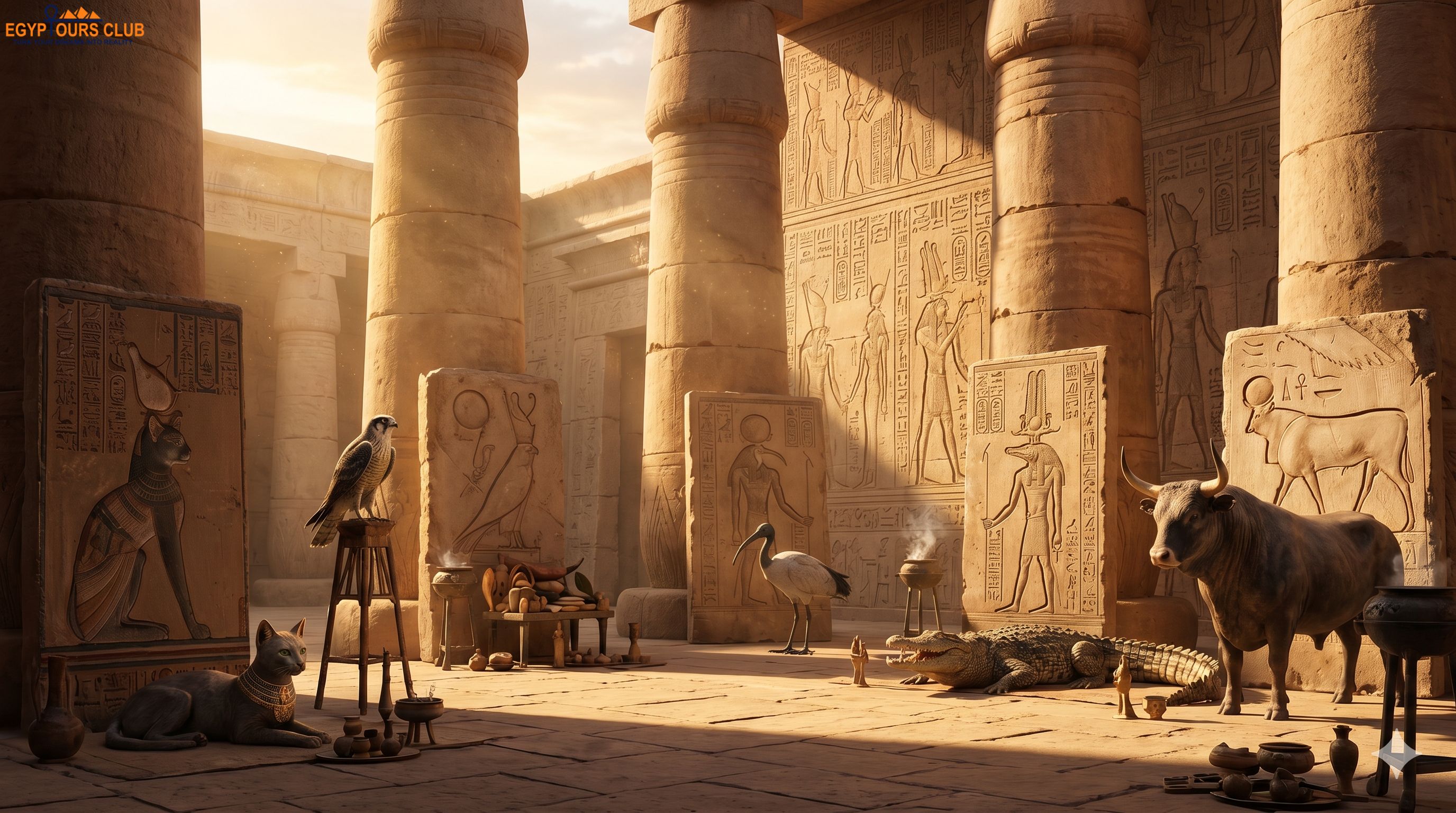
Karnak’s Great Hypostyle Hall contains 134 monumental columns. Its scale and shifting bands of light create one of Egypt’s strongest cinematic environments.
Luxor Temple
Located in the modern city center, Luxor Temple becomes especially atmospheric after sunset, when lighting emphasizes its colonnades, statues and ceremonial axis.
Valley of the Kings
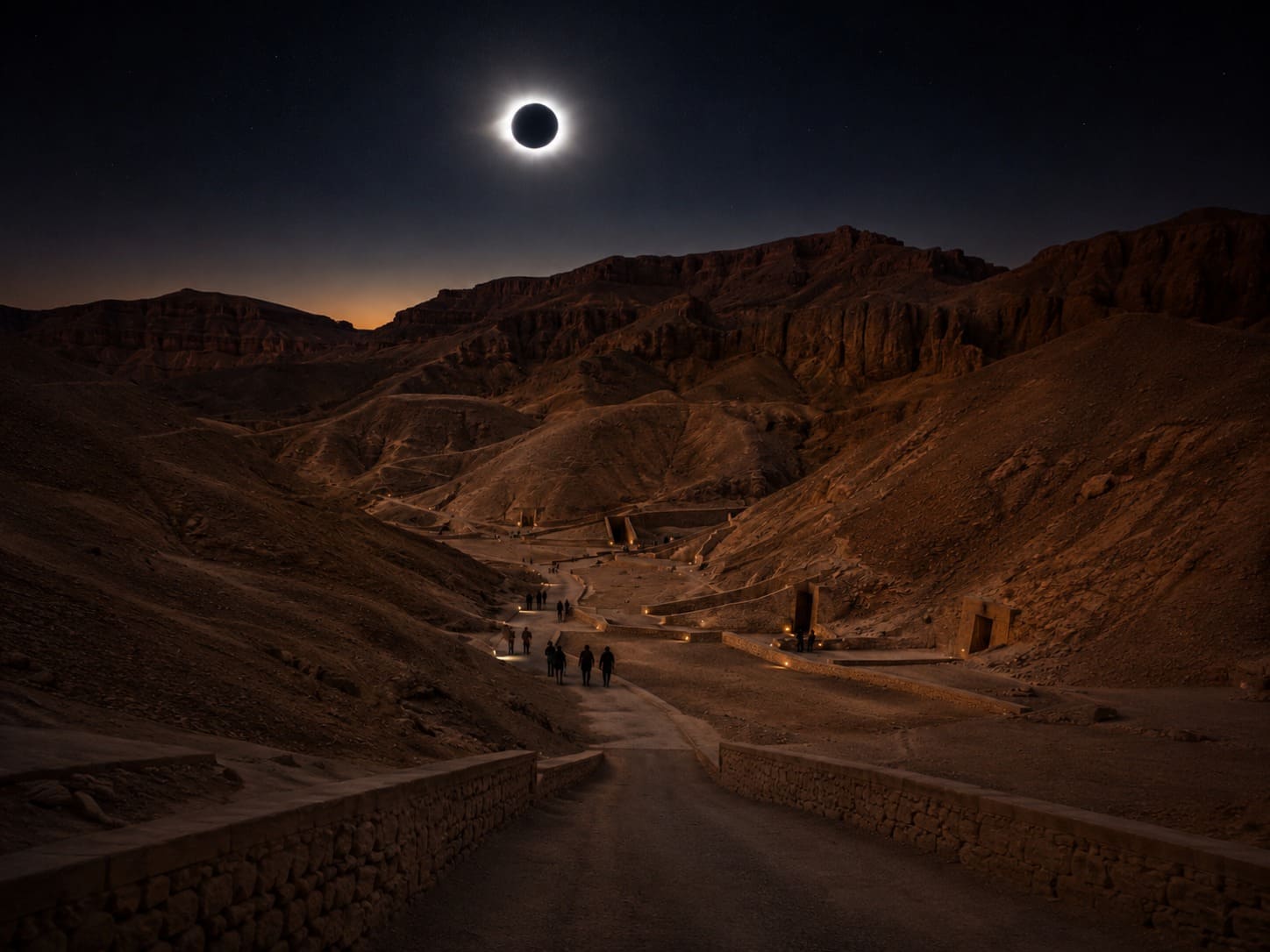
The underground royal tombs, painted corridors and desert setting inspired generations of archaeology films, novels and television adventures.
Temple of Hatshepsut
The terraced temple at Deir el-Bahari rises against limestone cliffs with geometric clarity, making it a favorite for documentaries and travel photography.
Aswan, Philae and the Romantic Nile
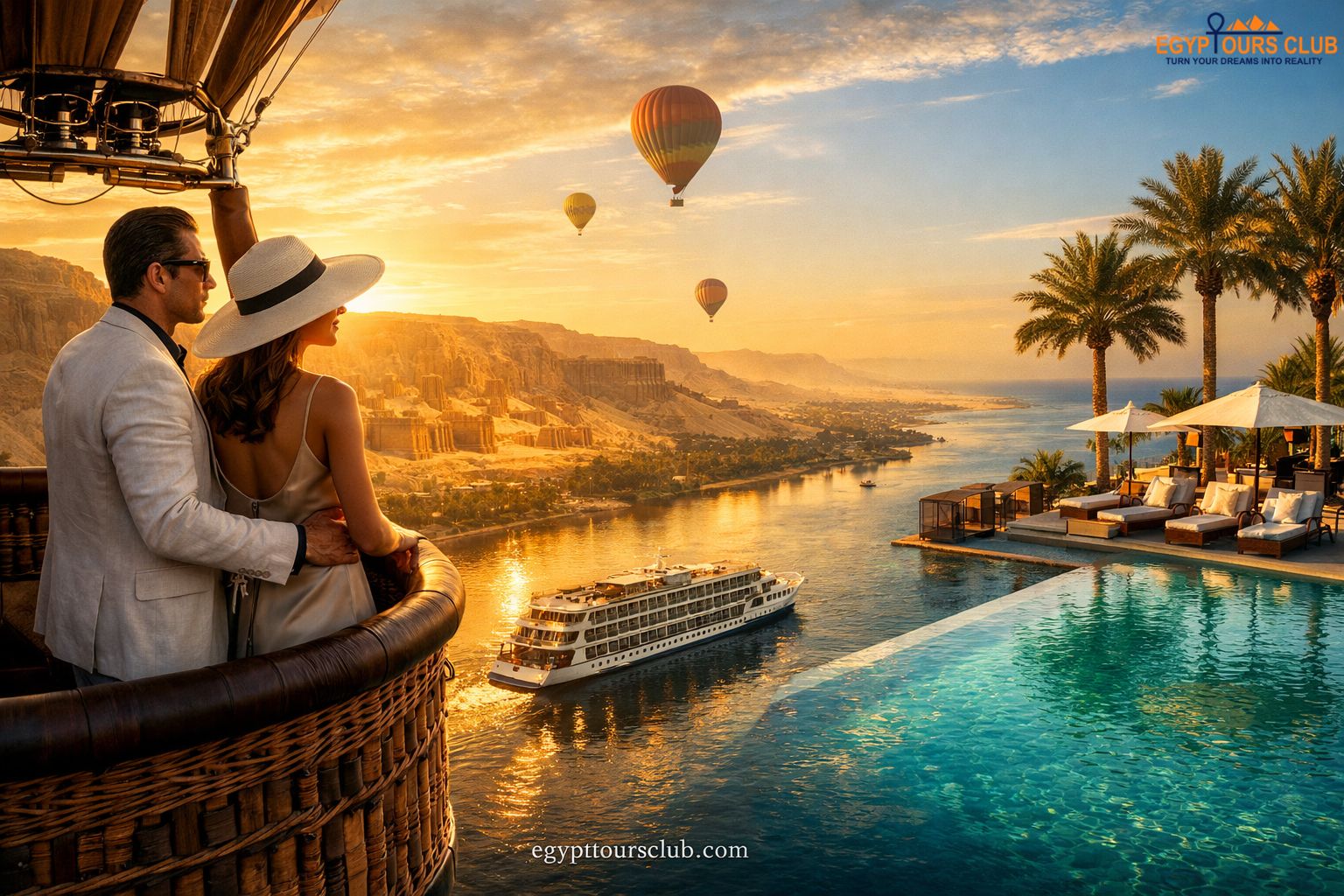
Aswan offers a softer, more intimate film aesthetic: granite islands, traditional boats, Nubian color and golden light reflected on the river. The island setting of Philae Temple adds a natural sense of arrival because visitors approach the sanctuary by boat.
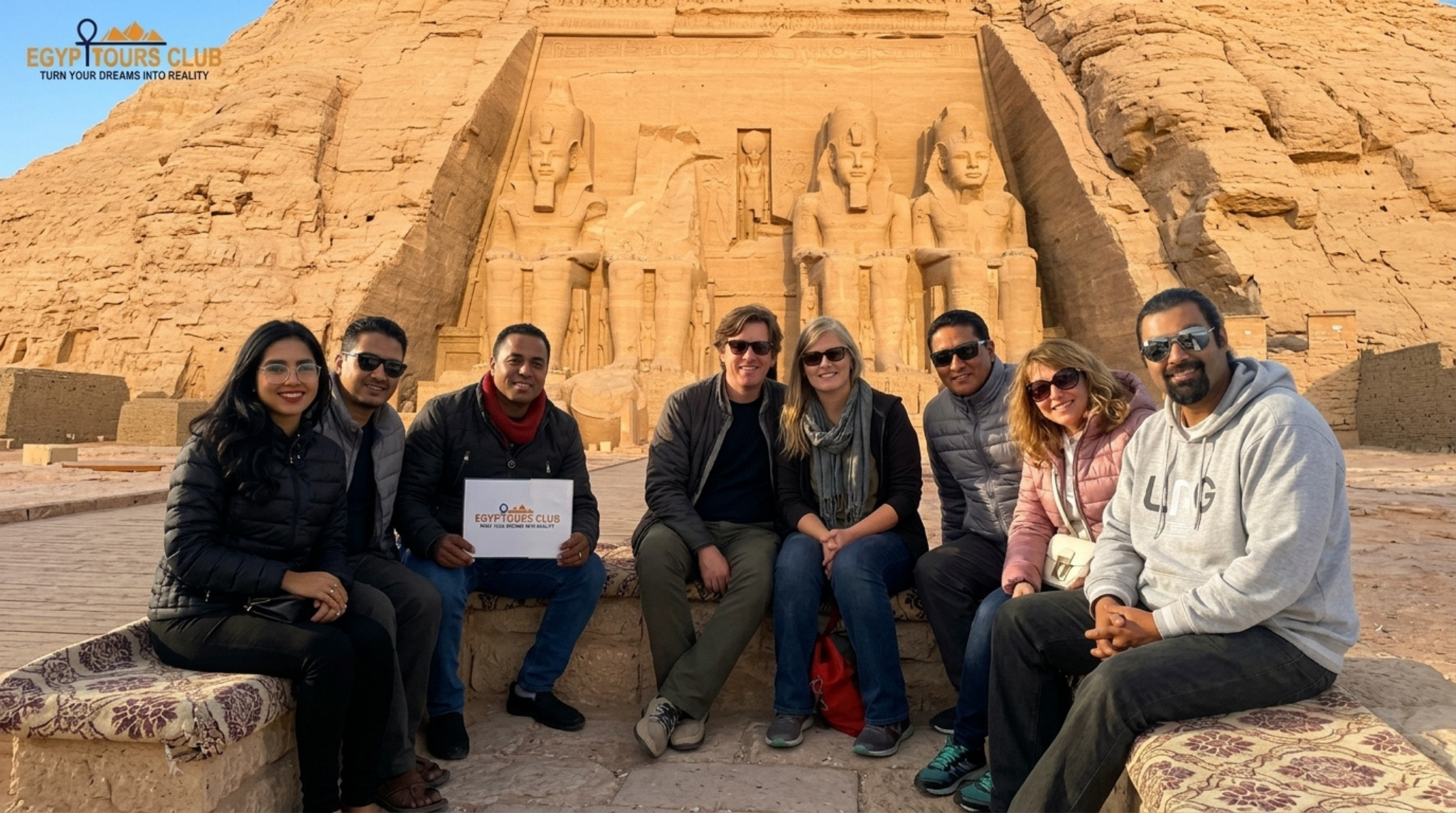
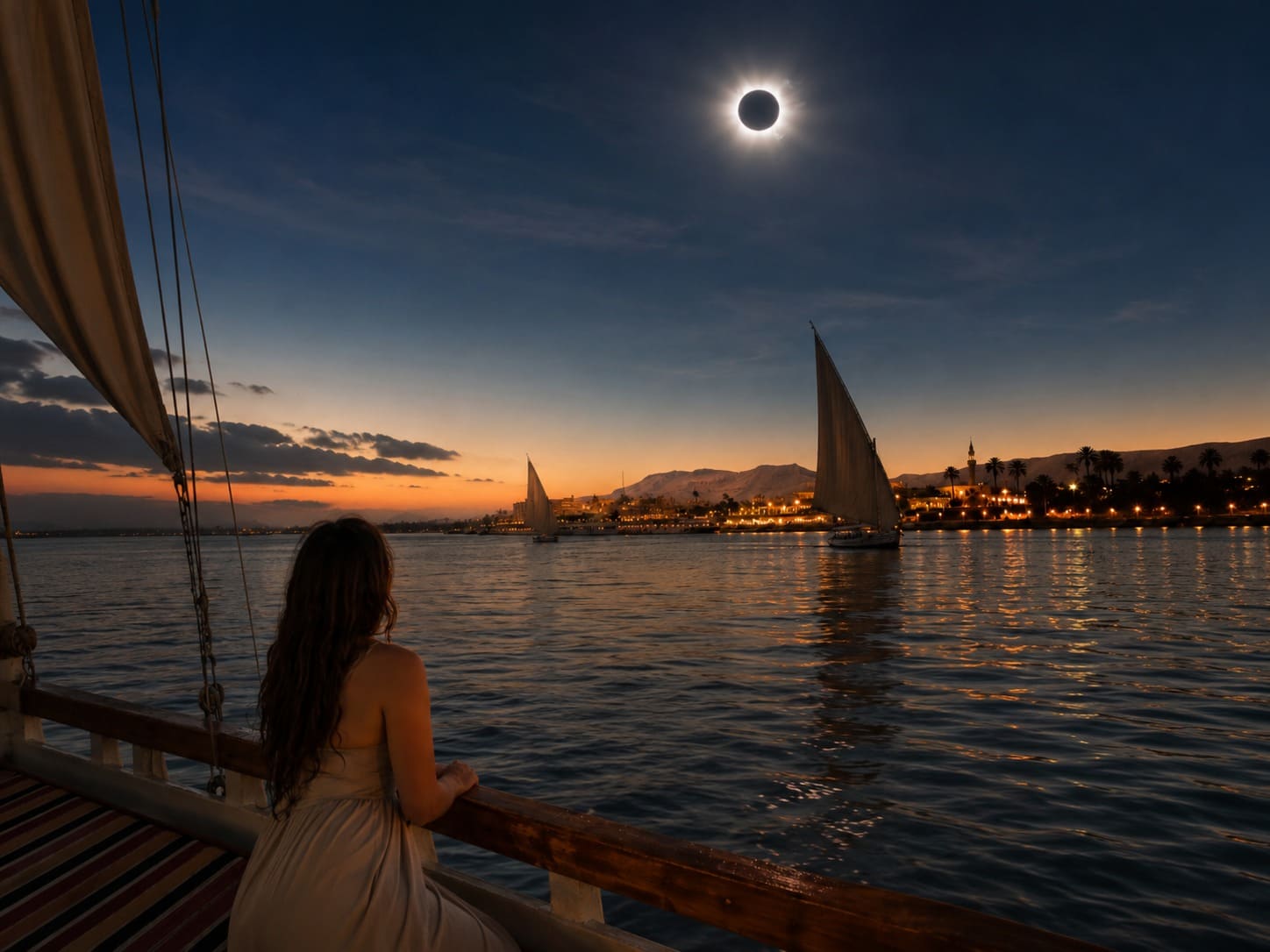
A sunset felucca journey creates one of the most cinematic experiences in Egypt, while Abu Simbel delivers a monumental finale with the rock-cut temples of Ramses II and Queen Nefertari.
Recommended 10-Day Cinematic Egypt Itinerary
1–3
Cairo and Giza
Explore the Pyramids, Sphinx, Historic Cairo and Grand Egyptian Museum. Use early morning light for the strongest exterior photography.
4–7
8–9
Aswan and Abu Simbel
Explore Philae, sail by felucca and continue to the colossal rock-cut temples of Abu Simbel.
10
Cairo Departure
Return to Cairo for a final evening or departure connection.
Compare this route with the full 10-day Egypt itinerary guide or request a customized schedule through the tailor-made tour service .
Practical Travel Tips for Cinematic Set-Jetting in Egypt
1. Use the Golden Hours
- Early morning: Ideal for Giza and Karnak, with softer light, cooler temperatures and fewer visitors.
- Late afternoon: Strong for the Sphinx, Aswan feluccas and river reflections.
2. Dress for Comfort and Visual Harmony
Breathable linen or cotton, neutral tones, sturdy walking shoes, a wide-brimmed hat and high-SPF sunscreen work well in desert and temple environments.
3. Respect Archaeological Heritage
- Never touch painted reliefs or tomb walls.
- Do not climb ancient structures.
- Follow all camera, tripod and flash restrictions.
- Review the detailed Egypt temple and tomb photography rules before traveling.
Why Plan a Cinematic Journey with Egypt Tours Club?
A film-inspired Egypt itinerary still requires practical planning: qualified Egyptologist guides, timed entrances, internal transport, hotel selection, cruise schedules and realistic photography stops. Egypt Tours Club connects the cinematic idea with a workable route.
Frequently Asked Questions
What is set-jetting?
Set-jetting is travel motivated by film, television or popular culture. Travelers visit real locations connected with stories, scenes or famous screen imagery.
Which famous movies are connected with Egyptian locations?
Death on the Nile, Transformers: Revenge of the Fallen and The Spy Who Loved Me are among the best-known titles associated with Egyptian archaeological landscapes.
What are the best Egyptian sites for film fans?
The strongest route includes Giza, the Sphinx, Karnak, Luxor Temple, the Valley of the Kings, Hatshepsut Temple, Philae and Abu Simbel.
Can professional cameras and tripods be used at Egyptian monuments?
Rules vary by site and can change. Personal photography is often easier than professional setups, while flash, tripods, drones or commercial equipment may require permission or be restricted.
How many days are needed for a cinematic Egypt tour?
Ten days is a strong starting point for Cairo, Giza, Luxor, a Nile cruise, Aswan and Abu Simbel. A slower route may require twelve to fourteen days.
Turn Your Movie Dreams into a Real Egypt Journey
Films offer a glimpse of adventure. Egypt allows you to stand inside the real landscapes—before ancient pyramids, beneath temple columns and beside the Nile.
Explore Egypt Tour Packages Create a Tailor-Made Route
.png)


-min.png)
-min.png)