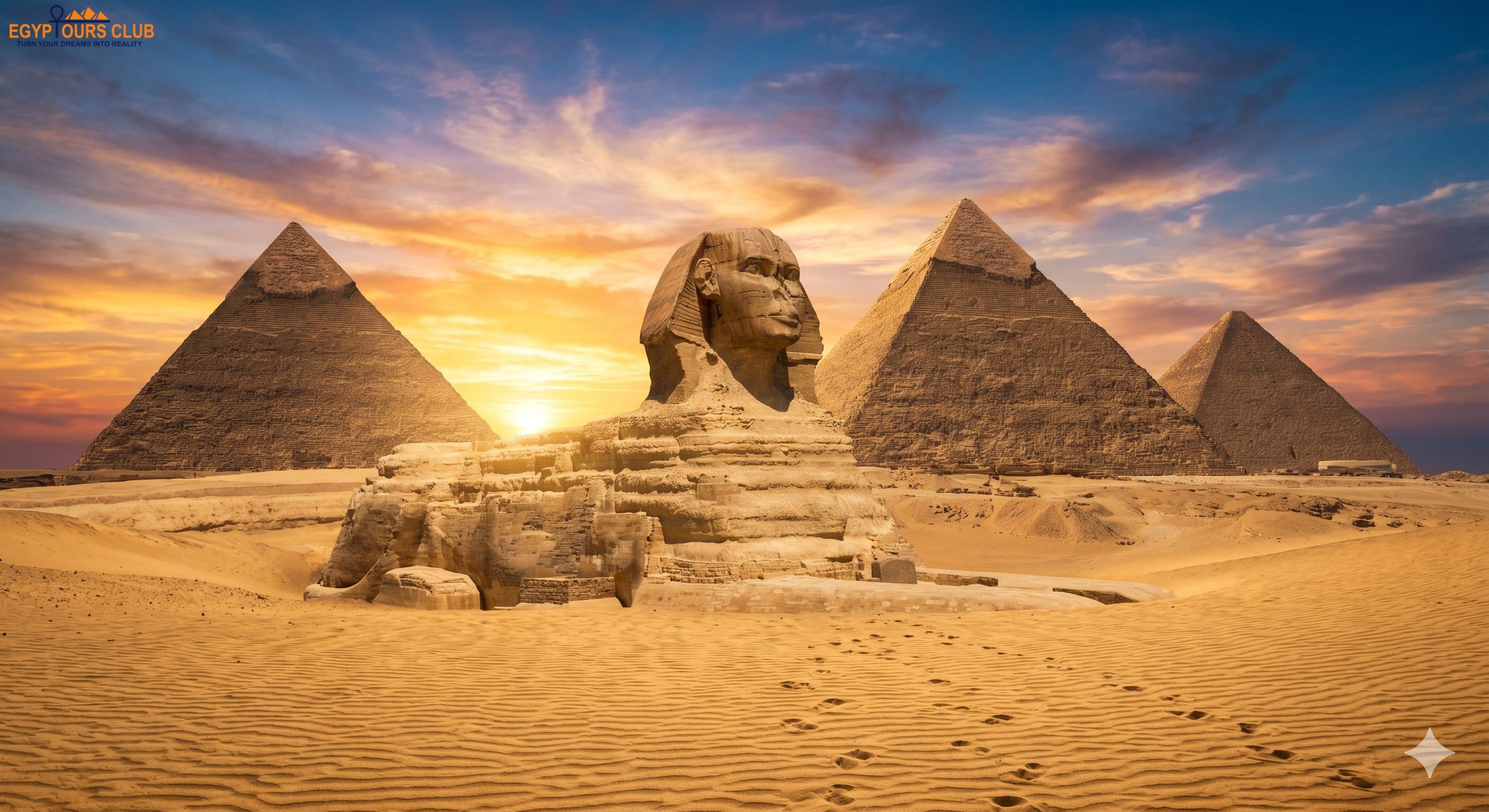
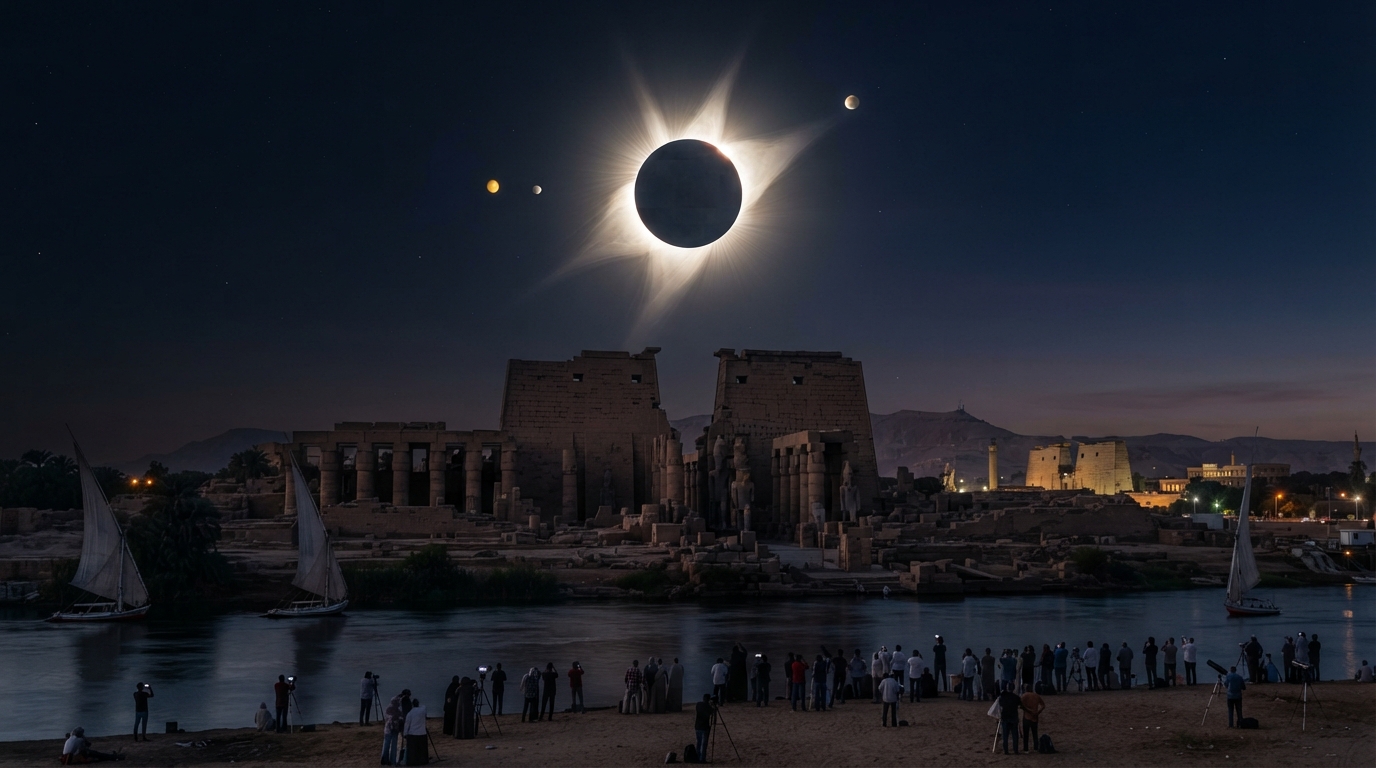
Pyramids and the Great Sphinx
Build an archaeology day around the entire Giza Plateau, not a single pyramid interior.
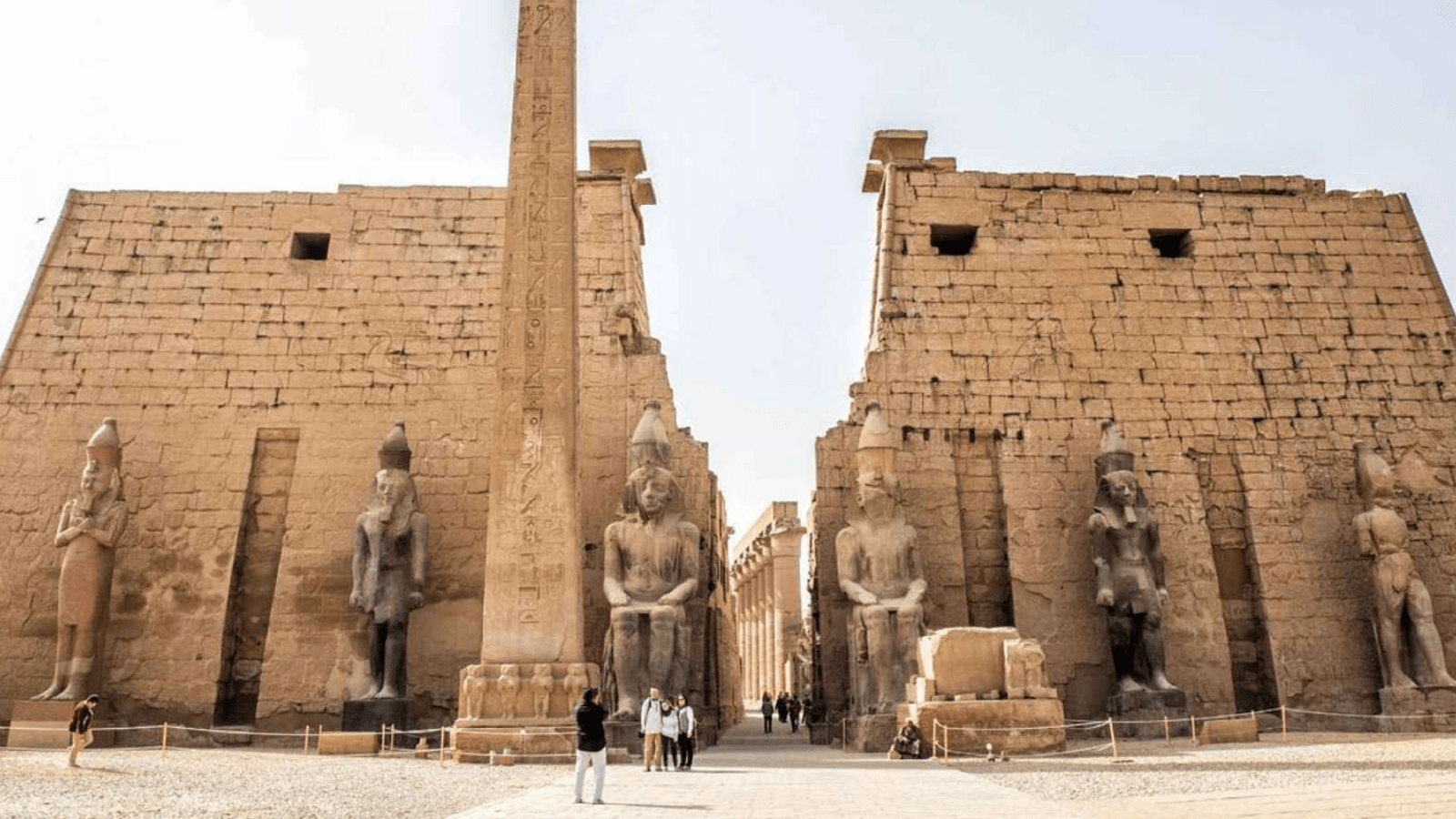
From the Pyramids of Giza and Luxor's royal tombs to Abu Simbel, the Nile, Alexandria, Siwa and Saint Catherine, discover what deserves a place in your itinerary, what needs extra days, and what to confirm before booking.
For a first Egypt trip, prioritize Giza, the Grand Egyptian Museum, Luxor and the Nile Valley. A Nile cruise and Abu Simbel are strong additions when your route reaches Aswan. Alexandria, Dahshur, the White Desert, Siwa and Saint Catherine offer deeper history, coastal culture, desert landscapes or sacred heritage when you have enough time. All ten are not included in a standard tour.
Egypt is too large to treat every famous site as a same-day visit. Choose the Cairo–Luxor–Aswan core first, then add a focused extension. This guide keeps the ten destinations from the original article, but distinguishes the essentials from places that require several extra travel days.
Build an archaeology day around the entire Giza Plateau, not a single pyramid interior.
Split your time between Karnak on the East Bank and royal tombs on the West Bank.
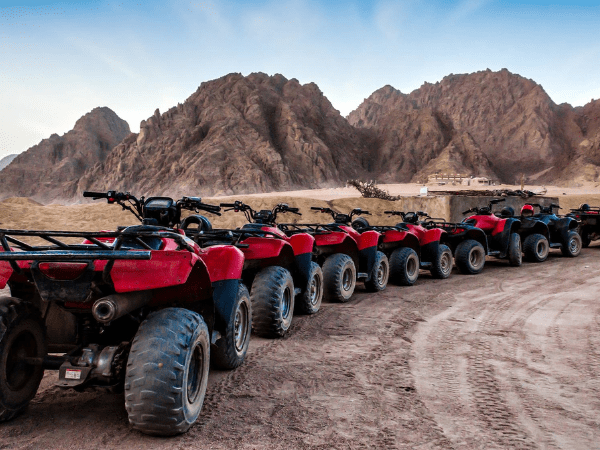
Allow a permitted guided 4x4 route rather than treating protected desert terrain as a quick stop.
These are ten distinct experiences drawn from the original article, with practical visit windows and links to the right ETC planning page. Dates, access, opening hours, weather and itinerary inclusions remain subject to confirmation.
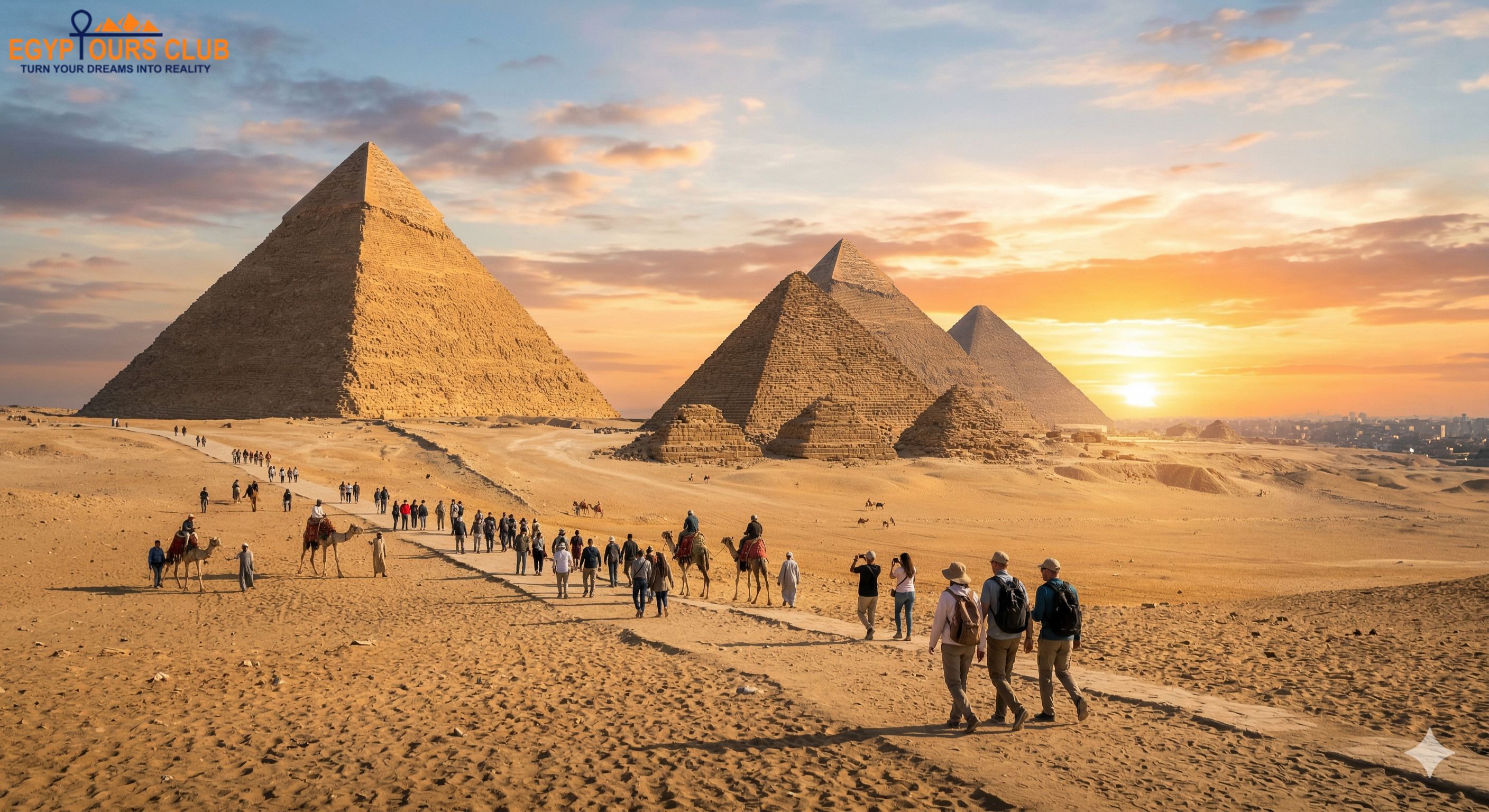
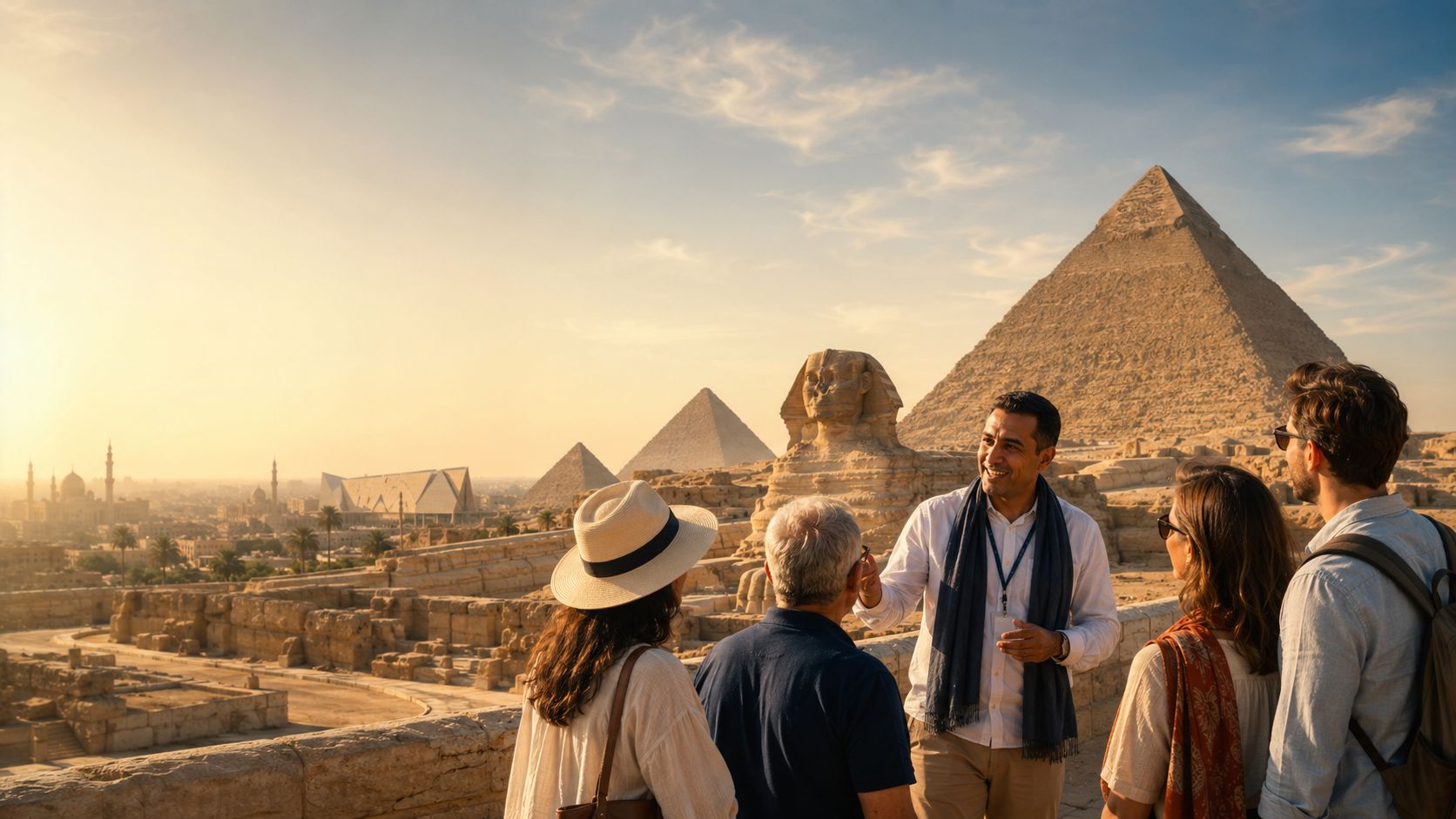
The pyramid field is a royal cemetery, not just one famous monument. Khufu, Khafre and Menkaure stand in a landscape that also includes the Great Sphinx, valley temples and panoramic viewpoints.
Begin with the Great Pyramid of Khufu and see how the three major pyramids differ. Walk or drive the approved visitor circuit toward the Sphinx and Valley Temple. Entering a pyramid requires checking the separate interior ticket and the physical demands of narrow passages.
Route tip: Go early when possible. Make camel rides or other desert activities optional and confirm the exact cost and route before agreeing.
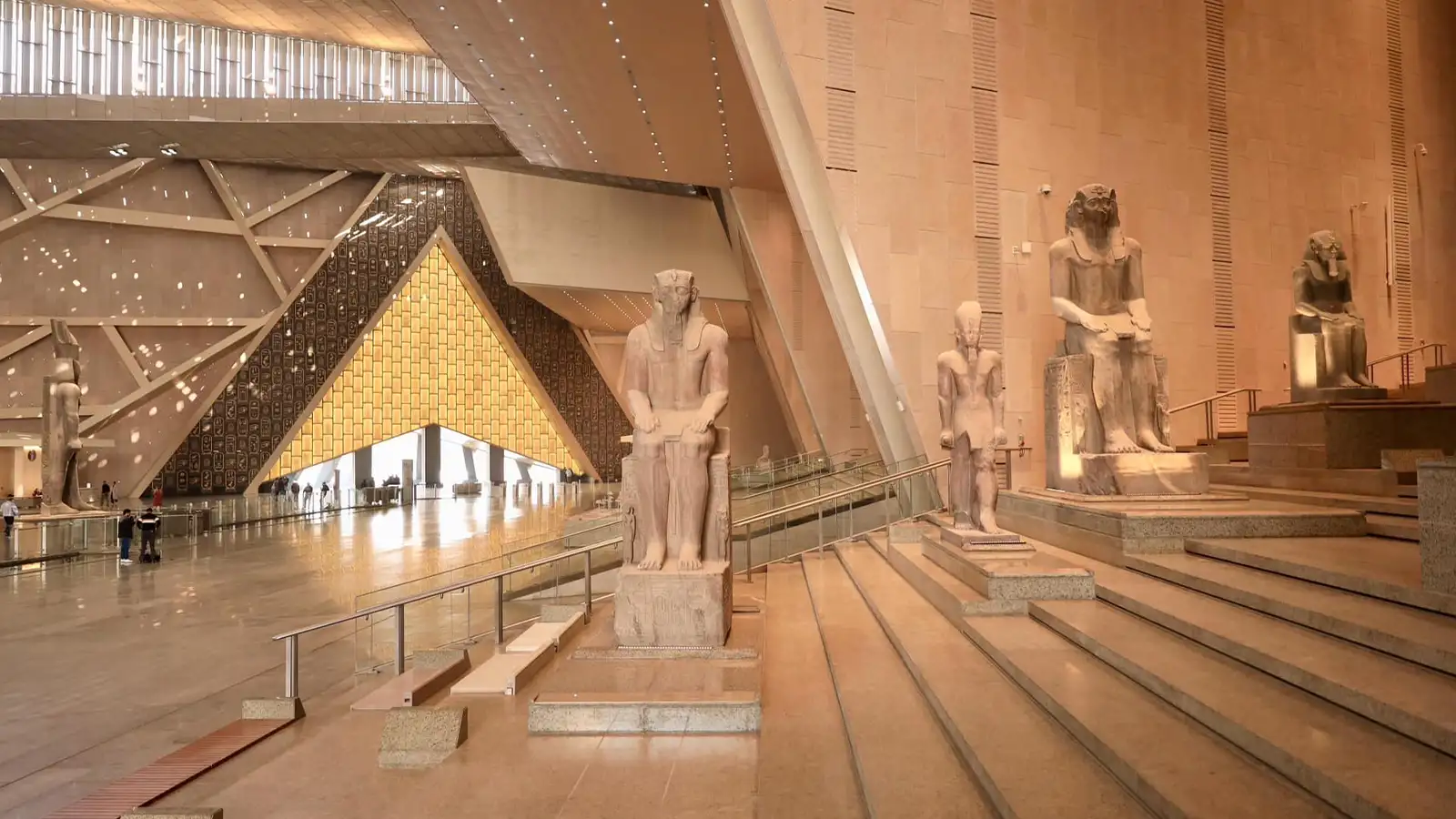
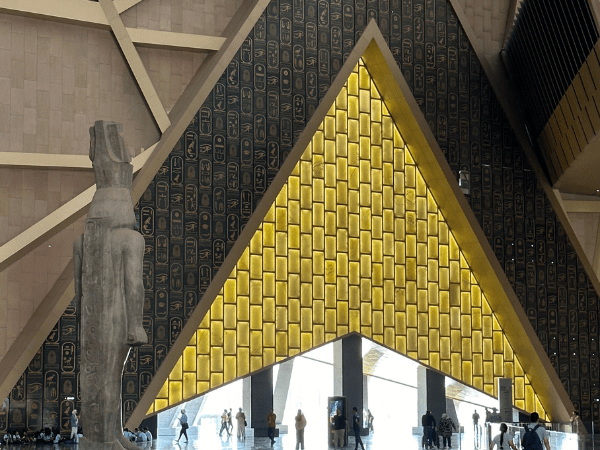
The Grand Egyptian Museum is open and is now a major first-time stop for the Tutankhamun galleries, monumental statues, chronological collections and Khufu’s Boats Museum.
Allow meaningful time inside rather than treating GEM as a photo stop. The Royal Mummies Hall is not at GEM. It belongs to the National Museum of Egyptian Civilization (NMEC) in Fustat, a separate museum and separate visit.
Route tip: A Giza Plateau plus GEM day is possible but full. Review the current museum ticketing and gallery-access arrangements close to departure.
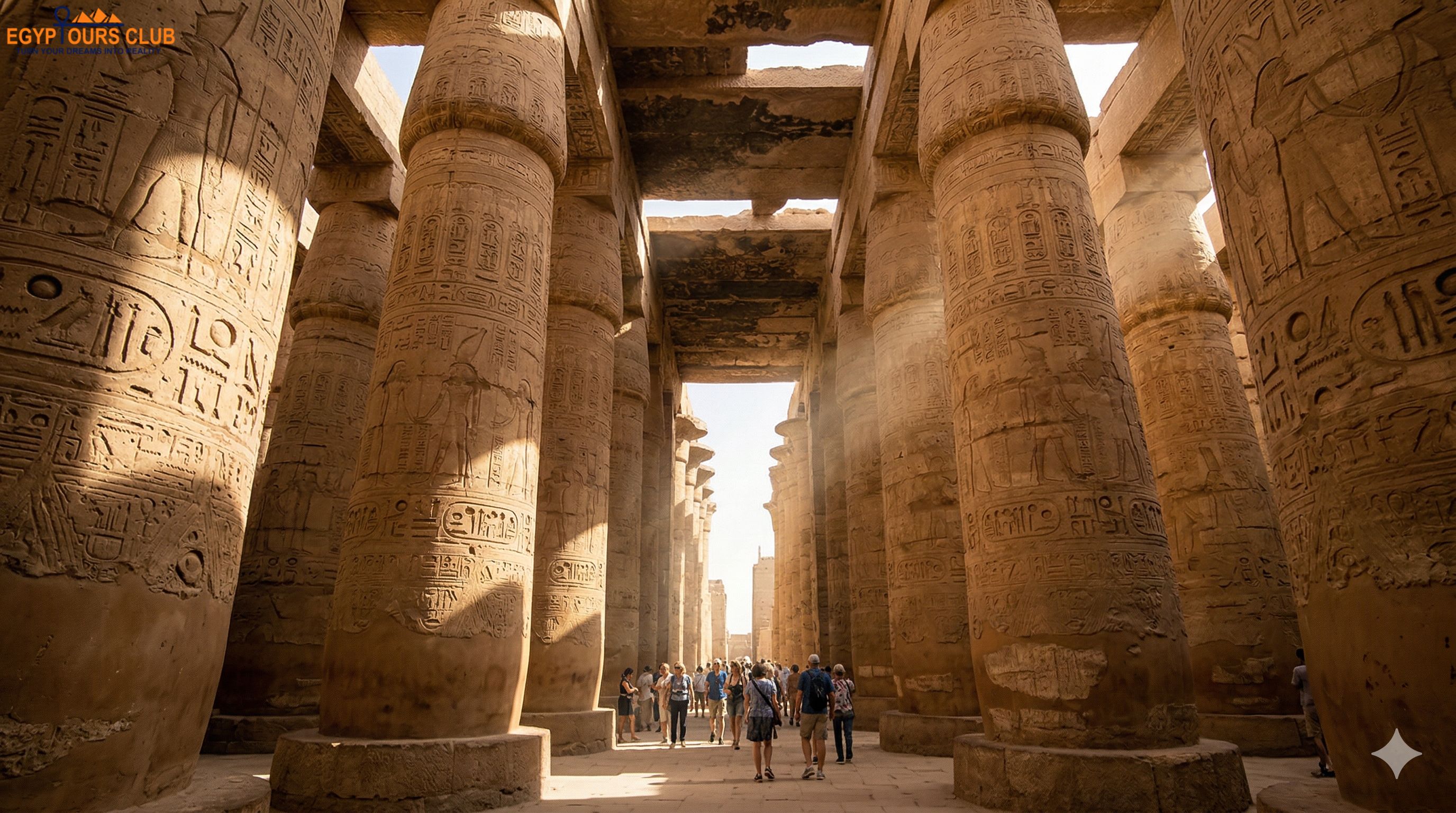
Luxor connects Karnak’s immense sacred precinct, Luxor Temple’s processional history and New Kingdom royal burials in the Valley of the Kings. Hatshepsut’s terraced temple adds another major West Bank highlight.
Use an East Bank block for Karnak and Luxor Temple, then a separate West Bank block for selected royal tombs, Hatshepsut and nearby monuments. Tomb choice, special-entry tickets and photography rules vary by site.
Route tip: Do not try to squeeze every East and West Bank monument into a short half-day. Reserve enough time for exposed archaeological walking.
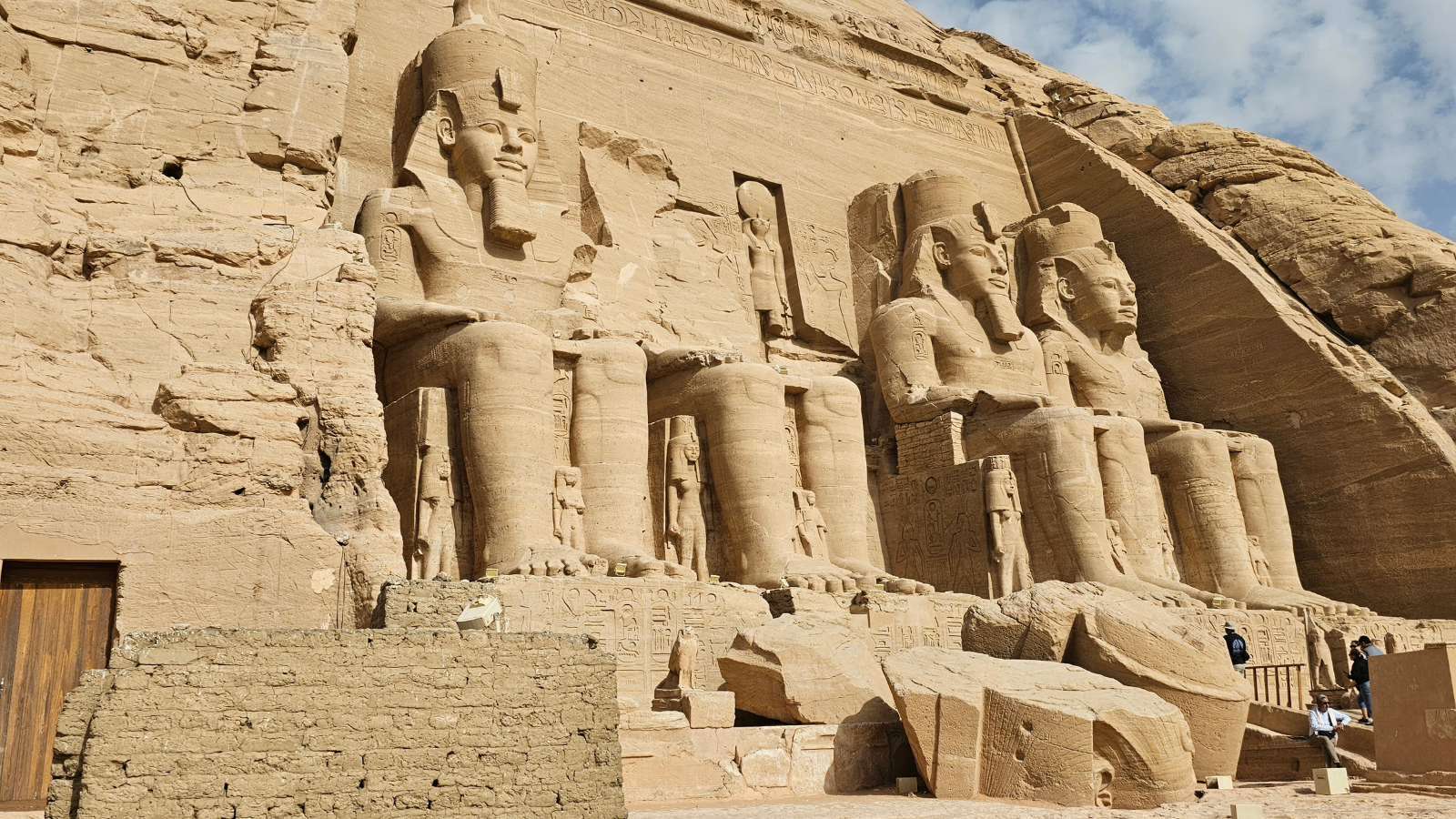
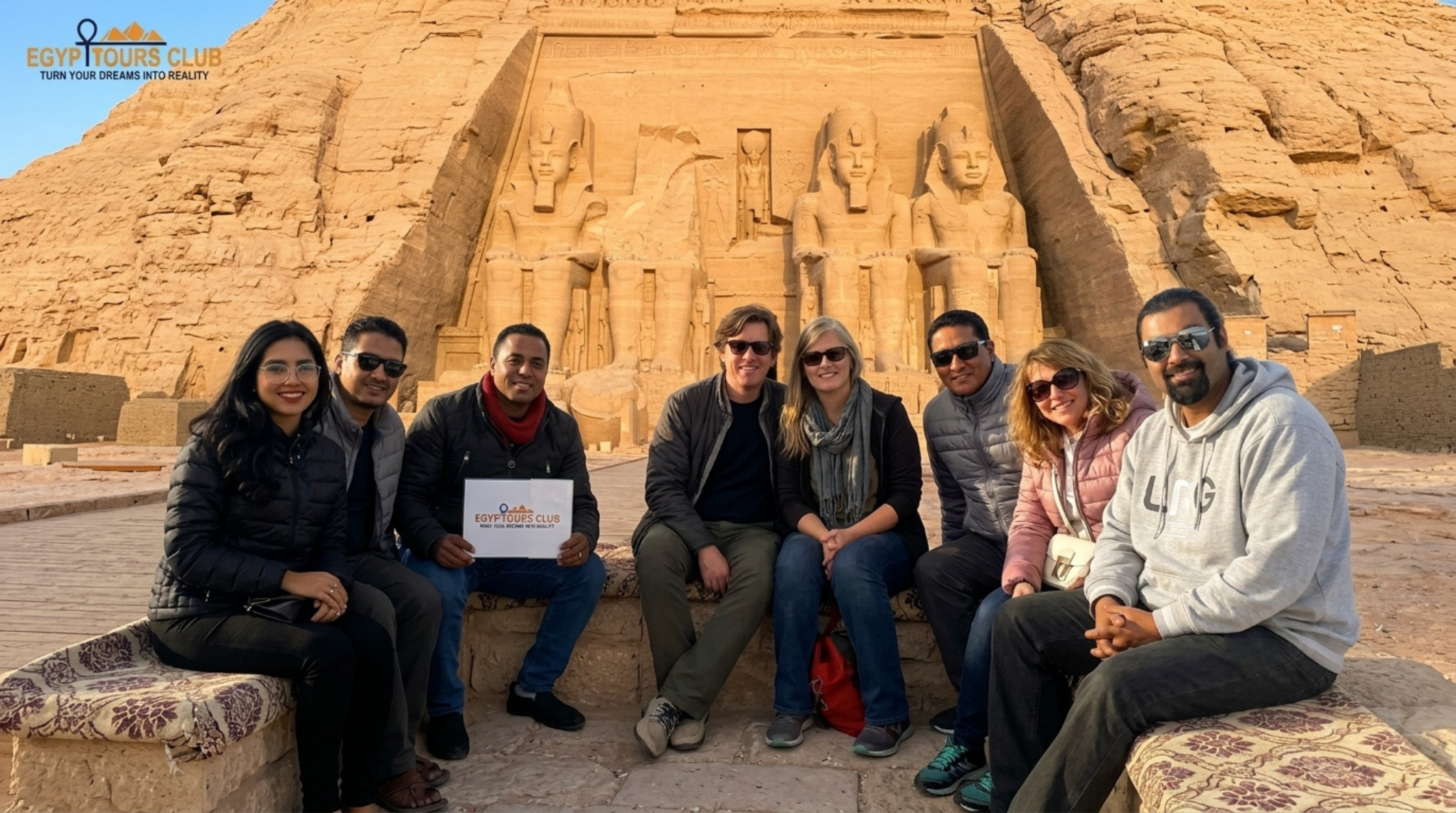
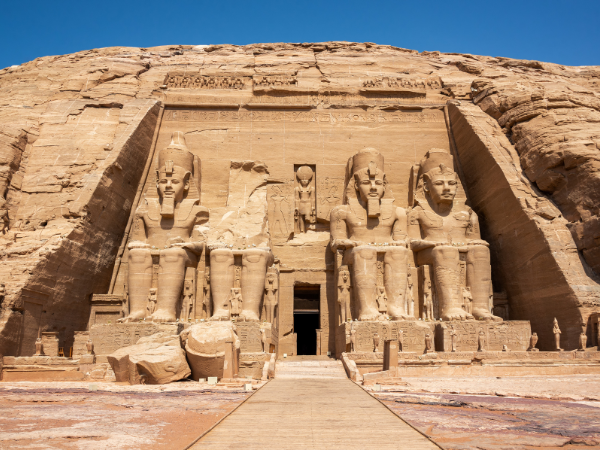
The colossal Temple of Ramesses II and the smaller Temple of Hathor and Queen Nefertari belong to a monumental rock-cut sanctuary in Nubia. The temples were relocated in the twentieth century to protect them from rising Lake Nasser.
Look beyond the façade to the reliefs, sanctuary and the extraordinary UNESCO rescue project. The celebrated solar illumination is associated with dates around 22 February and 22 October, but ceremony, access and visibility cannot be guaranteed.
Route tip: Arrange Abu Simbel as a dedicated early-start excursion from Aswan. Never assume it is included in a cruise merely because the ship visits Aswan.
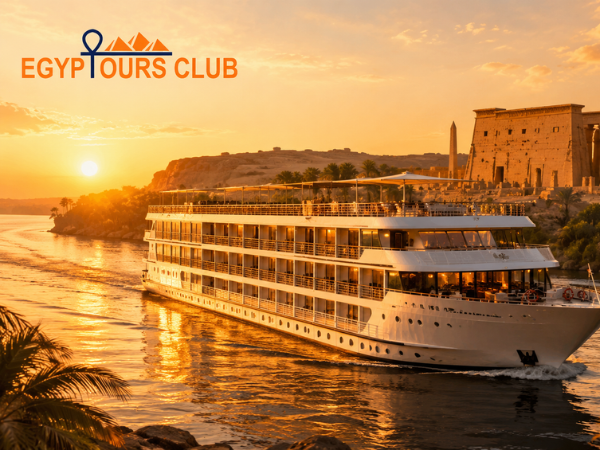
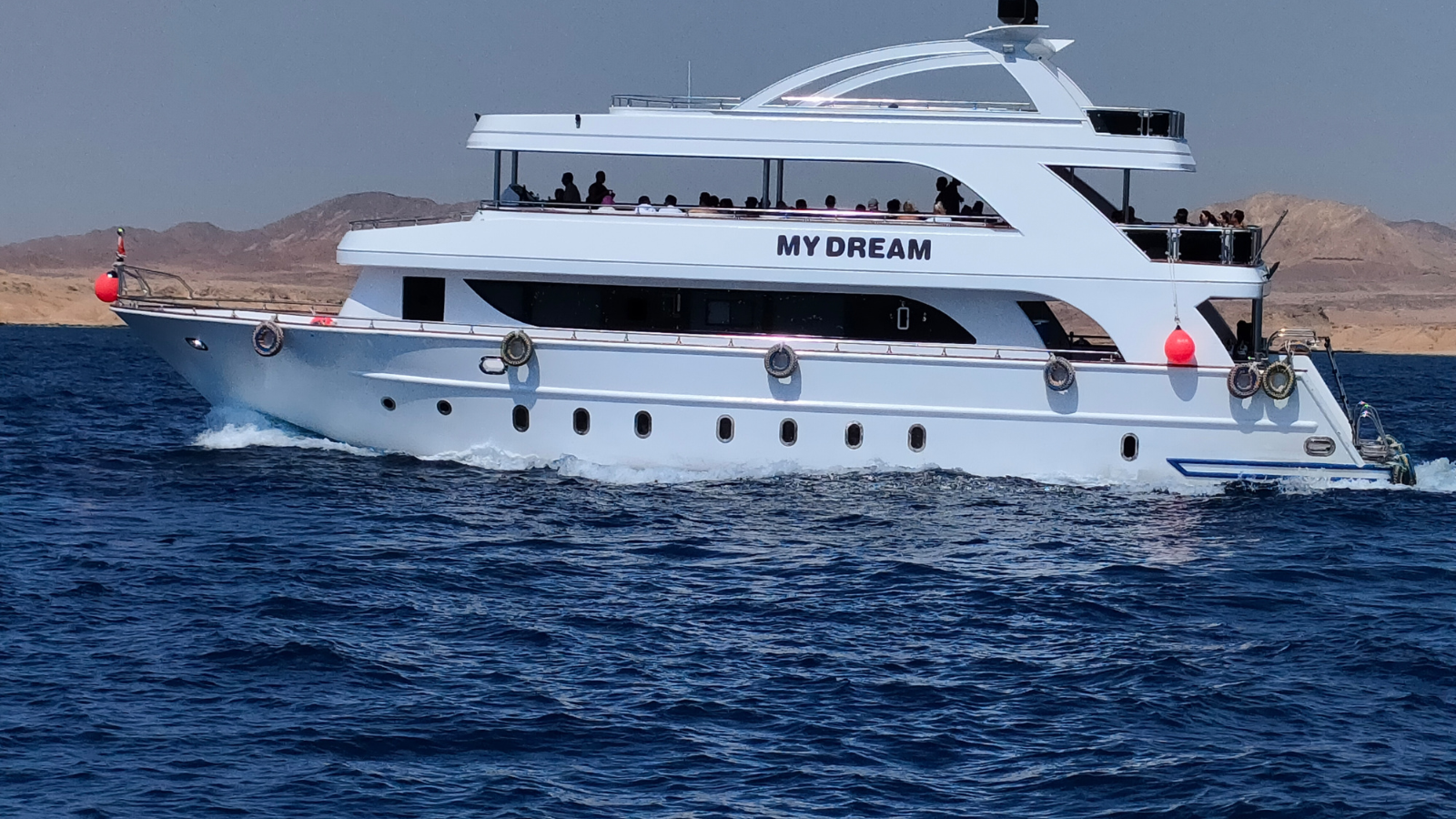
A Nile cruise is an experience rather than one monument. It links Upper Egypt’s historic towns and temples while guests travel and sleep aboard the vessel.
Depending on the exact sailing, scheduled excursions can include Edfu, Kom Ombo, Luxor monuments and Philae at Aswan. A smaller dahabiya offers a different pace and vessel format, but not every route or stop is identical.
Route tip: Compare ship name, cabin category, embarkation day, included visits, guiding and meals. Abu Simbel and optional experiences may cost extra.
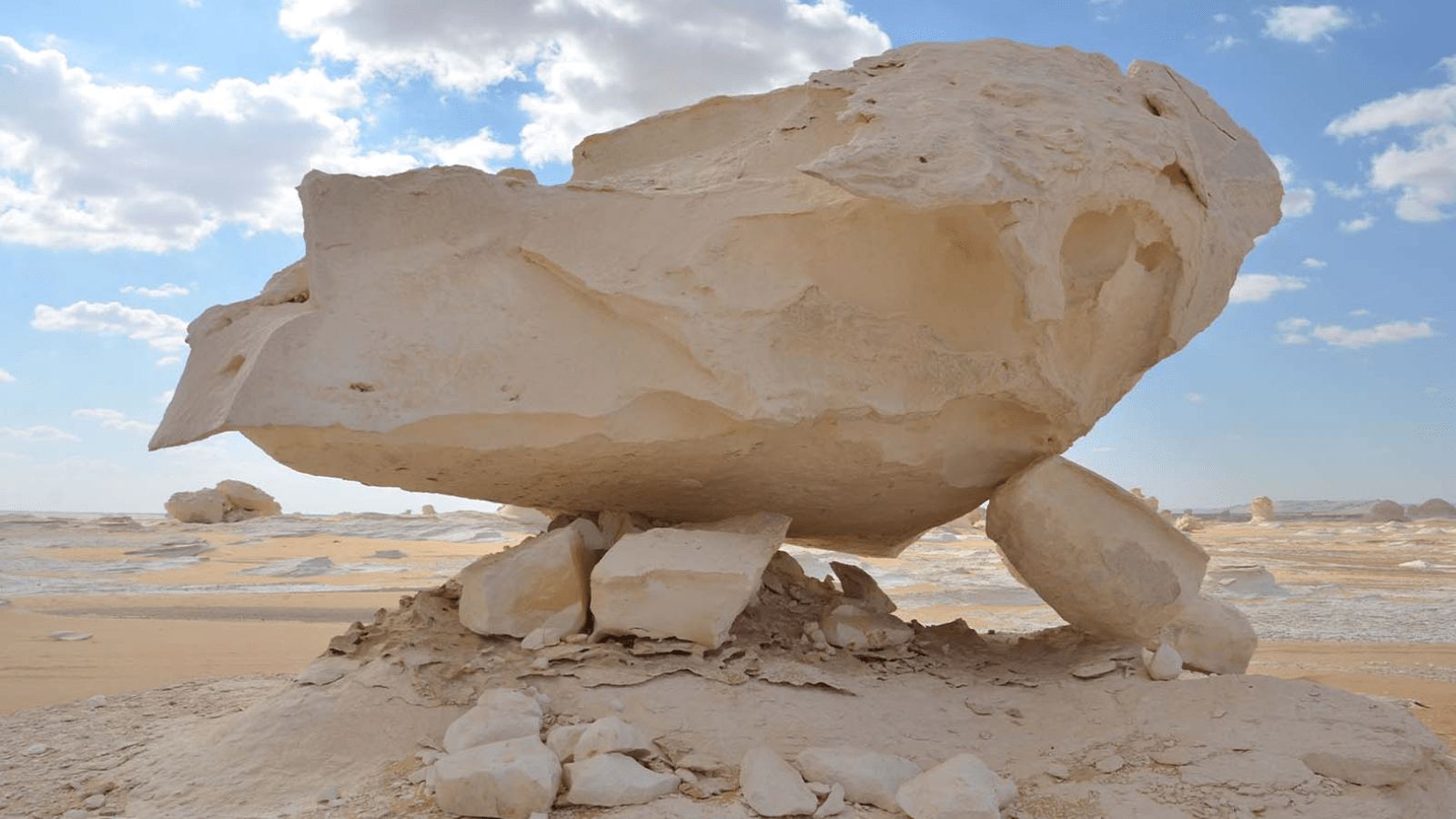
The White Desert is a protected landscape of bright chalk plains and wind-shaped formations, including distinctive mushroom-like stone profiles. Bahariya is a practical gateway for a wider desert circuit.
A responsible trip may include approved 4x4 routes, views of the contrasting Black Desert and a permitted campsite if conditions allow. The geology is fragile, so climbing the formations, removing objects or leaving litter is unacceptable.
Route tip: Use an authorized desert operator. Check route permissions, camping arrangements, cold-night equipment and government travel advice for the actual date.
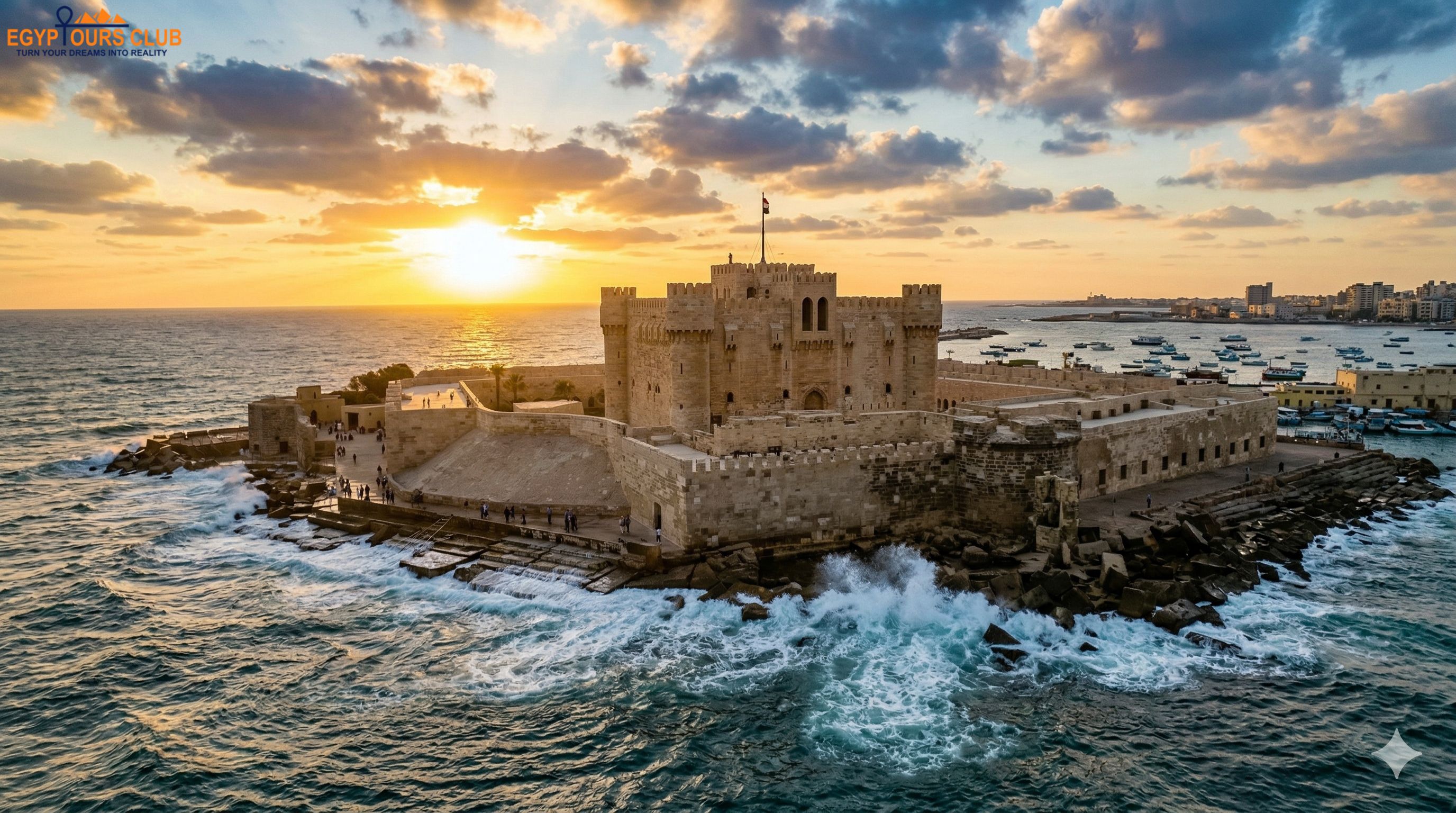
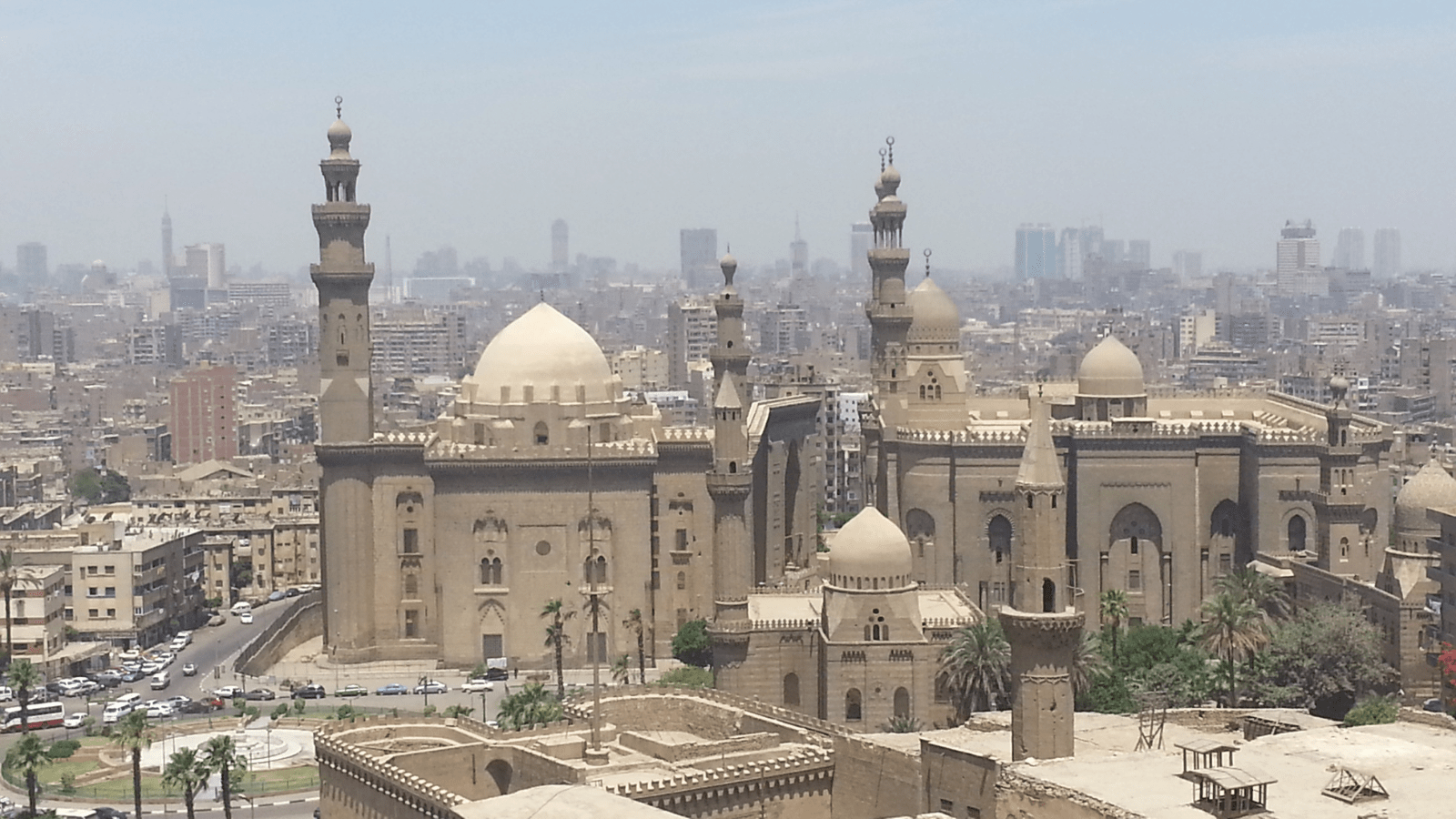
Alexandria adds a Greco-Roman and Mediterranean chapter to an Egypt itinerary. Its standout sights include the Catacombs of Kom El Shoqafa, Qaitbay Citadel and the modern Bibliotheca Alexandrina.
Visit the waterfront fortress for the former lighthouse-site context, explore the catacombs for their mix of traditions and allow time for the Corniche. The current Bibliotheca is a modern institution inspired by the ancient library, not its surviving building.
Route tip: A long day trip from Cairo is possible; an overnight works better when several museums and coastal sites matter.
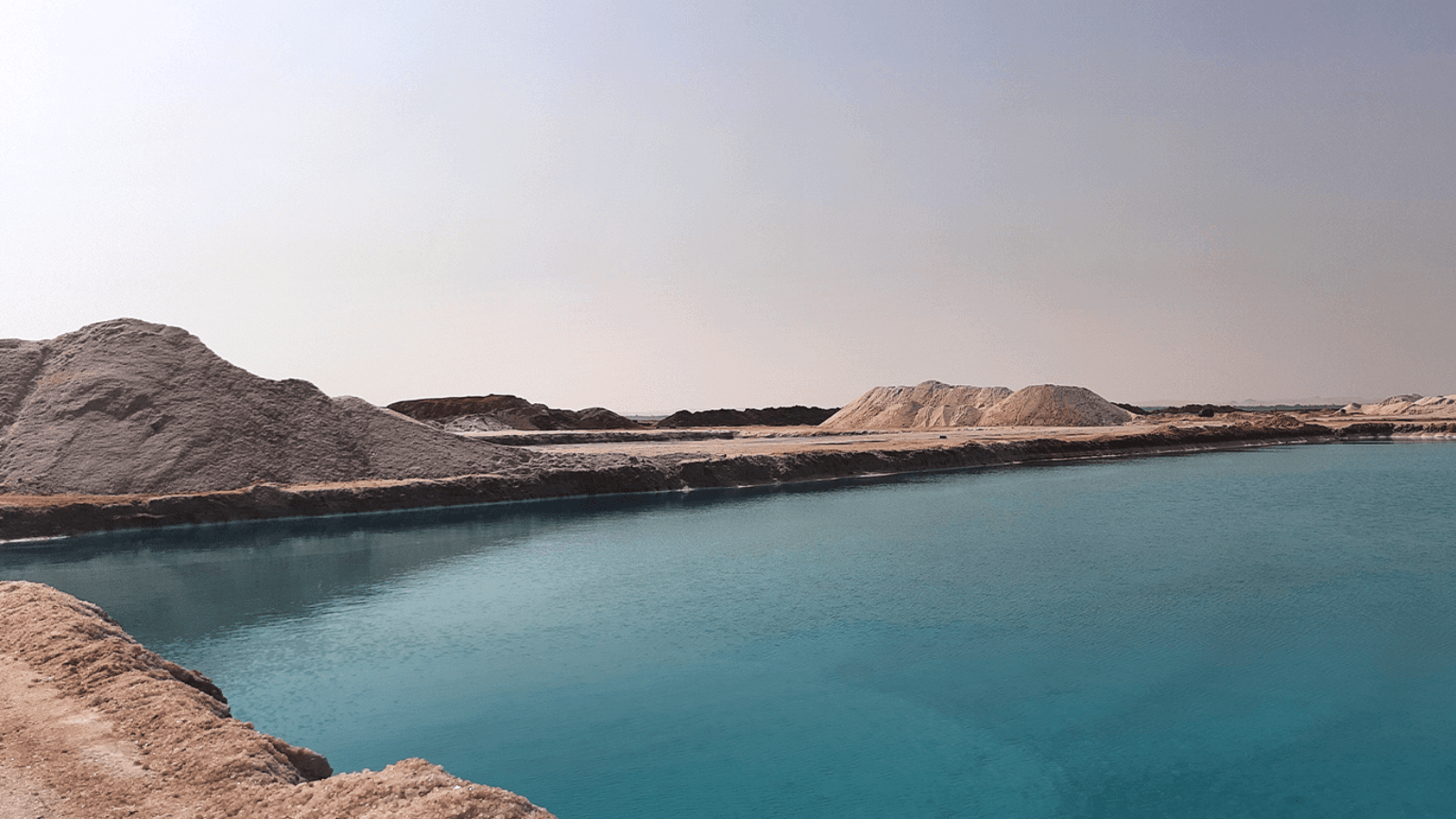
Siwa offers salt lakes, palm groves, natural springs, Shali’s traditional kershef architecture and the Oracle of Amun associated with Alexander the Great.
Its distinctive Siwan Amazigh heritage deserves as much attention as the scenery. A visit can combine heritage sites, relaxed spring time and a Great Sand Sea excursion when local access and operators permit.
Route tip: Siwa is a long road journey, not a short detour after Giza. Plan several nights, confirm conditions, and treat Cleopatra’s connection with the spring as tradition rather than proven history.
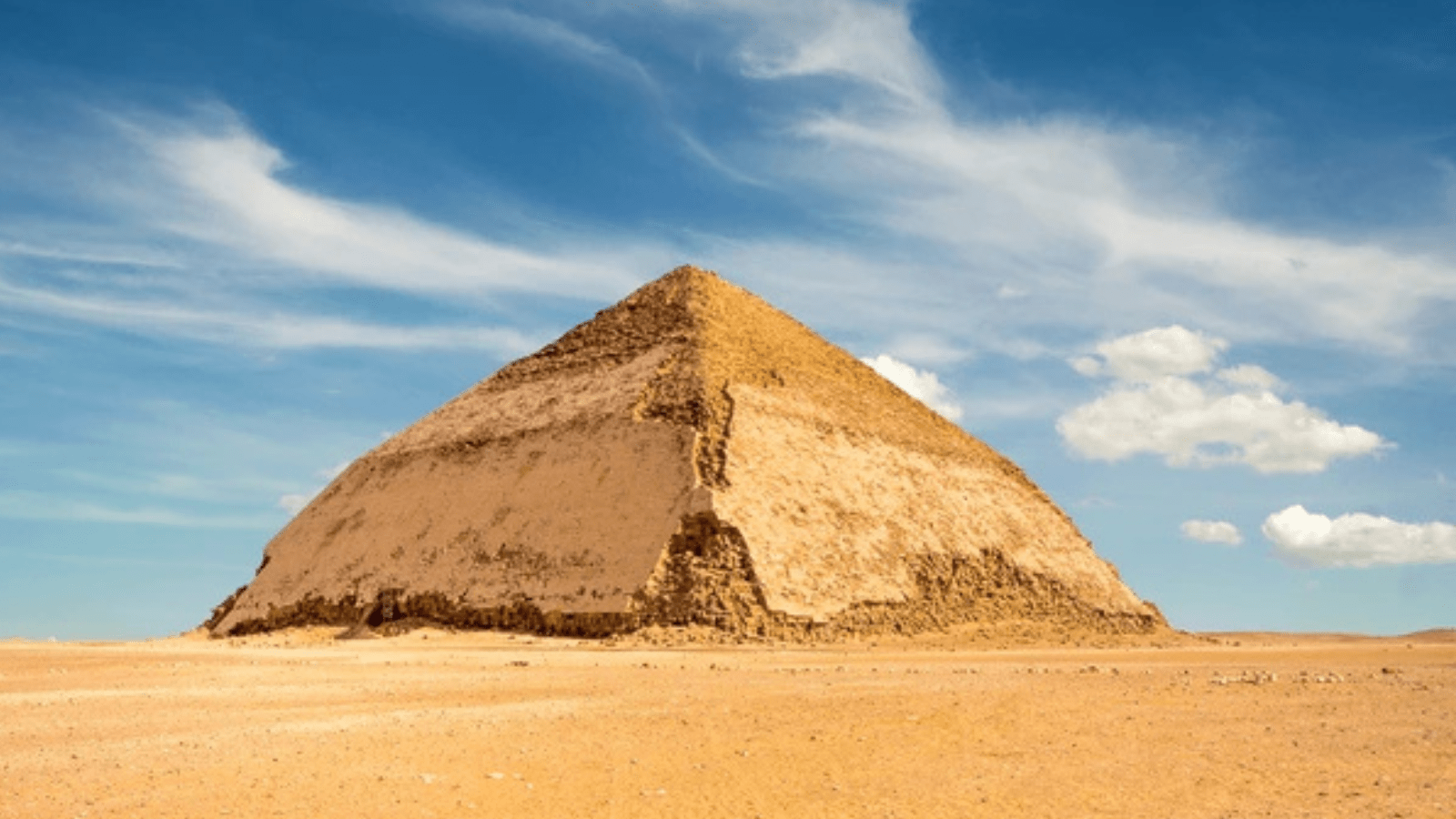
Dahshur shows how the pyramid builders refined their methods. Sneferu’s Bent Pyramid changes angle partway up, while the Red Pyramid is widely viewed as Egypt’s first successful true smooth-sided pyramid.
Visiting both monuments clarifies the sequence leading toward Giza. Many travelers pair Dahshur with Saqqara; a full archaeology-focused day can extend to Giza when time, distances and ticket arrangements allow.
Route tip: Check interior access before traveling. The corridors can be steep and demanding, so the external monuments remain worthwhile if you prefer not to enter.
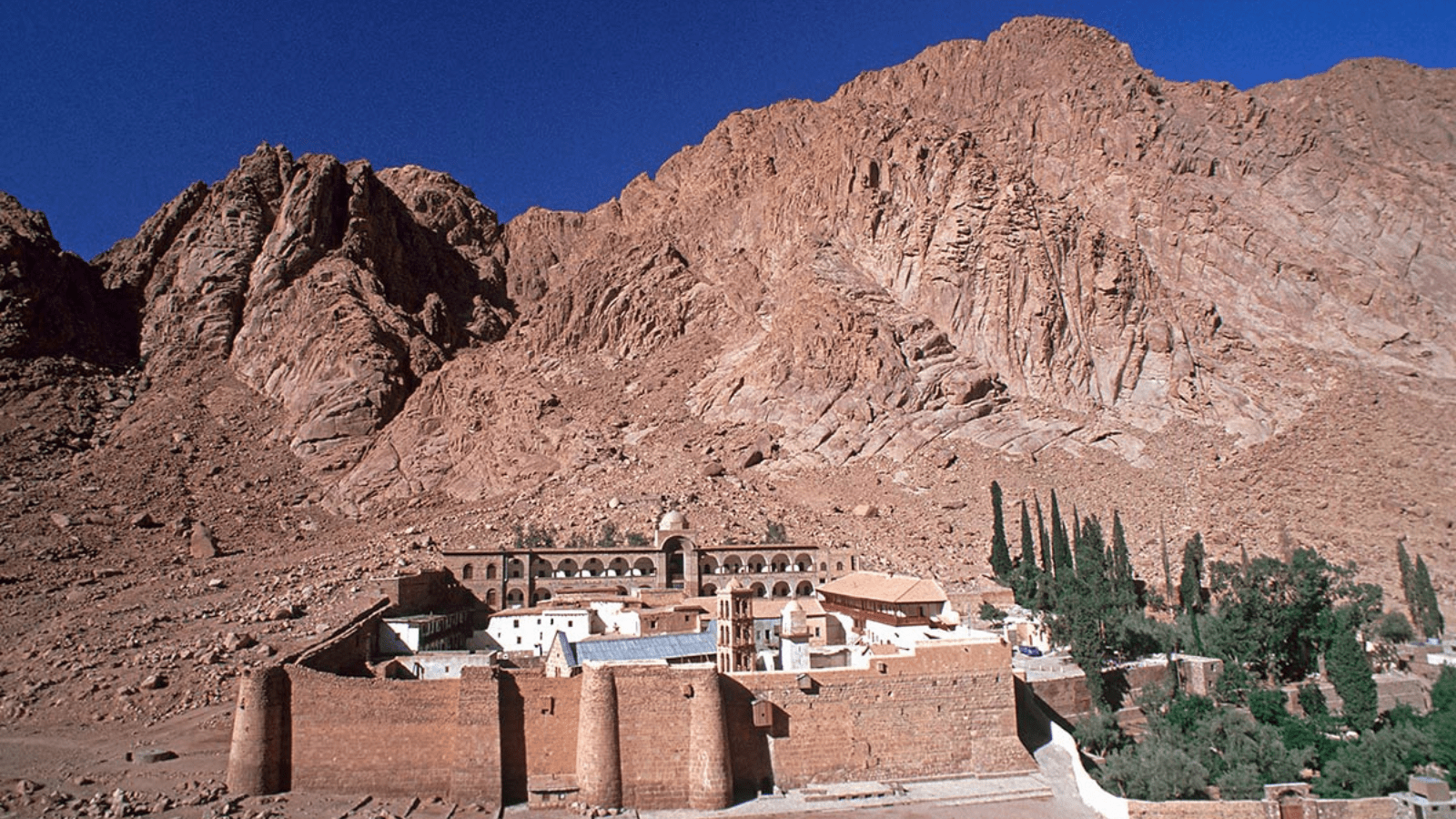
Saint Catherine’s Monastery is a functioning sixth-century Byzantine religious complex at the foot of the Sinai mountains. The UNESCO-listed area is sacred to Christian, Jewish and Muslim traditions.
A monastery visit and an overnight ascent of Mount Sinai are separate activities. The climb requires preparation and local guidance. Access to active monastery spaces, the church, icons and manuscripts is limited by visiting arrangements and religious use.
Route tip: Verify current opening rules, weather, road access, local travel advice and fitness requirements before adding a Sinai journey to your route.
The route is the decision. Each additional region costs road or flight time. Treat the following as planning patterns, not fixed bookable departures or promises that every stop will fit.
Each image shows the attraction or destination named in its row. The consistent square thumbnails and horizontal table scroll are designed for desktop and mobile without stretching photos or repeating unrelated scenes.
| Photo | Attraction | Where | Plan time | Priority | Visitor decision |
|---|---|---|---|---|---|
| Pyramids of Giza and the Great Sphinx | Giza · Greater Cairo | 3–4 hours | Core first-trip sight | Pyramid interiors may require separate tickets |
| Grand Egyptian Museum (GEM) | Giza · Museum | 3–5 hours | Core first-trip museum | Royal mummies are at NMEC, not GEM |
| Luxor Temples and the Valley of the Kings | Luxor · East and West Banks | 1–2 full days | Core Upper Egypt stop | Separate East and West Bank visits |
| Abu Simbel Temples | Southern Egypt · From Aswan | One long excursion | High-value Aswan extension | Confirm Aswan excursion and tickets |
| Nile Cruise from Luxor to Aswan | Upper Egypt · River journey | Usually 3–4 nights | Core route connector | Check ship, sailing, excursions and meals |
| White Desert and Bahariya Oasis | Western Desert · Farafra area | 2 days or more | Optional nature extension | Authorized desert route and camping rules |
| Alexandria and the Mediterranean Coast | Alexandria · Northern Egypt | One day or overnight | History and city extension | Choose Cairo day trip or overnight |
| Siwa Oasis | Western Desert · Matrouh | 3–5 nights suits many | Optional remote oasis extension | Long road transfer and several nights |
| Dahshur Pyramids | South of Giza · Old Kingdom | 2–3 hours | Cairo archaeology add-on | Bent/Red Pyramid access and Saqqara link |
| Saint Catherine’s Monastery and Mount Sinai | South Sinai · Sacred heritage | 1–2 days or overnight | Optional faith and hiking extension | Monastery access and optional summit hike |
On small screens, swipe the comparison table sideways. Travel windows are planning estimates, not fixed schedules, guaranteed access periods or current prices.
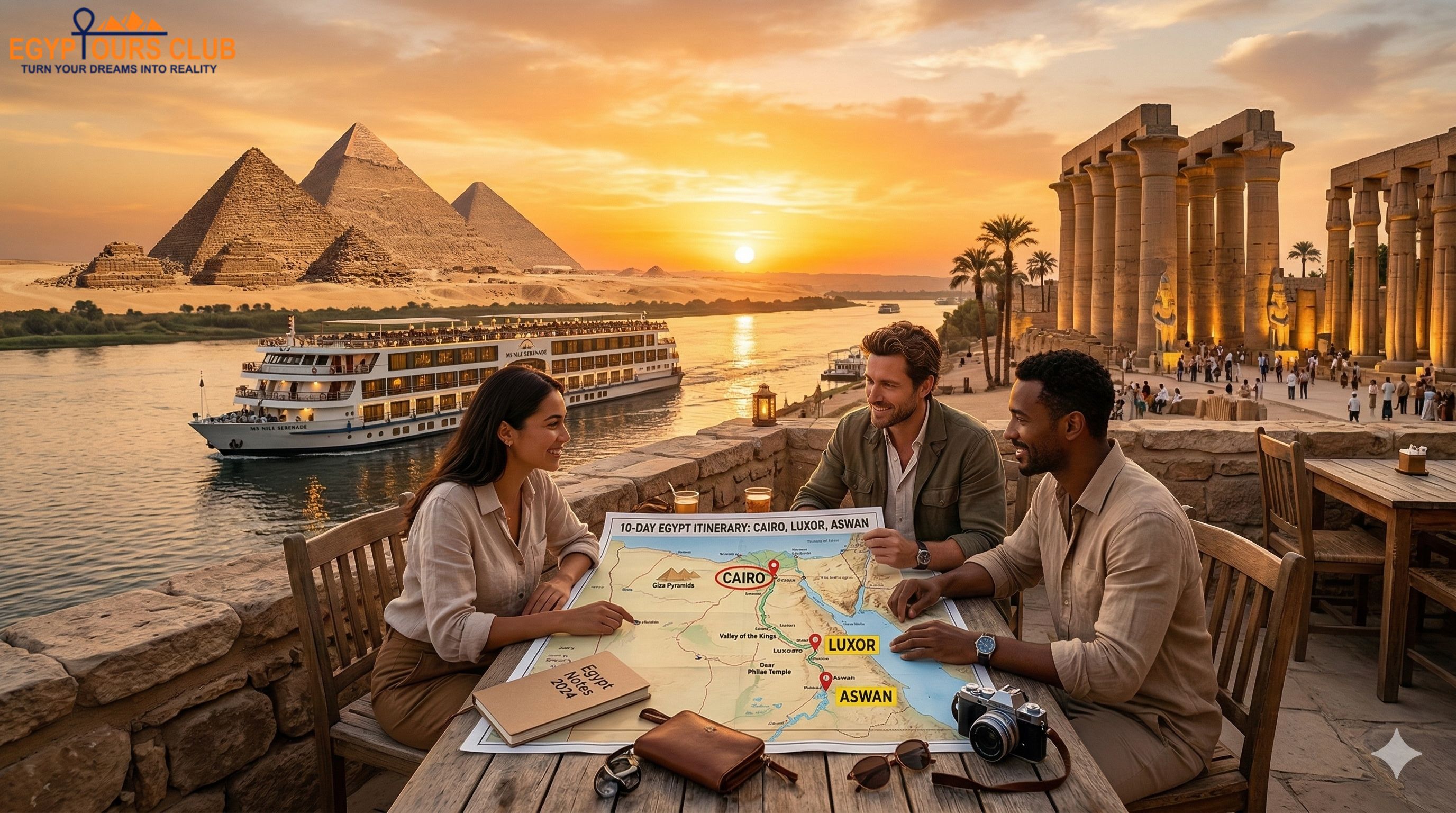
Put Cairo and Giza together, Luxor’s two banks in clear sightseeing blocks, and Aswan with any cruise or Abu Simbel arrangements. Alexandria, Siwa, the White Desert and Sinai each need their own travel time.
Ask which entrance tickets, guide services, domestic flights, vehicles, cruise excursions, optional tomb entries, special access and activities appear in the written booking voucher.
The GEM is a major museum, not a brief stop after Giza. If royal mummies matter, plan NMEC as a separate Fustat visit rather than assuming one museum contains every famous collection.
Use an authorized operator for protected desert areas. Recheck permissions, 4x4 vehicles, route and camping access, weather and official regional travel advice before the White Desert or Siwa.
Sun exposure, steep pyramid passages, uneven tomb routes and mountain hiking differ greatly. Match the plan to the age, mobility and interests of the group, and never promise every interior or sacred space will be open.
Historical significance and UNESCO designations are verified against official references. Current tickets, permissions, security conditions, operating times and permitted activities can change, so check the appropriate authority before travel.
GEM, the Egyptian Museum in Tahrir and NMEC are different institutions. Their collections and locations are not interchangeable.
An itinerary listing Aswan or Luxor does not guarantee Abu Simbel, a private guide, special tomb entries or the same ship and cabin.
Siwa, the White Desert, Alexandria and Sinai are not a single cluster. Choose an extension and reserve the necessary time.
Start with the Pyramids of Giza and Great Sphinx, the Grand Egyptian Museum, Karnak and Luxor Temple, the Valley of the Kings, and the Aswan/Philae area. A Nile cruise can connect the Upper Egypt portion, while Abu Simbel is a valuable separate excursion.
Yes. The Grand Egyptian Museum welcomes visitors to the Tutankhamun galleries and major displays. Confirm current tickets and gallery access through an official or verified booking channel before visiting.
The Royal Mummies Hall is at the National Museum of Egyptian Civilization (NMEC) in Fustat, Cairo, not at the Grand Egyptian Museum in Giza. It requires a separate visit.
No, not comfortably. The ten places cover distant regions, including Alexandria, Siwa, the White Desert and Sinai. One week is better spent on a selective Cairo, Luxor and Aswan route.
Eight to ten days works well for a classic Cairo, Luxor and Aswan journey with a Nile cruise if the flight and sailing schedule fit. A longer trip is needed for most desert, Mediterranean or Sinai extensions.
No. Many cruise itineraries arrive in Aswan but do not include the long Abu Simbel excursion. Check the written itinerary for transport, guide, entrance tickets and pickup time.
Depending on the direction, schedule and tour inclusions, excursions may cover Edfu, Kom Ombo, Philae, Karnak, Luxor Temple and selected West Bank sites. The exact visits must be shown in the booked programme.
No. The White Desert is best treated as an authorized multi-day desert trip via Bahariya, while Siwa needs a dedicated overland journey and several nights. Permissions and regional conditions can change.
No. The monastery and summit hike are separate experiences. Some travelers visit the monastery without attempting the mountain ascent, subject to the current visiting arrangements.
Yes, especially if you enjoy archaeology. Dahshur’s Bent and Red Pyramids explain the engineering progression toward Giza. Combine them with Saqqara when a dedicated pyramid-history day is available.
Not automatically. Interior pyramid tickets, selected royal tombs, desert camping, boat activities, photography permissions and optional excursions may require separate tickets or arrangements. Read the confirmed inclusion list.
Choose the Cairo, Luxor and Aswan core first, then add one extension that fits your time and interests. Use current official regional travel advice and confirm guide, transport, permits, access and itinerary details with your operator.
Share your dates, travel party, hotel category, interests and available nights. Our Egypt-based team can propose a realistic Cairo, Luxor, Aswan and Nile route and price any Alexandria, desert, Siwa or Sinai extension separately, with written inclusions.
Editorial note: Attraction routes, opening hours, prices, special-access tickets, cruise sailings, desert permissions and regional guidance may change. This article explains possible visits, not an automatic inclusion in a booked package. Images are real, subject-matched photographs sourced from the Egypt Tours Club website.
.png)