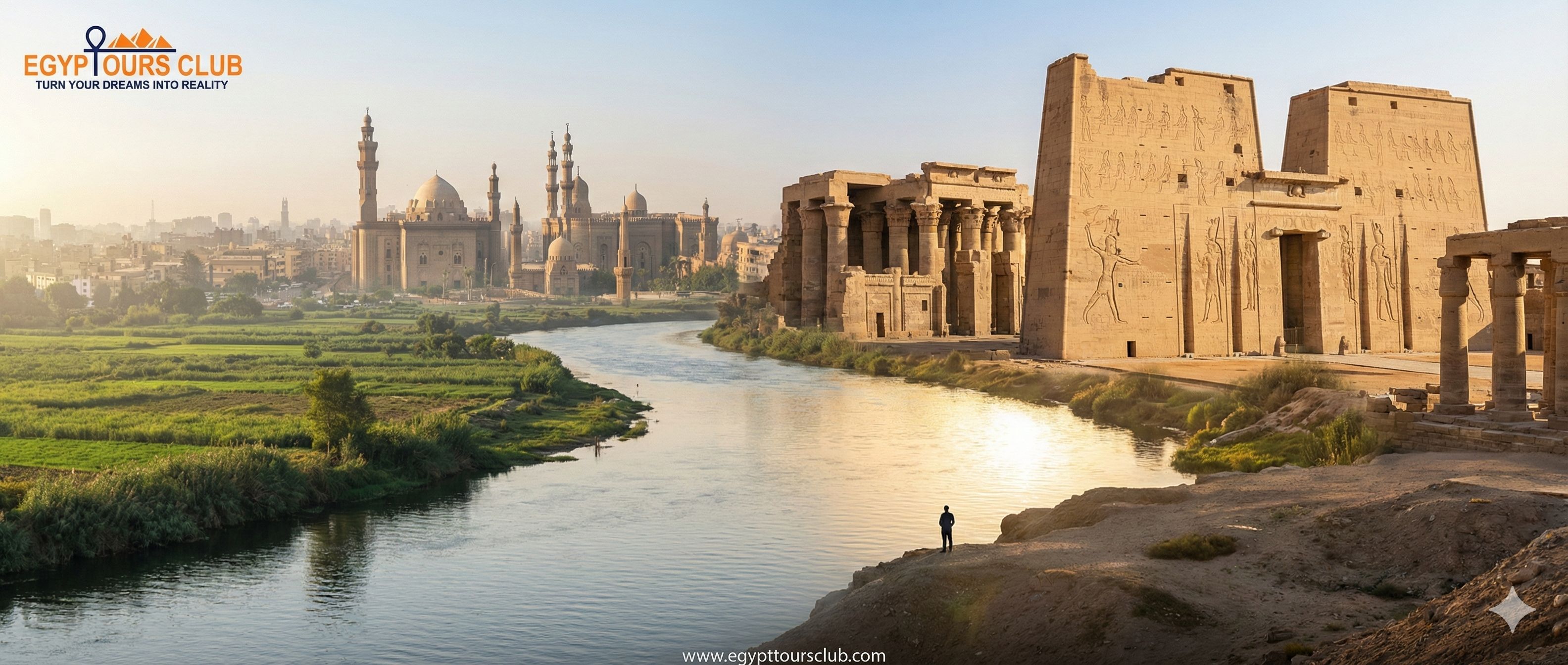
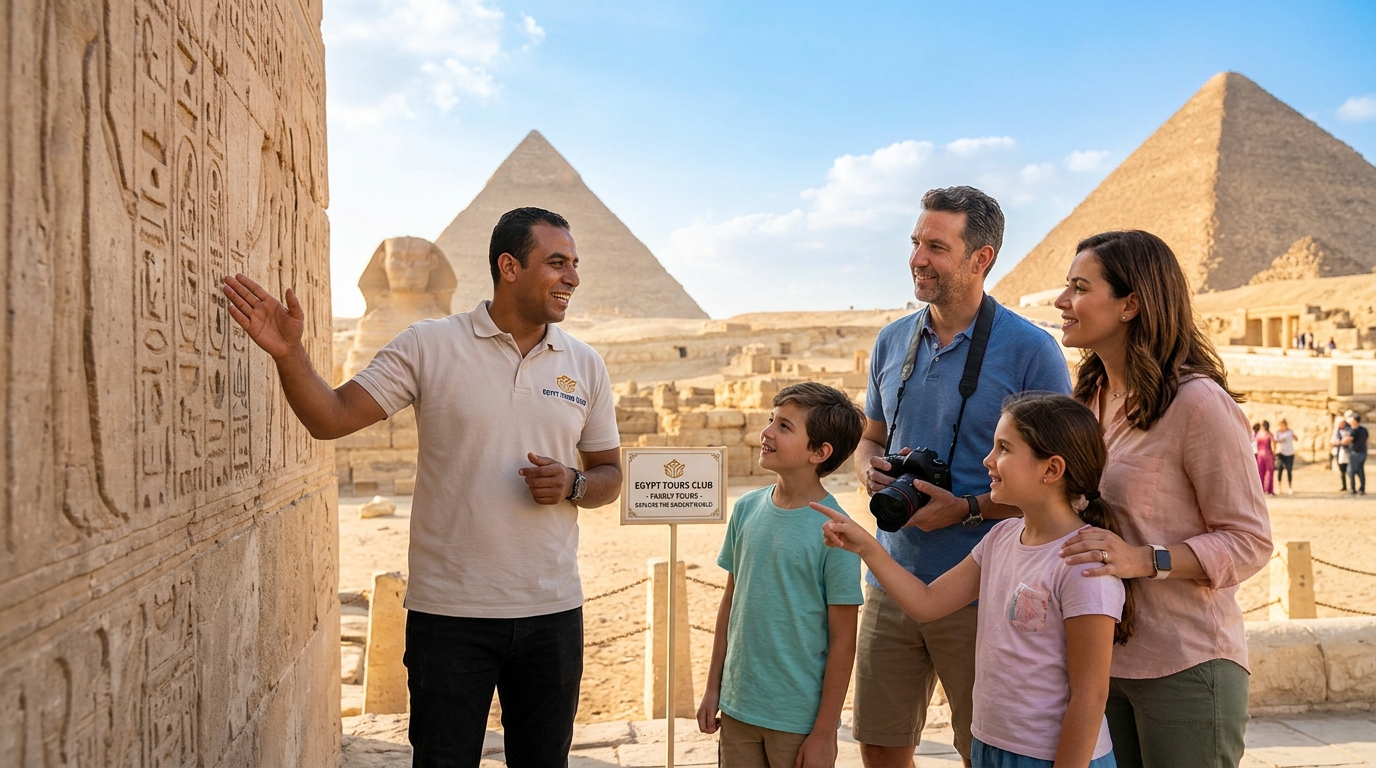
20 essential attractions · Cairo · Luxor · Aswan · Nile · Red Sea · deserts · Sinai
Ancient monuments · museums · Nile · Red Sea · deserts · UNESCO heritage
Top 20 Tourist Attractions in Egypt: The Essential Places to See
Egypt's best attractions are not all pyramids and temples. A strong first trip combines the Giza Plateau and the Grand Egyptian Museum with Luxor's royal tombs and temples, Aswan and Abu Simbel, a Nile journey, Historic Cairo, Mediterranean Alexandria, the Red Sea and—when time allows—the Western Desert or Sinai.
Quick Answer
What are the must-see tourist attractions in Egypt?
For most first-time visitors, prioritize the Pyramids of Giza and Great Sphinx, Grand Egyptian Museum, Saqqara, Historic Cairo, Karnak Temple, Valley of the Kings, Hatshepsut Temple, Philae Temple, Abu Simbel and a Nile cruise. These ten create the strongest introduction to Egypt's ancient history, living cities and Nile landscape.
With extra time, add Alexandria, Dendera and Abydos, Nubian Aswan, the Red Sea, the White Desert, Siwa, Wadi Al-Hitan or Saint Catherine and Mount Sinai according to your interests.
Egypt in Pictures
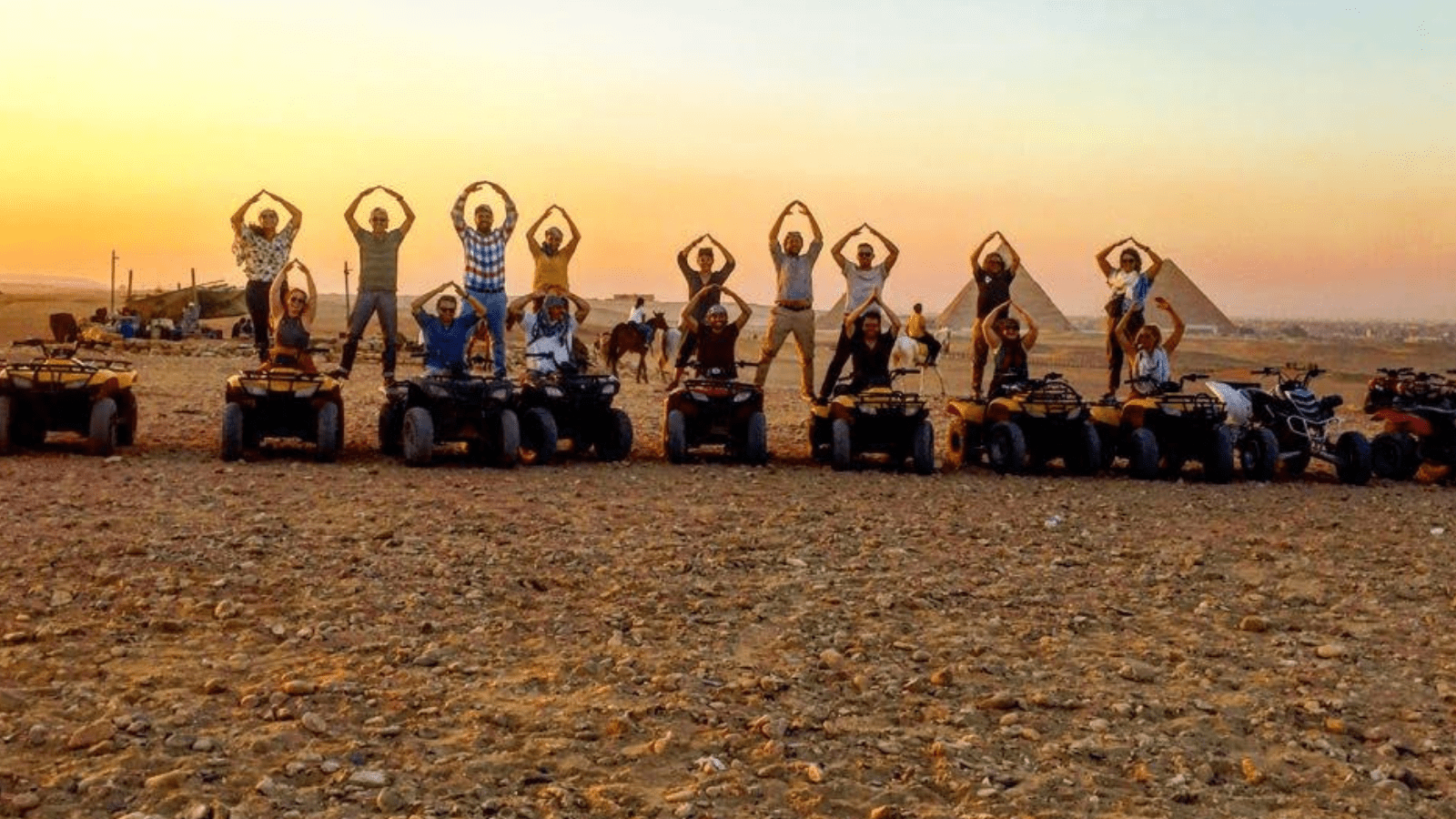
From pyramid fields to the Nile, deserts and the Red Sea
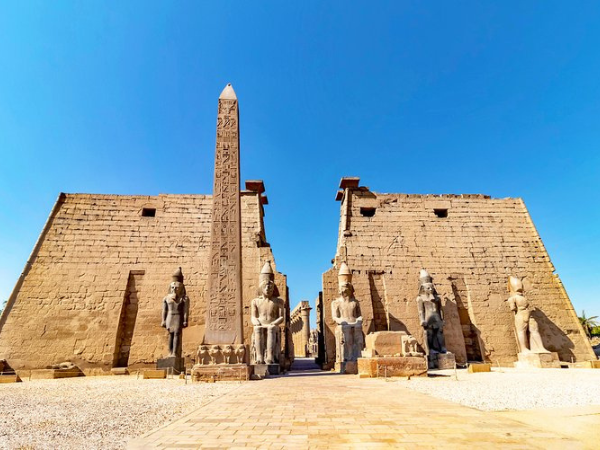
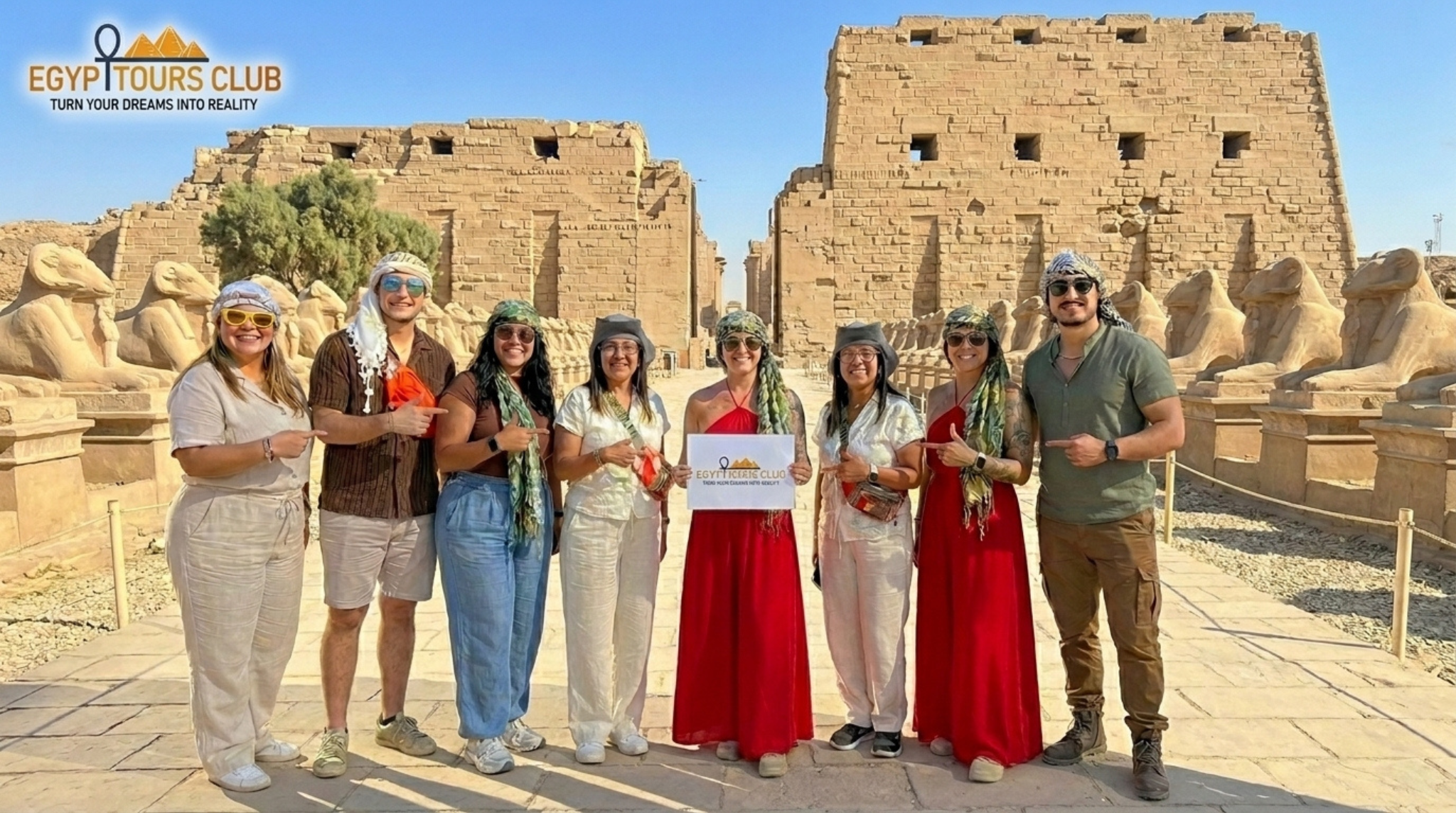
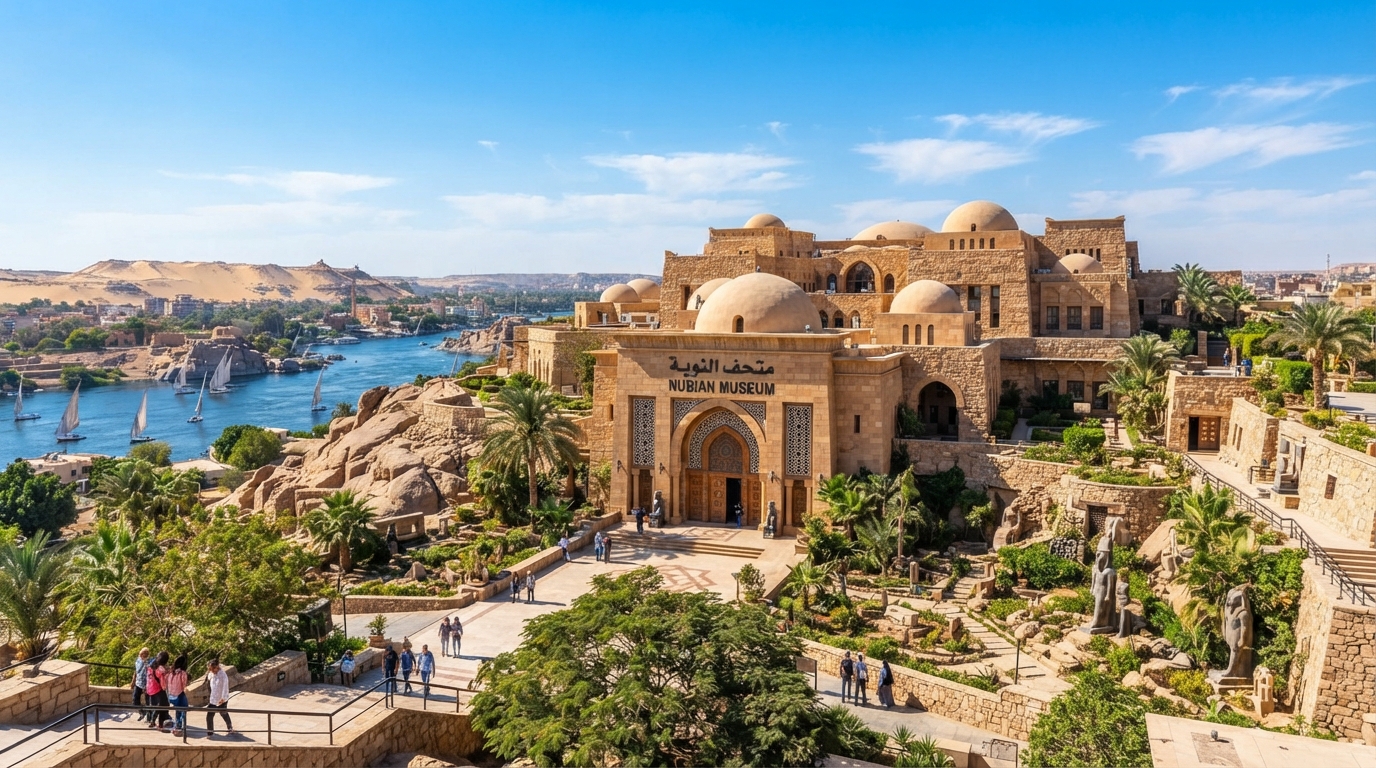
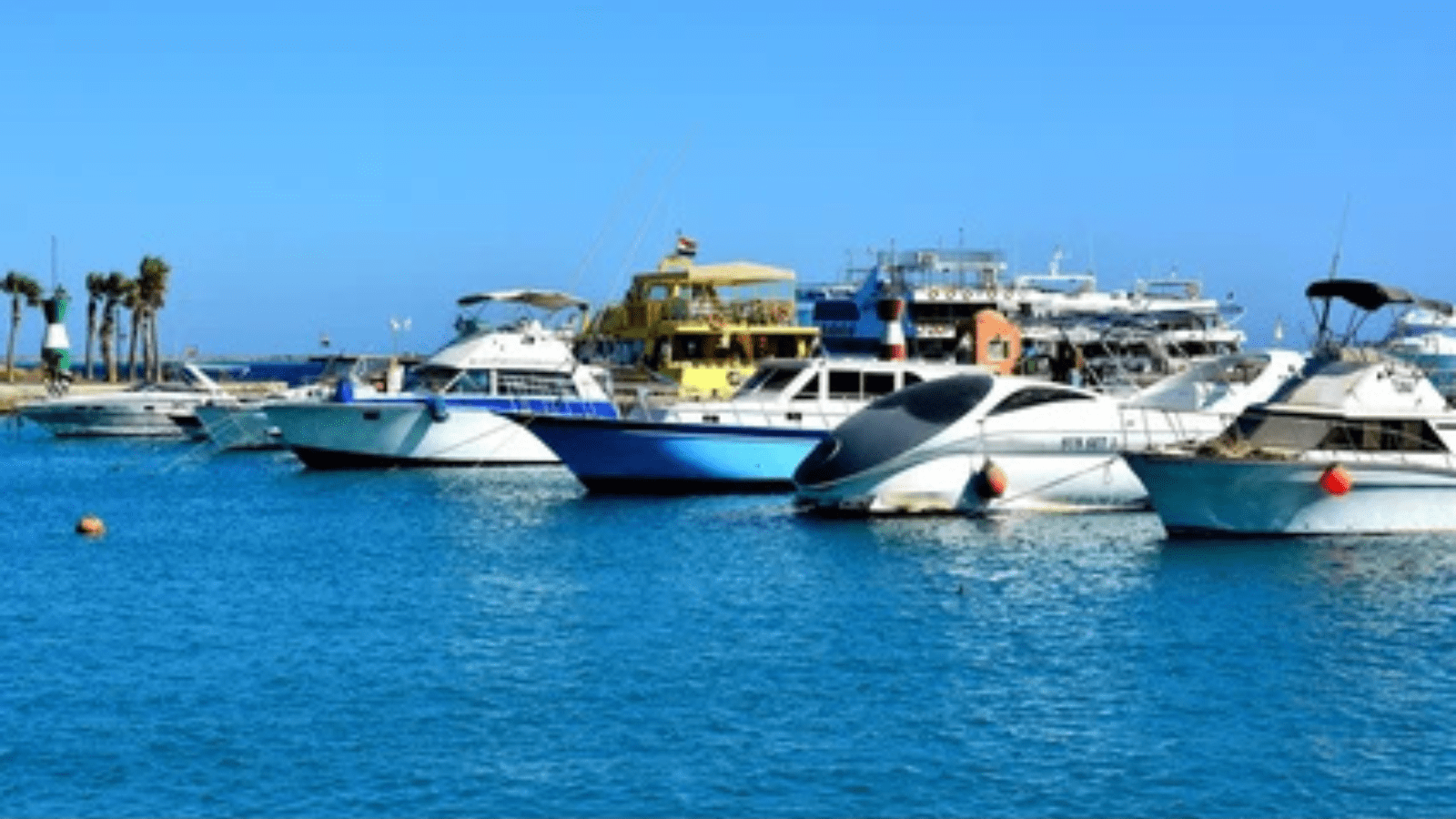
These are the landscapes that define a first journey through Egypt: monumental archaeology, museum collections, river cities, desert formations and coastal nature.


The Top 20
Twenty attractions worth building an Egypt itinerary around
The list is organized by travel geography rather than random ranking, so you can see which attractions naturally combine on the same day or within the same destination.
Cairo, Giza & the North
Ancient capitals, museums and historic city districts
Start with the pyramid landscape, then use museums and historic Cairo to connect monuments with objects, religion and later urban history.
Pyramids of Giza & Great Sphinx
Khufu, Khafre and Menkaure form Egypt's most famous royal landscape. Add the Great Sphinx and panoramic viewpoint rather than treating the Great Pyramid as a single isolated stop.
Open the Giza Visitor GuideGrand Egyptian Museum (GEM)
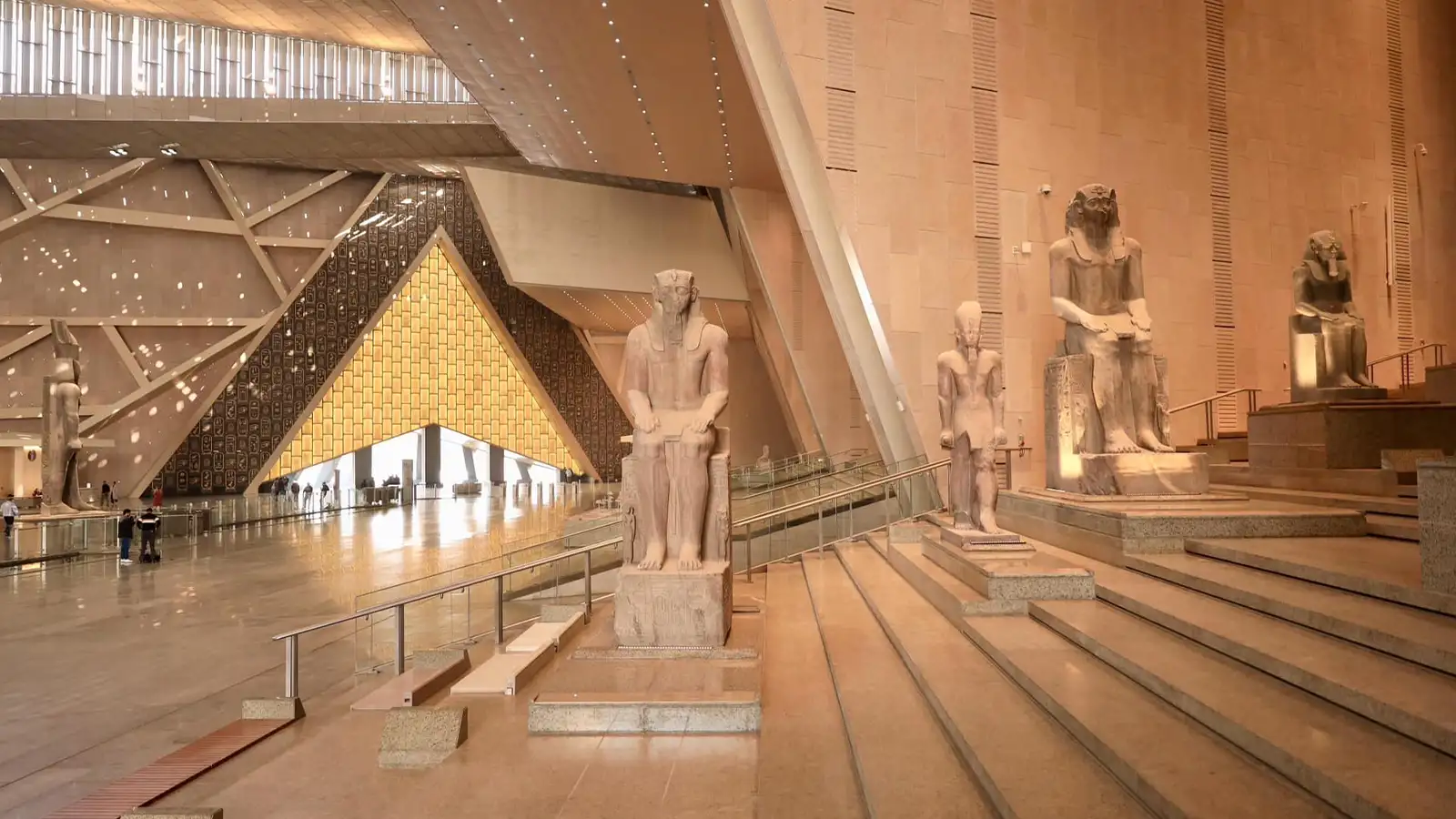
GEM is the strongest first-time museum priority in 2026, with the Tutankhamun Galleries, main chronological galleries, Grand Hall, Grand Staircase and Khufu's Boats Museum.
Open the GEM GuideSaqqara & the Step Pyramid of Djoser
Saqqara explains how pyramid architecture developed before Giza. Djoser's Step Pyramid and the wider necropolis make this one of Egypt's most important archaeological landscapes.
Open the Saqqara GuideHistoric Cairo & Khan El Khalili
Explore mosques, medieval streets, Al-Muizz, the Citadel area and Khan El Khalili. This is the essential counterpoint to pharaonic sightseeing.
Open the Historic Cairo GuideCoptic Cairo
The Hanging Church, historic churches and the Coptic Museum reveal another layer of Cairo's religious history and work naturally with a broader Old Cairo day.
Explore Coptic & Islamic CairoAlexandria
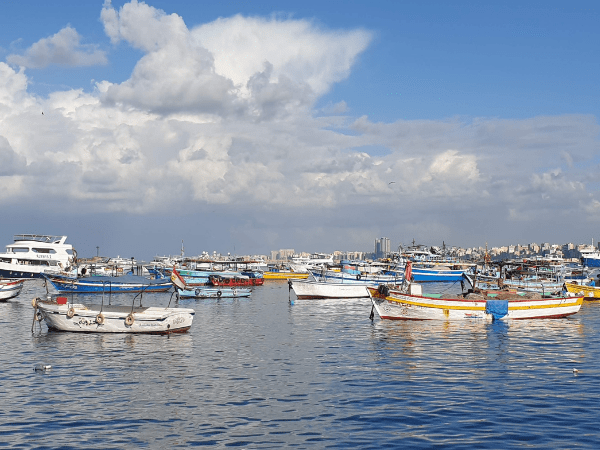
Catacombs, Pompey's Pillar, Qaitbay Citadel, museums and the Bibliotheca Alexandrina give Egypt's itinerary a Mediterranean and Greco-Roman dimension.
See Cairo + Alexandria PlanningLuxor & Upper Egypt
Egypt's greatest concentration of temples and royal tombs
Ancient Thebes combines East Bank temple landscapes with West Bank royal necropolises, creating one of the world's densest archaeological destinations.
Karnak Temple Complex
Karnak is not one temple but a vast sacred complex developed over centuries. The Great Hypostyle Hall is one of Egypt's most powerful architectural experiences.
Open the Karnak GuideValley of the Kings
Enter selected decorated tombs of New Kingdom rulers and understand why the royal burial tradition moved from monumental pyramids to hidden rock-cut tombs.
Open the Valley of the Kings GuideTemple of Hatshepsut
The terraces of Hatshepsut's memorial temple rise dramatically against the cliffs and provide one of the strongest architectural contrasts on Luxor's West Bank.
Open the Hatshepsut GuideDendera & Abydos
Dendera's Temple of Hathor and Abydos's Temple of Seti I reward travelers who want deeper temple art, religious history and a quieter archaeological day beyond central Luxor.
Use Luxor as the Planning BaseNile, Aswan & Nubia
River travel, island temples and monumental southern Egypt
These attractions connect best as one geographic story: sail the Nile, explore Aswan and Philae, then add Abu Simbel as a dedicated excursion.
Nile Cruise Between Luxor & Aswan
A Nile cruise connects Upper Egypt's temple landscape with fewer hotel changes and creates time to experience the river itself rather than only archaeological sites.
Compare Nile CruisesPhilae Temple
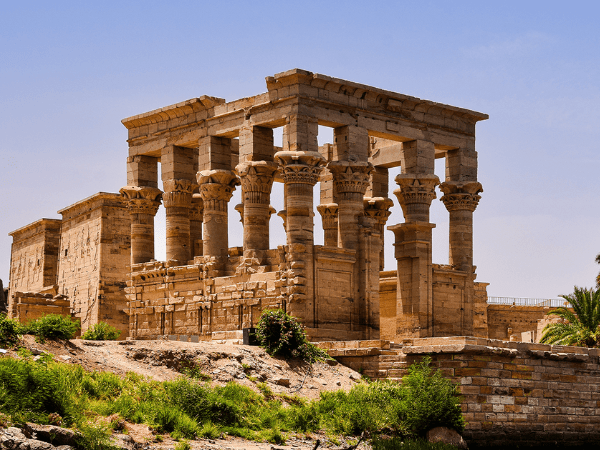
The relocated temple complex on Agilkia Island combines Ptolemaic and Roman architecture with Nile scenery and one of Egypt's most important monument-rescue stories.
Open the Philae GuideAbu Simbel Temples
The Great Temple of Ramesses II and the Temple of Hathor and Queen Nefertari combine colossal sculpture, solar architecture and the extraordinary 20th-century relocation project.
Open the Abu Simbel GuideAswan & Nubian Culture
Aswan offers a slower Nile rhythm, felucca sailing, Nubian cultural experiences, island scenery and access to Philae and Abu Simbel.
Explore Aswan ToursCoasts, Deserts & Sacred Landscapes
The attractions that show Egypt beyond the Nile Valley
Add one of these extensions when your trip is long enough. They work best as dedicated segments rather than rushed add-ons.
Hurghada & Marsa Alam Red Sea
Coral reefs, marine life and beach resorts make the Red Sea the strongest relaxation extension after Cairo and the Nile Valley.
Explore Hurghada ExperiencesSharm El Sheikh & Ras Mohammed
Sharm combines resort infrastructure with easy access to major snorkeling and diving areas around Ras Mohammed and the Straits of Tiran.
Explore Sharm El Sheikh ToursWhite Desert & Bahariya Oasis
Chalk formations, the Black Desert, Crystal Mountain and Bahariya create one of Egypt's strongest landscape adventures. Use an authorized local operator for remote protected-desert travel.
Open the White Desert GuideSiwa Oasis
Siwa is a remote oasis of springs, salt lakes, palm groves, mud-brick architecture and the ancient Oracle of Amun. It deserves several days because of the travel distance.
Explore Desert & Adventure PackagesWadi Al-Hitan & Fayoum
Wadi Al-Hitan, the Valley of the Whales, preserves extraordinary fossil evidence for whale evolution and creates a very different kind of Egypt day beyond monuments and temples.
Read the UNESCO Site GuideSaint Catherine's Monastery & Mount Sinai
The Byzantine monastery, sacred library and Mount Sinai landscape combine religious heritage, mountain scenery and one of Egypt's most important pilgrimage environments.
Open the Saint Catherine GuidePlan by Trip Length
How many Egypt attractions can you realistically see?
Do not use the top 20 as a checklist. Build a route around geography, travel time and the experience you care about most.
| Trip Length | Route Snapshot | Best Attraction Mix | Good Add-On | Useful Link |
|---|---|---|---|---|
| 4–5 days | Cairo & Giza FocusBest for a short first visit centered on the pyramid field and museums. | Best attraction mix GizaGEMSaqqaraHistoric Cairo Add Luxor only if you are comfortable with domestic flights and a faster pace. | Smart add-on Alexandria instead of Luxor works better for a Cairo-based short trip. | 4-Day Cairo Route |
| 7 days | Classic Highlights WeekA balanced first-timer route connecting Cairo, Luxor and Aswan. | Best attraction mix Cairo / GizaLuxorAswan Keep the structure focused rather than overloading the week with too many extras. | Smart add-on A short Nile cruise is the most natural upgrade if timings work. | Compare 7-Day Ideas |
| 8–10 days | Best First-Trip RangeThe strongest window for Cairo, a cruise, Luxor and Aswan together. | Best attraction mix Cairo / GizaNile cruiseLuxorAswan This is the most efficient range for Egypt's core highlights without rushing. | Smart add-on Abu Simbel is the best-value extension when you already reach Aswan. | Best First-Trip Routes |
| 11–12 days | Core Route + One ExtensionAdd either the Mediterranean or the Red Sea without breaking the pace. | Best attraction mix Core routeAlexandriaor Red Sea At this length you can combine Egypt's archaeological spine with one extra leisure or coastal segment. | Smart add-on Saqqara, Dendera or Abydos are meaningful upgrades for archaeology-focused travelers. | Compare Egypt Packages |
| 13–15 days | Multi-Region Egypt JourneyLonger trips can combine the classic route with coasts and remote landscapes. | Best attraction mix Core routeRed SeaAlexandria This range gives space for Egypt's main cities and one deeper extension beyond the Nile Valley. | Smart add-on White Desert, Siwa or Sinai work best when treated as proper extensions, not rushed day trips. | Build a Tailor-Made Route |
UNESCO Context
Seven UNESCO World Heritage properties help frame Egypt's attraction map
Egypt's inscribed World Heritage properties include Memphis and its Necropolis, Ancient Thebes with its Necropolis, Historic Cairo, the Nubian Monuments from Abu Simbel to Philae, Saint Catherine Area, Wadi Al-Hitan and Abu Mena. Several attractions in this top-20 list sit inside or connect directly with those protected heritage landscapes.
Frequently Asked Questions
Planning Egypt's top attractions
What are the top five attractions in Egypt for a first visit?
The strongest five are the Pyramids of Giza and Great Sphinx, Grand Egyptian Museum, Karnak Temple, Valley of the Kings and Philae Temple. Add Abu Simbel if your route reaches Aswan and timing allows.
Is the Grand Egyptian Museum more important than the Egyptian Museum in Tahrir?
For most first-time visitors in 2026, GEM is the stronger priority because of its scale, Giza location, Tutankhamun Galleries and broad chronological displays. The Egyptian Museum in Tahrir remains historically important and can be added for deeper museum interest.
How many days do I need to see Egypt's main attractions?
Eight to ten days is a strong first-trip range for Cairo / Giza, Luxor, Aswan and a Nile cruise. Twelve to fifteen days gives room for Alexandria, Abu Simbel, the Red Sea or a desert extension.
Which Egypt attractions are UNESCO World Heritage sites?
Major UNESCO properties connected with this list include the Giza–Saqqara pyramid fields within Memphis and its Necropolis, Ancient Thebes, Historic Cairo, Abu Simbel and Philae within the Nubian Monuments property, Saint Catherine Area and Wadi Al-Hitan.
What is the best attraction outside the classic Cairo–Luxor–Aswan route?
Choose by travel style: the Red Sea for marine life and relaxation, White Desert for landscapes and camping, Siwa for oasis culture, Alexandria for Mediterranean history, or Saint Catherine for sacred mountain heritage.
Should I visit every attraction in this top 20?
No. The list is a planning guide, not a checklist. A better trip protects time at major sites and adds one or two extensions that match your interests rather than maximizing the number of stops.
Official & Planning Sources
Use official sources for heritage context and current operations
From 20 Ideas to One Realistic Route
Choose the right attractions for your dates, pace and travel style
The best Egypt itinerary is not the one with the most stops. Use Cairo, Luxor and Aswan as the cultural spine, then add the Red Sea, Alexandria, desert or Sinai only when the trip length supports it.