

West Bank Luxor Tour | Tombs, Temples & Private Route
Luxor West Bank . banner

Luxor West Bank

ETC · Egypt Tours Club

Luxor West Bank planning by a licensed local Egypt travel team

Ancient Thebes · Royal Tombs · Mortuary Temples

Luxor West Bank Visitor Guide: Tombs, Temples & the Theban Necropolis

Luxor’s West Bank is the archaeological landscape of ancient Thebes where royal tomb valleys, elite cemeteries, workers’ villages and mortuary temples meet beneath the western cliffs. Use this guide to understand what the West Bank is, choose the right monuments for your first visit, plan a realistic route and connect each major site with its dedicated attraction page.

Quick Travel Answer

What is the best way to visit Luxor’s West Bank?

For a first visit, start early and keep the route geographically coherent: explore the Valley of the Kings, continue to Hatshepsut Temple, then use the Colossi of Memnon as a short contextual stop. Add the Valley of the Queens, Deir el-Medina, Valley of the Nobles or Medinet Habu only when you have enough time and walking capacity.
Understand the Place

What is Luxor’s West Bank?

The West Bank is not one attraction. It is the wider Theban Necropolis: a vast funerary and ritual landscape containing royal tomb valleys, private cemeteries, mortuary temples, workers’ settlements and archaeological remains connected with ancient Thebes.

Why the west mattered

Ancient Egyptian funerary geography strongly associated the western horizon with death and regeneration. The Ministry of Tourism and Antiquities notes this symbolism when explaining why New Kingdom rulers were buried west of ancient Thebes.

UNESCO context

The West Bank forms part of the UNESCO World Heritage property Ancient Thebes with its Necropolis, together with Karnak and Luxor Temple on the East Bank and the wider funerary landscape across the Nile.

Main Highlights

What should you see on the Luxor West Bank?

Choose monuments by story and time rather than trying to tick every name in one morning. Each card below leads to the correct dedicated attraction page or a closely related route.

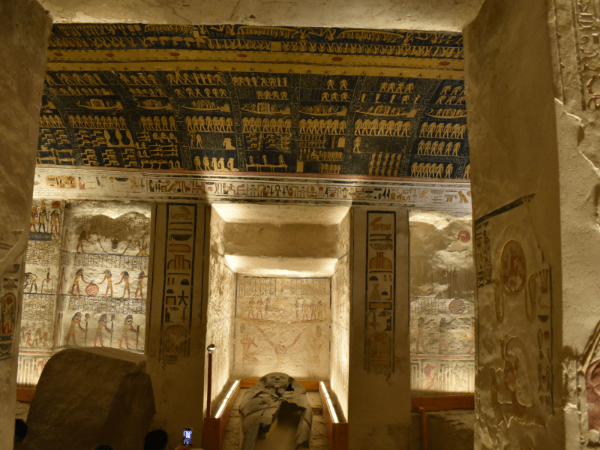
Decorated royal tomb interior in the Valley of the Kings on Luxor West Bank

Valley of the Kings

Royal tombsNew Kingdom

The royal core of the West Bank. The valley contains more than sixty tombs, with access to open tombs rotating for conservation and operations.

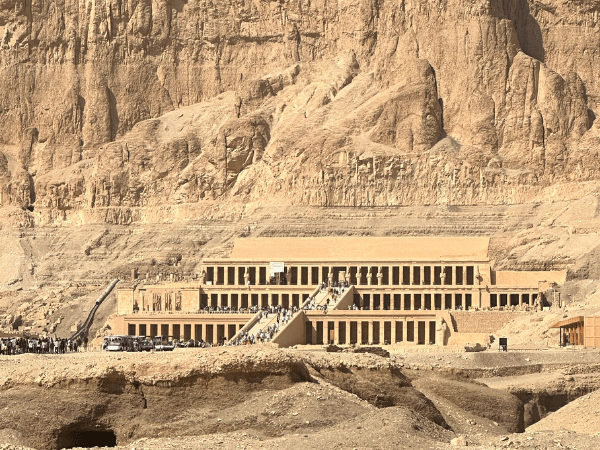
Temple of Queen Hatshepsut at Deir el-Bahari on Luxor West Bank

Hatshepsut Temple

Deir el-BahariMortuary temple

Three terraces rise against the cliffs of Deir el-Bahari, linking royal architecture, the cult of Amun and Hatshepsut’s political and religious story.

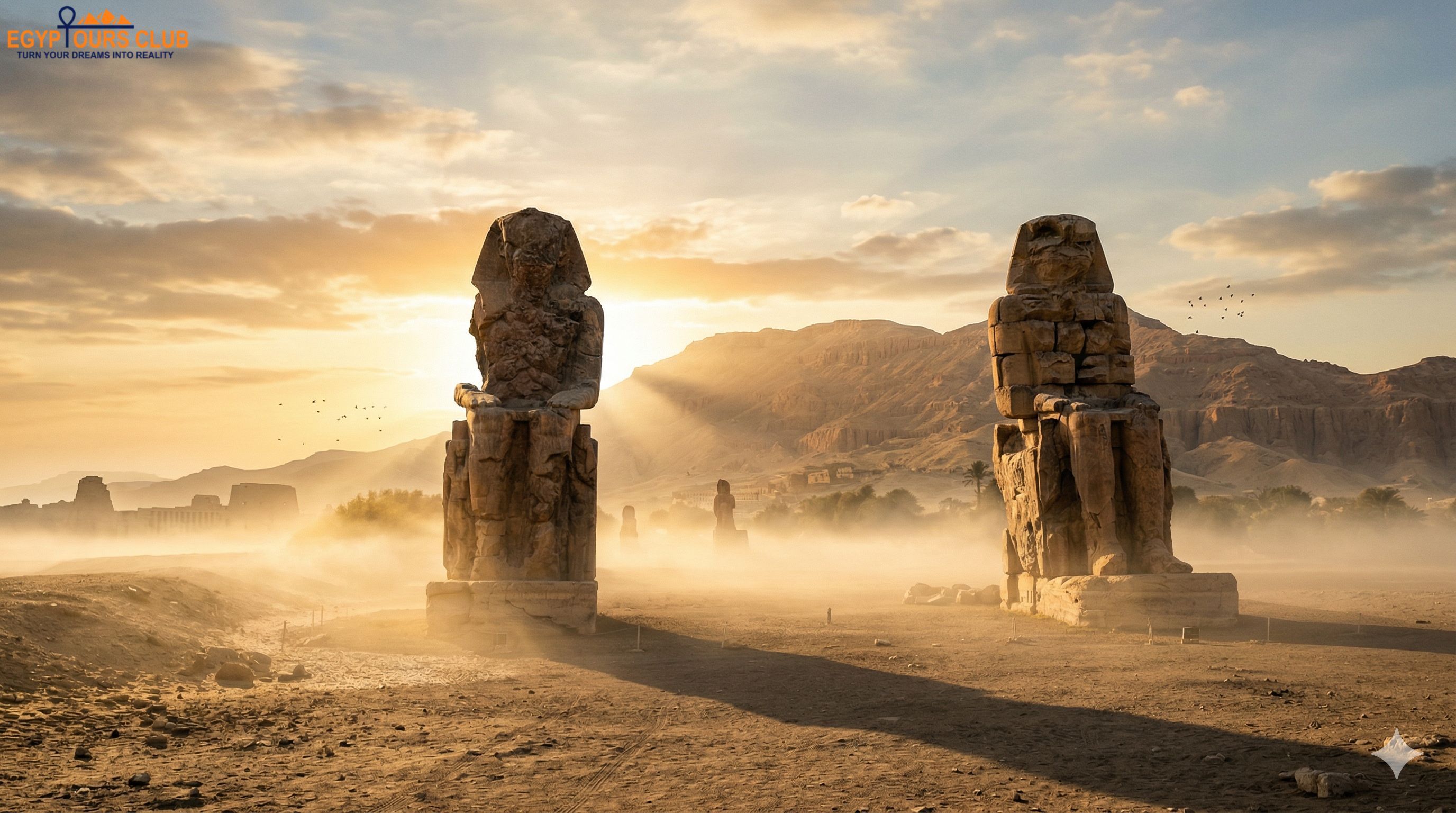
Colossi of Memnon and Luxor West Bank landscape

Colossi of Memnon

Amenhotep IIIShort stop

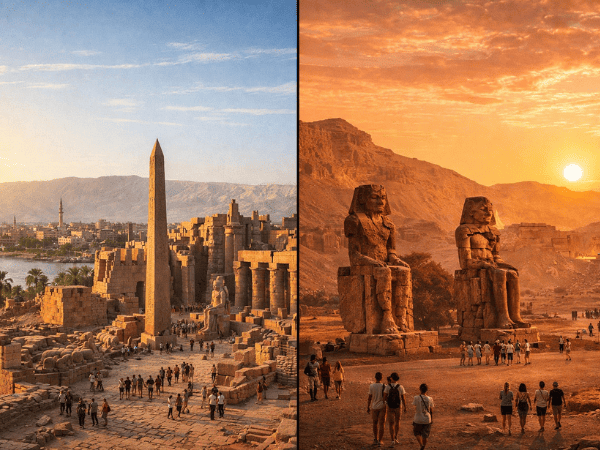
Two monumental seated statues survive from the vast mortuary temple of Amenhotep III. They work best as a short interpretive stop, not a standalone half-day visit.

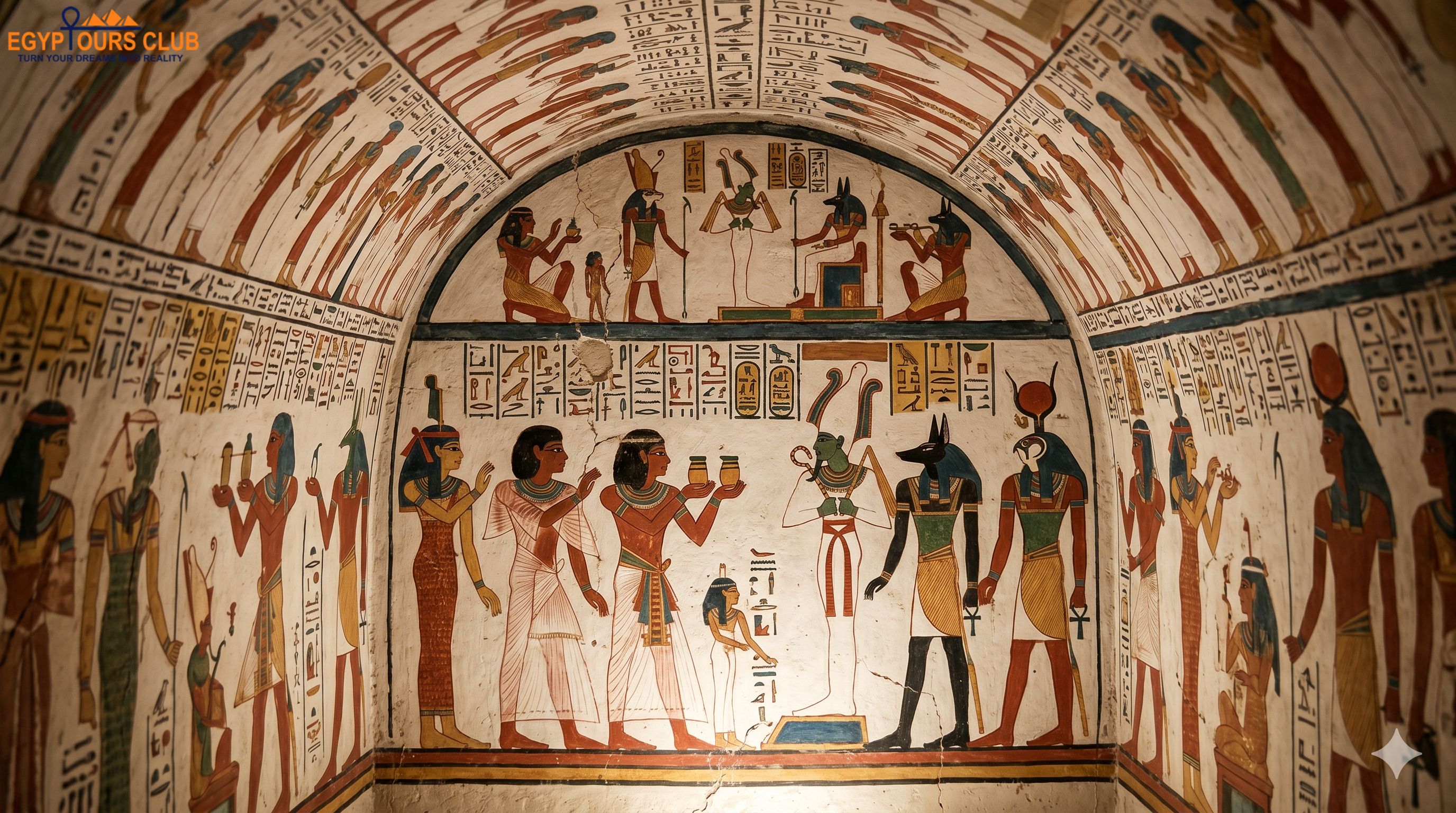
Painted royal tomb interior at the Valley of the Queens on Luxor West Bank

Valley of the Queens

Royal familyTomb art

Extend the funerary story beyond kings to queens, princes and other royal-family burials. This is a strong second layer for visitors interested in painted tomb interiors.

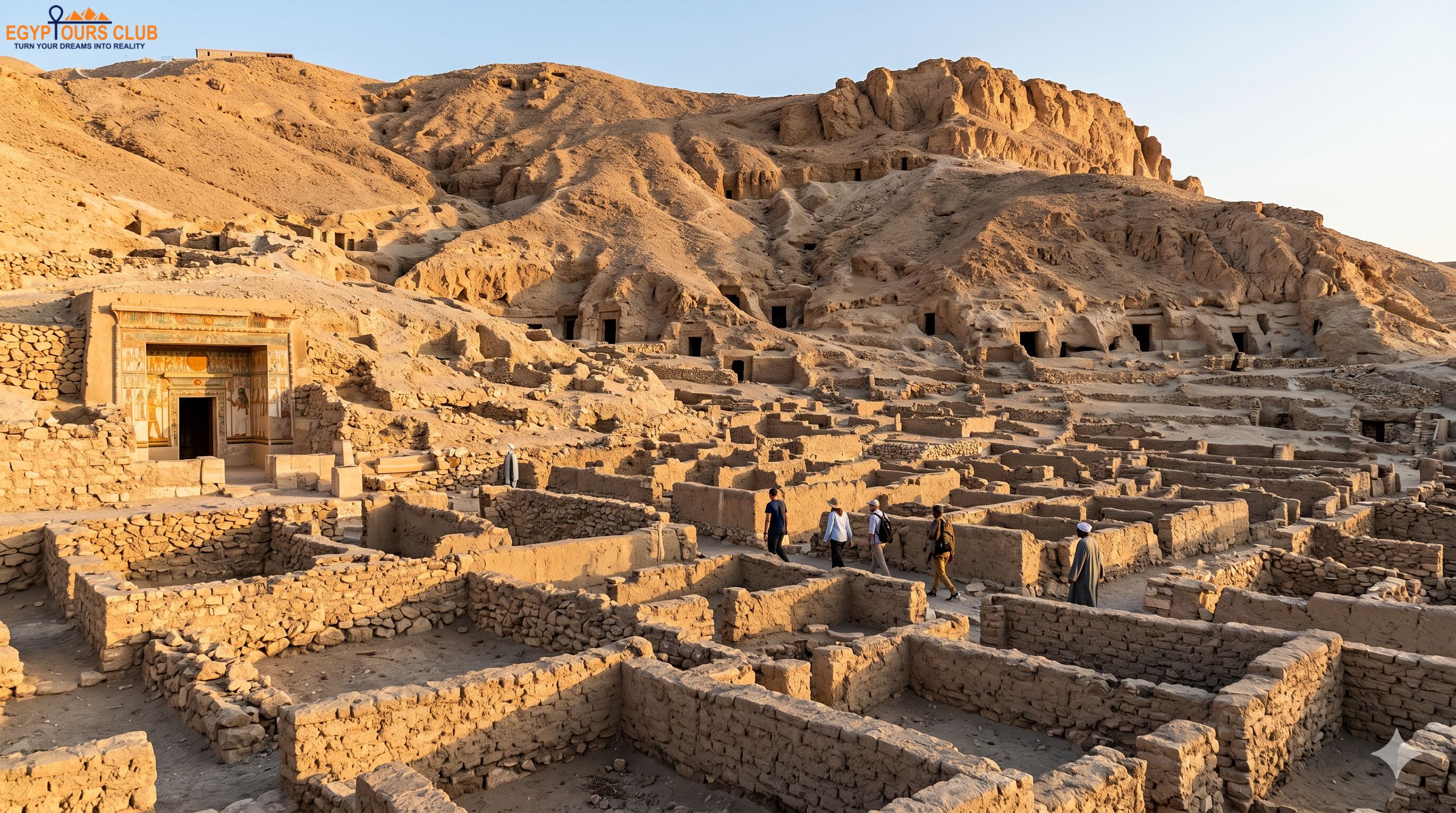
Deir el-Medina workers village ruins on Luxor West Bank

Deir el-Medina

ArtisansWorkers’ village

Meet the community of skilled workers who created royal tombs. Their village and tombs add daily-life, craft and social context missing from a purely royal route.

Painted tomb scene associated with the Valley of the Nobles on Luxor West Bank

Valley of the Nobles

Daily life artQuieter tombs

Private tombs of officials, priests and elite families preserve vivid scenes of farming, banquets, workshops, family life and status in ancient Thebes.

Suggested First-Visit Route

How should you structure a first West Bank visit?

A logical sequence reduces backtracking and puts the most demanding tomb walking earlier in the day.

01

Valley of the Kings

Start with royal tombs while the valley is cooler.

02

Hatshepsut Temple

Move from hidden burials to monumental public architecture.

03

Choose one deeper layer

Queens, Nobles or Deir el-Medina—do not add all three automatically.

04

Medinet Habu if time allows

Add Ramesses III’s mortuary temple on a deeper full-day route.

05

Colossi of Memnon

Use the statues as a short visual and historical finish.

Planning guidance: a classic West Bank route can fit into roughly half a day, while a full Theban Necropolis day is better for visitors adding several tomb areas and mortuary temples. Exact timing depends on tomb choices, queues, heat, transport and current access.

Visitor Guide

Tickets, timing, heat, photography and practical planning

The West Bank combines enclosed tomb corridors with exposed desert valleys and open-air temples, so the practical experience changes from one stop to the next.

How long should you spend?

  • Classic first visit: about half a day.
  • Deeper archaeology route: most of a full day.
  • Slow tomb-art route: prioritize fewer places and spend longer inside them.

Tickets & current access

  • Do not hard-code one West Bank “master ticket”.
  • Separate tombs may have separate admission.
  • Open-tomb lists and access can rotate.
  • Check official conditions close to travel.

Best time to visit

  • Early morning is the most practical starting point.
  • Open desert and temple areas become bright and hot quickly.
  • Winter is generally more comfortable than peak summer heat.

Photography

  • Open-air temple photography is different from tomb photography.
  • Follow current signs and staff instructions inside tombs.
  • Do not rely on old reports about cameras, phones or tripods.

What to wear & bring

  • Closed walking shoes with grip.
  • Hat, sunscreen and water.
  • Light layers appropriate for strong sun and cooler winter mornings.

Families & mobility

  • Tomb corridors, steps and exposed walking can be tiring.
  • Choose fewer tombs for children or limited mobility.
  • Ask about current site transport and access rather than assuming step-free routes.

Local Expert Advice

Choose depth over quantity on the West Bank

The West Bank is easiest to misunderstand when it becomes a checklist. The better decision is to choose one core royal route, then add only the extra sites that match your interests.

First-time visitor

Prioritize Kings + Hatshepsut + Memnon. Add one deeper stop only if timing and heat remain comfortable.

Art & tomb decoration

Use Queens, Nobles and Deir el-Medina selectively. These sites reward slower observation rather than rapid monument collecting.

Temple-focused day

Pair Hatshepsut with Medinet Habu and the Ramesseum instead of forcing several tomb valleys into the same schedule.

Official & Heritage Sources

Check authoritative West Bank information close to travel

Use Egypt Tours Club to plan the route and official heritage sources to verify changing operational details such as tickets, opening arrangements and tomb access.

Operational information changes. Recheck official sources shortly before visiting instead of relying on old ticket prices, tomb rotations or photography rules.

Helpful Travel Answers

Luxor West Bank questions before you go

Direct answers for route planning, tombs, timing, access and nearby monuments.

What is Luxor’s West Bank?

Luxor’s West Bank is the wider Theban Necropolis west of the Nile, containing royal tomb valleys, elite cemeteries, mortuary temples, Deir el-Medina and other archaeological remains connected with ancient Thebes.

Is the Luxor West Bank one attraction?

No. It is a large archaeological landscape containing many separate attractions, each with its own tickets, access conditions and recommended visit time.

What are the essential West Bank sites for a first visit?

For most first-time visitors, prioritize the Valley of the Kings, Hatshepsut Temple and the Colossi of Memnon. Add one deeper site if time and energy allow.

How long should I spend on the Luxor West Bank?

A classic route can fit into roughly half a day. A deeper archaeology route covering several tomb areas and mortuary temples is better planned as a full day.

What is the best time of day to visit?

Early morning is usually the most practical starting time because the tomb valleys and open-air temples become exposed to stronger heat and light later in the day.

Is the West Bank part of a UNESCO World Heritage Site?

Yes. It forms part of the UNESCO property Ancient Thebes with its Necropolis, together with Karnak, Luxor Temple and the wider archaeological landscape of ancient Thebes.

Why are so many tombs on the west side of the Nile?

Ancient Egyptian funerary geography associated the western horizon with death and regeneration, which contributed to the development of major cemeteries west of Thebes.

Do West Bank tickets include every tomb?

No. Different sites have different tickets, and some famous tombs may require separate admission. Tomb openings and rotations can also change.

Can I always visit Tutankhamun, Seti I or Ramesses VI?

Do not assume so. Special tomb access and ticketing can change, so verify current availability before your visit.

Can I take photos inside the tombs?

Photography rules can differ by tomb, equipment and current site policy. Follow the signs and staff instructions on the day.

Is the West Bank suitable for children?

Yes for many families, but keep the route shorter, carry sun protection and avoid trying to enter too many tombs in one morning.

How accessible is the West Bank?

Accessibility varies significantly. Expect desert ground, steps, slopes and narrow or descending tomb corridors at some sites. Ask about the exact monuments on your route rather than assuming one access standard.

What should I wear?

Wear comfortable closed shoes, light breathable clothing and strong sun protection. Winter mornings can be cooler, so a light layer can be useful.

Should I use a guide?

A knowledgeable guide is especially useful for tomb selection, funerary texts, temple reliefs and understanding how separate West Bank sites fit into one Theban landscape.

What should I visit after the Valley of the Kings?

Hatshepsut Temple is the most natural next major stop on a classic first route, followed by the Colossi of Memnon as a shorter contextual stop.

What should archaeology enthusiasts add?

Consider the Valley of the Queens, Deir el-Medina, Valley of the Nobles, Medinet Habu and the Ramesseum, depending on time and specific interests.

Can I combine the West Bank with Karnak on the same day?

Yes, but keep the West Bank focused. An early classic West Bank route followed by Karnak can work well when transport and heat are managed carefully.

Is a hot-air balloon a good pairing?

A sunrise balloon can pair naturally with a West Bank morning, but flight timing, transfers and the start of the archaeological route must be coordinated so the sightseeing day does not become rushed.

Can I cross to the West Bank independently?

Yes. The West Bank can be reached from Luxor across the Nile, including by local ferry options, but transport between widely separated archaeological sites still needs planning.

Which West Bank page should I use for booking?

Use this page for visitor planning and attraction context. When you are ready to book, continue to the relevant Luxor day-tour or tailor-made planning page.

Private Luxor Planning

Plan your Luxor West Bank visit around the tombs and temples that matter to you

Share your date, Luxor hotel or Nile cruise, available hours, group size, walking comfort and whether you want a classic first visit or a deeper Theban Necropolis route.