

16 Best Valley of the Queens Tours | Nefertari Tomb & Luxor Trips | Egypt Tours Club
Valley of the Queens . banner

Valley of the Queens

ETCEgypt Tours Club

Luxor West Bank · Royal women · Nefertari QV66 · Theban Necropolis

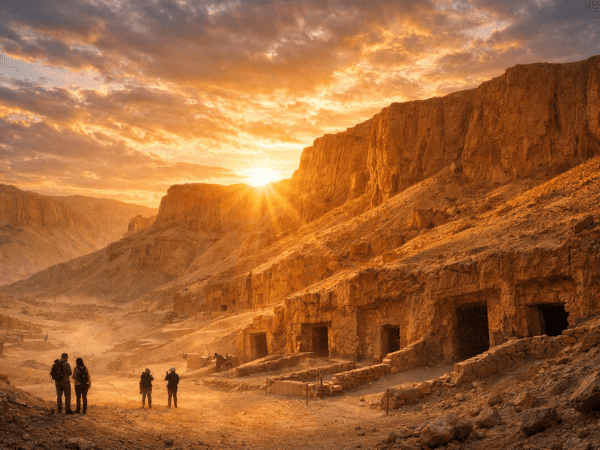
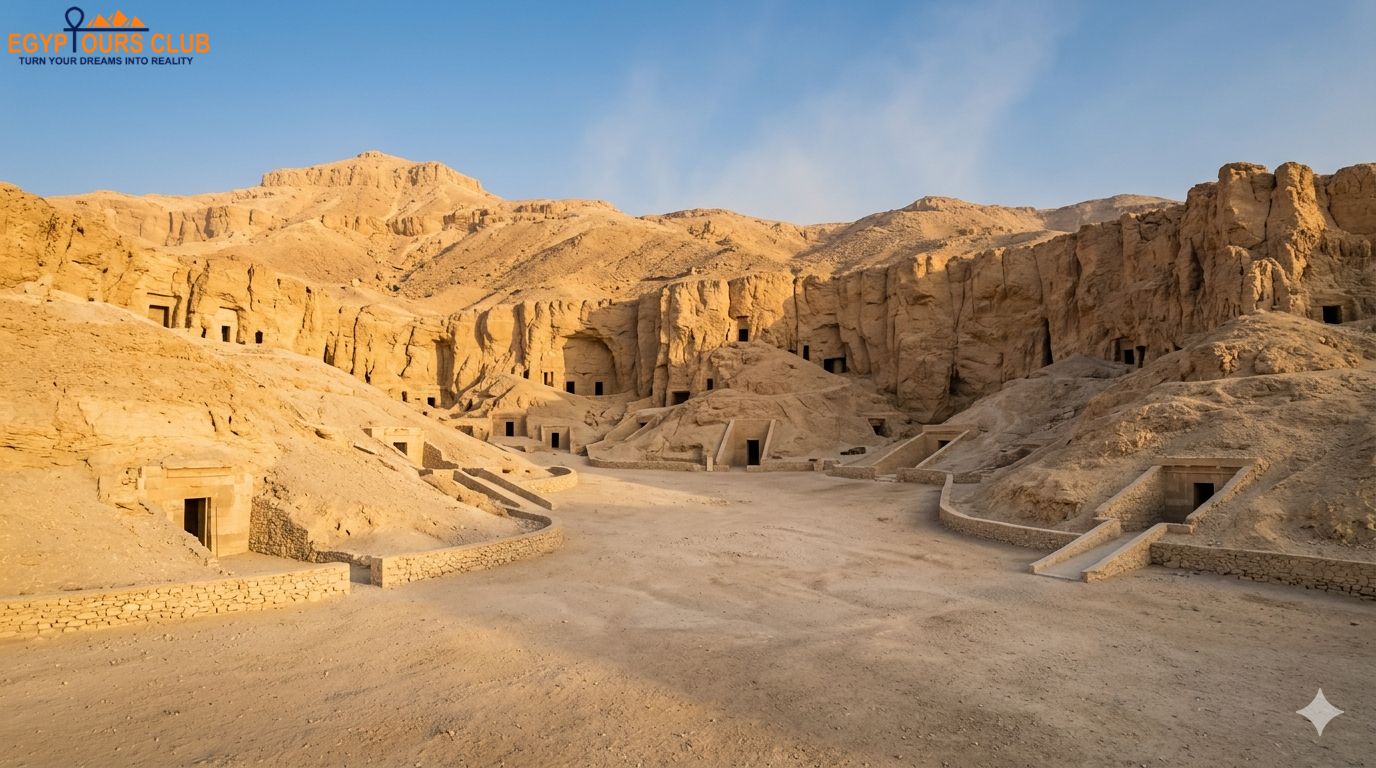
Valley of the Queens Luxor West Bank desert tomb landscape

Nefertari · Royal Princes · Ramesside Art · Luxor West Bank

Valley of the Queens Luxor: Complete Visitor Guide to Nefertari and Egypt’s Royal Tombs

Explore one of Luxor West Bank’s most important royal cemeteries, where queens, princes and princesses of the New Kingdom were buried in beautifully decorated tombs. Discover Nefertari’s QV66, Ramesside royal family history, funerary art and the best way to connect the valley with Medinet Habu, Deir el-Medina, the Valley of the Kings and Hatshepsut Temple.

Quick Travel Answer

Is the Valley of the Queens worth visiting?

Yes. The Valley of the Queens is one of the most rewarding sites on Luxor’s West Bank, particularly for travelers interested in painted tombs, royal women and Ramesside family history. It is generally smaller and more compact than the Valley of the Kings, which can make it easier to explore at a slower pace.

Nefertari’s QV66 is the great masterpiece when access is permitted, but the valley should not be treated as worthwhile only when that tomb is open. Other royal tombs preserve beautiful decoration and important afterlife scenes.
Best Tombs and Highlights

The royal women, princes and painted chambers that define the valley

The Valley of the Queens is a royal family cemetery. Its importance reaches far beyond one famous tomb and reveals the funerary identities of queens, princes and princesses across the New Kingdom.

Royal prince tomb paintings in Valley of the Queens LuxorRoyal Prince

Prince Amunherkhepeshef

A son of Ramesses III, Amunherkhepeshef appears with his father in beautifully painted scenes. The king acts as protector and intermediary, presenting the young prince before gods of the afterlife.

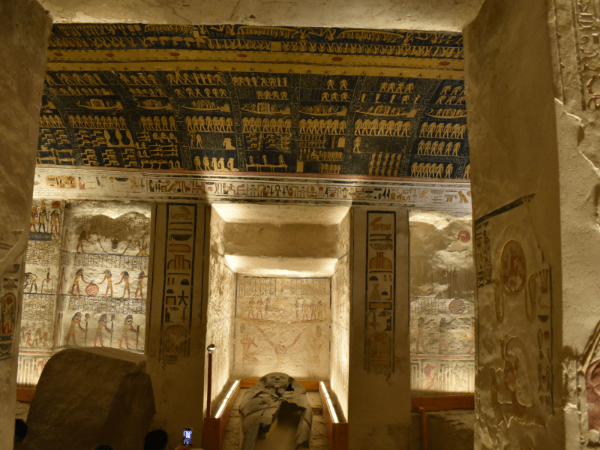
Painted royal tomb at Valley of the Queens LuxorRamesside Family

Prince Khaemwaset

Another important royal tomb associated with the family of Ramesses III. Its corridors and burial spaces preserve themes of divine protection and royal transformation in the afterlife.

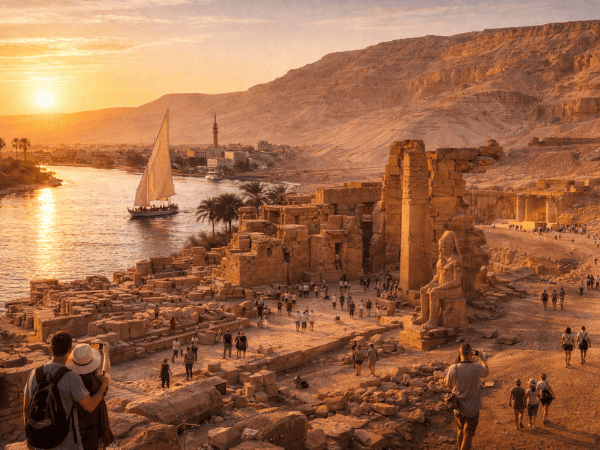
Luxor West Bank Theban Necropolis desert landscapeSacred Landscape

The Theban Necropolis

The valley forms one component of the enormous funerary landscape of ancient Thebes. Kings, queens, princes, officials, artisans and temples all occupied different parts of the sacred West Bank.

History, Religion and Art

Why the Valley of the Queens is essential to understanding New Kingdom royalty

Royal Family

Queens, Princes and Princesses

The ancient designation often translated as “the place of the royal children” reminds us that this was never a cemetery only for queens. During the Ramesside period, royal sons and daughters also received elaborate burials here.

Funerary Religion

Paintings as a Sacred Journey

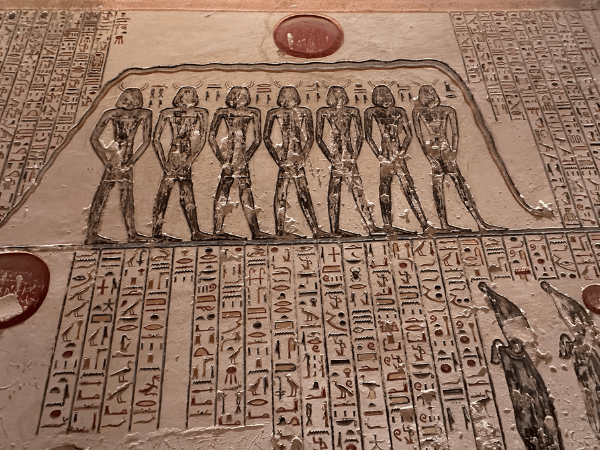
Tomb decoration was not simply ornamental. Gods, gates, offerings, spells and protective formulas formed a carefully structured religious environment intended to transform the deceased and guide them toward eternal life.

Nefertari

Book of the Dead and Senet

QV66 includes scenes connected with funerary compositions now grouped under the Book of the Dead. Nefertari’s famous senet scene turns a board game into an image of passage, transformation and successful movement through the afterlife.

Queenship

Royal Women in Ancient Egypt

The cemetery makes royal women visible in ways that king-centered monumental history often does not. Titles such as Great Royal Wife, King’s Wife and King’s Mother could carry major ceremonial, dynastic and religious significance.

Artists

Deir el-Medina Connection

The nearby village of Deir el-Medina housed the skilled artisans responsible for constructing and decorating royal tombs. Visiting both places connects the finished royal art with the community that created it.

Ramesses III

Medinet Habu Connection

Medinet Habu presents Ramesses III as a reigning king through monumental architecture and reliefs. The Valley of the Queens shows members of his family in a funerary context, revealing two sides of the same dynasty.

Internal Link Map

Connect the Valley of the Queens with the strongest Luxor West Bank pages

Suggested Routes

The strongest ways to fit the Valley of the Queens into your Luxor day

4 hours

Queens + Hatshepsut

  • Valley of the Queens
  • Selected open tombs
  • Nefertari QV66 if available
  • Hatshepsut Temple
View Queens Tour
8 hours

Queens + Ramesseum + Medinet Habu

  • Royal family tombs
  • Ramesseum of Ramesses II
  • Medinet Habu of Ramesses III
  • West Bank storytelling
View West Bank Tour
Deep archaeology

Kings + Queens + Nobles + Deir el-Medina

  • Valley of the Kings
  • Valley of the Queens
  • Valley of the Nobles
  • Deir el-Medina
View City of the Dead Tour

Practical Visitor Guide

Timing, access, photography and comfort

Timing

Best Time to Visit

Morning is usually best. Earlier visits bring cooler temperatures, better walking conditions and more time to combine nearby West Bank sites.

Access

Nefertari QV66

Access has been carefully controlled for conservation. Do not rely on old travel reports or fixed assumptions; confirm current opening and ticket conditions before building your visit around QV66.

Photography

Follow Current Tomb Rules

Photography rules can vary between tombs and may change. Never touch painted walls, avoid flash where prohibited and follow current signs and staff instructions.

Comfort

What to Bring

Carry water, a hat, sunglasses and sunscreen. Wear lightweight clothing and comfortable shoes suitable for steps, sloping corridors and uneven surfaces.

Luxor West Bank royal tomb landscape

Official and Authoritative Sources

Check current heritage and access information before visiting

The Valley of the Queens forms part of UNESCO’s Ancient Thebes with its Necropolis. Access to individual tombs, especially Nefertari QV66, can change for conservation reasons.

Frequently Asked Questions

Valley of the Queens questions before you go

Where is the Valley of the Queens?

It is on the West Bank of Luxor within the ancient Theban Necropolis.

Who was buried in the Valley of the Queens?

Queens, princes, princesses and other members of New Kingdom royal families were buried there.

Is Nefertari buried in the Valley of the Queens?

Yes. Her tomb is QV66, the most famous monument in the valley.

Is Nefertari’s tomb always open?

No. Access is controlled for conservation and can change, so verify current conditions shortly before visiting.

How long should I spend there?

Around 1.5 to 2.5 hours is suitable for most visitors, depending on the tombs open and whether special access is available.

What should I combine with the Valley of the Queens?

Medinet Habu and Deir el-Medina are excellent nearby pairings. The Valley of the Kings and Hatshepsut Temple can be added for a broader West Bank day.

Private Luxor West Bank Planning

Build the right Valley of the Queens route around your Luxor stay

Share your travel date, hotel or cruise pickup, available hours and whether you want Nefertari, Hatshepsut, Medinet Habu, Deir el-Medina or the Valley of the Kings.