

Graeco-Roman Museum Alexandria | Tickets & Hours | Egypt Tours Club
Graeco-Roman Museum Alexandria . banner

Graeco-Roman Museum Alexandria

Alexandria · Top Attraction · Museum Guide

Graeco-Roman Museum Alexandria Visitor Guide

Discover Ptolemaic sculpture, Roman portraiture, Alexandrian mosaics, sacred statuary, Coptic art, practical visiting information, and the best ways to include the museum in an Alexandria itinerary.

Greek & Roman Egypt Alexandria History Museum Highlights Tickets & Hours
Location Al Attarin, central Alexandria
Recommended Visit Allow about 2–3 hours
Collection Focus Pre-Alexander to Byzantine Egypt
Current Display About 6,000 objects
Best For History, archaeology, art, and culture

Graeco-Roman Museum at a Glance

Alexandria’s Essential Museum of Classical Egypt

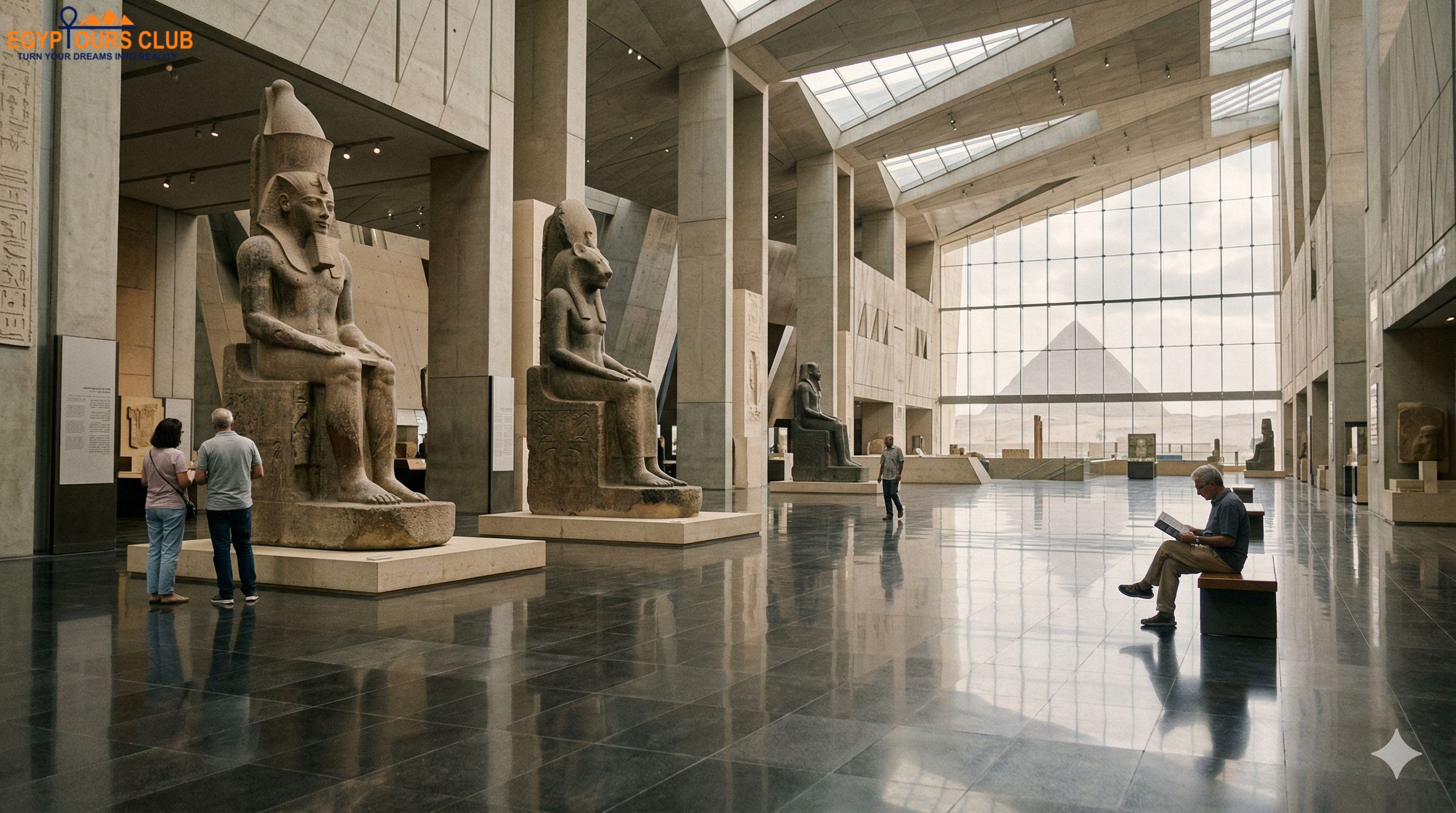
The Graeco-Roman Museum is the only Egyptian museum devoted specifically to the civilization of Egypt during the Greek and Roman periods. Its galleries explain how Hellenistic art, Roman civic culture, Egyptian religion, and early Christian traditions met in Alexandria and across the Nile Delta.

Essential Stops

Look for the Apis bull, Serapis imagery, Tanagra figurines, Roman portraits, Alexandrian mosaics, coins, funerary objects, and Coptic material.

Best Full-Day Combination

Combine the museum with Kom El Dikka, the Bibliotheca Alexandrina, and a relaxed walk beside the Mediterranean.

Why the Reopening Matters

After a long restoration and redevelopment program, the museum reopened in October 2023 with modern display areas and improved visitor facilities.

Quick Travel Answer

Is the Graeco-Roman Museum Worth Visiting?

Yes. The Graeco-Roman Museum is one of Alexandria’s most valuable cultural stops, especially for travelers who want to understand the city beyond its coastline. Unlike Cairo and Giza museums that concentrate heavily on pharaonic Egypt, this collection reveals how Greek, Egyptian, Roman, and early Christian traditions blended to form a distinct Alexandrian identity.

01

Plan the Ticket

Buy at the entrance or use Egypt’s official monument ticket portal before arrival.

02

Follow the Story

Move from Alexander and the Ptolemies through Roman Egypt and the Byzantine era.

03

Slow Down for Details

Portraits, coins, terracottas, mosaics, and religious symbols reward close viewing.

04

Build a Downtown Route

Pair the museum with Kom El Dikka, local cafés, and the Corniche.

History & Legacy

From Alexander’s Alexandria to the Modern Museum

Founded by Alexander the Great in 331 BCE, Alexandria became a major Mediterranean center of trade, knowledge, science, religion, and art. Under the Ptolemies and later Rome, Greek forms and Egyptian beliefs were repeatedly combined rather than simply replacing one another.

331 BCE

Founding of Alexandria

Alexander the Great establishes the city on the Mediterranean, creating a strategic connection between the Greek world and the Nile Valley.

305–30 BCE

The Ptolemaic Age

Ptolemy I and his successors develop Alexandria into a renowned capital associated with the Mouseion, the ancient Library, the Pharos, scholarship, and international trade.

30 BCE–395 CE

Roman Imperial Rule

After Cleopatra VII and Mark Antony, Egypt becomes a Roman province. Imperial portraiture, civic life, local cults, and Egyptian religious traditions continue to interact.

4th–7th c.

Byzantine and Coptic Alexandria

Alexandria grows into a major center of early Christian thought and artistic production, represented by textiles, architectural elements, and devotional objects.

1892–1895

Museum Foundation and Permanent Building

Italian archaeologist Giuseppe Botti helps establish the museum in 1892. A larger purpose-built neoclassical museum opens in 1895 as discoveries continue to grow.

2023

Grand Reopening

The museum reopens in October 2023 after a long restoration and modernization program that expanded and reorganized the visitor experience.

Heritage note: Egypt’s Ministry of Tourism and Antiquities describes the building as the country’s earliest purpose-designed museum for preserving and displaying antiquities.

Must-See Highlights

Objects and Themes to Look For

The collection is broad, so use these themes to keep a first visit focused while leaving time for the smaller pieces that reveal everyday life in classical Alexandria.

01

The Apis Bull

A monumental image of the sacred bull associated with Ptah and Osiris. It helps explain how Egyptian religious traditions remained powerful under Greek and Roman rule.

02

Serapis and Religious Fusion

Serapis combined elements linked to Egyptian and Greek deities. His imagery is one of the clearest expressions of Ptolemaic cultural and religious synthesis.

03

Tanagra-Style Figurines

Small terracotta figures depict women, children, deities, clothing, and gestures, giving visitors a more intimate view of domestic and social life.

04

Sunken-Heritage Objects

Selected discoveries from Alexandria’s coastal and submerged archaeological environments connect the museum to the ancient ports around the city and Aboukir Bay.

05

Alexandrian Mosaics

Geometric designs, mythological subjects, and portraits show the technical skill and visual tastes of elite houses and public spaces in classical Alexandria.

06

Coins, Portraits, and Coptic Art

Imperial portraits and coins document political change, while Coptic material traces Alexandria’s transition into the Christian Byzantine world.

Visual Experience

The Museum and Alexandria’s Classical Heritage

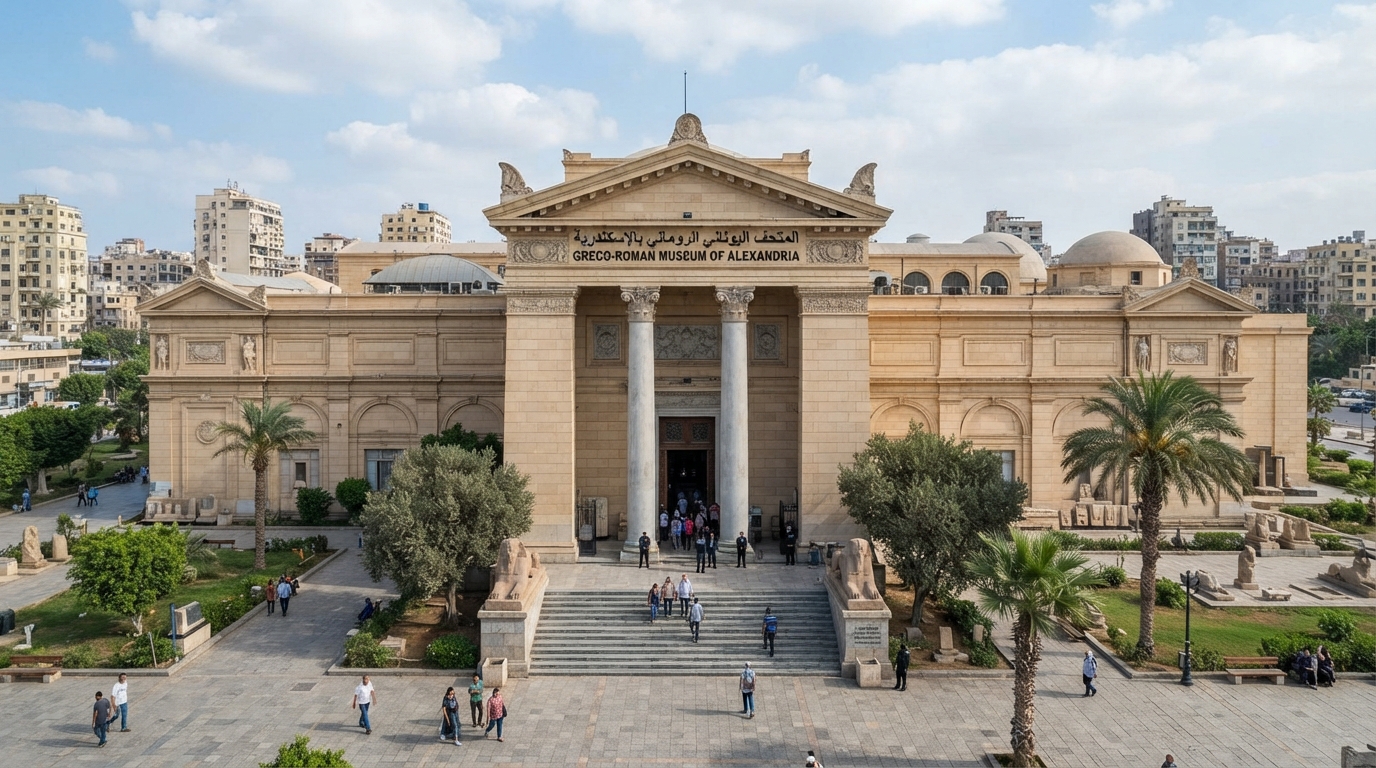
Graeco-Roman Museum in Alexandria
Graeco-Roman Museum, Alexandria. Official museum image: Ministry of Tourism and Antiquities.
Greco-Roman heritage in Alexandria, Egypt
Explore the wider story in Egypt Tours Club’s Greco-Roman Egypt guide.

Tickets & Practical Information

Plan Your Graeco-Roman Museum Visit

The details below reflect the official information available when this guide was prepared. Recheck hours, ticket prices, Ramadan schedules, and photography rules before travel.

Item Current Planning Detail Visitor Advice
Location Graeco-Roman Museum Street, Al Attarin, central Alexandria It is convenient for a downtown route with Kom El Dikka and local cafés.
Sunday–Thursday 9:00 AM–5:00 PM; the official ticket window closes at 4:30 PM Arrive in the morning if you want a slow, focused museum visit.
Friday–Saturday 9:00 AM–8:00 PM; the official ticket window closes at 7:00 PM Weekend evening hours may make coastal itinerary planning easier.
Ramadan Schedule Officially listed as 9:00 AM–4:00 PM, with last ticket at 3:00 PM Confirm the current Ramadan timetable before arrival.
Foreign Visitor Tickets Officially listed at EGP 400 for adults and EGP 200 for eligible students Carry valid student identification and recheck prices before travel.
Recommended Duration About 2–3 hours for most first-time visitors Add more time if coins, portraiture, mosaics, or Coptic art are a priority.
Accessibility Ramped entrance, accessible toilet, elevator, and visitor services are listed Contact the museum in advance for specific mobility requirements.
Photography Rules may vary by gallery, equipment, and exhibition Follow onsite signs; ask before using flash, tripods, or professional equipment.

How to Structure Your Visit

A Logical Route Through the Museum

The museum contains many galleries and object types. This route gives a first-time visitor a clear historical sequence without turning the visit into a race.

01

Begin with Alexander and the Ptolemaic Foundations

Start with the city’s foundation and early Ptolemaic rulers. Notice how royal images and sacred objects combine Greek forms with Egyptian visual traditions.

Suggested time: 30–40 minutes
02

Focus on Religion, Serapis, and the Apis Bull

Explore the way Alexandrian cults joined different divine identities. The Apis bull and Serapis material are central to understanding this cultural fusion.

Suggested time: 35–45 minutes
03

Continue Through Roman Portraiture and Civic Life

Compare imperial portraits, funerary art, coins, inscriptions, and domestic objects to see how Alexandria functioned within Roman Egypt.

Suggested time: 35–45 minutes
04

Finish with Mosaics, Terracottas, and Coptic Material

Slow down for the smaller objects. Clothing, gestures, decorative patterns, and Christian symbols help connect political history with real people and daily life.

Suggested time: 45–60 minutes

Suggested Alexandria Combinations

What to Visit with the Graeco-Roman Museum

Choose nearby sites that add a different layer of Alexandria rather than repeating the same museum experience.

Route Why It Works Ideal Schedule
Graeco-Roman Museum + Kom El Dikka + Alexandria National Museum Connects museum collections with an excavated urban site and a broader history of Alexandria. Half day, approximately 9:00 AM–2:00 PM
Graeco-Roman Museum + Bibliotheca Alexandrina + Citadel of Qaitbay Balances classical art, modern culture, architecture, and Mediterranean coastal history. Full day: museum and library first, seafront and citadel later
Graeco-Roman Museum + Catacombs of Kom El Shoqafa + Pompey’s Pillar Links gallery objects to surviving funerary and religious archaeology in the city. Half or full day, depending on transport and museum pace

Frequently Asked Questions

Graeco-Roman Museum Questions

Is the Graeco-Roman Museum open after its restoration?

Yes. The museum reopened to the public in October 2023 after a long restoration and redevelopment program. Always verify current operating hours before your visit.

What is the Graeco-Roman Museum famous for?

It is Egypt’s only museum devoted specifically to the Greek and Roman periods. Its collection explains the blending of Egyptian, Hellenistic, Roman, and early Christian art and belief, with important statuary, portraits, terracottas, mosaics, coins, and funerary material.

How long do you need inside the museum?

Most first-time visitors should allow around 2–3 hours. Specialists and travelers who enjoy coins, portraiture, mosaics, religious iconography, or Coptic art may want longer.

How is it different from the Alexandria National Museum?

The Graeco-Roman Museum specializes in Egypt’s Greek, Roman, and related Byzantine heritage. The Alexandria National Museum presents a broader chronological story that includes pharaonic, Greco-Roman, Coptic, Islamic, and modern material.

What should you combine with the museum?

For classical Alexandria, combine it with Kom El Dikka, the Catacombs of Kom El Shoqafa, and Pompey’s Pillar. For a more varied day, add the Bibliotheca Alexandrina or the Citadel of Qaitbay.

Can you buy Graeco-Roman Museum tickets online?

Egypt’s official monument portal lists online ticketing for the museum. Confirm the latest price, eligibility rules, and opening schedule on the official page before payment.

Egypt Tours Club · Alexandria Cultural Routes

Ready to Explore Classical Alexandria?

Build a private Alexandria route around the Graeco-Roman Museum, Kom El Dikka, the Catacombs, Pompey’s Pillar, the Bibliotheca Alexandrina, and the Mediterranean coast.