

Best for
Old Kingdom architecture, Saqqara archaeology, funerary practice, early stone building and the history of excavation.
Saqqara · Archaeological museum visitor guide
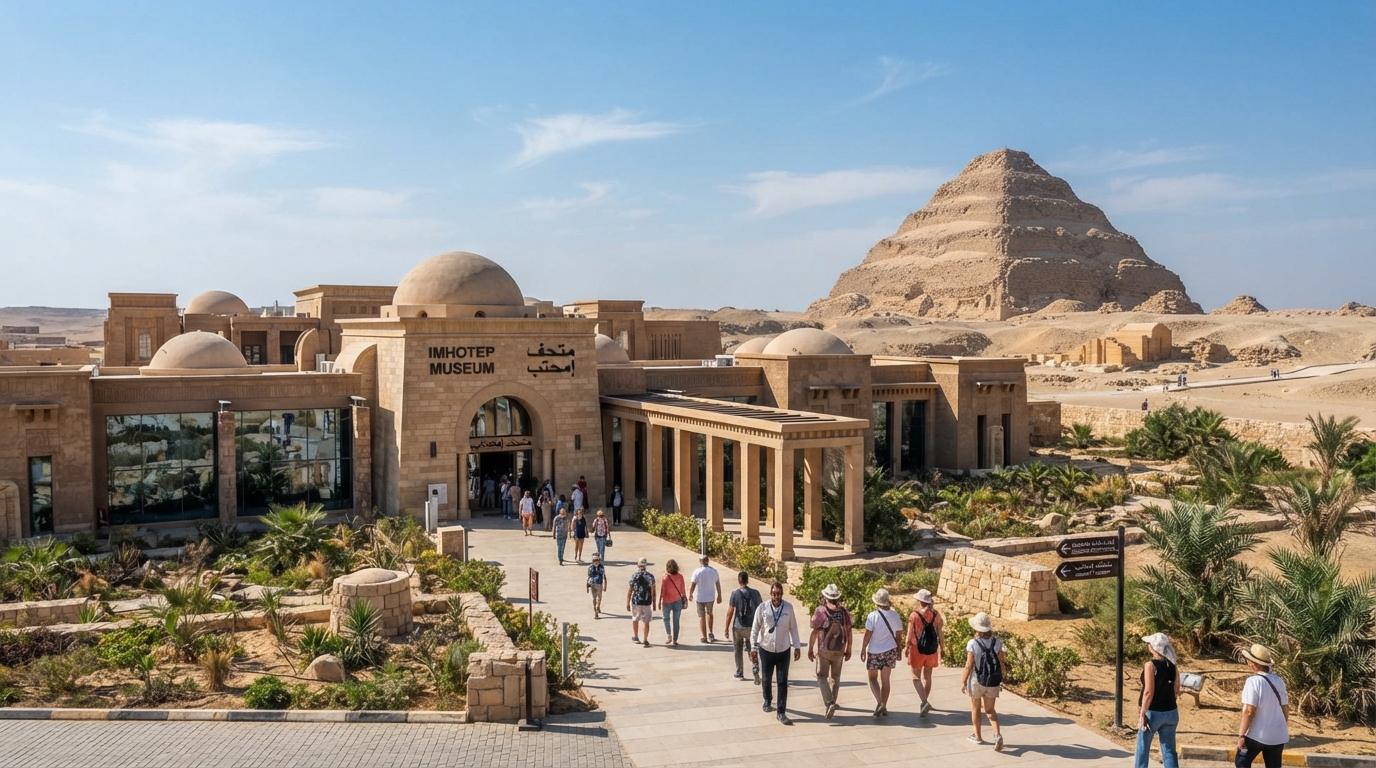
Begin your Saqqara visit with more than 280 artifacts, six focused galleries and the story of Imhotep, Djoser's architect, before walking into the Step Pyramid complex.
Quick travel answer
The Imhotep Museum is worth visiting because it explains Saqqara through original objects before you enter its vast archaeological landscape. The galleries connect the Step Pyramid, royal burials, workshop methods, Saqqara excavations and the long modern restoration of Djoser's complex.
It is a compact site museum rather than a general Egyptian collection. That focus makes details such as Djoser's inscribed statue base, blue faience tiles, wooden sculpture, funerary objects and Jean-Philippe Lauer's archive easier to connect to the monuments outside.
Allow 45 to 75 minutes inside, then continue to the Step Pyramid of Djoser. Museum entry is included in the official Saqqara archaeological-area ticket.
At a glance
The museum turns scattered tombs, pyramids and excavated objects into one understandable story before the outdoor site becomes the main experience.
Old Kingdom architecture, Saqqara archaeology, funerary practice, early stone building and the history of excavation.
Use 45 minutes for essential galleries or 75 minutes when reading labels, studying models and viewing the archive carefully.
Djoser's inscribed statue base, blue faience tiles, Ptahshepses wooden statues, funerary finds and Lauer's records.
Continue immediately to Djoser's Step Pyramid complex, then choose selected tombs based on the access available that day.
Reach Saqqara by private car or organized tour from Cairo; public transport is not practical for a complete site visit.
A qualified guide connects museum objects with their findspots and explains how Saqqara shaped pyramid development.
Imhotep & the museum
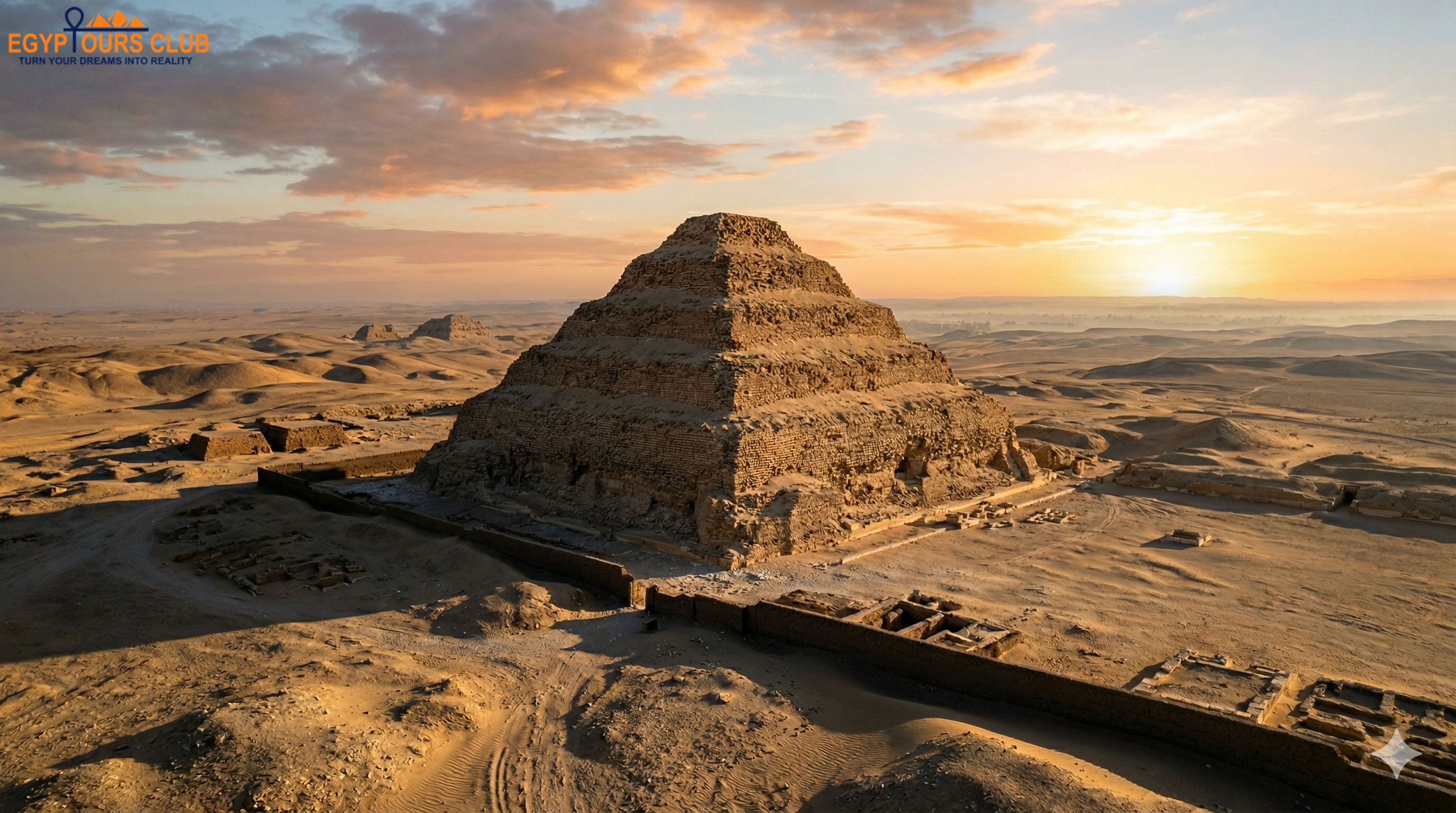
Imhotep served King Djoser during Egypt's Third Dynasty and is traditionally credited with designing the Step Pyramid complex at Saqqara. By enlarging and stacking mastaba-like forms and expressing earlier building traditions in stone, the project marked a decisive stage in monumental architecture.
Later Egyptian tradition remembered Imhotep as a learned official and healer, and he was eventually deified. Greek authors associated him with Asclepius. His actual tomb has never been definitively identified, which keeps the search for Imhotep closely connected to Saqqara archaeology.
The museum opened in April 2006 as a site museum for discoveries from Saqqara. After comprehensive redevelopment, it reopened in December 2023 with renewed displays, improved visitor facilities, accessible paths and a film hall.
Imhotep's design helps transform royal tomb architecture into Egypt's first great stepped pyramid monument.
His reputation expands from royal official and architect to a divine patron associated with knowledge and healing.
French architect and archaeologist Jean-Philippe Lauer devotes roughly 75 years to studying and restoring Djoser's complex.
A purpose-built site museum presents significant finds from Saqqara in climate-controlled galleries.
Updated interpretation, display systems, visitor facilities and accessible routes return the museum to public use.
Must-see galleries
The renewed museum contains more than 280 artifacts across six halls. Displays can change, so follow gallery signage and ask staff where specific objects are shown.

A surviving base fragment records Djoser's names and titles together with the name and titles of Imhotep—rare evidence of the architect's exceptional status.
Check the official museum overview
Tiles and architectural fragments from Djoser's subterranean complex reveal how builders translated palace imagery and earlier materials into royal stone architecture.
Explore Djoser's Step Pyramid
Painted wooden sculpture and reliefs show the skill, color and close observation of life achieved by Old Kingdom artists working at Saqqara.
Place the objects in the museum route
A simulated tomb hall brings together a mummy, wooden coffin and funerary furniture to explain changing burial practices represented at Saqqara.
See the official renewal project
Objects from missions working across the necropolis show that Saqqara remained important for burials, worship and artistic production across many periods.
Plan more Cairo museums
Drawings, photographs, records, tools and a reconstructed study honor the scholar whose long work made Djoser's complex understandable and visitable.
Follow pyramid development to GizaCurrent visitor information
These details were checked against official Egyptian sources on 3 August 2026. Prices, Ramadan schedules, site access and photography rules can change, so confirm again shortly before travel.
| Visitor detail | Current information and practical advice |
|---|---|
| Location | Inside the Saqqara Archaeological Area, Badrashin, Giza Governorate, around 30 km south of central Cairo. |
| Opening hours | Daily, 8:00 AM–5:00 PM. The official ticket window closes at 4:00 PM. |
| Ramadan hours | The official listing states 9:00 AM–3:00 PM, with the last ticket at 2:00 PM. Reconfirm the schedule for the specific year and date. |
| Foreign admission | Saqqara area ticket: adult EGP 600; eligible student EGP 300 with valid student identification. It includes the archaeological area and Imhotep Museum. |
| Egyptian admission | Saqqara area ticket: adult EGP 30; student EGP 10. Official free-entry conditions apply to specific eligible categories. |
| Recommended time | 45–75 minutes for the museum; allow at least 2–3 additional hours for the main Saqqara monuments. |
| Photography | Mobile-phone photography is free. Do not use flash. Tripods and monopods are restricted; video and commercial photography require the relevant permit or fee. |
| Large items | Large bags, luggage and parcels over 40 × 40 cm are not permitted in galleries and may need to be left in the designated storage area. |
| Accessibility | The 2023 development project added pathways for elderly visitors and people with disabilities. Confirm vehicle access and the most suitable outdoor route for specific mobility needs. |
| Other services | The official museum listing includes a café and library; the wider development also added visitor-service and retail areas. |
Step-by-step visit
Start indoors while your attention is fresh, then move outside with a clear understanding of Imhotep, Djoser and the objects excavated across the necropolis.
Use the introductory displays and Djoser statue base to establish the people, period and architectural problem behind the Step Pyramid.
Prioritize wooden sculpture, reliefs, vessels, building tools, stone elements and the blue-green faience tiles associated with Djoser's complex.
Compare coffins, a mummy and funerary furniture instead of treating them as isolated objects. They show Saqqara's use beyond a single dynasty.
Study photographs, drawings and tools to understand how decades of excavation and conservation shaped the monument visitors see today.
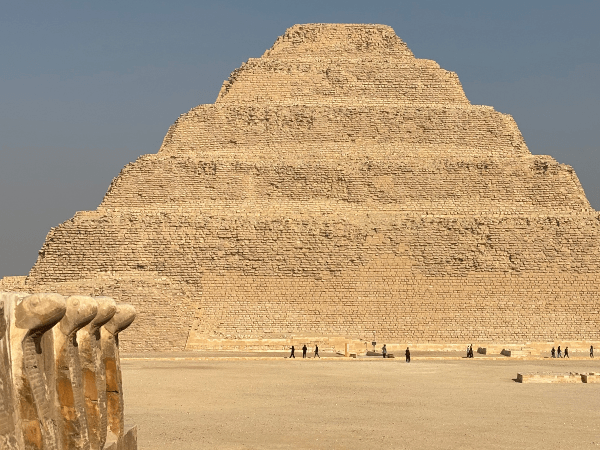
Move outside to the colonnaded entrance, ceremonial courts and stepped pyramid. Use the Saqqara attraction guide to plan the wider site.


Continue your pyramid route
The museum sits inside Saqqara, so nearby choices are archaeological rather than urban. Choose a realistic combination based on weather, opening time and available site tickets.
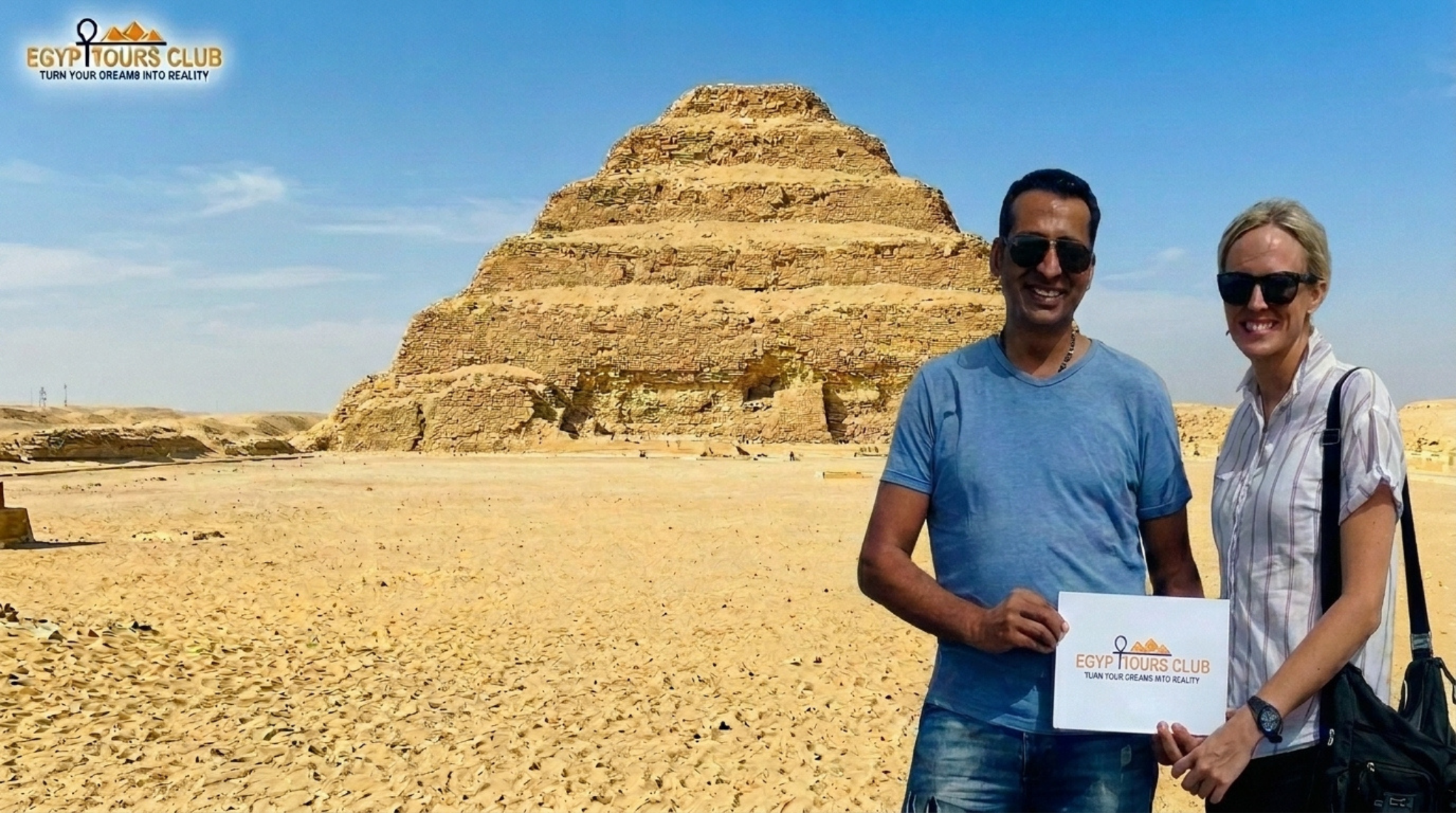
See the monument most directly connected with Imhotep and compare its stone architecture with the museum objects.
Select accessible mastabas and pyramid complexes to see relief, ritual and burial evidence in its original landscape.
Add the open-air museum at Mit Rahina to connect Saqqara's cemetery with the nearby capital it served.
Continue to the Bent and Red Pyramids to understand the architectural development between Saqqara and Giza.
Finish the pyramid-development story with Fourth Dynasty monuments, panoramic viewpoints and the Great Sphinx.
Use private transport and an Egyptologist guide to connect the three pyramid fields without losing the historical sequence.
Trusted visitor references
Egypt Tours Club pages help you plan the route. Official Egyptian sources should be used for last-minute ticket, opening-hour, access and museum-policy changes.
Official Ministry museum overview, Saqqara ticket prices, hours, policies and visitor services.
Open official museum page ↗Official redevelopment record covering the December 2023 reopening, galleries, artifacts and visitor improvements.
Read the official project page ↗Official Egyptian Tourism Authority context for Imhotep Museum and the ancient wonders of Giza and Saqqara.
Read the tourism overview ↗Frequently asked questions
Direct answers for planning this specific museum attraction inside Saqqara.
The museum is inside the Saqqara Archaeological Area in Badrashin, Giza Governorate, roughly 30 km south of central Cairo. It is best reached by private car or organized tour.
The official listing shows daily opening from 8:00 AM to 5:00 PM, with the last ticket at 4:00 PM. Ramadan hours are listed as 9:00 AM–3:00 PM with the last ticket at 2:00 PM; reconfirm seasonal schedules.
The Imhotep Museum is included in the Saqqara archaeological-area ticket. As checked on 3 August 2026, that ticket costs EGP 600 for foreign adults and EGP 300 for eligible foreign students; Egyptian admission is EGP 30 for adults and EGP 10 for students.
Plan 45 to 75 minutes for the six museum halls. Keep at least another 2 to 3 hours for Djoser's complex and selected Saqqara tombs.
Prioritize Djoser's inscribed statue base naming Imhotep, blue faience tiles and architectural elements, painted wooden statues, funerary objects and the Jean-Philippe Lauer gallery.
Yes. The official standard ticket includes the Saqqara archaeological area and Imhotep Museum. Some special tombs, pyramid interiors or zones may still require separate tickets.
Mobile-phone photography is listed as free. Flash is prohibited, tripods and monopods are restricted, and video or commercial use requires the relevant permit or fee.
The official development record states that accessible pathways were added for elderly visitors and people with disabilities. Because the wider Saqqara site has uneven outdoor terrain, confirm the best vehicle and monument route for individual mobility needs.
No tomb has been definitively identified as Imhotep's. Archaeologists have long searched at Saqqara, but the location of his burial remains unresolved.
Visit the museum first. Its objects, models and excavation history make the architecture and landscape of Djoser's complex much easier to understand outside.
Egypt Tours Club · Saqqara planning
Share your Cairo hotel area, travel date, number of visitors, guide language and available time. Our local team can match the museum with Djoser's complex, selected Saqqara tombs, Memphis, Dahshur or Giza.