

Mount Sinai, Egypt | Hiking Routes & Visitor Guide | Egypt Tours Club
Mount Sinai, Egypt . banner

Mount Sinai, Egypt

ETCEgypt Tours Club

Mount Sinai planning by a licensed local team

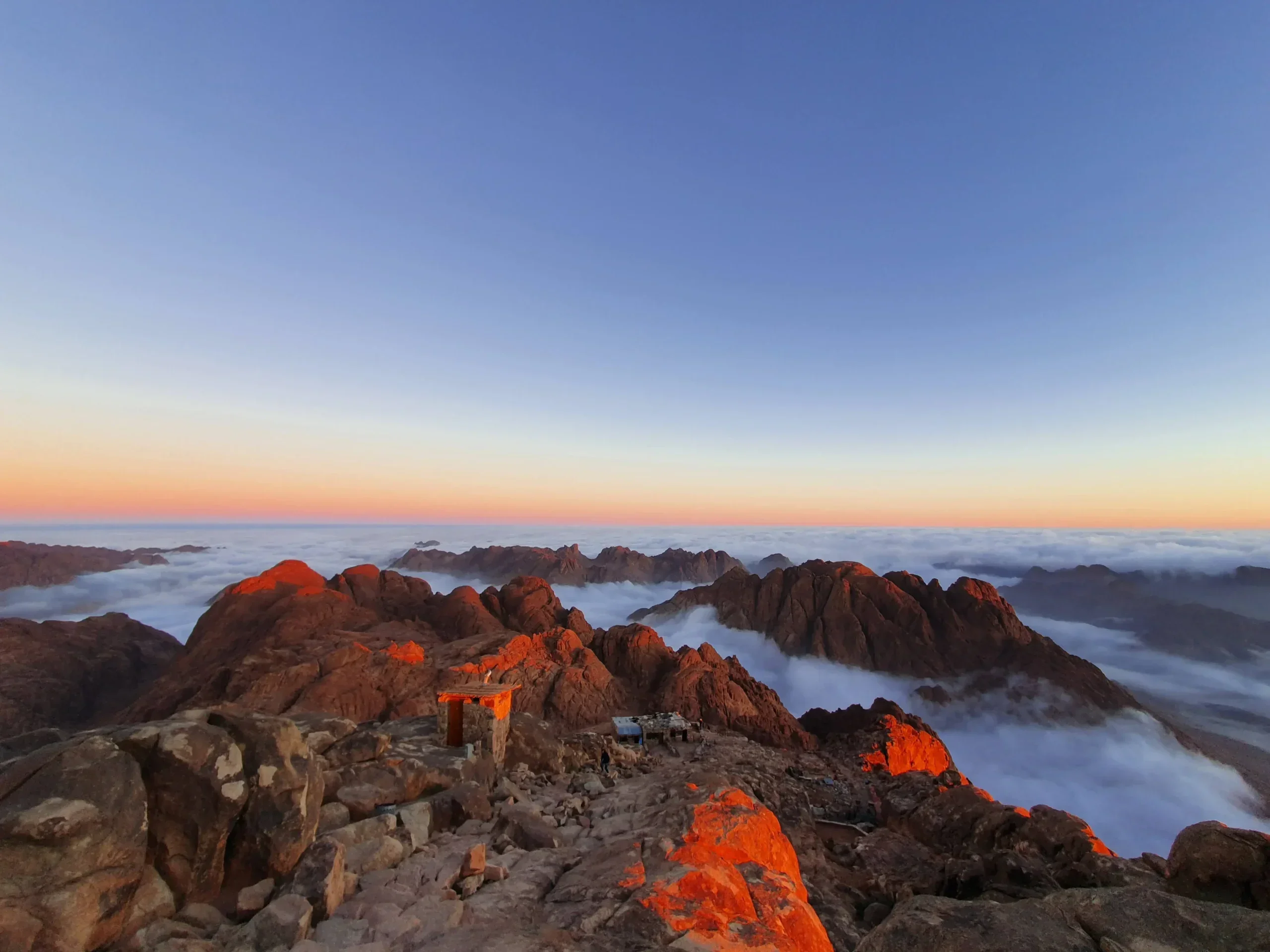
Golden sunrise over the granite peaks of Mount Sinai

Sacred summit · High mountains · South Sinai

Mount Sinai, Egypt: Complete Hiking Guide to Jabal Musa and Saint Catherine

Prepare for a guided ascent of Jabal Musa, sunrise or sunset over the Sinai peaks and a respectful visit to UNESCO-listed Saint Catherine’s Monastery.

Quick answer and sacred context

Why climb Mount Sinai?

Mount Sinai—also called Jabal Musa or Moses Mountain—is traditionally revered as the place where Moses received the Tablets of the Law. The climb combines spiritual significance, granite high-mountain scenery and centuries of monastic and Bedouin heritage.

What makes the Saint Catherine Area special?

The UNESCO-listed Saint Catherine Area is sacred to Judaism, Christianity and Islam. It includes the sixth-century monastery, Mount Sinai’s religious sites, historic paths and a rugged protected mountain landscape.

UNESCO recognizes the monastery’s Byzantine architecture, manuscripts and icons, its continuous monastic function, and the deep relationship between the sacred sites and the surrounding mountains.

Read UNESCO’s official Saint Catherine profile
Sacred paths, summit and monastery

Mount Sinai routes and essential highlights

Choose a route that matches your fitness, then combine the summit with Saint Catherine’s Monastery and the living heritage of the local Jebeliya Bedouin community.

Hikers ascending Mount Sinai through the rugged South Sinai mountainsMain ascent

Camel Trail (Sikket El-Basha)

Gradual routeNight or daylight

The broad switchback trail is the most commonly used ascent. It is less steep than the Steps of Repentance, but still involves a substantial climb on uneven ground before the final summit steps. Camels may operate on part of the route under local conditions.

Sunrise illuminating the summit ridges of Mount SinaiSummit experience

Mount Sinai sunrise or sunset

Panoramic ridgesCold and wind

The 2,285-metre summit opens across layers of granite peaks. A small chapel and mosque reflect the mountain’s sacred status. Sunrise is popular, but sunset can offer a quieter alternative when transport, access and descent timing are carefully planned.

Saint Catherine’s Monastery beneath the Sinai mountainsWorld Heritage

Saint Catherine’s Monastery

Sixth-century complexActive monastery

Built under Emperor Justinian I between 548 and 565 CE, the fortified monastery remains an active religious community. Visitor access is limited and respectful dress, quiet behaviour and current opening times are essential.

Elijah’s Basin below the summit of Mount SinaiMountain rest point

Elijah’s Basin

Final ascentHistoric chapels

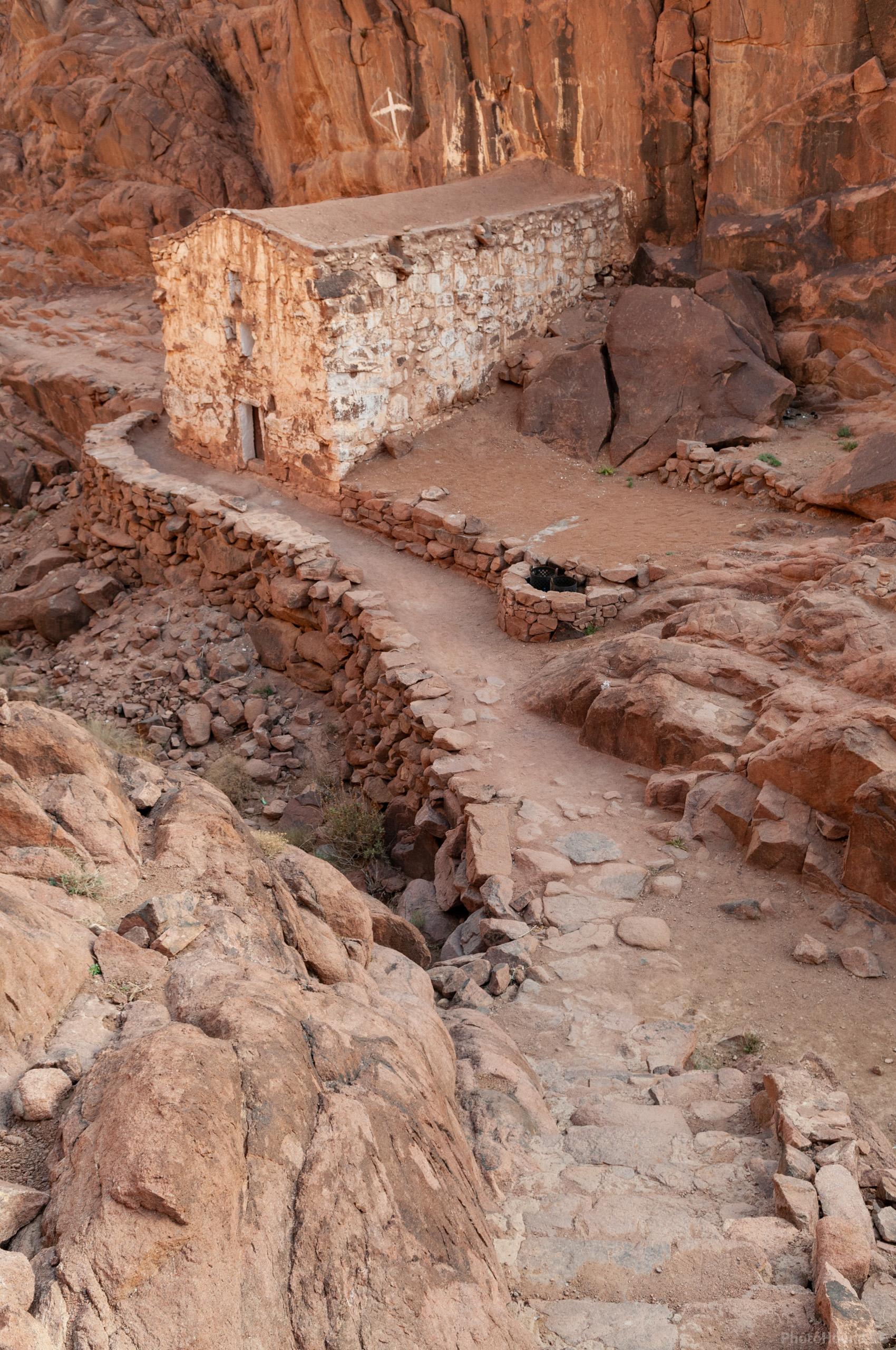
The basin below the summit is traditionally associated with the Prophet Elijah and serves as the junction before the final stone steps. It offers a useful pause, but services are basic and should never replace personal water and supplies.

Historic monastery walls, cypress trees and Mount Sinai landscapeMonastic heritage

Burning Bush, basilica and icons

Sacred collectionLimited access

Inside the monastery, access may include the Church of the Transfiguration, the venerated Burning Bush area and selected icons or museum displays. The library is a scholarly collection and is not generally an open visitor reading room.

Transport and hiking planning

How to visit Mount Sinai

Most visitors use an organized transfer from Dahab or Sharm El Sheikh, or stay in Saint Catherine town. Travel times, checkpoints and guide arrangements must be confirmed for the chosen date.

From Dahab

Overnight sunrise route

  • Depart in the evening with confirmed transport.
  • Meet the assigned local mountain guide.
  • Carry layers, water and a working headlamp.
  • Expect a late-morning or midday return.
Open the Dahab guide
From Sharm El Sheikh

Private overnight transfer

  • Allow extra time for the longer road transfer.
  • Confirm checkpoints, passport requirements and pickup.
  • Carry cash, water, layers and trail snacks.
  • Keep the plan flexible for weather and access.
Open the Sharm El Sheikh guide
Stay in Saint Catherine

Sunset or slower climb

  • Sleep locally before or after the hike.
  • Arrange the current guide through a trusted host.
  • Consider sunset to avoid an overnight transfer.
  • Descend only with enough daylight or lighting.
Open the official UNESCO profile

Planning note: Monastery opening hours, security procedures, guide requirements, trail access, camel availability and weather conditions can change. Reconfirm every operational detail shortly before departure.

Saint Catherine’s Monastery in its rugged mountain setting

Authoritative heritage sources

Verify Mount Sinai and monastery information

Use UNESCO and Egypt’s Ministry of Tourism and Antiquities for heritage context and monastery information, then reconfirm access, hours and hiking procedures locally.

External sources open in a new tab. Reconfirm current monastery hours, trail access and security procedures before departure.

Frequently asked questions

Mount Sinai hiking questions

Direct answers cover sacred context, route choice, difficulty, guides, timing, monastery access, clothing and transport.

What is Mount Sinai?

Mount Sinai, Jabal Musa, is a 2,285-metre peak near Saint Catherine in South Sinai. It is traditionally identified with Moses receiving the Tablets of the Law and is sacred to Judaism, Christianity and Islam.

How difficult is the Mount Sinai hike?

The main Camel Trail is a sustained moderate ascent followed by steep summit steps. The Steps of Repentance are considerably steeper and require stronger fitness, stable knees and daylight judgment.

Where is Mount Sinai?

Mount Sinai lies beside Saint Catherine town in South Sinai’s high-mountain region. Dahab and Sharm El Sheikh are common coastal starting points.

Is a local guide required?

Guide and access procedures can change, but visitors should plan on using the currently authorized local Bedouin guiding system and confirm arrangements before leaving their hotel.

What is the best time to climb Mount Sinai?

October through April generally offers cooler hiking conditions, but summit nights can be freezing and windy. Summer climbs require careful heat planning and substantial water.

Should I choose sunrise or sunset?

Sunrise is the classic pilgrimage experience but requires a night ascent and is often busy. Sunset can be quieter, provided the descent, lighting, guide and transport are fully arranged.

Can I visit Saint Catherine’s Monastery after the hike?

Often yes, but the monastery is an active religious community with limited hours and closures. Check the official schedule and your hike timing immediately before travel.

What should I bring?

Bring sturdy footwear, layered warm clothing, a windproof outer layer, headlamp, water, snacks, cash, a charged phone and required identification. Winter summit conditions may be below freezing.

Private Mount Sinai planning

Plan your Mount Sinai experience

Share your date, pickup hotel, group size, hiking experience and sunrise or sunset preference. Egypt Tours Club can coordinate a private route around current access, guiding and weather.