
Símbolos Egipcios y Sus Significados Explicados
Descubre cómo los símbolos egipcios expresaban vida, protección, renacimiento, poder real, verdad y viaje al más allá.
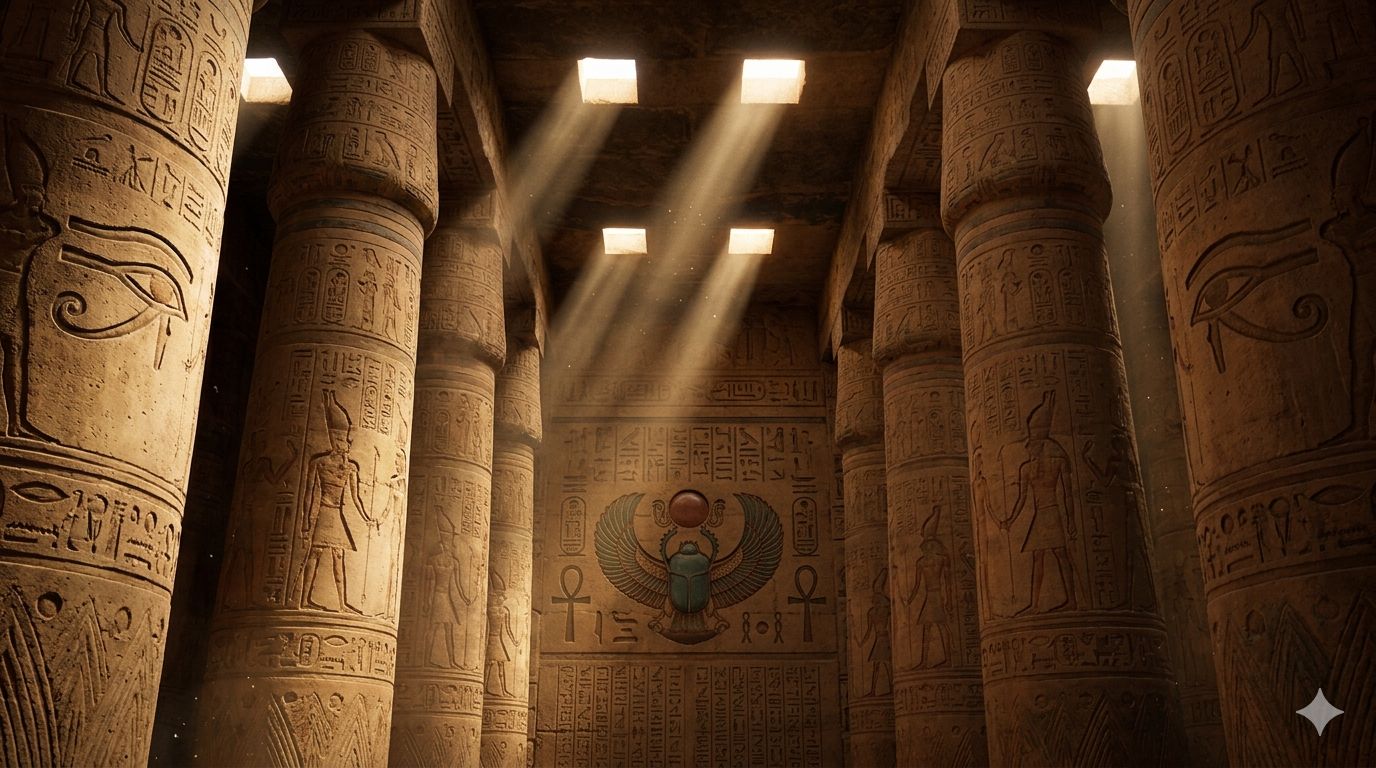
AnjOjo de HorusEscarabajoLos símbolos egipcios aparecían en templos, tumbas, joyas, amuletos, ataúdes, estatuas y escritura jeroglífica. Comprenderlos hace más legibles las escenas sagradas.
Qué significaban los símbolos egipcios
Los símbolos egipcios aparecían en templos, tumbas, joyas, amuletos, ataúdes, estatuas y escritura jeroglífica. Comprenderlos hace más legibles las escenas sagradas.
Símbolos principales y significados
| Símbolo | Significado principal | Dios o idea relacionada | Dónde aparece |
|---|---|---|---|
| Anj | Vida, aliento divino, existencia eterna y renovación. | Dioses, realeza y renovación | Relieves de templos, tumbas, amuletos y estatuas |
| Ojo de Horus | Protección, curación, restauración y plenitud. | Horus, seguridad y realeza | Joyas, amuletos, ataúdes y escenas funerarias |
| Ojo de Ra | Poder solar, fuerza divina y protección feroz. | Ra, realeza y orden cósmico | Escenas de templos, imágenes reales y simbolismo solar |
| Escarabajo | Renacimiento, renovación, transformación y resurrección. | Khepri, amanecer y renovación | Joyas, sellos, objetos funerarios y amuletos |
| Pilar Djed | Estabilidad, resistencia, fuerza y resurrección. | Osiris, más allá y permanencia | Tumbas, ataúdes y escenas religiosas |
| Cetro Was | Poder, dominio y autoridad divina. | Dioses, faraones y control del caos | Relieves de templos y escenas reales |
| Pluma de Ma'at | Verdad, justicia, equilibrio y orden cósmico. | Ma'at y juicio de los muertos | Escenas del más allá y textos funerarios |
| Loto | Creación, renacimiento, belleza y renovación diaria. | Amanecer, renovación y nacimiento divino | Columnas, joyas y decoración de templos |
| Anillo Shen | Eternidad, totalidad y protección divina. | Realeza y orden cósmico | Escenas reales y protectoras |
| Nudo Tyet | Protección, curación y maternidad divina. | Isis, magia y protección sagrada | Amuletos, ataúdes y objetos funerarios |
Por qué eran tan importantes
El Ojo de Horus y el Nudo Tyet protegían a vivos y muertos.
El Anj, Escarabajo y Loto expresaban vida, renacimiento y eternidad.
El Cetro Was y los símbolos solares reforzaban el poder divino y real.
La Pluma de Ma'at representaba justicia y orden moral.
Los símbolos en tumbas guiaban y protegían el alma.
Las paredes contaban historias sagradas y expresaban presencia divina.
Ojo de Horus vs Ojo de Ra
| Característica | Ojo de Horus | Ojo de Ra |
|---|---|---|
| Significado principal | Protección, curación, restauración y plenitud. | Poder solar, fuerza divina, protección y destrucción del caos. |
| Deidad | Horus, dios halcón asociado con la realeza. | Ra, dios solar y creador. |
| Tono simbólico | Sanador y protector. | Feroz, real y solar. |
| Uso común | Amuletos, joyas, ataúdes y escenas protectoras. | Imágenes solares, escenas de templos y poder divino real. |
Símbolos egipcios en la cultura moderna
Hoy el Anj, Ojo de Horus y Escarabajo aparecen en joyas, tatuajes, arte, moda y diseño espiritual. Sus significados originales eran más profundos porque formaban parte de la religión, el ritual, la escritura y el arte sagrado.
Dónde ver símbolos egipcios
Nombres reales, ofrendas, simbolismo de Amón-Ra y relieves sagrados.
Símbolos del más allá, dioses protectores, viajes solares, juicio y renacimiento.
Símbolos de Hathor, imágenes celestes, techos sagrados y relieves rituales.
Amuletos, objetos reales, joyas, ataúdes, estatuas y piezas simbólicas.
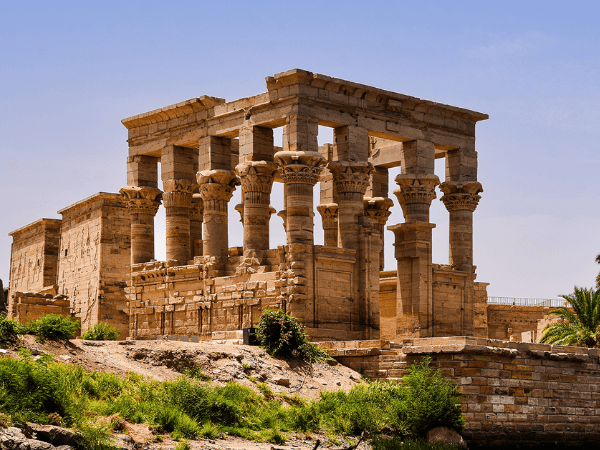
Simbolismo de Isis, protección sagrada, paisajes del Nilo y arte templario tardío.
Templos, tumbas y museos donde ver los símbolos en contexto.
Por qué ayuda una visita guiada
| Sin guía | Con guía egiptólogo |
|---|---|
| Puedes reconocer símbolos famosos pero perder significados profundos. | Comprendes su papel en religión, realeza y más allá. |
| Las escenas de templos pueden parecer repetitivas. | Se convierten en secuencias legibles de ritual y poder divino. |
| Los símbolos pueden parecer decorativos. | Aprendes por qué cada símbolo aparece en un contexto concreto. |
| Se pueden perder vínculos entre dioses y símbolos. | Conectas a Osiris, Horus, Ra, Isis y Ma'at con sus signos. |
Preguntas frecuentes
¿Qué significan los símbolos egipcios?
Representan vida, protección, poder, renacimiento, verdad, autoridad divina y más allá.
¿Cuál es el símbolo más famoso?
El Anj y el Ojo de Horus están entre los más famosos.
¿Qué significa el Anj?
Vida, aliento divino y existencia eterna.
¿Cuál es la diferencia entre Ojo de Horus y Ojo de Ra?
Horus se relaciona con protección y restauración; Ra con poder solar y autoridad divina feroz.
¿Dónde puedo ver estos símbolos?
Karnak, Templo de Luxor, Valle de los Reyes, Dendera, Filae, Museo Egipcio y GEM.
¿Todavía se usan hoy?
Sí, en joyas, tatuajes, arte, moda y diseño espiritual.
Descubre los símbolos egipcios en su contexto
Explora símbolos, dioses e historias sagradas en templos, tumbas y museos con un guía egiptólogo.
Explora tours de LuxorPlanifica un tour a medida-min.png)
.png)