



When people imagine ancient Egypt, they often picture pyramids, golden tombs and colossal statues. But behind every monument was a society of real workers — organized, skilled and essential to Egypt’s economy, religion, administration and daily life.
Start Here: What Do You Want to Understand?
This article is organized around the main ways travelers search for jobs in ancient Egypt: everyday work, skilled crafts, temple service, state administration and the real sites where this history can still be seen.
Careers in the Kingdom: What Jobs Looked Like in Ancient Egypt
The story of ancient Egypt is not only the story of pharaohs. It is also the story of farmers who fed the state, artisans who carved royal tombs, scribes who managed records, priests who ran temple estates, soldiers who defended borders and merchants who connected Egypt to the wider ancient world.
Understanding jobs in ancient Egypt helps travelers see the civilization differently. A pyramid becomes a labor achievement. A tomb becomes the work of trained specialists. A temple becomes an economic institution. A papyrus text becomes evidence of administration, education and literacy.
This guide explains the most important ancient Egyptian careers, how work shaped society, and where travelers can still see evidence of these professions in Egypt today.
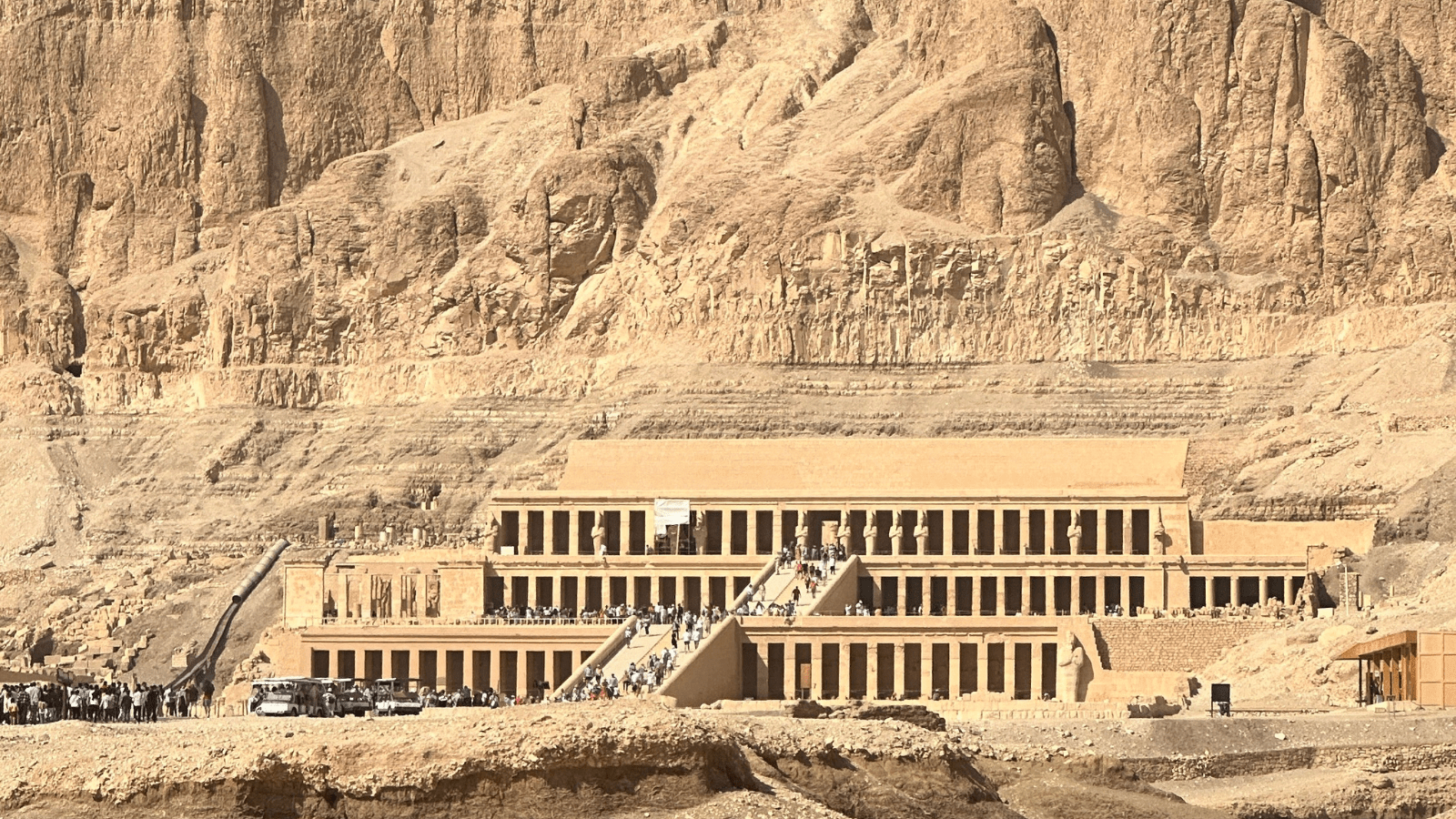
Ancient Egyptian Jobs at a Glance
The ancient Egyptian economy depended on specialized roles. Some jobs were seasonal and agricultural, while others required years of training, literacy or temple service.
| Job | Main responsibility | Social role | Where travelers see evidence today |
|---|---|---|---|
| Farmers | Grew grain, flax and food along the Nile. | Foundation of the economy and taxation system. | Tomb reliefs, agricultural scenes, Nile Valley landscapes. |
| Artisans | Carved, painted, built, shaped wood, metal and stone. | Created tombs, temples, jewelry and ritual objects. | Deir el-Medina, Valley of the Kings, temples and museums. |
| Scribes | Recorded taxes, laws, harvests, trade and religious texts. | Literate administrative elite. | Papyri, inscriptions, statues, museum collections. |
| Priests | Performed rituals and managed temple estates. | Religious and economic authority. | Karnak, Luxor Temple, Philae, Dendera. |
| Soldiers | Protected borders, escorted trade and fought campaigns. | Security, status and advancement. | Reliefs, weapons, forts and museum displays. |
| Merchants and traders | Moved grain, linen, papyrus, incense, cedar and luxury goods. | Connected Egypt to Africa, the Levant and the Mediterranean. | Trade scenes, port history, museum objects, Red Sea and Nile routes. |
1. Farmers: Feeding an Empire
Farming was the most common job in ancient Egypt. The Nile’s annual flood deposited rich black silt across the riverbanks, creating one of the most productive agricultural systems in the ancient world.
Farmers grew wheat, barley, flax, vegetables and fruit, and raised animals such as cattle, goats, sheep and birds. Grain was not only food; it was also taxation, wages and state wealth. Temples, tomb projects and royal administration all depended on agricultural surplus.
For a travel context, a Nile Cruise Package helps visitors understand why the river, fertile banks and temple towns shaped work, food supply and local life in ancient Egypt.
Modern Connection
Seasonal agriculture, land management, grain storage and taxation all have ancient roots in the Nile Valley. Farming was the economic engine that allowed temples, tombs and cities to function.
- Main crops: wheat, barley and flax.
- Main challenge: coordinating work with the Nile flood cycle.
- Economic role: feeding the population and supporting taxation.
2. Artisans: Builders of Beauty and Meaning
Ancient Egyptian artisans were not ordinary laborers. They were trained specialists who carved reliefs, painted tombs, shaped statues, made jewelry, built furniture, worked stone and crafted sacred objects for temples and burials.
One of the strongest places to understand these workers is Deir el-Medina, the village of royal tomb workers near Luxor. Many artisans there worked on the tombs of the Valley of the Kings, creating some of the most beautiful funerary art ever discovered.
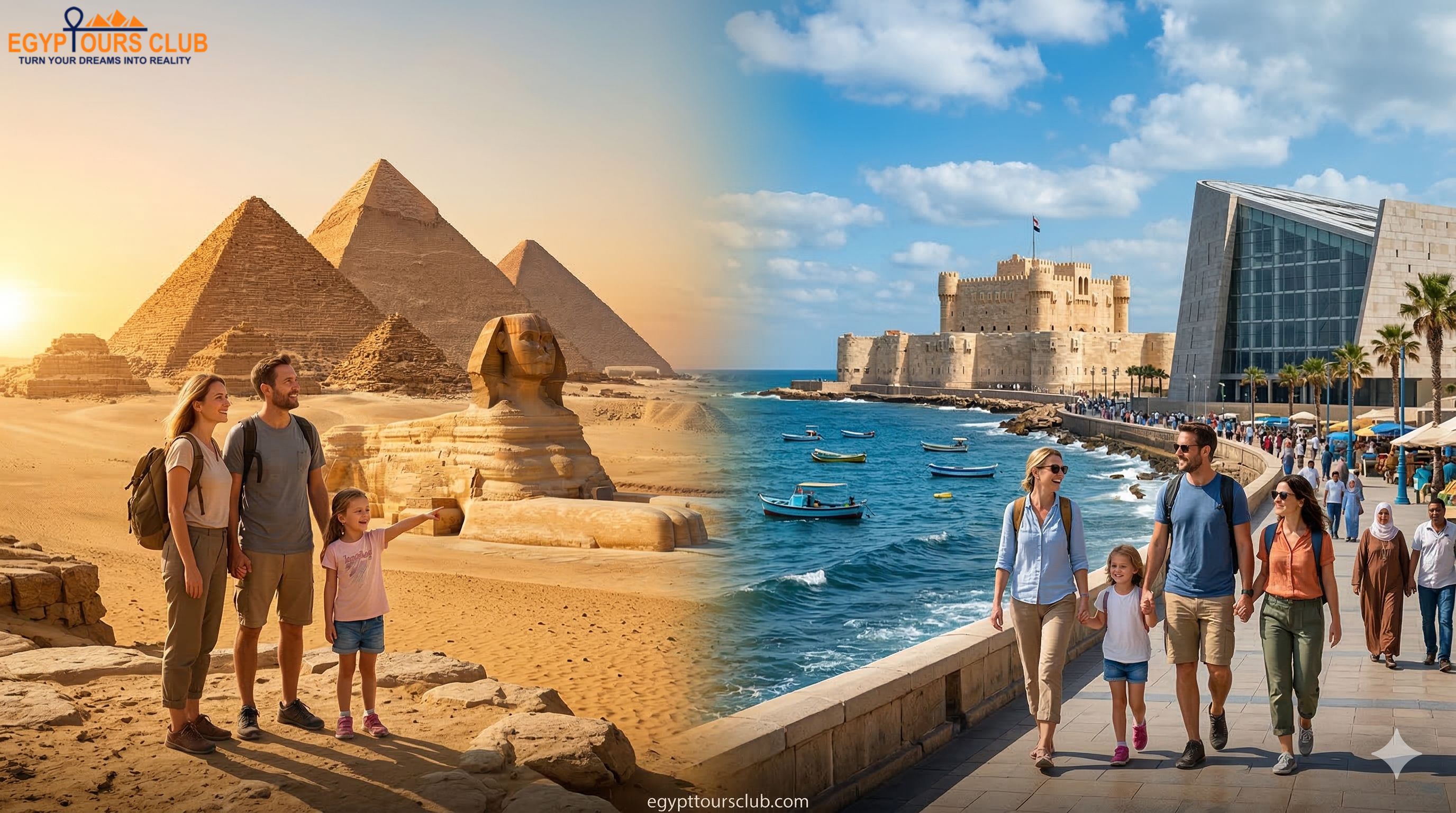
Painters
Added vivid afterlife scenes, gods, symbols and sacred texts to tomb walls.
Stonecutters
Carved chambers, statues, reliefs and architectural details.
Goldsmiths
Created jewelry, amulets, ritual objects and royal treasures.
Carpenters
Built furniture, coffins, shrines and ritual equipment.
Draftsmen
Planned scenes and proportions before painters completed the final work.
Potters
Made storage jars, domestic vessels and ritual containers.
3. Scribes: The Literate Elite of Ancient Egypt
Scribes were among the most important professionals in ancient Egypt. In a society where literacy was limited, the ability to read and write gave scribes status, mobility and influence.
They recorded harvests, taxes, legal agreements, temple accounts, trade records, royal decrees and religious texts. In modern terms, scribes were administrators, accountants, legal clerks, data managers and cultural record-keepers at the same time.
| Scribal task | Why it mattered |
|---|---|
| Tax records | Helped the state collect grain and resources efficiently. |
| Harvest accounts | Tracked agricultural production and food supply. |
| Legal documents | Supported contracts, property, inheritance and disputes. |
| Temple records | Managed offerings, land, workers and ritual schedules. |
| Religious texts | Preserved sacred spells, prayers and funerary traditions. |
For travelers, scribes are best understood through museum objects, papyri, tomb inscriptions and temple reliefs. A visit to the Grand Egyptian Museum or the Egyptian Museum Cairo helps connect writing, administration and royal culture.
4. Priests: Sacred Authority and Economic Power
Priests did far more than perform rituals. Ancient Egyptian temples were powerful institutions with land, workers, storage facilities, workshops, schools, medical traditions and administrative offices.
High-ranking priests could hold influence close to that of government officials. They maintained the daily cult of the gods, managed offerings, supervised temple property and supported festivals that shaped public religious life.
Karnak Temple
One of the best places to understand the power of temple administration and the cult of Amun-Ra.
Read Karnak Temple Guide →Philae Temple
A sacred island temple where the cult of Isis continued for centuries.
Read Philae Temple Guide →Dendera Temple
A major temple of Hathor with rich symbolic ceilings, ritual rooms and sacred art.
Read Dendera Temple Guide →Luxor Temple
A powerful example of ritual kingship, processions and sacred political meaning.
Explore Luxor Day Tours →5. Soldiers: Security, Status and Opportunity
Military service was both a duty and a career path. Soldiers defended Egypt’s borders, guarded trade routes, escorted expeditions and fought in campaigns during periods of expansion.
For some men, the military offered structure, income, social recognition and potential rewards such as land or gold. Soldiers also helped protect Egypt’s commercial and political interests beyond the Nile Valley.
Modern Connection
Like military careers today, service could offer discipline, status, mobility and advancement, especially for those connected to successful campaigns or royal service.
6. Traders and Merchants: Egypt’s Global Connectors
Ancient Egypt was deeply connected to surrounding regions. Merchants and traders helped move goods along the Nile, across deserts, through Red Sea routes and into the eastern Mediterranean world.
Egypt exported grain, linen, papyrus and crafted goods, while importing incense, cedar wood, metals, precious stones and luxury objects. Trade linked Egypt with Punt, Nubia, the Levant, the Mediterranean and lands far beyond.
| Trade item | Direction | Why it mattered |
|---|---|---|
| Grain | Export and internal state supply. | Egypt’s agricultural wealth supported trade and taxation. |
| Linen | Export and domestic use. | Used for clothing, rituals, burial and trade. |
| Papyrus | Export and administration. | Essential for writing, records and documents. |
| Cedar | Imported from the Levant. | Important for ships, high-quality woodwork and elite objects. |
| Incense and luxury goods | Imported from Punt and other regions. | Used in temples, elite life and royal display. |
For travelers, ancient trade becomes especially vivid when exploring temples, museum collections and Nile routes that show how goods, ideas and craftsmanship moved across Egypt.
Match Ancient Egyptian Jobs with Places You Can Visit
The strongest way to turn this article into a real Egypt experience is to connect each ancient career with the site where its evidence is visible. These links help readers move from learning to planning a route.
Where to See Evidence of Ancient Egyptian Jobs Today
The best Egypt Classic Tour Packages do not only show royal monuments. They show the people who made those monuments possible. These sites are especially useful for understanding work, craft, administration and daily life.
Deir el-Medina
The workers’ village of royal tomb builders and artisans, one of the best places to understand skilled labor in ancient Egypt.
Read Deir el-Medina Guide →Valley of the Kings
Royal tombs reveal the skill of painters, stonecutters, architects, scribes and ritual specialists.
Read Valley of the Kings Guide →Grand Egyptian Museum
Museum objects show scribal tools, artisan skill, royal workshops, burial goods and state administration.
Read GEM Guide →Luxor Temples
Temple architecture reveals priests, ritual workers, scribes, craftsmen and the economic power of sacred estates.
Explore Luxor Day Tours →
Why Ancient Egyptian Careers Matter Now
Ancient Egypt was a civilization of careers as much as a civilization of kings. Its greatness depended on people who understood their roles and contributed specialized knowledge: farmers feeding the country, scribes recording the system, artisans creating beauty, priests managing sacred institutions, soldiers protecting routes and merchants connecting Egypt to the world.
For modern travelers, this changes how Egypt feels. You are not only looking at monuments. You are seeing the result of labor systems, training, creativity, administration and belief working together over thousands of years.
Key Takeaway
To understand ancient Egypt, look beyond the pharaoh. The real strength of the kingdom was the organized workforce that kept temples, farms, tombs, trade and government alive.
Explore More on Egypt Tours Club
Continue exploring ancient Egyptian daily life, tombs, temples, workers and cultural history.
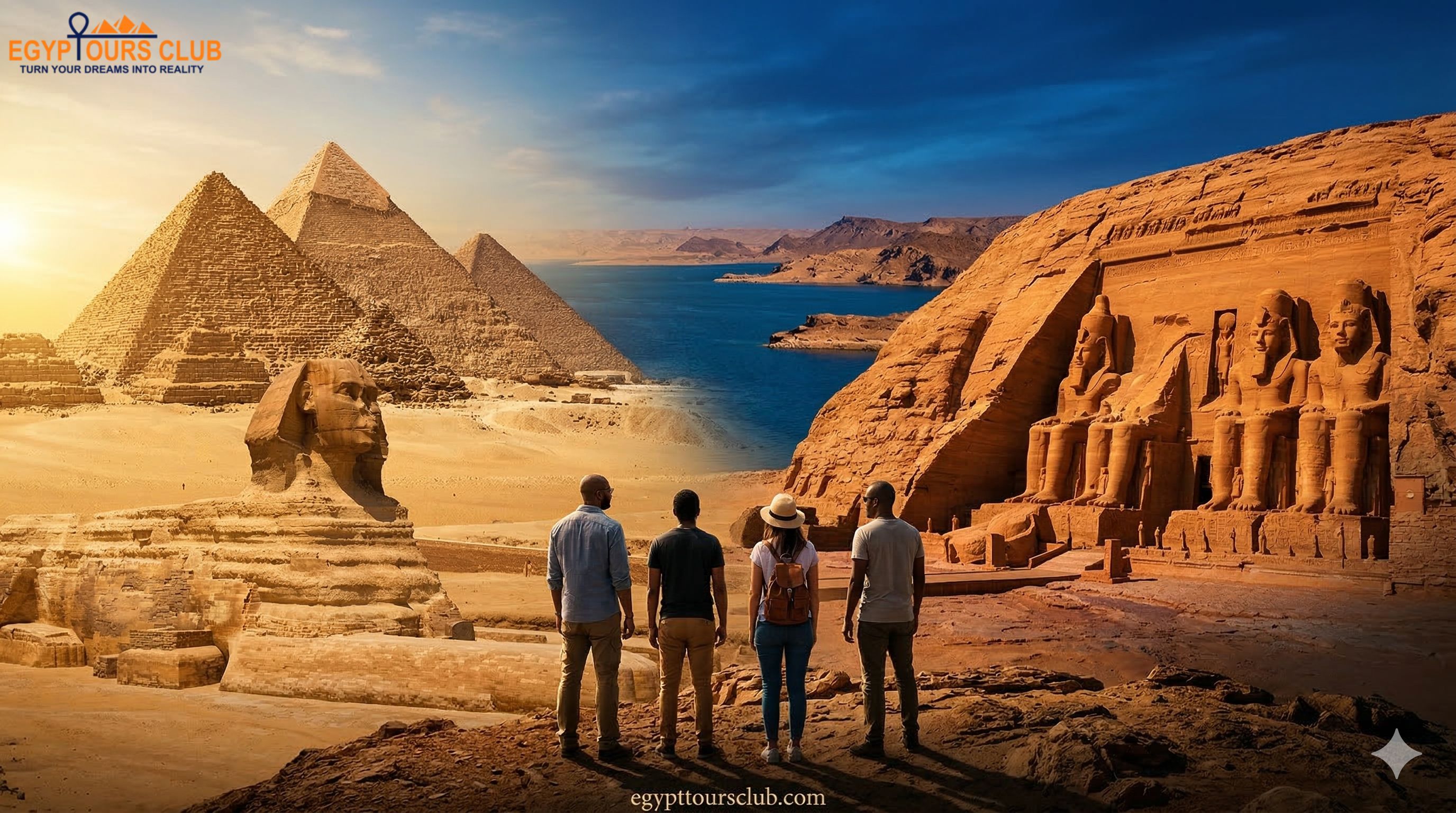

Jobs and Social Status in Ancient Egypt
Ancient Egyptian jobs were closely linked to social status. Farmers formed the foundation of the economy, while scribes, priests and high officials enjoyed greater influence because they controlled records, rituals and state resources.
Skilled artisans occupied an important middle space. They were not always politically powerful, but their expertise was essential. Their work preserved the visual identity of ancient Egypt and created objects that still define the civilization today.