

Luxor Eclipse 2027: Astrophotography, Safety & Logistics | Egypt Tours Club | Egypt Tours Club
Astrophotography, Eye Safety & Logistics Master Guide for the Luxor 2027 Eclipse . banner

Astrophotography, Eye Safety & Logistics Master Guide for the Luxor 2027 Eclipse

Egypt Tours Club

Luxor eclipse 2027 · astrophotography · eye safety · equipment logistics

2 August 2027 · Luxor · Astrophotography · ISO 12312-2 · Logistics

Astrophotography, Eye Safety & Logistics Master Guide for the Luxor 2027 Eclipse

Build a technical eclipse plan for Luxor with certified solar filtration, lens and sensor strategy, automated exposure bracketing, high-zenith tripod mechanics, desert heat protection, field logistics and a complete equipment checklist for the 2027 total solar eclipse.

Quick Technical Answer

What makes Luxor 2027 unusually demanding for eclipse photography?

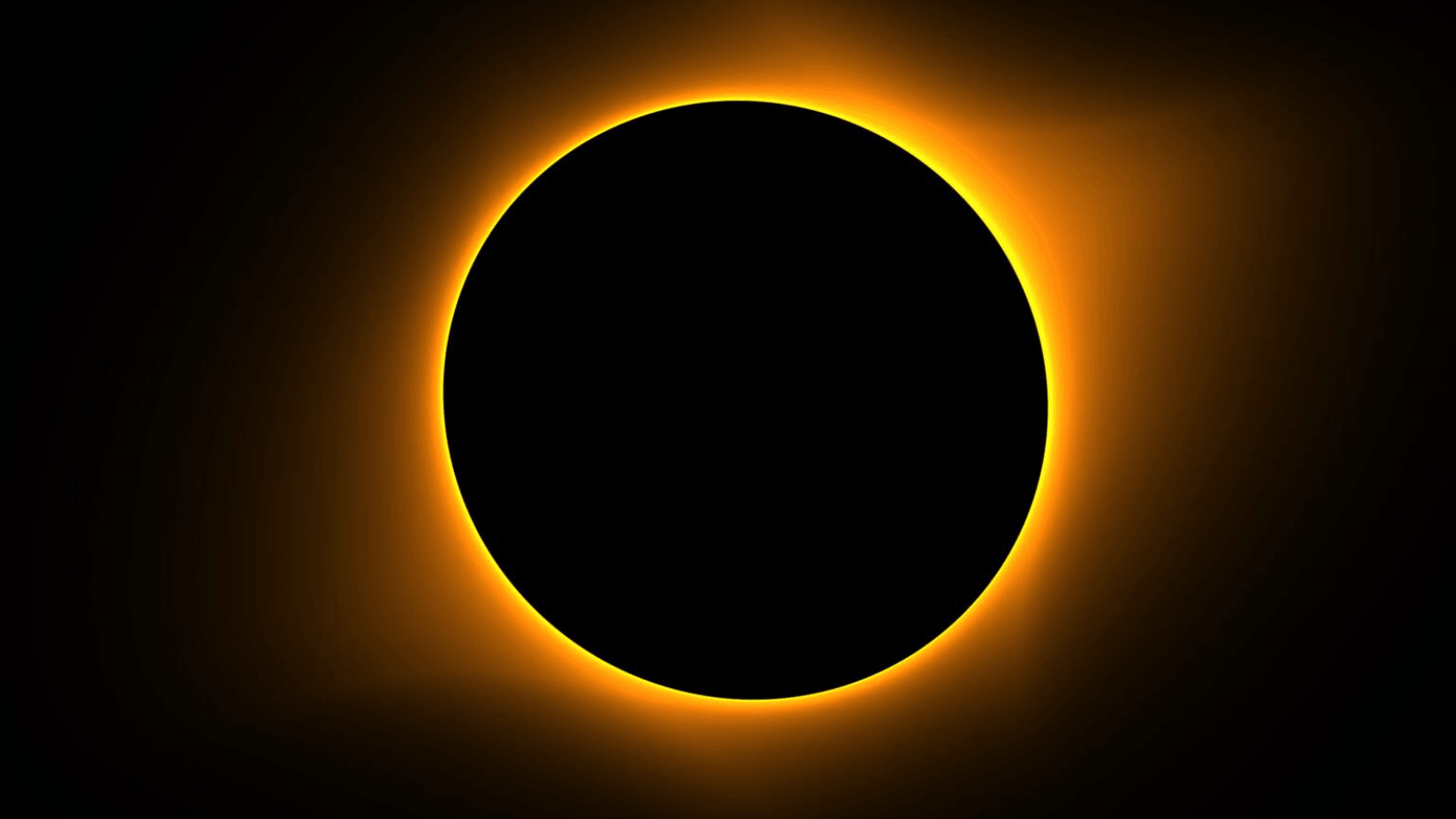
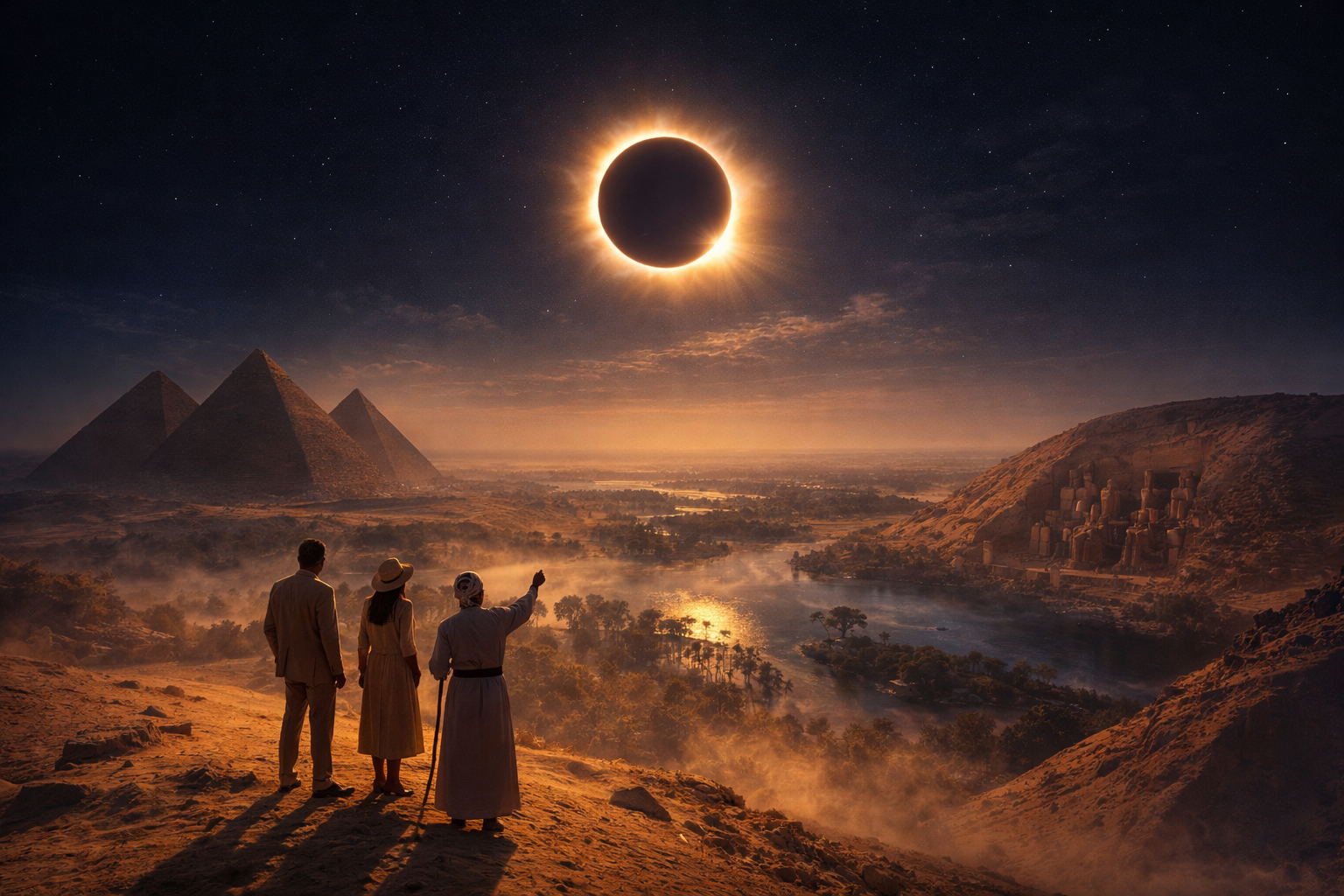
The supplied article combines three technical challenges: a Sun almost overhead at roughly 82°, extreme Upper Egypt summer heat and an eclipse brightness range that spans the Diamond Ring, chromosphere, prominences, inner corona and faint outer streamers. That makes tripod geometry, heat management and automated exposure bracketing central to the plan.

For eye and equipment safety, partial phases require proper solar filtration. NASA and the American Astronomical Society advise compliant solar viewers for direct viewing and securely mounted solar filters on the front of cameras, binoculars and telescopes during partial phases.

Astrophotography Gear

Choose the lens, camera and tripod around the image you want

The supplied article divides the optical strategy into wide environmental frames, medium telephoto compositions and close-up solar physics, then adds mirrorless bodies, high-speed storage and special tripod mechanics for the near-zenith Sun.

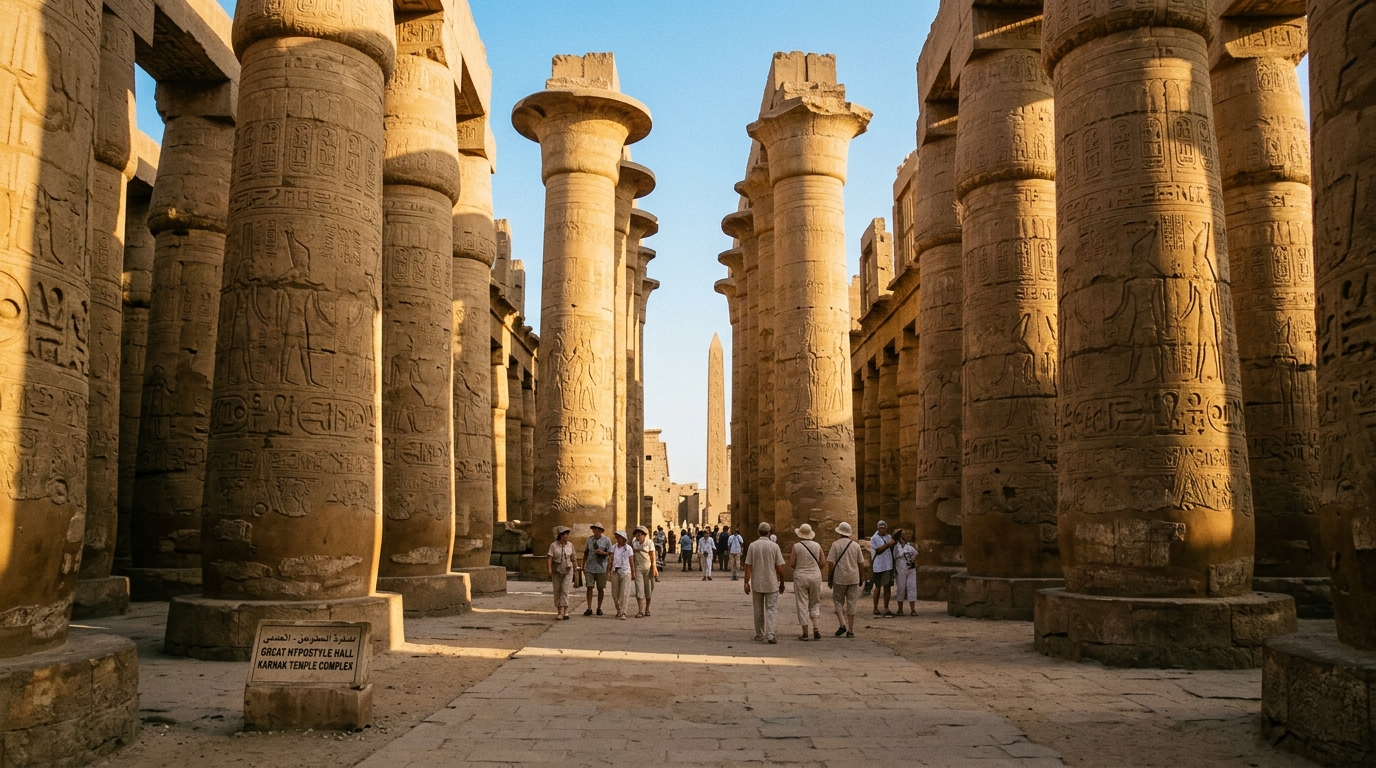
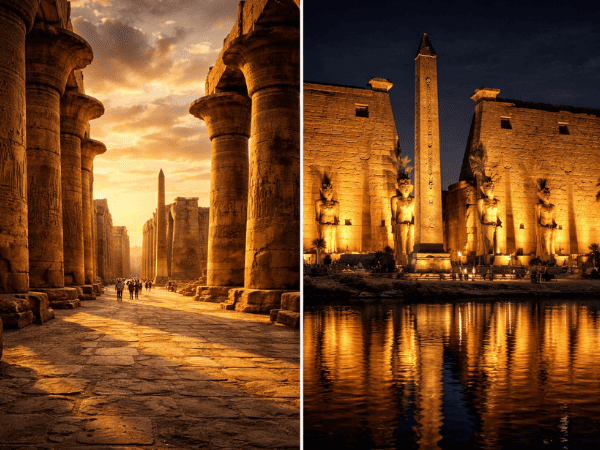
Karnak Temple in Luxor for wide-angle 2027 eclipse photography14–24 mm

Ultra-Wide Environmental Frames

ArchitectureCorona360° twilight

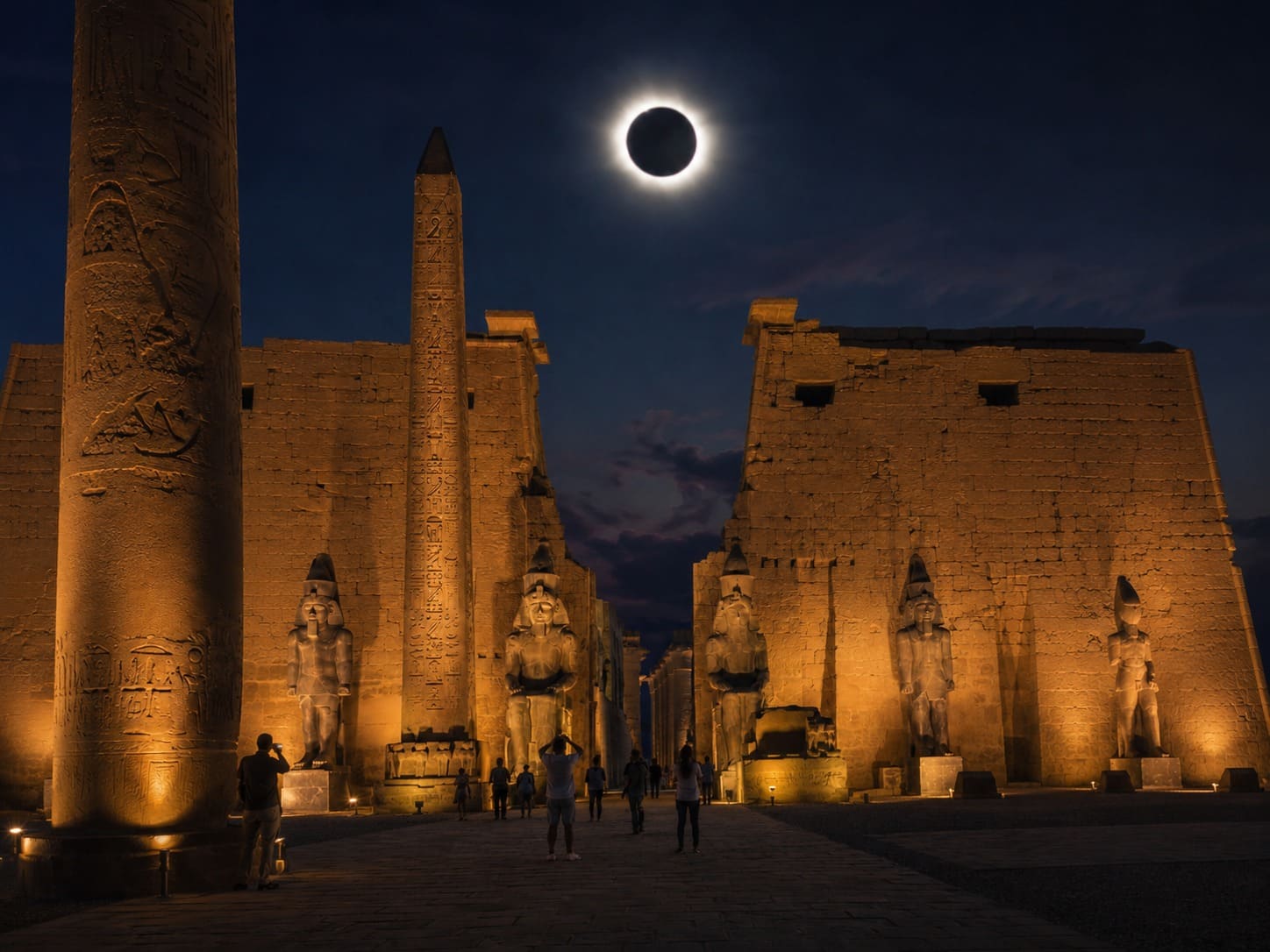
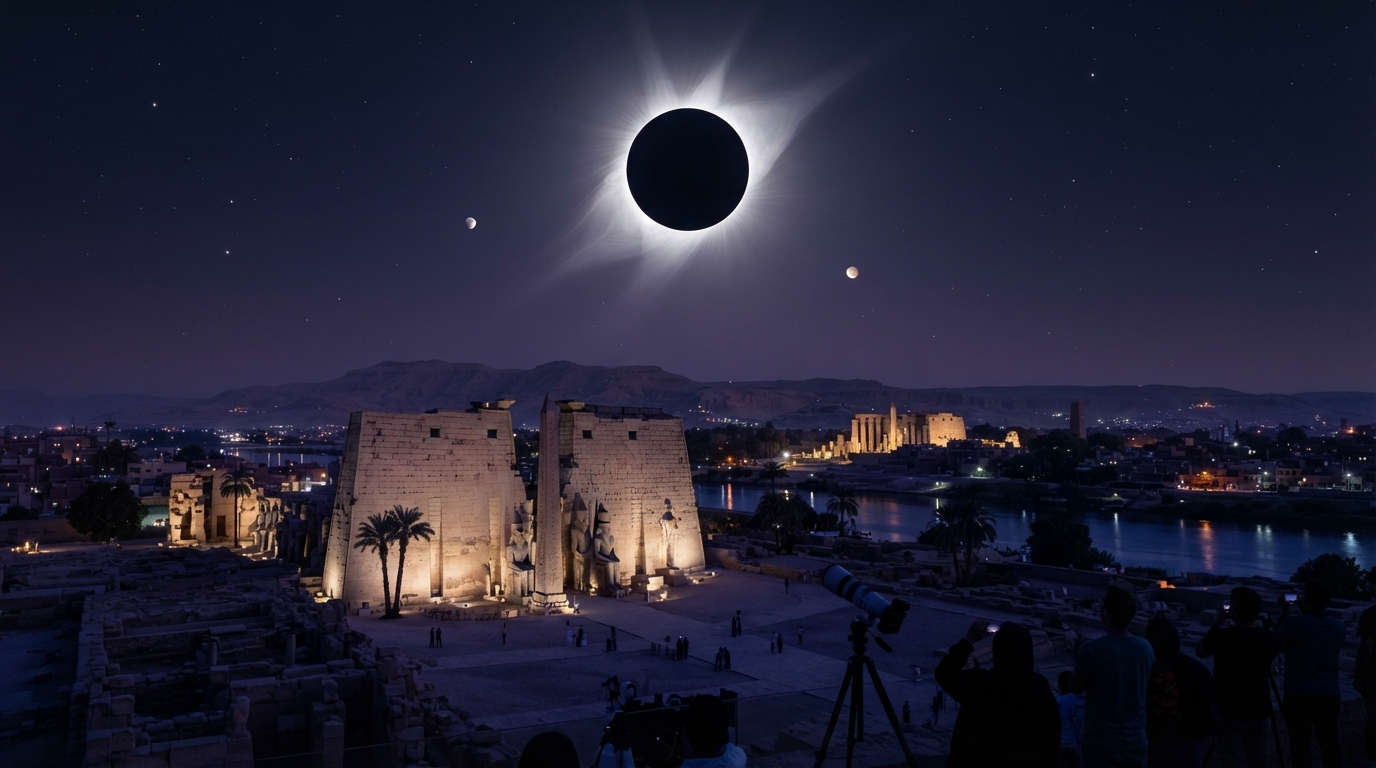
Use ultra-wide lenses when the goal is to include temple pylons, the Nile landscape, the high solar corona and the unusual horizon glow of totality in a single environmental composition.

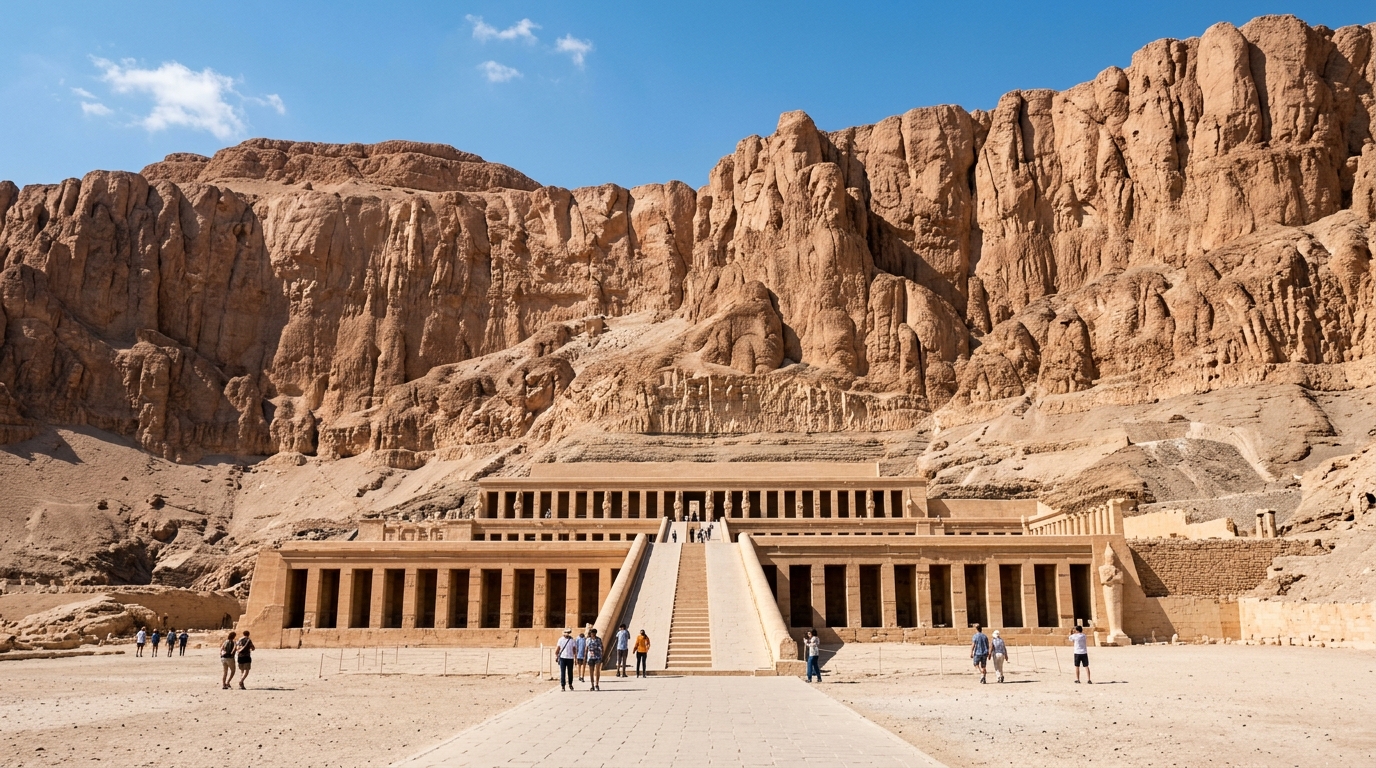
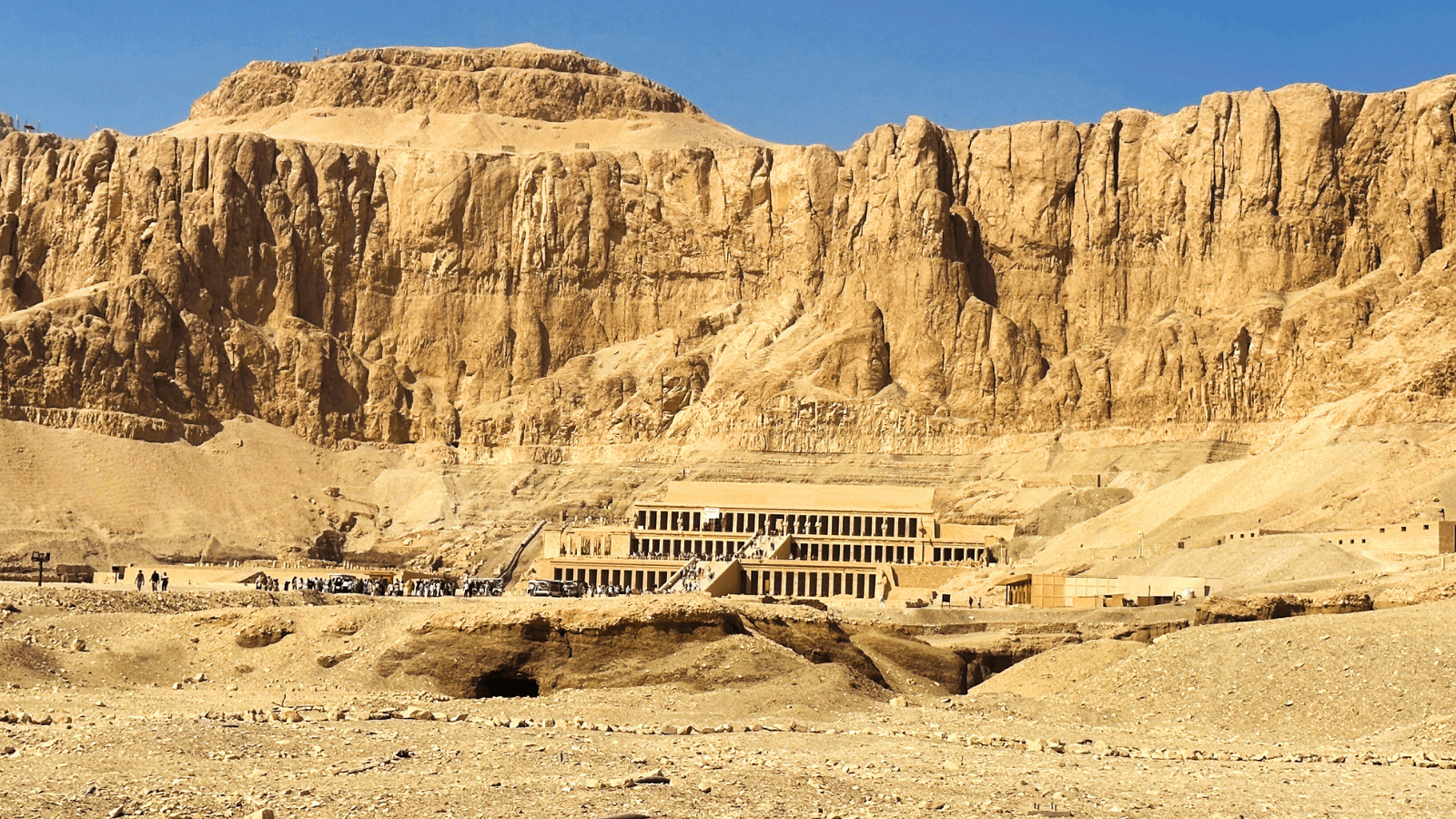
Luxor West Bank cliffs for super-telephoto eclipse planning400–800 mm

Super-Telephoto Solar Detail

ProminencesCoronal streamers

The article recommends long focal lengths for close-up eclipse detail, with roughly 500–600 mm on full frame giving useful room for the solar disk plus extended corona.

Eclipse camera planning in Luxor with mirrorless body and high-angle compositionCamera Body

Full-Frame Mirrorless & Fast Storage

EVFArticulating screenDual card slots

Mirrorless bodies are attractive for high dynamic range, electronic viewing and steep-angle composition. The source also prioritizes fast UHS-II or CFexpress cards to clear rapid exposure-bracket bursts.

High-zenith eclipse photography setup concept for Luxor 202782° Sun

L-Brackets, Geared Heads & Gimbals

High-angle stabilityHeavy lenses

A nearly overhead Sun can push normal ball heads into awkward positions. The article recommends L-brackets plus geared or heavy-duty gimbal heads to improve balance and fine tracking.

Internal Link Atlas

Connect technical planning with Luxor locations and eclipse products

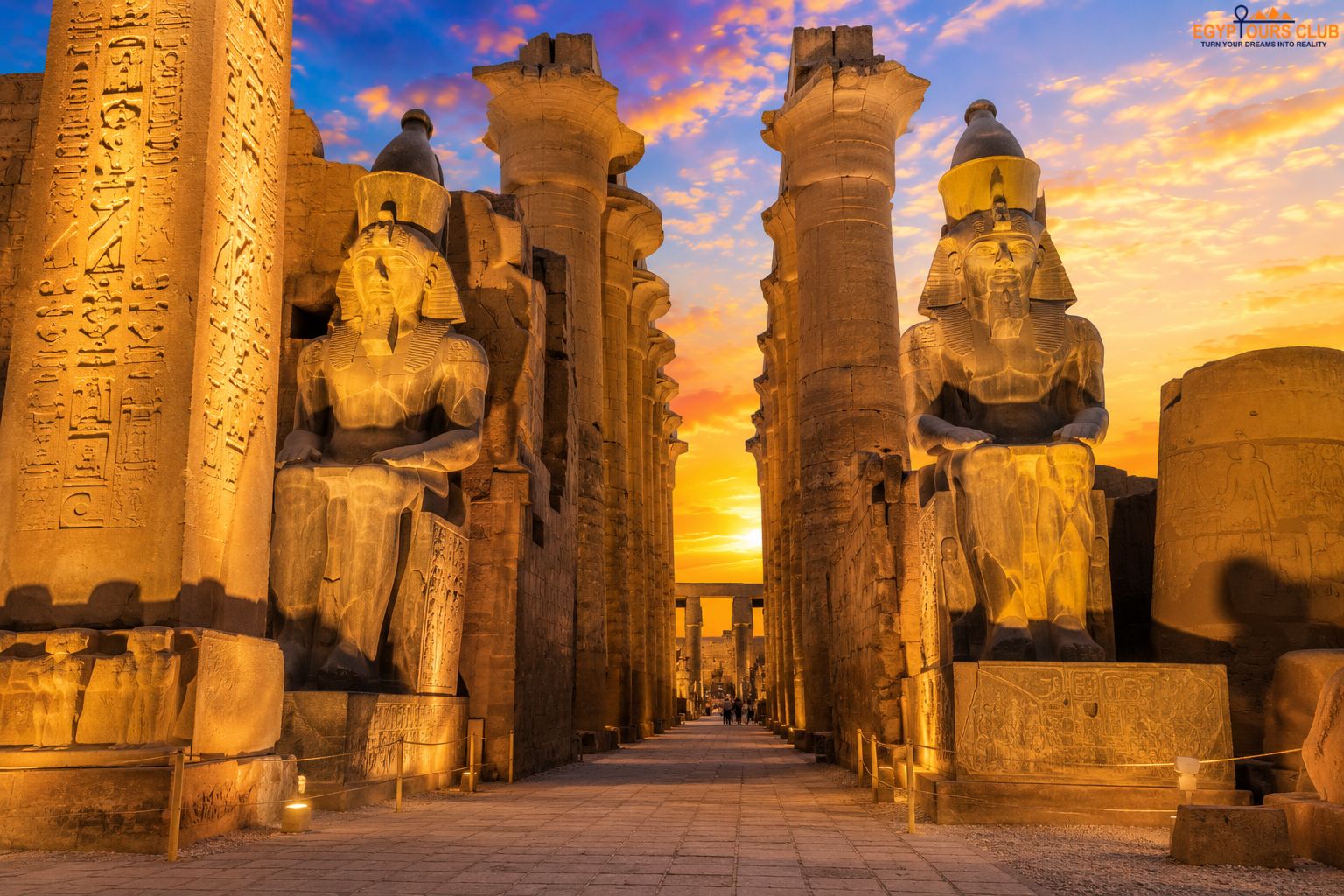
Move directly from camera strategy to Luxor monuments, open-sky West Bank planning and current Egypt Tours Club eclipse routes.

Exposure Matrix & Automation

Build the totality bracket before you arrive in Egypt

The source article recommends manual exposure control, RAW capture, fixed focus and a broad shutter-speed ladder because no single exposure can preserve the entire brightness range of the solar corona.

Core Settings

Manual Base Configuration

  • Mode: Manual
  • ISO 100 as the article’s suggested base
  • f/8 as the suggested optical starting point
  • Manual focus locked before totality
  • RAW capture and consistent white balance
Add these to your preflight checklist
1/4000–1/1000 s

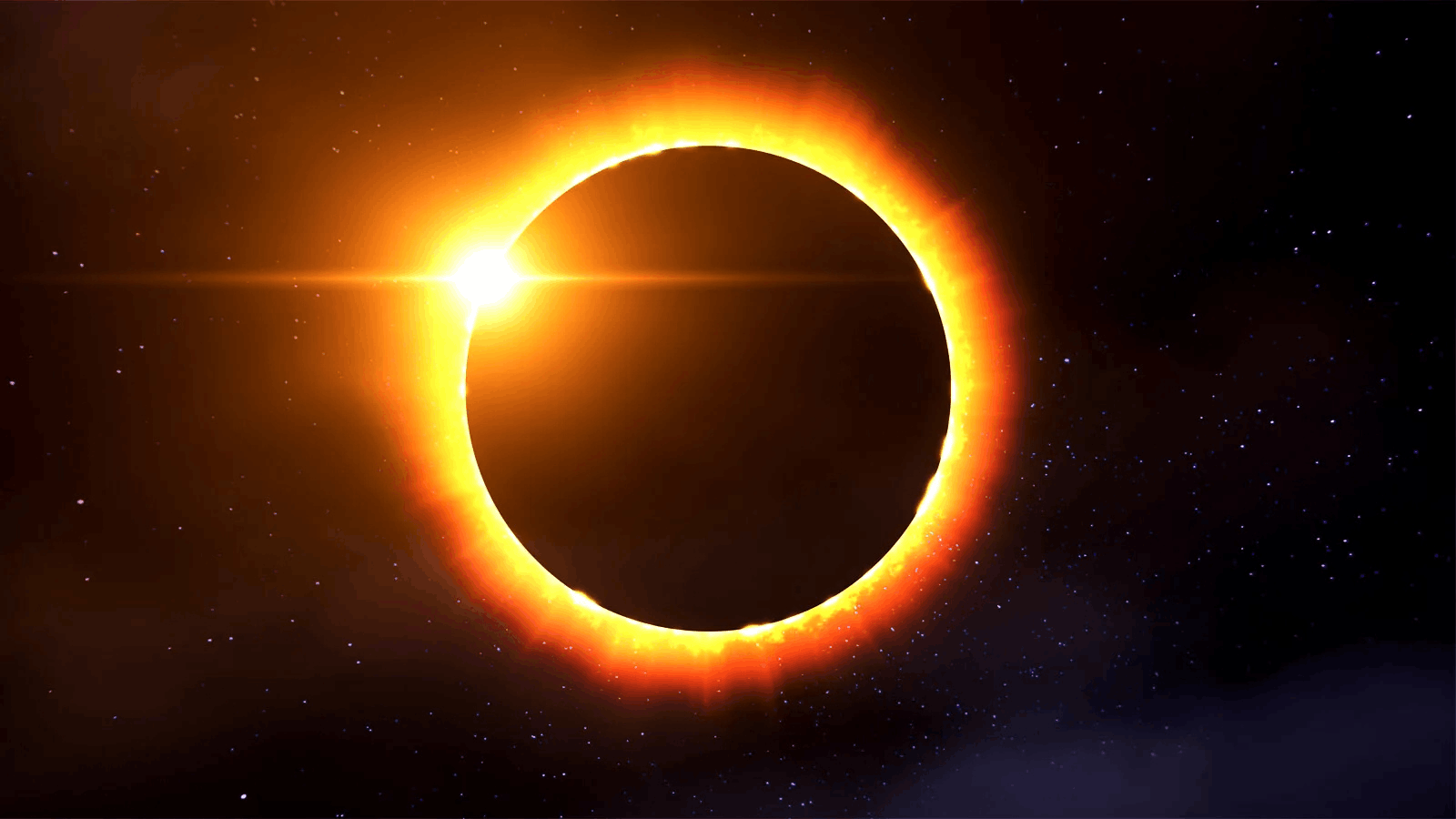
Diamond Ring, Beads & Chromosphere

  • Fast shutter speeds protect highlights
  • Useful for Baily’s Beads
  • Useful for Diamond Ring flashes
  • Capture prominences and bright chromosphere
Review NASA safety first
1/500–1/60 s

Inner & Mid Corona

  • Resolve bright inner-corona structure
  • Capture polar brushes and helmet streamers
  • Use multiple exposures rather than one compromise frame
Plan a stable viewing base
1/15–2 s

Outer Corona & Earthshine

  • Longer exposures reveal faint coronal streamers
  • Very slow frames may reveal lunar earthshine
  • Tripod stability becomes increasingly critical
Explore open-sky terrain
Automation

Script the Bracket Sequence

  • Use eclipse automation software when compatible
  • Or use a programmable intervalometer
  • Synchronize the camera clock and contact plan
  • Rehearse the exact sequence before travel
Review AAS solar-filter guidance
Important

Timing Conflict in the Supplied Article

  • One section uses C1 around 11:40 and C2 around 13:02
  • A later logistics timeline uses C1 around 10:40 and C2 around 12:02
  • Do not program automation from the article alone
  • Verify exact local circumstances for your coordinates before publication and travel
Check Luxor eclipse circumstances

Eye Safety & Desert Heat

Protect eyesight, optics, batteries and sensors

NASA and AAS guidance supports the article’s central safety rule: the bright or partially eclipsed Sun requires proper solar protection, while totality is the brief interval when direct viewing is possible only after the bright photosphere is completely covered.

Eyes

ISO 12312-2 Solar Viewers

  • Use safe eclipse glasses or handheld viewers for all partial phases
  • Inspect viewers for scratches, tears or damage
  • Ordinary sunglasses are not safe solar viewers
  • Buy from reputable suppliers with verified testing
Read the ISO 12312-2 explainer
Optics

Front-Mounted Solar Filters

  • Mount solar filters on the Sun-facing end of lenses and telescopes
  • Never use an unfiltered optical viewfinder on the bright Sun
  • Do not combine eclipse glasses with an unfiltered magnifying optic
  • Practice secure filter removal and replacement
NASA solar-viewing guidance
Totality

C2–C3 Filter Discipline

  • Filters remain in place through partial ingress
  • Remove only after complete photosphere coverage at C2
  • Direct viewing is limited to complete totality
  • Replace protection immediately as direct sunlight returns at C3
Read AAS instructions
Heat

Reflective Wraps & Shade

  • Shade dark camera bodies during the partial phases
  • Use light-colored cloth or reflective thermal protection where practical
  • Reduce unnecessary live-view time
  • Do not leave electronics exposed in direct sun
Read summer Luxor planning
Batteries

Thermal Battery Management

  • Carry multiple fully charged batteries
  • Keep spares shaded and insulated
  • Install fresh batteries shortly before totality
  • Keep power banks out of direct sunlight
See complete equipment checklist
Dust

Field Maintenance

  • Carry blower, lens cloths and sensor-cleaning supplies
  • Avoid lens changes in blowing dust when possible
  • Keep filters and front elements protected until setup
  • Back up RAW files after the event
Ask about a managed technical setup

Egypt Logistics, Photography Rules & Eclipse Day

Move the equipment legally and arrive before the pressure builds

Treat permits, site rules and transport as part of the technical plan. The supplied article discusses drones, large optics and tripods; current rules should be reconfirmed with the relevant authorities and operator close to travel.

Photography

Tripods & Archaeological Sites

Do not assume a tripod is automatically permitted. Official Egyptian monument and museum policies can restrict tripods, monopods, flash and commercial photography or require permission. Confirm the exact eclipse venue and equipment rules in writing.

Check official monument information
Drones

Do Not Travel on Assumptions

The supplied article describes strict Egyptian drone restrictions. Because aviation and security rules are consequential and can change, verify current written authorization requirements directly with Egyptian authorities before carrying or operating any drone.

Ask the local operations team
Large Optics

Telescopes & Tracking Mounts

Large telescopes and motorized mounts can require additional scrutiny and can be impractical at crowded monuments. Carry clear equipment documentation and confirm venue acceptance before departure.

View managed eclipse-day logistics
Early Start

Arrive Before Traffic Builds

The source recommends an early departure, security clearance and several hours of setup time before the partial phases. Build buffer time around Luxor roads, security checks and equipment assembly.

Plan Luxor transport
Setup

Level, Balance, Sync & Filter

Before the eclipse begins, level tripods, balance long lenses, connect intervalometers, synchronize clocks, secure solar filters and run a final dry rehearsal.

Review exposure automation
Data

Back Up Before You Pack

After totality, continue protected partial-phase photography only if desired, then review histograms, duplicate critical RAW files and secure cards before leaving the site.

Open final checklist

Timing warning: the supplied Article 5 contains two different contact-time sequences. Keep the article’s technical concepts, but verify the final C1–C4 times for the actual observer coordinates before programming cameras or publishing an operational schedule.

Luxor 2027 total solar eclipse photography planning

Trusted External Sources

Verify solar safety and site rules independently

Use authoritative safety and destination sources alongside the technical article, especially for filters, direct viewing, optical equipment, photography policies and final local eclipse circumstances.

Never rely on a travel article alone for eye safety, aviation rules, customs clearance, archaeological-site permissions or exact eclipse contact times. Reconfirm all consequential details close to travel.

Primary Astrophotography Checklist

Pack the technical system as one complete workflow

  • Mirrorless or DSLR camera bodies with fast memory cards.
  • 14–24 mm wide-angle lens for landscape totality.
  • 400–600 mm or similar telephoto for corona and prominence detail.
  • Heavy-duty tripod plus geared or gimbal head and L-bracket where useful.
  • Proper front-mounted solar filters for every magnifying optic.
  • Intervalometer or compatible camera-control system.
  • Multiple batteries and high-capacity memory cards.

Field Survival & Maintenance

Do not let heat, dust or power end the shoot

  • Multiple safe eclipse viewers
  • Light-colored camera heat wraps or towels
  • Lens cloths, blower and sensor-cleaning kit
  • Insulated storage for spare batteries
  • High-SPF sunscreen and wide-brim hat
  • Breathable UPF clothing
  • Water and electrolytes
  • 20,000 mAh+ power bank or equivalent
  • Duplicate storage for critical RAW files
Build an equipment-aware eclipse route

Frequently Asked Questions

Luxor 2027 eclipse photography questions

Direct answers adapted from the supplied Article 5, with safety and regulatory wording tightened where current authoritative guidance is more appropriate.

Can I photograph the 2027 eclipse with a smartphone?

Yes for wide environmental scenes, especially during totality. During partial phases, do not point an unfiltered phone or camera at the bright Sun for imaging; use a proper solar filter over the camera lens and follow manufacturer and solar-safety guidance. Detailed coronal close-ups require longer focal lengths and a more stable camera system.

What is the most common mistake during total solar eclipse photography?

The source article identifies spending totality troubleshooting camera settings as a major mistake. Build and rehearse the exposure program beforehand so you can look up and experience the eclipse rather than spending the entire total phase on the LCD screen.

When can solar filters be removed?

Only during complete totality, after the bright photosphere is completely covered. Filters must be restored immediately as direct sunlight returns. Follow NASA and AAS guidance rather than relying only on a prewritten clock time.

Are tripods allowed inside Karnak or Luxor Temple?

Do not assume they are automatically allowed. Egyptian monument and museum policies can restrict tripods, monopods, flash, commercial equipment or filming. Confirm the exact site and eclipse-day rules with the relevant authority or licensed operator before travel.

Can drones be used to film the eclipse shadow over Luxor?

The supplied article describes strict restrictions on unauthorized drone import and operation in Egypt. Because aviation and security rules are consequential and can change, do not carry or operate a drone without current written authorization from the relevant Egyptian authorities.

What focal length is best for the eclipse?

There is no single best focal length. Use roughly 14–24 mm for landscape and architecture, 70–200 mm for environmental telephoto compositions, and 400–800 mm when the goal is close-up solar detail.

How should I protect camera gear from the August heat?

Keep equipment shaded, minimize unnecessary live-view time, protect dark camera bodies from direct solar heating, keep spare batteries cool and install fresh batteries shortly before totality.

Can I use the article’s contact times to program my camera?

No. The supplied Article 5 contains two different timing sequences. Verify exact C1, C2, maximum, C3 and C4 times for your final Luxor coordinates using an authoritative eclipse calculator before programming automation.

What should be rehearsed before eclipse day?

Practice tripod positioning, high-angle tracking, manual focus, exposure bracketing, automation start and stop, safe filter removal and replacement, battery swaps, data backup and a complete dry run under daylight conditions.

Luxor Eclipse 2027 Technical Planning

Build the photography workflow before you build the shot list

Share your camera bodies, lenses, tripod or telescope setup, group size and preferred Luxor viewing environment so the route can be planned around equipment access, shade, transport, safety and totality.

Related Tours

Affordable Egypt Tour Package in 7 Days | Cairo, Luxor, Aswan & Alexandria
Affordable Egypt Tour Packages
7 days / 6 nights
2027 Egypt Eclipse Journey – 11 Days Red Sea, Luxor, Nile Cruise & Cairo
Egypt Solar Eclipse 2027 Tours
11 days / 10 nights
Egypt Family Tour Package 7 Days | Cairo, Nile Cruise, Aswan & Luxor
Egypt Family Travel Packages
7 days / 6 nights
12 Day Egypt Tour Package with Nile Cruise & Hurghada | Cairo, Alexandria, Luxor & Red Sea
15% Egypt Classic Tour Packages
12 days / 11 nights
8 Days Nile Cruise from Aswan.
Egypt Nile Cruise Packages
8 days / 7 nights
8 Days Nile Cruise from Aswan.
Exclusive 12-Day Luxury Egypt Tour: Explore Ancient Wonders in Ultimate Comfort
Luxury Egypt Tour Packages
12 days / 11 nights
New Year's 3 Magic Cities Package in 5 Days
Egypt Christmas & New Year Tours
5 days / 4 nights
New Year's 3 Magic Cities Package in 5 Days