


A desert that was once a sea
Whale skeletons preserved in ancient marine sediments tell a story millions of years older than the pharaohs.
See prehistoric whale fossils, waterfalls between desert lakes, artisan crafts and the agricultural landscapes of an ancient oasis region. Discover what makes Fayoum worth a place in your Egypt holiday, and choose a day trip or overnight stay that fits your pace.
El Fayoum is worth visiting if you want a side of Egypt that is not dominated by pyramids and temples. Choose a full-day desert route from Cairo for Wadi Al-Hitan, Wadi El Rayan and scenic viewpoints. For a fuller experience, spend a night in the oasis and add Tunis Village pottery and Lake Qarun. A third day is worthwhile for Middle Kingdom pyramids or ancient temples.
Fayoum (also spelled Faiyum or Fayyoum) is a governorate and agricultural depression southwest of Cairo, not simply a single town or one attraction. Its landscape brings together Nile-fed farmland, saline lakes, protected desert and archaeological remains. That combination makes it a strong contrast to the usual Cairo–Luxor–Aswan circuit.
Whale skeletons preserved in ancient marine sediments tell a story millions of years older than the pharaohs.
Reeds, cascades, lakes and sandy escarpments make the scenery unlike the Nile Valley or Red Sea coast.
Pottery, craft workshops and a countryside meal offer a personal experience beyond the major monument routes.
Choose one or two experiences as the focus of your day. A full desert circuit is rewarding, but a leisurely village visit deserves time of its own.
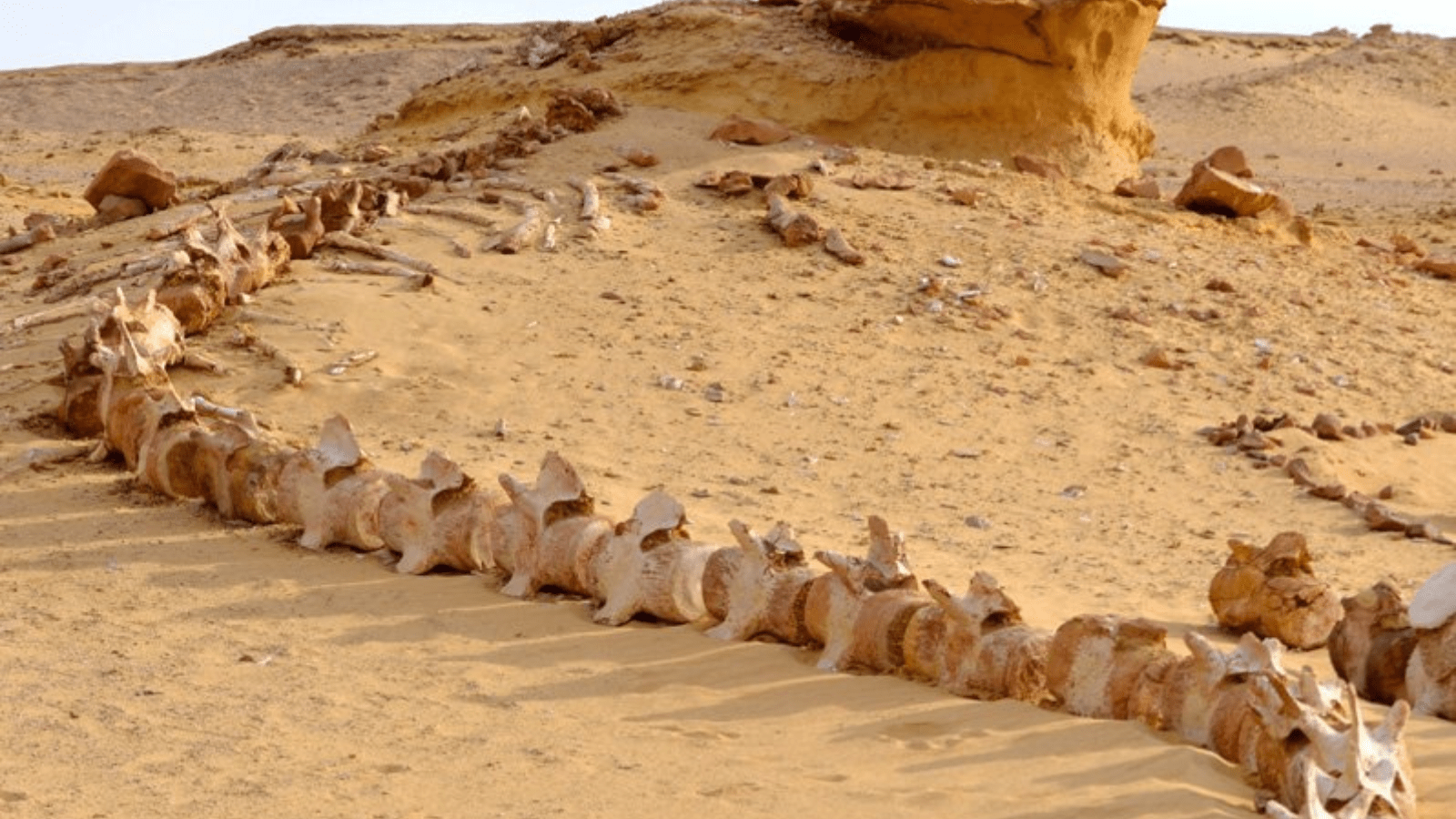
The fossils at Wadi Al-Hitan preserve evidence of early whales as their ancestors adapted from land to water. UNESCO listed the site in 2005 because the fossils record this remarkable evolutionary stage. The surrounding desert preserves traces of an ancient marine environment, roughly 40 million years old.
Walk the designated paths, look at the skeletons in context and allow time for interpretation or the fossil museum if open. Vehicles are not permitted inside the protected World Heritage property itself; remote approach roads and visitor drop-off arrangements should be confirmed in advance.
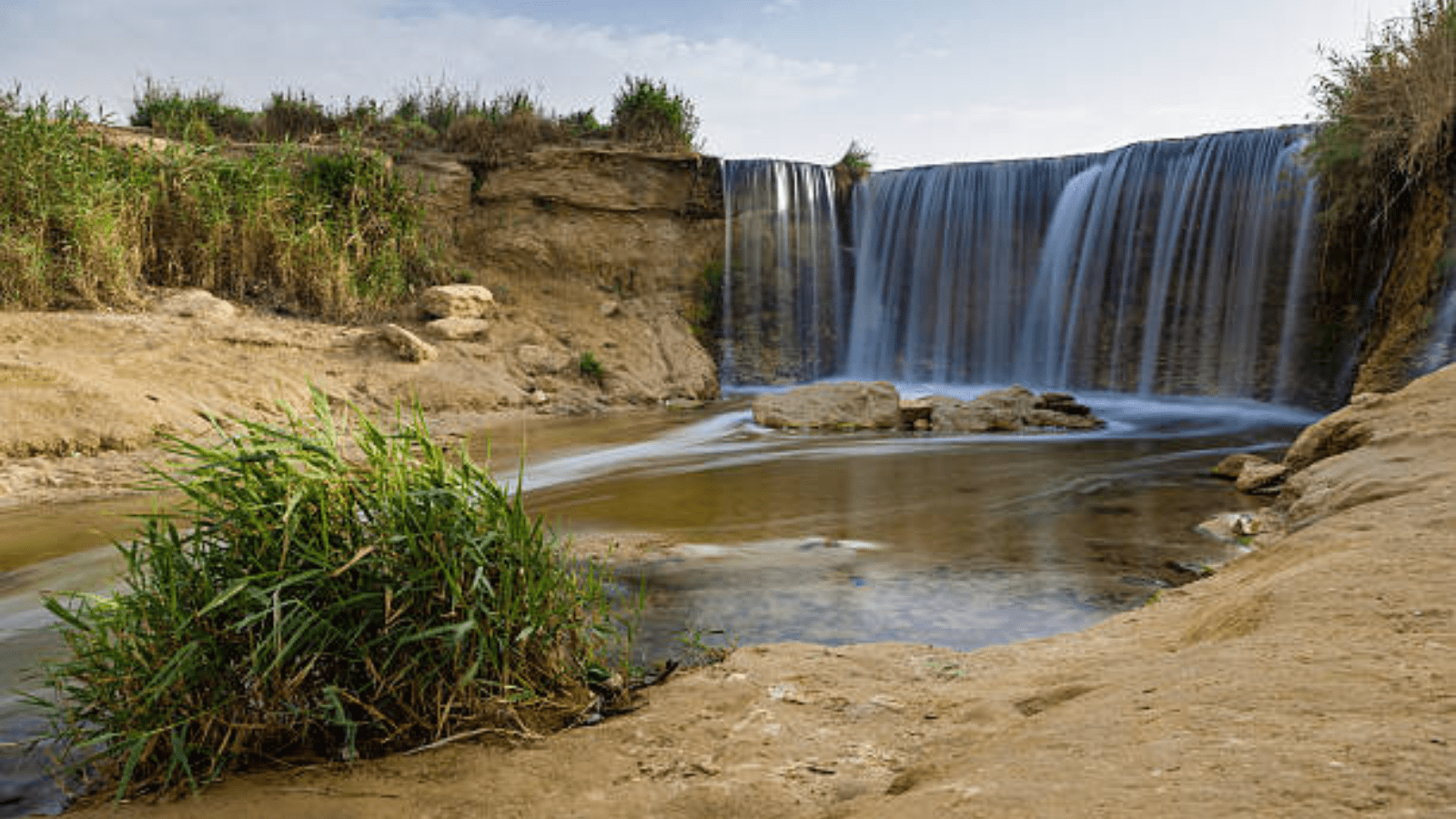
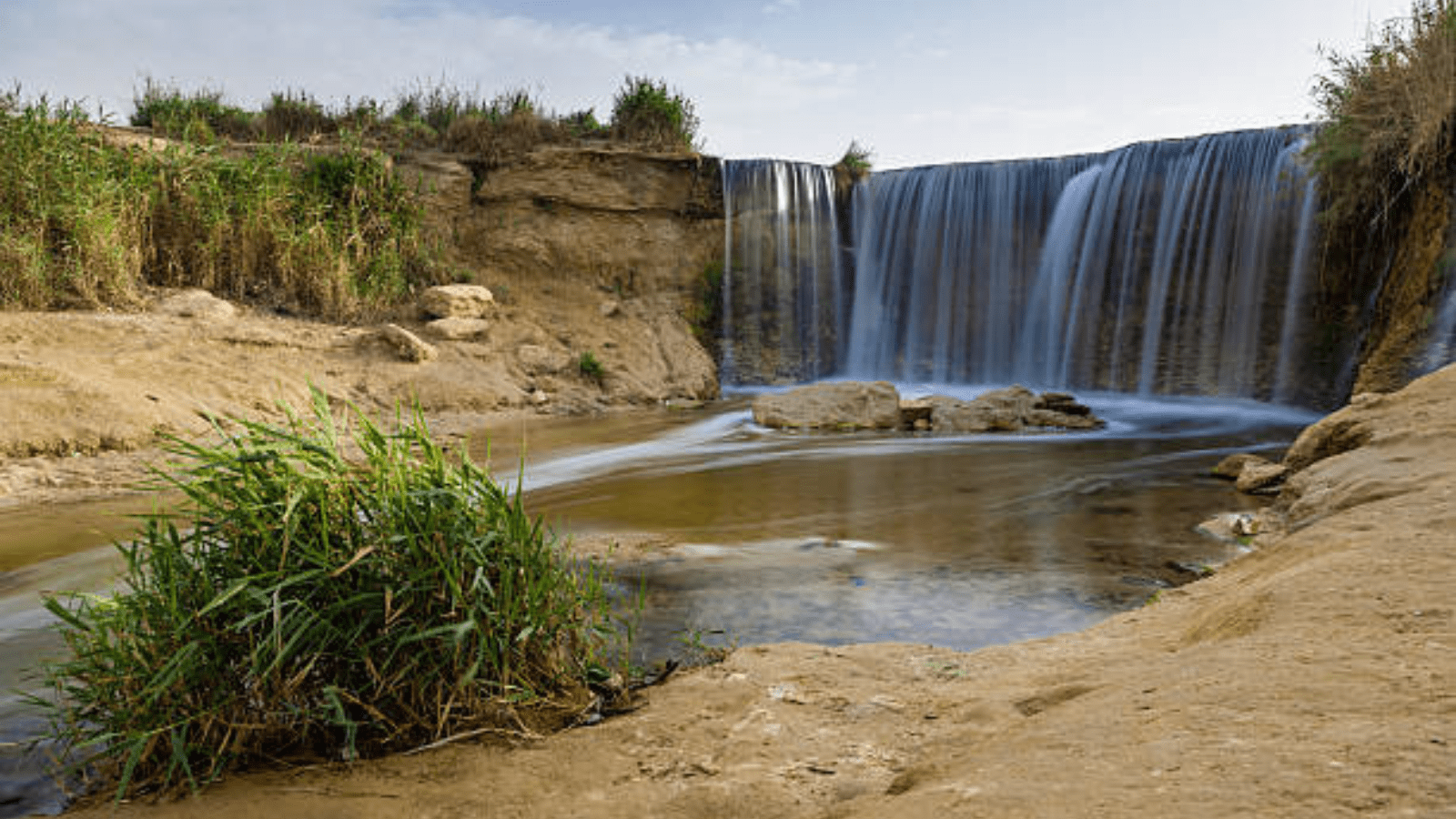
The two lakes were formed through agricultural drainage water diverted into desert depressions. Water spilling from the upper lake into the lower one created the well-known cascades. This is an engineered lake system within a protected landscape, rather than a natural mountain waterfall.
It offers a striking setting for short walks and photography. Flow, access and crowd levels can vary. Stay clear of slippery edges and do not assume swimming or boating is allowed.
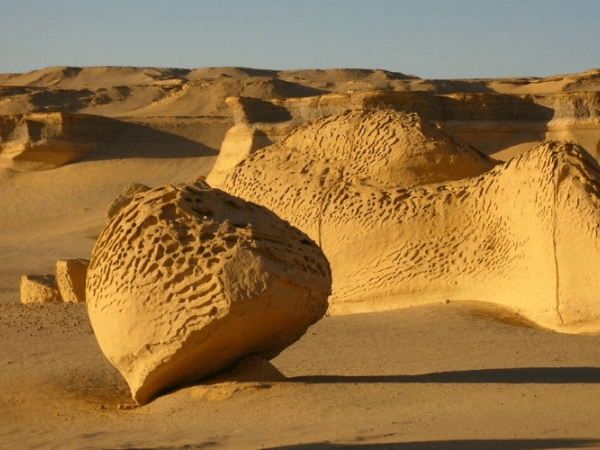
The exposed cliffs and wind-shaped formations give the oasis its dramatic desert character. A stop around Jabal El Modawara is worthwhile for wide views, geology and photographs, even without a strenuous climb.
A remote track, steep dune or viewpoint may require a suitable vehicle and a local driver. Do not attempt an exposed climb in high heat or strong wind.
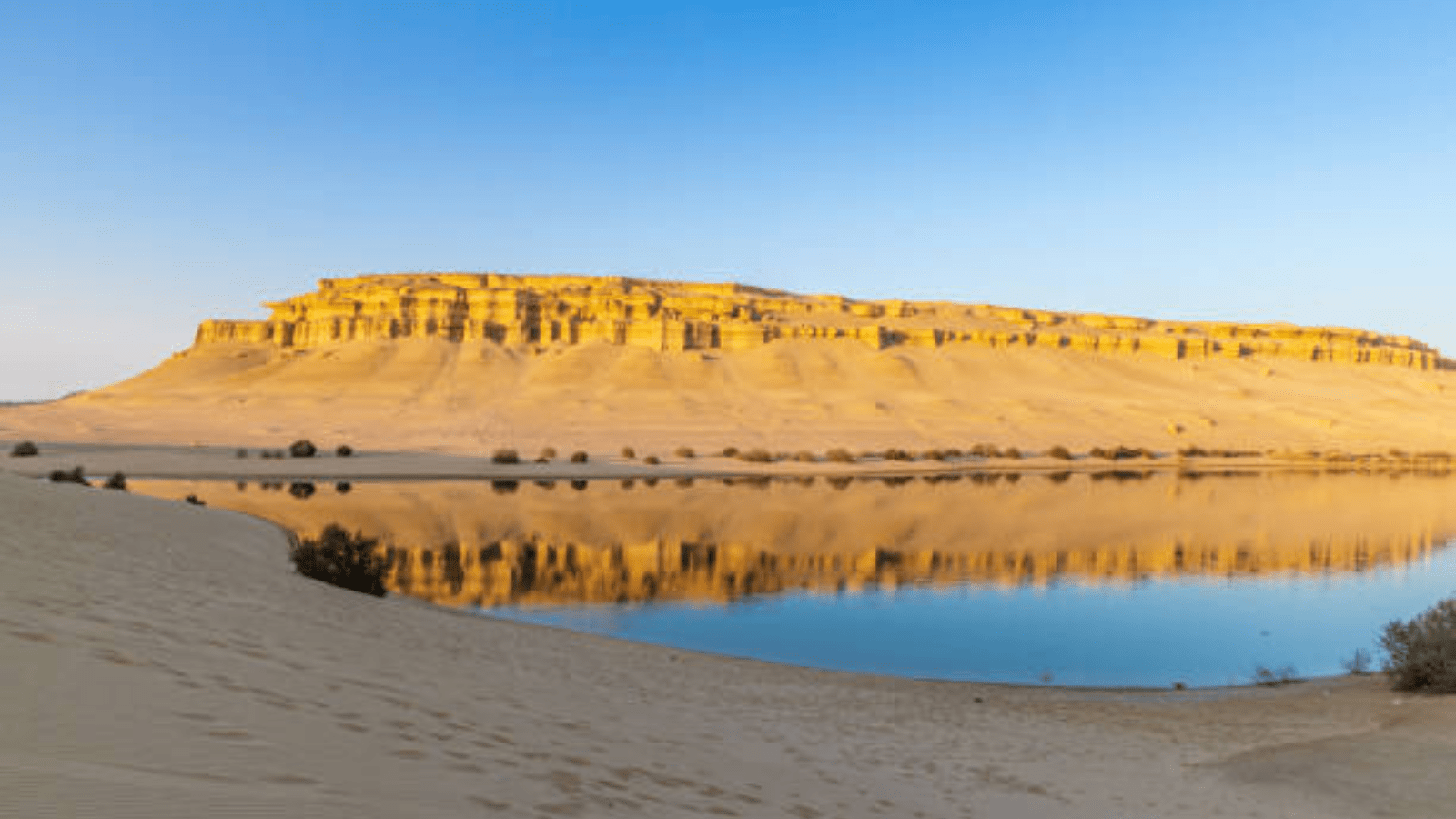
The Magic Lake area is known for the contrast of sandy slopes and open water. The appearance of the water changes with light and viewing conditions. Combine it with nearby desert viewpoints rather than treating it as a guaranteed swimming or activity stop.
Sandboarding, 4x4 excursions and other optional activities depend on the route, operator and current rules. Ask for these specifically if you want them included.
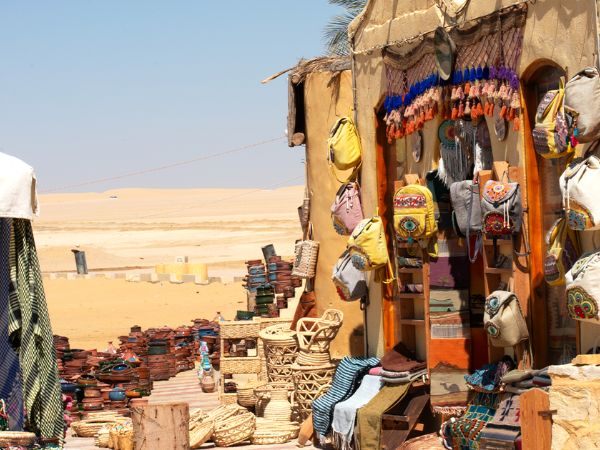
Tunis Village is a different experience from the remote desert. It is known for ceramics, artisan studios and a creative community associated with Swiss potter Evelyne Porret and local craftspeople. Browse workshops, make or decorate a piece of pottery if a session is available, or spend time enjoying a countryside lunch.
The village overlooks the Lake Qarun area. Arrange a workshop in advance, allow enough time to participate and ask permission before taking photographs inside private studios.
Lake Qarun is a large saline lake with a long connection to the region’s settlement and agriculture. It is separate from Wadi El Rayan’s engineered lakes. Choose a quiet shoreline viewpoint, watch birds from a distance and combine it with a meal or workshop near Tunis Village. Do not count on bathing, boating or specific wildlife sightings.
Read the wider Fayoum guideFayoum’s Middle Kingdom pyramids, ancient temples and Greco-Roman towns show how irrigation, royal power and regional worship shaped Egypt outside the famous Giza and Luxor sites. Choose a separate archaeology day if these stories interest you.
Compare the ancient sitesThe original landscape of the oasis was closely connected to agricultural development. Unlike the Giza Plateau, many sites here require interpretation because they preserve foundations, mud brick or scattered remains rather than complete monuments. Here are six worthwhile historical themes.
Built for Amenemhat III, the mud-brick pyramid is associated with the enormous lost mortuary temple called the Labyrinth. Plan for exterior archaeology and historical interpretation; groundwater and access restrictions can affect interior visits.
Hawara Pyramid guideThe pyramid of Senusret II and the nearby planned settlement known as Kahun illustrate royal construction and community life in the 12th Dynasty. Pair it with Hawara for a focused archaeology day.
Lahun Pyramid guideA Middle Kingdom sanctuary linked to Renenutet and Sobek was extended in later periods. It is a useful stop for understanding the connections between farming, religion and the ancient oasis.
Medinet Madi guideDespite its name, the monument was a temple, not a palace. The temple at ancient Dionysias offers insight into the religious and regional history of the western Lake Qarun area. Confirm interior and rooftop access.
Qasr Qarun guideThe remains of houses, storage spaces and religious buildings reveal life in an ancient agricultural settlement. Pair it with the northeastern Fayoum area rather than a rushed remote desert trip.
Karanis and Kom Oshim guideThe region is famous for Roman-period mummy portraits as well as the ancient city associated with the cult of Sobek. Ask an Egyptologist to explain their context; do not expect a single intact city or all famous portraits to be on display locally.
Wider Fayoum historyThese are illustrative sightseeing allowances, not published opening hours or a timed booking. Add road journeys, breaks and weather-related adjustments. Archaeological sites are best compared separately using the guides above.
| Photo | Experience | Best for | Time on site | Walking & access | Details |
|---|---|---|---|---|---|
| Whale Valley | Fossils and evolution | 2–3 hours at the site, plus access drives | Moderate walking; exposed paths | Whale Valley guide |
| Wadi El Rayan | Waterfalls and lakes | 1–2 hours for a focused stop | Uneven banks; keep away from water edges | Wadi El Rayan guide |
| Desert viewpoints & Magic Lake area | Photography and scenery | 1–2 hours plus track transfers | Varies; 4x4 may be needed | Safari route |
| Tunis Village & Lake Qarun area | Pottery, lake scenery and local food | Half day or longer with workshop | Usually gentler, but check terrain | Village guide |
Egypt Tours Club lists a private Fayoum safari from Cairo lasting approximately ten hours including road travel. That is a useful benchmark for a full nature circuit, not a guarantee of return time. Two days make the cultural and lakeside experiences much more realistic.
Early pickup in Cairo, Whale Valley, Wadi El Rayan, desert viewpoints and the Magic Lake area if access allows. Return to Cairo.
Day 1: nature safari. Overnight in the Fayoum area. Day 2: Tunis Village, a workshop or local meal and Lake Qarun, then return to Cairo.
Day 1: desert and fossils. Day 2: village, lake and crafts. Day 3: Hawara and Lahun, or a separate temple route, before returning.
October to April is usually more comfortable for prolonged desert walking. The best visit also depends on wind, visibility, personal heat tolerance and the activities you want to do.
A good balance of mild outdoor weather and clear landscape photography. Reserve craft workshops and lodging ahead for busy weekends.
Comfortable daytime sightseeing can be followed by cold, windy evenings. Bring a warm layer and plan birdwatching without disturbing wildlife.
Warmer afternoons and occasional dusty winds are possible. Start early and keep desert viewpoints flexible.
Plan a shorter early-morning itinerary, use air-conditioned transport and reduce exposed walking in the midday heat.
Fayoum is a popular escape for Egyptian residents. Attractions and workshops can be busier on holidays and weekends; book important activities in advance.
Early or late light can reveal rock textures and reflections. Agree on the timing with your driver and avoid remote returns after dark where possible.
Make the trip comfortable without compromising the protected landscapes that make Fayoum worth visiting.
A regular car can reach many paved roads and village areas. Remote desert tracks may require a suitable 4x4 with an experienced driver. Confirm the exact vehicle and access arrangements.
Wear closed shoes, a hat and sun protection; take drinking water and a light layer. Sand, gravel, steep edges and irregular archaeological ground can make walking harder.
Remain on approved paths, never touch or collect fossils, and take all waste out. Avoid feeding birds or disturbing wildlife.
Remote areas may have unreliable phone coverage, limited shade and few facilities. Ask about toilets, water, lunch and assistance before departure.
Swimming, boating, sandboarding and camping are not automatic parts of every tour. Use authorized services and only undertake them when permitted, supervised and safe.
For children, older visitors or travelers with mobility needs, choose fewer stops and confirm step-free access, walking distances, rest breaks and vehicle transfers in advance.
Do not compare a private guided day trip with an advertised transfer-only price. The number of travelers, starting point, vehicle, site tickets, meals and remote-access needs change the total. Egypt Tours Club’s published Cairo safari describes private guiding, transport, specified entrance fees, lunch and bottled water. Check the actual product and written confirmation rather than assuming the same inclusions apply to a different route.
| Tour type | Main cost items | Confirm before booking | Next step |
|---|---|---|---|
| Private safari from Cairo | Vehicle, guide and return transfers; the listed ETC safari also includes specified entrance fees, lunch and water. | Check passenger count, travel date and final inclusions. | View tour details |
| Overnight extension | Accommodation, extra transfers, second-day guiding and meals. | Confirm room category, meal plan and pickup location. | Request a custom quote |
| Pottery or activity add-on | Workshop time, materials, activity fees or specialist equipment. | Check appointment, age limits and operating conditions. | Ask about activities |
| Archaeological route | Guide, transport and site tickets for the chosen monuments. | Check opening and permitted access for the exact date. | Plan a heritage day |
If you have already seen Egypt’s classic sites, or enjoy geology, desert landscapes and rural culture, Fayoum offers something genuinely different.
Fossil trails can interest older children; lake views and crafts can suit a gentler pace. Plan the day around shade, walking comfort and safe transport.
With only two or three days in Egypt, Giza and Cairo’s major museums may be higher priorities. Add Fayoum when a full extra day becomes available.
A full desert circuit includes several drives and some uneven ground. A village-focused overnight or fewer stops may be a better experience.
For a broader Egypt holiday, compare Egypt tour packages or ask for a tailor-made itinerary that includes Fayoum as a confirmed extension, not an assumed feature of every classic package.
These references support the landscape, heritage and conservation information. Check current access and activity operation shortly before departure.
Yes, especially if you enjoy natural history, desert landscapes, lakes, pottery and rural culture. Allow one full day for the desert circuit or two days for a more balanced visit.
Fayoum is a governorate and depression southwest of Cairo. Tunis Village is roughly 100 km from Cairo; remote attractions such as Wadi Al-Hitan are farther away.
Yes. The published private Fayoum safari from Cairo lasts approximately ten hours including road travel. Exact timing and the order of stops depend on traffic, weather and access.
Whale Valley is a UNESCO World Heritage site listed in 2005 for its fossil evidence of the evolution of early whales from land-based ancestors to marine mammals.
The cascades developed as water flowed between two lakes created by diverting agricultural drainage water into desert depressions. The surrounding area is protected.
No. Lake Qarun is a separate large saline lake. Magic Lake is a desert lake area visited in the wider Wadi El Rayan landscape.
Tunis Village is known for pottery workshops, local artists, mud-brick architecture and its countryside setting near Lake Qarun. Workshop participation should be arranged ahead.
One full day works for a nature safari. Two days allow village and lake time, and three days are useful if you also want an archaeology-focused day.
Not for every attraction. Paved village and city roads may be suitable for a normal vehicle, but remote desert tracks can require a suitable 4x4 and experienced driver. Confirm the specific route.
Yes, subject to current opening and access arrangements. The two sites make a good Middle Kingdom route. Do not assume access to restricted interiors.
October to April is generally more comfortable for outdoor walking. In hotter months, start early, reduce midday exposure and adjust plans for wind or heat.
Yes with the right pace. Tunis Village and shorter lakeside stops are often easier than remote fossil trails or dune climbs. Confirm walking surfaces, shade, rest stops and mobility needs.
These activities are not automatically permitted or included. Confirm current local rules, weather and safe supervision with the operator before participating.
Choose the published private safari from Cairo or contact the team for a tailored day or overnight visit. Request written confirmation of your dates, pickup, vehicle, guide, meals, tickets and optional activities.
Tell us whether you want fossils and desert scenery, a pottery weekend, ancient archaeology or a slower family route. Egypt Tours Club can help you compare a private safari with a tailored Fayoum extension and confirm the itinerary that suits your group.
Editorial note: itinerary durations are planning estimates. Site access, road conditions, activities and prices must be confirmed for the date of travel. Images are hosted on Egypt Tours Club; landscape images describe the region rather than asserting an unverified exact viewpoint.