

Museum of Islamic Art Cairo | Tickets & Collections | Egypt Tours Club
Museum of Islamic Art Cairo . banner

Museum of Islamic Art Cairo

Egypt Tours Club

Visit the Museum of Islamic Art with a licensed local Egyptian team

Cairo · Bab El-Khalq · Islamic art from across centuries

Museum of Islamic Art Cairo: Collections, Tickets & Guide

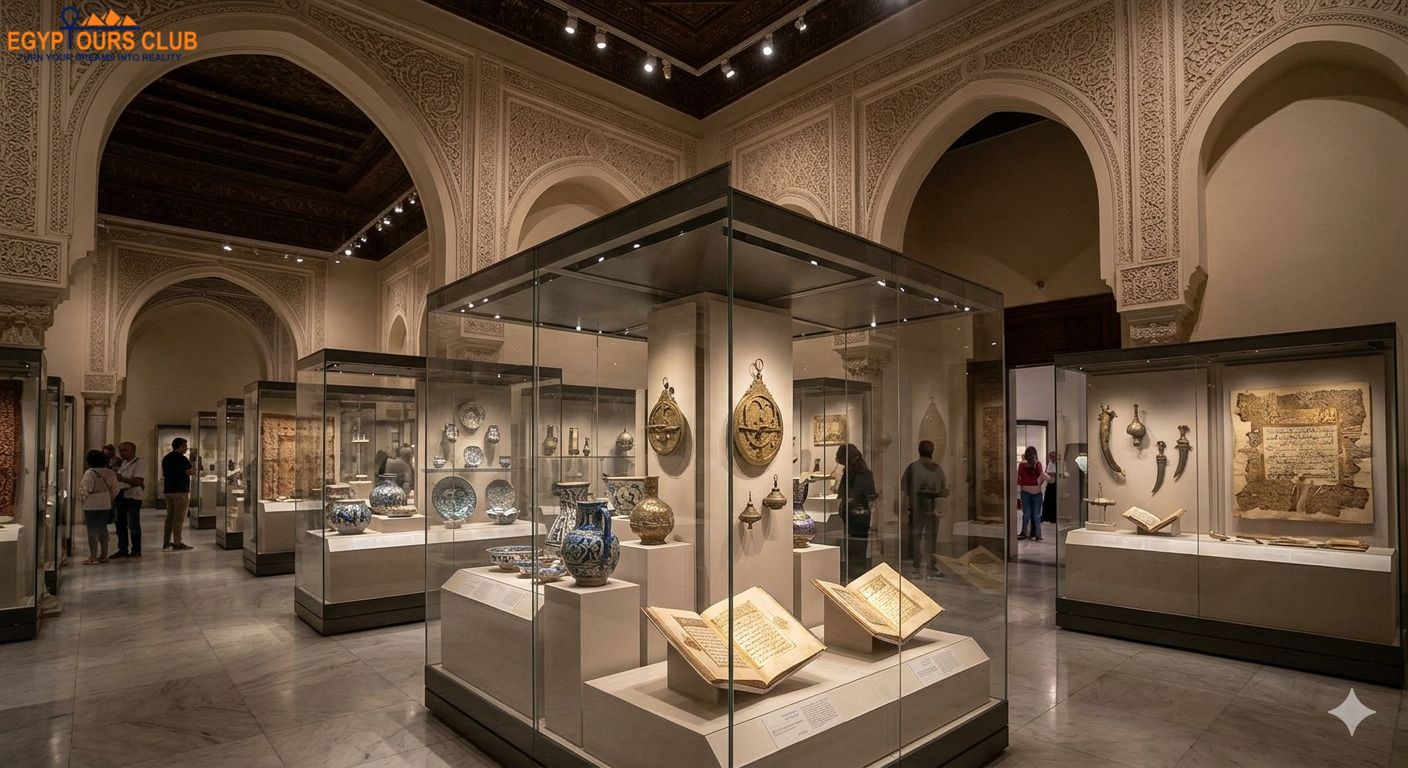
Explore one of the world’s largest and most extensive collections of Islamic artifacts, from carved wood, ceramics and metalwork to manuscripts, textiles and scientific objects. Plan with current official hours, ticket prices, photography rules and realistic routes through Islamic Cairo.

Quick Travel Answer

Is the Museum of Islamic Art in Cairo worth visiting?

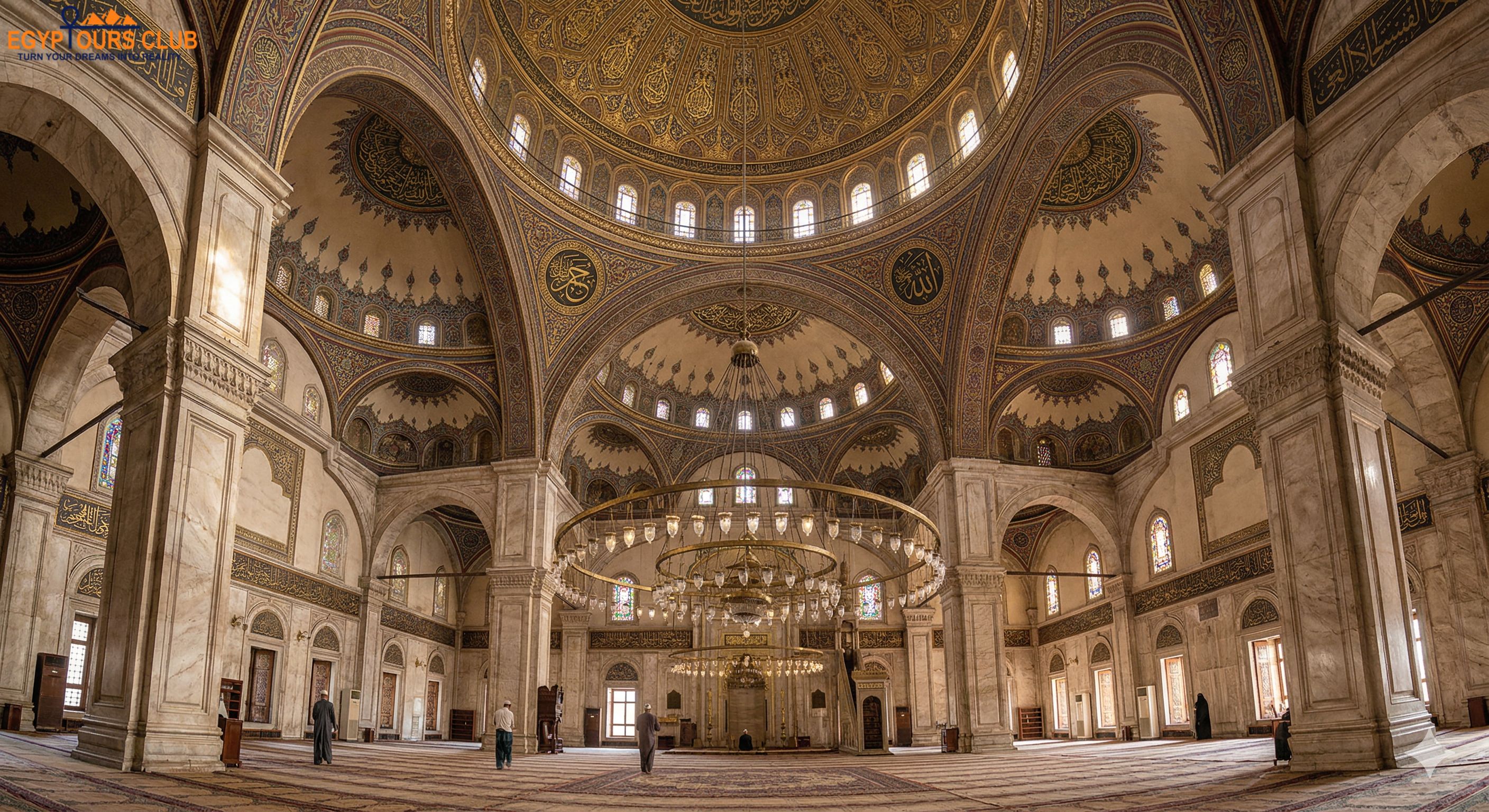
Yes. The Museum of Islamic Art is one of Cairo’s strongest museums for understanding the city beyond pharaonic history. Its displays connect architecture, belief, trade, craft and science through objects created in Egypt and across the wider Islamic world.

Prioritize the carved wood, decorated ceramics, metalwork, manuscripts, textiles and scientific instruments, then connect those objects with the monuments of Al Muizz Street or the Citadel. Allow roughly 2–3 hours for the museum itself and longer if you read labels closely.

Compare Cairo Day Tours
Read the collection with purpose

Six essential highlights of the Museum of Islamic Art

Each card identifies a collection theme or museum story, then connects it to an official source or a relevant Egypt Tours Club route through Cairo.

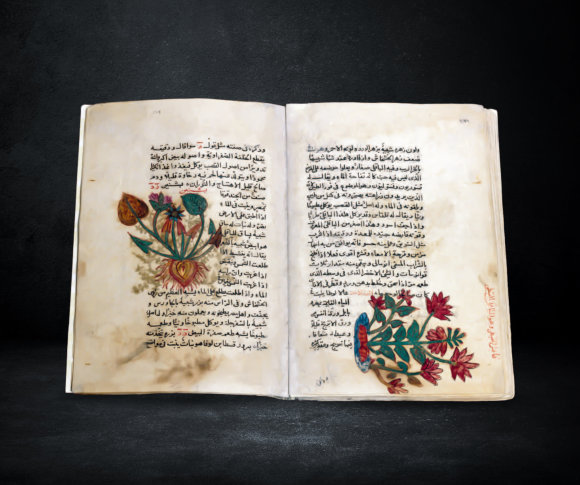
Ottoman medical manuscript from the Museum of Islamic Art Cairo collection Words, faith and knowledge

Manuscripts and calligraphic arts

Qur’anic scriptsScience and medicine

Rare manuscripts reveal changing scripts, page layouts, pigments and scholarly traditions. Look for the visual differences between angular Kufic and later cursive hands, then notice how books carried knowledge in religion, medicine, botany and astronomy.

Islamic art and Cairo heritage details featured by Egypt Tours Club Fatimid Cairo

Carved wood and architectural ornament

Figurative carvingGeometric design

Carved wooden panels and architectural fragments show how Fatimid-era craftsmen balanced vegetal scrolls, geometry, inscriptions and courtly figures. Compare the portable pieces in the museum with surviving doorways and façades across historic Cairo.

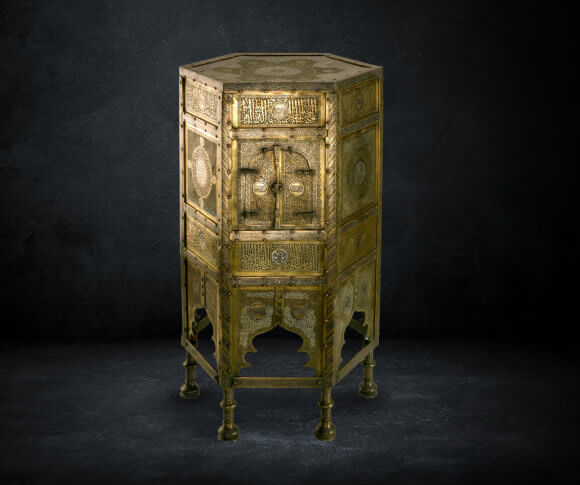
Mamluk copper-alloy table inlaid with silver in the Museum of Islamic Art Mamluk mastery

Inlaid metalwork and mosque furnishings

Brass and silverRoyal inscriptions

Mamluk artisans turned practical objects into statements of power and patronage through inlaid silver, heraldic emblems and dense calligraphy. Look closely at basins, candlesticks, tables and mosque furnishings to see how metal surfaces were organized.

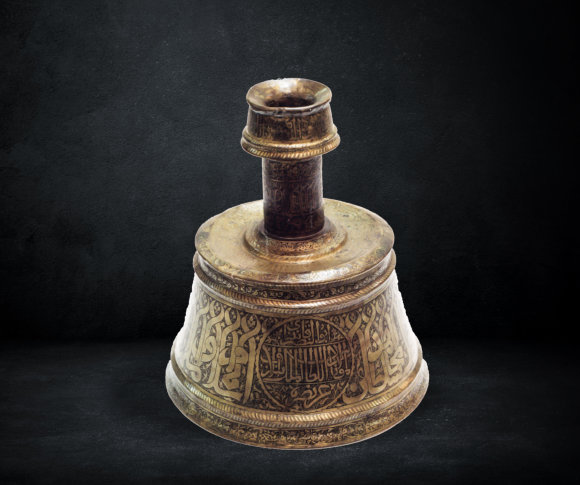
Mamluk candlestick bearing the name of Sultan Qaytbay in the museum collection Objects and patrons

Royal names, symbols and daily function

Sultan QaytbayCourt workshops

Names, titles and dedicatory inscriptions often identify the patron or intended setting of an object. A Mamluk candlestick associated with Sultan Qaytbay helps connect museum metalwork with the rulers, mosques and fortified landmarks that shaped Cairo.

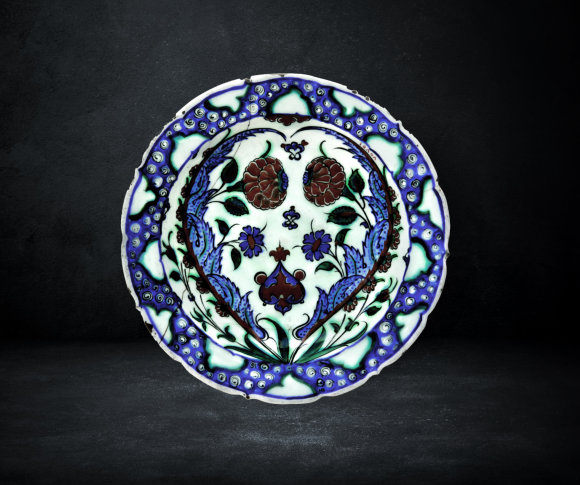
Blue and white Iznik ceramic dish in the Museum of Islamic Art Cairo A connected Islamic world

Ceramics, glass and textiles across regions

Iznik ceramicsTrade and exchange

Ceramics, glass and textiles show how techniques and motifs travelled between Egypt, Syria, Iran, Anatolia and other regions. Compare clay, glaze, color and inscription styles rather than treating every object as belonging to one single artistic tradition.

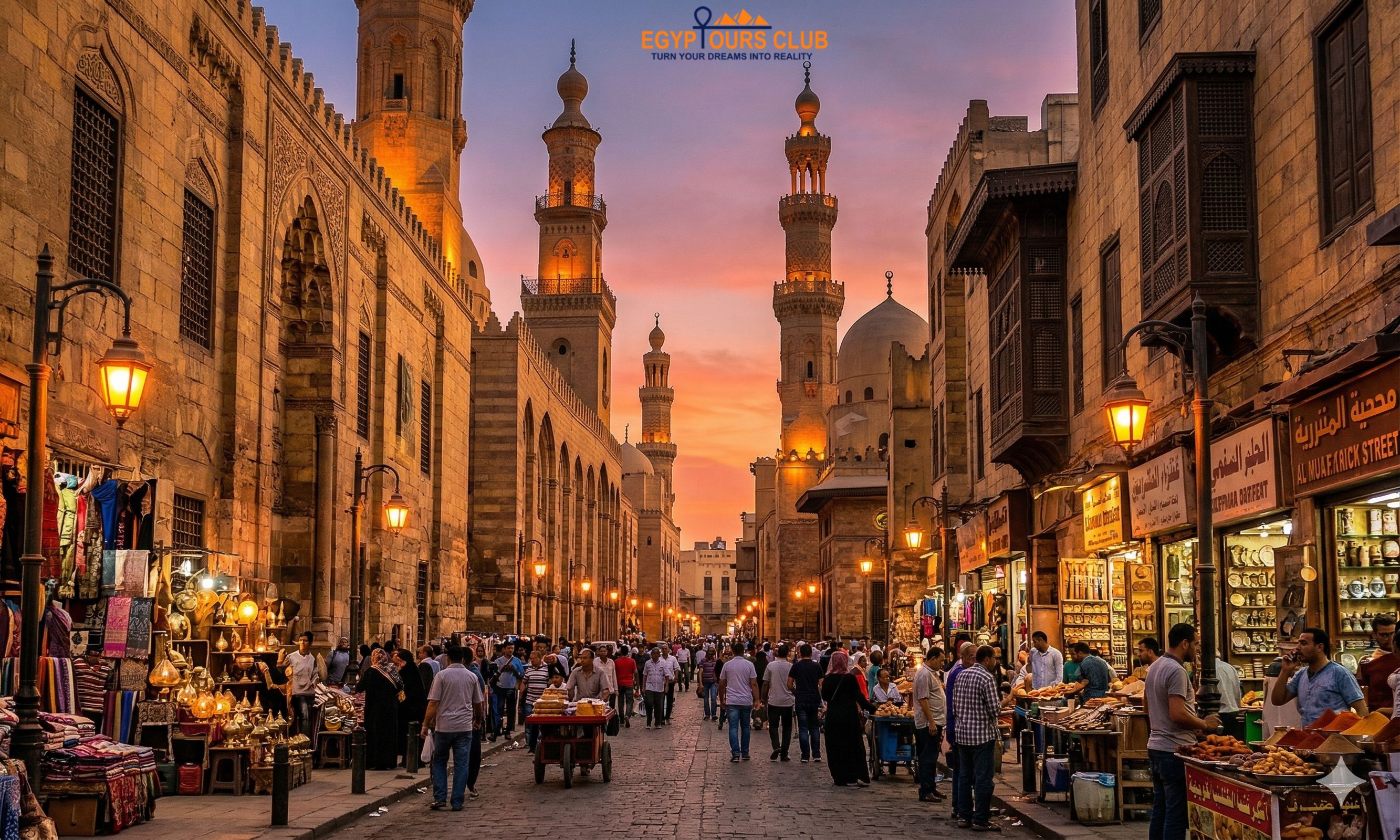
Islamic Cairo architecture on Al Muizz Street near the museum route Museum and city history

The 1903 building and its recovery

Mamluk-style façadeReopened in 2017

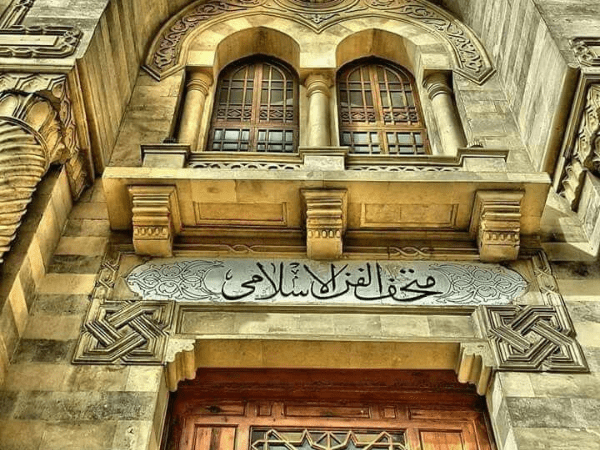
The collecting project began in 1880 and the purpose-built museum opened in 1903 beside Egypt’s National Library. After a 2014 explosion damaged the façade and galleries, the building was restored and reopened in 2017—an important chapter in Cairo’s heritage conservation.

Choose by available time

Three realistic Museum of Islamic Art itineraries

Keep the museum focused for a short visit, or connect its collection with the streets, mosques and markets that make Islamic Cairo meaningful.

About 2–3 hours

Focused museum visit

  • Begin with the earliest Islamic periods and major chronological displays.
  • Compare wood, ceramics, glass, metalwork and textiles.
  • Spend extra time with manuscripts and scientific objects.
  • Finish with one final pass through the objects you photographed or noted.
Compare Cairo museum routes
Half day in Islamic Cairo

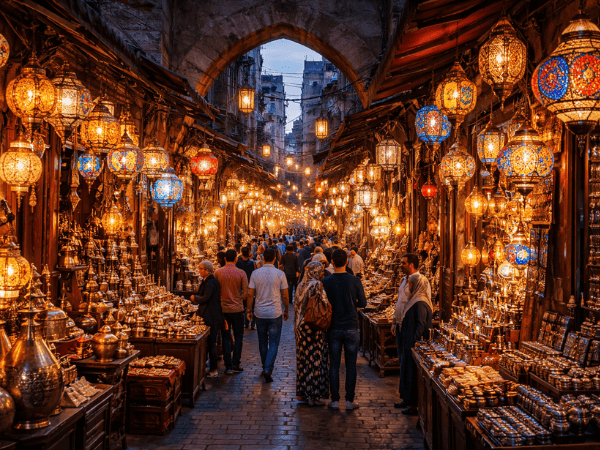
Museum, Al Muizz and Khan El Khalili

  • Enter the museum soon after opening for a calm gallery visit.
  • Transfer to Al Muizz Street for architecture and inscriptions.
  • Continue on foot toward Khan El Khalili.
  • Leave time for traffic, a café stop and respectful photography.
Explore the Islamic Cairo route
Full Cairo heritage day

Museum, Citadel and historic streets

  • Start with the museum’s overview of Islamic art and material culture.
  • Continue to the Cairo Citadel and Muhammad Ali Mosque.
  • Add Sultan Hasan or Al Muizz Street according to traffic and pace.
  • Finish at Khan El Khalili in late afternoon or early evening.
Create a tailor-made Cairo day

Planning note: The Ministry currently lists daily opening from 9:00 AM to 5:00 PM, last ticket at 4:00 PM, and foreign tickets at EGP 340 adult / EGP 170 student. Ramadan hours are listed separately as 9:00 AM–3:00 PM with last ticket at 2:00 PM. Recheck near your visit because prices and hours can change.

Islamic Cairo mosques and historic architecture near the museum route

Trusted Museum and Destination Sources

Verify collection, tickets and Cairo context

Egypt Tours Club pages help organize routes and transport. The Ministry, the museum’s official website and Egypt’s official tourism portals provide current visitor data, collection context and the wider history of Cairo.

External sources open in a new tab. Recheck opening hours, prices, temporary displays, accessibility and photography rules near your visit date.

Useful answers before you go

Museum of Islamic Art Cairo frequently asked questions

Direct answers about value, location, hours, tickets, duration, collections, photography and the difference between the museum and Islamic Cairo.

Is the Museum of Islamic Art in Cairo worth visiting?

Yes. It is one of Cairo’s best museums for understanding Islamic art, craft, architecture, science and daily life through objects from Egypt and across the wider Islamic world.

Where is the Museum of Islamic Art located?

The museum stands in Bab El-Khalq on Port Said Street in central Cairo, beside Egypt’s National Library. Its downtown position works well with Al Muizz Street, Khan El Khalili and the Citadel.

What are the Museum of Islamic Art Cairo opening hours?

The Ministry currently lists the museum as open daily from 9:00 AM to 5:00 PM, with the ticket window closing at 4:00 PM. Ramadan hours are listed as 9:00 AM to 3:00 PM, with last ticket at 2:00 PM.

How much are Museum of Islamic Art Cairo tickets?

The current official foreign ticket is EGP 340 for adults and EGP 170 for students. Egyptian tickets are listed at EGP 20 for adults and EGP 10 for students. Prices can change.

How long do you need at the Museum of Islamic Art?

Allow about 2–3 hours for a balanced visit. A shorter visit can focus on major manuscripts, ceramics, woodwork and metalwork, while specialists may want longer.

What can you see inside the Museum of Islamic Art?

The displays include carved wood, ceramics, glass, metalwork, textiles, coins, manuscripts, calligraphy, scientific objects and architectural elements spanning many periods and regions of Islamic history.

Can you take photos inside the Museum of Islamic Art?

Mobile-phone photography is free according to the Ministry. Flash, tripods and monopods are not permitted for ordinary visits, and video or commercial work requires the appropriate permission and fees.

How is the museum different from the Islamic Cairo district?

The museum is an indoor collection of movable objects from across the Islamic world. Islamic Cairo is a historic urban district of mosques, madrasas, houses, gates, streets and markets. Visiting both provides the strongest context.

Private Cairo Planning

Build the right Museum of Islamic Art and Cairo route

Share your date, hotel area, group size, historical interests and preferred pace. Egypt Tours Club can combine the museum with Al Muizz Street, Khan El Khalili, the Citadel and other Cairo highlights in a realistic guided day.