

16 Best Medinet Habu Temple Tours | Ramses III & Luxor Trips | Egypt Tours Club
Medinet Habu Temple . banner

Medinet Habu Temple

Egypt Tours Club

Medinet Habu · Ramses III · Luxor West Bank · New Kingdom

Luxor West Bank · Mortuary Temple · Ramses III

Medinet Habu Temple: Ramses III, Battle Reliefs & Luxor West Bank Guide

Explore one of the best-preserved temples on Luxor’s West Bank: the mortuary temple of Ramses III, its fortress-like gateways, monumental pylons, vivid reliefs, ritual courts and place within the wider Theban Necropolis. Use this guide to understand what to see, how long to stay, when to visit and which Luxor route connects Medinet Habu naturally with nearby tombs and temples.

Quick Answer

Is Medinet Habu worth visiting in Luxor?

Yes. Medinet Habu is one of Luxor’s strongest West Bank stops for travelers who want major temple architecture without the same crowd pressure as some headline sites. Its value comes from the scale of the mortuary temple of Ramses III, the monumental entrance sequence, preserved courts and columns, and extensive military and ritual reliefs.

For a balanced day, combine it with the Valley of the Queens and the Ramesseum, or place it after the Valley of the Kings, Hatshepsut Temple and Colossi of Memnon. For wider planning, open the Luxor West Bank guide.
Temple Highlights

What to see at Medinet Habu — and what each feature tells you

Use these six visual anchors to follow the site from monumental approach to historical context. Each card also connects to the most relevant Egypt Tours Club attraction or tour page so visitors can continue their Luxor planning without dead ends.

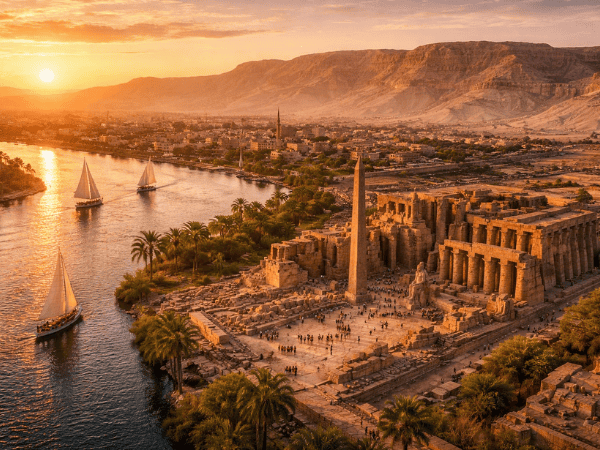
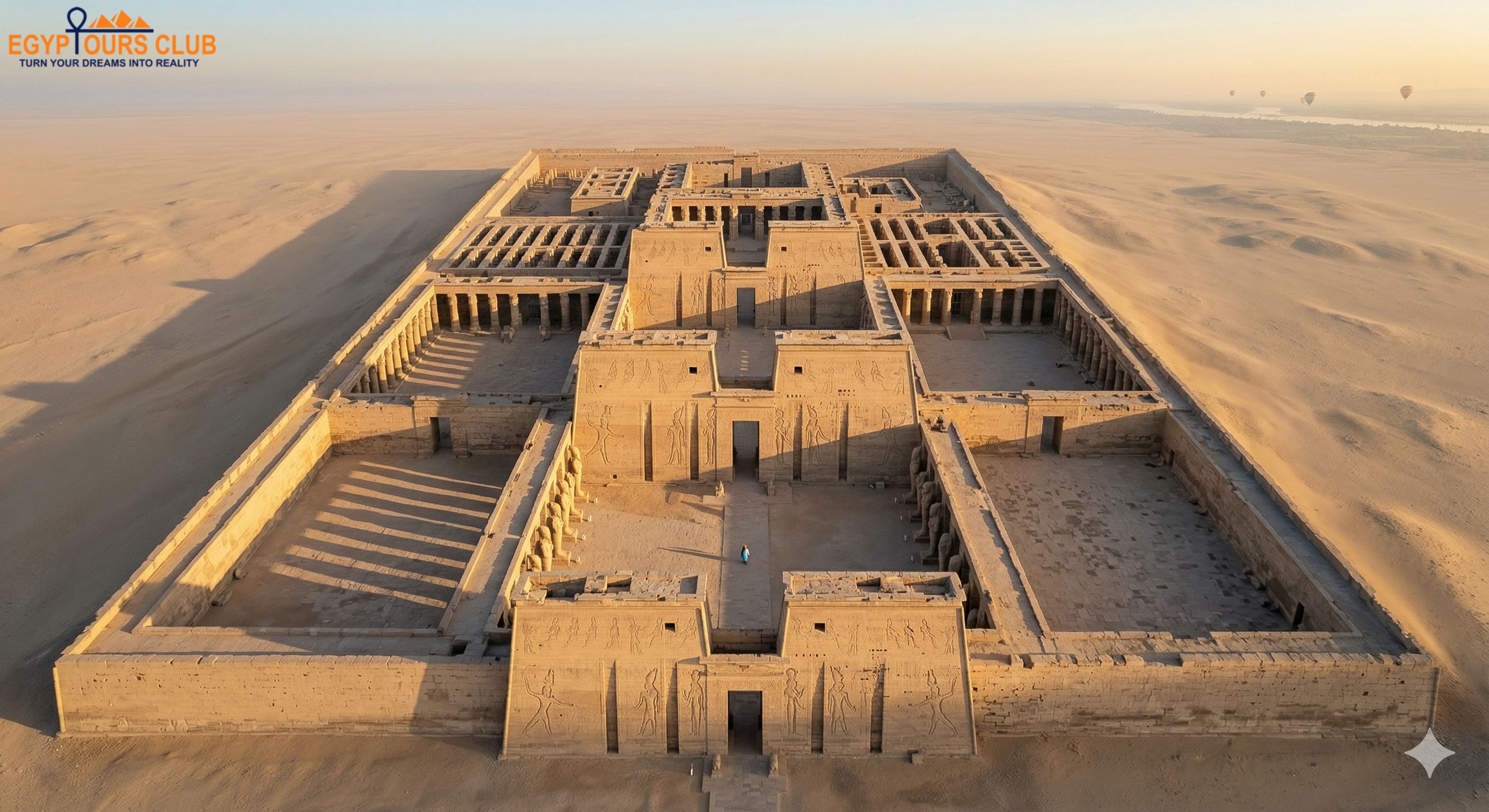
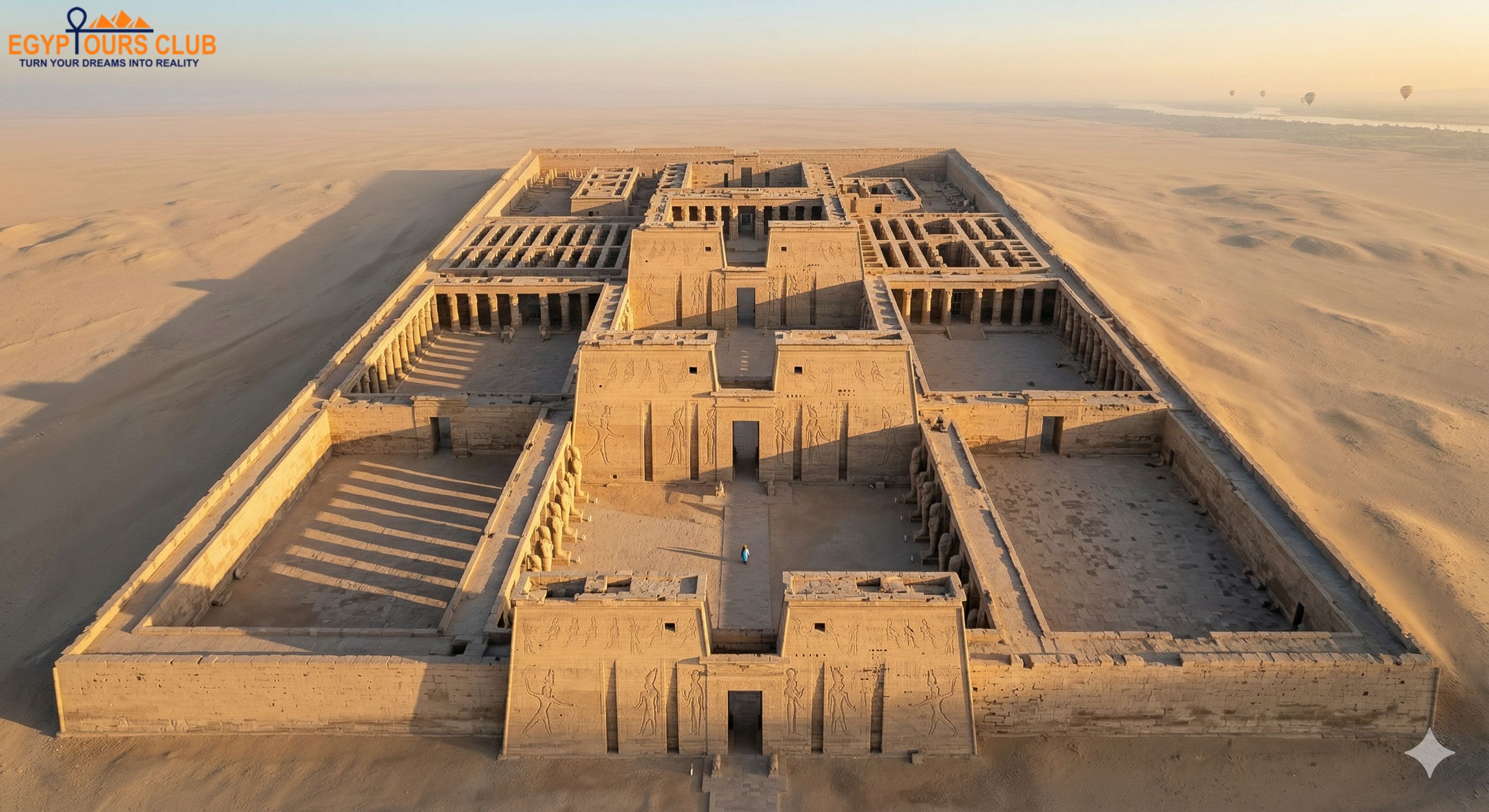
Aerial view of Medinet Habu Temple of Ramses III on Luxor West BankMain Monument

Ramses III Mortuary Temple

20th DynastyRoyal cult

The core monument was built for the royal cult and memory of Ramses III. Its pylons, courts, columned spaces and sanctuary sequence make it one of the clearest places on the West Bank to read the architecture of a New Kingdom mortuary temple.

Carved relief-covered pylons and walls at Medinet Habu Temple of Ramses IIIReliefs

Battle & Royal Reliefs

Military scenesRitual imagery

Medinet Habu is especially important for its extensive carved records. A guide can help separate ritual symbolism, royal propaganda and historical references so the scenes become more than decorative walls.

Open ceremonial courts inside Medinet Habu Temple LuxorInside the Temple

First & Second Courts

ColumnsProcessional space

The successive courts change the visitor experience from open monumental space to more controlled ritual architecture. Look for column forms, wall scenes, surviving color and the changing scale of the temple interior.

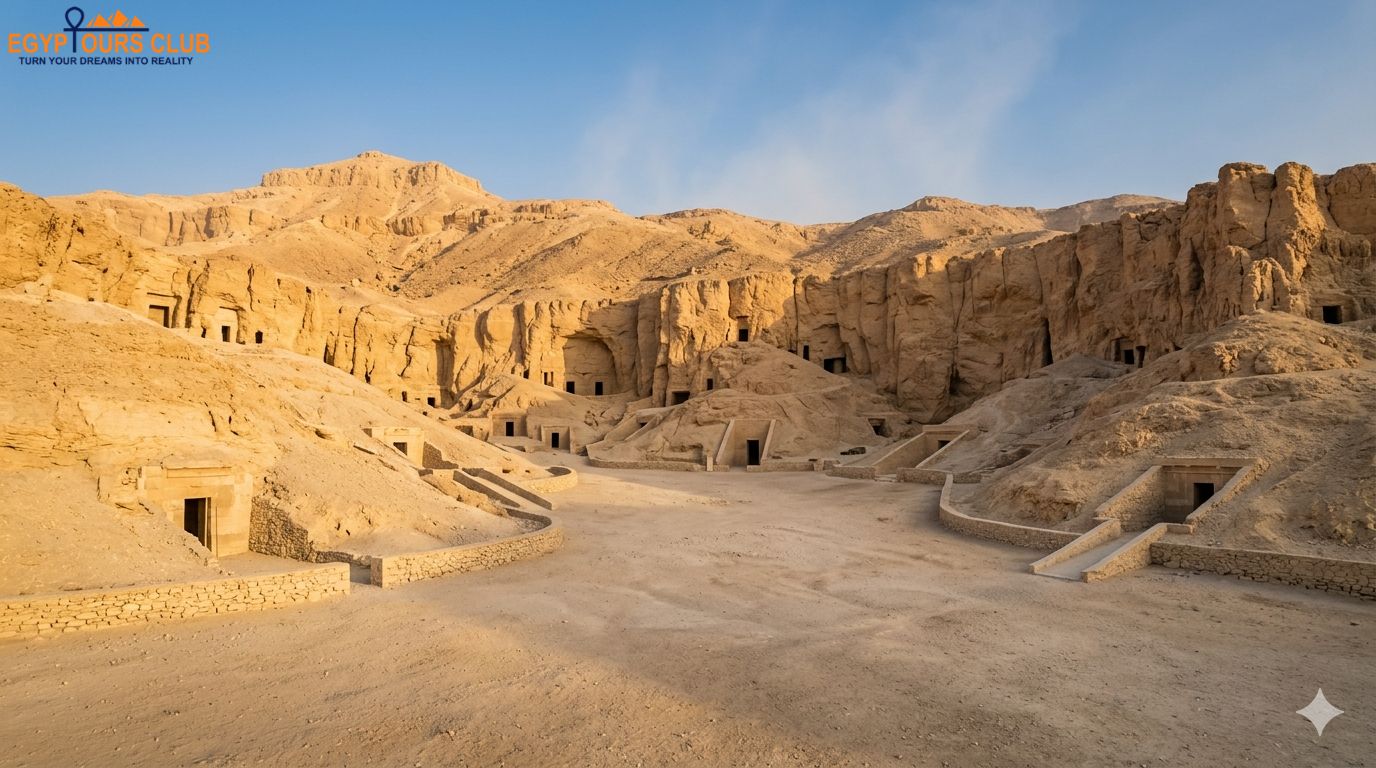
Valley of the Queens tomb landscape near Medinet Habu on Luxor West BankNearby

Valley of the Queens Connection

Royal familyPainted tombs

The nearby Valley of the Queens gives a complementary view of royal family burial and tomb decoration. Combining the two sites creates a strong “temple reliefs + tomb paintings” route.

Internal Link Atlas

Explore every useful route from Medinet Habu

This link network is intentionally broad but relevant: attraction guides for informational intent, Luxor tour hubs for comparison intent, specific day tours for booking intent and Egypt packages for travelers extending beyond Luxor.

Route Planner

Choose the right Medinet Habu route for your time and interests

Avoid cramming every West Bank monument into one rushed day. Pick a route with a clear theme, then use internal links to compare the exact sights before booking.

60–90 Minutes

Focused Medinet Habu Visit

  • Fortified approach and first pylon
  • Battle and ritual reliefs
  • First and second courts
  • Photography and guide interpretation
Plan transport on the West Bank
Half Day

Ramesseum + Medinet Habu

  • Compare Ramses II and Ramses III
  • Focus on mortuary temple architecture
  • Quieter alternative to the classic West Bank circuit
  • Good for repeat Luxor visitors
Open Hidden Temples Tour
Full Day

Queens + Ramesseum + Medinet Habu

  • Painted royal tombs
  • Ramesseum scale and colossal remains
  • Medinet Habu reliefs and courts
  • Strong art-and-history narrative
View Full West Bank Temple Route
Planning note: opening hours, ticket rules, photography rules, special tomb access and restoration zones can change. Confirm current arrangements before travel rather than publishing hard-coded prices or access promises.
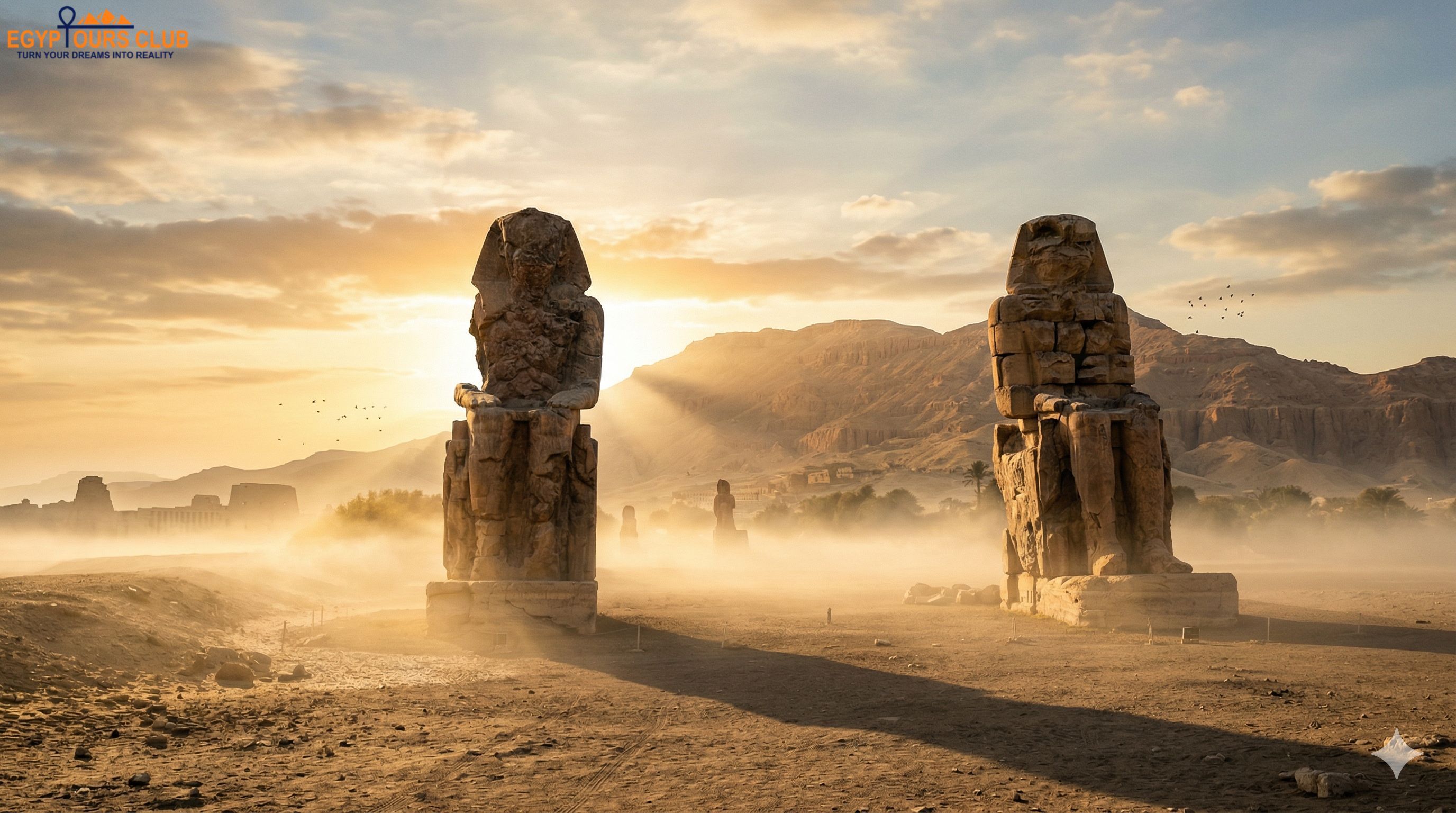
Colossi of Memnon at sunrise on Luxor West Bank near Medinet Habu

Visitor Planning

Best time, photography, walking and route logic

Morning is usually the easiest time for West Bank sightseeing because temperatures are lower and the temple walls receive more directional light. Late afternoon can also be attractive for relief photography, depending on seasonal opening hours.

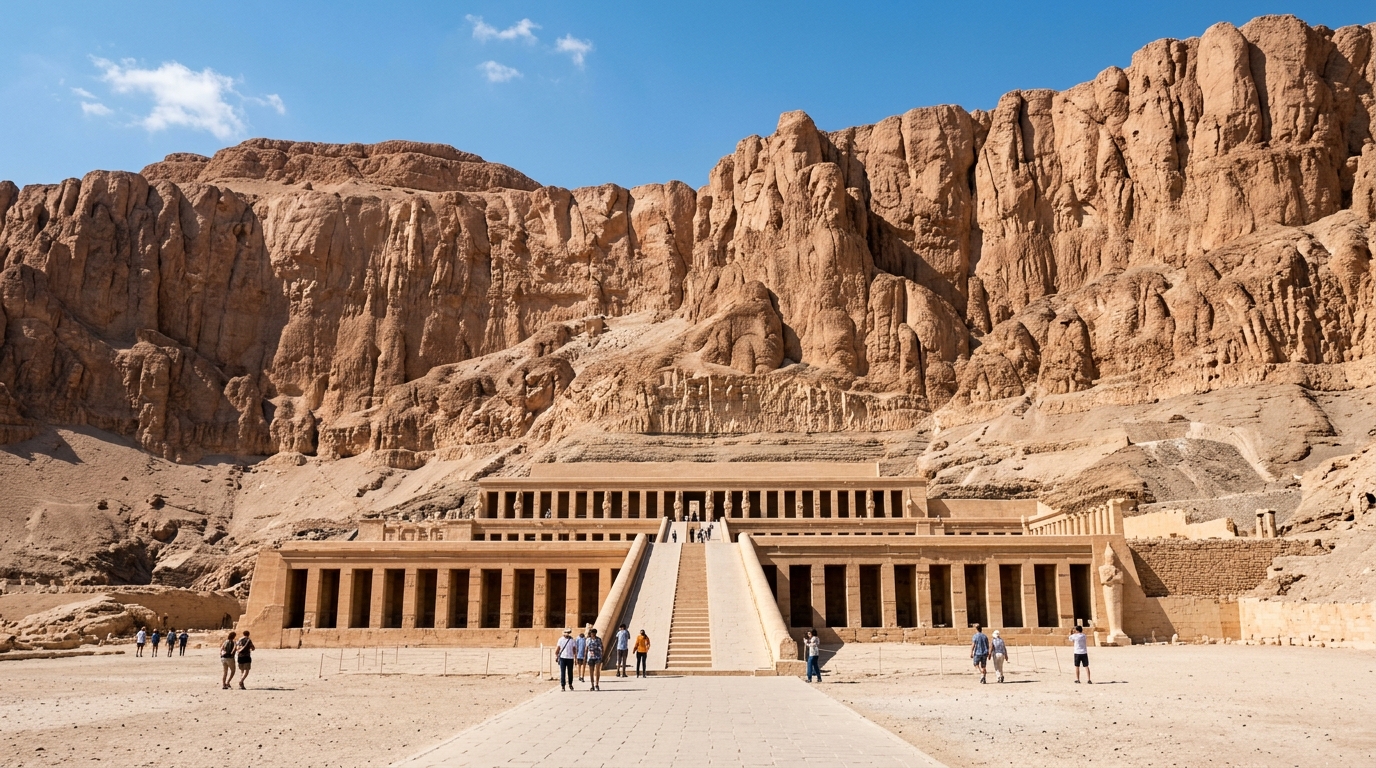
Temple of Hatshepsut and Theban cliffs on Luxor West Bank

Historical Context

Place Medinet Habu inside Ancient Thebes, not in isolation

The strongest interpretation treats Medinet Habu as part of the West Bank’s wider sacred and royal landscape. Use Egypt Tours Club pages to plan the visitor route, and use official/heritage sources when you need independent monument context.

Do not hard-code changing ticket prices or promise special access in evergreen copy. Reconfirm operational details close to the visitor’s date.

Why Add Medinet Habu?

A high-value West Bank temple for history-focused travelers

Medinet Habu works especially well for visitors who have already heard of Karnak, Valley of the Kings and Hatshepsut but want a deeper New Kingdom site with strong reliefs, architectural scale and a more focused temple experience.

  • Strong Ramses III and 20th Dynasty narrative.
  • Exceptional wall reliefs and surviving architectural detail.
  • Natural pairing with Ramesseum and Valley of the Queens.
  • Fits both half-day and full-day private West Bank routes.

Frequently Asked Questions

Medinet Habu Temple questions

Direct answers for travelers comparing Luxor attractions and planning a West Bank route.

What is Medinet Habu famous for?

Medinet Habu is best known for the mortuary temple of Ramses III, its massive enclosure and pylons, extensive battle and ritual reliefs, preserved courts and its importance within the New Kingdom landscape of Luxor’s West Bank.

How long should I spend at Medinet Habu?

Allow roughly 60–90 minutes for a meaningful guided visit. History and photography enthusiasts may want longer, especially if they study the reliefs carefully.

What is the best time to visit Medinet Habu?

Morning is usually best for cooler conditions and easier West Bank routing. Late afternoon can provide attractive light on the reliefs, subject to current opening hours.

Can I combine Medinet Habu with the Valley of the Queens?

Yes. This is one of the strongest combinations because the Valley of the Queens adds royal-family tombs and painted chambers while Medinet Habu contributes monumental temple architecture and wall reliefs.

Can I visit Medinet Habu and the Ramesseum together?

Yes. The two mortuary temples create an excellent comparison between the monuments associated with Ramses II and Ramses III, and Egypt Tours Club has a focused half-day route connecting them.

Is Medinet Habu near the Valley of the Kings?

Both are on Luxor’s West Bank and can be included in the same touring day. Route time depends on traffic, pickup side, monument opening hours and how long you spend in the tombs.

Is Medinet Habu good for photography?

Yes. The entrance, pylons, open courts, columns and relief-covered walls provide varied compositions. Follow current site photography and equipment rules.

What should I visit after Medinet Habu?

For a temple-focused route, continue to the Ramesseum or Hatshepsut Temple. For a tomb-and-art route, choose the Valley of the Queens. For a broader first-time day, connect Medinet Habu with the Valley of the Kings and Colossi of Memnon.

Luxor West Bank Planning

Build a West Bank route around Medinet Habu without rushing the temple

Compare focused half-day temple routes, full West Bank days and tailor-made Luxor itineraries. Choose by available time, pickup point, walking comfort, heat tolerance and the monuments you care about most.