The Ankh Symbol: Meaning, Significance in Ancient Egypt & Where to See It in Egypt | Egypt Tours Club
The Ankh Symbol: Meaning, Significance in Ancient Egypt & Where to See It in Egypt . banner

The Ankh Symbol: Meaning, Significance in Ancient Egypt & Where to See It in Egypt

The Ankh Symbol: Meaning and Significance in Ancient Egypt

✨ Overview

The ankh symbol is one of the most famous images in Egyptian civilization and one of the strongest visual shortcuts to the spiritual world of the Nile Valley. Known as the ancient Egyptian ankh, this looped cross was the hieroglyph for “life” and became the broader Egyptian symbol for life in religion, kingship, art, and funerary imagery. Britannica defines the ankh as an ancient Egyptian hieroglyph signifying “life,” and the Metropolitan Museum of Art notes that it was used to write the words “live,” “alive,” or “life.”

That is exactly why searches such as ankh symbol meaning, what does the ankh symbol mean, ancient Egyptian ankh meaning, and ankh hieroglyph meaning remain so powerful. The Egyptian ankh symbol is simple in form, but its symbolic weight is enormous. In temple reliefs and sacred scenes, gods and pharaohs are often shown holding or offering the ankh as a life-giving emblem. Britannica says the ankh was often held or offered by gods and pharaohs as a vivifying talisman, while the U.S. National Park Service describes it as representative of eternal life and commonly depicted with deities such as Osiris, Isis, and Ra.

For a tourism site, this topic is especially valuable because it blends meaning with experience. A visitor may arrive through informational searches like the ankh symbol or ankh symbol explained, but once they understand the symbol’s role in temples, tombs, and museum objects, they naturally move toward queries such as where to see the ankh symbol in Egypt, temples with ankh symbols in Egypt, ancient Egyptian symbols tour, and private Egypt tour ancient symbols. That makes this an ideal page for both education and conversion.


🏛️ What Does the Ankh Symbol Mean?

A very common question is: what does the ankh symbol mean?

The clearest answer is that the ankh symbol meaning is life. In hieroglyphic writing, the sign directly represented the concept of life, and over time it also became a broader symbol of vitality, divine energy, rebirth, and eternal existence. Britannica states plainly that the ankh signified “life,” while the Met confirms it was used to write “live,” “alive,” and “life.”

This is why the ankh symbol Egypt tradition is so important. The ancient Egypt ankh was not merely decorative. It was a written sign with a precise meaning and also a sacred visual emblem used in scenes of divine contact and royal blessing. In many depictions, the ankh appears near the face of the king, visually suggesting the giving of life or breath by the gods. The National Park Service describes the symbol as representative of eternal life and emphasizes its association with pharaohs and major deities.

In practical terms, ankh symbol explained means understanding it on two levels at once: first as a hieroglyph, and second as a sacred image of life itself. That is why modern audiences still refer to it as the key of life Egypt and the symbol of life Egypt. Those phrases are not modern inventions disconnected from history; they reflect the long-standing visual and spiritual logic of the sign in Egyptian culture.


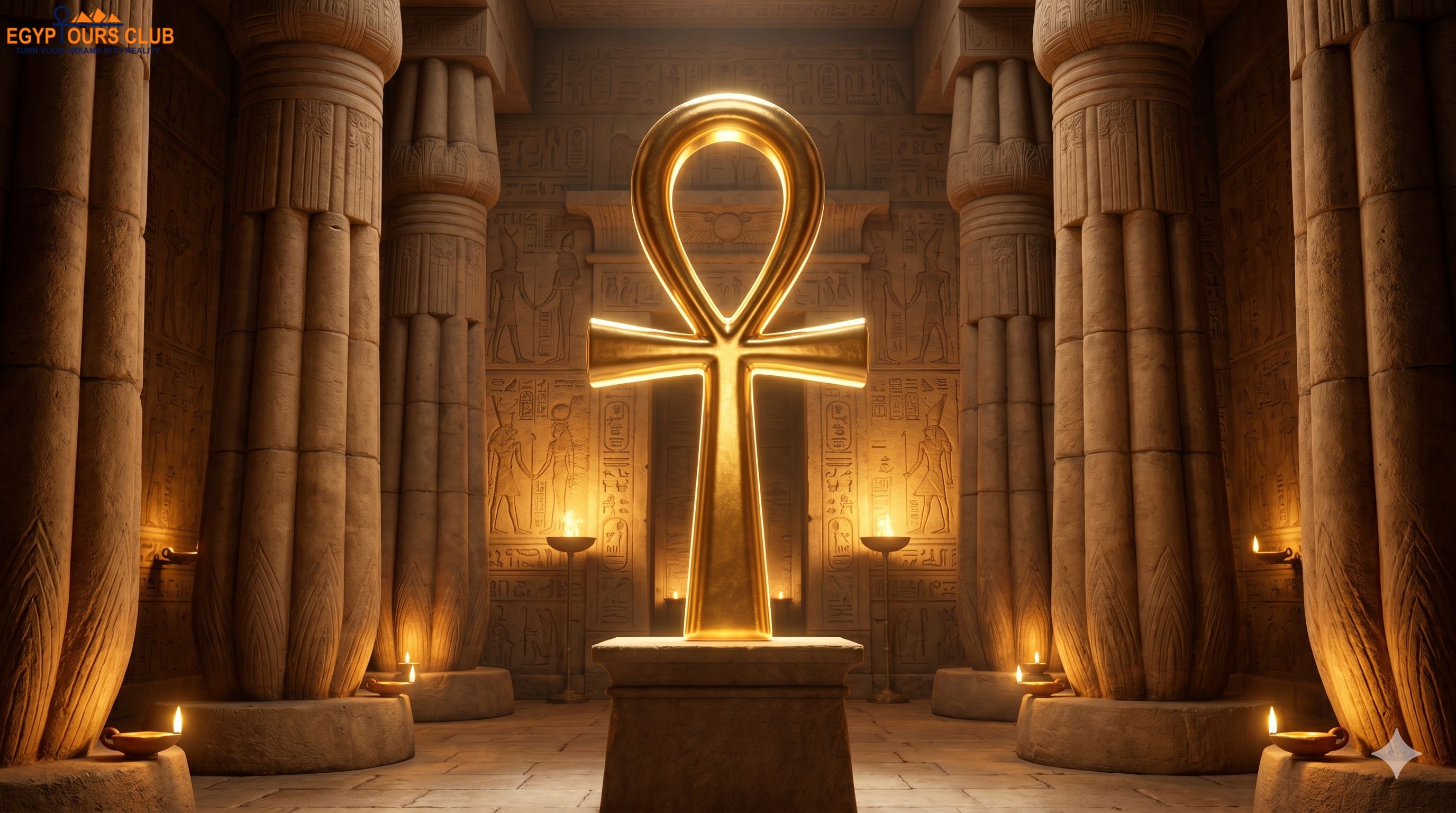
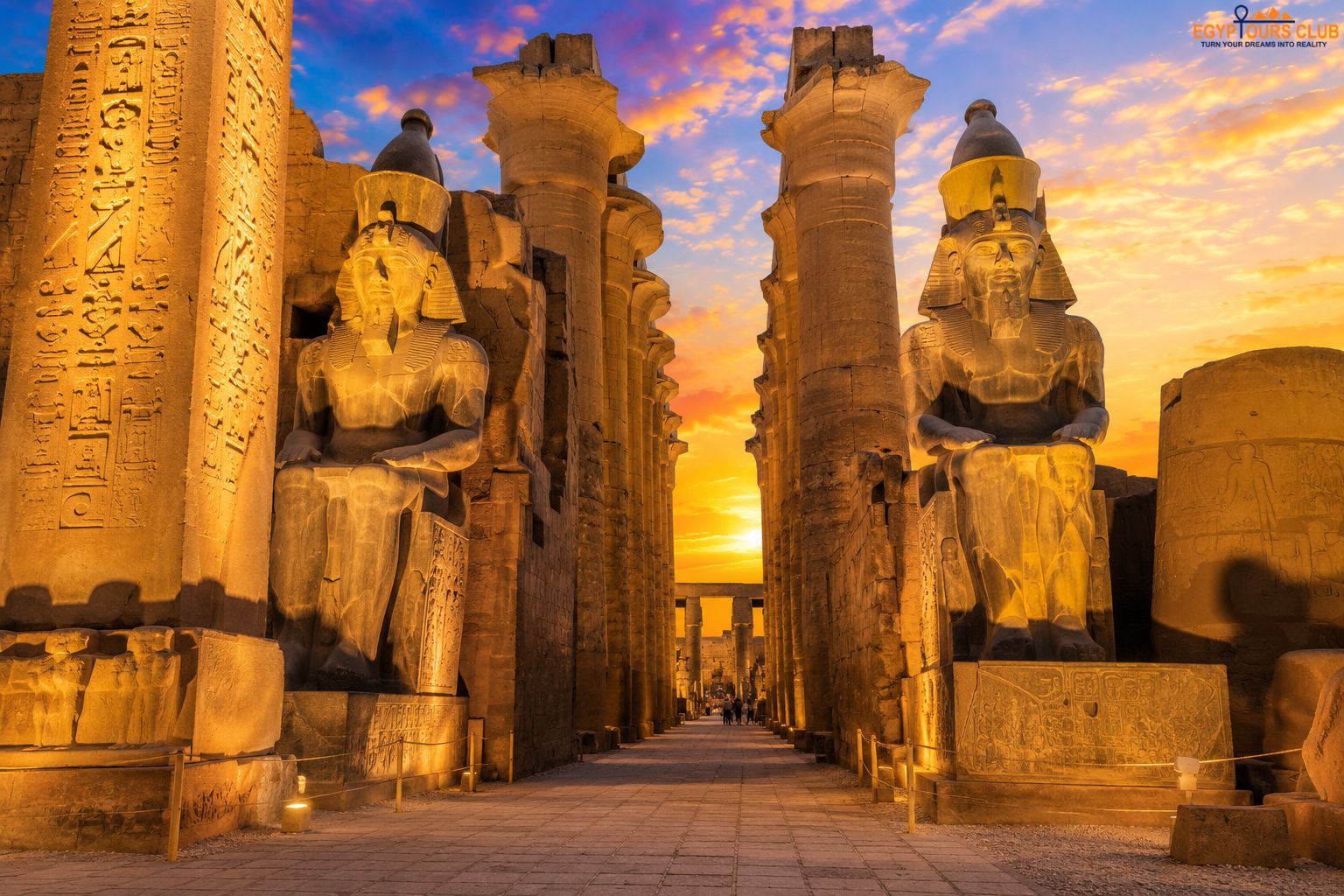
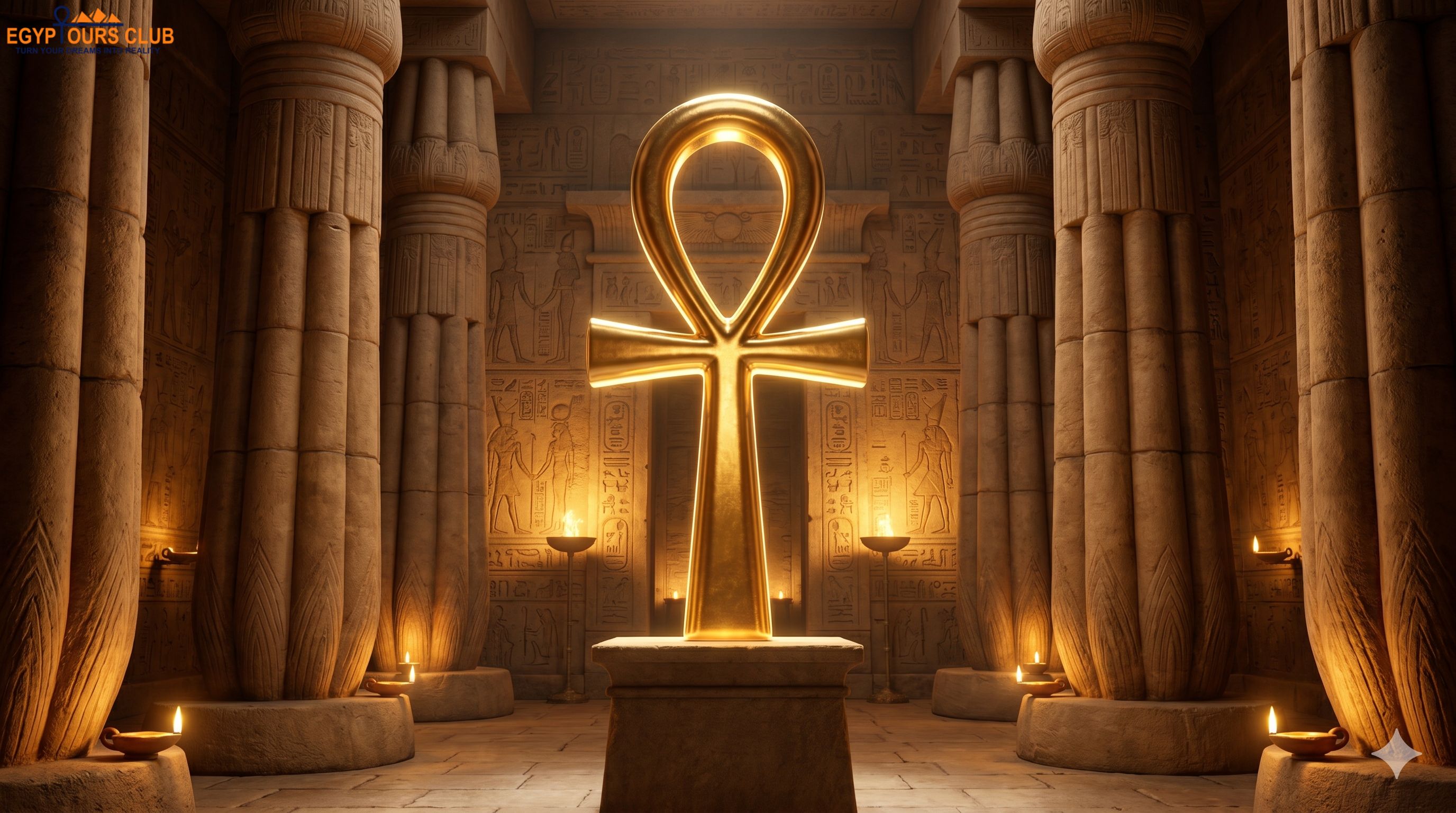
The ankh symbol in ancient Egyptian art representing life and divine power


📜 History of the Ankh Symbol

The history of the ankh symbol reaches deep into ancient Egyptian civilization. The sign appears in writing, ritual objects, funerary imagery, and monumental art across multiple periods. The Met’s catalog includes ceremonial ankhs and model ankhs from different eras, demonstrating that the sign was not only a written glyph but also a three-dimensional object of cultural and ritual importance.

A useful way to approach ankh symbol origin is with honesty: its exact original form is debated, but its meaning is not. Britannica notes that the form may derive from a sandal strap, while also making clear that the sign itself meant life. That makes the ankh ancient Egyptian symbol especially strong from an E-E-A-T perspective: the visual origin may be discussed, but the linguistic and religious function is firmly established.

Over time, the ancient Egyptian ankh became one of the most stable and recognizable elements of Egyptian iconography. That long continuity is a major reason why the symbol still performs well in modern search and in cultural travel content. It carries a clear meaning, a strong visual identity, and a direct link to Egypt’s sacred past.

📊 Historical Snapshot

Historical aspectWhy it matters
Hieroglyphic meaningThe sign directly meant “life.”
Long chronological useIt appears in objects and art across multiple Egyptian periods.
Religious symbolismIt became a broader emblem of vitality and eternal existence.
Later continuityIt influenced later Egyptian Christian symbolism as well.

⭐ Significance in Ancient Egypt and Why It Still Matters to Travelers

The strongest version of this section is not only Significance in Ancient Egypt, but also why that significance still matters today.

The religious significance in ancient Egypt of the ankh was immense because it connected writing, divine power, kingship, and eternal life in a single image. The symbolic meaning in ancient Egypt was not abstract or decorative. It was active, sacred, and used in scenes where gods grant or sustain life. Britannica describes the ankh as a vivifying talisman, while the NPS emphasizes its association with immortality and divine figures such as Osiris, Isis, and Ra.

The cultural significance in ancient Egypt was equally powerful. The symbol appears in carved walls, ritual objects, funerary decoration, and museum holdings, meaning it was part of both temple religion and the wider visual world of Egypt. This is why keywords such as spiritual significance in ancient Egypt, importance in ancient Egyptian religion, role in ancient Egyptian culture, and ancient Egyptian religious symbolism all belong naturally in a strong article.

For a travel brand, this section is where the article starts to convert. Once travelers understand the sacred meaning in ancient Egypt and the ancient Egyptian symbolic importance of the ankh, they begin to want more than just a definition. They want to experience it where it belongs: on temple walls, in tomb paintings, and in museum collections. That is where search intent shifts toward significance in ancient Egypt tours, ancient Egypt cultural significance tour, discover ancient Egyptian significance, and ancient Egypt symbolism travel experience. The more clearly the article explains the symbol’s role, the more naturally the reader moves toward booking a meaningful cultural experience. This travel framing is an inference from the clear historical significance of the symbol and its widespread appearance across visible Egyptian heritage contexts.


👑 The Ankh in Egyptian Gods, Temples, and Art

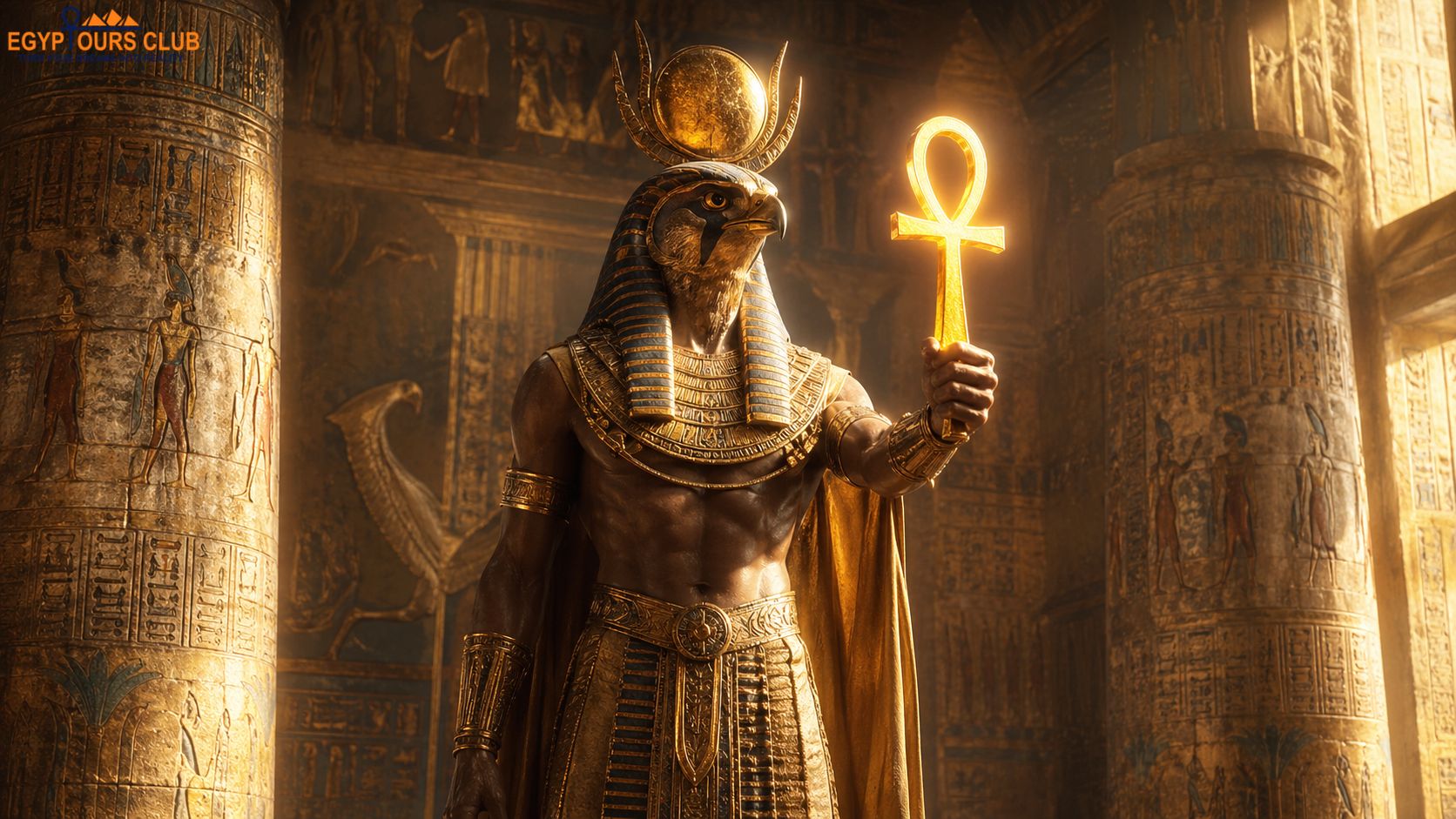
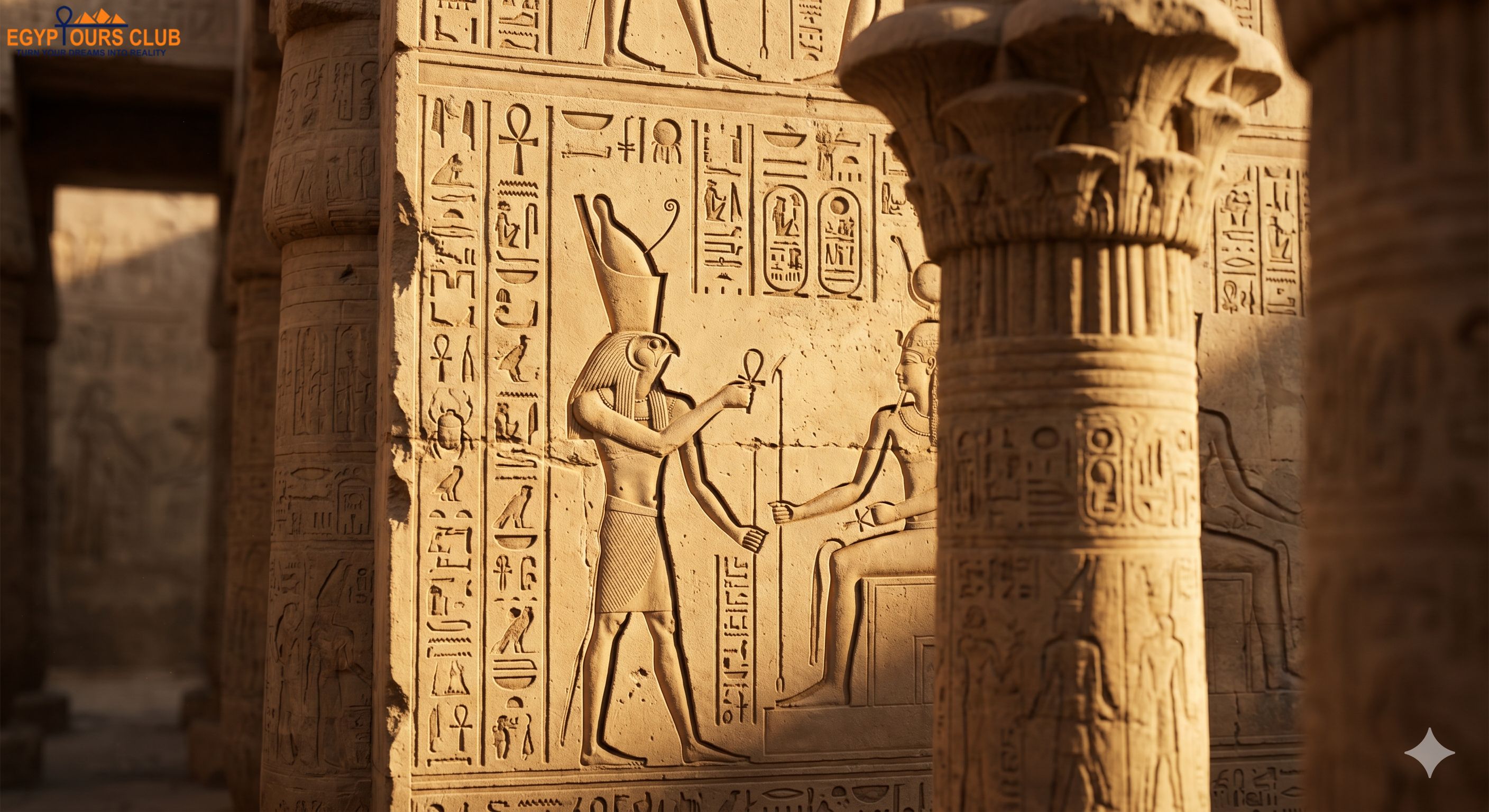
A major reason the the ankh symbol remains so famous is its constant appearance in sacred art. The ankh is frequently associated with major deities, especially in phrases such as ankh symbol and Osiris, ankh symbol and Isis, and ankh symbol and Ra. The National Park Service explicitly notes that the ankh is commonly depicted in the grasp of Osiris, Isis, and Ra. Britannica likewise states that gods and pharaohs often hold or offer the ankh.

This gives you a strong authority cluster:

  • ankh in Egyptian art
  • ankh in Egyptian temples
  • ankh in hieroglyphics
  • ankh symbol in ancient Egyptian religion

These are not generic SEO phrases. They reflect the actual ways the symbol was used and seen in ancient Egypt. Museum and catalog records also reinforce the object-based life of the sign, showing ankhs as ceremonial and symbolic items, not just carved signs on stone.

📊 Where the ankh appears

SettingWhat it shows
Temple carvingsSacred use alongside gods and kings
Tomb paintingsLinks to afterlife, renewal, and divine protection
Museum objectsThe symbol appears as a standalone ritual or decorative form
Later Egyptian Christian useThe form continued into Coptic symbolic traditions


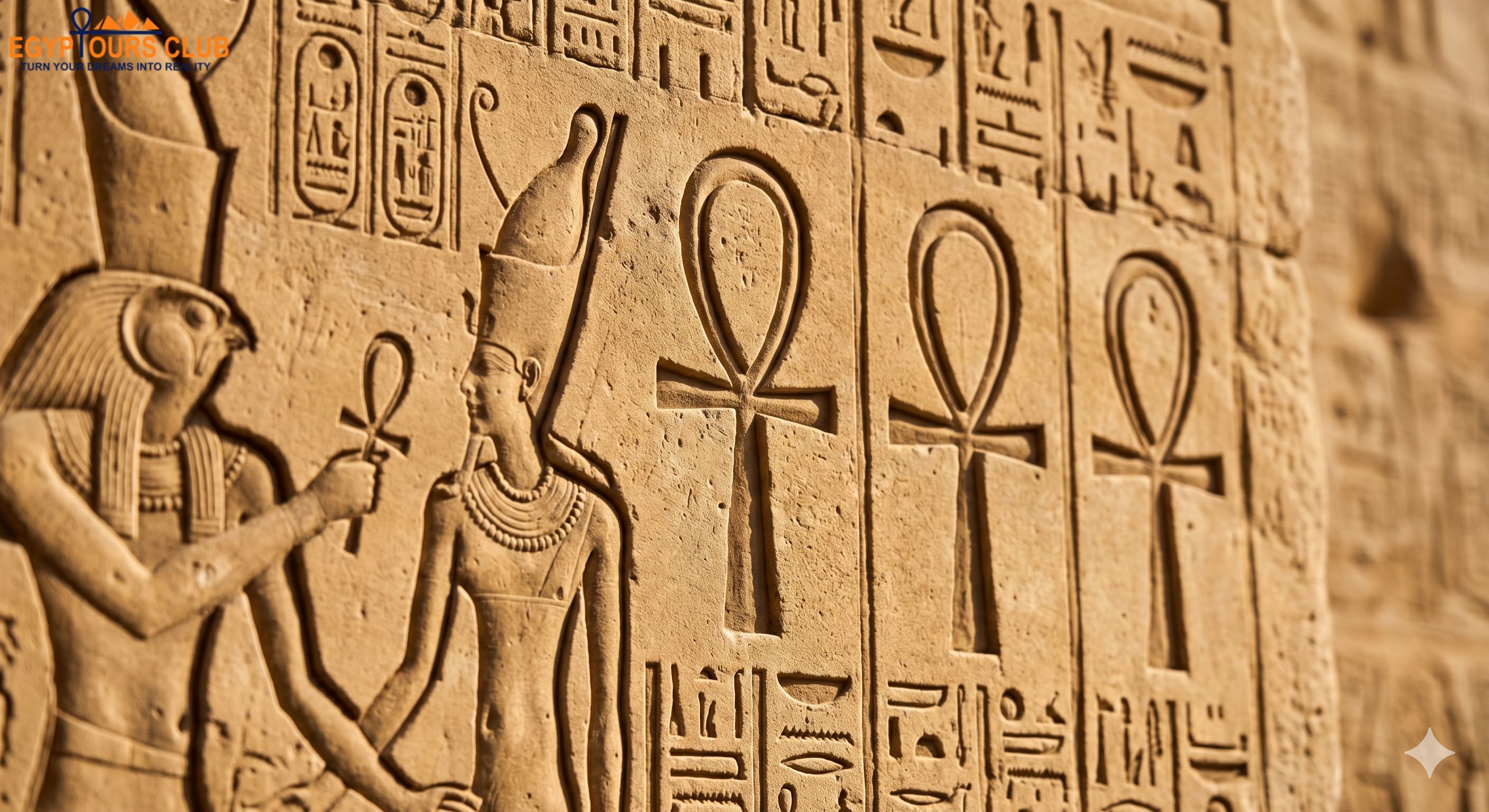
Ankh in Egyptian temples and wall carvings alongside gods and royal figures


🧠 Ankh Symbol Facts

Here are some of the most useful ankh symbol facts for both readers and AI-driven summaries:

The ankh hieroglyph meaning is life. It was used in writing and also became a general emblem of life. Gods and pharaohs are often shown holding it. Britannica notes that the shape may derive from a sandal strap, and also that the symbol later had wide use in Coptic Christian symbolism. The Met confirms the sign’s use in the words “live,” “alive,” and “life.”

Quick Facts Table

FactDetail
Basic meaningLife
Common modern nicknameKey of life
Main contextWriting, religion, art, and funerary symbolism
Common visual useHeld by gods and pharaohs
Later influenceContinued in Coptic-era symbolic use

🎨 Ankh Symbol Images, Artwork, and Visual Identity

The ankh symbol images cluster is strong because the ankh is one of the most visually memorable forms in Egyptian art. It appears naturally in:

  • ankh symbol artwork
  • ancient Egyptian ankh art
  • ankh symbol in temple carvings
  • ankh symbol in tomb paintings
  • ankh symbol on Egyptian walls
  • ankh symbol statues
  • ankh symbol design ancient Egypt
  • ankh symbol photos Egypt
  • ancient Egyptian life symbol art

This visual strength is one reason the symbol remains so effective for cultural storytelling today. A traveler who begins by reading about the ankh symbol meaning quickly starts noticing it in actual Egyptian heritage settings. That shift from meaning to recognition is exactly what supports guided ancient Egypt culture tour, ancient Egyptian symbols tour, and Egypt archaeology tour symbols and meanings as commercial-intent extensions of the topic. This travel progression is a practical content inference grounded in the symbol’s broad visibility across temples, museums, and relief traditions.


🇪🇬 Where to See the Ankh Symbol in Egypt

This is the most important booking bridge in the article.

If someone searches where to see the ankh symbol in Egypt, the answer is that the ankh appears across Egypt’s sacred visual world:

  • in temple carvings
  • in tomb decoration
  • in museum collections
  • in art connected to gods and kings

The Egyptian Museum Cairo’s object listings include figures explicitly described as holding an ankh-sign symbol of life, while the Met preserves ancient examples of ankhs as ritual or symbolic objects.

That makes these commercial-intent phrases highly natural:

  • where to see the ankh symbol in Egypt
  • temples with ankh symbols in Egypt
  • museums with ancient Egyptian symbols
  • Egypt cultural tour ancient symbols
  • private Egypt tour ancient symbols
  • ankh symbol travel guide Egypt
  • book Egypt cultural heritage tour

A strong tourism page should not stop at explaining the symbol. It should help the reader imagine experiencing it in context, which is exactly how significance in ancient Egypt tours, book ancient Egypt cultural tour, private Egypt symbols tour, and exclusive ancient Egypt experience tour become relevant and persuasive.


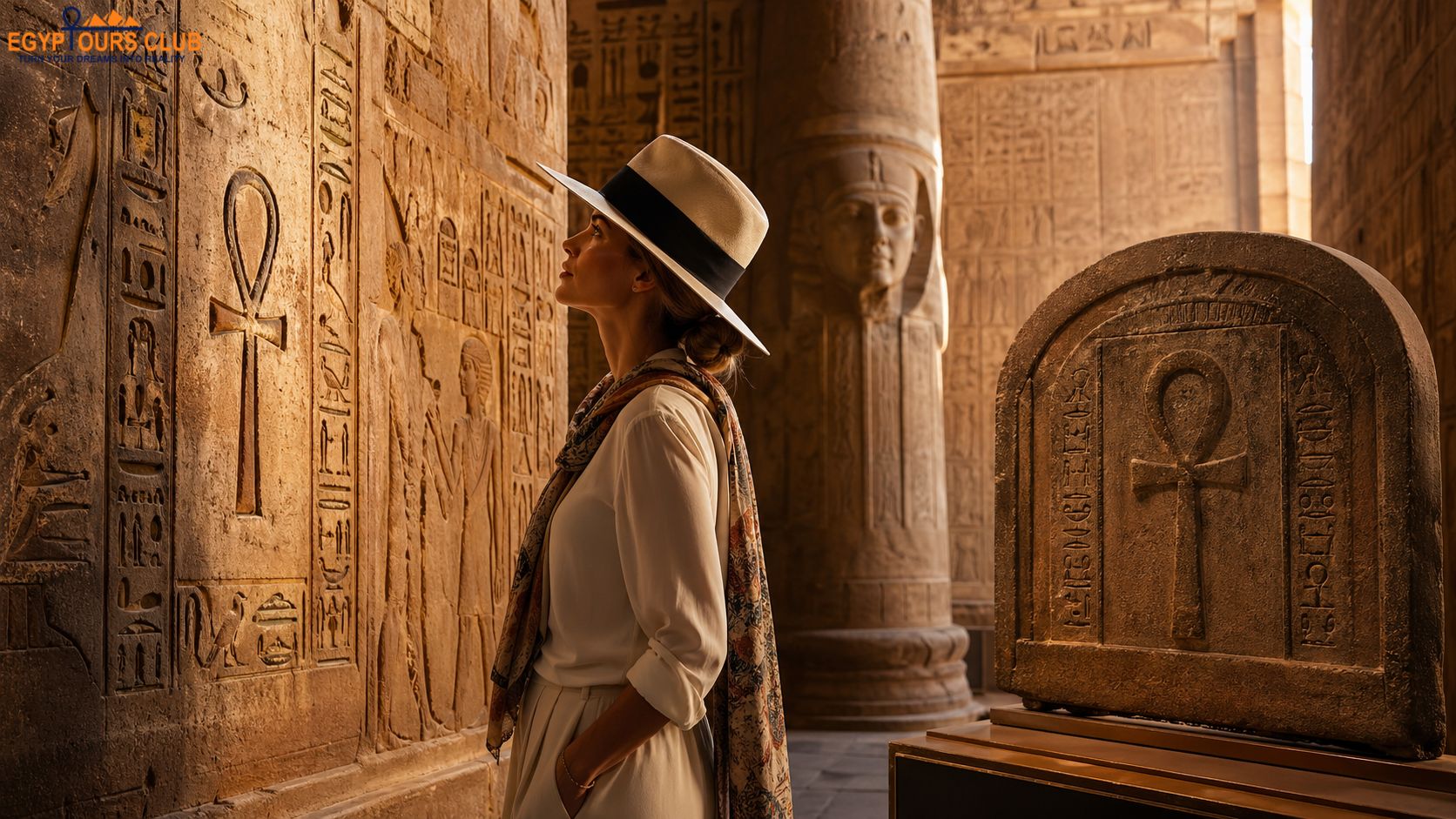
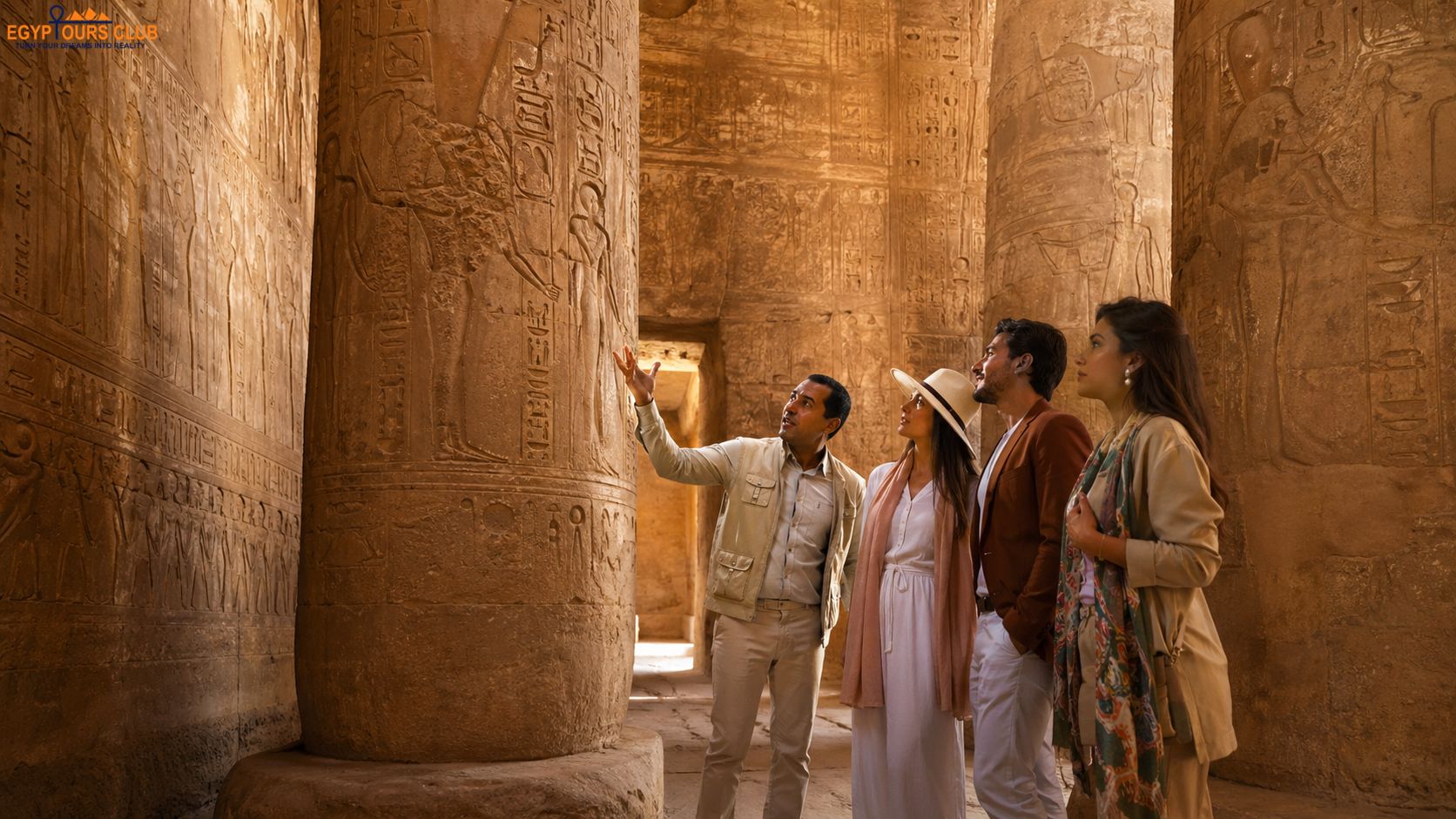
Travelers discovering the ankh symbol in Egyptian temples and museums during a cultural heritage tour


🧳 Why the Ankh Still Sells Cultural Travel Experiences Today

The reason the ankh symbol still performs so strongly in search is that it combines clarity, mystery, and emotional meaning. Travelers do not only want monuments. They want interpretations that help them understand what they are seeing. The ankh gives them exactly that.

For a tourism company, this means the article can serve several search journeys at once:

  • informational: ankh symbol meaning, history of the ankh symbol, why is the ankh symbol important
  • cultural: ankh in Egyptian art, symbolism in ancient Egypt, religious significance in ancient Egypt
  • commercial: ancient Egyptian symbols tour, private Egypt symbols tour, luxury ancient Egypt history tour, book private Egypt archaeology tour

That layered structure is what gives the page genuine ranking power. It informs first, then persuades naturally. The user feels they are learning something valuable, and the next step — a culture-led, symbol-focused Egypt journey — feels logical rather than forced.


❓ FAQs About the Ankh Symbol

What does the ankh symbol mean?

The ankh symbol meaning is life. In ancient Egyptian hieroglyphic writing, it signified “life,” and it also became a symbol of life more generally.

Why is the ankh symbol important?

It linked writing, religion, kingship, and eternal life in one powerful emblem and appeared constantly in Egyptian sacred art.

Is the ankh the Egyptian symbol for life?

Yes. The ankh is the best-known Egyptian symbol for life.

Did Egyptian gods hold the ankh?

Yes. The ankh often appears in the hands of gods such as Osiris, Isis, and Ra, as well as pharaohs.

Where can I see the ankh symbol in Egypt?

You can see it in temple carvings, tomb decoration, and museum collections featuring ancient Egyptian objects and reliefs.


🏁 Final Thoughts

The ankh symbol is one of the clearest examples of how ancient Egypt turned writing into sacred imagery. As the ancient Egyptian ankh, it meant life in language, represented life in art, and carried that meaning through temple reliefs, royal iconography, and later cultural continuity.