

The four old capitals of Egypt are Memphis, Thebes/Luxor, Alexandria and Islamic Cairo. Together, they show how Egypt moved from early kingship and pyramid building to temple power, Mediterranean knowledge and Islamic architecture.
Four Old Capitals of Egypt: Quick Answer
The four old capitals of Egypt commonly explored in cultural itineraries are Memphis, Thebes/Luxor, Alexandria and Islamic Cairo. Each capital represents a different chapter in Egypt’s identity: early dynastic power, New Kingdom religion, Greco-Roman scholarship and Islamic urban heritage.
This route is valuable because it turns Egypt’s long history into a clear travel story. Memphis explains the birth of centralized rule. Thebes shows Egypt at the height of sacred and royal power. Alexandria reveals the Mediterranean and Greco-Roman chapter. Islamic Cairo shows how Egypt remained a center of faith, learning and trade for more than a thousand years.
Travelers can experience the route through the 6 Days Egypt Old Capitals Tour Package, or build a flexible version through Tailor-Made Egypt Tours.
Simple answer
The four old capitals of Egypt are Memphis, Thebes/Luxor, Alexandria and Islamic Cairo. Visiting them together gives travelers a powerful timeline of Egypt’s political, religious, architectural and cultural development.
Egypt’s Old Capitals as a Living Timeline
Each capital tells a different part of Egypt’s story. Together, they create a rare historical timeline that stretches from the dawn of kingship to the medieval Islamic world.
1. Memphis — Birth of Unified Egypt
Memphis was the first great capital of a united Egypt. It is connected with early kingship, Old Kingdom administration and the pyramid age around Memphis, Saqqara and Giza.
2. Thebes / Luxor — Capital of Sacred Power
Thebes became the religious and political heart of the New Kingdom, home to Karnak, Luxor Temple, the Valley of the Kings and royal funerary landscapes.
3. Alexandria — Mediterranean Capital of Knowledge
Founded by Alexander the Great, Alexandria became a Greco-Roman capital, a center of learning and a bridge between Egypt and the classical Mediterranean world.
4. Islamic Cairo — Capital of Faith and Continuity
Islamic Cairo represents centuries of Islamic architecture, scholarship, trade, markets, mosques and living urban heritage.
The Four Old Capitals of Egypt at a Glance
This comparison helps travelers understand what each capital represents, which monuments matter most and how to connect each city with the right Egypt route.
| Old capital | Main era | Historical meaning | Best travel highlights |
|---|---|---|---|
| Memphis | Early Dynastic / Old Kingdom | First capital of unified Egypt and foundation of royal administration. | Memphis Egypt Tours, Saqqara Pyramid Tours, Pyramids of Giza Tours. |
| Thebes / Luxor | New Kingdom | Capital of imperial power and spiritual center of ancient Egypt. | Karnak Temple Tours, Valley of the Kings Tours, Luxor Day Tours. |
| Alexandria | Greco-Roman Egypt | Mediterranean capital of knowledge, trade and classical culture. | Kom El Shoqafa Tours, Pompey’s Pillar Alexandria, Qaitbay Citadel Tours. |
| Islamic Cairo | Islamic and medieval periods | Capital of Islamic learning, architecture, trade and urban continuity. | Islamic and Coptic Cairo Tours, Al Muizz Street Tours, Khan El Khalili Tours. |
Memphis: The First Capital of Unified Egypt
Memphis was the first great capital of a united Egypt. Its location near modern Cairo helped it control movement between Upper and Lower Egypt, making it ideal for administration, religion and royal authority.
Although little of the ancient city survives above ground, the Memphis region remains essential because of nearby Saqqara, Giza and the monuments of the Old Kingdom. This is where travelers can understand the birth of Egyptian state power and the early development of pyramid construction.
For a focused route, connect Memphis Egypt Tours with Saqqara Pyramid Tours and Pyramids of Giza Tours.
First Unified Capital
Memphis represents the beginning of centralized kingship and state administration in ancient Egypt.
Saqqara Connection
The nearby Step Pyramid of Djoser shows the birth of monumental pyramid architecture.
Royal Legacy
Open-air museum remains and colossal statues preserve the memory of Memphis as a royal center.
Best Cairo-based route for Memphis
If Memphis is your priority, choose a Cairo route that includes Saqqara and Giza. This gives you the capital, the royal necropolis and the pyramid story in one day.
Thebes / Luxor: Capital of the New Kingdom and Sacred Power
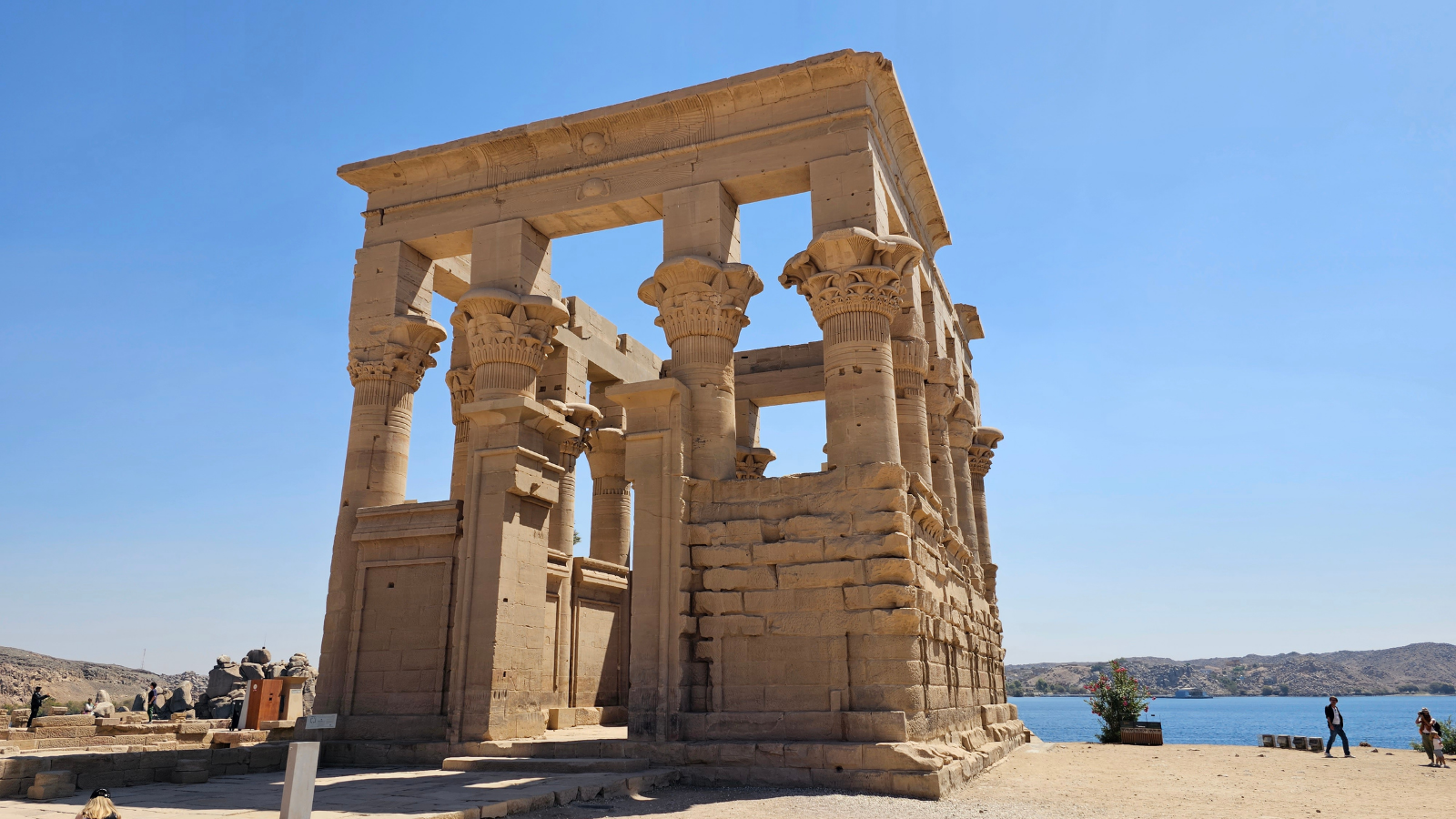
Thebes, known today as Luxor, became one of Egypt’s most important capitals during the New Kingdom, when Egyptian power, wealth and religious influence reached extraordinary levels.
Luxor is often described as the world’s greatest open-air museum because it contains temples, tombs and sacred landscapes on both sides of the Nile. The East Bank reflects temple life and living religious ritual, while the West Bank reveals royal tombs, funerary temples and afterlife beliefs.
Travelers who want the full Thebes experience can start with the Luxor Tours Guide, then compare Luxor Day Tours for East Bank, West Bank and full-day temple routes.
| Luxor highlight | Why it matters | Best related page |
|---|---|---|
| Karnak Temple | One of the largest and most important religious complexes of the ancient world. | Karnak Temple Tours |
| Valley of the Kings | Royal burial landscape of pharaohs and afterlife scenes. | Valley of the Kings Tours |
| Hatshepsut Temple | A masterpiece of royal architecture and female kingship. | Hatshepsut Temple Tours |
| Colossi of Memnon | Two monumental statues that mark the scale of Theban royal building. | Colossi of Memnon Tours |
Why Thebes matters
Thebes reflects Egypt’s golden age, when royal power, temple religion, art and monumental architecture reached unmatched sophistication.
Alexandria: The Greco-Roman Capital of Knowledge
Alexandria was founded by Alexander the Great in 331 BCE and became one of the most important cities of the ancient Mediterranean world. It represented a new chapter in Egypt’s identity, blending Egyptian, Greek and Roman influences.
Alexandria was famous for the ancient Library of Alexandria, the Lighthouse of Alexandria, scholars, philosophers, trade routes and Mediterranean cultural exchange. Although the ancient library and lighthouse no longer survive in their original form, the city still carries the memory of Egypt’s classical era.
The easiest way to understand Alexandria is to connect its Greco-Roman underground sites with its coastal fortress and modern cultural landmarks.
Catacombs of Kom El Shoqafa
A remarkable underground site blending Egyptian, Greek and Roman funerary traditions.
Explore Kom El Shoqafa Tours →Pompey’s Pillar and Serapeum
A powerful reminder of Alexandria’s Greco-Roman religious and urban history.
Explore Pompey’s Pillar Alexandria →Qaitbay Citadel
A medieval fortress built near the site traditionally associated with the ancient Lighthouse of Alexandria.
Explore Qaitbay Citadel Tours →Bibliotheca Alexandrina
A modern cultural landmark inspired by the memory of the ancient Library of Alexandria.
Explore Bibliotheca Alexandrina →Alexandria also pairs well with Cairo for travelers who want pyramids, museums and Mediterranean heritage in the same Egypt itinerary.
Islamic Cairo: Capital of Faith, Learning and Continuity
Islamic Cairo became one of the great centers of Islamic civilization after the Arab conquest of Egypt. Over the centuries, Cairo grew into a city of mosques, schools, markets, gates, palaces and trade routes.
Unlike many ancient capitals that survive only as ruins, Islamic Cairo remains a living urban landscape. Its streets, mosques and bazaars still carry the atmosphere of more than 1,000 years of cultural continuity.
For a stronger heritage route, connect the wider Islamic and Coptic Cairo Tours guide with focused stops such as Al-Azhar Mosque Tour, Sultan Hassan Mosque Tour, Al Muizz Street Tours and Khan El Khalili Tours.
Al-Azhar
A major center of Islamic learning and scholarship with global influence.
Sultan Hassan Mosque
A masterpiece of Mamluk architecture and religious design.
Medieval Gates
Historic gates and streets reveal Cairo’s defensive and urban development.
Khan El Khalili
A historic bazaar full of atmosphere, craft traditions and old-city energy.
Learning and Faith
Islamic Cairo reflects centuries of scholarship, religious life and cultural influence.
Living Heritage
The area is not only a museum; it remains part of Cairo’s living cultural identity.
If you are staying in Cairo, browse Cairo Day Tours to connect Islamic Cairo with pyramids, museums or Old Cairo in the same day.
Choose the Best Old Capitals Route for Your Travel Style
Different travelers search for the four old capitals of Egypt with different goals. This table helps match your intent with the strongest next route.
| Traveler goal | Best route | Recommended page |
|---|---|---|
| Full historical itinerary | Cairo, Memphis/Saqqara, Alexandria, Islamic Cairo and Luxor. | 6 Days Egypt Old Capitals Tour |
| Pyramids and first capital context | Memphis, Saqqara, Giza and the Great Sphinx. | Cairo Day Tours |
| Thebes and New Kingdom temples | Karnak, Valley of the Kings, Hatshepsut Temple and Luxor routes. | Luxor Day Tours |
| Classic Egypt with more depth | Cairo, Giza, Luxor, Aswan and Nile highlights. | Egypt Classic Tour Packages |
| Nile temples after Luxor | Luxor to Aswan with temple stops and river scenery. | Nile Cruise Packages |
| Flexible cultural journey | Build a custom route around Memphis, Alexandria, Islamic Cairo, Luxor, Aswan or the Nile. | Tailor-Made Egypt Tours |
Best fit
The four old capitals route is ideal for history lovers, culture-focused travelers, first-time visitors who want depth and anyone seeking a classic Egypt itinerary with a stronger story.
6 Days Egypt Old Capitals Tour: Suggested Journey Flow
A six-day itinerary gives enough time to connect the old capitals without losing the story. The route can be adjusted, but the strongest structure usually balances Cairo, Alexandria and Luxor with guided interpretation.
| Day | Main focus | Historical chapter |
|---|---|---|
| Day 1 | Arrival in Cairo and orientation. | Modern gateway to Egypt’s layered history. |
| Day 2 | Memphis, Saqqara and Giza. | Birth of kingship, pyramid evolution and Old Kingdom power. |
| Day 3 | Alexandria day experience. | Greco-Roman Egypt, Mediterranean knowledge and classical heritage. |
| Day 4 | Islamic Cairo and Old Cairo highlights. | Faith, architecture, markets and medieval urban continuity. |
| Day 5 | Luxor East and West Bank. | Thebes, New Kingdom power, temples and royal tombs. |
| Day 6 | Final cultural visit and departure planning. | Completing the timeline of Egyptian civilization. |
For the ready-made version, explore the 6 Days Egypt Old Capitals Tour Package. For a longer route, compare it with 6-Day Egypt Tour Packages, 9-Day Egypt Tour Packages or 14-Day Egypt Tour Packages.
A Living Timeline of Human Civilization
Few countries allow travelers to move through multiple capitals that shaped world history within a single trip. Egypt does. Its old capitals are not isolated ruins; they are living chapters in a long story of adaptation, continuity and influence.
Memphis speaks of beginnings. Thebes speaks of power and sacred architecture. Alexandria speaks of knowledge and cultural exchange. Islamic Cairo speaks of faith, learning and living heritage. Together, they show how human societies evolve while preserving memory.
This is why a four-capitals itinerary is one of the most meaningful cultural journeys in Egypt.
Explore More Egypt Historical Routes
Continue planning your cultural Egypt journey with these related pages.
.png)