Cairo · Giza · Luxor · Aswan · Nile · Alexandria · Red Sea · desert
First trip · archaeology · museums · Nile cruise · culture · Red Sea
Must-See Attractions Included in Egypt Tours: What a Strong Itinerary Should Cover
A good Egypt tour should not simply collect famous names. It should connect the Giza Plateau and the Grand Egyptian Museum with Luxor's temples and royal tombs, Aswan and Philae, the Nile route, and any extensions such as Abu Simbel, Alexandria, the Red Sea or the Western Desert. This guide explains which attractions are core, which are extensions, and how they fit together.
Quick Answer
What attractions should a first Egypt tour include?
For most first-time travelers, the essential route is Giza Pyramids + Great Sphinx + Grand Egyptian Museum in Cairo/Giza, Karnak and the West Bank in Luxor, Philae Temple in Aswan, and a Nile route connecting Upper Egypt. If the trip is long enough, add Abu Simbel. Alexandria, the Red Sea, Saqqara/Dahshur and the Western Desert are excellent extensions rather than mandatory stops for every traveler.
The exact list should depend on trip length. A 6–7 day itinerary needs discipline; 8–10 days can cover the classic Cairo–Luxor–Aswan route comfortably; 11–15 days allows meaningful extensions without turning the trip into constant transfers.
The Core 8
Eight experiences form the strongest classic Egypt route
These are not eight isolated checkboxes. The best tour links them geographically and historically so each stop explains the next.
Pyramids of Giza & Great Sphinx
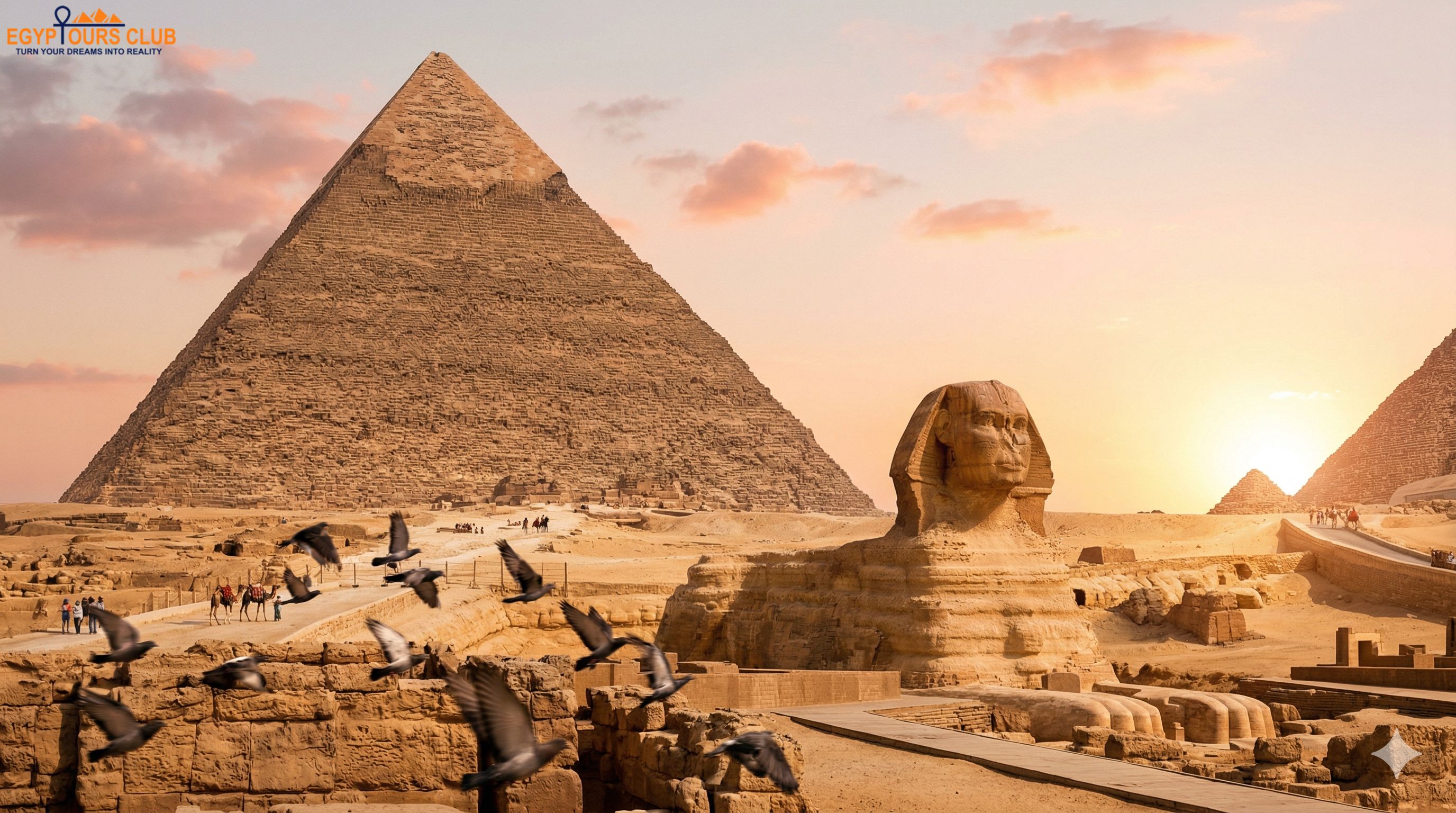
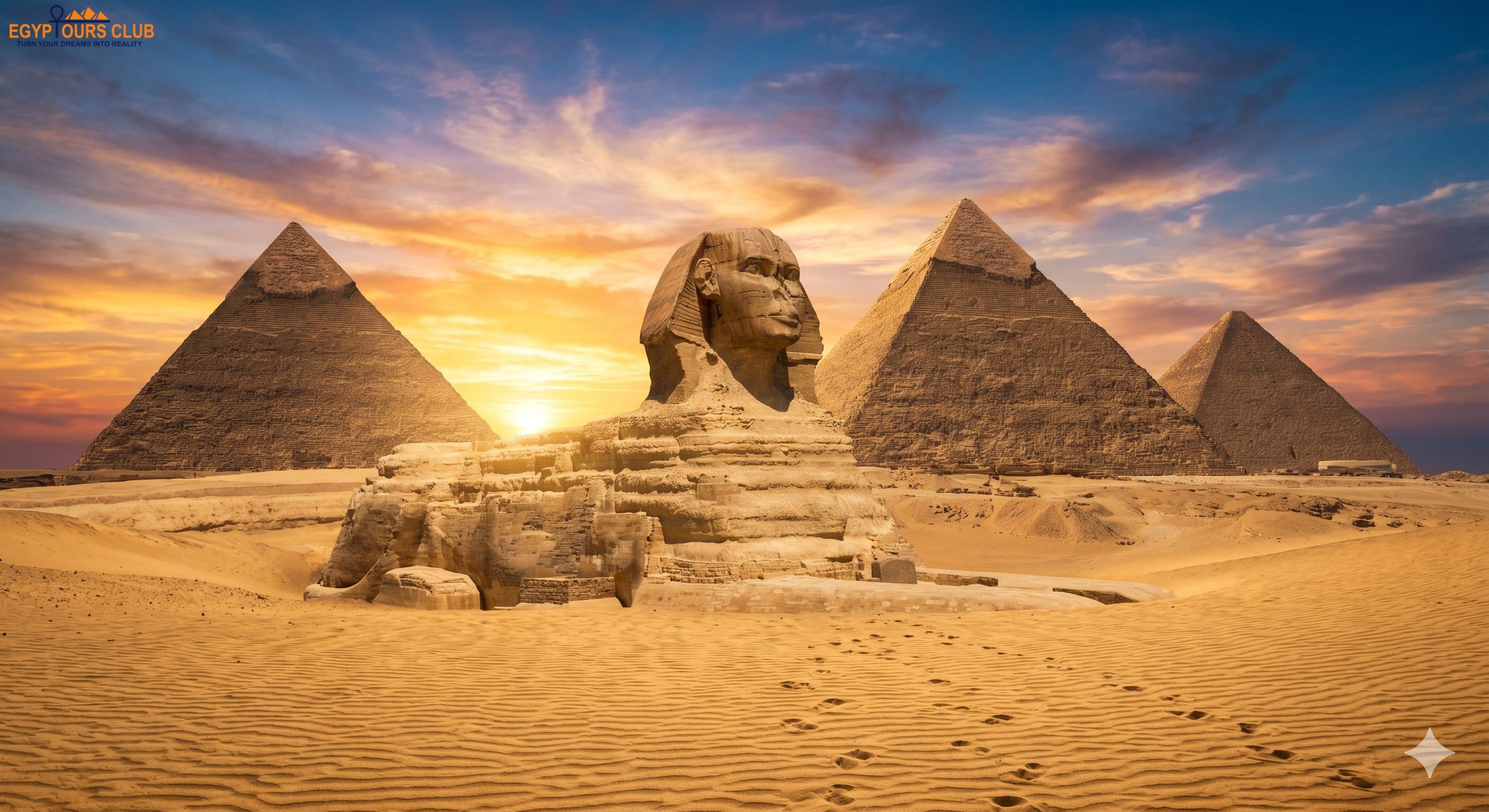
The Giza Plateau is the natural starting point for a first Egypt itinerary. Visit the royal pyramid complexes of Khufu, Khafre and Menkaure, then connect them with the Great Sphinx and Valley Temple rather than treating the Sphinx as a separate photo stop.
Open the Giza Pyramids Guide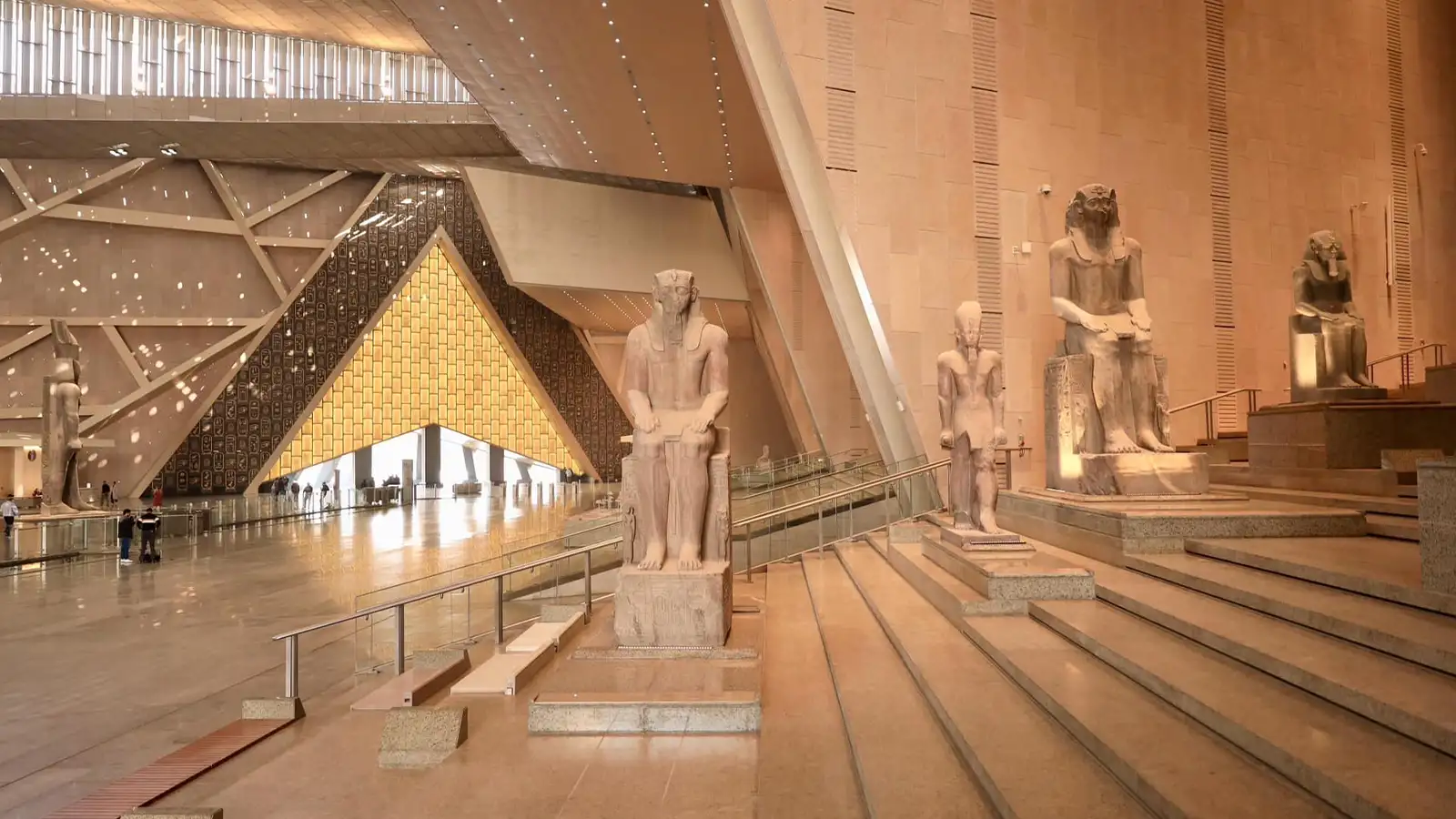
Grand Egyptian Museum
For a first trip, GEM is now the strongest museum pairing with the Giza Plateau. It provides the material culture and historical context that helps the pyramids, royal imagery and later Egyptian history make more sense.
Open the GEM Guide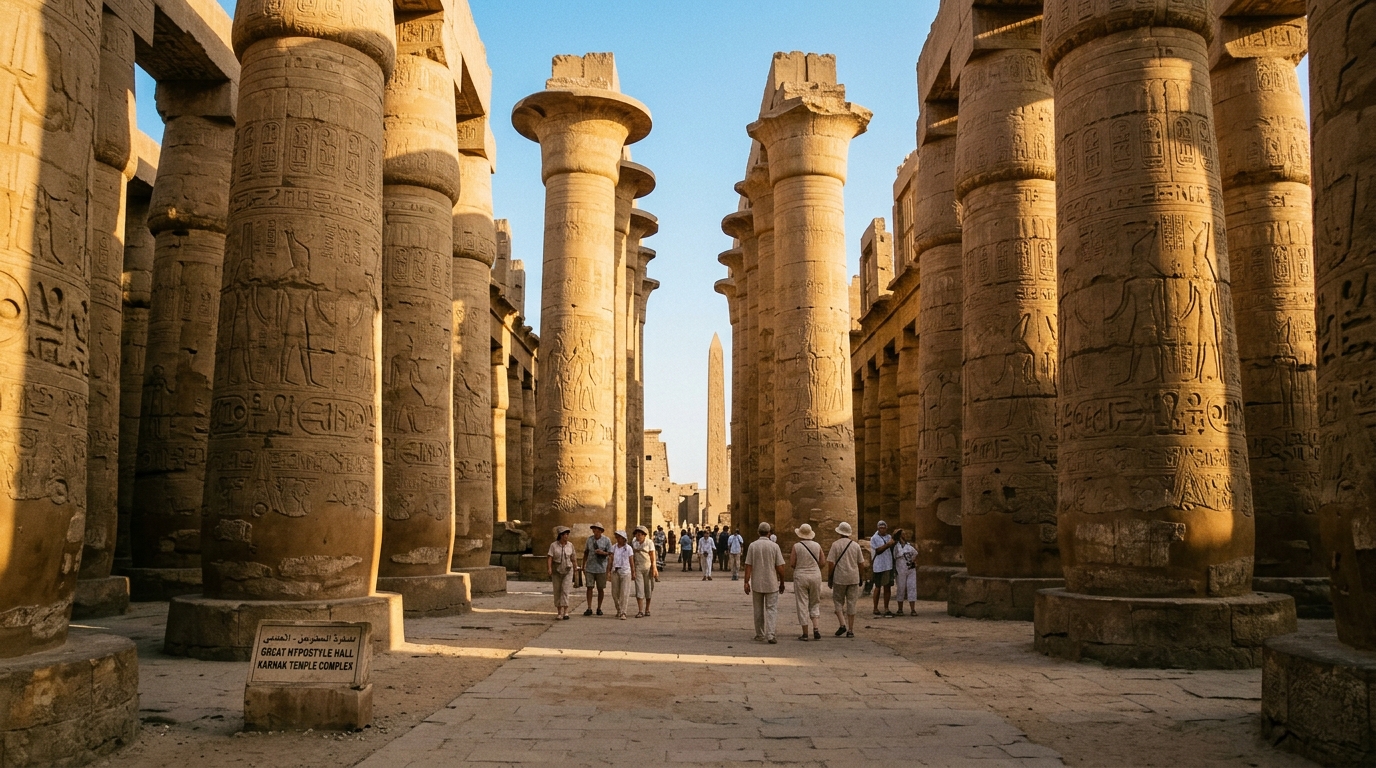
Karnak Temple Complex
Karnak is one of the most important religious landscapes in ancient Egypt. It works best as part of a Luxor day that gives enough time to understand the East Bank rather than squeezing it into a transfer schedule.
Open the Karnak Temple Guide
Valley of the Kings & West Bank
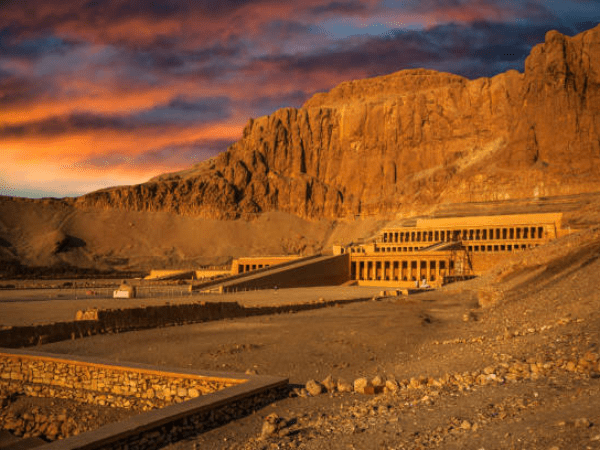
The Valley of the Kings is the core West Bank experience. A strong route normally connects it with Hatshepsut Temple and other West Bank monuments according to time, ticket priorities and current tomb access.
Open the Valley of the Kings Guide
Nile Cruise: Luxor–Aswan or Aswan–Luxor
A Nile cruise is not simply transport. It organizes the journey between Luxor and Aswan while allowing stops at temples such as Edfu and Kom Ombo, depending on the cruise schedule and direction.
Compare Nile Cruise Packages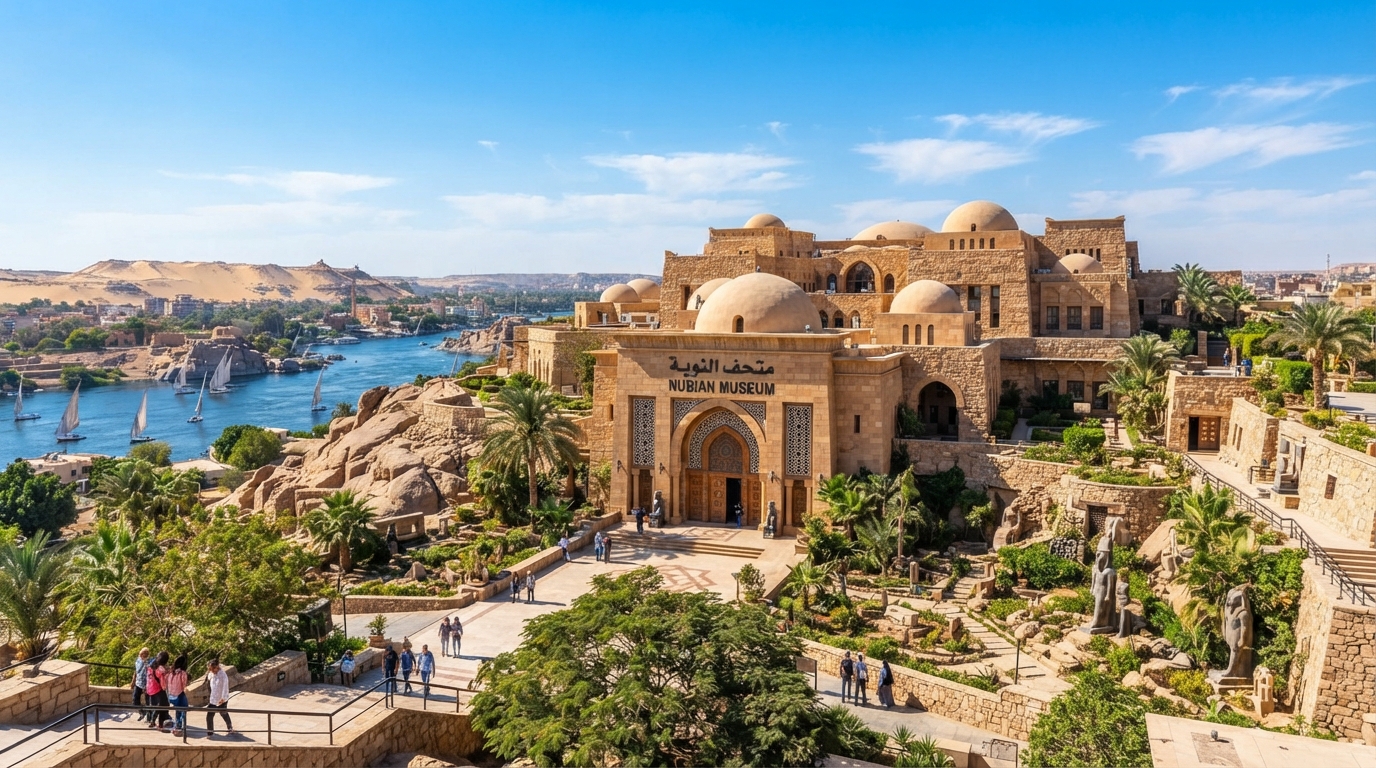
Aswan & the Nubian Context
Aswan gives the classic route a different rhythm. The city works well for Philae, Nile scenery, Nubian heritage and a more relaxed southern-Egypt experience before or after a cruise.
Open the Aswan Guide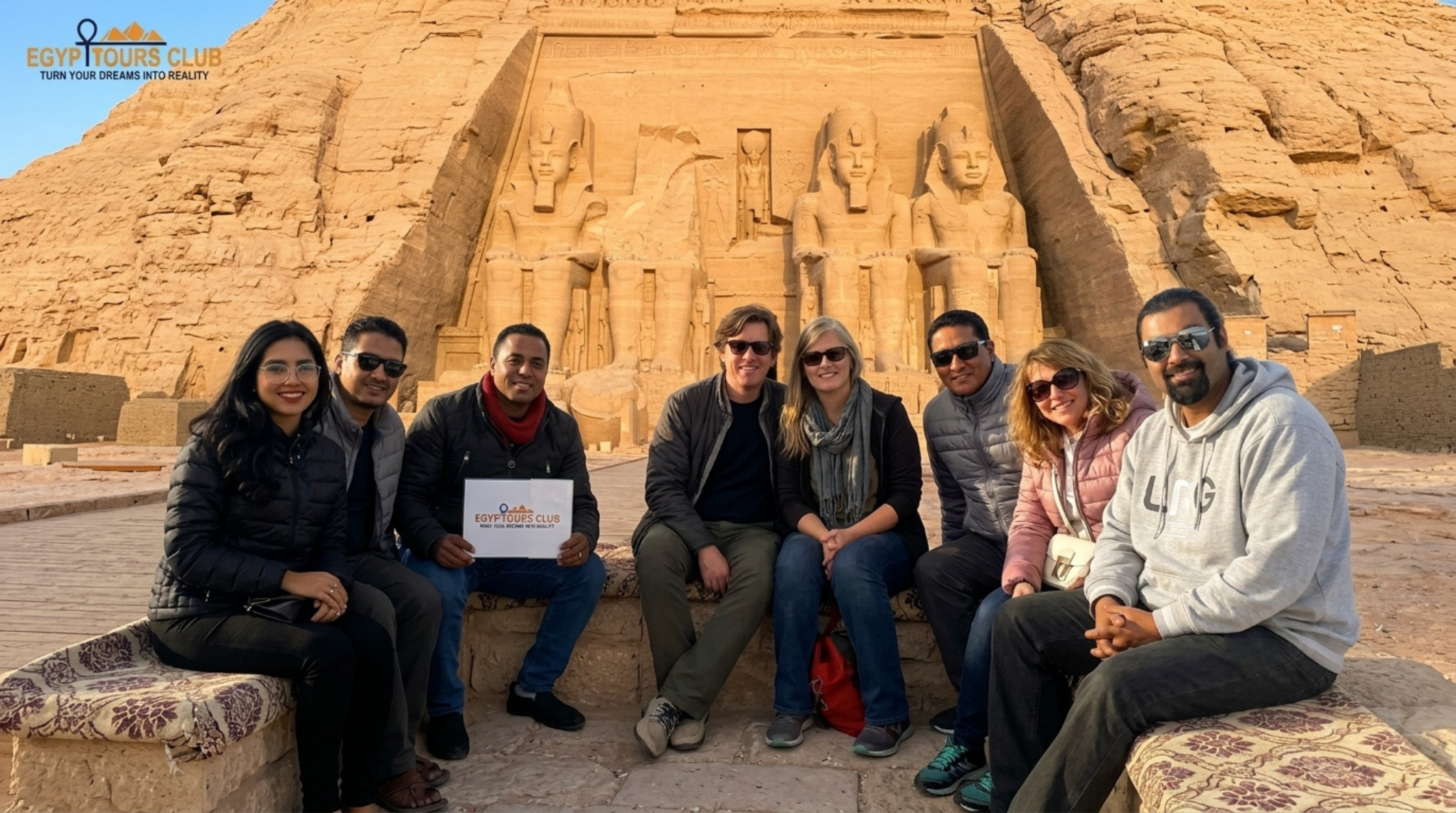
Abu Simbel Temples
Abu Simbel is one of Egypt's most dramatic temple experiences. It usually requires an early road departure from Aswan or a flight option when schedules work, so it deserves protected time rather than being added casually.
Open the Abu Simbel GuidePhilae Temple
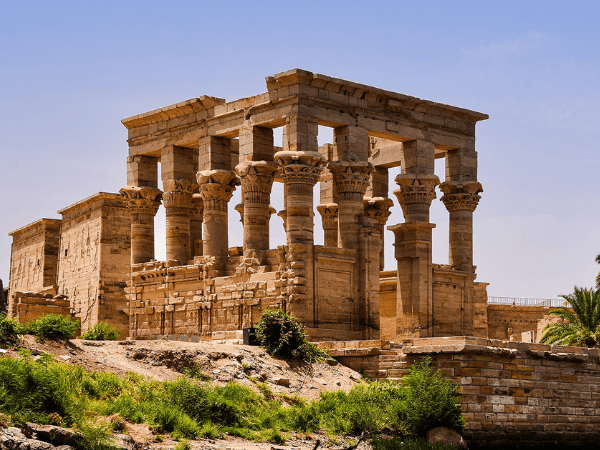
Philae combines temple architecture, the cult of Isis, a short boat crossing and one of the most important monument-rescue stories in southern Egypt. It is one of the strongest Aswan inclusions for a first trip.
Open the Philae Temple GuideWhat Fits by Trip Length
Not every attraction belongs in every itinerary
Protect the essentials
- Giza + Sphinx
- GEM
- Luxor East & West Bank
- Aswan / Philae or a short Nile segment
Do not overload a short route with Alexandria, Hurghada and Abu Simbel unless transfers are carefully designed.
The classic first-trip sweet spot
- Cairo / Giza
- Luxor
- Nile cruise
- Aswan
- Abu Simbel when pace allows
This duration gives the classic north-to-south story enough room without constant packing and unpacking.
Add meaningful extensions
- Alexandria
- Red Sea stay
- Saqqara + Dahshur
- Desert / oasis extension
- More relaxed Cairo or Luxor time
Use the extra nights to add depth, not simply more transfers.
Route Comparison
What each attraction adds to an Egypt tour
| Attraction / Experience | Why It Matters | Best Pairing | Priority for First Trip |
|---|---|---|---|
| Giza Pyramids + Sphinx | Old Kingdom royal landscape and Egypt's most iconic monuments | Grand Egyptian Museum | Essential |
| Grand Egyptian Museum | Objects, royal history and museum context for the archaeological route | Giza Plateau | Essential |
| Karnak | Temple architecture, Amun cult and Ancient Thebes | Luxor Temple / East Bank | Essential |
| Valley of the Kings | Royal tombs, New Kingdom funerary beliefs and art | Hatshepsut Temple | Essential |
| Nile cruise | Connects Upper Egypt while adding Edfu / Kom Ombo according to route | Luxor + Aswan | Highly recommended |
| Philae | Isis cult, island setting and monument-rescue story | Aswan | Highly recommended |
| Abu Simbel | Ramses II, Nefertari, Nubia and UNESCO rescue history | Aswan overnight / cruise schedule | Strong extension |
| Alexandria | Mediterranean, Greco-Roman and modern Egyptian layers | Cairo pre/post stay | Extension |
Extensions Worth Adding
These attractions are excellent when the trip has enough nights

Alexandria
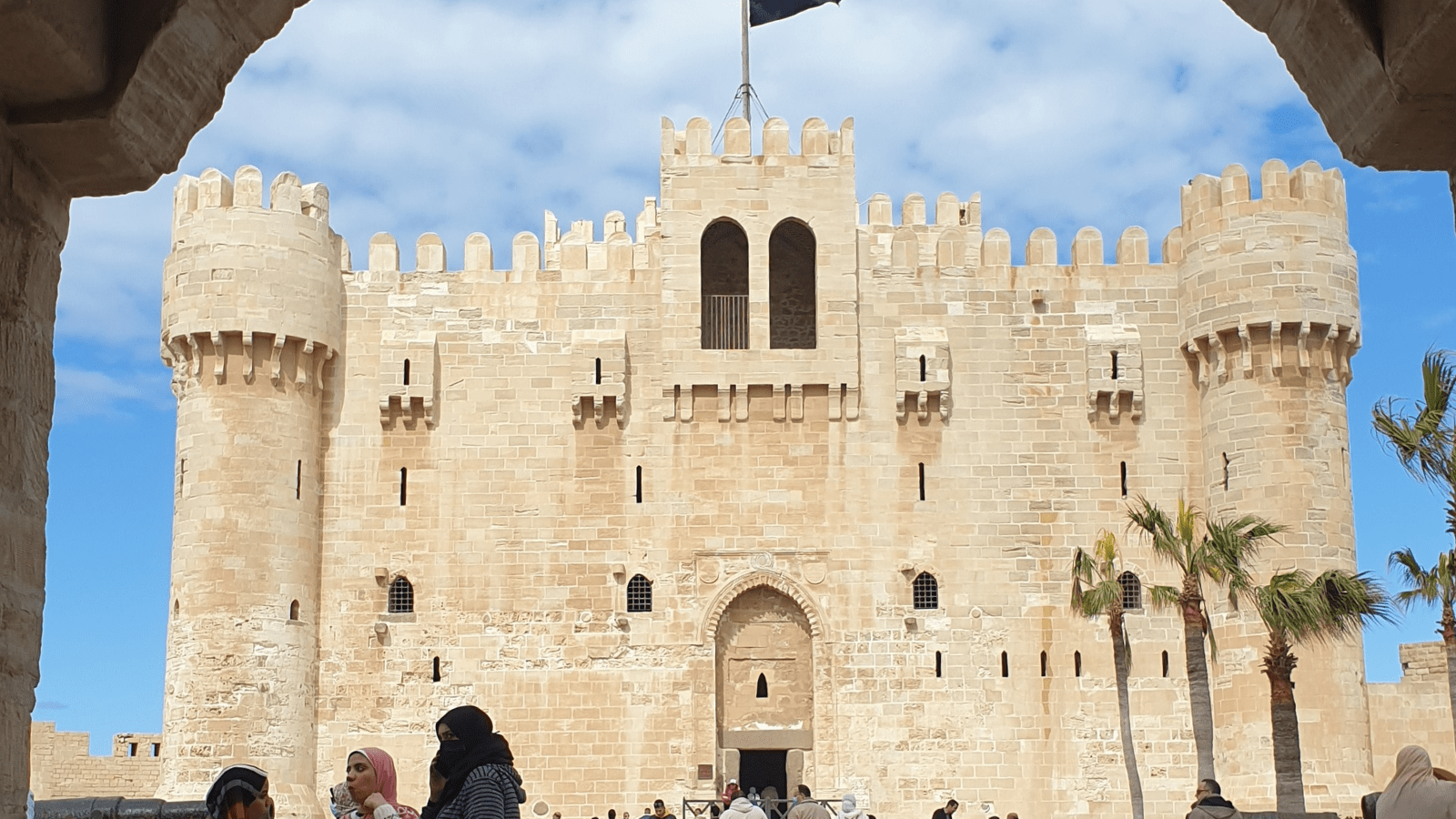
Add Alexandria for a different historical layer: Greco-Roman archaeology, the Mediterranean waterfront, Bibliotheca Alexandrina, Qaitbay Citadel and Catacombs of Kom El Shoqafa.
Explore Alexandria
Red Sea: Hurghada or Sharm El Sheikh
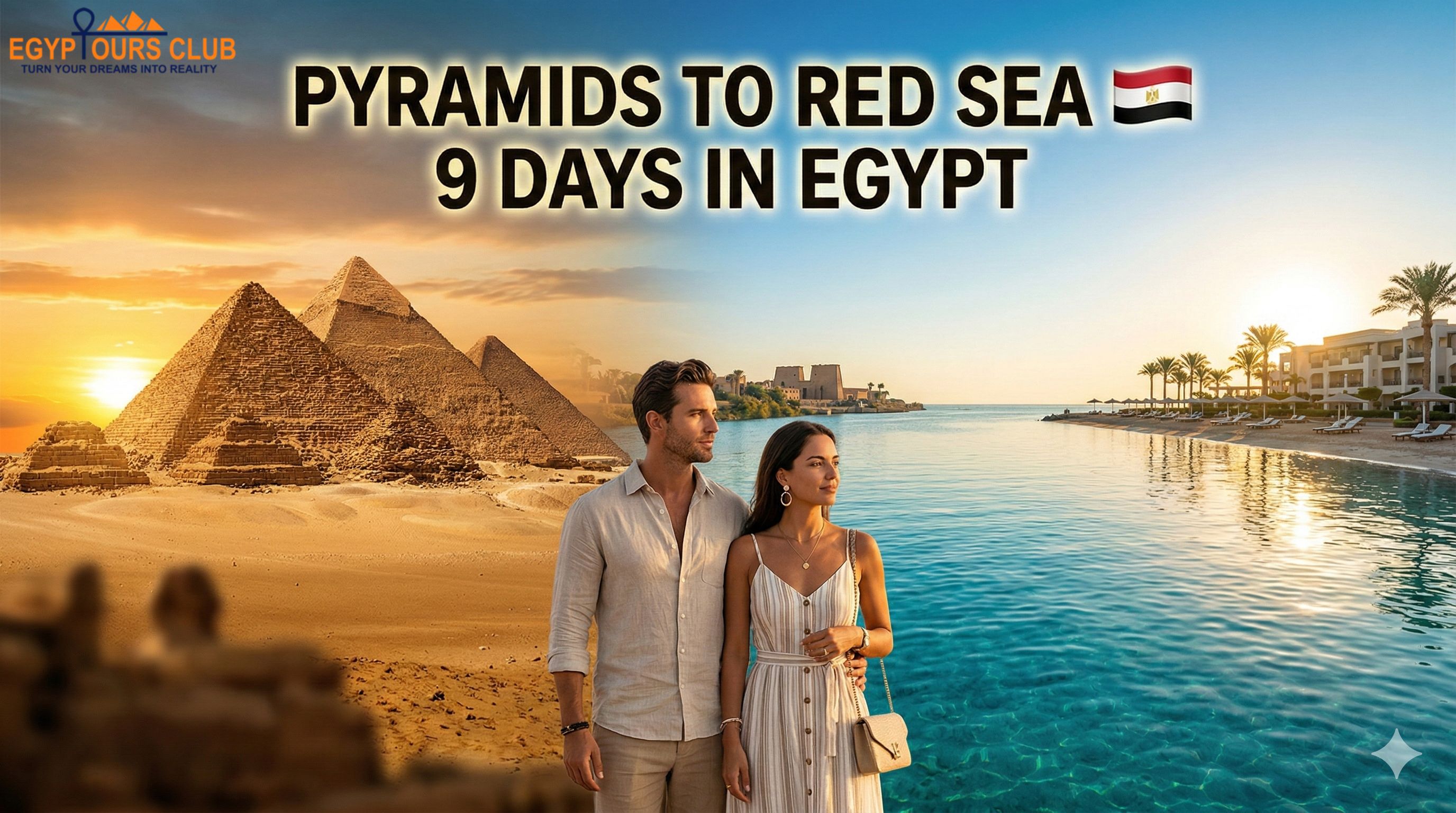
Use the Red Sea after the archaeological route when you want beach time, snorkeling, diving or recovery days. It works best as a deliberate extension rather than as a rushed stop between cultural cities.
Explore HurghadaSaqqara, Memphis & Dahshur
Add these sites when you want to understand how pyramid architecture developed before Giza. The Step Pyramid and Dahshur make the Giza monuments more meaningful rather than simply adding more pyramids to the list.
Start with the Giza Planning GuideSiwa & Western Desert
Desert and oasis travel adds landscapes, local culture and a completely different rhythm. It deserves dedicated nights and road planning rather than being treated as a side trip from the classic Nile route.
Build a Desert ExtensionAuthoritative Context
Use attraction guides for planning and official heritage sources for historical context
Opening hours, ticket categories, access rules and special tomb or pyramid entry can change. Confirm operational details close to the visit instead of hard-coding them into a static article.
Frequently Asked Questions
Must-see attractions in Egypt tours
What attractions are normally included in an Egypt tour?
Most classic first-time itineraries focus on Giza and Cairo, Luxor, Aswan and the Nile. Exact sightseeing varies by trip length, but the strongest core usually includes the Giza Pyramids, Great Sphinx, Grand Egyptian Museum, Karnak, Luxor's West Bank, Philae and a Nile route.
Is the Grand Egyptian Museum now more important than the Egyptian Museum in Tahrir for a first trip?
For most first-time travelers, GEM is now the stronger same-day pairing with the Giza Plateau and the main museum priority for the Tutankhamun galleries and major ancient Egyptian collections. The Egyptian Museum in Tahrir remains historically important and can still be valuable for museum enthusiasts and repeat visitors.
Should Abu Simbel be included in every Egypt tour?
No. Abu Simbel is an outstanding addition, but it requires extra travel from Aswan. It fits best when the itinerary has enough time for an early start without damaging the rest of the Aswan or cruise schedule.
Is a Nile cruise essential?
No, but it is one of the most efficient and enjoyable ways to connect Luxor and Aswan while adding temples such as Edfu and Kom Ombo. Overland or flight-based itineraries are also possible.
How many days do I need to see Egypt's main attractions?
Seven days can cover a focused classic route, but approximately 8–10 days gives most first-time travelers a better balance of Cairo/Giza, Luxor, the Nile and Aswan. Eleven to fifteen days allows extensions such as Alexandria, Abu Simbel or the Red Sea with less rushing.
Are entrance fees always included in Egypt tour packages?
Not automatically. Inclusion depends on the specific written itinerary. General site admission, supplementary tomb tickets, pyramid-interior entry, special access and optional activities should be checked individually before booking.
Should I include Alexandria or the Red Sea on a first trip?
Yes when the trip is long enough. Alexandria adds Mediterranean and Greco-Roman history; the Red Sea adds relaxation, snorkeling and diving. Neither should replace the core Cairo–Luxor–Aswan route on a short first visit unless those interests are your priority.
Build the Route Around Time, Not FOMO
Choose the attractions that fit your nights and travel style
Start with the core Cairo–Luxor–Aswan story, then add Abu Simbel, Alexandria, the Red Sea, Saqqara/Dahshur or the desert only when the schedule has room for them.