

Al-Rifa'i Mosque, Cairo | Royal Tombs & Visitor Guide | Egypt Tours Club
Al-Rifa'i Mosque, Cairo . banner

Al-Rifa'i Mosque, Cairo

Egypt Tours Club

Al-Rifa’i and Islamic Cairo planning by a licensed local team

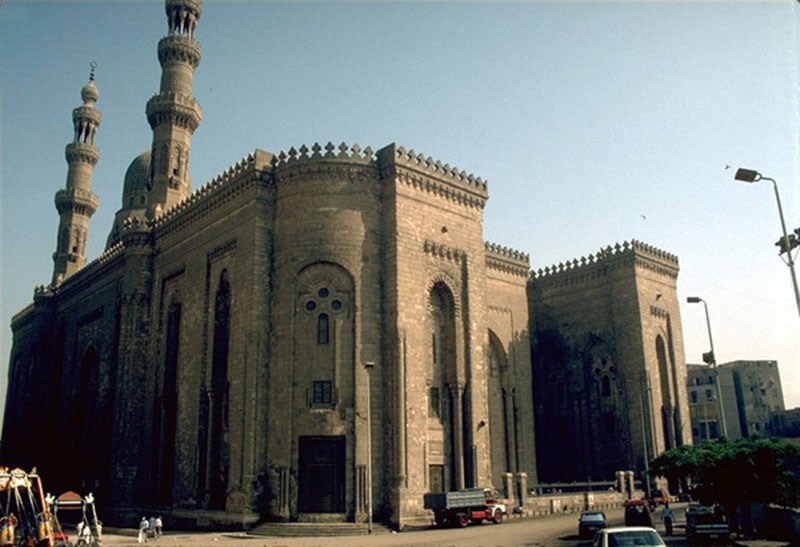
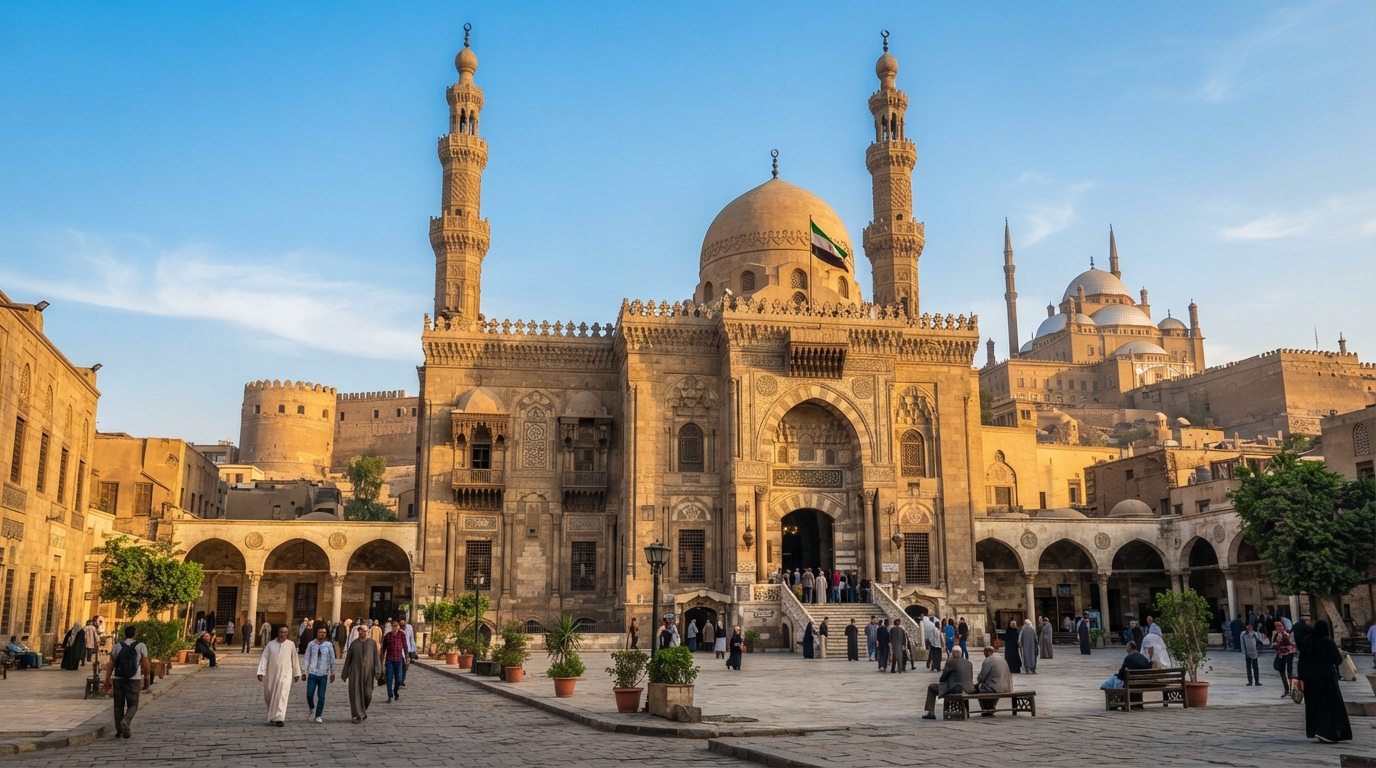
Grand exterior of Al-Rifai Mosque in Cairo

Royal mausoleum · Islamic Cairo

Al-Rifa’i Mosque, Cairo: Complete Guide to Egypt’s Royal Mausoleum

Discover a monumental Neo-Mamluk mosque facing Sultan Hassan, the royal tombs of Egypt’s former dynasty and the burial place of the last Shah of Iran.

Quick answer and historical context

Why Al-Rifa’i Mosque matters

Al-Rifa’i Mosque is a functioning mosque and royal mausoleum in Cairo. Built from 1869 to 1912, it links the Sufi sanctity of an older shrine with the political memory of Egypt’s Muhammad Ali dynasty.

What is Al-Rifa’i Mosque?

Commissioned by Hoshiyar Hanim, mother of Khedive Isma’il, the complex was begun by Hussein Fahmy Pasha and completed decades later under Max Herz. Its monumental design intentionally responds to the medieval Sultan Hassan complex opposite.

Today visitors encounter prayer spaces, Sufi shrines and richly decorated royal burial chambers in one building. Because it remains sacred, sightseeing should always respect worship and current access rules.

Open Egypt’s official monument record
Architecture, tombs and sacred history

Top things to see at Al-Rifa’i Mosque

The visit combines royal history, Sufi heritage, fine decorative arts and one of Cairo’s most impressive architectural pairings.

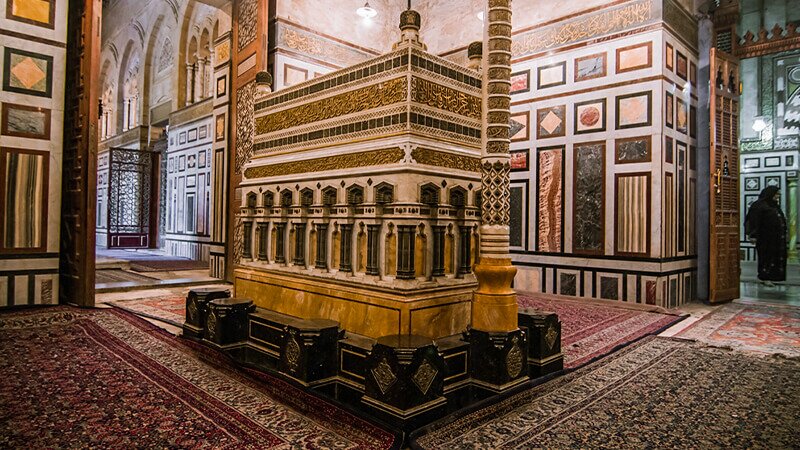
Royal tomb of King Fuad I inside Al-Rifai MosqueRoyal history

Muhammad Ali dynasty tombs

Kings and khedivesDynastic memory

The mausoleum contains burials of Egypt’s former ruling house, including Khedive Isma’il, Sultan Hussein Kamel, King Fuad I and King Farouk. The chambers turn a mosque visit into a powerful encounter with modern Egyptian history.

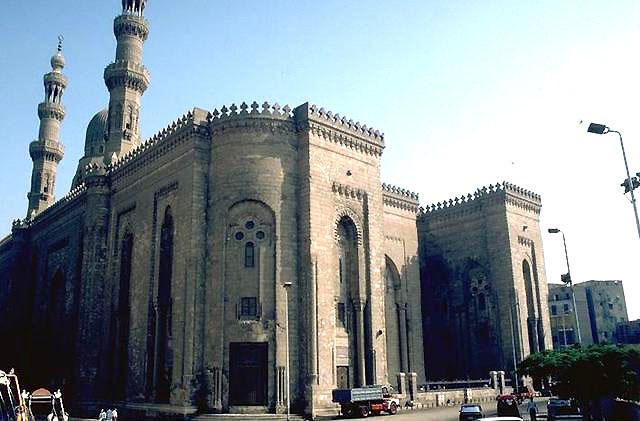
Monumental stone exterior of Al-Rifai MosqueArchitectural dialogue

Neo-Mamluk design

1869–1912Sultan Hassan pairing

Al-Rifa’i was deliberately designed to harmonize with the fourteenth-century Sultan Hassan complex opposite it. Its carved stone façades, dome and minarets revive Mamluk forms on a monumental nineteenth-century scale.

Historic shrine and tomb chamber at Al-Rifai MosqueSacred origins

Ali Abu Shubbak shrine

Sufi heritageLiving devotion

The mosque’s name is linked to Ali Abu Shubbak, associated with the Rifa’i Sufi tradition and the earlier shrine on the site. This sacred layer predates the royal mausoleum and remains central to the monument’s identity.

Transport and visit planning

How to reach Al-Rifa’i Mosque

The mosque is on Citadel Square beside Sultan Hassan. A taxi or private vehicle is generally the simplest option; public transport usually requires a final taxi or walk.

Simplest option

Taxi or ride-hailing

  • Set the destination as Al-Rifa’i Mosque or Sultan Hassan Mosque.
  • Allow extra time for central Cairo traffic.
  • Agree on a safe pickup point after the visit.
  • Keep the Arabic name مسجد الرفاعي available.
Plan transport in Cairo
Best guided option

Private pickup and guide

  • Arrange pickup from a Cairo or Giza hotel.
  • Visit Al-Rifa’i and Sultan Hassan together.
  • Add the Saladin Citadel if time allows.
  • Use a guide for royal and architectural context.
Ask for private transfer help
Historic Cairo circuit

Continue into Islamic Cairo

  • Start with Al-Rifa’i and Sultan Hassan.
  • Continue to the Citadel and Muhammad Ali Mosque.
  • Add Ibn Tulun, Al-Muizz Street or Khan el-Khalili selectively.
  • Avoid overloading a short half-day.
Explore historic Cairo

Visitor note: Opening times, admission arrangements, prayer closures and photography permissions can change. Confirm current details before travel and follow on-site instructions.

Stone portal and minaret of Al-Rifai Mosque

Trusted history and architecture sources

Authoritative information about Al-Rifa’i

Egypt Tours Club helps organize the route. Use these official and academic sources for the monument’s history, religious identity and architecture.

External pages open in a new tab. Reconfirm current visitor rules before travel.

Frequently asked questions

Questions about Al-Rifa’i before you visit

Direct answers cover the mosque’s history, royal burials, religious status, dress and realistic visit timing.

What is Al-Rifa’i Mosque famous for?

It is famous for its Neo-Mamluk architecture and its royal mausoleum, which contains tombs of Egypt’s Muhammad Ali dynasty and Mohammad Reza Pahlavi, the last Shah of Iran.

Where is Al-Rifa’i Mosque in Cairo?

It stands on Citadel Square in Islamic Cairo, directly opposite the Mosque-Madrasa of Sultan Hassan and close to the Saladin Citadel.

When was Al-Rifa’i Mosque built?

Construction began in 1869 and, after a long interruption, the mosque was completed in 1912.

Who is buried in Al-Rifa’i Mosque?

Notable burials include Khedive Isma’il, Sultan Hussein Kamel, King Fuad I, King Farouk and other members of Egypt’s former royal family.

Is the last Shah of Iran buried there?

Yes. Mohammad Reza Pahlavi, the last Shah of Iran, was buried in the mosque after his death in Cairo in 1980.

Is Al-Rifa’i an active mosque?

Yes. It is both a functioning mosque and a protected historic mausoleum, so visitors should behave respectfully and follow current staff instructions.

What should visitors wear?

Wear modest clothing that covers shoulders and knees. Visitors normally remove shoes before entering prayer areas; follow on-site instructions.

How long should I allow for a visit?

Allow around 45–60 minutes for Al-Rifa’i itself, or two to three hours when combining it with Sultan Hassan and the nearby Citadel area.

Private Islamic Cairo planning

Plan your Al-Rifa’i and Citadel itinerary

Share your date, hotel, group size, preferred guide language and priority landmarks. Egypt Tours Club can arrange a private route connecting Al-Rifa’i, Sultan Hassan, the Citadel and wider Islamic Cairo.