

Monastery of the Syrians | Deir El-Suryan Guide | Egypt Tours Club
Monastery of the Syrians . banner

Monastery of the Syrians

Egypt Tours Club

Wadi El Natrun monastery planning by a licensed local Egypt travel team

Wadi El Natrun · Desert Monasticism · Coptic-Syriac Heritage

Monastery of the Syrians (Deir El-Suryan): Complete Guide to the Treasure House of Desert Monasticism

Explore one of Wadi El Natrun’s most important Christian monasteries, known for its layered medieval frescoes, the Door of the Prophecies, Syriac manuscript heritage, fortified keep and centuries of shared Coptic-Syriac monastic life.

Quick Travel Answer

Why is the Monastery of the Syrians important?

Deir El-Suryan is one of the surviving monasteries of Wadi El Natrun, the ancient Desert of Scetis. Founded in the 6th century and later shared for centuries by Egyptian Coptic and Syrian monks, it became a major center of Christian scholarship, art and manuscript preservation.

Allow about 1.5 to 2.5 hours for the Church of the Virgin Mary, the layered frescoes, the Door of the Prophecies, the defensive keep and the traditions connected with Saint Ephrem and Saint Bishoy. It combines naturally with Egypt’s wider Coptic monastic heritage or a Cairo–Alexandria road journey.

Plan a Private Monastery Route
Art, Scholarship and Desert Monasticism

What to see at the Monastery of the Syrians

Read Deir El-Suryan as a connected monastic complex: its foundation, Coptic-Syriac community, painted church, carved woodwork, manuscript tradition, defensive architecture and living spiritual traditions.

Historic Coptic church architecture in Egypt, contextual Egypt Tours Club image for early monastic heritage6th-Century Origins

Foundation and Coptic-Syriac Monastic Life

ScetisCoptic-Syriac heritage

Founded by Coptic monks in the 6th century, the monastery later became a shared home for Syrian and Egyptian monks, creating one of the most distinctive cross-cultural Christian communities in medieval Egypt.

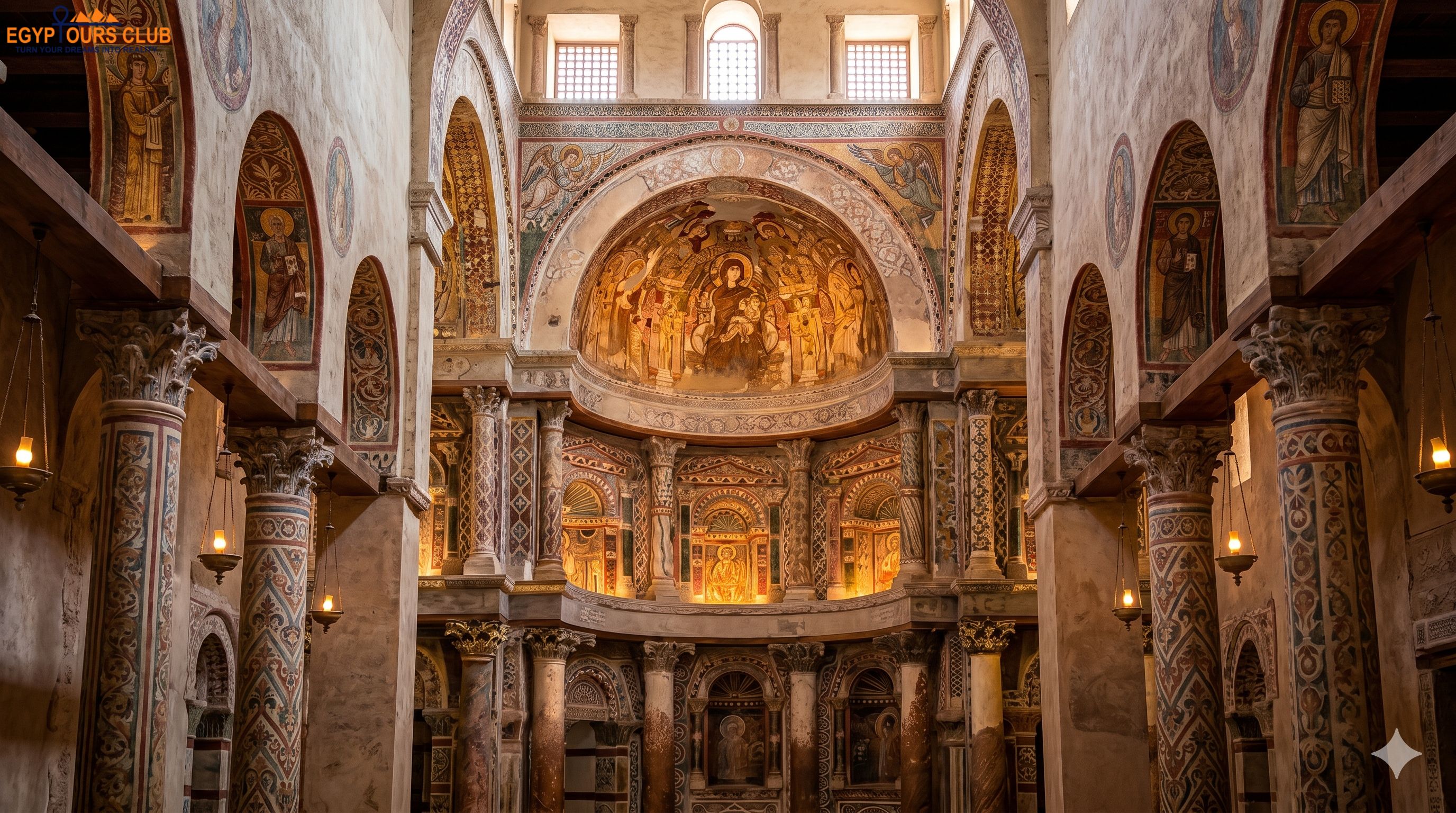
Painted Coptic sanctuary and apse, Egypt Tours Club image illustrating the fresco tradition of Egyptian monasteriesSacred Art

The Church of the Virgin and Layered Frescoes

7th–13th centuriesEncaustic painting

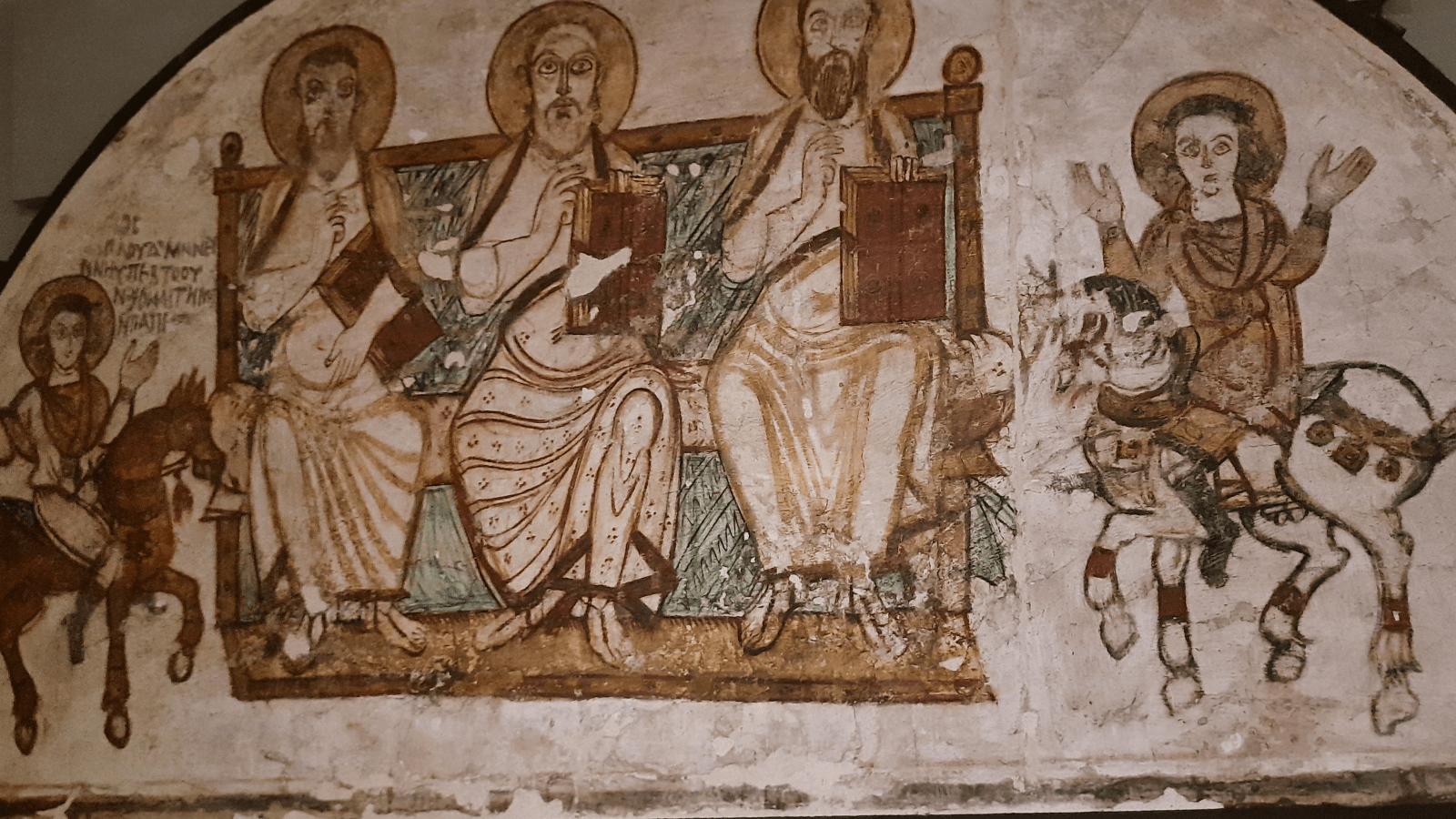
Restoration after a 1991 fire revealed multiple painted layers spanning centuries, including the Annunciation, Dormition of the Virgin and early encaustic murals beneath later plaster.

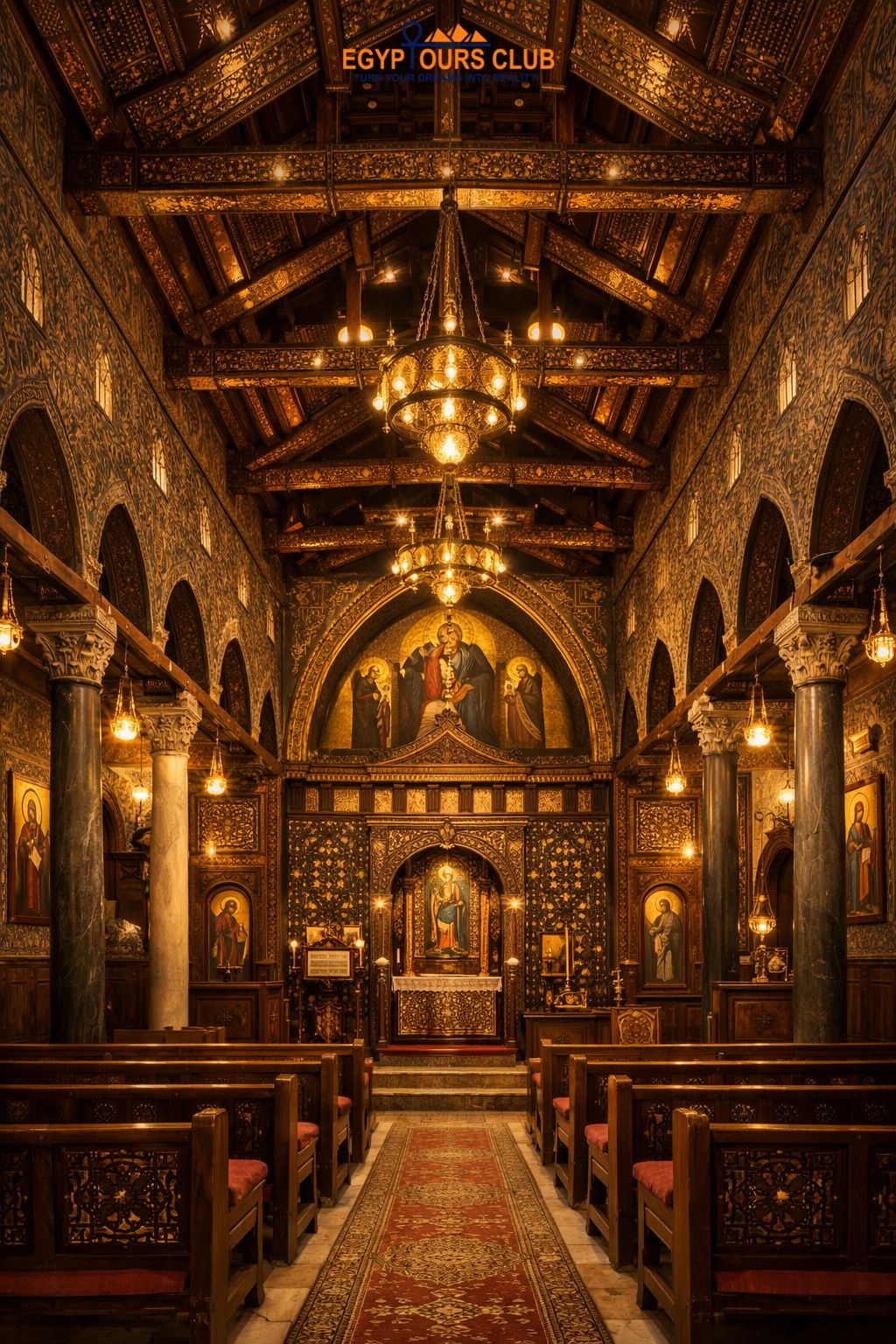
Coptic church sanctuary with carved wooden furnishings, Egypt Tours Club image illustrating historic iconostasis craftsmanship10th-Century Masterwork

The Door of the Prophecies

Installed 914 ADEbony and ivory

Commissioned during the era of Abbot Moses of Nisibis, the six-leaf ebony screen uses ivory-inlaid registers to present a symbolic sequence of Christian history.

Historic Christian wall painting connected with Coptic heritage, Egypt Tours Club image for manuscript and artistic contextManuscript Treasure House

Abbot Moses of Nisibis and the Syriac Manuscripts

907–940 ADSyriac scholarship

Under Abbot Moses of Nisibis, the monastery acquired hundreds of manuscripts in Syriac, Greek and Arabic. Many later entered major European collections and remain essential to Syriac Christian studies.

Coptic monastery architecture in Egypt, contextual Egypt Tours Club image illustrating fortified religious complexesDefensive Architecture

The Four-Story Defensive Keep

9th centuryMonastic refuge

Built after desert raids, the fortified keep functioned as a self-contained refuge with a raised entrance, well, food stores, ovens and a chapel dedicated to Archangel Michael.

Rock-cut Christian worship space in Egypt, contextual Egypt Tours Club image for monastic prayer traditionsLiving Monastic Tradition

Saint Ephrem’s Tree and the Cave of Saint Bishoy

Monastic traditionPrayer and asceticism

Monastic tradition connects the grounds with Saint Ephrem’s staff taking root as a tree and with a subterranean prayer cave associated with Saint Bishoy’s rigorous night vigils.

Choose by Available Time

Best ways to visit Deir El-Suryan from Cairo or en route to Alexandria

Wadi El Natrun works best as a focused monastery day or a carefully planned stop between Cairo and Alexandria.

1.5–2.5 hours

Focused Deir El-Suryan visit

  • Visit the Church of the Virgin Mary.
  • Study the fresco layers and Door of the Prophecies.
  • See the defensive keep and monastic grounds.
  • Allow time for quiet reflection and guide explanation.
Ask about a private visit
Full day from Cairo

Classic Wadi El Natrun monasteries

  • Depart Cairo via the Cairo–Alexandria Desert Road.
  • Begin at Deir Anba Bishoy.
  • Walk or drive to nearby Deir El-Suryan.
  • Add Deir al-Baramus if access and timing allow.
Request a Wadi El Natrun itinerary
Cairo–Alexandria transit

Monastery stop with Alexandria

  • Leave Cairo early for Wadi El Natrun.
  • Visit Deir El-Suryan and Deir Anba Bishoy.
  • Continue north to Alexandria.
  • Use private transport for a realistic schedule.
Explore the Alexandria route

Planning note: The supplied article lists standard visitor hours and seasonal religious closures, but active monastery access can change during Coptic fasts, Holy Week, services or internal monastic requirements. Confirm current access before departure.

Coptic Christian dome painting, Egypt Tours Club image illustrating Egypt's living monastic art tradition

Trusted Heritage & Research References

Continue with authoritative sources on Wadi El Natrun and Deir El-Suryan

Egypt Tours Club links help organize the travel route. These external sources add documented heritage, manuscript and art-historical context.

Historical facts are separated from monastic traditions where appropriate. Verify current access, photography rules and service schedules directly before travel.

Helpful Travel Answers

Monastery of the Syrians questions before you go

Direct answers based on the supplied article help visitors understand the monastery’s name, art, manuscripts and visit experience.

Why is it called the Monastery of the Syrians if it is in Egypt?

The monastery was acquired by Syrian Christian patrons in the late 8th century and became a shared home for Syrian and Egyptian Coptic monks for centuries, creating a distinctive dual Coptic-Syriac heritage.

What makes the frescoes at Deir El-Suryan important?

Restoration work revealed multiple painted layers dating from roughly the 7th to the 13th centuries, including encaustic paintings and compositions with Syriac and Greek inscriptions.

What is the Door of the Prophecies?

It is a six-leaf ebony screen associated with Abbot Moses of Nisibis and installed in 914 AD, decorated with ivory-inlaid registers presenting a symbolic history of the Christian Church.

How long should I spend at Deir El-Suryan?

Allow approximately 1.5 to 2.5 hours for the main church, frescoes, Door of the Prophecies, defensive keep and monastic grounds.

Can I combine Deir El-Suryan with Deir Anba Bishoy?

Yes. The supplied article places Deir Anba Bishoy less than 500 meters away, making the two monasteries a natural pair for the same Wadi El Natrun visit.

Is photography allowed inside the monastery?

The supplied article says outdoor photography is generally permitted while flash photography inside the Church of the Virgin should be avoided to protect ancient frescoes. Always follow current monastery instructions.

Is Deir El-Suryan open to visitors of all religions?

Yes. According to the supplied article, international travelers, researchers and visitors of different faiths are welcomed, provided they respect the monastery as an active religious community.

What should I combine with Wadi El Natrun?

A classic route combines Deir El-Suryan with Deir Anba Bishoy and Deir al-Baramus. Wadi El Natrun can also be planned as a stop between Cairo and Alexandria.

Private Monastery Planning

Build a meaningful Wadi El Natrun heritage route

Share your date, Cairo or Alexandria hotel area, available time and whether your priority is pilgrimage, monastic history, Coptic art, Syriac manuscripts or a wider Christian heritage itinerary.