

Coptic Museum Cairo | Tickets, Hours & Highlights | Egypt Tours Club
Coptic Museum Cairo . banner

Coptic Museum Cairo

Skip to the Coptic Museum guide

Coptic Cairo · Museum visitor guide

Coptic Museum Cairo: Tickets, Hours & Collection Highlights

Discover the world's largest collection of Coptic artifacts beside Babylon Fortress, with current visitor information, a focused gallery route and clear links to the most meaningful landmarks in Old Cairo.

Coptic art Early Christianity Manuscripts Old Cairo Babylon Fortress

Quick travel answer

Is the Coptic Museum in Cairo worth visiting?

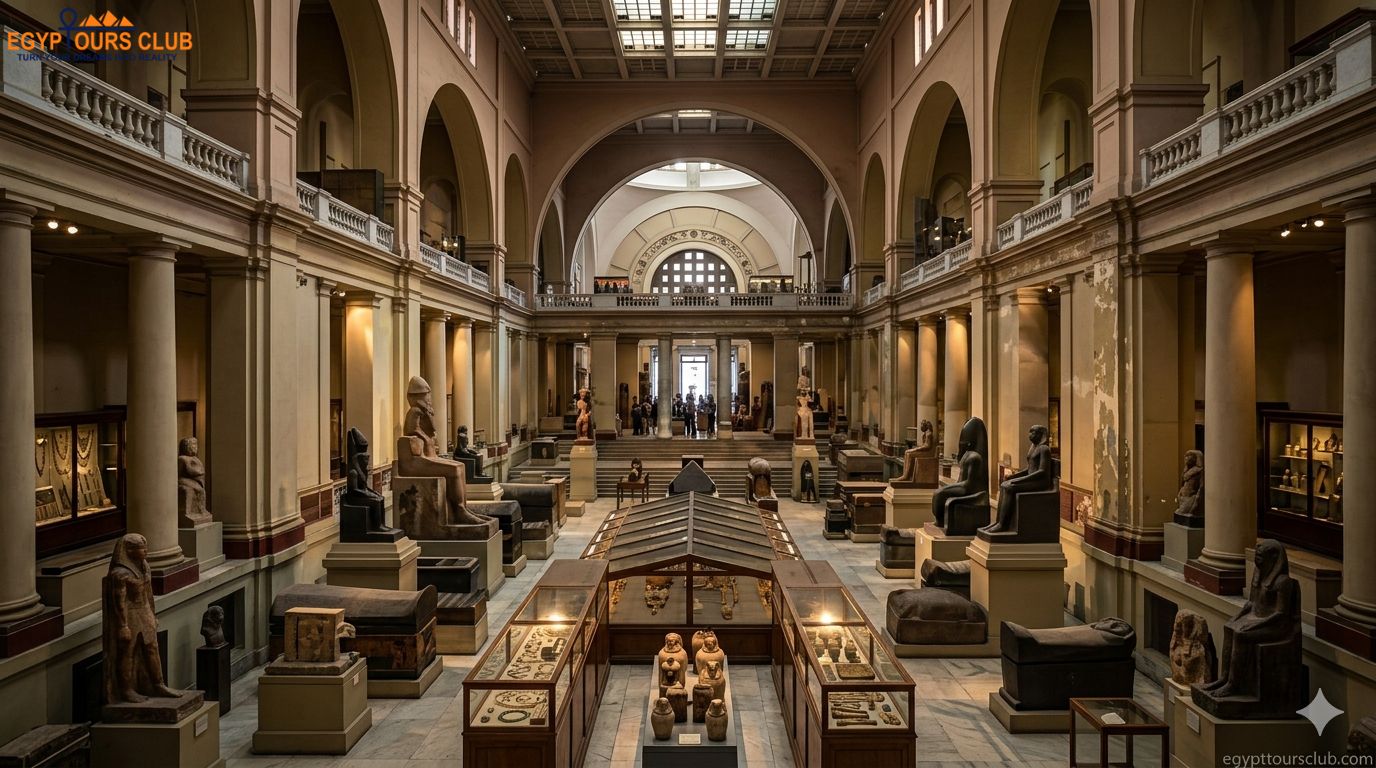
The Coptic Museum is worth visiting for its unmatched collection of Egyptian Christian art and its setting inside the historic landscape of Coptic Cairo. It connects manuscripts, icons, textiles, frescoes, carved stone and woodwork to the development of Christianity along the Nile Valley.

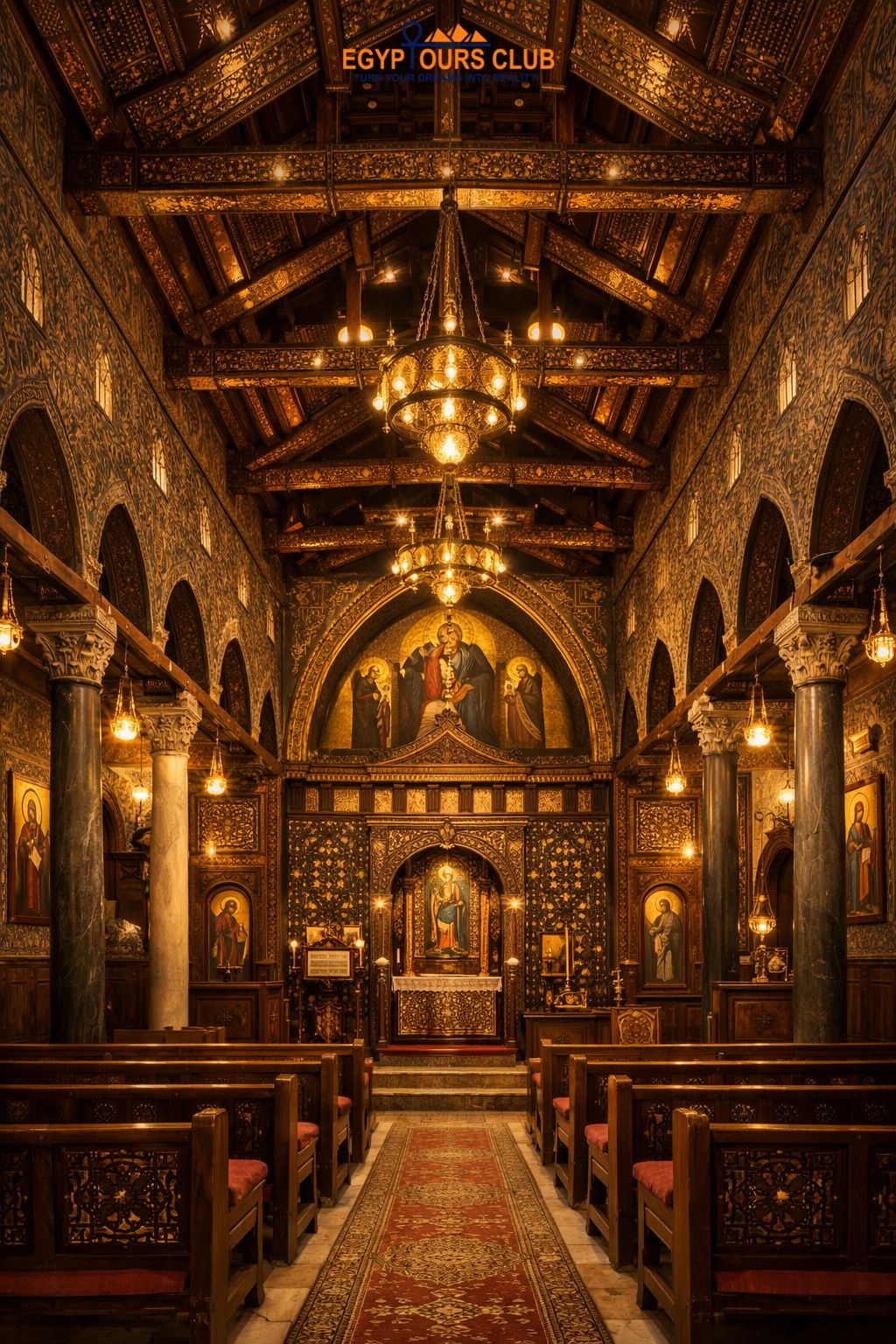
The museum also helps visitors understand how Coptic artists adapted Pharaonic, Graeco-Roman and Byzantine imagery and later worked within Egypt's Islamic cultural environment. The building itself—with carved wooden screens, decorated ceilings and garden courtyards—is part of the experience.

Allow 1.5 to 2.5 hours, then continue on foot to the Hanging Church, Babylon Fortress, Abu Serga Church and the wider Coptic Cairo route.

At a glance

Plan the Coptic Museum as an attraction—not just a room of artifacts

The strongest visit follows a small number of themes and then connects them to the churches, fortress remains and religious heritage of Old Cairo.

01

Best for

Early Christian history, religious art, manuscripts, textiles, Byzantine imagery and Egyptian craftsmanship.

02

Focused visit

Use 90 minutes for essential objects or 2.5 hours for both wings, architectural details and quiet courtyards.

03

Priority objects

Selected Nag Hammadi codices, the Mudil Psalter, Bawit frescoes, carved woodwork and woven textiles.

04

Best pairing

Combine the museum with Babylon Fortress, the Hanging Church, Abu Serga and Ben Ezra in one half-day walk.

05

Easiest arrival

Mar Girgis Metro Station is directly beside the museum area and avoids much of central Cairo's road traffic.

06

Guide value

A specialist guide makes symbols, Coptic scripts, liturgical objects and stylistic transitions much easier to read.

History & architecture

How the museum preserved Egypt's Christian artistic heritage

The Coptic Museum was inaugurated in 1910 through the efforts of Marcus Simaika Pasha, who gathered vulnerable artifacts and architectural elements from churches, monasteries and historic buildings across Egypt. His aim was not merely to create display cases, but to preserve a complete artistic tradition.

The collection shows Coptic culture from its early Christian beginnings through centuries of change. Pharaonic motifs, classical figures, Byzantine religious imagery and later Islamic-era woodwork and geometry appear side by side, revealing continuity as well as transformation.

Historic ceilings, doors, screens and carved panels were integrated into the museum's architectural character. This makes the galleries feel closely connected to the living heritage of Coptic Cairo, rather than separated from it.

Early Christian foundations

Christian communities develop in Egypt and adapt familiar local forms, symbols and materials to new religious meanings.

Monastic and Byzantine flourishing

Monasteries become major centers of worship, writing and art, producing frescoes, carved stone, textiles and manuscripts.

Artistic continuity in Islamic Egypt

Coptic craftsmen continue working within Egypt's changing society, sharing techniques in woodwork, geometry, textiles and manuscript production.

The museum is inaugurated

Marcus Simaika Pasha's preservation project opens to the public in Old Cairo.

Restored museum reopens

Following extensive restoration and modernization, the museum reopens with renewed galleries and visitor services.

Historic Coptic Cairo architecture near the Coptic Museum and Hanging Church
Coptic Cairo connects the museum with Babylon Fortress and the Hanging Church.

Must-see collection

Five Coptic Museum highlights to prioritize

Objects may rotate or be temporarily unavailable, so treat this as a theme-led route and ask museum staff where specific works are displayed on the day of your visit.

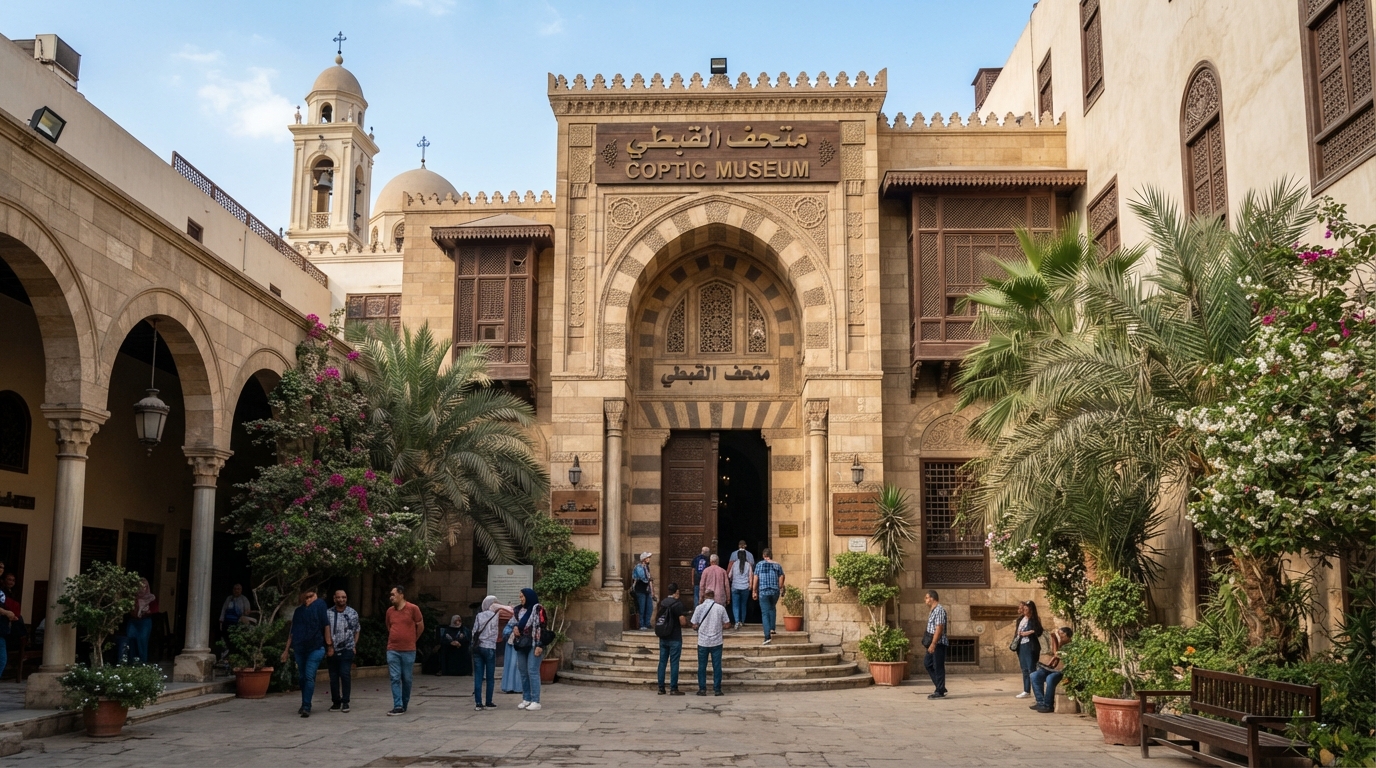
Coptic Museum exterior and entrance in Old Cairo
Manuscripts

Selected Nag Hammadi codices

Discovered in Upper Egypt in 1945, these fourth-century Coptic manuscripts transformed modern understanding of early Christian and Gnostic traditions.

Check the official museum overview
Coptic Museum area in Old Cairo beside historic churches
Books

The Mudil Psalter

Found near Beni Suef with its original wooden binding, the Mudil Psalter is among the earliest complete Coptic-language books of Psalms.

See where it fits in the visit route
Coptic Christian monastery architecture in Cairo
Wall painting

Frescoes from Bawit

Monastic paintings from the site of Bawit preserve powerful images of Christ, apostles, angels and saints from late antiquity.

Explore Coptic Cairo heritage
Historic carved architectural details in Coptic Cairo
Craftsmanship

Carved woodwork and screens

Doors, lintels, altar screens and ceiling panels show how Coptic craftsmen used figurative carving, vegetal patterns and geometry across many centuries.

Compare with the Hanging Church
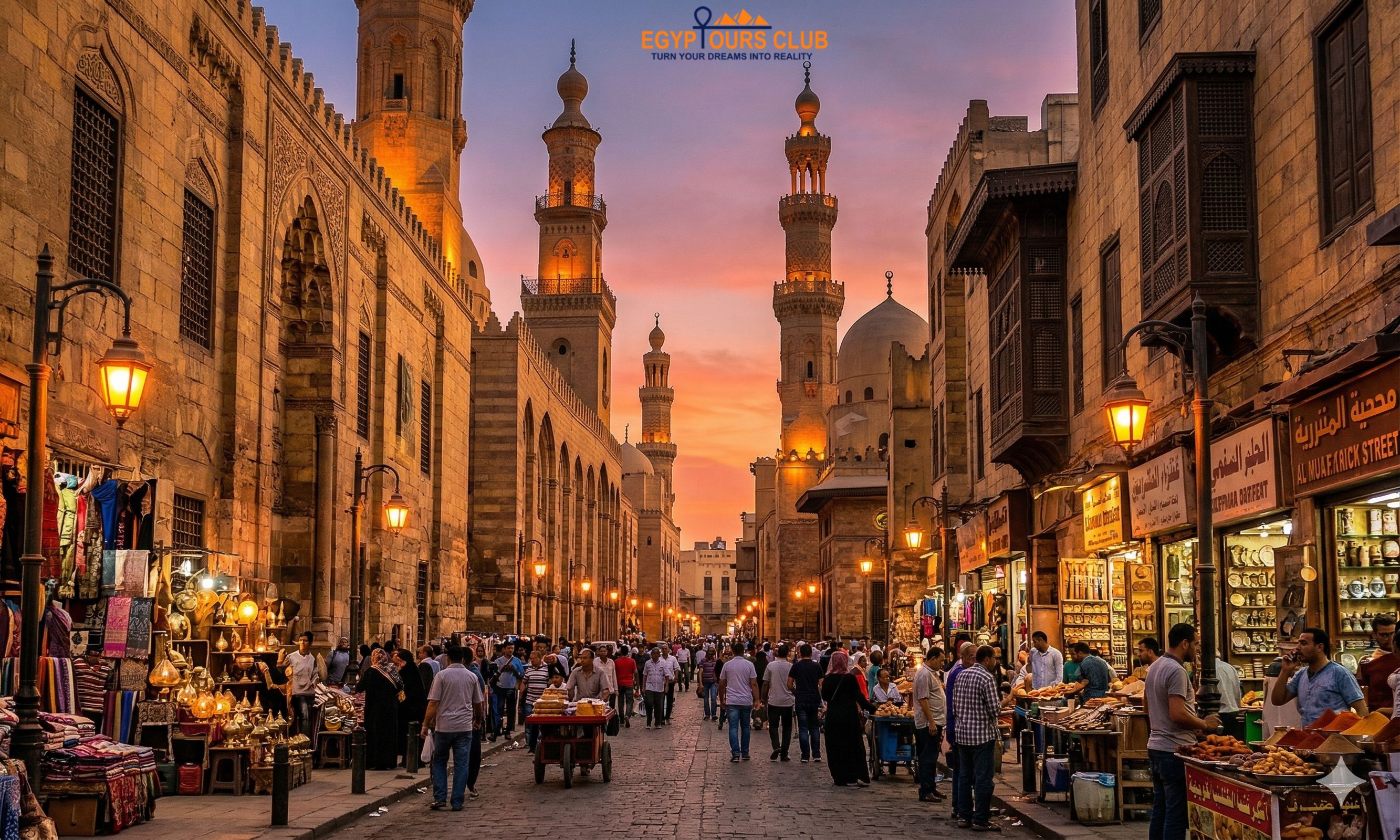
Coptic and Islamic Cairo heritage route showing the city's layered history
Textiles

Coptic woven textiles

Tunics, curtains and decorative fragments combine linen and wool with saints, animals, plants, geometric bands and Mediterranean motifs.

Continue through Islamic and Coptic Cairo

Current visitor information

Coptic Museum tickets, opening hours and practical rules

These details were checked against the official Ministry listing on 3 August 2026. Prices, Ramadan schedules and gallery policies can change, so confirm again shortly before travel.

Visitor detailCurrent information and practical advice
Address3 Mar Gerges Street, Misr Al Qadimah, Coptic Cairo, Cairo—beside Mar Girgis Metro Station and Babylon Fortress.
Opening hoursDaily, 9:00 AM–5:00 PM. The official ticket window closes at 4:00 PM.
Ramadan hoursThe official listing states 9:00 AM–3:00 PM, with the last ticket at 2:00 PM. Reconfirm for the specific year and date.
Foreign admissionAdult: EGP 280. Eligible student: EGP 140 with valid student identification.
Egyptian admissionAdult: EGP 20. Student: EGP 10. Official free-entry conditions apply to specific eligible categories.
Recommended time1.5–2.5 hours for the museum; 3–4 hours when adding the main Coptic Cairo landmarks.
PhotographyMobile-phone photography is free. No flash. Tripods and monopods are restricted; video and commercial use require the relevant permission or ticket.
Large itemsLarge bags, luggage and parcels over 40 × 40 cm are not permitted in the galleries and may need to be left in the cloakroom.
AccessibilityThe official services list includes a ramped entrance, elevator, escalator and toilets. Contact the site or your tour organizer for route-specific mobility needs.
Other servicesGift shop, library and Wi-Fi are listed among the museum services.
Planning note: arrive before 2:30 PM for a comfortable visit. A 4:00 PM last-ticket time does not leave enough time for both museum wings before closing.

Step-by-step visit

A focused route through the Coptic Museum and Old Cairo

This sequence reduces backtracking and keeps the museum visit connected to the district around it.

Arrive at Mar Girgis and read the setting

Begin beside the Roman remains of Babylon Fortress. Notice how the museum, churches and narrow heritage lanes share one compact historic zone.

15 min

Start with stonework and architectural wood

On the lower level, compare funerary stelae, carved capitals, lintels, doors and altar screens. Look for the gradual transformation of classical and Egyptian visual forms.

40–50 min

Continue to manuscripts, icons and textiles

On the upper level, prioritize selected Nag Hammadi manuscripts, the Mudil Psalter, illuminated pages, icons and textiles. Ask staff about temporary object movements.

45–60 min

Pause for the museum's architecture

Give attention to wooden ceilings, mashrabiya-style screens and courtyards. They are part of the museum's preservation story, not merely decoration.

15–20 min

Continue into Coptic Cairo

Walk to the Hanging Church, Abu Serga, Ben Ezra and the fortress remains. Keep a respectful pace because several nearby churches remain active places of worship.

60–120 min

Continue your Cairo route

What to visit near the Coptic Museum

Choose one logical combination based on time. The museum and nearby churches work naturally as a half day; NMEC, the Citadel or Islamic Cairo can extend the route.

Closest route

Coptic Cairo

Walk through Babylon Fortress, historic churches and sacred lanes with the museum providing the collection context.

Signature church

The Hanging Church

Compare the museum's carved screens, icons and woodwork with one of Coptic Cairo's most important active churches.

Museum pairing

NMEC

Continue to nearby Fustat for a wider history of Egyptian civilization and the Royal Mummies Hall.

Religious heritage

Islamic & Coptic Cairo

Compare churches, mosques, historic streets and the layered religious identity of the city.

Citadel extension

Mosque of Muhammad Ali

Pair Old Cairo with the Citadel, Ottoman architecture and panoramic city views.

Evening finish

Khan El Khalili

End a heritage day with bazaar lanes, cafés and Islamic Cairo atmosphere when the pace remains comfortable.

Trusted visitor references

Confirm current Coptic Museum information before travel

Egypt Tours Club pages help you plan the route. Official Egyptian sources should be used for last-minute opening-hour, ticket and museum-policy changes.

Frequently asked questions

Coptic Museum Cairo FAQ

Direct answers for planning a museum visit in Old Cairo.

Where is the Coptic Museum located?

The museum is at 3 Mar Gerges Street in Coptic Cairo, Old Cairo. It stands beside Babylon Fortress and directly next to Mar Girgis Metro Station.

What are the Coptic Museum opening hours?

The official listing shows daily opening from 9:00 AM to 5:00 PM, with the last ticket at 4:00 PM. Ramadan hours are listed as 9:00 AM–3:00 PM with the last ticket at 2:00 PM; always reconfirm seasonal schedules.

How much are Coptic Museum tickets?

As checked on 3 August 2026, foreign admission is EGP 280 for adults and EGP 140 for eligible students with valid identification. Egyptian admission is EGP 20 for adults and EGP 10 for students.

How long should I spend at the Coptic Museum?

Plan 1.5 to 2.5 hours for a focused visit to both wings. Allow 3 to 4 hours if you are also visiting the Hanging Church, Babylon Fortress, Abu Serga and Ben Ezra.

What are the most important objects to see?

Prioritize selected Nag Hammadi codices, the Mudil Psalter, frescoes from Bawit, carved wooden screens and doors, icons, stone reliefs and Coptic textiles. Confirm the location of specific objects because displays can rotate.

Can I take photos inside the Coptic Museum?

Mobile-phone photography is listed as free. Flash is not allowed, and tripods or monopods are restricted. Video, professional and commercial photography require the relevant permission or ticket.

Is the Coptic Museum accessible?

The official museum page lists a ramped entrance, elevator, escalator and toilets. Travelers with specific mobility requirements should confirm the available route before arrival.

Is the Coptic Museum suitable for families?

Yes. Families interested in history, art and religion can enjoy a focused visit. Children must remain with an adult, and the official rules prohibit running, touching displays and disruptive behavior.

What is the difference between the Coptic Museum and the Hanging Church?

The Coptic Museum is a national museum displaying movable artifacts from across Egypt. The Hanging Church is an active Coptic Orthodox church with its own architecture, icons and worship traditions. Visiting both gives the clearest context.

Can I combine the Coptic Museum with NMEC?

Yes. Visit the Coptic Museum and Old Cairo churches in the morning, then continue to NMEC in Fustat for a broader civilizational collection and the Royal Mummies Hall.

Egypt Tours Club · Cairo heritage planning

Plan the Coptic Museum without rushing Old Cairo

Share your hotel area, travel date, number of visitors, guide language and available time. Our local team can match the museum with the right Coptic Cairo, NMEC, Citadel or Islamic Cairo route.