

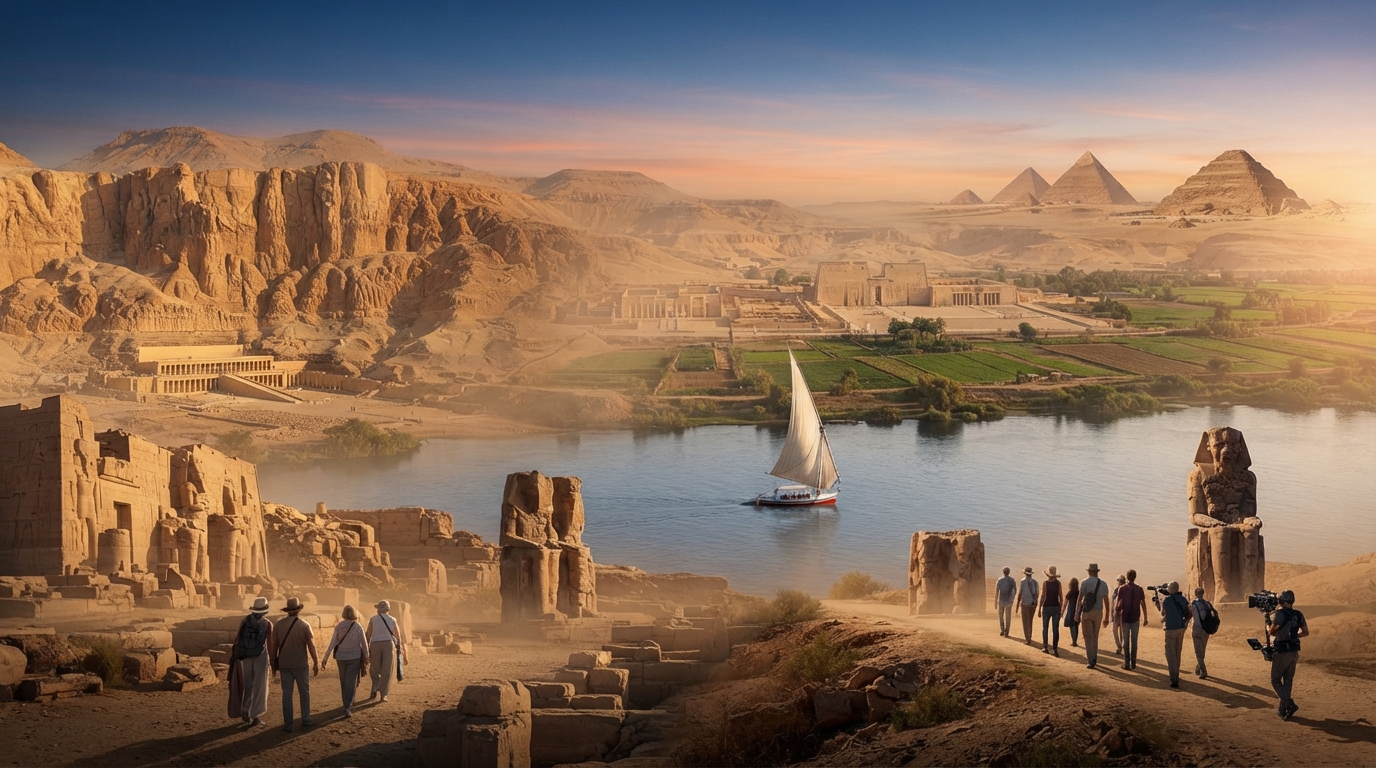
For more than a century, Egypt has held an unmatched grip on the global imagination. From the golden age of cinema to modern Hollywood blockbusters, the towering Pyramids of Giza, ancient royal tombs and winding waters of the Nile have served as the ultimate backdrop for adventure, romance, mystery and epic mythmaking.
Generations of moviegoers have watched screen heroes cross sweeping desert dunes, decode hieroglyphics in torchlit catacombs and unravel grand historical mysteries. Behind every cinematic frame, however, lies a real world of monumental stone, living culture and thousands of years of human history.
Quick answer: A Cinematic Egypt Tour combines the real Egyptian places associated with films such as The Spy Who Loved Me, Death on the Nile, Transformers: Revenge of the Fallen and Jumper with expert-led visits to Cairo, Luxor, Aswan and Abu Simbel.
This complete Journey from Hollywood Magic to Ancient History follows a seamless north-to-south route from Cairo through Luxor and onward to Aswan. It is designed for film enthusiasts, history lovers, photographers and modern explorers who want to bridge the gap between silver-screen fantasy and archaeological reality.
The Cinematic Power of Egypt: Where Pop Culture Meets Antiquity
Cinema does more than capture a location. It transforms monuments and landscapes into emotional places that remain in shared cultural memory. Moviegoers have watched James Bond move among the colossal columns of Karnak Temple, followed Agatha Christie’s mystery along the Nile and seen science-fiction action unfold beneath the Pyramids.
Modern blockbusters and adventure stories—including Transformers: Revenge of the Fallen, Jumper, The Mummy, Indiana Jones and Moon Knight—have introduced new audiences to the visual language of pharaonic Egypt.
Hollywood Filming vs. Archaeological Reality
Films frequently compress geography, combine multiple places or use soundstages and alternative desert locations. The authentic Egyptian monuments, however, possess a scale, atmosphere and physical presence that cannot be reproduced by a green screen. This itinerary prioritizes genuine sites and clearly separates documented filming locations from monuments that inspired cinematic storytelling.
Arrival in Cairo and Blockbuster Action at Giza
Cairo · Giza Plateau · Great Pyramids · Great Sphinx
Your journey begins in Cairo, the gateway to Egypt’s ancient treasures. After arrival, continue to a hotel in Cairo or Giza and prepare for your first encounter with the monuments that have defined Egypt on screen.
Morning: Stand Before the Great Pyramids
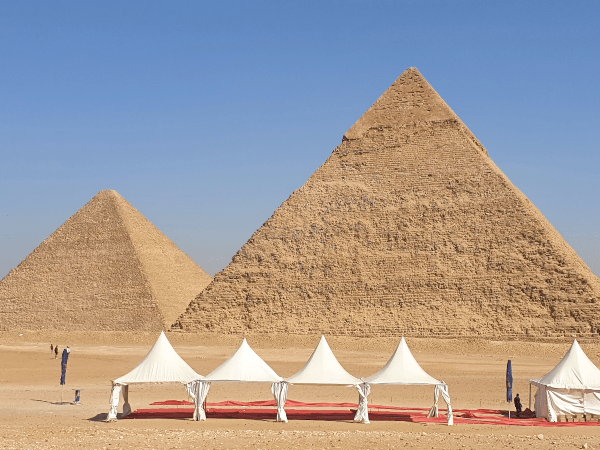
Explore the Great Pyramids of Khufu, Khafre and Menkaure. Their immense scale formed the visual centrepiece of scenes associated with Transformers: Revenge of the Fallen. Walk beside the ancient masonry, visit the panoramic viewpoint and compare the real plateau with the compressed geography of blockbuster cinema.
Afternoon: The Great Sphinx and James Bond Lore
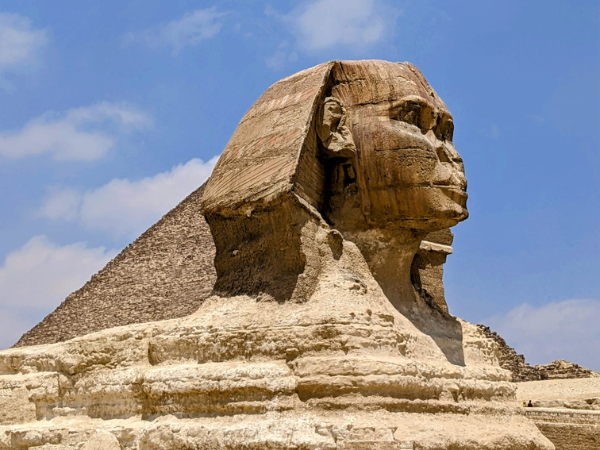
Descend toward the Great Sphinx of Giza and its neighbouring Valley Temple. The setting became part of James Bond screen history in The Spy Who Loved Me, where the illuminated plateau created a dramatic night-time backdrop.
Evening: Sunset Camel Trek or Quad-Bike Ride
Finish the day along the desert ridge near the plateau, where pyramid silhouettes and warm evening light create the visual atmosphere associated with Jumper. Choose a carefully managed camel ride or quad-bike experience and end with dinner overlooking Giza.
Archaeology Unleashed: GEM and Cinematic Cairo
Grand Egyptian Museum · Historic Cairo · Khan El Khalili
Morning: Explore the Grand Egyptian Museum
Spend the morning at the Grand Egyptian Museum. Its monumental galleries and royal collections provide the archaeological reality behind the treasure-hunting imagination of The Mummy and Indiana Jones.
Allow time for the museum’s major statues, monumental staircase, royal objects and Tutankhamun galleries. A licensed Egyptologist helps connect the objects to the temples and tombs you will encounter later in the journey.
Afternoon: Historic Cairo and the Atmosphere of Moon Knight
Continue into Islamic and Historic Cairo. Walk through the lanes surrounding Khan El Khalili Bazaar, where brass lanterns, stone arches, workshops and spice-filled streets evoke the visual atmosphere used by modern productions set in Cairo.
Evening: Cairo Skyline Dinner
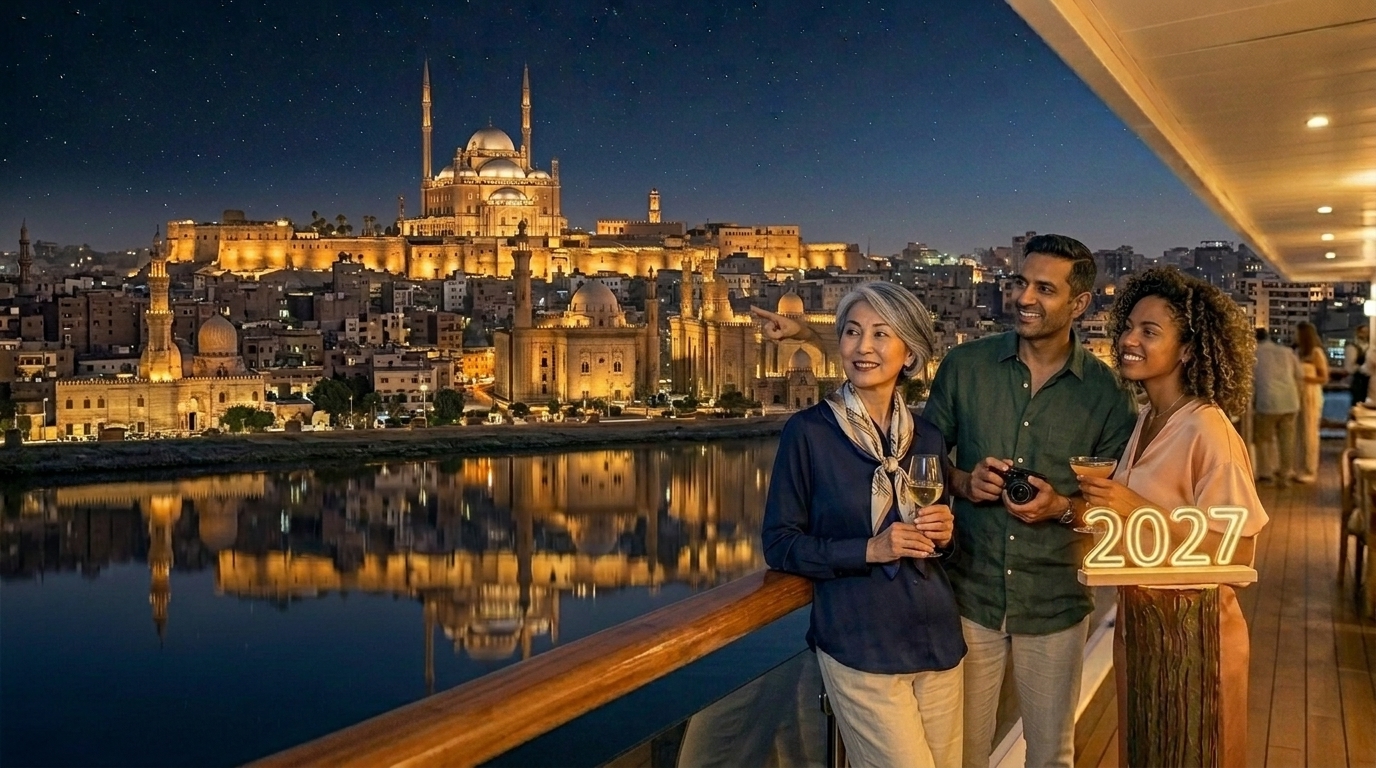
Conclude with dinner near Al-Azhar Park or another panoramic Cairo viewpoint, where the Citadel, minarets and urban skyline reveal the living city beyond its cinematic image.
Luxor: The Mystery of Karnak and the Nile’s East Bank
Flight from Cairo to Luxor · Karnak Temple · Luxor Temple
Fly south to Luxor, ancient Thebes and one of the world’s richest archaeological landscapes. Check into a heritage hotel, Nile-view property or cruise vessel before beginning the East Bank route.
Afternoon: Karnak Temple and the Great Hypostyle Hall
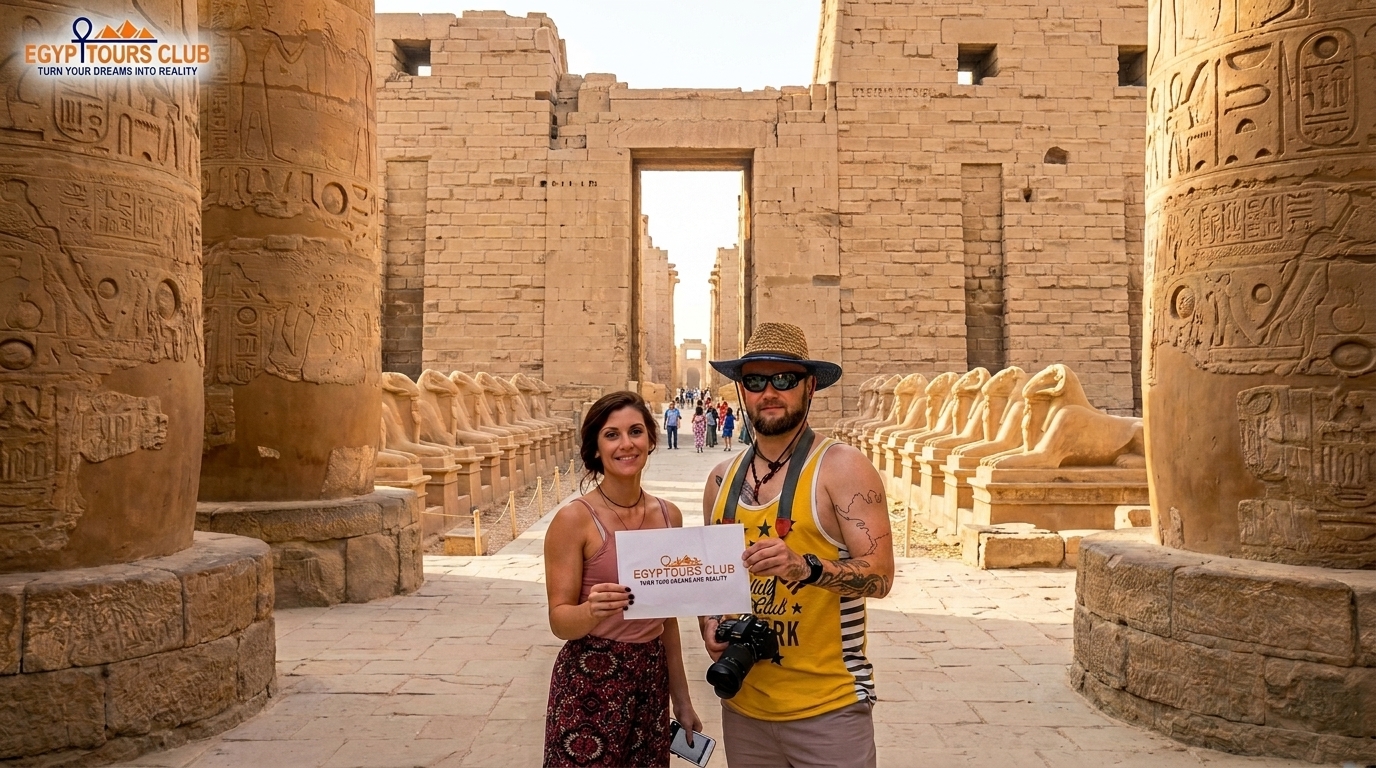
Enter the immense Karnak Temple Complex. The Great Hypostyle Hall, with its forest of towering sandstone columns, is directly associated with classic scenes in The Spy Who Loved Me and Death on the Nile.
- The Spy Who Loved Me: Compare the temple’s real column aisles with the film’s cat-and-mouse sequence.
- Death on the Nile: Stand beneath the monumental architecture used to heighten the story’s danger and suspense.
Evening: Luxor Temple by Night
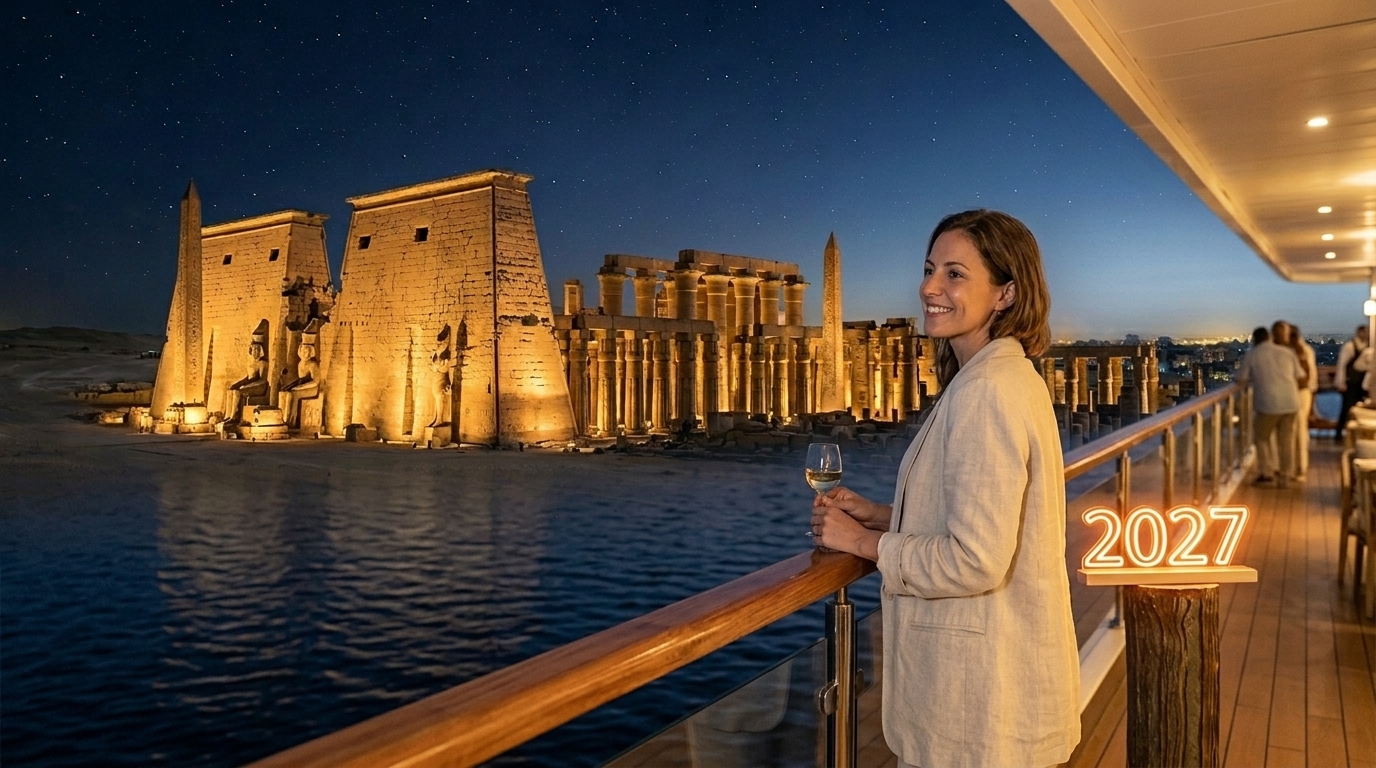
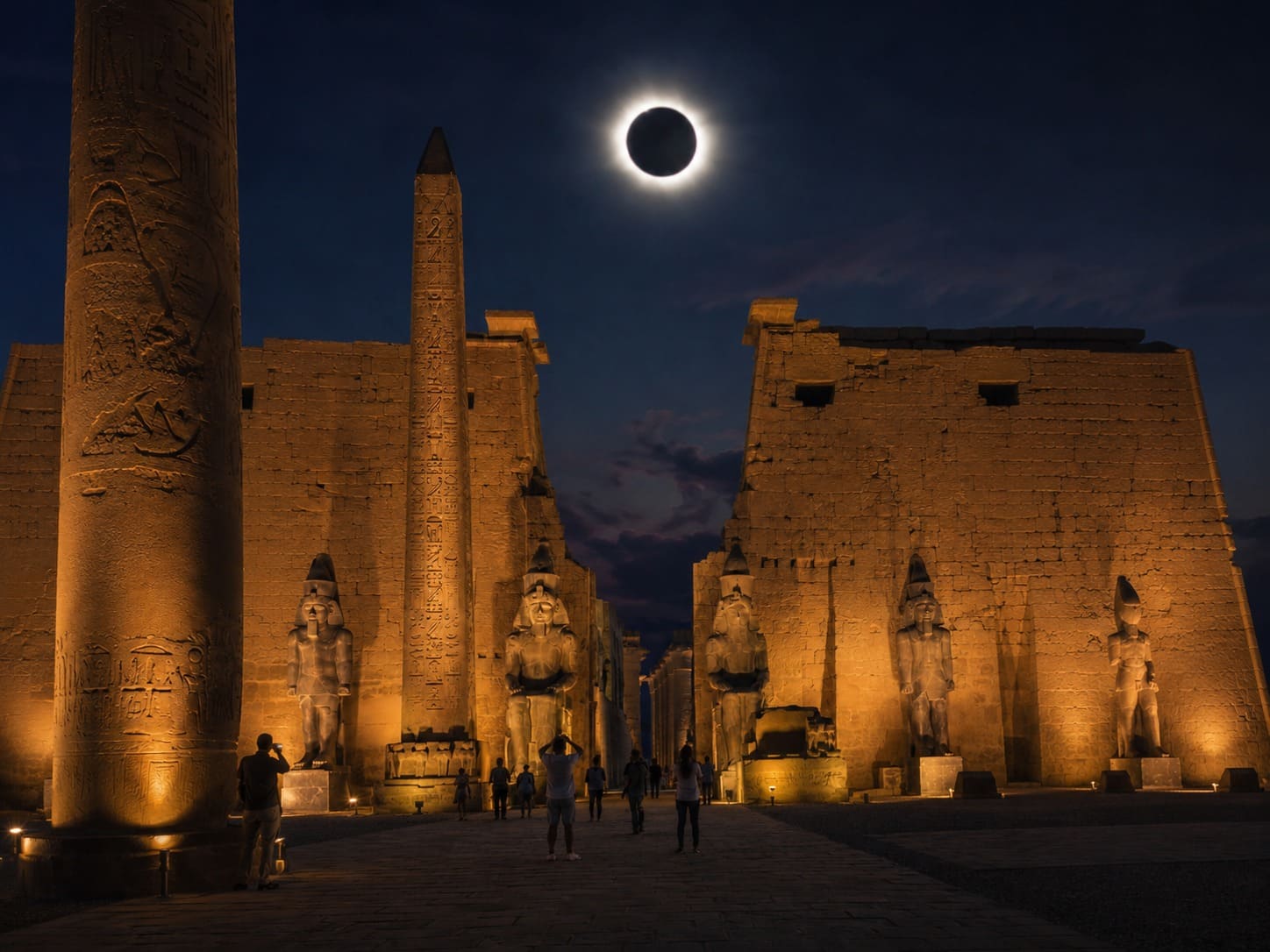
Visit Luxor Temple in the late afternoon or evening. Illuminated courts, statues and colonnades create one of the city’s most atmospheric night experiences. Walk near the Avenue of Sphinxes, the ceremonial route connecting Luxor Temple with Karnak.
Valley of the Kings: Tombs, Mythos and Royal Queens
Luxor West Bank · Royal Tombs · Hatshepsut Temple · Colossi of Memnon
Dawn: Optional Hot-Air Balloon Ride
Rise early for an optional flight above the Luxor West Bank. From the air, the green Nile fields, desert cliffs and mortuary temples form a naturally cinematic landscape.
Morning: Valley of the Kings and Tutankhamun
Descend into selected chambers within the Valley of the Kings. Painted corridors, astronomical ceilings and stone sarcophagi reveal the genuine burial traditions that inspired countless underground-tomb sequences in adventure cinema.
Open tombs change, and special entries such as Tutankhamun or Ramesses V/VI may require extra tickets. Confirm current access before the visit.
Afternoon: Hatshepsut Temple and the Colossi of Memnon
Continue to the cliff-set Mortuary Temple of Hatshepsut, one of Egypt’s most distinctive architectural compositions. Stop afterward at the Colossi of Memnon, the monumental seated statues associated with the lost mortuary complex of Amenhotep III.
Evening: Board a Nile Cruise
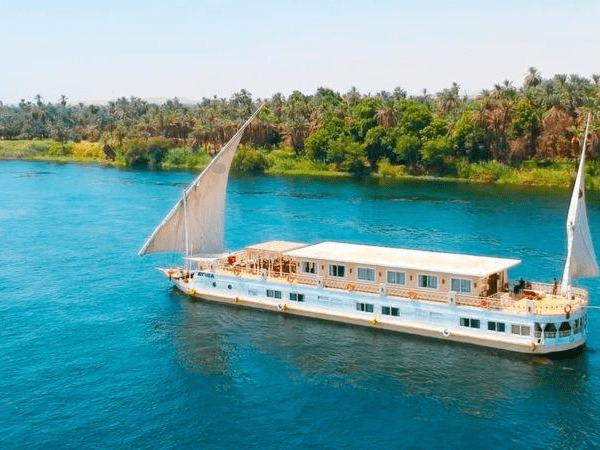
Embark on a Nile vessel and begin sailing south. The transition from desert monuments to palm-lined river scenery introduces the slower rhythm immortalised in Death on the Nile.
Sailing the Nile: Edfu and Kom Ombo Temples
Upper Egypt · Temple of Horus · Nile Villages · Kom Ombo
Morning: Temple of Horus at Edfu
Visit Edfu’s Temple of Horus, one of Egypt’s most intact temple complexes. Its monumental pylon, enclosed courts, carved reliefs and dark sanctuary spaces create the authentic atmosphere frequently imitated by vintage archaeological films.
Afternoon: Cruising the Riverways
Relax on deck as the ship passes villages, cultivated fields and desert edges. The changing landscape explains why Nile travel became inseparable from both the golden age of tourism and the visual identity of classic Egyptian cinema.
Evening: Kom Ombo Double Temple
Arrive at Kom Ombo, a riverside temple dedicated to Sobek and Haroeris. Explore its paired design, reliefs and crocodile-related displays before sailing onward toward Aswan.
Aswan and Abu Simbel: Colossal Statues of Ramesses II
Abu Simbel · Lake Nasser · Philae Temple · Aswan Nile
Morning: Excursion to Abu Simbel
Travel south to Abu Simbel and stand before the rock-cut temples of Ramesses II and Queen Nefertari. The four colossal seated statues guarding the Great Temple have become global screen icons.
- Death on the Nile: The temples provide one of the story’s most recognisable Egyptian settings.
- Jumper: The giant carved heads amplify the film’s teleportation spectacle.
For route planning, use the broader Aswan and Abu Simbel travel guide.
Afternoon: Island Temple of Philae
Return to Aswan and travel by boat to the Temple of Philae on Agilkia Island. Dedicated mainly to Isis, the complex was relocated through an international rescue project after the construction of the Aswan dams.
Evening: Sunset Felucca Cruise
Board a traditional sailboat and explore the calm Nile River in Aswan. Sail near Elephantine Island, granite outcrops and botanical gardens as the sun drops behind the western hills.
Old Cataract Elegance and Departure
Nubian Culture · Aswan Markets · Historic Nile Hotel · Cairo Connection
Morning: Nubian Village or Relaxed Aswan Exploration
Spend the morning exploring Aswan’s markets or visit a Nubian Village to learn about local architecture, crafts and contemporary culture. Visit respectfully, remembering that this is a living community rather than a staged attraction.
Afternoon: High Tea at the Old Cataract Hotel
Conclude with tea at the historic Old Cataract Hotel overlooking the Nile and Elephantine Island. The property is closely associated with Agatha Christie and served as a major visual location for the 1978 adaptation of Death on the Nile.
Evening: Fly Back to Cairo
Transfer to Aswan Airport for the return flight to Cairo and onward international connection. Add a Cairo overnight when flight schedules do not allow a safe same-day connection.
Screen vs. Site Quick Reference Guide
| Archaeological Site | Featured Film or Series | Connection | Key Experience |
|---|---|---|---|
| Giza Pyramids and Great Sphinx | Transformers 2, The Spy Who Loved Me, Jumper | On-location imagery and cinematic association | Panoramic plateau route, Sphinx and sunset desert views |
| Grand Egyptian Museum | The Mummy, Indiana Jones, Moon Knight | Archaeological foundation and visual inspiration | Royal collections, monumental statues and Tutankhamun objects |
| Karnak Temple | Death on the Nile, The Spy Who Loved Me | Recognisable filming setting | Great Hypostyle Hall and monumental column aisles |
| Valley of the Kings | The Mummy, Indiana Jones | Historical and visual inspiration | Painted royal tombs and subterranean chambers |
| Abu Simbel Temples | Death on the Nile, Jumper | Major cinematic landmark | Colossal façade of Ramesses II beside Lake Nasser |
| Old Cataract Hotel | Death on the Nile novel and 1978 film | Literary and filming connection | Terrace views across the Nile toward Elephantine Island |
Expert Travel Tips for Film and Archaeology Enthusiasts
- Check photography rules: Smartphone photography is widely accepted at many sites, but professional equipment, tripods, commercial shoots and some tomb interiors may require permits or separate tickets.
- Plan around light: Visit Giza and Abu Simbel early, use late afternoon for warm exterior photography and schedule Luxor Temple after sunset for illuminated architecture.
- Use a licensed Egyptologist: A qualified guide can separate film trivia from archaeological evidence and explain the monuments accurately.
- Keep the route realistic: Domestic flights and a Nile cruise segment reduce repeated overland travel between Cairo, Luxor and Aswan.
- Travel in the comfortable season: October through April generally provides more manageable sightseeing temperatures, although holiday periods can be busier.
- Confirm special tickets: Pyramid interiors, selected royal tombs, hot-air balloons and some museum experiences may require advance booking.
Frequently Asked Questions
What is a Cinematic Egypt Tour?
A Cinematic Egypt Tour is a themed itinerary connecting Egypt’s real monuments, filming locations and movie-inspired landscapes with guided archaeological visits.
Can Cairo, Luxor and Aswan be visited in seven days?
Yes, but the itinerary needs domestic flights, carefully timed private transfers and a structured Nile cruise or road segment. Seven days provides a highlights route rather than a slow, comprehensive exploration.
Which Egyptian sites are most strongly connected with famous films?
The Giza Plateau, Karnak Temple, Abu Simbel and the Old Cataract Hotel are among the strongest cinematic landmarks in this route. The Valley of the Kings and museum collections also inspired many fictional archaeological stories.
Is every Egypt scene in Hollywood filmed in Egypt?
No. Productions frequently use studios, digital effects or alternative locations in other countries. A responsible itinerary should distinguish documented on-location filming from visual inspiration or a fictional Egyptian setting.
What is the best time for this itinerary?
October through April usually offers the most comfortable conditions for long outdoor visits in Cairo, Luxor, Aswan and Abu Simbel. Peak holiday dates require earlier hotel, cruise and flight reservations.
Can the Journey from Hollywood Magic to Ancient History be customised?
Yes. The Journey from Hollywood Magic to Ancient History can be extended with Alexandria, additional Luxor tombs, a longer Nile cruise, Dendera, Abydos or a Red Sea stay.
Craft Your Own Cinematic Journey Through Egypt
Retrace classic film scenes, explore authentic royal tombs and connect Cairo, Luxor and Aswan through one carefully paced private route.
Explore Cairo Tours

.png)
.jpeg)
.jpeg)
.png)