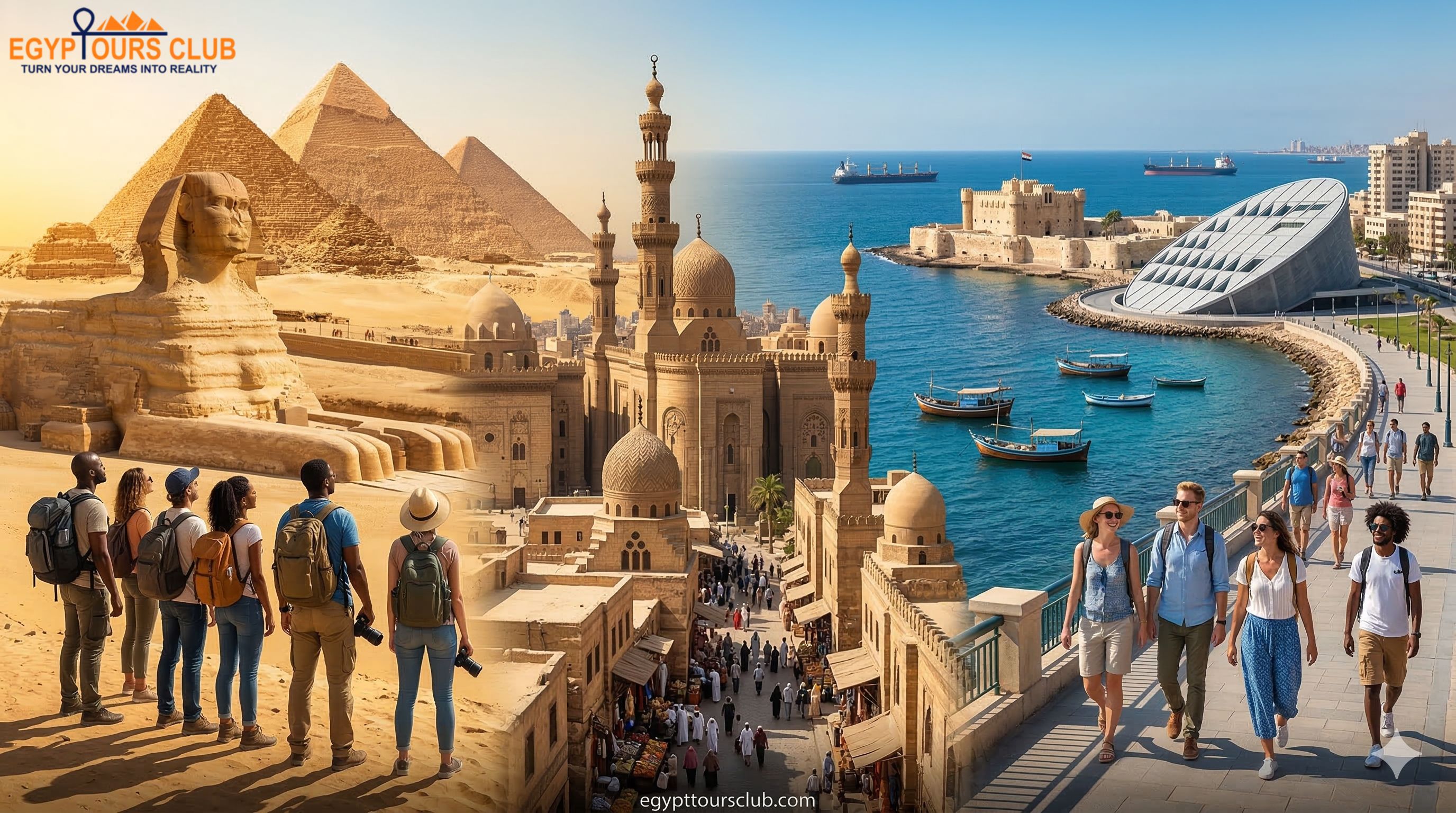
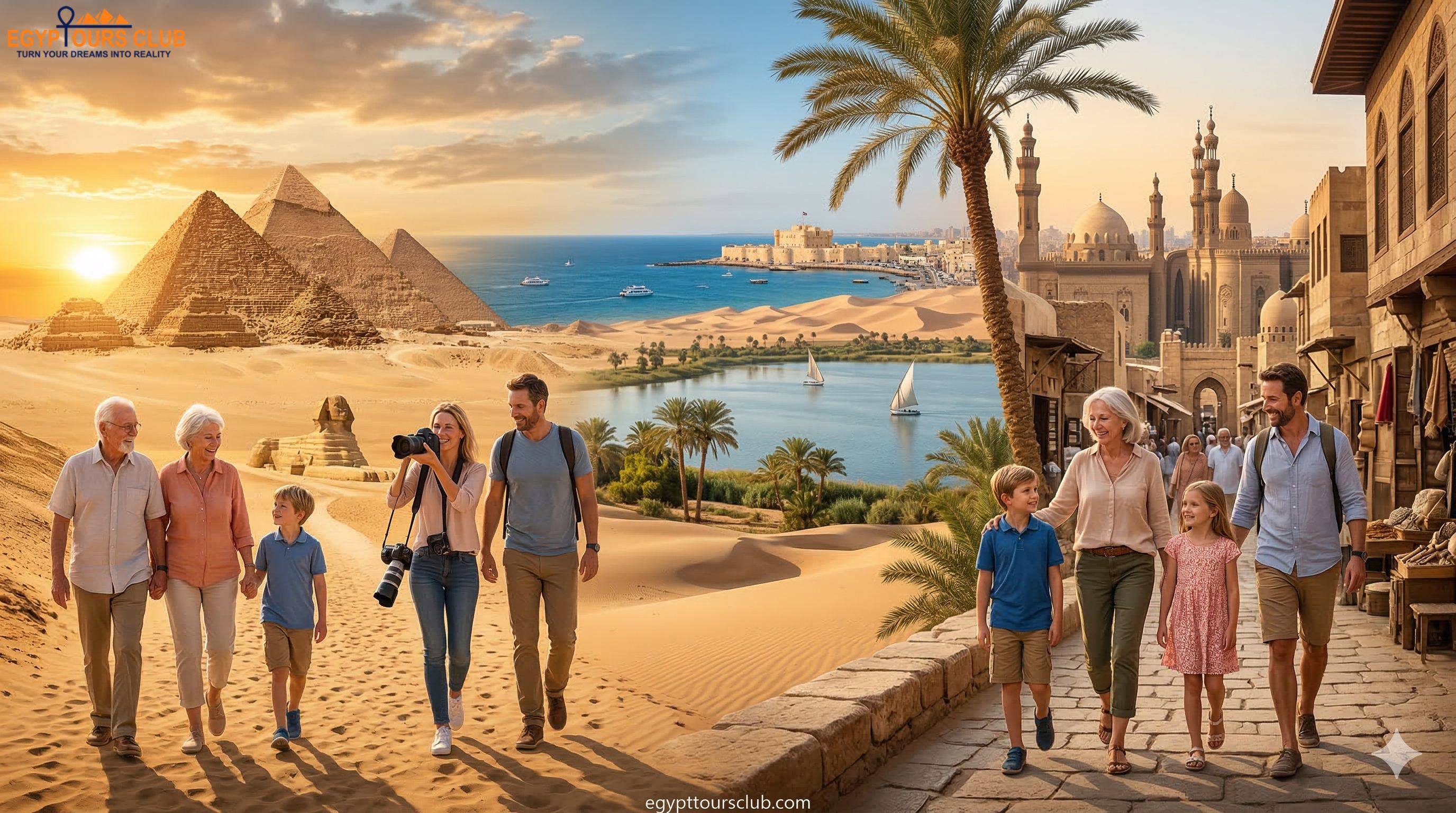
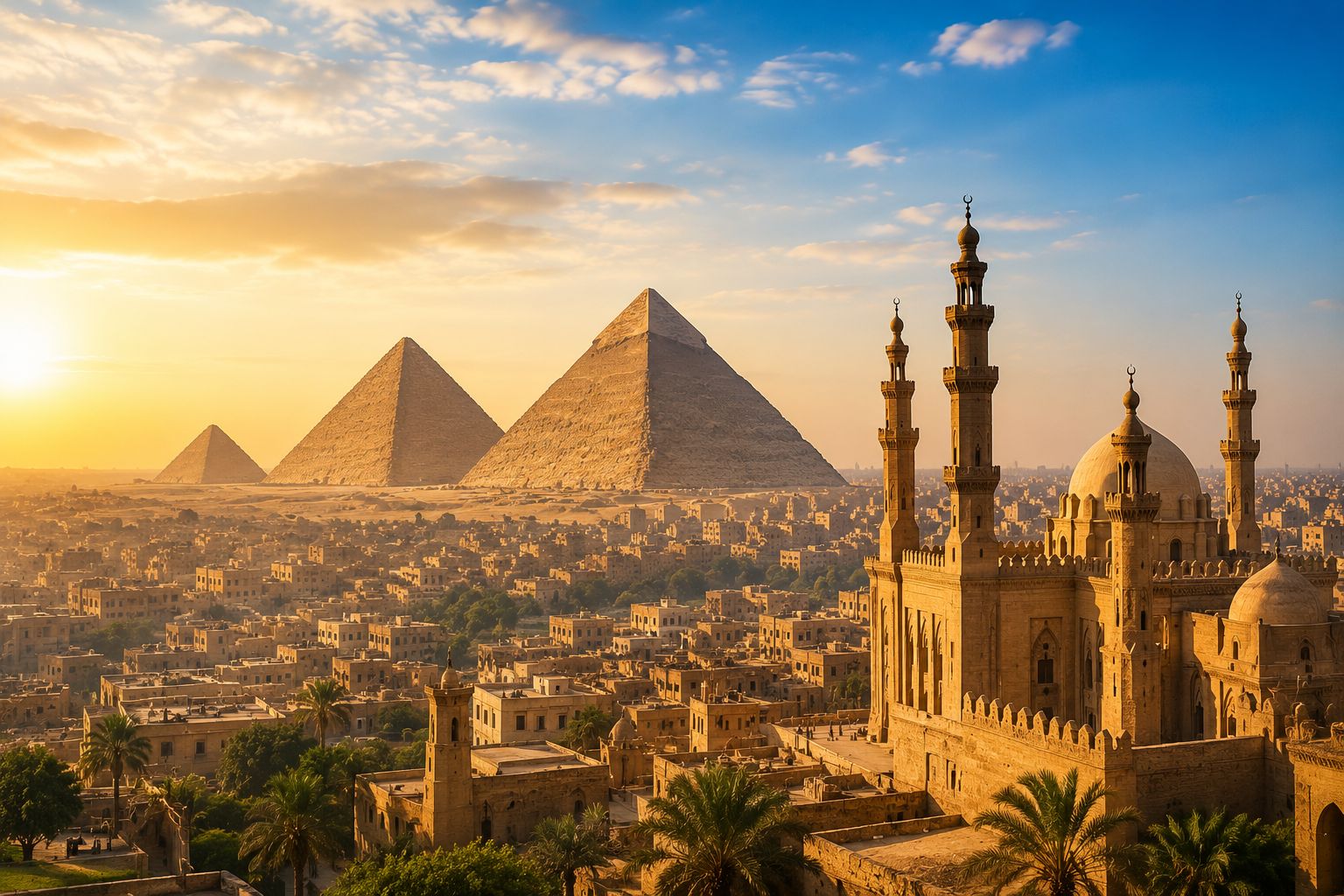
Cairo is not merely a city; it is a living, breathing organism—an immense, vibrant crossroads of human civilization where a five-thousand-year-old pharaonic legacy continually dialogues with the frantic energy of a modern African metropolis. Sprawling along the fertile banks of the River Nile, the Egyptian capital represents the undisputed political, cultural, and spiritual heart of the Arab world. With an urban population exceeding twenty-two million people across its greater metropolitan territory, Cairo presents an intoxicating tapestry of sights, sounds, and scents. It is a place where ancient stone minarets pierce the smog-hued horizon, where church bells in centuries-old walled enclaves echo alongside the Muslim call to prayer (Adhan), and where the colossi of ancient god-kings stand guard just beyond the neon-lit fringes of urban suburbia.
For any traveler embarking on a journey through the Middle East or North Africa, spending dedicated time in Cairo is an absolute necessity. It is here that you confront the sheer physical scale of human ambition at the Giza Plateau, decode the intricate religious iconography of early Coptic Christianity, marvel at the soaring geometric masterworks of Mamluk Islamic architecture, and lose yourself within medieval bazaars that have traded silk, spices, and precious metals since the days of the Crusades.
However, the very qualities that make Cairo so mesmerizing—its density, its sheer physical size, its labyrinthine streets, and its relentless pace—can also make it deeply intimidating for first-time visitors. Navigating Cairo’s notorious traffic gridlock, negotiating with aggressive street vendors, deciphering unwritten cultural rules, and managing ticket queues at scattered archaeological sites can consume vast amounts of energy and time if attempted without expert preparation.
Quick answer: Private Cairo day tours are the most efficient way to combine major attractions, expert historical context, air-conditioned transportation and flexible pacing without losing valuable time to traffic, queues or fragmented logistics.
This is precisely why reserving professionally organized, private Cairo Day Tours is the single most effective strategy for transforming potential travel friction into an effortless, inspiring, and deeply educational adventure.
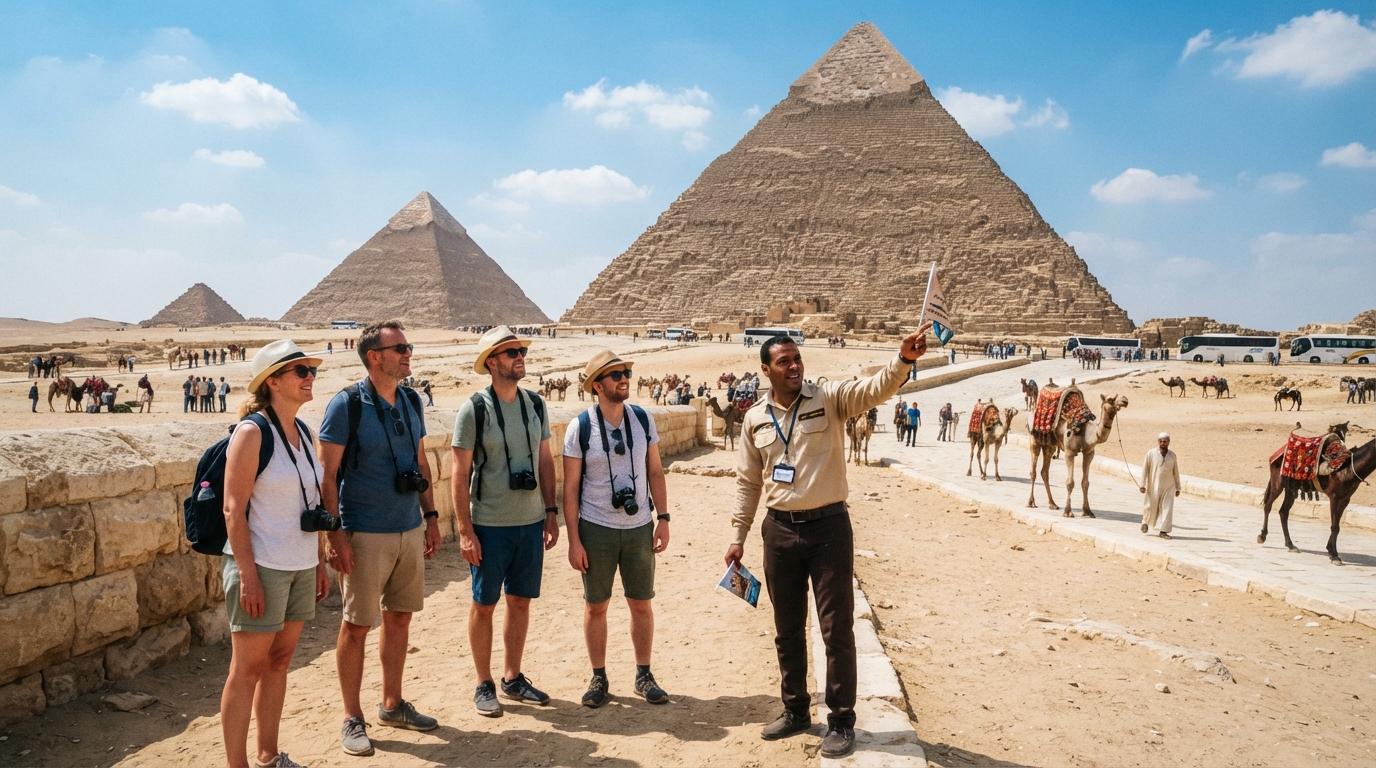
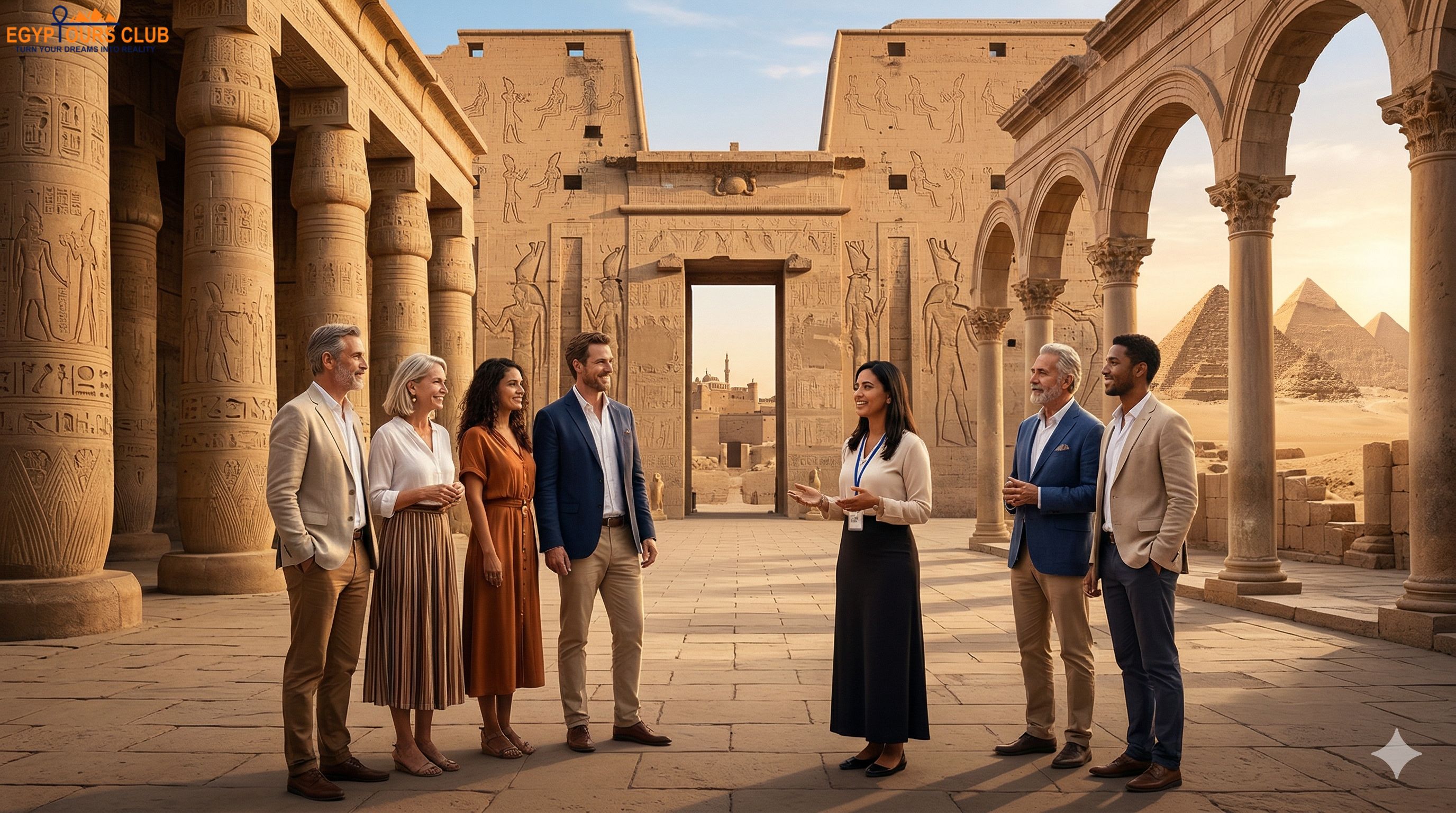
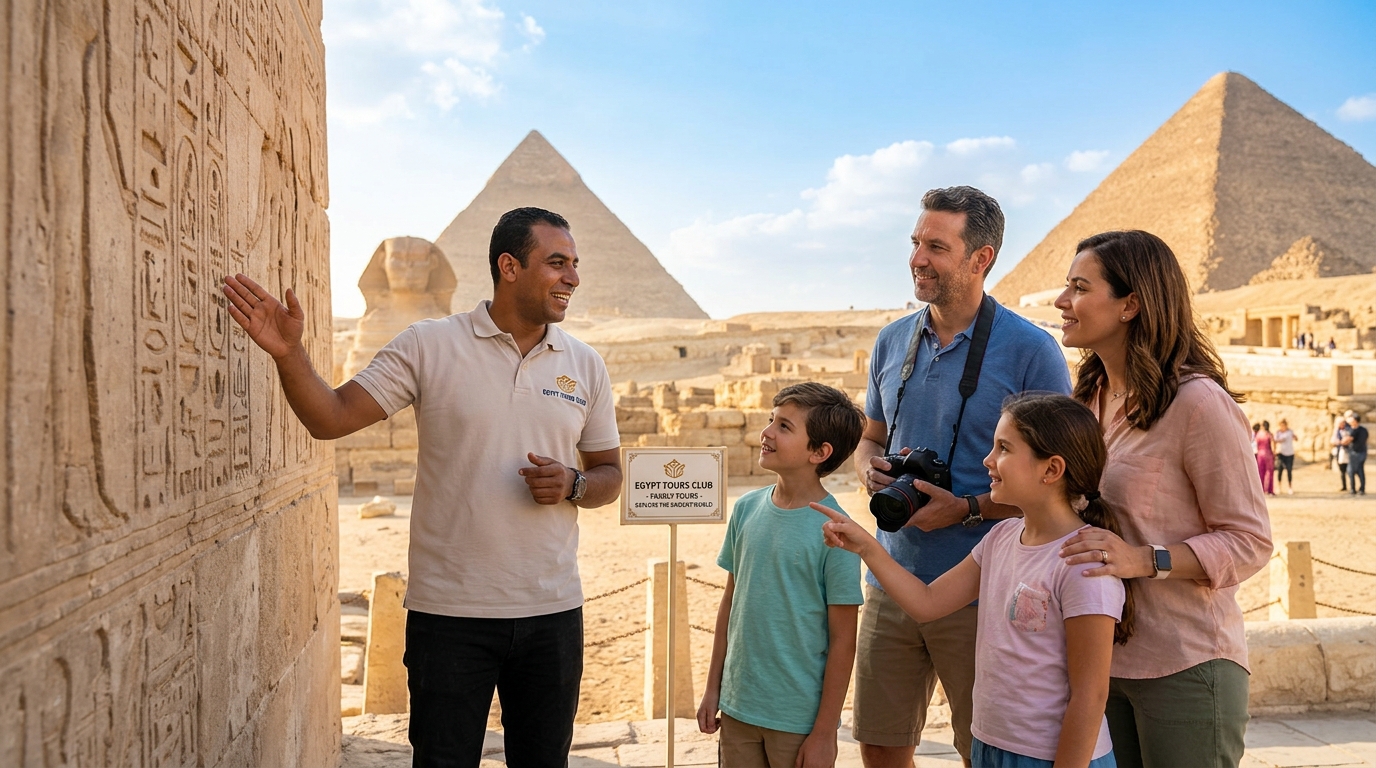
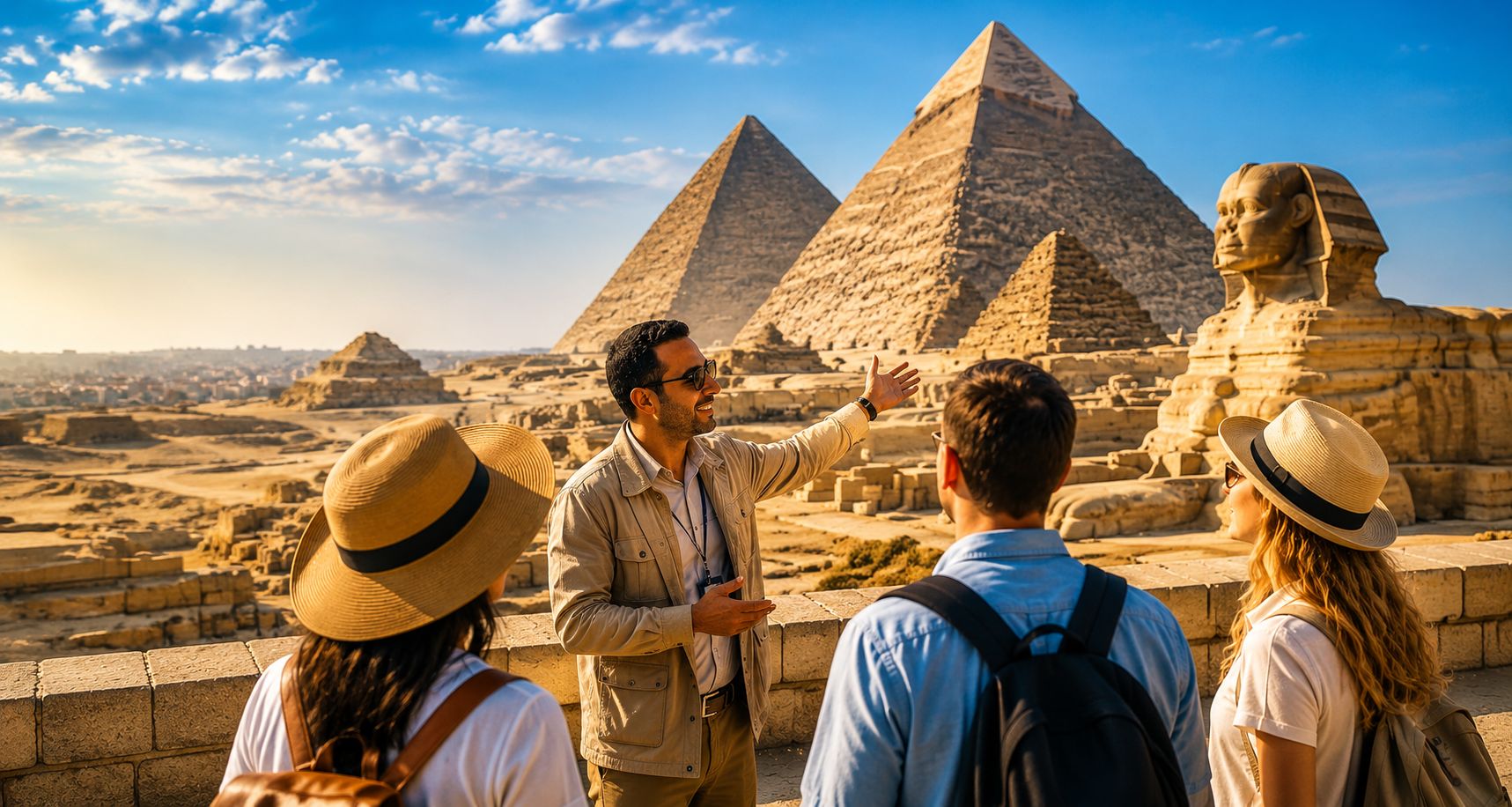
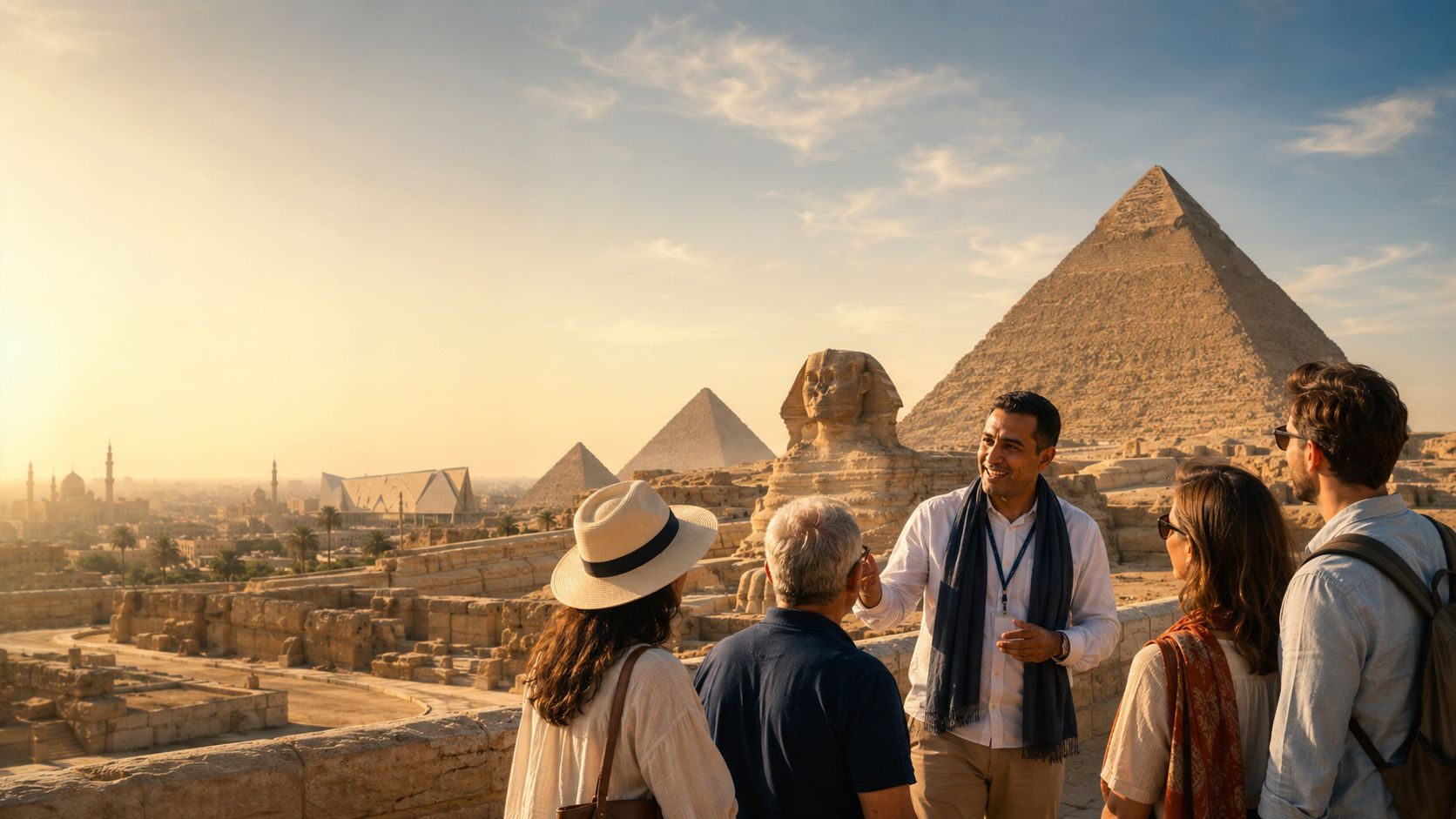
When you book a structured private tour through a premier local operator like Egypt Tours Club, the chaotic friction of the city melts away. Instead of battling street taxi meters, attempting to decipher Arabic road signs, or wasting hours standing in unorganized ticket queues under a scorching North African sun, you step directly into a seamless bubble of air-conditioned luxury and personalized care. Supported by a dedicated private driver who understands the real-time ebb and flow of Cairo's arterial roads, and accompanied by a licensed, university-educated local Egyptologist guide, you are free to focus entirely on what truly matters: absorbing the awe-inspiring story of human history unfolding before your eyes.
This comprehensive 5,000-word master guide is designed to be the ultimate single resource for planning your time in Cairo. Whether you are spending a full week exploring every nook of the city, passing through on a tight forty-eight-hour itinerary before catching a Nile cruise in Luxor, or simply seeking a high-efficiency layover tour during a long connection at Cairo International Airport (CAI), this guide covers every dimension of logistics, historical context, route selection, and practical preparation required to execute the perfect journey.
Best forFirst-time visitors, families, couples, cruise passengers and travelers with limited time in Cairo.
Recommended formatPrivate vehicle, licensed Egyptologist, flexible route and clear inclusions.
Why Choose Private Guided Tours Over Group Buses and DIY Exploration?
When structuring your itinerary in Cairo, one of the first critical decisions you will face is selecting your mode of transportation and sightseeing framework. Travel forums and social media are filled with conflicting advice regarding whether one should attempt a "Do-It-Yourself" (DIY) approach using rideshare apps, join a large commercial group bus tour, or hire a private vehicle with a dedicated Egyptologist guide.
To make an informed choice, it is essential to analyze the stark operational realities of navigating Cairo under each of these three models.
The Operational Realities: Comparing Travel Approaches
| Evaluation Criterion | DIY / Rideshare | Large Group Bus Tour | Private Tour |
|---|
| Door-to-Door Efficiency | Low | Very low | Excellent |
| Historical Context | Self-guided | Limited | In-depth and personalized |
| Protection From Scams | Minimal | Moderate | Strong local support |
| Itinerary Flexibility | High but unstructured | Rigid | Fully flexible |
| Physical Comfort | Variable | Standard | Private air-conditioned vehicle |
1. The Myth of DIY Savings in Cairo
On paper, relying on local rideshare platforms (such as Uber) or street taxis to move between the Giza Pyramids, the Grand Egyptian Museum, and the Citadel appears cost-effective. However, the hidden costs in time, safety, and psychological energy quickly accumulate.
First, rideshare drivers in Cairo often lack fluent English skills and may struggle to locate specific tourist drop-off zones or security checkpoints at archaeological reserves. Second, arriving at major sites like Giza or Saqqara as an unguided individual marks you immediately as a high-value target for unvetted local touts, aggressive camel arriers, and unofficial "guides" offering unsolicited services at inflated rates. Without a licensed local guide acting as a protective cultural barrier, navigating from the ticket booth to the actual monuments can involve continuous, exhausting negotiations.
2. The Trap of Large Group Bus Excursions
Large commercial bus tours—often sold on international booking portals—promise low head-count prices. However, they operate on rigid, lowest-common-denominator itineraries designed to accommodate thirty to fifty passengers per vehicle.
On a group bus, up to 40% of your sightseeing day is consumed by logistical waste: waiting for late group members at hotel pickups, boarding and deboarding large coaches at tight parking terminals, and enduring mandatory detours to high-commission souvenir factories (such as papyrus, perfume, or alabaster shops) where travelers are subjected to high-pressure sales pitches. Furthermore, trying to hear a guide speak through a microphone while surrounded by forty other tourists severely degrades the educational quality of the experience.
Choosing a private tour model through Egypt Tours Club fundamentally alters your relationship with the city. Here is what sets a true private experience apart:
- Dedicated Door-to-Door Chauffeured Transport: You are assigned a modern, air-conditioned vehicle (ranging from executive sedans for couples to spacious Mercedes Sprinter vans for families) driven by a professional chauffeur who specializes in tourist transit. You are picked up directly at your hotel lobby or airport arrival gate at the exact minute you specify, with zero waiting for strangers.
- 1-on-1 Access to a Licensed Egyptologist Guide: In Egypt, official tour guides must complete a minimum four-year university degree in Egyptology, history, and ancient languages (hieroglyphs). Your private guide works exclusively for you. They adapt their commentary to your specific interest level—whether you want a deep academic breakdown of Old Kingdom architectural evolution or an engaging, child-friendly storytelling narrative for a family trip.
- Total Itinerary Freedom: If you fall in love with the intricate detail of a specific tomb at Saqqara and want to stay an extra hour, your schedule shifts instantly. If you feel tired from the desert heat and want to pause for a quiet iced coffee overlooking the Nile, your guide and driver pivot seamlessly to accommodate your pace.
- The "Zero Forced Shopping" Guarantee: Unlike budget operators who supplement low tour prices by taking clients to commission-paying gift shops, reputable private operators uphold strict ethical standards. Your time belongs entirely to you, ensuring 100% of your day is dedicated to genuine historical and cultural discovery.
The Crown Jewels of Lower Egypt: Essential Cairo Sites
To help you conceptualize your ideal day tours, we must examine the primary archaeological and cultural zones that define Cairo and its surrounding desert plateaus. Understanding the geographical layout and historical significance of these sites is the first step toward building a tailored itinerary.
- West Bank (Giza Plateau): Great Pyramid of Khufu, Pyramid of Khafre, Pyramid of Menkaure, The Great Sphinx & Valley Temple.
- Central Urban Cairo: Grand Egyptian Museum (GEM), Egyptian Museum (Tahrir Square), Coptic Cairo (Hanging Church), Saladin Citadel & Alabaster Mosque, Khan El Khalili Medieval Bazaar.
- Desert Necropolises (South): Saqqara (Step Pyramid of Djoser & Noble Mastabas), Memphis (Mit Rahina Open-Air Museum & Colossus of Ramses II), Dahshur (Bent & Red Pyramids of Sneferu).
Zone A: The Giza Plateau – Home of the Immortal Wonders
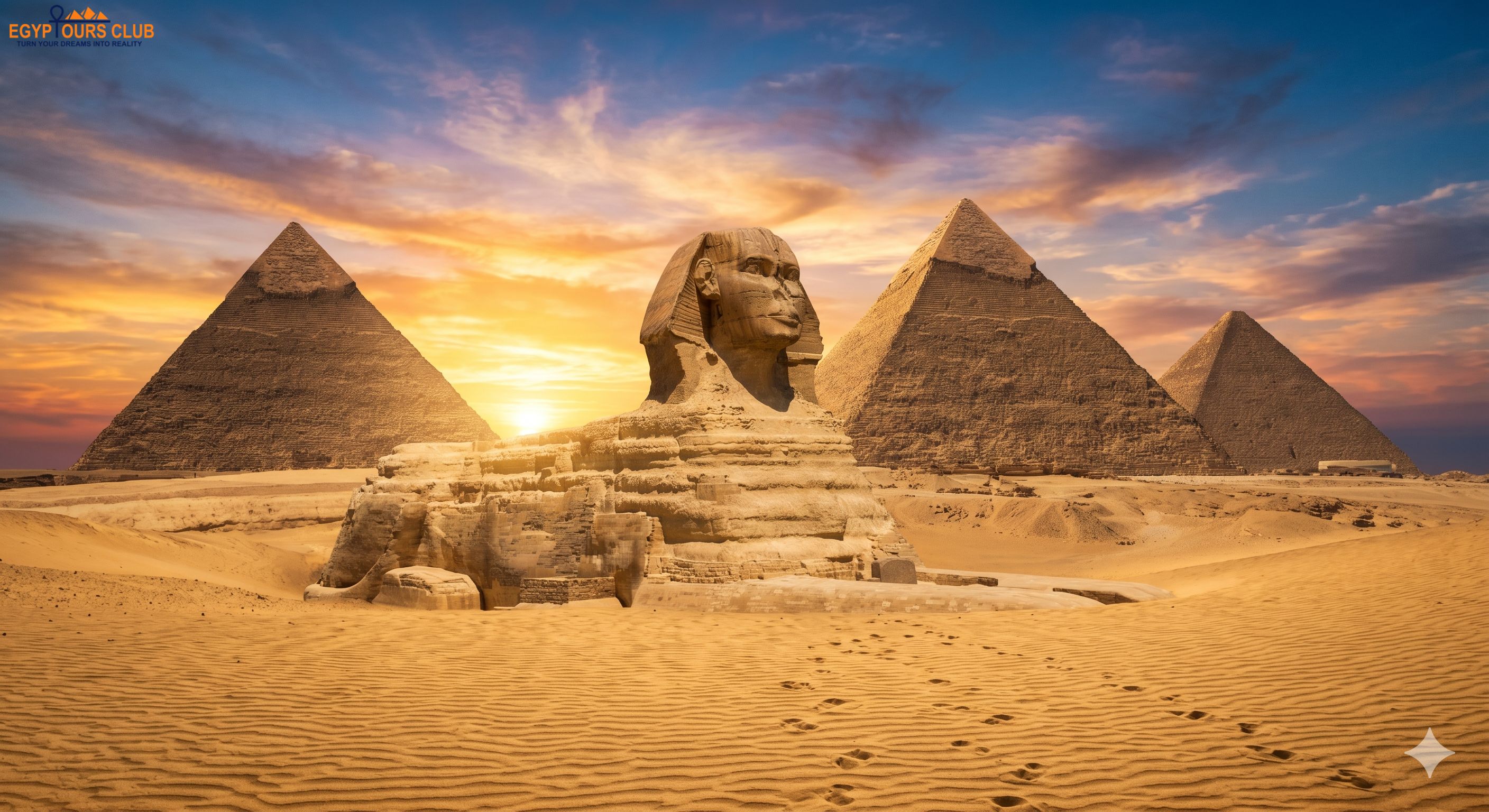
Located on the elevated desert edge roughly 18 kilometers west of downtown Cairo, the Giza Plateau stands as the ultimate symbol of ancient human achievement. Built during the 4th Dynasty of the Old Kingdom (circa 2600–2500 BC), this royal necropolis served as the eternal resting place for three generations of pharaohs: Khufu, his son Khafre, and his grandson Menkaure.
1. The Great Pyramid of Khufu (Cheops)
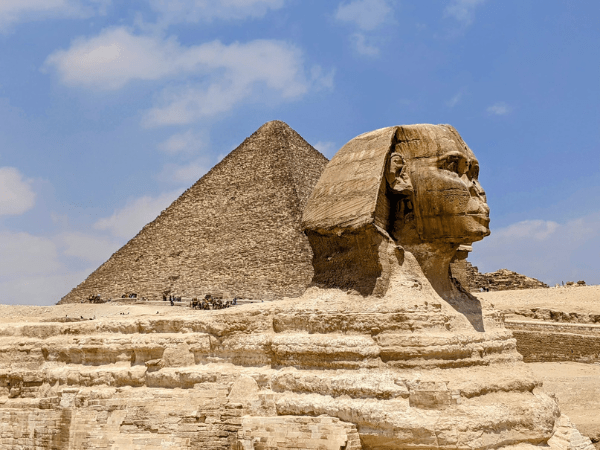
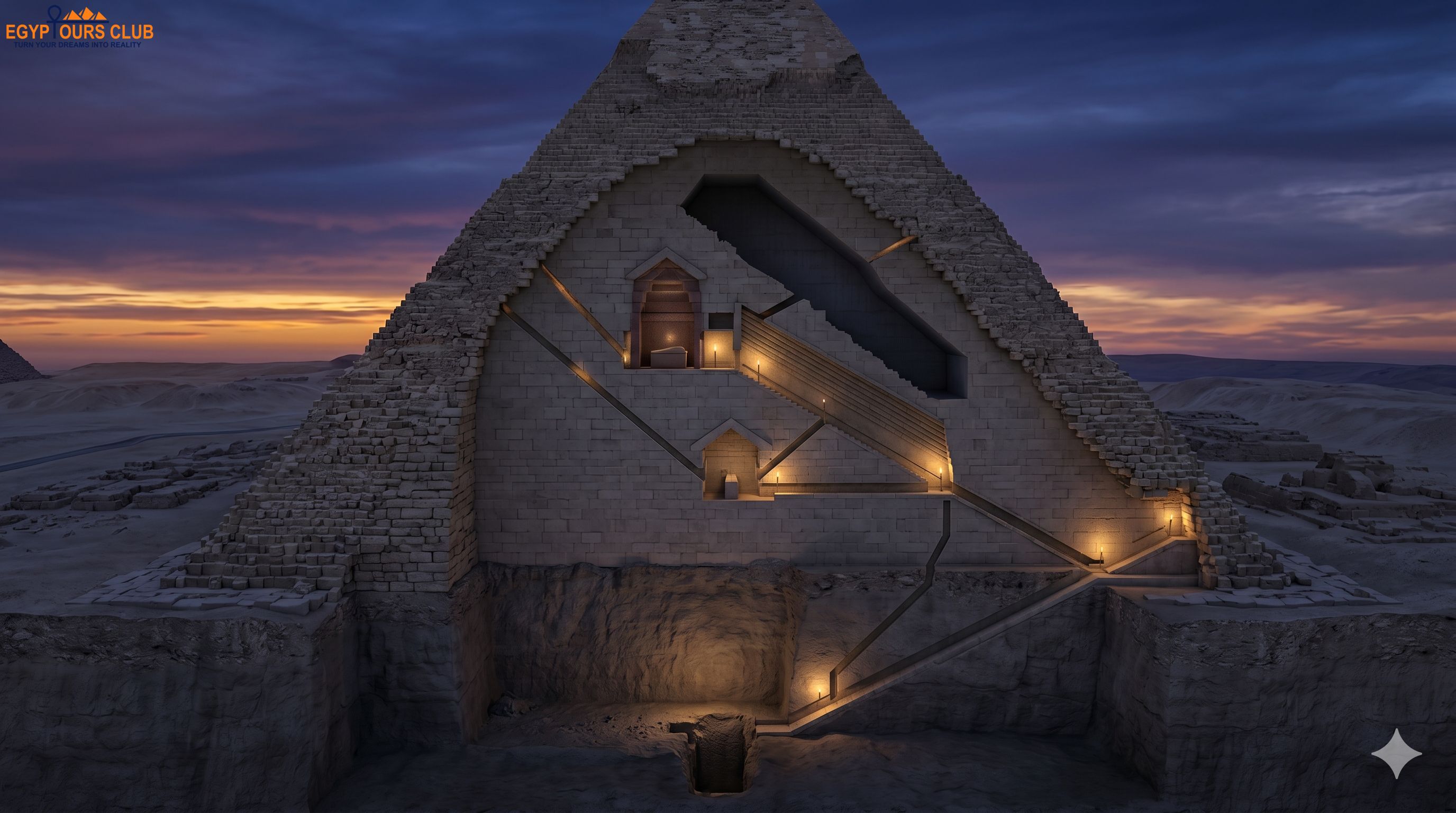
The largest pyramid ever constructed, the Great Pyramid originally reached a towering height of 146.6 meters (481 feet), though erosion and the removal of its polished limestone casing stones have reduced it to 138.8 meters today. Composed of an estimated 2.3 million stone blocks—each weighing between 2.5 and 15 tons—Khufu’s pyramid remained the tallest man-made structure on Earth for over 3,800 years until the completion of Lincoln Cathedral in England in 1311 AD.
When visiting Khufu on a private tour, your Egyptologist will unpack the breathtaking precision of its orientation: its four sides align almost perfectly to true north with an error of less than one-fifteenth of a degree. For adventurous travelers, special interior access tickets can be secured to ascend the steep, narrow wooden ramps of the Grand Gallery and step inside the granite-walled King's Chamber, where Khufu’s empty, hand-carved sarcophagus still resides.
2. The Pyramid of Khafre (Chephren) and the Casing Cap
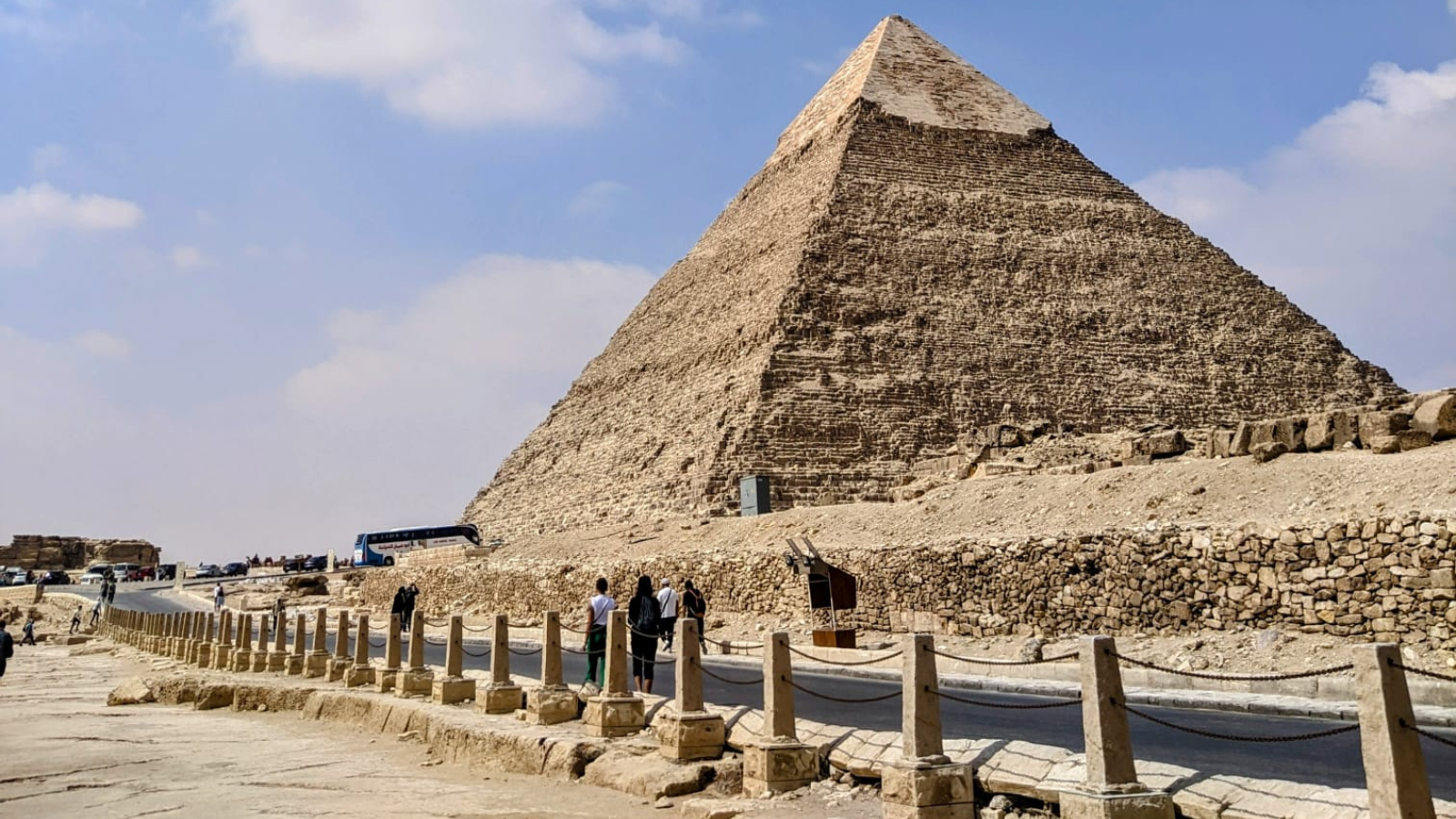
Adjacent to the Great Pyramid stands the Pyramid of Khafre. Though slightly smaller than his father’s structure (originally 143.5 meters high), Khafre’s pyramid often appears taller because it was constructed on a bedrock ridge 10 meters higher than Khufu’s base. It is instantly recognizable by the surviving mantle of polished Tura limestone casing blocks preserved at its peak.
3. The Pyramid of Menkaure (Mykerinos)
The smallest of the primary trio, Menkaure’s pyramid stands at 65.5 meters (215 feet). What it lacks in sheer height, it makes up for in material luxury: the lower sixteen courses of its exterior mantle were faced with heavy, imported red granite from Aswan, hundreds of miles to the south—a monumental undertaking that left several unfinished blocks that allow archaeologists to study ancient stonemasonry techniques today.
4. The Great Sphinx and the Valley Temple
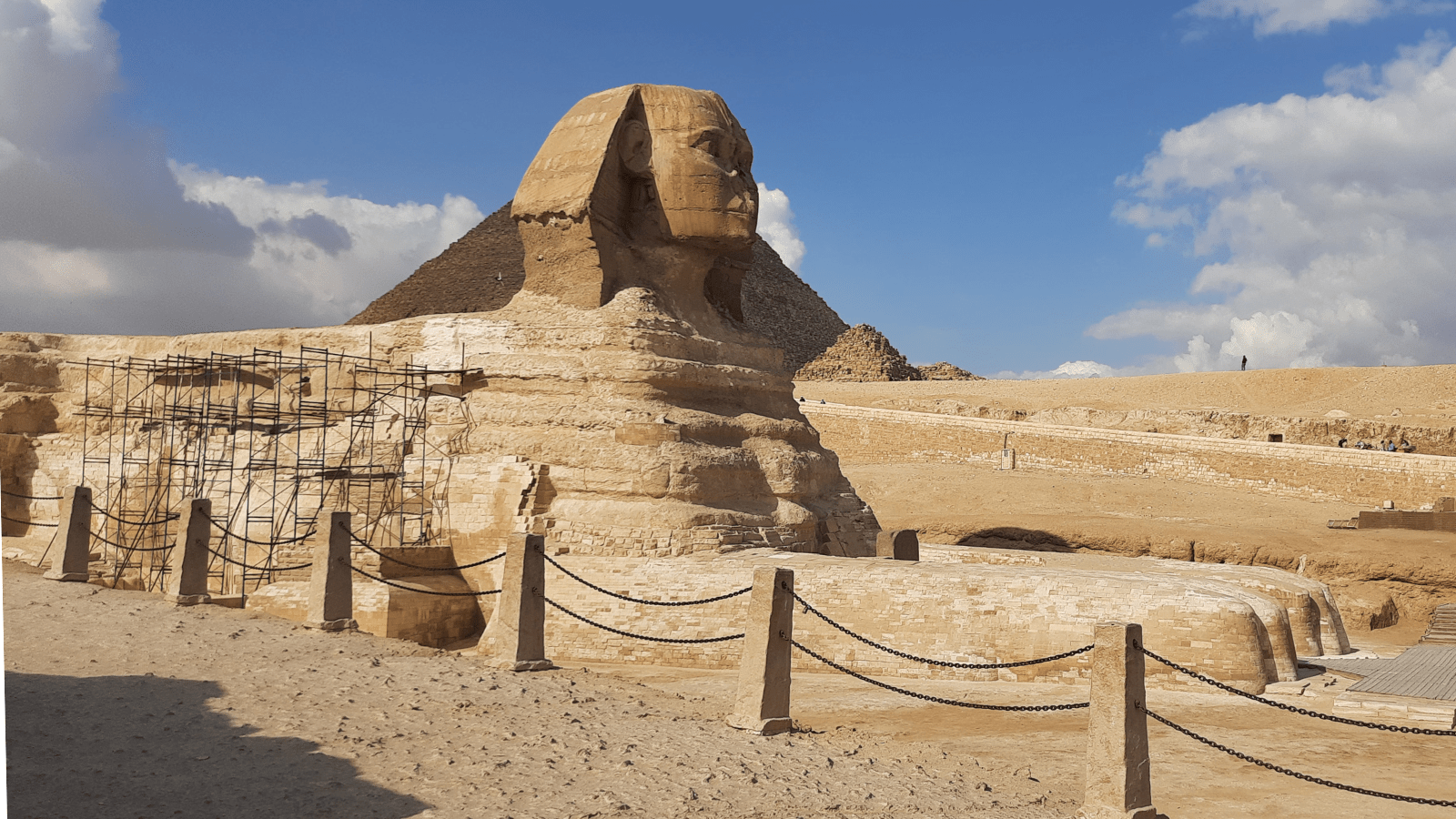
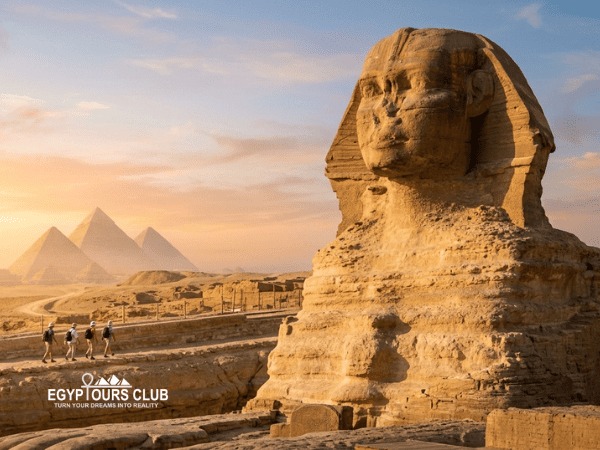
Carved directly out of a single outcropping of natural limestone bedrock, the Great Sphinx features the reclining body of a lion topped with the crowned head of Pharaoh Khafre. Measuring 73 meters long and 20 meters high, it stands guard before the Giza complex. Directly adjacent lies the Valley Temple of Khafre, constructed from massive megalithic limestone blocks cased in polished pink Aswan granite. It was within these cool, dark granite halls that the sacred royal mummification rituals and the "Opening of the Mouth" ceremonies were performed prior to burial.
Zone B: The World-Class Museums – Tahrir Square vs. The Grand Egyptian Museum (GEM)
No trip to Cairo is complete without delving into its vast collections of pharaonic art and artifacts. Today, travelers are presented with two distinct, world-class museum experiences.
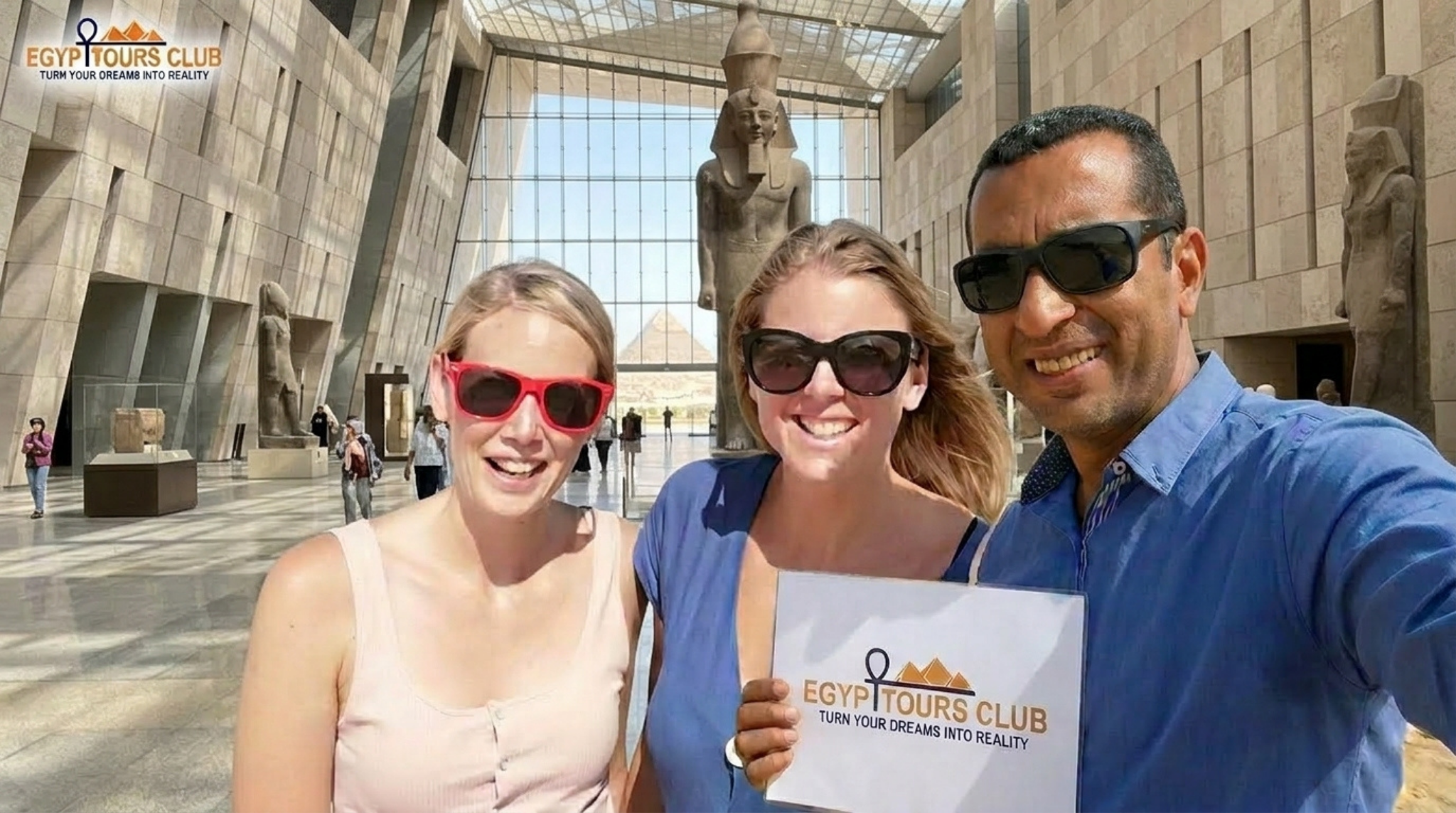
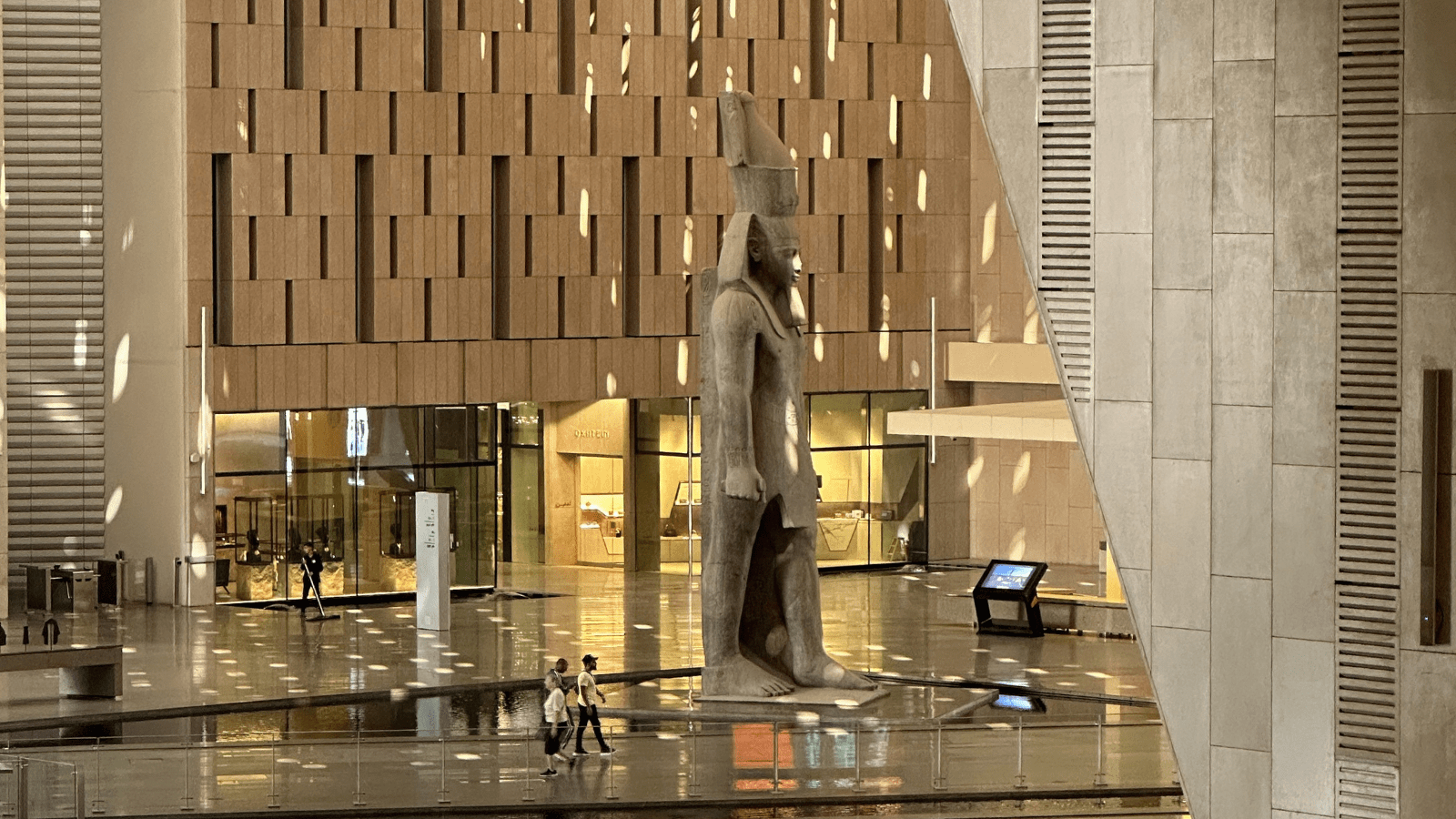
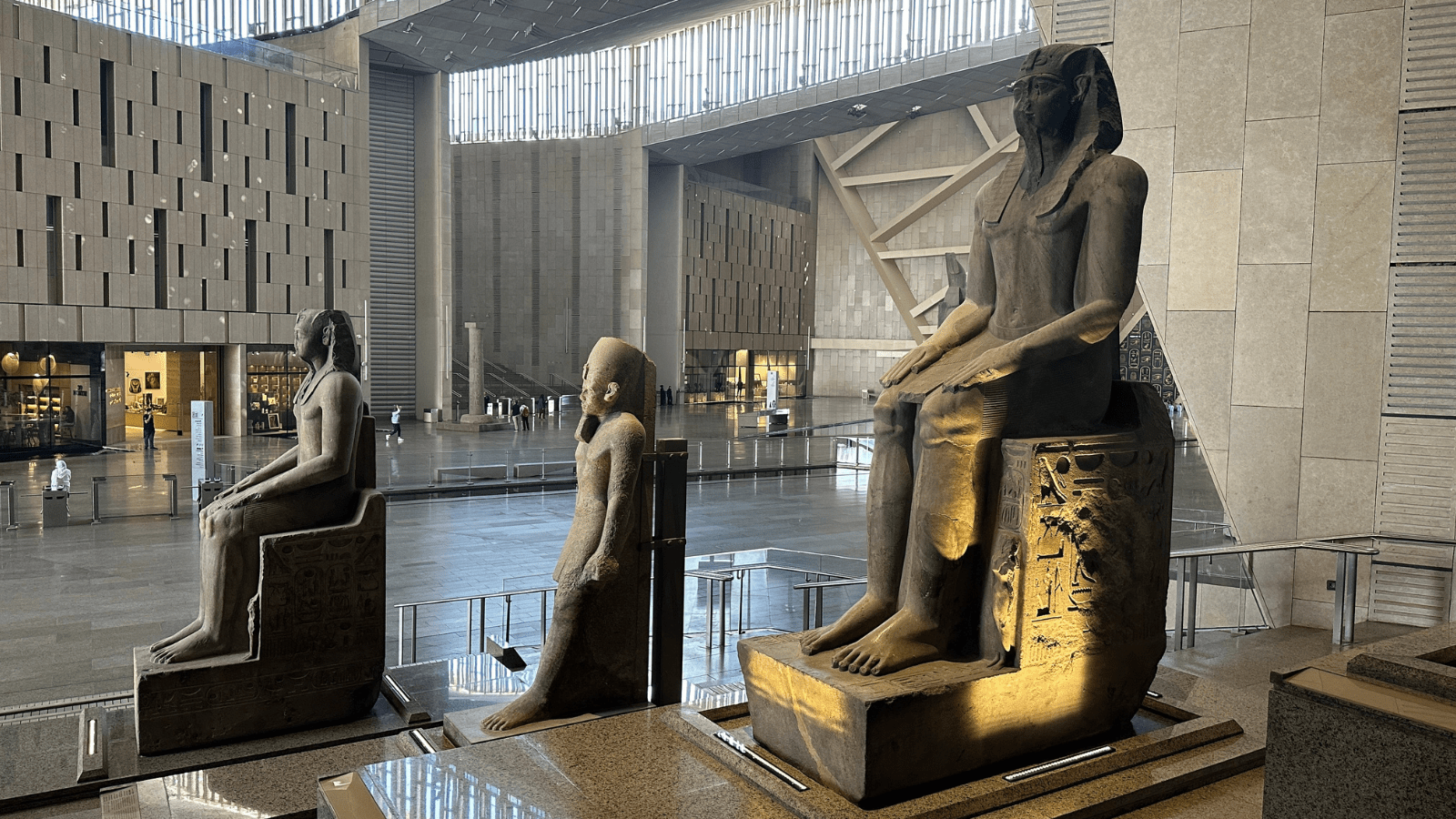
Located just two kilometers from the Giza Plateau, the Grand Egyptian Museum is the largest archaeological museum complex in the world dedicated to a single civilization. Spanning over 500,000 square meters, this modern architectural masterpiece features a soaring glass atrium dominated by an 83-ton, 3,200-year-old colossal statue of Ramses II.
The crown jewel of the GEM is the complete, unified collection of King Tutankhamun’s tomb treasures. For the first time since Howard Carter discovered the intact royal tomb in the Valley of the Kings in 1922, all 5,000+ artifacts—including the boy king’s solid gold burial mask, gilded shrines, royal chariots, ceremonial daggers, and intimate personal belongings—are displayed together in state-of-the-art, climate-controlled galleries designed with immersive lighting and multi-language digital interpretation.
2. The Historic Egyptian Museum in Tahrir Square
Opened in 1902 in downtown Cairo, the iconic red-hued neoclassical Egyptian Museum at Tahrir Square possesses a nostalgic, atmospheric charm that no modern building can replicate. Housing over 120,000 artifacts across its two sprawling floors, walking through Tahrir feels like stepping back into the golden age of 19th-century archaeology.
Even with many royal treasures transitioning to the GEM, Tahrir remains an unmissable treasure trove, showcasing masterworks such as the Old Kingdom statue of King Cheops (the only known 3D likeness of the Great Pyramid builder, measuring just 7.5 cm high), the exquisite painted limestone bust of Prince Rahotep and his wife Nofret, and the monumental Middle Kingdom royal statues.
Zone C: The Ancient Necropolises – Saqqara, Memphis, and Dahshur
To truly appreciate how the Egyptians learned to construct smooth-sided pyramids, one must travel south of Cairo along the desert margin to the ancient burial grounds of Memphis.
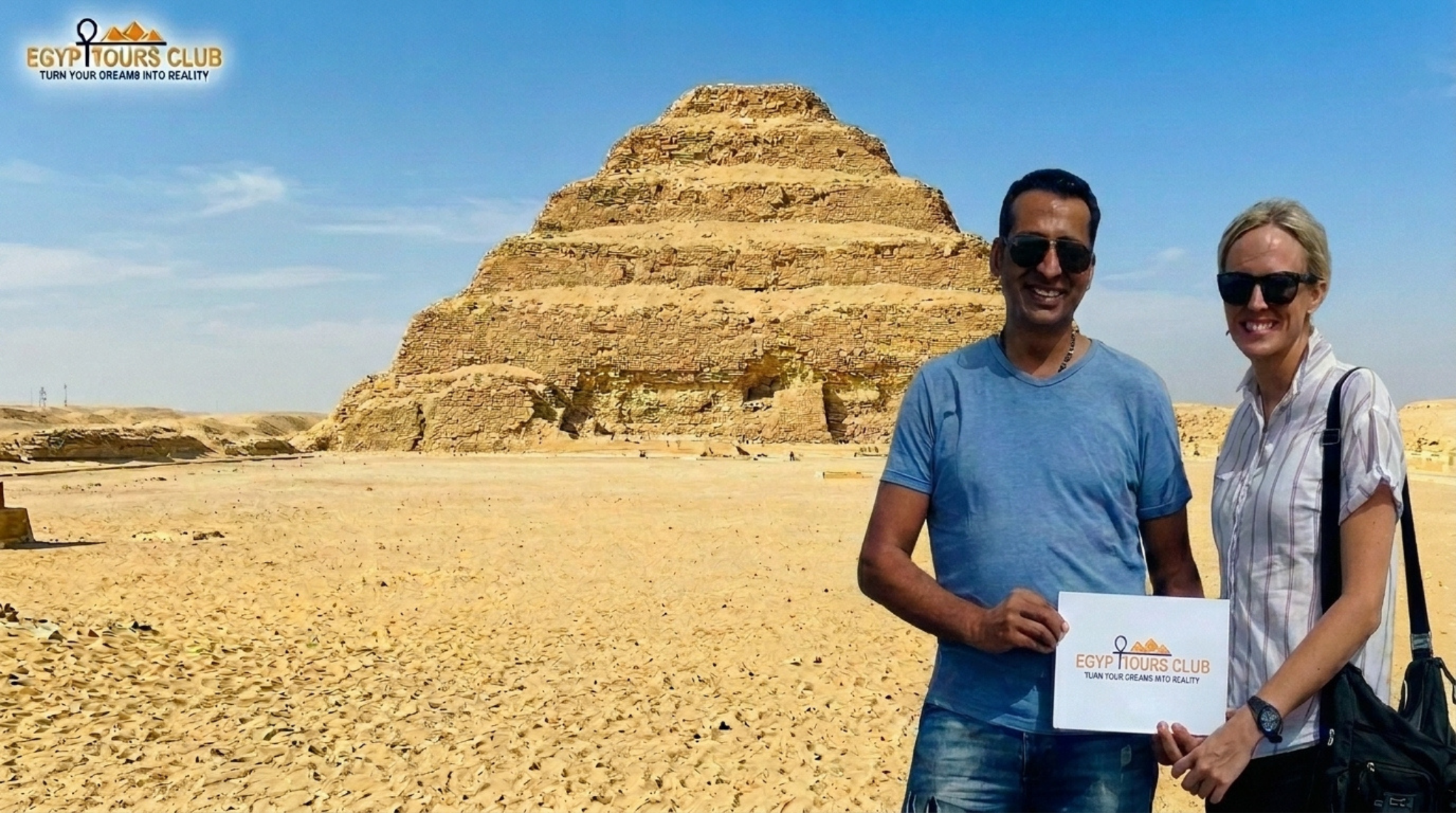
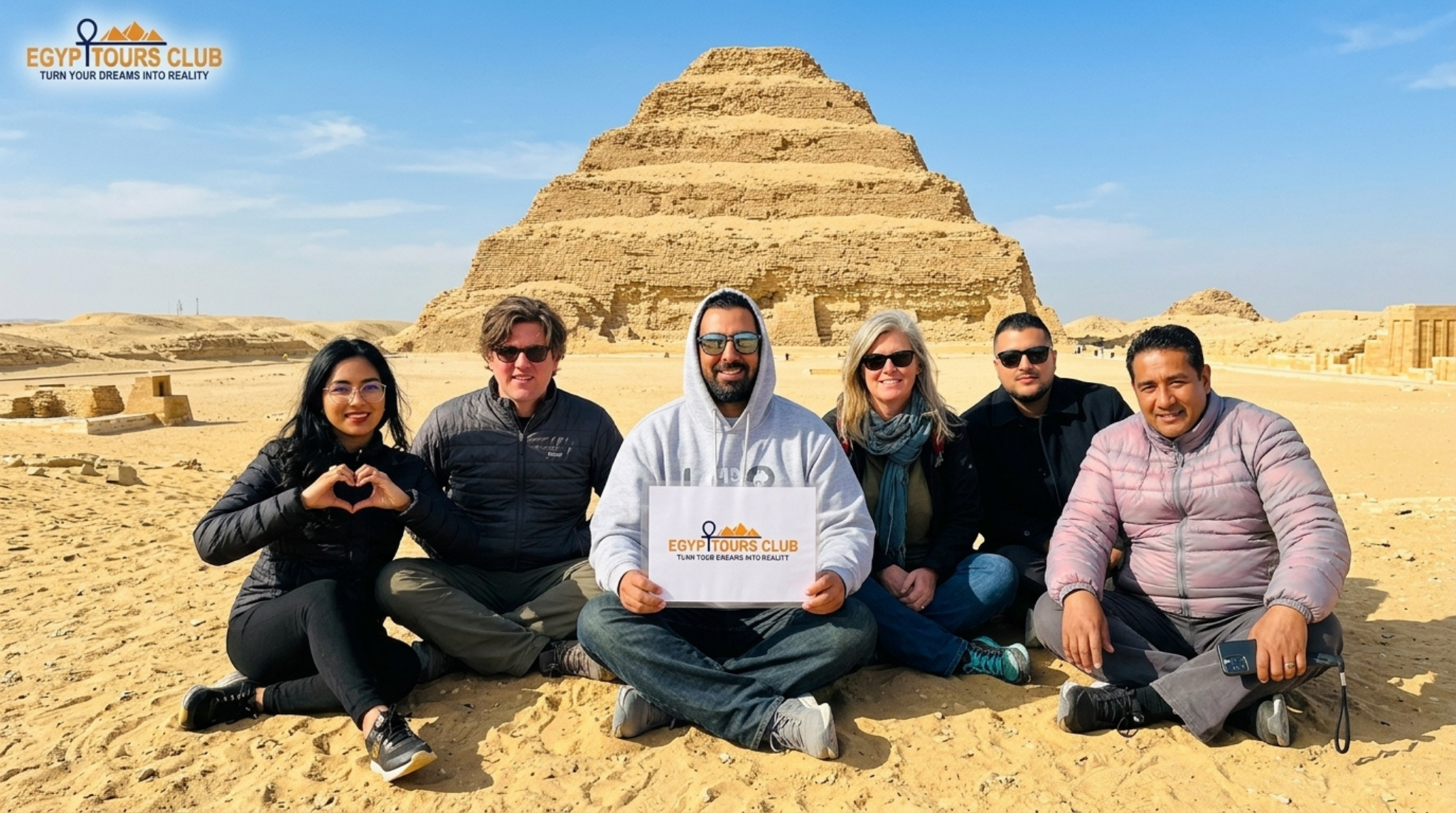
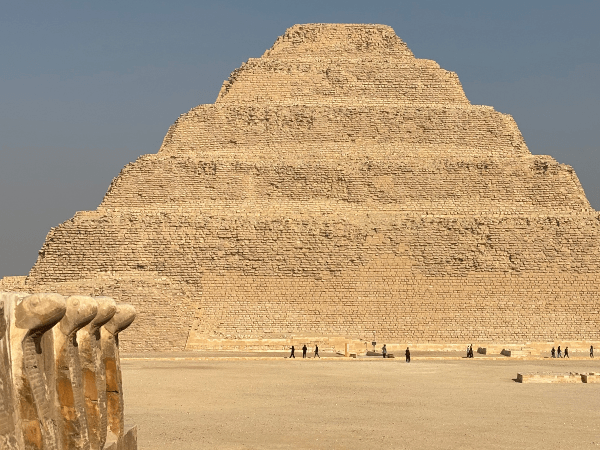
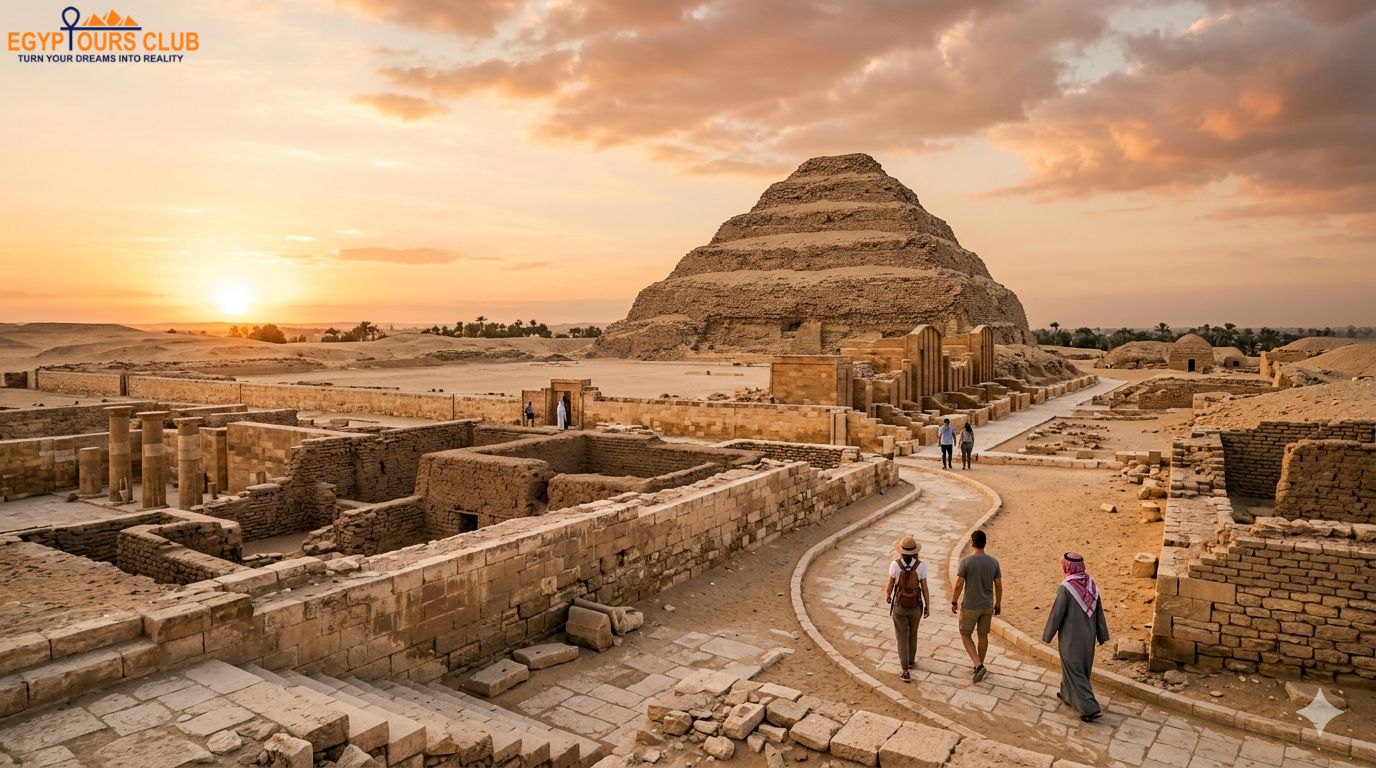
Spanning over 7 kilometers of desert plateau, Saqqara served as the primary necropolis for the ancient capital of Memphis for over 3,000 years. Its central masterpiece is the Step Pyramid of Djoser, designed during the 3rd Dynasty (circa 2670 BC) by the legendary royal architect and polymath Imhotep.
By stacking six stone mastabas of decreasing size on top of one another, Imhotep created the world’s very first monumental stone building. Beyond the Step Pyramid, Saqqara contains scores of non-royal "Mastaba" tombs belonging to high court officials (such as the Tomb of Ti and the Tomb of Mereruka). The interior walls of these tombs are covered in low-relief, brilliantly painted stone carvings depicting daily life in Old Kingdom Egypt—showing scenes of hippopotamus hunting, cattle crossing rivers, goldsmithing, brewing beer, and harvesting papyrus with stunning realism.
2. Memphis (Mit Rahina)
Founded around 3100 BC by King Menes, Memphis was the first unified capital of Upper and Lower Egypt. While little remains of its mudbrick palaces today, the open-air museum at Mit Rahina houses extraordinary monumental sculptures. Principal among these is the colossal fallen statue of Ramses II, a 10-meter-long limestone sculpture of such refined artistic quality that every muscle contour, fingernail, and royal cartouche remains perfectly crisp after three millennia.
3. Dahshur: The Bent and Red Pyramids
Located a short drive south of Saqqara, Dahshur offers a serene, uncrowded desert environment where you can examine the experimental pyramid projects of Pharaoh Sneferu (father of Khufu).
Here you will find the Bent Pyramid, famous for its sudden change in angle—from 54 degrees at its base to 43 degrees near the top—resulting from structural instability during construction. A short distance away stands the Red Pyramid, human history’s very first successful, smooth-sided, true pyramid. Uncrowded and atmospheric, Dahshur allows visitors to descend deep into the quiet interior chambers of the Red Pyramid without the heavy tour-bus crowds found at Giza.
Zone D: Cultural & Religious Heritage – Coptic, Islamic, and Medieval Cairo
Moving away from the desert ruins and into the dense urban core reveals Cairo’s rich Christian, Islamic, and medieval trade heritage.
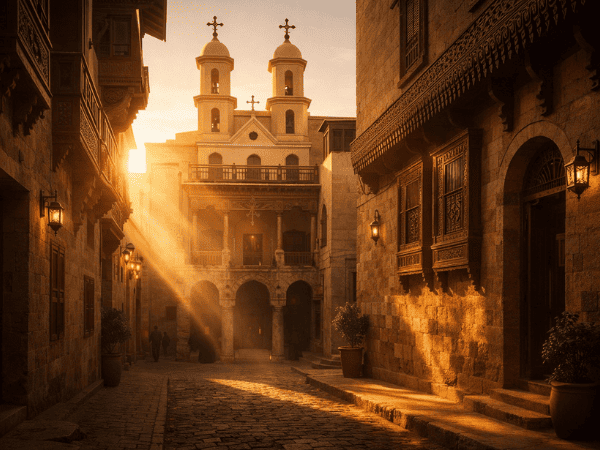
Enclosed within the ancient Roman stone walls of the Fortress of Babylon, Coptic Cairo is a peaceful, pedestrianized enclave that serves as the spiritual center of Egypt’s Coptic Orthodox Christian community. Key sites include:
- The Hanging Church (Al-Mu'allaqa): Dedicated to the Virgin Mary, this 3rd-century church derives its name from being built directly over the bastions and gatehouses of the Roman fortress, creating a floating nave supported by cedar beams.
- The Church of St. Sergius and Bacchus (Abu Serga): Built in the 4th century, this historic church stands above a subterranean cavern crypt where the Holy Family (Jesus, Mary, and Joseph) is believed to have sheltered during their flight into Egypt to escape King Herod.
- The Ben Ezra Synagogue: Located nearby, this historic Jewish place of worship is famed as the site where the "Cairo Genizah"—a priceless cache of over 300,000 Jewish secular and religious manuscript fragments dating from 870 AD to 1880 AD—was discovered in the late 19th century.
2. Islamic Cairo & The Citadel of Saladin
Perched high on the rocky hills of the Mokattam ridge, the massive medieval stone fortress of the Citadel of Saladin was constructed in 1176 AD to protect the city from Crusader invasions. For nearly seven centuries, it served as the seat of Egyptian government.
Dominating the Citadel’s skyline is the Grand Mosque of Muhammad Ali (also known as the Alabaster Mosque). Built between 1830 and 1848 in the classic Ottoman style reminiscent of Istanbul’s Blue Mosque, its soaring minarets, massive central dome, and interior walls lined with shimmering alabaster panels offer sweeping panoramic views across the entire Cairo skyline.
3. Khan El Khalili Bazaar
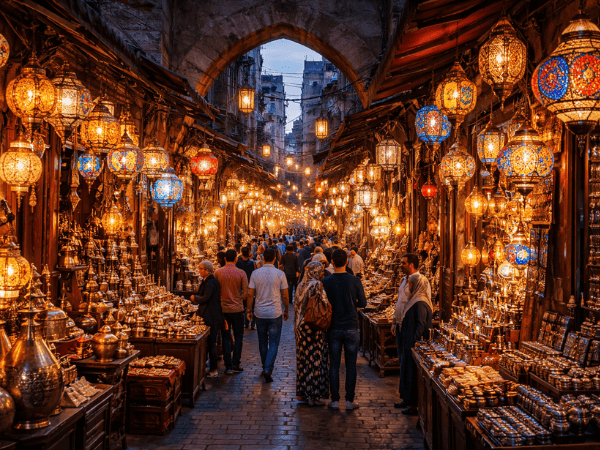
Established in the late 14th century as a commercial hub for trans-Saharan and Silk Road caravans, Khan El Khalili is a sprawling medieval marketplace. Its narrow, stone-paved alleys are lined with hundreds of artisan workshops crafting brass lanterns, hand-carved woodwork, inlaid mother-of-pearl furniture, leather goods, aromatic spices, and traditional perfumes.
Deep within the market lies El Fishawy Cafe, a legendary coffeehouse that has remained open continuously day and night for over 240 years, where travelers can sit on wooden benches, sip hot mint tea or Arabic coffee, and soak in the timeless atmosphere.
Top Recommended Cairo Day Tour Itineraries
To help you choose the ideal combination for your upcoming trip, Egypt Tours Club has curated three primary, battle-tested full-day itineraries that maximize sightseeing efficiency while maintaining a relaxed, high-comfort pace.
Three proven routes: The Essential Classics combines Giza and GEM; the Archaeological Evolution route connects Memphis, Saqqara and Giza; and the Cultural Cairo route explores Coptic Cairo, the Citadel and Khan El Khalili.
Itinerary Path 1: The Essential Classics – Pyramids, Sphinx, and the Grand Egyptian Museum
- Target Audience: First-time visitors, families, and couples with limited time.
- Duration: 8 Hours (Approx. 08:00 AM to 04:00 PM).
1
08:00 AM – Private Hotel Pick-up
Your private driver and Egyptologist guide greet you in your hotel lobby. Step into your private, air-conditioned vehicle and enjoy a comfortable drive to the elevated Giza Plateau.
2
08:30 AM to 11:30 AM – Guided Giza Plateau Exploration
Begin at the Great Pyramid of Khufu. Your guide explains Old Kingdom engineering and royal funerary beliefs. Walk or drive across the plateau to Khafre and Menkaure. Stop at the Panoramic Viewpoint for iconic photos, then descend to the Valley Temple and stand before the Great Sphinx.
3
11:45 AM to 01:00 PM – Authentic Egyptian Lunch
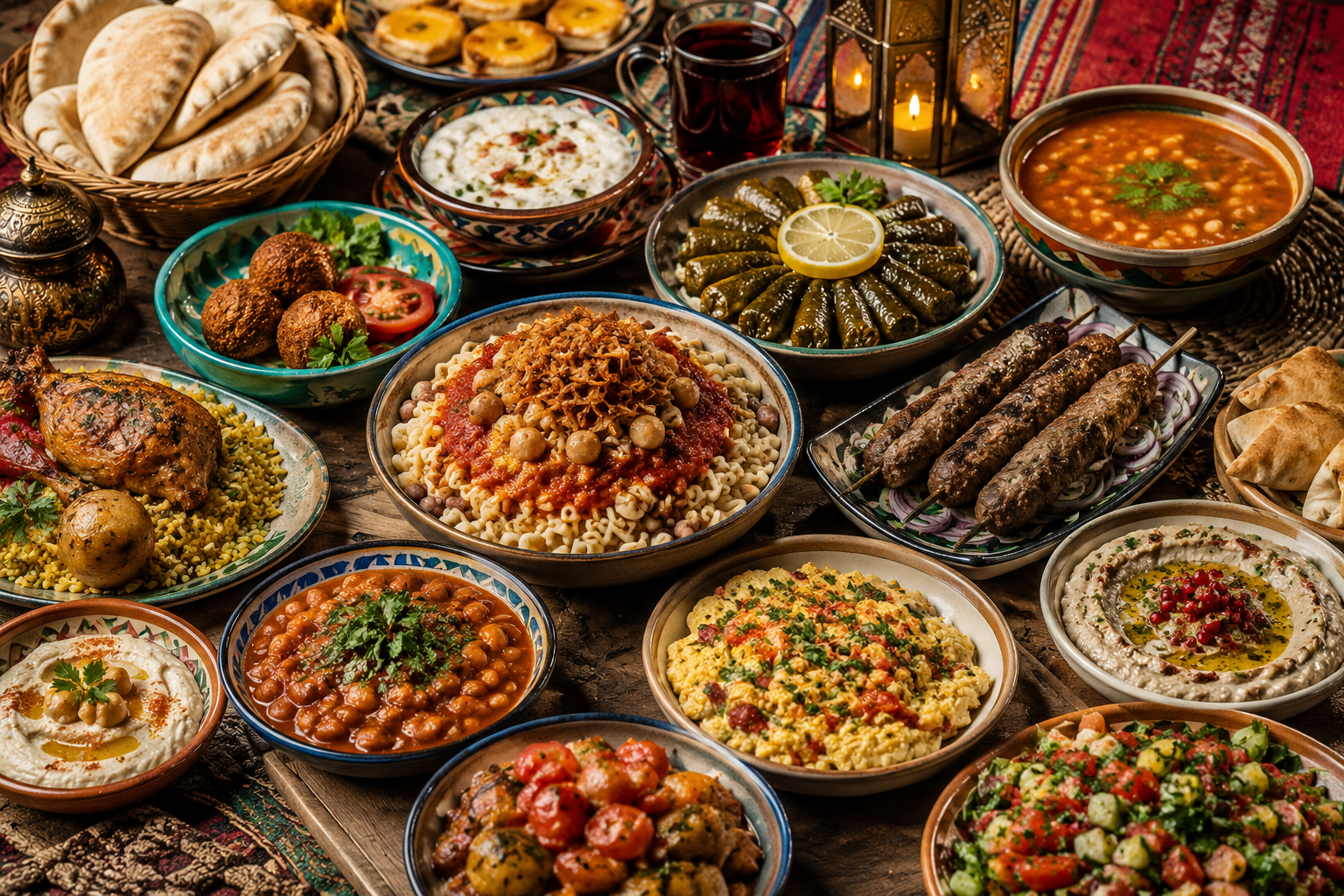
Relax at a hand-picked, air-conditioned restaurant overlooking the pyramids or the Nile. Enjoy a traditional feast of freshly baked baladi bread, mixed grills (shish taouk and kofta), oriental salads, and refreshing cold drinks.
4
Transfer 10 minutes to the GEM. Walk through the monumental glass atrium past the Colossus of Ramses II. Spend dedicated time exploring the state-of-the-art Tutankhamun galleries with your guide detailing the golden mask, shrines, and royal artifacts.
5
04:00 PM – Return Transfer
Relax in your private vehicle as your driver handles Cairo’s afternoon traffic, returning you safely to your hotel lobby.
Itinerary Path 2: The Archaeological Evolution Route – Memphis, Saqqara, and Giza
- Target Audience: History buffs, repeat travelers, and photography enthusiasts.
- Duration: 8 Hours (Approx. 08:00 AM to 04:00 PM).
1
08:00 AM – Departure to Memphis
Depart your hotel southbound toward Mit Rahina, passing rural agricultural palm groves along the Nile Valley.
2
09:00 AM to 10:15 AM – The Open-Air Museum of Memphis
Explore the ancient capital founded by King Menes. Stand above the magnificent Fallen Colossus of Ramses II and photograph the Alabaster Sphinx of Amenhotep II.
3
10:30 AM to 01:00 PM – Saqqara Necropolis & Noble Tombs
Visit the Step Pyramid of Djoser and the surrounding funerary complex designed by Imhotep. Step inside the Mastaba tomb of Ti or Mereruka to examine vibrant Old Kingdom relief wall carvings, and enter the Pyramid of Teti to view ancient Hieroglyphic Pyramid Texts.
4
01:15 PM to 02:15 PM – Countryside Lunch
Savor a traditional Egyptian lunch at a shaded garden restaurant near Saqqara, featuring wood-fired bread and chargrilled meats.
5
02:30 PM to 04:00 PM – Afternoon at the Giza Plateau
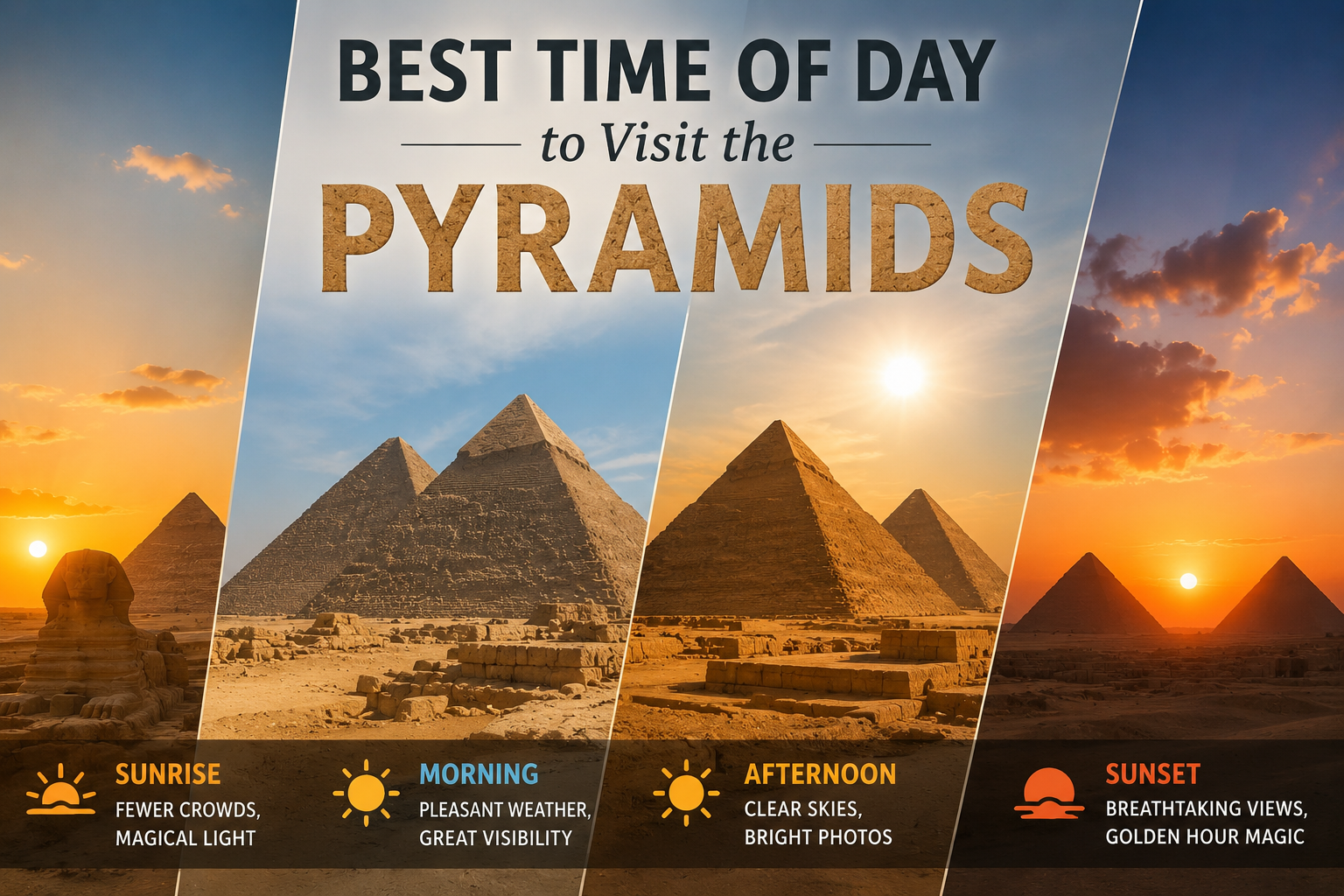
Arrive at Giza in the late afternoon when light conditions are ideal for photography and crowds have diminished. Explore the exteriors of Khufu, Khafre, and the Sphinx before your return transfer.
Itinerary Path 3: Medieval, Coptic, and Islamic Cairo
- Target Audience: Culture seekers, architecture fans, and shoppers.
- Duration: 7 Hours (Approx. 09:00 AM to 04:00 PM).
1
09:00 AM – Hotel Pick-up & Coptic Cairo Arrival
Meet your guide and drive to the ancient Roman Fortress of Babylon enclave in Coptic Cairo.
2
09:30 AM to 11:30 AM – Sacred Coptic Heritage Tour
Tour the floating Hanging Church, step down into the historic crypt of Abu Serga Church (Shelter of the Holy Family), and visit the tranquil Ben Ezra Synagogue.
3
11:45 AM to 01:45 PM – Saladin Citadel & Alabaster Mosque
Ascend the Mokattam hill to the Citadel. Explore the interior of the grand Alabaster Mosque of Muhammad Ali, admire its soaring Ottoman domes, and take in panoramic views of Cairo.
4
02:00 PM to 04:00 PM – Khan El Khalili Bazaar & El Fishawy
Walk through medieval spice and brass alleys with your guide. Enjoy a traditional lunch or tea break at El Fishawy Cafe, with leisure time for authentic souvenir shopping before returning to your hotel.
Comparison of Cairo Tour Booking Configurations
To ensure complete transparency during your vacation planning, review the comparative breakdown of private tour booking options available through Egypt Tours Club:
| Feature | Express Half-Day | Highlights Full-Day | Ultimate Multi-Day |
|---|
| Typical duration | 4–5 hours | 8–9 hours | 2–3 days |
| Primary focus | Giza Plateau and Sphinx | Giza plus GEM or museum | Giza, Saqqara, GEM, Citadel and Old Cairo |
| Vehicle | Private AC sedan | Private sedan or minivan | Deluxe sedan or Sprinter |
| Guide | Certified Egyptologist | Certified Egyptologist | Dedicated Egyptologist |
| Lunch | Optional | Usually included | Included each day |
| Layover friendly | Yes | Only with a long layover | No |
| Pacing | Fast | Balanced | Comprehensive |
Practical Logistics, Cultural Etiquette and Expert Travel Tips
To ensure your journey through Cairo is as smooth, respectful, and enjoyable as possible, keep these practical, field-tested travel tips in mind:
1. Packing & Clothing Recommendations
Egypt is a warm, desert country with a conservative cultural baseline.
- Fabric Choices: Choose loose, breathable clothing made of natural fibers such as cotton or linen.
- Footwear: Wear sturdy, closed-toe walking shoes or supportive sneakers. The terrain around archaeological sites like Giza and Saqqara consists of loose sand, uneven limestone gravel, and steep ramps.
- Sun Protection: A wide-brimmed hat, UV-blocking sunglasses, and high-SPF sunscreen are essential, as outdoor desert sites offer minimal shade.
- Modesty Guidelines: When visiting active religious sites (such as the Alabaster Mosque or historic Coptic churches), both men and women should wear clothing that covers shoulders and knees. Women should carry a lightweight cotton scarf in their handbag to cover their hair when entering active mosque prayer halls.
2. Understanding Currency, Tipping, and "Baksheesh"
The local currency is the Egyptian Pound (EGP). While international credit cards (Visa and Mastercard) are widely accepted at major hotels, fine-dining restaurants, and official ticket counters at major museums and archaeological sites, carrying local cash is crucial.
- Cash for Tipping: Carry small EGP banknotes (50, 100, and 200 EGP notes) in an easily accessible pocket for small customary tips (Baksheesh)—such as thanking restroom attendants, shoe-custodians at mosque entrances, or site drivers.
- Tipping Your Tour Crew: Tipping your private driver and Egyptologist guide at the conclusion of a tour is standard practice in Egypt’s hospitality industry. While gratuities are always at your personal discretion based on service quality, budgeting approximately $20–$30 USD per day for your guide and $10–$15 USD per day for your driver (or equivalent in EGP) is considered generous and standard for high-end private services.
3. Photography Regulations & Etiquette
- Smartphones: Photography using standard mobile phones is permitted free of charge across virtually all open-air archaeological sites, museums, and historical streets.
- Flash Restrictions: Flash photography is strictly forbidden inside ancient tomb chambers (such as the Mastabas at Saqqara) and museum galleries to protect ancient pigments and organic materials from light degradation.
- Local Etiquette: Always ask for permission before taking photographs of local residents, market vendors, or traditional craftsmen. Photography of military installations, police checkpoints, bridges, and government buildings is strictly illegal.
4. Health, Hydration, and Food Safety
- Hydration: The dry desert climate can cause rapid dehydration without obvious sweating. Drink plenty of bottled water throughout the day. Your private vehicle with Egypt Tours Club is kept stocked with chilled bottled water.
- Food Safety: Stick to dining at vetted, high-end traditional restaurants recommended by your private guide. Avoid eating unpeeled raw fruits or vegetables from street carts, and drink sealed, brand-name bottled water rather than tap water.
Why Book Your Cairo Tour With Egypt Tours Club?
Executing a flawless day tour in a complex, fast-moving metropolis like Cairo requires deep local operational infrastructure, experienced management, and an unwavering commitment to customer protection.
When you reserve your Cairo Day Tours through Egypt Tours Club, you are partnering with an established, highly rated Egyptian tour operator dedicated to setting the benchmark for ethical, high-comfort travel:
THE EGYPT TOURS CLUB SERVICE GUARANTEE:
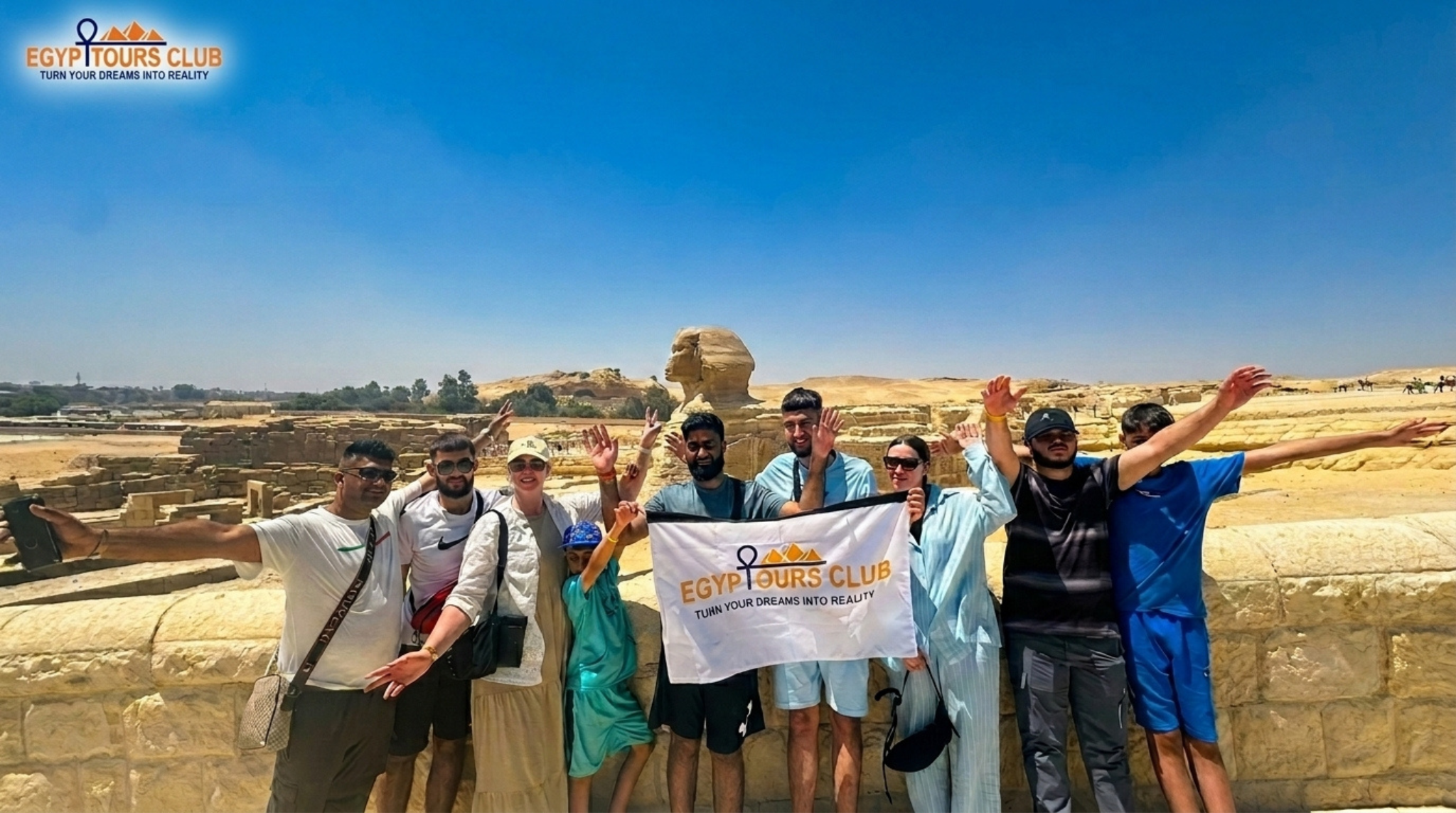
- 100% Private, Door-to-Door Service: You will never be merged with outside tourist groups. Your vehicle, driver, and Egyptologist guide are assigned exclusively to your party.
- Zero Forced Shopping Detours: We guarantee an authentic historical itinerary. You will never be forced into unwanted souvenir factory visits or high-pressure gift shops.
- Transparent, All-Inclusive Pricing: Our tour quotes clearly detail all inclusions—private transport, vehicle fuel, highway tolls, parking fees, driver gratuities, lunch, and official entrance passes—with zero hidden fees at site gates.
- Flexible, Risk-Free Booking Policies: We understand that international flight schedules and travel plans change. We offer flexible schedule modifications and free itinerary adjustments up to 24 hours prior to tour departure.
Frequently Asked Questions About Cairo Day Tours
Is Cairo safe for international tourists and families?
Yes. Cairo is a safe destination for international travelers. Tourism is a primary pillar of the national economy, and the Egyptian government maintains dedicated Tourist Police forces across all major archaeological reserves, museums, and hotel districts. Choosing a private tour with a dedicated vehicle and local guide provides an added layer of security, comfort, and seamless navigation.
How far in advance should I book my Cairo day tours?
We recommend booking your private tours at least 2 to 4 weeks in advance, especially if traveling during the peak winter season (October through April). Advance booking ensures we can secure top-tier, native-speaking Egyptologist guides and reserve optimal morning departure slots for high-demand sites like the Grand Egyptian Museum.
Can you arrange layover day tours directly from Cairo International Airport (CAI)?
Absolutely. We specialize in private airport layover tours. If you have a layover of 6 hours or longer at CAI, our private driver and Egyptologist guide will meet you directly at the arrival hall after customs, manage your luggage securely in our private vehicle, whisk you away for a tailored tour of the Giza Pyramids or GEM, and return you to your flight terminal with ample time for check-in.
Are the interior chambers of the Great Pyramid worth visiting?
Entering the interior of the Great Pyramid of Khufu involves ascending steep, narrow wooden ramps through the Grand Gallery in a warm, humid, and enclosed environment. It is an incredible bucket-list experience for fit travelers without claustrophobia or mobility issues. However, if you suffer from severe claustrophobia, heart conditions, or back problems, admiring the magnificent exterior structure and visiting the nearby Valley Temple is equally fulfilling.
Step Into the Footsteps of Kings
From the towering limestone peaks of the Giza Plateau to the cool, quiet interior crypts of Coptic Cairo and the bustling medieval alleys of Khan El Khalili, Cairo offers a travel experience unlike anywhere else on Earth. It is a city that demands to be understood, not just seen—a place where every stone tells a story of human triumph, artistic mastery, and eternal faith.
By choosing to explore the capital through structured, private Cairo Day Tours with Egypt Tours Club, you ensure that your time in Egypt is defined by comfort, profound historical insight, and unforgettable memories. Let us handle the traffic, the tickets, and the logistics, while you step back in time and stand before eternity.



.png)
.png)
.png)
.png)
.png)
.png)
.png)
.png)
.png)
.jpg)
.jpeg)

.jpeg)
.png)
.jpeg)
.png)
-min.png)

.png)
.png)